
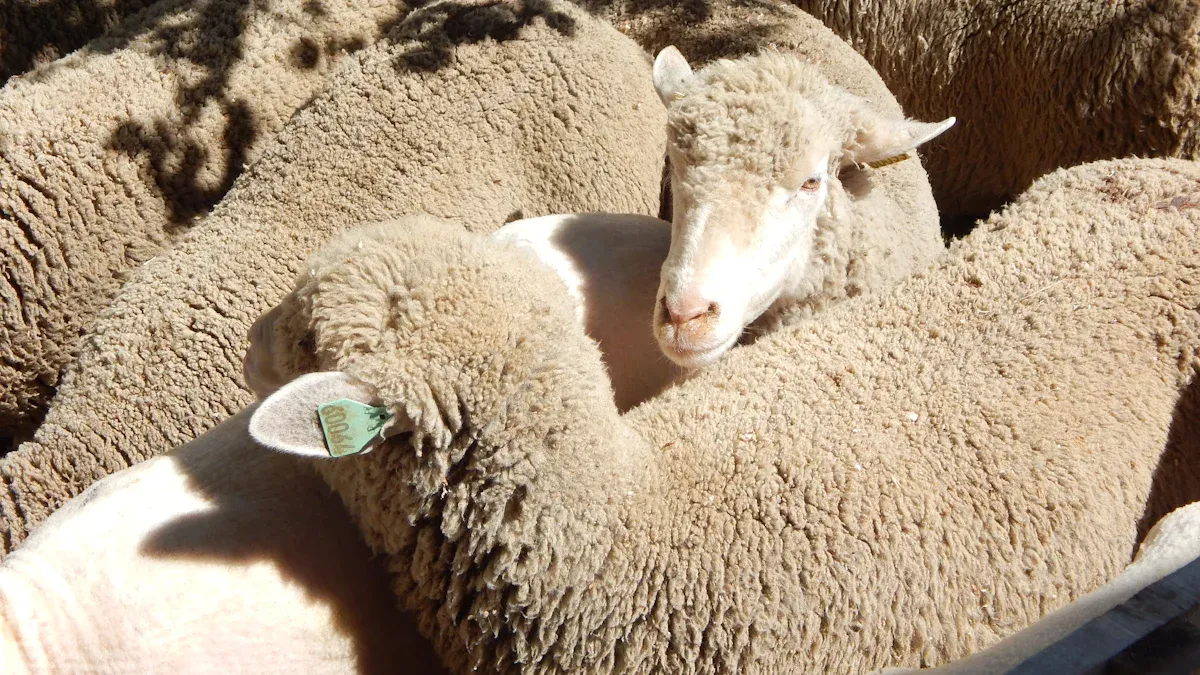
If you want to raise the best sheep for wool, it’s important to know which breeds are most suitable. Many farmers and experts agree that the following breeds are considered the best sheep for wool:
Dohne Merino
SA Mutton Merino
Letelle
Choosing the best sheep for wool ensures you get high-quality fleece. Research shows that using good breeding methods can improve wool traits, making your sheep more valuable.
Study | Findings |
|---|---|
He et al., 2019 | GS can make generations shorter and help pick better wool traits. |
Solberg et al., 2008 | GS can help animals produce more and better. |
Wiggans et al., 2017 | GS works well in breeding programs. |
Karimi et al., 2019 | GS helps us learn more about wool production. |
Yang et al., 2020 | New ways of genomic selection are getting better. |
Mancin et al., 2021 | There are some problems using GS in rabbit breeding. |
By focusing on the best sheep for wool, you can maximize both the quality and value of your flock.
Key Takeaways
Pick the best sheep breed for good wool.
Look at wool traits like fiber diameter, staple length, and fleece weight.
Think about your local weather when you choose sheep breeds.
Mixing breeds can make wool traits better and give more fleece.
Take care of your sheep often to keep them healthy and get better wool.
Wool Quality Criteria
Fiber Fineness and Softness
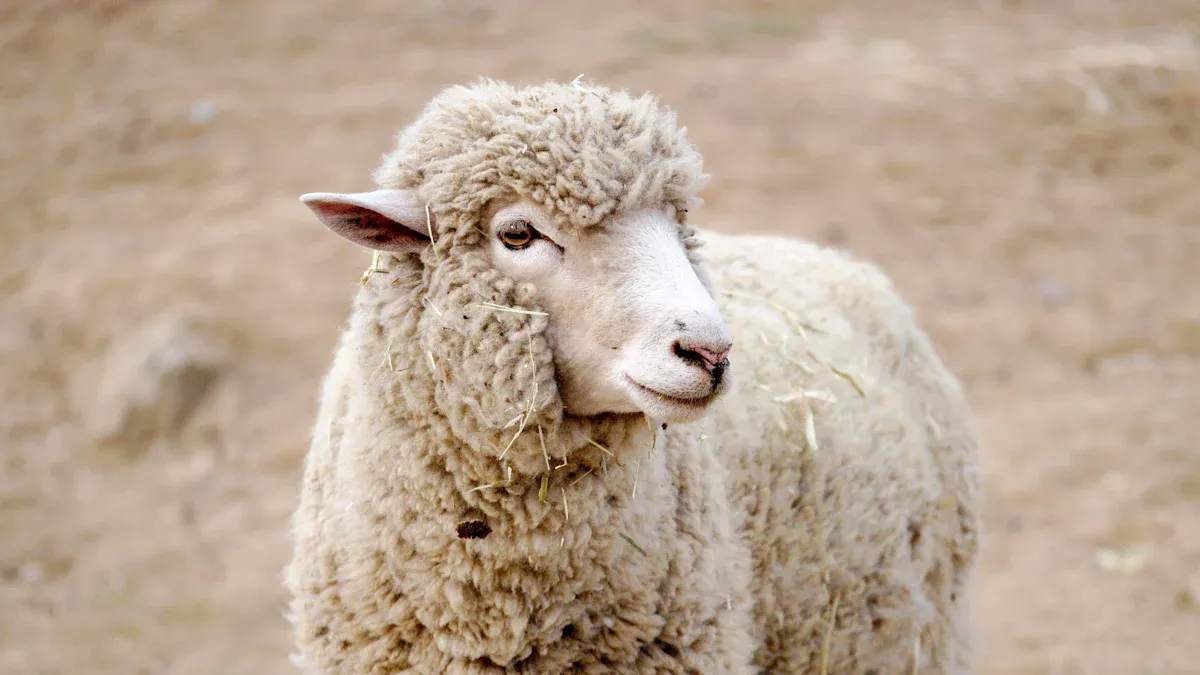
If you want good wool, look at fiber fineness and softness. Fine wool fibers feel soft and smooth on your skin. The textile industry likes these traits because they make clothes comfy and fancy. Fine fibers cost more since they make soft, flowing fabrics. Thick fibers make wool feel stiff and less nice to wear. That is why fiber diameter is a top wool quality standard.
Wool Quality Trait | Description |
|---|---|
Staple Strength | Shows how strong the wool is, which helps make durable garments. |
Fibre Diameter | Measures how thick each fiber is, affecting comfort and clothing use. |
Comfort Factor | Tells you how soft and wearable the wool is against your skin. |
Fleece Weight | Shows the total weight of the fleece, which affects yield and value. |
Wool Length and Yield
Wool length and yield are important wool quality traits. Long wool fibers are easier to spin and work with. They help you make strong yarn for many things. Clean yield percentage shows how much good wool you get after cleaning. A higher clean yield means the fleece is worth more. Fleece weight tells you how much wool a sheep gives each year. Pick sheep with long wool and high yield for better results.
Breed Impact on Wool Production
The breed you pick changes wool traits and how much wool you get. Some breeds give fine wool, while others have longer or rougher fibers. If you focus on wool quality, you can earn more money. Important traits are fiber diameter, staple length, fleece weight, and clean wool yield. These traits often pass from parents to lambs. You can make your flock better in one generation by picking good breeding sheep.
You can get better wool by choosing the right breed.
Important wool traits are fiber diameter, staple length, fleece weight, and clean yield percentage.
Good choices help you get more wool.
Breed Group | Annual Clean Wool Weight (g/kg BW0.75) | Mean Fiber Diameter (μm) | Productivity Characteristics |
|---|---|---|---|
Australian Merino | 135–230 | 19–27 | High annual production |
British Breeds | 30–130 | 25–46 | Lower production |
European Merinos | 55–135 | 20–34 | Moderate production |
Crosses (Australian & UK) | Intermediate | Varies | Mixed characteristics |
Best Sheep for Wool: Top Breeds
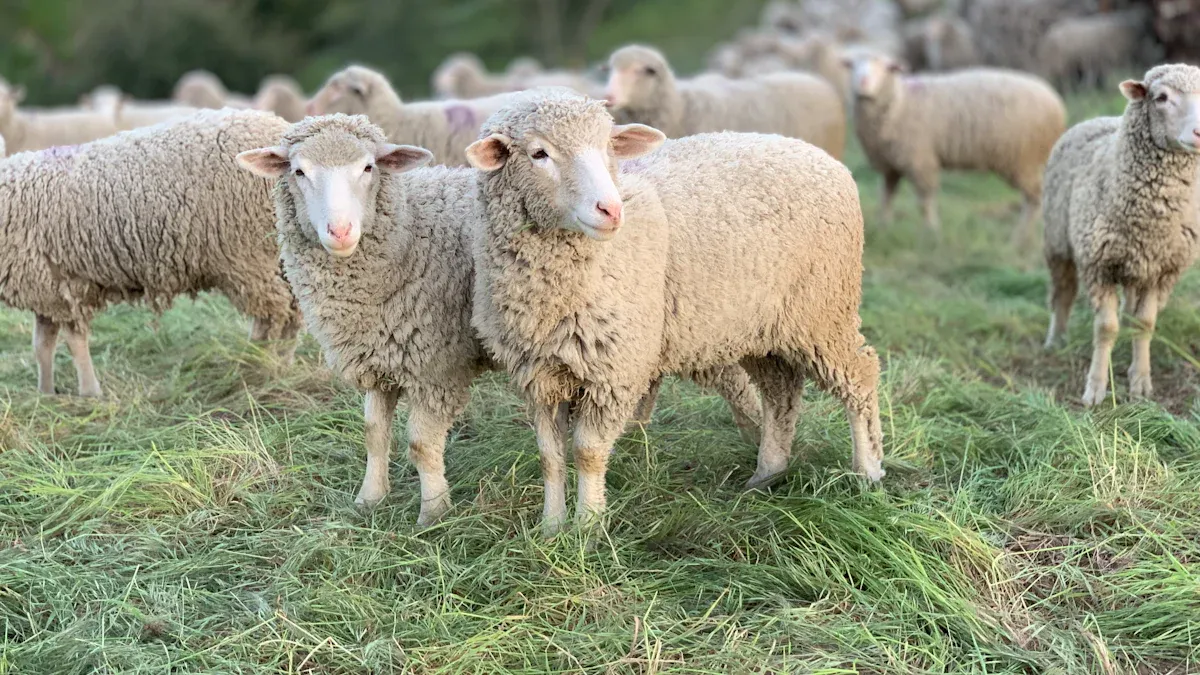
If you want great wool, you should learn about each breed. Some sheep breeds are famous for their wool, history, and how useful they are. Here are the top breeds for wool you might want in your flock.
Merino Sheep Breed
Merino sheep have a long history. They started in Spain around 2,000 BC. In the Middle Ages, Merino wool was very valuable. Moorish rule helped make better textiles. By the 13th century, Spain sold Merino wool to many places. The breed got royal protection. In the 18th century, King Philip II supported Merino sheep. They became well-known in Europe. Merino sheep came to Australia in 1786. They did well there and helped the wool business grow. By the 19th century, Australia was the top Merino wool exporter. Merino wool was important in the industrial revolution.
Merino sheep make high-quality wool.
Purebred Merino sheep live in many countries. They are still the best sheep for wool.
Merino wool is very fine and soft. The wool is usually 17 to 19 microns. This is much finer than regular wool, which is about 30 microns. Fine Merino wool feels good on your skin. It is great for clothes.
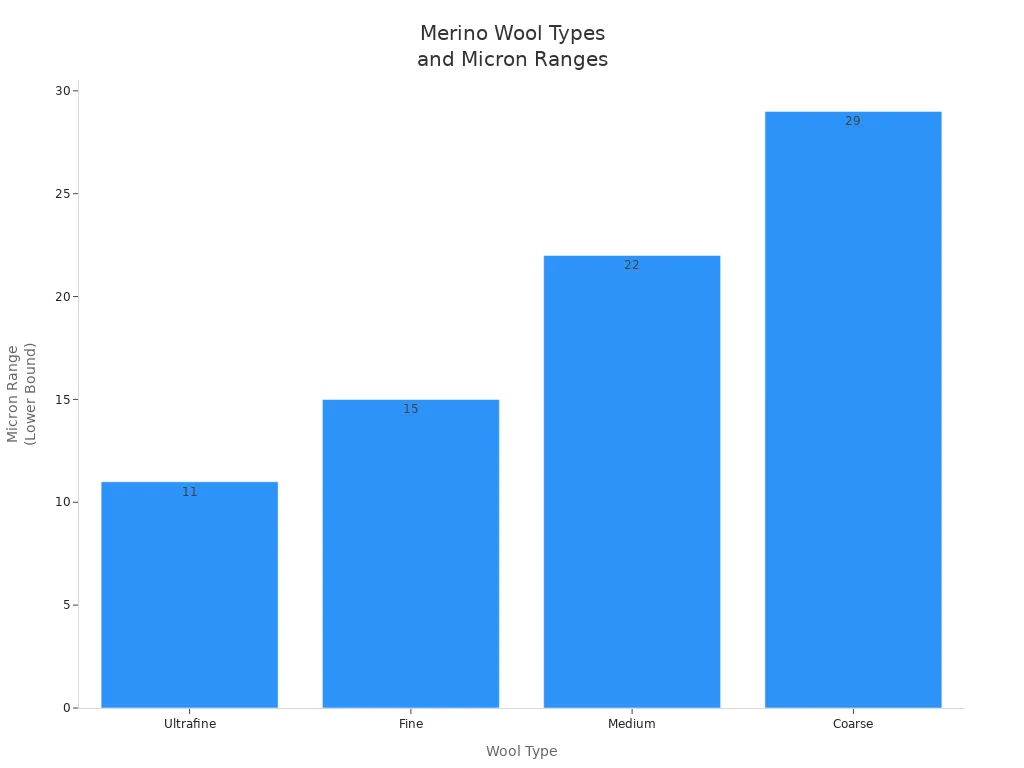
Wool Type | Micron Range | Typical Uses |
|---|---|---|
Ultrafine | 11-15 | Luxury items, baby clothes, fine knits |
Fine | 15-21 | Sweaters, scarves, hats, soft clothing |
Medium | 22-28 | Blankets, coats, bags, sturdy items |
Coarse | 29+ | Rugs, tapestries, heavy-duty things |
Ultrafine Merino wool is very soft. It is best for luxury items.
Fine Merino wool is good for sweaters and scarves.
Medium Merino wool works for blankets and coats.
Coarse Merino wool is used for rugs and tough products.
Merino sheep give many types of wool. They are the best sheep for wool for lots of uses.
Rambouillet Sheep Breed
Rambouillet sheep are from France. They come from Spanish Merino sheep. Their wool is fine and soft. The micron count is between 20 and 24. Rambouillet wool is longer, about 4 inches. It has good crimp and stretches well. This makes the wool strong and warm. It is great for clothes.
Rambouillet Wool | Other Fine Wool Breeds | |
|---|---|---|
Staple Length | Longer (100mm / 4 inches) | Varies |
Micron Count | 20-24 | Varies |
Crimp | Good | Varies |
Elasticity | High | Varies |
Durability | High | Varies |
Warmth | Excellent | Varies |
Softness | Like medium Merino | Varies |
Rambouillet wool is used in fancy clothes, base layers, underwear shirts, fleece, and puffy coats. The wool keeps you warm and feels nice for long wear. Rambouillet wool competes with Merino wool from other countries. It is still one of the best sheep for wool.
Corriedale Sheep Breed
Corriedale sheep are from New Zealand and Australia. They are good for both meat and wool. Their wool is bright and shiny. It has a good staple length. The fleece is thick and even. The micron range is 25 to 31. Corriedale wool has regular crimp and is dense. It is soft and easy to spin.
Characteristic | Description |
|---|---|
Quality | Bright, shiny wool with good length and thickness. |
Uniformity | Even grade, no hair, kemp, or dark fibers. |
Spinning Count | 50-58, micron range 25-31. |
Crimp | Clear and even. |
Density | Thick fleece is best. |
Staple Length | Long, but keeps its good qualities. |
Each Corriedale sheep gives 5 to 7 kg of wool each year. The fiber thickness is 22 to 34 microns. The fiber length is 8 to 13 cm. Corriedale wool looks even, has regular crimp, and shines. This breed is great for both meat and wool.
Lincoln Sheep Breed
Lincoln sheep are from England. They are known for long, shiny wool. Lincoln wool grows 8 to 15 inches each year. It is good for spinning and weaving. The micron count is 36 to 40. The wool is thick and best for coats, rugs, and pillows.
Lincoln wool is perfect for worsted cloth. The long fibers spin well.
The wool shines when dyed because it is very lustrous.
Value | |
|---|---|
Average Staple Length | 8 to 15 inches (20-38 cm) |
Fleece Weight | 12 to 20 pounds (5.4-9 kg) |
Lincoln sheep are good if you want wool for strong, colorful fabrics.
Romney Sheep Breed
Romney sheep are from England. Their wool is tough and useful. The fleece is shiny and has few cross fibers. This makes it strong and easy to spin. Romney wool is long and has a medium micron count. You can use it for many things.
Romney wool is tough and soft. It is great for crafts and needle felting.
The wool is useful for clothes, coats, and weaving.
Romney wool is found in rugs, carpets, sweaters, and sent to many countries like China.
Romney sheep are some of the best sheep for wool if you want lots of wool and even fibers.
Bluefaced Leicester Sheep Breed
Bluefaced Leicester sheep are from England. They are famous for fine, shiny wool. The fleece is tightly curled, thick, and semi-shiny. The fiber diameter is 24 to 28 microns. The staple length can be up to 6 inches.
Description | |
|---|---|
Staple Length | 3-6 inches |
Fleece Weight | 2½-4½ lbs. |
Fiber Diameter | 24-28 microns |
Fleece Quality | Tightly curled, fine, thick, semi-shiny. |
Bluefaced Leicester wool is softer than most longwool breeds. It has a nice shine. The wool is strong and lasts long. It drapes well and dyes easily. This breed is great for fine, shiny wool for spinning and crafts.
Polwarth Sheep Breed
Polwarth sheep are from Australia. They are a mix of Merino and Lincoln breeds. Their wool is 21 to 25 microns, which is fine to medium. The staple length is 3.5 to 5 inches. This is longer than most Merinos. The wool has good crimp, shine, and brightness.
Property | Measurement |
|---|---|
Fiber diameter | |
Staple length | 75 – 110 mm |
Polwarth wool is liked by fiber artists. It is easy to work with. You can use it for soft clothes and hand spinning. The wool shines and is bright. It is popular for both big companies and small makers.
Targhee Sheep Breed
Targhee sheep were made in the United States. Their wool is very soft. The micron count is 22 to 25. The wool stretches well. Clothes made from it bounce and keep their shape. Targhee fleece is thick and warm. It has lots of crimp for warmth.
Targhee wool takes dye well. Colors look bright.
You can spin Targhee wool for different yarns.
The wool is tough but soft. It is good for things you use a lot.
Targhee wool is soft like Merino but strong like longwool. It is good for soft clothes and sturdy fabrics.
Shetland Sheep Breed
Shetland sheep are from the Shetland Islands in Scotland. Their wool is loved by spinners and artists. It is soft, crimpy, and comes in many colors. Shetland wool has three types: kindly (single-coated), longish wavy, and beaver (double-coated).
Fleece Type | Characteristics | Ideal Use |
|---|---|---|
Kindly/Single-coated | Very soft, fluffy, crimpy, thick; 2-4 inches long | Soft clothes for skin |
Longish Wavy | Locks are 4-6 inches, good for worsted spinning | Knitwear with clear patterns like Fair Isle |
Beaver/Double-coated | Long and fancy, 6-10 inches or more; can spin together or apart | Used for many projects |
Shetland sheep have eleven official colors and many shades. You can find white, black, grey, shaela (dark grey), ivory, fawn, mioget (golden), moorit (red-brown), and dark brown. This makes Shetland wool great for creative work.
Cormo Sheep Breed
Cormo sheep are from Australia. They are bred for top wool. Their wool is 17 to 23 microns, which is very fine and soft. Cormo wool is a bit longer than Merino wool. This makes it stronger. The wool also shines a little, which is rare for fine wool.
Cormo sheep are picked for clean fleece, fast growth, and many lambs.
The wool yield is 70 to 73%. Clean fleece can weigh up to 12 pounds or more.
Wool Breed | Micron Count | Staple Length Comparison |
|---|---|---|
Cormo | 19-22 | Longer than Merino |
Merino | 18-22 | Standard |
Rambouillet | 19-23 | Standard |
Debouillet | 18-23 | Standard |
Cormo wool is soft, strong, and looks clean and bright. Cormo sheep are among the best sheep for wool if you want fine, high-yield fleece.
Tip: When you pick the best sheep for wool, think about your weather, flock size, and what you want to make. Each breed has special traits that can help you reach your wool goals.
Wool Production Comparison Table
When you look at sheep breeds for wool, check things like fineness and yield. Also think about what you want to make from the fleece. Every breed gives different wool, so pick one that fits your goals.
Here is a table that shows how top breeds compare for wool:
Sheep Breed | Wool Fineness (microns) | Yield (per year) | Primary Uses |
|---|---|---|---|
Merino | 12–24 | High yield | Soft garments, next to skin products |
Rambouillet | Coarser than Merino | High yield | Versatile products, medium comfort |
Targhee | Medium | Good yield | Outer layers, heavy blankets |
Romney | Coarse, long staple | High yield | Rugs, insulation, durable products |
Bluefaced Leicester | Long, semi-fine | Moderate yield | Hand spinning, knitting markets |
Shetland | Fine, colorful | Moderate yield | Traditional textiles, handcrafts |
Icelandic | Fine and coarse | Moderate yield | Cold climate textiles, specialty use |
Merino sheep have very fine wool and give lots of fleece. Their wool is best for fancy clothes. Rambouillet sheep also give lots of wool, but it is a little thicker. Targhee sheep have medium wool and a good amount of fleece. Their wool works well for blankets and warm coats.
Romney sheep have long wool and give a lot each year. Their wool is good for rugs and keeping things warm. Bluefaced Leicester sheep have long wool and a medium yield. People like their wool for spinning and knitting. Shetland sheep have soft, colorful wool and a medium yield. Their wool is great for crafts and old-style fabrics. Icelandic sheep give both soft and thick wool. They have a medium yield and their fleece is good for cold places.
Tip: To get more wool, pick breeds that give a lot and have the kind of wool you want. Always check wool traits before you choose sheep for your flock.
When you compare wool, you see big changes in how much and how fine it is. Merino sheep give the softest and most wool. Romney sheep give a lot but their wool is thicker. Bluefaced Leicester and Shetland sheep give a medium amount and special wool for certain uses. Icelandic sheep do well in hard weather and give both soft and thick wool.
Always match your wool goals to the breed’s wool and how much it gives. This helps you get the best wool for your farm or craft work.
Choosing Sheep for Wool Quality
Fine vs. Long Wool Breeds
You need to pick sheep breeds that fit your wool plans. Fine wool breeds like Merino, Delaine Merino, Booroola Merino, Rambouillet, and Cormo give soft fiber. These breeds make fleece that feels nice on your skin. Medium wool breeds such as Finn, Suffolk, Dorset, Corriedale, and Hampshire have fiber for strong clothes. Long wool breeds are good for people who want tough fiber for weaving and crafts. The fiber you choose changes your fleece and what you can sell. You should check breed traits like fiber thickness, staple length, and fleece amount. These traits change how much wool you get and how much it is worth.
Tip: If you want to sell wool, pick breeds with fiber traits that buyers want. Fine wool breeds usually sell for more money in the wool market.
Wool Breed Type | Example Breeds | Fibre Traits | Fleece Use |
|---|---|---|---|
Fine | Merino, Rambouillet, Cormo | Soft, thin fibre | Clothing, luxury |
Medium | Corriedale, Finn, Dorset | Strong, versatile | Sweaters, blankets |
Long | Lincoln, Romney | Long, lustrous fibre | Rugs, weaving |
Climate Adaptability
Your local weather affects how well your sheep do. Fat-tailed sheep breeds do well in hot places and can fight off ticks. These breeds help keep fleece good in hard weather. Merino sheep can handle worms and cold, which helps lambs and fleece in bad weather. You can mix breeds to get sheep that do better in your area. Sheep can live in dry places or spots with lots of rain. You should pick breeds that match your weather to keep fleece coming and meet wool market rules.
Pick breeds that do well in your weather.
Mix breeds to get better fleece and more wool.
Change your flock to fit your weather for better fiber and fleece.
Flock Management Tips
You can get more fleece by taking care of your flock. Start by picking breeds with traits that match your wool plans. Look at fiber type, fleece weight, and staple length. Mixing breeds lets you get sheep with better fiber and more fleece. Watch when lambs are born and how often to keep wool coming. Give your sheep good food and care to keep fleece nice. Check for health problems that hurt fleece and fiber. You can make your flock better by picking sheep with strong wool traits and mixing breeds to get sheep that buyers want.
Note: Good care helps you make fleece that meets wool market rules and keeps your farm making money.
Pick breeds with strong fleece and fiber traits.
Mix breeds to get sheep with better wool.
Watch health and lambing for steady fleece.
Match your flock to what buyers want for success in wool.
You have learned about the top sheep breeds for high-quality wool, such as Merino, Rambouillet, and Lincoln. Each breed offers special wool traits. Think about your wool goals, local climate, and farm resources before you choose a breed. If you want to learn more, read guides on sheep care or visit local farms.
Tip: Start small and watch your flock grow. Good planning helps you get the best wool.
FAQ
What makes Merino wool special?
Merino wool feels soft and fine. You can wear it next to your skin. The fibers measure only 17 to 19 microns. You get comfort and warmth without itchiness.
How often should you shear sheep for wool?
You should shear most sheep once a year. Some breeds grow wool faster. You may need to shear them twice yearly. Regular shearing keeps sheep healthy.
Can you mix sheep breeds for better wool?
You can crossbreed sheep to improve wool traits. Mixing breeds helps you get softer, longer, or stronger fibers. You choose parents with the qualities you want.
Which sheep breed gives the most wool?
Merino sheep give the most wool per year. You get high yield and fine fibers. Lincoln and Romney sheep also produce heavy fleeces, but their wool feels coarser.
How do you keep wool clean and high-quality?
You keep wool clean by giving sheep shelter and good food. You check for pests and diseases often. Clean living spaces help you get better fleece at shearing.