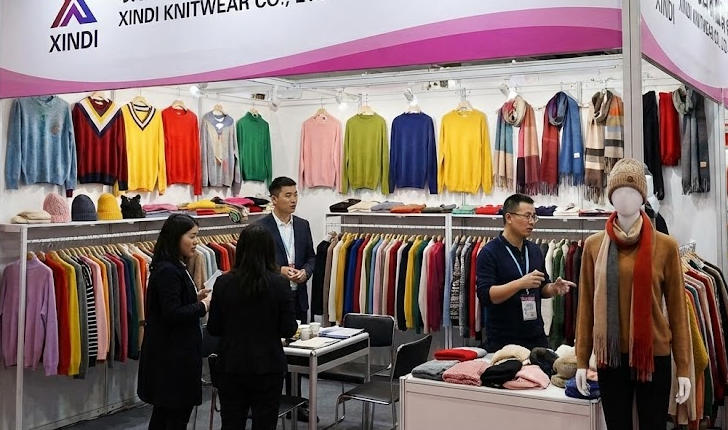


You want your knitwear production for private label to stand out, right? Start by getting clear about who your customers are and what your brand means to them. When you know your market and identity, you can make smarter choices every step of the way. If you focus on working with trusted partners, planning ahead, and sticking to high quality, you’ll dodge common mistakes and build a brand people love.
Key Takeaways
Figure out what your brand stands for. Learn about your target audience. Find out what they like. Make products that fit their needs.
Make your value proposition stand out. Show what makes your knitwear different. This helps bring in more customers.
Do good market research. Look at what your competitors do. Spot new trends. This keeps your brand up to date.
Pick manufacturers you can trust. Check what they can do. Look at their past work. This helps make sure your products are good.
Set clear rules for quality. Check products often while making them. This keeps quality high and lowers returns.
Keep your product choices small. Focus on making them great. Change your products fast when the market changes.
Use a tech pack with lots of details. This helps manufacturers know what to do. It also lowers mistakes when making products.
Plan how you make and move products well. Good schedules and inventory help avoid delays and running out of stock.
Build Your Brand And Plan
Define Brand Identity
Target Audience
You want your clothing brand to reach real people. Start by imagining your perfect customer. Think about their age and style. What do they care about? Do they like bright colors or simple looks? Are they eco-friendly or do they follow trends? When you know your audience, you can make your business fit them.
Unique Value Proposition
Your clothing brand needs a reason for people to pick it. Make a list of what your product does well. Ask yourself how your knitwear helps your customer. Look at what other brands offer and what buyers want. Write your unique value in one clear sentence. Show it to real buyers to see if it works. This step helps your business get noticed.
Tip: Show what makes your clothing brand different. Maybe you use green yarns or let people design their own clothes. Your private label plan should show these good points.
Description | |
|---|---|
Vision | Make a vision that matches what your market wants. |
Quality | Keep high standards by checking your products often. |
Sustainability | Use green ways to attract shoppers who care about the earth. |
Collaboration | Work with good manufacturers to help your business grow. |
Uniqueness | Solve problems for a small group to stand out. |
Consistency | Always use the same brand voice and keep quality high. |
Storytelling | Tell your brand’s story with creative designs. |
Conduct Market Research
Analyze Competitors
You need to know who your rivals are. Check how much of the market they have. See what customers think about their products. Compare their prices to yours. Look at how fast they sell and restock items. These steps help you make your business different and improve your private label plan.
Customer Sentiment and Satisfaction
Pricing Strategies and Competitiveness
Inventory Turnover Rate
Identify Trends
Finding trends keeps your brand cool. Watch for styles like short sweaters, big sleeves, or cable knits. Green knits are liked by shoppers who care about the planet. Bright and old-school designs attract young people. Use online marketing to find new buyers and see what is popular.
Description | Target Audience | |
|---|---|---|
Cropped & Fitted Styles | Trendy; goes well with high-waisted pants. | Gen Z creators |
Statement Sleeves | Makes photos and videos look exciting. | Visual artists, stylists |
Cable & Textured Knits | Feels classic and fancy. | Corporate gifting, premium merch |
Sustainable Knits | Good for shoppers who care about the earth. | Eco brands, influencers |
Color-Blocked or Retro Knits | Looks old-school and grabs attention. | Musicians, retro brands |
Business Planning
Product Range
Pick products your audience likes. Do not use colors they dislike. Keep designs simple and nice. Good quality clothes make people come back. Make sure your products last and meet standards.
Know your perfect client’s style.
Pick colors and designs they enjoy.
Focus on quality so people buy again.
Pricing Strategy
Set prices that match your goals. Watch what your rivals charge and change your prices as needed. Use sales and loyalty data to see what people pay. Change prices for different places or when the economy changes. Private label plans help you save money and give better deals.
Make more profit by spending less on ads.
Work with known brands to save money.
Use savings to set good prices.
Description | |
|---|---|
Executive summary | Short overview of your brand and what makes it special. |
Mission statement | Why your business exists and what it stands for. |
Market analysis | Info about your audience, rivals, and trends. |
Product line description | Styles, materials, prices, and features. |
Organizational structure | Who does what in your business. |
Operations plan | How you get, make, and check your products. |
Marketing plan | How you tell people about your brand. |
Financial plan | Money in, money out, and how much you hope to make. |
Growth strategy | Steps to make your business bigger over time. |
Note: A strong business plan helps you make good choices. It keeps you on track and helps your clothing brand grow.
Knitwear Production For Private Label: Manufacturer Selection
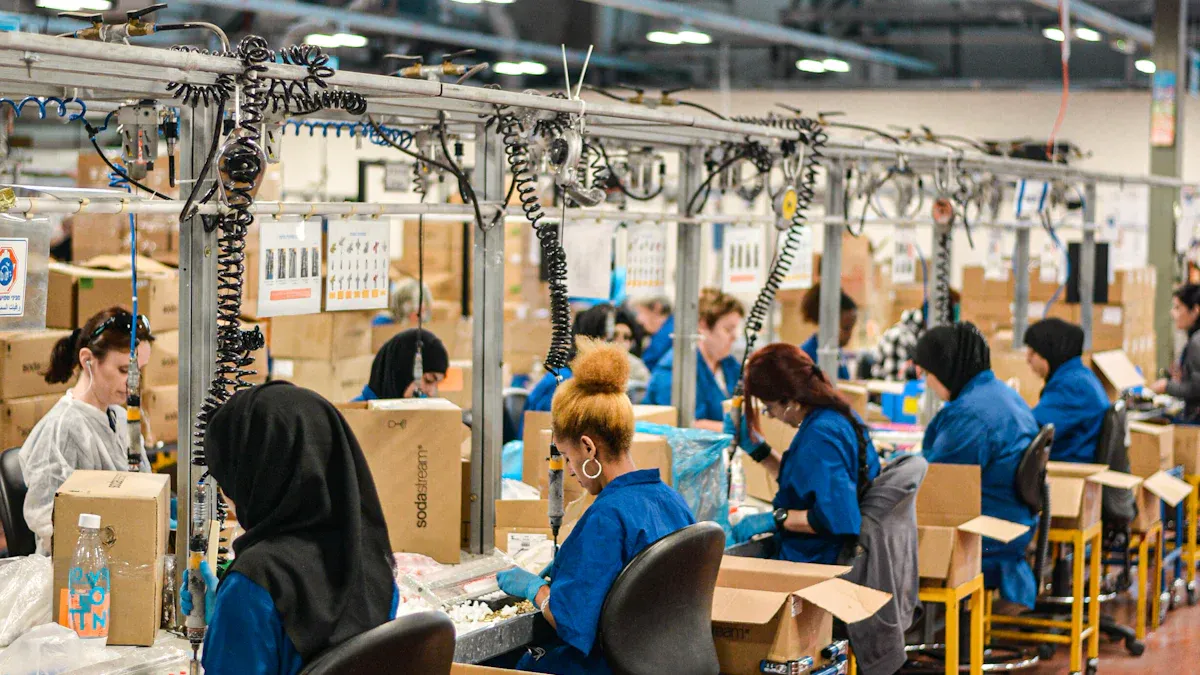
Picking the right private label manufacturer is very important. You need partners who know knitwear production for private label and finish work on time. Let’s look at how you can make good choices and keep things running well.
Choose Reliable Manufacturers
Assess Capabilities
First, check what each private label manufacturer can do. Ask if they have experience with knitwear production for private label. Some factories only make simple sweaters. Others can do custom designs. You need a partner who fits your product ideas and can help from start to finish.
Here’s a table to help you compare:
Criteria | Description |
|---|---|
Minimum Order Quantity (MOQ) | Find out how many pieces you must order. Some want 2000 or more. |
Product Expertise & Customization | Look for factories that know your style and offer custom options. |
Certifications and Standards | Check for GOTS, OEKO-TEX®, or BSCI certifications for ethical production. |
Cost Analysis | Ask for a clear cost breakdown. Watch out for hidden fees. |
Sampling and Quality Control | Make sure they offer samples and let you check quality before you buy. |
Production and Delivery Timelines | Ask about lead times and plan for possible delays. |
Review Track Record
You want a private label manufacturer with a good history. Look for reviews from other brands. Ask to see samples of their past work. Good partners share references and show you how they work. If they finish on time and keep quality high, you can trust them with your knitwear production for private label.
Quality Assurance
Set Standards
Set clear rules for every step in your process. Use digital tech packs to show your details. Ask your private label manufacturer to follow these rules. You can use tools like Cloud ERP to watch progress and find problems early.
Step | Description |
|---|---|
1 | Check each garment for loose threads and ends. |
2 | Look for even stitching and color that matches. |
3 | Do a final check before packing. |
Regular Inspections
Don’t wait until the end to check your products. Plan regular checks during your process. You can find problems like puckering, stains, or wrong labels before shipping. Some brands use outside labs for extra checks. This keeps your knitwear production for private label on track and helps you avoid returns.
Product Selection
Limited Range
Start with a small product range. This makes things easier and helps you save money. You can focus on quality and your brand. A small range lets you change fast if trends shift. Here are some pros and cons:
Advantages | Disadvantages |
|---|---|
Higher profit margins | Upfront investment needed |
Control over branding | Inventory management issues |
Easier pricing strategy | Supplier dependencies |
Market exclusivity | Brand building takes effort |
Quick to adapt and innovate | Need for IP protection |
Having a big inventory can be risky. If you order too much, you spend more and need storage. If you order too little, you might run out and lose sales.
Sizing Simplicity
Keep sizing easy. Think about who will wear your clothes and what type they are. For casual knitwear, letter sizing (S, M, L) works well. For athletic styles, numbers might be better. Match your sizing to your brand. Simple sizing makes things faster and helps your private label manufacturer avoid mistakes.
Tip: Clear sizing and a small product range make knitwear production for private label easier to handle. You spend less time fixing mistakes and more time growing your brand.
Customize Your Private Label: Design And Sampling

Tech Pack Clarity
Specifications
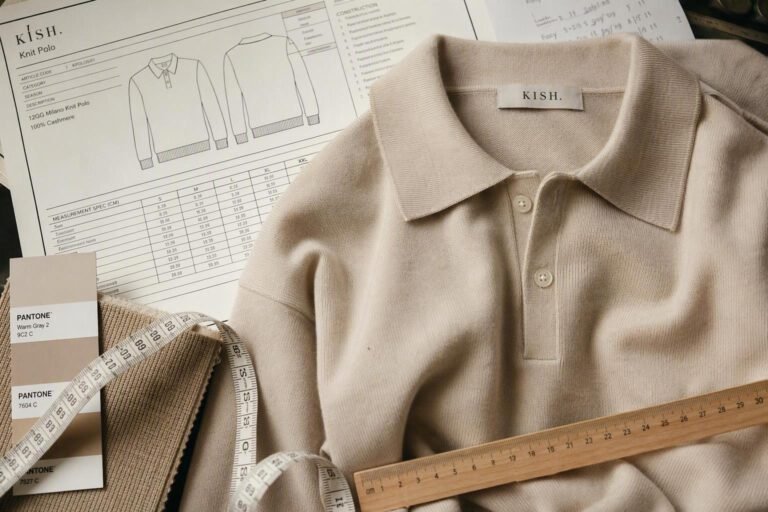
You want your knitwear to look and fit just right. Start with a clear tech pack. This document tells your manufacturer everything they need to know. Include your brand name, product name, and material composition. Add care instructions and sizing details. When you give exact measurements, you help avoid mistakes. Tolerance levels matter too. If you set a tolerance of 1/4 inch for chest or waist, you lower the chance of returns because the fit stays consistent.
Here’s a simple size chart you can use:
Size | Chest (inches) | Waist (inches) | Hip (inches) |
|---|---|---|---|
S | 34-36 | 28-30 | 36-38 |
M | 38-40 | 32-34 | 40-42 |
L | 42-44 | 36-38 | 44-46 |
XL | 46-48 | 40-42 | 48-50 |
Tip: Always list your fiber content, weight, and texture. This helps the factory pick the right yarn and keeps your design on track.
Visual References
Pictures make everything easier. Use 3D images or stitch charts to show your ideas. If you use software like Shima Seiki’s APEX, you can auto-generate knit codes and color chips. These details help the factory understand your design and avoid confusion. You can even send Pantone codes for exact colors.
Sampling Process
Timelines
Sampling takes time. You want to plan ahead. Some samples get priority if you need them for trade shows or big clients. If you have all your materials ready, things move faster. Sometimes delays happen because of missing info, slow feedback, or problems with suppliers. If your design is complex, expect a longer wait.
Samples for events come first.
Ready materials speed up the process.
Complex designs take longer.
Revisions
You might need changes after you see your first sample. Give clear feedback. Use detailed notes and pictures. If you spot a problem, tell your manufacturer right away. Good communication helps you get the product you want.
Note: If you keep your feedback loop strong, you save time and money.
Artisanal Value
Hand-Crafted Techniques
Handmade touches make your knitwear special. When you use hand-crafted stitches or unique patterns, people notice the quality. These details show off your brand’s skill and creativity.
Material Quality
Pick the best yarns and fibers. When you use high-quality materials, your knitwear feels better and lasts longer. Customers will pay more for items that look and feel unique. Fair pricing helps everyone understand the true value of handmade work. If you and other makers use a unified pricing strategy, you support the whole crafting community.
Callout: When you customize your private label with artisanal techniques and top materials, you build trust and justify premium prices.
Streamline Production And Logistics
You want your knitwear brand to work well from the factory to your customer’s closet. Good planning, careful stock checks, and strong shipping help you avoid problems and help your business grow.
Production Planning
Scheduling
You need a clear plan for every collection. Planning early helps you avoid rushing and missing deadlines. Most brands plan spring clothes in August. They order in September and start making them in October. By January, everything should be ready to ship. This way, your products reach stores in March. You repeat this plan for each season.
Collection | Start Planning | Place Orders | Production Starts | Completion | Shipping | Market Arrival |
|---|---|---|---|---|---|---|
Spring Collection | August | September | October | January | February | March |
Summer Collection | November | December | January | April | May | June |
Fall Collection | February | March | April | July | August | September |
Winter Collection | May | June | July | October | November | December |
Tip: Use a calendar to track every step. This helps your team stay on task and spot problems early.
Seasonal Demand
You want to make the right amount for each season. When you know your busy and slow times, you can get ready. Making best-selling products for every season helps your brand grow. If you plan for seasons, you do not run out or have too much stock.
Inventory Management
Stock Tracking
Watching your stock helps you stop waste and lost sales. Use barcode or RFID tags to see what you have right now. Set reorder points so you know when to buy more. Look at old sales to guess what will sell next. Working with flexible suppliers helps you change plans if you need to.
Use barcode or RFID tags for better tracking.
Set reorder points so you do not run out.
Sell old stock first with FIFO.
Check sales trends to guess what people will buy.
Note: Using data helps you keep shelves full without spending too much.
MOQ Challenges
Minimum order quantities (MOQs) can be hard for small brands. High MOQs mean you spend more and might not sell everything. Some suppliers want high MOQs to cover their costs. This makes it hard to try new ideas. You can find suppliers with lower MOQs or use just-in-time stock systems. Making small batches gives you more choices.
Challenge | Description | Solution |
|---|---|---|
Financial Risks | High MOQs mean money stuck in unsold stock. | Find suppliers with lower MOQs. |
Limited Orders | Small brands cannot meet high MOQs. | Use just-in-time stock systems. |
Need for Flexibility | High MOQs make it hard to try new trends. | Try making small batches. |
Shipping Coordination
Logistics Partners
Picking the right shipping partner makes things easier. Look for companies that know textiles, use tracking, and have good service. Good partners work with you and give fair prices.
Pick partners who know textiles.
Use tracking to watch your shipments.
Make sure they have good customer service.
Delivery Timelines
You want your products to arrive on time and in good shape. Delays can happen from machine problems, broken yarn, or paperwork mistakes. Bad packaging can hurt knitwear during shipping. To stop these problems, talk often with your suppliers and use strong packaging. Tracking systems help you see where your products are.
Callout: When you make production and shipping simple, you save money, avoid delays, and keep customers happy. Good planning and strong partners help your knitwear brand stand out.
You now know how planning, picking reliable partners, and focusing on quality help you build a successful private label knitwear brand. These steps make your business strong and help you stand out. If you want a successful private label, use clear action steps to move forward. Check out these ideas for your next move:
Strategy | Description |
|---|---|
Keep it simple | Use short, direct words to get attention. |
Use action verbs | Start with strong verbs to inspire action. |
Create a sense of urgency | Add phrases that make people act fast. |
Be creative | Show your brand’s style with fun or unique words. |
Start your journey today and watch your brand grow!
FAQ
How do I choose the best materials for my clothing brand?
You want your clothing to feel good and last long. Try soft cotton, cozy wool, or eco-friendly blends. Ask your manufacturer for samples. Touch and wear each fabric. Pick the one that matches your brand’s style and your customers’ needs.
What is a tech pack, and why do I need one for clothing production?
A tech pack is a guide for your clothing manufacturer. It shows every detail about your design. You include measurements, colors, and fabric choices. This helps your factory make clothing that matches your vision and reduces mistakes.
How can I keep my clothing sizes consistent?
You should use a clear size chart for your clothing. Share this chart with your manufacturer. Check samples before you order a big batch. Ask for feedback from real people. Consistent sizing helps your customers trust your clothing brand.
What is the minimum order quantity (MOQ) for clothing production?
MOQ means the smallest number of clothing pieces you can order. Each factory sets its own MOQ. Some want 200 pieces, others want more. Ask your manufacturer about their MOQ before you start. This helps you plan your clothing inventory.
How do I make my clothing brand stand out in a crowded market?
You need a unique story for your clothing. Use special designs, colors, or eco-friendly materials. Share your brand’s journey on social media. Connect with your audience. When you offer something different, people remember your clothing.
Can I start a clothing brand with a small budget?
Yes, you can! Start with a few clothing styles. Use simple designs and easy sizing. Work with manufacturers who accept small orders. Sell online to save money. Focus on quality. As your clothing brand grows, add more styles.
How do I handle returns and exchanges for my clothing brand?
Set clear rules for returns and exchanges. Share these rules on your website. Check each clothing item before shipping. If a customer wants to return something, respond quickly. Good service helps people trust your clothing brand.
What are the biggest mistakes to avoid in clothing production?
Don’t skip market research. Avoid unclear tech packs. Never ignore quality checks. Don’t order too much clothing at once. Always talk with your manufacturer. These steps help you avoid problems and build a strong clothing brand.