
Picking the best supplier for your brand is important. A good modal knitwear supplier helps you earn trust from customers. If your partner cares about quality, your products look better. Clear prices and good business values are also important. Fast delivery matters too. Watch for reliability. Try not to make mistakes that can hurt your brand’s reputation.
Key Takeaways
Pick a modal knitwear supplier who cares about quality. Good materials make better products. This makes customers happier.
Find suppliers with strong certifications. Certifications like GOTS and OEKO-TEX show they care about safety. They also care about the environment.
Talk clearly with your supplier. Quick replies and open talks help stop mistakes. This also builds trust.
Check how much the supplier can make. Make sure they can handle your needs as your brand grows.
Do not pick suppliers just because they are cheap. Low prices can mean lower quality. This can hurt your brand’s reputation.
Ask for samples before you order a lot. Samples help you check the quality. They make sure the products meet your standards.
Try to build long-term relationships with suppliers. Good partnerships bring better materials. They also give you steady quality over time.
Keep learning about sustainability practices. Pick suppliers who care about the environment. They should also treat workers fairly.
Why Your Modal Knitwear Supplier Matters
Brand Reputation
The modal knitwear supplier you pick changes how people see your brand. Customers notice if you care about the environment and use good sourcing. If your supplier is open and honest, buyers will trust you more. The table below shows how what your supplier does can change your brand’s reputation:
Factor | Impact on Brand Reputation |
|---|---|
Sourcing Practices | Responsible sourcing can make your brand look better. Bad sourcing can hurt your image. |
Environmental Standards | Good environmental standards help customers trust you more. |
Transparency in Production | Being open about how things are made builds trust and keeps your brand strong. |
If your supplier hides things or does not do a good job, people may not respect your brand. You want customers to feel happy and proud to wear your clothes.
Product Quality
You must watch the quality of your knitwear closely. The right supplier helps you keep your products great. Here are some ways your supplier can change your products:
Good products start with good materials.
Suppliers who care about quality pick the best raw materials.
Working with trusted suppliers saves time and stops bad batches.
Pick suppliers who know what makes good materials. They should have lots of experience and do good work. If you check samples early, you can stop problems before they start. Good suppliers help you meet your needs and keep your products the same every time.
Business Growth
A good supplier helps your business grow. You want partners who help you reach your goals. Here are some ways a strong supplier can help your business:
Good supplier relationships make your business run better and keep your money safe.
Using fewer suppliers can lower risks and make things easier.
A 2025 survey says 71% of fashion brands want to use fewer suppliers, which shows how important good partners are.
If you pick a supplier who is honest and reliable, your brand can do well for a long time. You can grow your business and follow new trends faster. The right modal knitwear supplier is a big part of your success.
Key Criteria for Modal Knitwear Supplier Selection
Quality Standards
Material Consistency
You want all your clothes to look and feel the same. Material consistency means the supplier uses the same fibers every time. If the yarn changes, your clothes might not match. You should ask for samples from different batches. Check the color, softness, and stretch of each one. Good suppliers test their materials often. They keep records and can show them to you. This helps you trust their quality.
Certifications
Certifications show a supplier follows global rules for safety and ethics. When you see certifications, you know the supplier cares about quality. Some important certifications for modal knitwear suppliers are:
Certification | Description |
|---|---|
OEKO-TEX® Standard 100 | Ensures safe materials used in textiles. |
GOTS | Guarantees organic fibers and ethical production. |
GRS | Verifies recycled materials and social/environmental compliance. |
FSC | Promotes responsible forest management. |
OCS | Confirms organic content in products. |
ISO | International standards for quality management. |
WRAP | Ensures safe, lawful, humane, and ethical manufacturing. |
SA8000 | Focuses on improving working conditions. |
Certifications like GOTS, GRS, and OCS show the supplier uses sustainable materials. They also follow fair labor rules. These marks help you build trust with customers. They show your brand cares about people and the planet.
Pricing & MOQ
Cost Structure
You need to know how much each item costs. Suppliers may charge for materials, labor, and shipping. Some add fees for samples or special designs. Ask for a clear price list. This helps you plan your budget and avoid surprises. Here is a table showing typical minimum order quantities for modal knitwear suppliers:
Supplier | Minimum Order Quantity (MOQ) |
|---|---|
Suerte Textile | 100 pieces per style |
Knitup Atelier | 100 pieces per design |
Knitup Essentials | No MOQ |
DGjiayan | 100 pieces per style |
Runtang Textile | 100 pieces per style |
If your brand is small, look for suppliers with low or no MOQ. This lets you order only what you need.
Hidden Fees
Hidden fees can change the total cost of your order. Some suppliers charge for samples, quality checks, or lab tests. You should ask about these fees before you sign a contract. Here is a table showing common hidden fees:
Fee Type | Estimated Cost Range | Notes |
|---|---|---|
Sampling & Development Fees | $50–$200 per design | Varies by complexity; may be refundable |
Quality Assurance & Inspection | $80–$150 per day (in-line) | Catches issues early |
$120–$300 per order (pre-shipment) | External QC firms often used | |
$80–$150 per test (lab testing) | Required for retail compliance |
Always ask for a full list of costs. This helps you avoid surprises and keeps your budget safe.
Production Capacity
Lead Times
Lead time is how long it takes to make and ship your order. You want a supplier who delivers on time. Ask how many days they need to finish your order. Some suppliers can make 100,000 meters of fabric each month. Big suppliers like KPR Mill Limited make up to 40,000 metric tons of fabric every year. If you need products fast, pick a supplier with strong production skills.
Scalability
Scalability means your supplier can handle more orders as you grow. If you start small but want to get bigger, your supplier should keep up. Many top suppliers use supply chain management to work better. This helps them fill orders quickly and keep customers happy. Leading companies like Shahi Exports and Eastman Exports have big factories and advanced systems. They can make thousands of sweaters and knitwear pieces each month. When you choose a modal knitwear supplier with strong production capacity, you can grow your brand without worry.
Tip: Always ask about production capacity before you place a big order. This helps you avoid delays and keeps your customers happy.
Communication
Talking well with your modal knitwear supplier helps you avoid mistakes. It also helps you build trust. Both sides need to understand each other. This keeps your orders correct. It also keeps your products good.
Responsiveness
You need a supplier who answers fast. Quick replies help you fix problems early. If you wait too long, your order can slow down. Here are some ways to talk better:
Tell your supplier what you want for product, quality, and delivery.
Use tools like 3D garment prototypes and PLM to share ideas.
Try a cloud platform to keep messages and files together.
Build trust and respect with your supplier.
Sometimes, you may have problems with time zones or language. You can use English for business. Plan meetings when both sides are free. If you see a problem with quality or delivery, tell your supplier right away. Acting fast keeps your business working well.
Transparency
Transparency means your supplier shares important facts with you. This includes how they make things and where they get materials. It also means telling you about any delays. When your supplier is open, you can trust them more. You also avoid surprises that can hurt your brand.
A supplier who is open helps you plan better. This keeps your customers happy. More brands now pick suppliers who are honest. The table below shows how long-term relationships have grown in the apparel industry:
Year | Notes | |
|---|---|---|
2019 | 26% | Start of more long-term supplier relationships. |
2023 | 43% | More brands value transparency and reliability. |
2028 | 51% (projected) | Even more brands will choose open and honest suppliers. |
Note: If you work with a supplier who is open, you build a strong partnership that lasts.
Sustainability Practices
You want your brand to show you care about people and the planet. Picking a modal knitwear supplier with good sustainability helps you do this. Look for suppliers who follow high standards and care about the earth and workers.
Eco-Friendly Production
Eco-friendly production means your supplier uses less water and energy. They also use fewer chemicals and make less waste. Many brands now ask for special certifications to prove this. Here are some important certifications for eco-friendly production:
Certification Name | Description |
|---|---|
Better Cotton | Supports better cotton farming for people and the environment. |
Bluesign® | Checks the impact of all materials and chemicals in production. |
Cradle To Cradle | Shows products are recyclable or biodegradable and made with safe processes. |
Global Organic Textile Standard (GOTS) | Proves products are organic from start to finish. |
Oeko-Tex® standards | Tests for harmful substances and supports safe choices. |
B Corporation | Shows a company meets high social and environmental standards. |
When you see these certifications, you know your supplier cares about the planet. This helps your brand earn trust from customers who care about the earth.
Fair Labor
Fair labor means your supplier treats workers well and pays them fairly. You want everyone in the supply chain to work in safe places. Some certifications focus on fair labor and social responsibility:
Certification Name | Description |
|---|---|
Fair Trade | Makes sure products meet social, environmental, and economic rules for fairness. |
Social Accountability International (SAI) | Promotes human rights and good working conditions. |
Responsible Down Standard | Ensures humane treatment of animals in the down industry. |
Tip: Always ask your supplier to show proof of these certifications. This helps you show your customers that your brand cares about people and products.
When you pick a supplier with good sustainability and fair labor, you protect your brand’s name. You also help make the fashion world better for everyone.
Fabric Sourcing and Material Quality
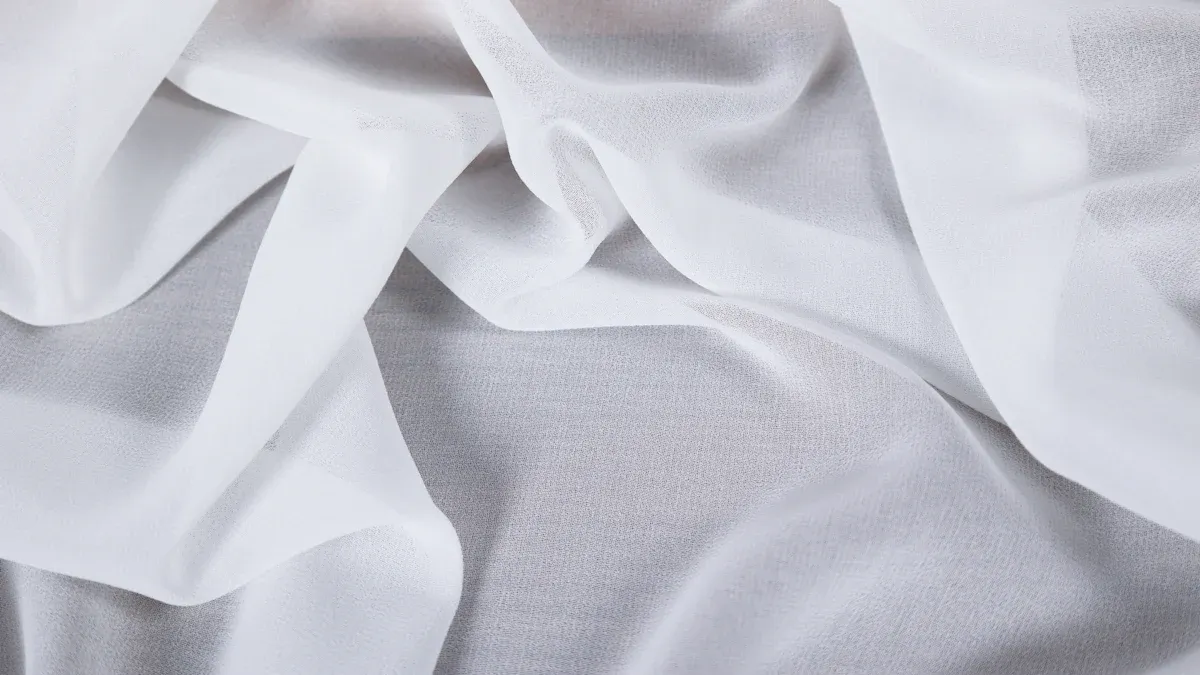
Sourcing Modal Fabrics
It is important to know where your fabric comes from. Good sourcing helps you get the best materials for your knitwear. Many manufacturers mix modal with cotton. These blends make your knitwear soft and strong. You can see some common blends in this table:
Fabric Composition | Supplier Location |
|---|---|
60% Cotton, 40% Modal | China |
50% Cotton, 50% Modal | China |
You should ask manufacturers about their sources. Some suppliers use big mills in China. These mills make high-quality modal for brands. When you talk to manufacturers, ask about their supply chain. You want to know how they get modal and how they mix it with other fibers. This helps you make sure your knitwear fits your brand.
Tip: Always check if your supplier can share details about their fabric sourcing. This helps you avoid problems with quality and keeps things consistent.
Verifying Material Quality
You need to check modal fabric quality before you buy a lot. Good quality keeps your knitwear soft and strong. There are steps you can use to check material quality:
Ask for samples from manufacturers to see how modal feels and looks.
Ask about the supplier’s quality control for knitwear.
Make sure they test fabrics for strength and safety.
Check that a Pre-Production (PP) Sample matches your brand’s needs.
Confirm the sample meets your knitwear standards.
Testing fabrics helps you follow rules and meet standards. You want your knitwear to last and feel good. Proper testing stops problems and keeps customers happy. When you work with manufacturers, ask about their testing methods. This helps you trust their knitwear and build your brand.
Note: Good testing protects your brand’s name and keeps your knitwear safe for customers.
Supplier Certifications
Certifications show that manufacturers care about safety and quality. You should look for suppliers with strong certifications. These marks prove your knitwear meets global rules. Some important certifications for modal knitwear are:
OEKO-TEX® Standard 100: Checks that textiles are safe.
GOTS: Verifies organic textiles and strict social rules.
Bluesign®: Focuses on sustainable production for knitwear.
ISO Standards: Covers color and strength for knitwear.
ASTM International: Publishes safety rules for knitwear.
AATCC: Sets rules for color and durability in knitwear.
WRAP: Certifies ethical production for manufacturers.
UL: Tests safety and quality in knitwear.
STeP by OEKO-TEX®: Checks sustainability and social responsibility.
REACH: Regulates chemicals in knitwear.
Fair Trade: Ensures fair pay and safe working conditions.
Carbon Trust Certification: Reduces carbon footprint in production.
Cradle to Cradle Certified™: Looks at environmental and social impact.
Sustainable Apparel Coalition (SAC): Checks sustainability in knitwear.
Sustainable Textile Standard (STeP): Looks at environmental and social aspects.
You should ask your supplier for proof of these certifications. This helps you show customers your knitwear is safe and made with care. Certifications also help you work with trusted manufacturers. When you choose suppliers with strong certifications, you protect your brand and support better practices in knitwear.
Tip: Always keep records of certifications from your manufacturers. This helps you answer customer questions and build trust in your knitwear.
Evaluating Custom Clothing Supplier Options

Picking the right custom clothing supplier helps your brand get noticed. You need to look at what each manufacturer can do. See if they fit your style and quality needs. Check if they are flexible with your ideas. This part shows you how to compare and check suppliers.
Customization Capabilities
Your products should match your brand’s look. Every supplier gives you different choices. Some let you pick colors, styles, and labels. Others offer special touches like embroidery. Ask each manufacturer what options they have. The table below shows what top suppliers offer:
Supplier | Customization Options |
|---|---|
Royal Apparel | Custom styling, color, and washes/treatments |
Tailored Industry | Over 220 production styles customizable with client labels |
Various Suppliers | Products based on client specifications including color, material, embroidery, designs, etc. |
Check if the manufacturer can make your designs. Ask if they know your type of knitwear. Some let you change fabric blends or add your logo. Others may not offer many choices. You want a supplier who listens and gives you flexible options.
Tip: Always ask for a list of customization services before you pick a manufacturer. This helps you avoid problems later.
Sample Requests
Samples show what a manufacturer can make. Always ask for samples before you order a lot. Samples help you check quality and see if the product fits your brand. Here are reasons why samples matter:
Samples let you see product quality, look, and feel.
You can check if the product meets your standards. This helps you avoid mistakes.
Samples show if the supplier cares about quality.
You can use samples to get approval from your team before ordering more.
Ask for samples from every manufacturer you look at. Check the stitching, color, and feel of the fabric. Test how it stretches and feels. If you find problems, ask the supplier to fix them. Good manufacturers use strong quality checks for every sample. This helps you trust their work.
Note: Samples help you see the real product. They protect your brand and help you make smart choices.
References & Audits
Checking references and doing audits helps you find a reliable supplier. You want to know if the manufacturer has a good record. Ask for references from other brands. Talk to them about their experience with quality and delivery.
You should also do audits to check the factory and systems. Audits help you see if the supplier follows safety and labor rules. Big brands like H&M, Adidas, and Nike use strong audit programs. They visit factories, sometimes without warning, to check working conditions.
Here are steps to audit a manufacturer:
Review the supplier’s ethical standards.
Set up audit programs with planned and surprise visits.
Work with third-party auditors for independent checks.
Look at these areas during an audit:
Quality management system: See if the factory keeps high standards.
Factory environment: Check if workers have safe places.
Product control: Make sure products meet your brand’s needs.
You want a supplier who passes audits and gives strong references. This shows they care about quality and follow good practices. Audits help you avoid risks and build trust.
Tip: Always ask for references and audit reports before you sign a contract. This helps you compare suppliers and pick the best one for your brand.
How to Compare and Vet Suppliers
You need to compare each supplier carefully. Look at their experience and quality systems. Check if they can customize products. Ask for samples and check references. Do audits to see how the manufacturer works. Make a list of what matters most for your brand. Use this list to score each supplier.
Check customization options and flexibility.
Review sample quality and consistency.
Ask about quality control steps and certifications.
Look at audit results and references.
Compare prices and minimum order quantities.
You want a manufacturer who fits your needs and helps your brand grow. Take your time to check each supplier. This helps you avoid mistakes and build a strong partnership.
Alert: Never skip the vetting process. Careful checks protect your brand and help you find the best manufacturer for modal knitwear.
Avoiding Common Supplier Mistakes
Picking a modal knitwear supplier is not always easy. Many brands make mistakes that hurt their business. You can stop these problems if you know what to look for.
Price Over Quality
You may want to pick the cheapest supplier to save money. This can cause big problems for your brand. Cheap suppliers often use bad materials. Your products might not last or look nice. Customers notice when quality is low. They may stop buying from you.
In 2016, Target stopped working with a big home textile supplier. The supplier used cheaper cotton and lied about it for almost two years. Target’s cotton sheets were not what they promised. This shows why you need to check quality from the start.
If you only care about price, you might:
Get products that do not meet your standards.
See more returns and defects.
Lose customer trust and hurt your brand’s name.
You should balance cost and quality. Ask suppliers about their materials and how they check quality. Make sure they meet your brand’s needs.
Skipping Quality Checks
Some brands skip quality checks to save time or money. This can lead to big losses. If you do not check samples or production, you may get products with problems. These problems can be wrong colors, bad stitching, or weak fabric. Customers want good quality every time.
You should always:
Ask for samples before you order a lot.
Check every batch for color, size, and feel.
Use outside inspectors if you need to.
Quality checks help you find problems early. They keep your brand safe and your customers happy.
Unclear Agreements
Clear agreements with your supplier are very important. If you do not set clear rules, you may have problems. These problems can slow down your orders or cost you money. Many brands have lost money because of weak contracts.
Misunderstanding | Implication |
|---|---|
Leads to inconsistent product quality, damaging brand reputation. | |
Unclear Delivery Timelines | Can result in late deliveries that ruin selling seasons. |
Weak Payment Terms | Poses financial risks if suppliers fail to deliver or disappear. |
One-Sided Termination Clauses | Risks leaving businesses without a supplier if the supplier can exit easily. |
Missing IP Protection | Vulnerable designs to being copied or sold to competitors. |
You should write down every detail in your agreement. Include product details, delivery dates, payment rules, and what happens if something goes wrong. This helps you avoid surprises and keeps your business safe.
Tip: Always have a legal expert check your contract before you sign. This step protects your brand and your ideas.
Building Long-Term Supplier Partnerships
Essential Questions
You should ask smart questions before you sign a contract. These questions help you see if the supplier is right for your brand. You need to check if they meet your rules for quality and sourcing. Always make sure their certifications are real and up to date. Here are some good questions to ask:
Are you a manufacturer, a wholesaler, or both?
Are you taking new orders now?
What products do you make or sell the most?
Who will talk to me about my order? Do they speak my language?
Do you have a minimum order quantity?
How much does a customer pay for a certain amount?
What are your payment rules and timelines?
How long will my order take?
How do you ship orders?
What happens if there are defective items in my order?
Tip: Always ask about where materials come from and check certifications before you agree to work together. This keeps your brand safe and helps you keep high standards.
Negotiation Tips
You want a good deal but also a good relationship. Try different ways to negotiate with your supplier. The table below shows some common ways to talk about deals with modal knitwear suppliers:
Strategy Type | Description |
|---|---|
Distributive Negotiation | Try to get the best price or terms for your brand. |
Integrative Negotiation | Share your goals and work together for a win-win result. |
Principled Negotiation | Be fair and focus on what both sides need, not just what they want. |
Competitive Negotiation | Compare offers from other suppliers to get better prices or terms. |
Compromising Negotiation | Find a middle ground where both sides give up something. |
Accommodating Negotiation | Care about the relationship and sometimes accept less to keep it strong. |
Always set clear rules for quality, sourcing, and delivery. When you talk about deals, discuss certifications, order sizes, and payment rules. If you want your brand to grow, pick suppliers who can meet higher standards as you get bigger.
Relationship Management
It takes work to build a strong partnership with your supplier. You should respect each other’s business needs. Do not always push for the lowest price if it means lower quality. Share your long-term plans and focus on product quality, not just cost. Here are some steps to help you work well together:
Talk clearly and often.
Start with small orders and order more as you trust them.
Always be honest about what you need and expect.
Work together on sustainability and set high sourcing standards.
Create new collections with your supplier.
Treat your supplier like a partner, not just a seller.
Many brands have problems when working with manufacturers. The best way is to build trust by working together. This helps you keep a steady supply and lowers risks. When you both care about high standards and check certifications, your brand and your supplier can grow.
Note: A strong partnership helps you get better materials, higher standards, and long-term success for your brand.
Picking the right modal knitwear supplier is very important. Your brand can grow if you choose suppliers who care about the environment. Suppliers who let you change designs help your brand stand out. Always ask for samples to check quality. Talk clearly with your supplier so there are no mistakes. Use this checklist to help you pick the best supplier:
See if they can make enough products and deliver on time.
Check how they keep products high quality.
Look at their prices and all costs.
Pick suppliers who use good sources and have a good name.
Make sure they answer questions and help you.
If you choose carefully, your brand can do well for a long time.
FAQ
What is modal knitwear?
Modal knitwear uses modal fibers made from beech trees. You get soft, smooth, and strong clothes. Modal keeps its shape after many washes. Many brands choose modal for its comfort and eco-friendly production.
How do I evaluate key factors when choosing a supplier?
You should look at quality, price, production capacity, and certifications. Ask about their expertise and strong communication skills. Always request samples. Check if they can meet your needs. Good suppliers help your brand grow.
Why does production capacity matter for my brand?
Production capacity shows how many items a supplier can make. If you want to grow, you need a supplier who can handle more orders. Fast and steady production keeps your customers happy and your business strong.
How can I check a supplier’s expertise?
Ask about their years in the industry. Look at their past work. Request samples of their production. Read reviews from other brands. Suppliers with expertise know how to solve problems and keep quality high.
What questions should I ask about production?
How long does production take?
What is your minimum order?
Can you handle rush orders?
How do you check quality during production?
What happens if there are delays in production?
How do I make sure my supplier uses safe and ethical production?
Ask for certifications like OEKO-TEX or GOTS. Visit the factory if you can. Read audit reports. Good suppliers follow safe and fair production rules. They care about workers and the environment.
What if my supplier has problems during production?
You should talk to your supplier right away. Use strong communication skills. Ask for updates on production. Good suppliers will fix problems fast. Always have clear agreements about what to do if production stops or slows down.
Can I visit the factory to see production?
Yes, many suppliers let you visit. You can see how production works. You can check the machines, talk to workers, and see the quality steps. Factory visits help you trust your supplier and understand their production process.
Tip: Always plan your visit with the supplier. Bring a checklist to review each step of production.