
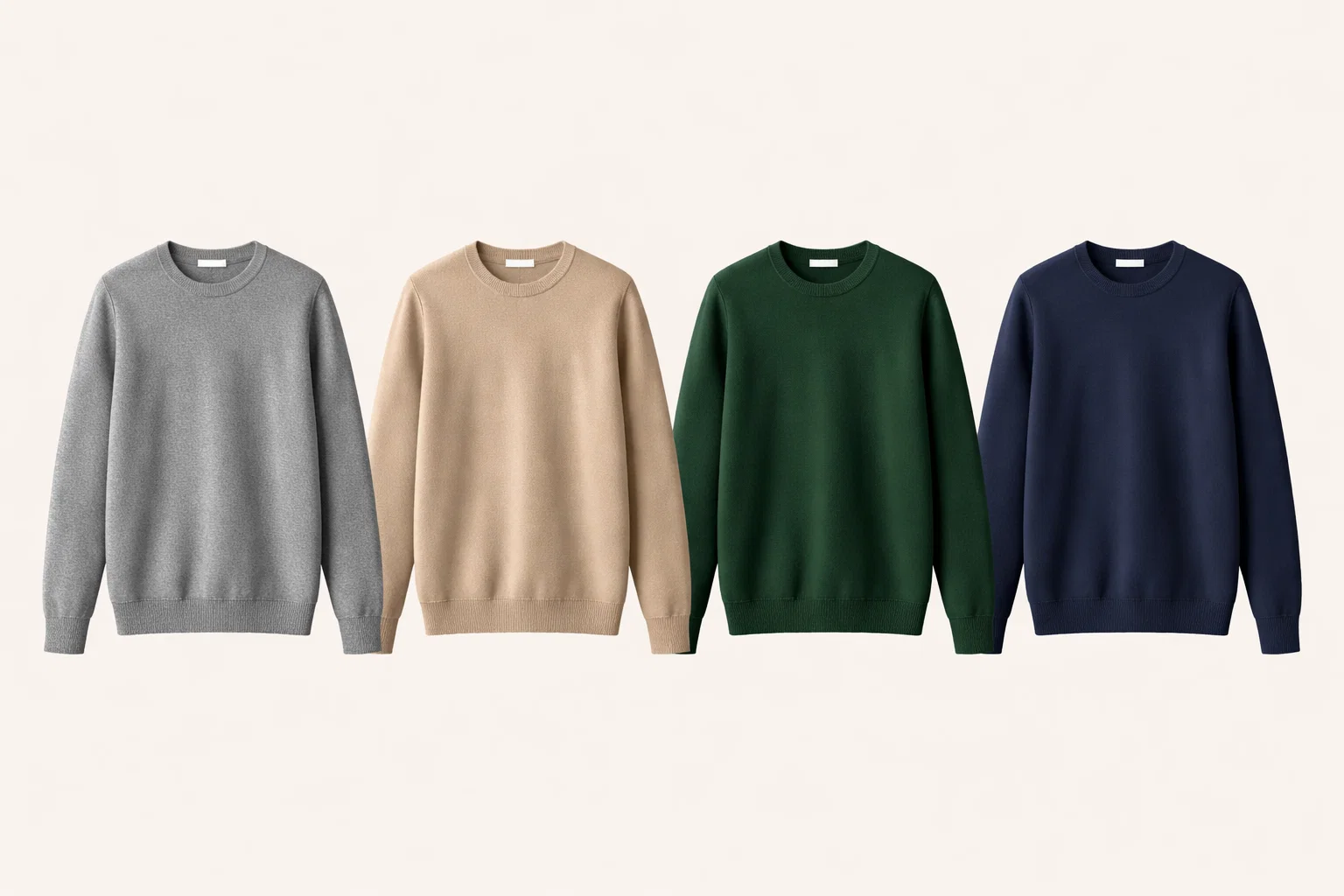
You can see how manufacturing crew neck sweaters affects many people. The sweater market is getting bigger, with more than 1961 Shopify stores selling sweaters. The United States accounts for 37% of all sweater sales. Materials and design trends drive consumer demand for sweaters, as people care about the environment and want to express their own style. However, many individuals worry about the quality of their sweatshirts, often encountering issues with the neckline. Some common problems include:
-
Using the wrong hanger can stretch the neckline.
-
Washing and drying can weaken the fibers.
-
Fabric can wear out and lose its stretch.
-
Folding and storing sweaters improperly can alter the neckline.
-
Putting on or taking off sweatshirts incorrectly can stretch the neck.
Manufacturing crew neck sweaters with high-quality materials and attention to detail helps prevent these issues. The production process emphasizes craftsmanship and the use of the best materials. When you prioritize quality, your sweatshirts last longer, look better, and maintain their shape. By selecting the right materials and designs, you can create unique sweaters. If you follow the best practices in manufacturing crew neck sweaters, you achieve superior quality and style.
Key Takeaways
-
Pick good materials to make crew neck sweaters last longer and look nice. This helps sweaters keep their shape and not wear out fast.
-
Use words from both the industry and customers in product descriptions. This lets more people understand and want to buy the sweaters.
-
Check the neck opening size for all body types. This makes sweaters comfy and stylish for everyone.
Crew Neck vs. Other Styles: Defining the Market Essentials
Crew Neck vs. Round Neck: Is There Actually a Difference?
You may see the terms crew neck and round neck used in many product listings. In the industry, crew neck sweatshirts have a high, round neckline that sits close to your neck. Round necks look similar but usually sit a bit lower and feel more relaxed. Many people use these terms interchangeably, but small differences matter when you want to match current trends in crew neck sweatshirt designs. Crew neck sweatshirts work well for everyday wear and layering. Round necks give you a softer, more casual look. Both styles remain popular because they fit many body types and suit different occasions.
Understanding Industry Terminology vs. Consumer Search Terms
You should know that industry professionals often say “crew neck,” while shoppers might search for “round neck” or “crew neck sweatshirts.” If you use both terms in your product descriptions, you reach more buyers. This helps you connect with people looking for the latest trends and those who want classic designs.
|
Style |
Neckline Shape |
Best For |
Advantages |
Disadvantages |
|---|---|---|---|---|
|
Crew Neck |
High, round |
Everyday, layering |
Timeless, easy to style, suits most body types |
Not great with ties, can feel tight with collared shirts |
|
Round Neck |
Lower, round |
Casual, relaxed |
Comfortable, easy to wear, softens features |
Less formal, not for dressy events |
|
V-Neck |
V-shaped |
Smart-casual, layering |
Elongates neck, works with collared shirts, looks sharp |
Can look too formal for some casual settings |
|
Hoodie |
Hooded, loose |
Casual, sporty |
Cozy, relaxed fit, great for layering |
Not for formal events, can look bulky |
Crew Neck vs. V-Neck: Which Style Suits Your Brand Positioning?
Crew neck sweatshirts and V-necks both attract buyers who want classic looks. Crew neck sweatshirts give you a timeless style that works for men and women. V-necks create a sharp line that looks great with collared shirts. If you want your brand to feel more formal, V-necks may help. If you want a relaxed, all-purpose look, crew neck sweatshirts fit better with current trends in crew neck sweatshirt designs.
Which is More Professional: The Corporate Knitwear Debate
Many companies choose crew neck sweatshirts for uniforms because they look neat and suit most people. V-necks can look more professional when paired with a shirt and tie. You should think about your target market and how you want your brand to appear.
Crew Neck vs. Mock Neck: A Guide to Neckline Variations
Mock necks rise higher on the neck and give a modern, fashion-forward look. Crew neck sweatshirts stay classic and easy to style. If you want to follow new trends, mock necks may help your brand stand out. If you want a sweater that works for many occasions, crew neck sweatshirts remain a top choice.
Tip: Use both industry and consumer terms in your marketing to reach more buyers and match what people search for online.
Set-In, Raglan, or Drop Shoulder: Which Construction Fits Your Crew Neck Best?
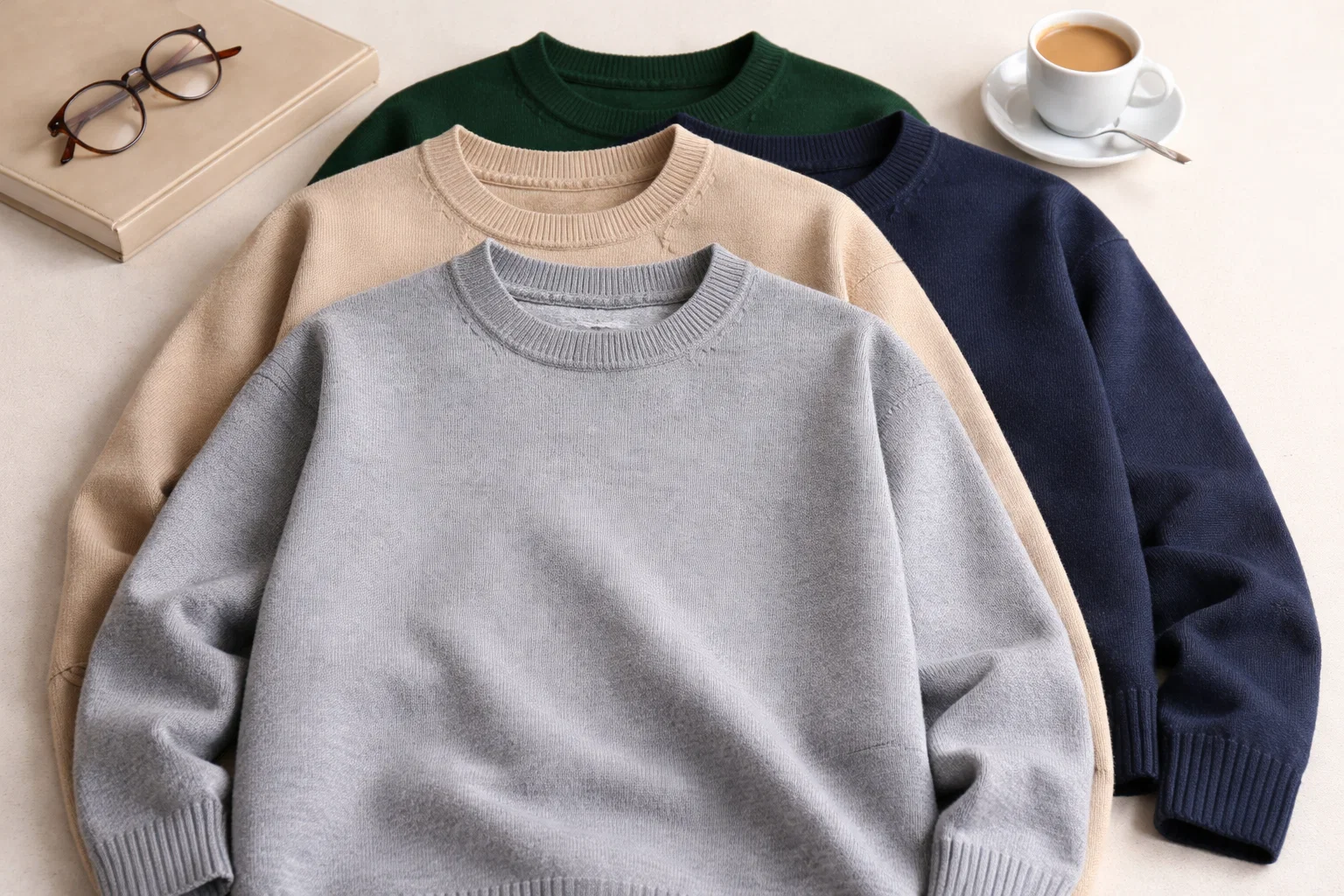
What is the Difference Between Raglan and Set-In Sleeves?
You see set-in sleeves in many classic crew neck sweaters. The sleeve attaches at the shoulder, creating a defined seam. Raglan sleeves start at the collar and run diagonally to the underarm. This design gives you a softer look and more room for movement.
Why Do Sporty Crew Necks Often Use Raglan Sleeves?
Raglan sleeves work well for sportswear. You get a forgiving fit at the shoulders and less fabric bulk under the arms. Many athletic brands use raglan construction because it allows you to move freely. The style looks more sophisticated than drop shoulder designs.
-
Pros of Raglan:
-
Shoulder fit feels comfortable.
-
Less bulk under the arms.
-
Stylish look for active wear.
-
-
Cons of Raglan:
-
Fabric may bunch under the arms.
-
Tight fit in slim garments.
-
Does a Set-In Sleeve Offer a More Formal Silhouette?
Set-in sleeves create a sharp, tailored look. You see this style in formal sweaters and office knitwear. The seam sits right at the shoulder, giving you a clean line. Brands choose set-in sleeves when they want a professional appearance.
Why Are Drop Shoulders Dominating the Streetwear Market?
Drop shoulder construction gives you a relaxed, oversized fit. The sleeve attaches lower on the arm, making the sweater drape loosely. This method works well for sweaters with bold patterns or textures. Many streetwear brands use drop shoulders to create a casual vibe.
How Does Shoulder Width Affect the Drape of a Crew Neck?
Wider shoulders make the sweater hang lower and look more relaxed. You get a softer silhouette that feels comfortable and trendy.
What is a Saddle Shoulder and When Should You Use It?
Saddle shoulder construction blends style and comfort. You see it in knitwear that wants to showcase design elements. The finishing is simple, and the fit is easy. However, the fit may not be precise.
|
Pros of Saddle Shoulder |
Cons of Saddle Shoulder |
|---|---|
|
Showcase Design Elements |
Imprecise fit |
|
Simple Finishing |
Not Very Portable |
|
Easy To Fit |
|
Tip: When you choose a sleeve construction, think about your target market. Athletic brands often prefer raglan sleeves. Streetwear brands love drop shoulders. Office wear usually features set-in sleeves. Saddle shoulders work well for unique knitwear designs.
Why Are Crew Necks So Popular?
The Versatility Factor: Is a Crew Neck Formal or Casual?
Crew neck sweaters have become a staple in many wardrobes. You see them everywhere because they fit so many situations. The pullover segment, which includes crew neck sweaters, holds about 42% of the total market share in the men’s sweater market. This popularity comes from their versatility and broad appeal. You can wear a crew neck sweater with jeans for a relaxed look. You can also layer it over a button-down shirt for a more polished style. Many people choose crew necks because they have a clean, simple design that works for both casual and formal settings.
Designing for the “Smart Casual” Office Trend
Today, many offices prefer a “smart casual” dress code. You can use crew neck sweaters to meet this trend. Pair a crew neck with tailored pants and a collared shirt. This combination gives you a professional look without feeling too formal. Brands that understand this trend can design sweaters that fit both office and weekend wear.
Tip: When you design for versatility, you reach more customers and increase your brand’s value.
Designing for Layering: What Do Consumers Wear Underneath?
Layering is one reason crew neck sweaters remain popular. You can wear them on their own or over other clothes. Many people like to layer a crew neck over a T-shirt or a collared shirt.
Accommodating Collared Shirts: Neck Width Considerations
If you want to layer over a collared shirt, you need to consider the neck width. A slightly wider neck opening makes it easier to fit a shirt underneath. This detail helps the sweater sit well and look neat.
Should You Show the T-Shirt? Adjusting Neck Drop Specs
Some people like to show a bit of the T-shirt under their crew neck. Others prefer a clean look with no undershirt showing. You can adjust the neck drop in your design to match these preferences. This small change can help your product appeal to different style choices.
Men’s vs. Women’s Crew Necks: How Do the Patterns Differ?
How Does the “Front Neck Drop” Change Between Genders?
When you work on design and pattern making for crew neck sweaters, you must adjust the front neck drop for men and women. Women’s crew necks often need a wider neck opening. This helps the sweater sit comfortably and avoids a tight feeling. Men’s sweaters require a different approach because of the Adam’s apple.
Why Women’s Crew Necks Often Need a Wider Neck Opening
You should make the neck opening larger for women. This allows for comfort and style. The minimum neck opening for women’s knitwear is usually 13.5 inches. You can see how neck opening changes with bust size in the table below:
|
Bust Size |
Neck Opening Measurement |
|---|---|
|
32″ |
11″ |
|
36″ |
12″ |
|
40″ |
14″ |
|
44″ |
15″ |
|
48″ |
16″ |
|
52″ |
18″ |
Avoiding the “Choke Point”: Adjusting for the Adam’s Apple in Men
Men’s crew necks need a slightly deeper front neck drop. This adjustment in design and pattern making prevents the sweater from feeling tight around the Adam’s apple. For men, the minimum neck opening is about 14.5 inches.
How to Grade the Neck Opening for Plus Sizes?
Grading the neck opening is a key part of design and pattern making. You should not increase the neck width in a straight line with body width. Instead, you need to follow guidelines that keep the sweater comfortable and stylish.
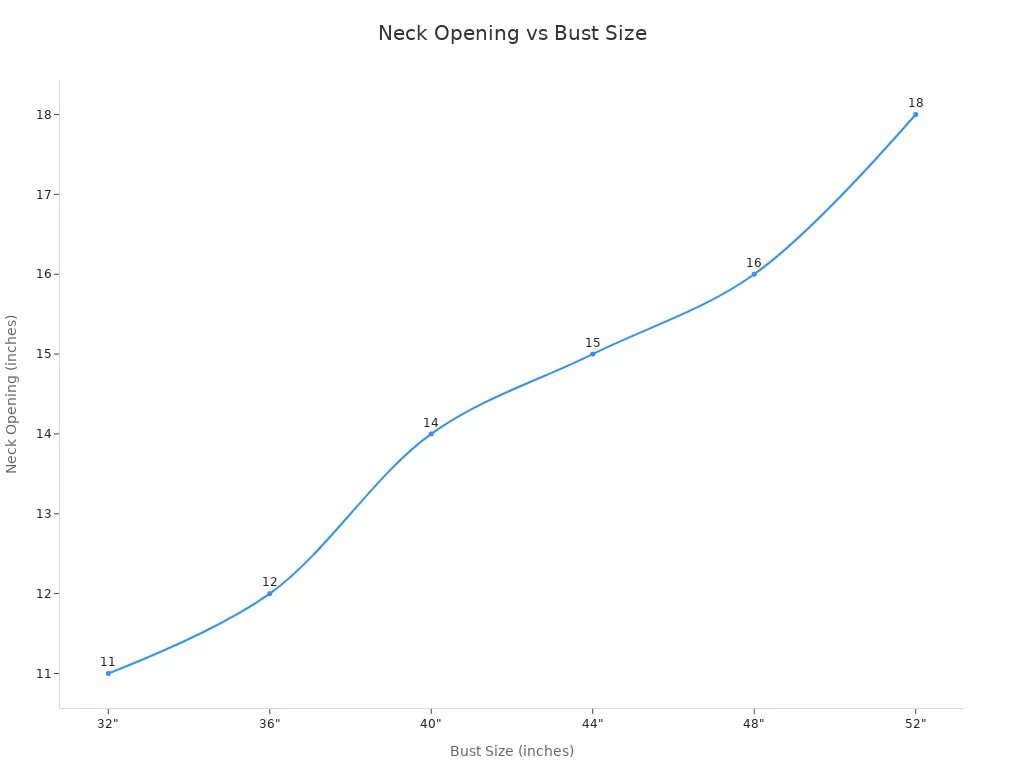
Does the Neck Width Increase Linearly with Body Width?
You should avoid making the neck opening too wide as the size increases. A good rule is to keep the neck opening between 40–50% of the shoulder-to-shoulder measurement.
Common Grading Mistakes That Make Large Sizes Unwearable
Some brands make the neck opening too large in plus sizes. This causes the sweater to slip off the shoulders. You must use careful design and pattern making to ensure a proper fit for every size.
Tip: Always check your neck opening measurements and grading rules to create comfortable, size-inclusive crew neck sweaters.
The “Bacon Neck” Problem: Manufacturing a Collar That Lasts
Why Do Crew Neck Collars Stretch Out?
Some crew neck sweaters lose their shape after you wear them a few times. This is called “bacon neck.” It happens for a few reasons:
-
Knit fibers get weaker after pulling and washing.
-
Using thin hangers or hanging sweaters when wet stretches the collar.
-
Washing in hot water or strong cycles hurts the fibers.
“The knitted neckline is not perfectly stretchy. Every time you stretch it, it does not fully bounce back. Over time, the neckline gets longer than the edge of the shirt. This makes the collar look wavy.” – Ningtao Mao, University of Leeds
The Root Causes: Poor Recovery and Loose Tension
Loose tension while knitting and fibers that do not recover well cause most collar problems. If you use the wrong materials or settings, the collar will not return to its shape.
How Do We Fix a Stretched Crew Neck in Production?
The Solution: Using Spandex Plating in the Rib
You can make collars stronger by adding spandex to the rib knit. This is called spandex plating. It helps the collar stay in shape after many washes.
How Should a Crew Neck Fit? (Tolerance Standards)
Quality control teams check the neck opening size. They use standards to make sure every collar fits right. Most brands allow only a small difference, about 0.5 cm, to keep the look the same.
Construction Techniques: Double Layer vs. Single Layer
You can pick double-layer or single-layer collars. Double-layer collars are thicker and last longer. Single-layer collars are lighter but may stretch more as time goes on.
What is the Best Rib Height for a Classic Look?
Most classic crew necks use a rib height of 2 to 2.5 cm. This height looks good and helps the collar last.
Linking vs. Cup Seaming the Neck Trim
Quality control also checks how you attach the neck trim. Linking makes a smooth finish with no seams. Cup seaming is faster but may not look as nice. Both ways need careful checking to meet quality standards.
Tip: Always use good materials and strict quality control to help your crew neck sweaters last longer and keep their shape.
How Can You Customize a Basic Crew Neck Design?
You can change a basic crew neck sweater in many ways. Custom manufacturing lets you make your sweater look and feel different. You can pick special neck trims, add cool details, or use new ways to build the sweater. These choices help your brand get noticed. They also help you give buyers what they want.
What Are the Options for Neck Trim Finishes?
You have several neck trim finishes to choose from. Each one makes your sweater look and feel different.
Ribbed vs. Tubular Neck: Which Looks More Premium?
A ribbed neck has a stretchy, bumpy band. This style gives sweaters a classic and fancy look. Many people think ribbed necks mean better quality. A tubular neck has a smooth, flat band. This style feels soft and modern. You can use custom manufacturing to match your brand’s style.
|
Neck Trim Type |
Look |
Perceived Value |
Best For |
|---|---|---|---|
|
Ribbed |
Textured |
Premium |
Classic, formal |
|
Tubular |
Smooth |
Modern |
Casual, minimal |
|
Rolled Edge |
Raw, relaxed |
Trendy |
Grunge, streetwear |
Can You Do a Rolled Edge for a Grunge Look?
Yes, you can use a rolled edge for a grunge style. This finish makes your sweater look relaxed and cool. Many brands pick this for younger buyers.
What is the “V-Insert” (Dorito) and Is It Functional?
The V-insert, called the Dorito, sits at the front of the neck. It started as a way to add stretch and strength. Now, you can use it as a fun design detail. The Dorito Church crewneck uses soft material and a playful look. This makes the sweater comfy and stylish. A cropped sweatshirt with a Dorito inset mixes fun style with comfort. It is great for buyers who want both useful and special features.
The History of the Sweatshirt V-Notch in Knitwear
The V-insert began as a helpful custom detail. It helped the collar stay in shape and made sweaters easier to put on. Now, you can use this feature for a vintage or sporty look. Many brands use custom manufacturing to make pullovers that fit their market.
Tip: You can mix custom features to make your sweater unique. Customization helps you find new buyers and grow your brand’s value.
Material Selection and Tech Pack Specs
Picking the right fabric for crew neck sweaters is important. The fabric affects how comfy, strong, and expensive the sweater is. You want to choose materials that fit your brand and what buyers want. Many people now want eco-friendly and sustainable sweaters. Using good materials helps your sweaters stand out.
What is the Best Fabric for Crew Neck Sweaters?
You have many fabric choices for crew neck sweaters. Each fabric has its own good points. Some feel soft and warm. Others cost less or last longer. You should look at all the best materials before you pick one.
Here is a table that compares popular fabrics:
|
Fabric |
Durability |
Comfort |
Cost |
|---|---|---|---|
|
Wool |
Warm, breathable |
Varies by type |
Higher |
|
Cashmere |
Durable, warm |
Very soft |
Very high |
|
Cotton |
Less elastic |
Soft, cheaper |
Lower |
|
Acrylic |
Lightweight |
Easy to care for |
Budget-friendly |
Wool and cashmere are warm and last a long time. Cotton is soft and costs less. Acrylic is easy to wash and is cheap. If you want eco-friendly sweaters, pick organic cotton or recycled wool. These help the planet and attract buyers who care about nature.
Cotton vs. Wool: Balancing Cost, Pilling, and Warmth
You often compare cotton and wool for crew neck sweaters. Cotton does not pill much and feels soft. Wool is warmer and feels fancy. You should think about price and how each fabric works.
|
Cotton |
Yak Wool |
|
|---|---|---|
|
Pilling Resistance |
Durable and resistant to pilling |
Prone to significant pilling |
|
Warmth |
Generally less warm than wool |
Soft and warm, ultra-lightweight |
|
Price |
Higher than acrylic/synthetic |
Specific price not provided |
Cotton is good for daily wear and easy to clean. Wool is better for cold weather and luxury sweaters. You can mix cotton and wool to get both comfort and lower cost. Many brands use blends to make sweaters that last and feel nice.
Tip: If you want eco-friendly sweaters, use organic cotton or recycled wool. These fabrics help you meet the need for green products.
How to Measure Crew Neck Width for Your Tech Pack?
You need exact measurements in your tech pack for quality. The tech pack tells the factory what to do. You should write neck width and front neck drop clearly.
Defining Neck Width (seam to seam) and Front Neck Drop
Measure neck width from one seam to the other across the neck. The front neck drop is from the top of the shoulder to the lowest part of the neck. These measurements help your sweater fit well and look nice.
|
Description |
|
|---|---|
|
Neck Opening |
Measurement of the neck width for the sweater |
|
Shoulder Drop |
Measurement from the shoulder to the neck drop |
Put these details in your tech pack. Clear specs help the factory make sweaters that match your design.
Adjusting Grading Rules for Larger Sizes
You must change grading rules as sizes get bigger. Do not make the neck opening too wide for big sizes. You want the sweater to fit well and keep its shape. Many brands keep the neck opening between 40–50% of the shoulder width. This helps you avoid mistakes in sizing.
Note: Giving clear fabric choices and measurements in your tech pack helps keep quality high and stops costly mistakes.
You can use eco-friendly and premium materials to make sweaters people want. Exact specs and good grading rules help your crew neck sweaters fit everyone and last longer.
What Factors Influence the FOB Cost of a Crew Neck Sweater?
When you look at the FOB cost of a crew neck sweater, you see many factors at play. The price depends on the materials, the way you build the sweater, and the labor involved. You need to understand these parts to make smart choices for your brand.
|
Factor |
Description |
|---|---|
|
Raw Material Prices |
Yarn type influences up to 86% of overall manufacturing expenses. |
|
Production Costs |
Wastage percentages vary across production stages and affect total costs. |
|
Technical Package |
Serves as a blueprint for manufacturers, ensuring accurate specifications. |
Does the Neck Construction Method Affect the Price?
The way you finish the neck changes the price. Hand-linking takes more time and skill. Machine sewing is faster and costs less. If you choose hand-linking, you pay more for labor. Machine sewing gives you a lower price but may not look as smooth.
Hand-Linking vs. Machine Sewing: What is the Price Gap?
Hand-linking can add up to $1–$2 per piece compared to machine sewing. You pay for the skill and time. If you want a premium look, you may choose hand-linking. For basic sweaters, machine sewing helps you save money.
How Does Sweater Weight Impact Your Margins?
Sweater weight comes from the amount of yarn you use. Heavier sweaters need more yarn. This raises the cost. Lighter sweaters use less yarn and cost less to make. You must balance weight and price to keep your margins healthy.
|
Component |
Calculation |
|---|---|
|
Yarn weight + Wastage |
|
|
Accessories cost |
Total Accessories cost |
|
Print/Emb cost |
Print cost |
|
Zipper cost |
Zipper cost |
|
Button cost |
Button cost |
|
CM |
CM based on styling and gauge |
|
Commercial cost |
Commercial cost |
|
Profit |
Profit margin |
|
Final Cost per Piece |
Total Cost / 12 |
Yarn Consumption: Heavy Gauge vs. Fine Gauge
Heavy gauge sweaters use thick yarn and more of it. Fine gauge sweaters use thin yarn and less of it. If you want to control costs, you must track how much yarn you use for each style. Yarn wastage also matters. You need to plan for extra yarn to cover mistakes or trimming. If you use too much yarn, your profit drops. If you use the right amount, you keep your prices fair and your margins strong.
Tip: Always check your yarn usage and choose the right construction method. This helps you control the FOB cost and deliver quality sweaters to your buyers.
You can make crew neck sweaters that stand out by paying attention to design, fabric, and technical quality. Pick premium materials for your sweaters. Measure carefully so everything fits well. Use strong seams to keep the sweater together. The table below lists important ways to check quality:
|
Quality Control Measure |
Purpose |
|---|---|
|
Neckline joining precision |
Stops seams from being loose or crooked |
|
Rib-to-body tension balance |
Helps the sweater keep its shape |
|
Pilling resistance |
Makes the sweater last and look good |
Try customizing styles and use skilled craftsmanship to match what people want in the market.
FAQ
What is the best way to prevent a crew neck collar from stretching?
You should fold your sweater instead of hanging it. Wash in cold water. Choose sweaters with spandex plating for better collar recovery.
How do you measure the neck opening for a tech pack?
You measure from seam to seam across the neckline. Record the front neck drop from the shoulder seam to the lowest point of the neck.
Can you customize the rib height on a crew neck sweater?
|
Rib Height |
Look |
|---|---|
|
2 cm |
Classic |
|
2.5 cm |
Premium |
|
3 cm |
Trendy |
You can choose the rib height to match your brand style.