
If you’re preparing to launch private‑label alpaca knitwear with low minimums, this checklist is your factory‑ready starting point. It focuses on fast, 3–5 day prototype options, transparent RAS/OEKO‑TEX documentation, WHOLEGARMENT capability for alpaca styles, and a predictable, cross‑time‑zone cadence from sample to shipment—whether you’re vetting a partner or comparing a private label alpaca knitwear manufacturer against your current workflow.
Key takeaways
Low MOQ programs can start from 50 units, with typical 3–5 day alpaca sampling options when yarn is available and specs are complete. See the program context in the Low MOQ overview: low‑MOQ production options.
Treat RAS and OEKO‑TEX evidence as auditable chains of documents, not single files. Map scope and transaction certificates to each yarn lot and dye batch.
Build a remote fit loop that pairs a WHOLEGARMENT program version with measurements, photos, and on‑body video to approve or correct fast.
Lock AQL levels and acceptance logic in the PO, then inspect against that standard before shipment.
Prepare US/EU labeling, care, and children’s safety documentation well before booking a vessel or air freight.
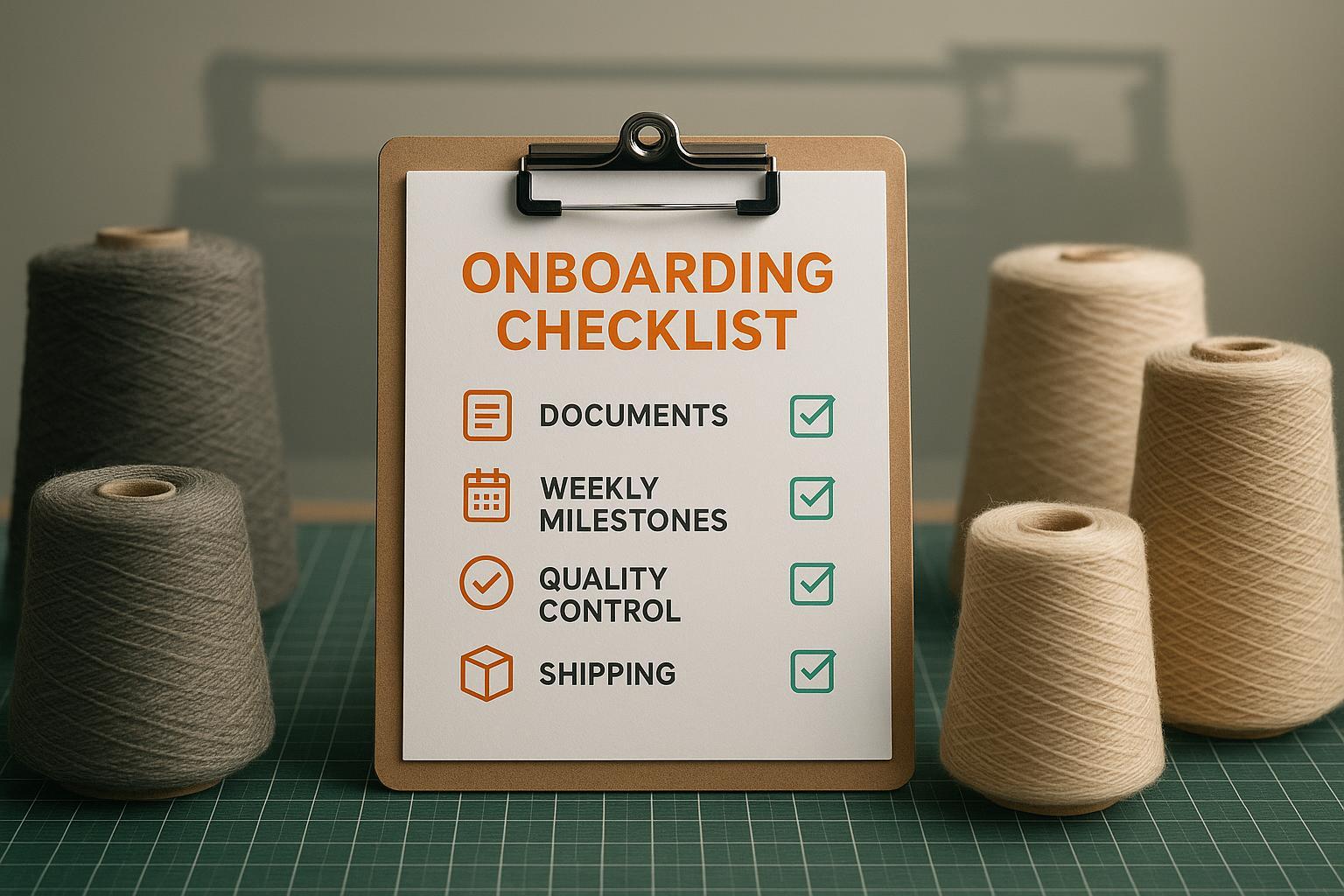
The kickoff checklist
Pre‑kickoff files to prepare Have these items ready to unlock low‑MOQ, fast sampling:
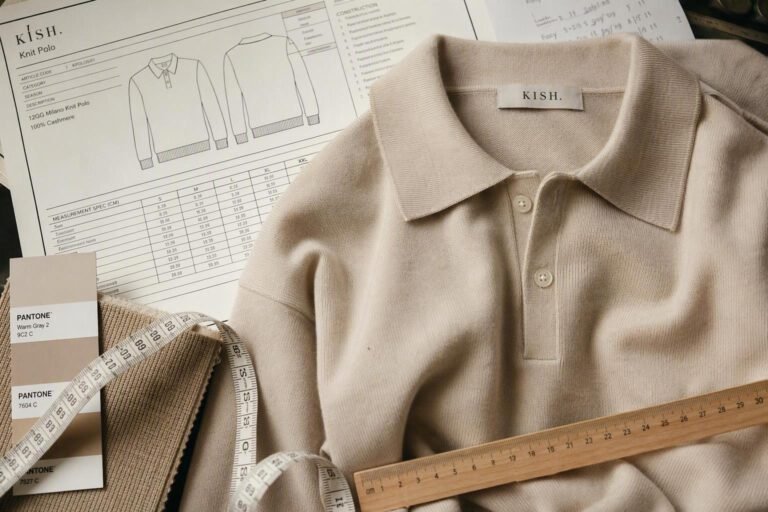
Tech pack with stitch map, gauge, construction notes, and a measurement tolerance table. Include either a graded size set or a base size plus grade rules.
Measurement spec with clear Points of Measure for knitwear (e.g., chest relaxed, bottom opening relaxed/stretched, rib heights) and after‑wash notes if relevant.
Yarn plan and dye information: alpaca composition and blend ratio, supplier, lot and dye batch numbers, and intended colorways. For certified claims, plan RAS and OEKO‑TEX from day one.
Labeling and packaging artwork: brand/size/care/COO labels, hangtags, polybag specs, carton marks, and barcode structure.
Compliance baseline: for the US, align fiber content, identity, and COO with the FTC’s clothing and textiles guidance; care instructions must follow the FTC’s Care Labeling Rule. See the FTC overviews: clothing and textiles business guidance and the Care Labeling Rule. For the EU, use generic fiber names and percentages per Regulation (EU) No 1007/2011 and ensure label language matches the country of sale; see the consolidated text on EUR‑Lex for 1007/2011.
Sampling and the remote fit loop Target a first prototype within 3–5 days when yarn is on hand and the file pack is complete. A practical loop:
Factory delivers a photo set (front/side/back + detail macros), a short try‑on video, and a measurement table against spec. If you plan home‑laundering checks, note the wash and blocking procedure used.
Use knit‑appropriate tolerances. As a rule of thumb, widths often sit within ±1–1.5 cm and lengths within ±1–2 cm for stable alpaca blends; confirm your own targets by style.
Decision matrix: approve as is; approve with adjustments (e.g., +0.5 cm chest, −1 cm length); or request a remake. When using WHOLEGARMENT, log the program version with each decision.
For context on zero‑linking, seamless capability, and how remote fit pairs with programming, see the overview of 3D Knitting and WHOLEGARMENT.
Approvals, PO terms, and project cadence Convert the approved prototype into a repeatable bulk plan:
Freeze the spec, stitch map, color standards, and (for seamless pieces) the WHOLEGARMENT program version. Store them under controlled filenames and dates.
Define PO terms: quantity by size/color, lead‑time windows, Incoterms, payment, shrinkage allowances, and claim/rework protocol.
Set quality acceptance limits in the PO: common apparel choices are AQL 0.0% for critical, 2.5% for major, and 4.0% for minor defects.
Establish a weekly milestone rhythm with time‑zone windows for decisions. Keep a brief decision log listing owner, input required, and pass criteria. For an end‑to‑end view of how these gates fit together, refer to the custom knitwear manufacturer guide.
Production and in‑process QC Alpaca’s loft and halo can shift measurements if controls are loose. Build these checks into work orders:
Incoming yarn checks: map each yarn lot to its RAS documents (if applicable) and to any OEKO‑TEX certificates. Reconfirm lot and dye batch before knitting.
Machine and program controls: record machine type and gauge; keep tension and take‑down settings with each run. For WHOLEGARMENT, maintain program versions so bulk reproduces the approved sample.
Panel/garment control: track stitch density and rib recovery; watch relaxation after off‑machine rest and after finishing.
Finishing: document blocking/pressing methods; evaluate enzyme or anti‑pilling finishes where appropriate for alpaca blends.
Final inspection and AQL example Use attribute sampling to decide lot acceptance. Define the plan in contracts and match the inspection sheet to it.
Example only (not a substitute for the standard):
Lot size
Insp. level
Code letter
Sample size
AQL Major 2.5% (Ac/Re)
AQL Minor 4.0% (Ac/Re)
1,201–3,200
General II
L
200
10/11
14/15
How to read: For a lot of 1,500 units at General Level II, inspect 200 pieces. If major defects are 10 or fewer, accept; if 11 or more, reject. Set critical defects at 0.0% and document what counts as critical vs. major vs. minor in your spec.
Shipping and compliance documents Prepare your export and market‑entry paperwork before booking freight:
Trade docs: commercial invoice, packing list, HS codes, country‑of‑origin certificate, carton marks, and transport documents (AWB/BL). Include any preferential origin forms if applicable.
US labels: fiber content using generic names with percentages, identity by company name or RN, and country of origin as required by the FTC. Care instructions must be permanent per the Care Labeling Rule. See FTC’s broader clothing and textiles guidance for definitions and examples.
EU labels: fiber names and composition must follow Regulation (EU) No 1007/2011; label language must match the Member State of sale as local rules require. Align your care symbols with common EU practice and the principles of ISO 3758.
Children’s products: apply CPSIA. Use tracking labels (product and packaging) with manufacturer identity, date/place, and batch information; see the CPSC’s concise guidance in the tracking label FAQ. Where applicable, secure third‑party testing and a Children’s Product Certificate.
Sustainability and chemical safety evidence: for OEKO‑TEX Standard 100 articles, file the certificate and corresponding test report; see the program overview in the OEKO‑TEX Standard 100 explainer. For RAS claims, maintain Scope and Transaction Certificates tied to yarn lots as described by Textile Exchange’s Responsible Alpaca Standard documentation.
Post‑shipment follow‑up
Archive the approval pack, lab reports, inspection records, and all certificates by PO. Keep a quick‑reference index for audits.
Run short wear tests or customer try‑ons to validate shrinkage and pilling against expectations; record care label feedback for the next cut.
Capture re‑order notes: yarn restock timing, program version updates, carton optimization, and any labeling translations needed for new markets.
WHOLEGARMENT alpaca production notes
For seamless alpaca pieces, combine programming discipline with knit‑appropriate fit checks:
Record machine model and gauge, yarn path, take‑down, and tension settings on each run.
Maintain strict program version control so an approved prototype can be reproduced across bulk and repeats.
Monitor relaxation from off‑machine state through finishing. Pay close attention to openings and hems with higher alpaca content, which may relax more than blends with nylon or wool.
Pair your remote fit loop with on‑body video and a measurement table, and keep each set bound to a specific program version. This is a common workflow for an alpaca sweater OEM low MOQ project when speed and repeatability both matter.
If you plan to claim RAS content, ensure every shipment of certified yarn is accompanied by the correct Scope and Transaction Certificates. Textile Exchange publishes the full RAS standard and its chain‑of‑custody rules; see the official Responsible Alpaca Standard documentation.
Practical example — remote fit with seamless alpaca
Disclosure: Xindi Knitwear (Knitwear.io) is our product.
A new brand submits a base‑size tech pack for a seamless alpaca crew. The factory programs a WHOLEGARMENT version and knits a prototype within a typical 3–5 day window. The sample ships with a measurement table versus spec, a front/side/back photo set, and a two‑minute try‑on video. The team notes +0.8 cm at chest and −1.0 cm at body length after steam blocking. They approve with corrections and request Program v1.1. Within the week, the second prototype lands on‑spec and the approval pack is frozen for the PO. The program version and machine gauge are recorded so bulk can reproduce the fit.
Next steps
Request the onboarding pack with templates and a sample Gantt timeline, then book a kickoff slot aligned to your season. For background on MOQ pathways and sampling rhythms, browse the low‑MOQ production options and the overview of 3D Knitting and WHOLEGARMENT. If you need an end‑to‑end view before you start, see the custom knitwear manufacturer guide. If you’re vetting a private label alpaca knitwear manufacturer for the first time, these resources will help you compare like‑for‑like.
References and compliance resources
US labeling and identity requirements are summarized in the FTC’s business guidance for apparel; see the pages on clothing and textiles and the Care Labeling Rule.
EU fiber naming and composition follow Regulation (EU) No 1007/2011; consult the consolidated law text on EUR‑Lex for 1007/2011.
For children’s products, the CPSC explains tracking labels in its tracking label FAQ.
OEKO‑TEX Standard 100 program details and certificate structure are described in the OEKO‑TEX Standard 100 explainer.
The Responsible Alpaca Standard and chain‑of‑custody logic are laid out in Textile Exchange’s Responsible Alpaca Standard documentation.