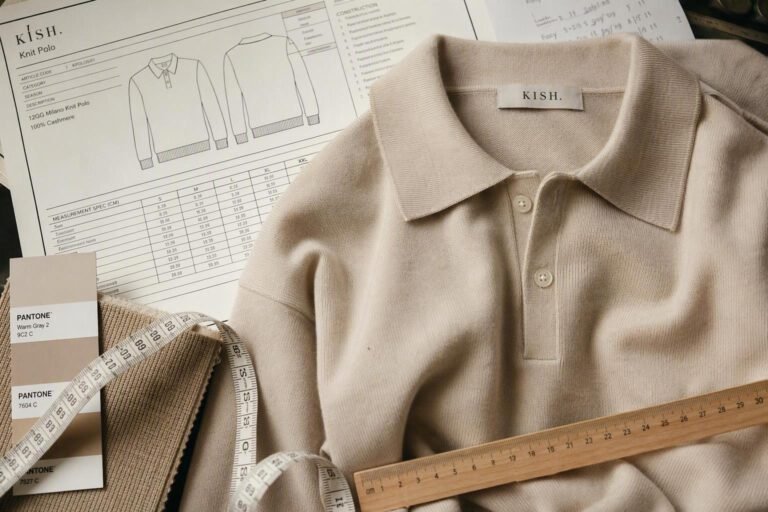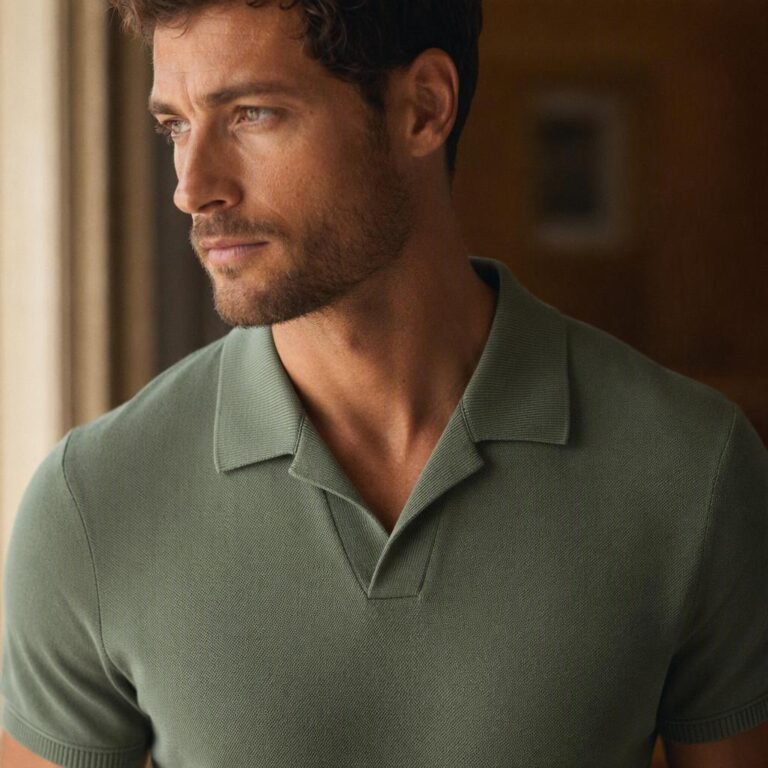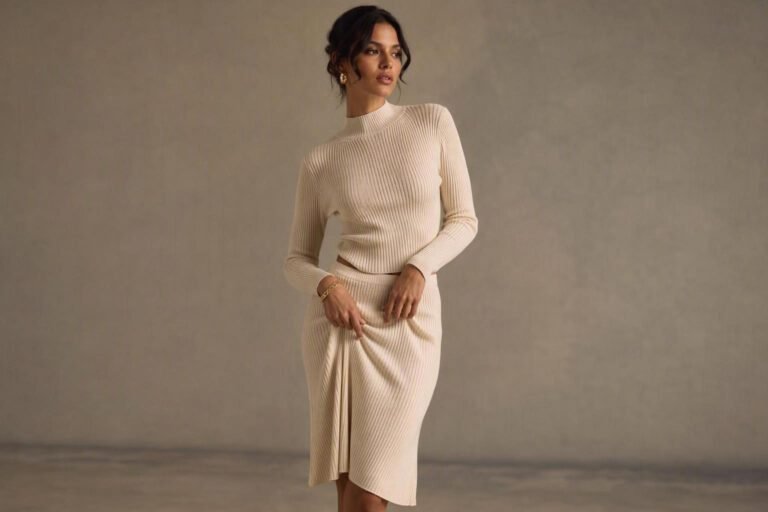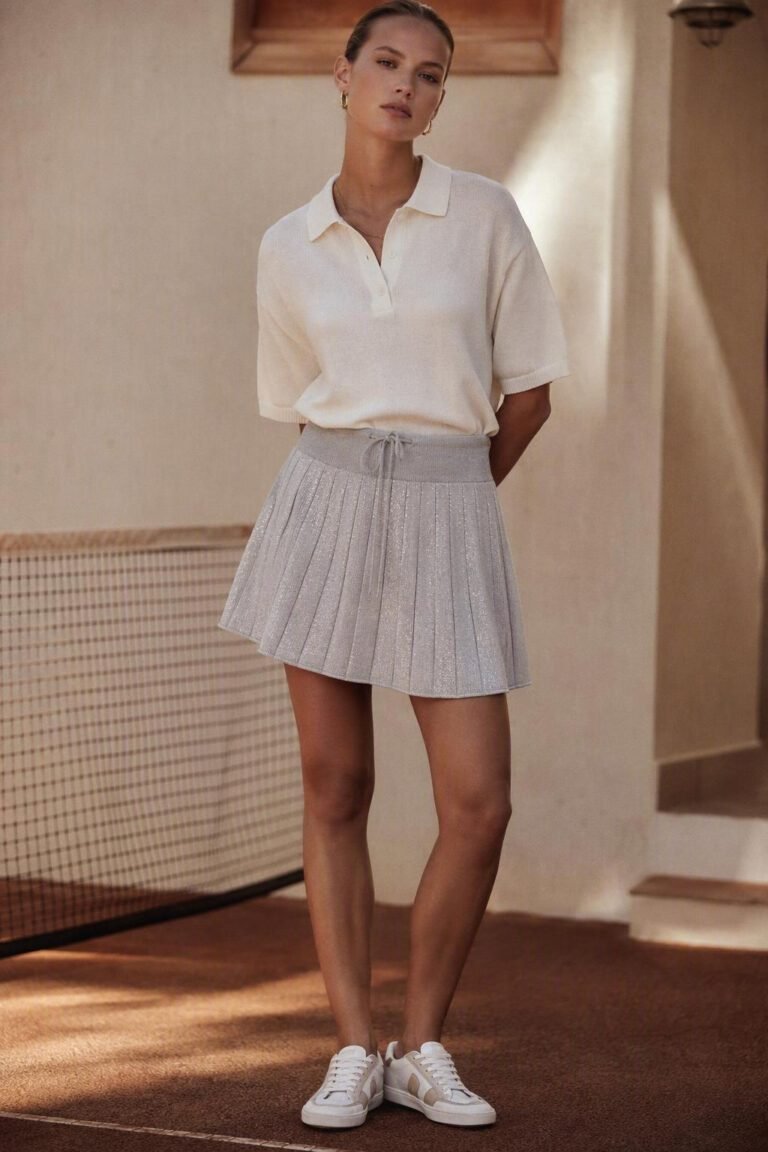

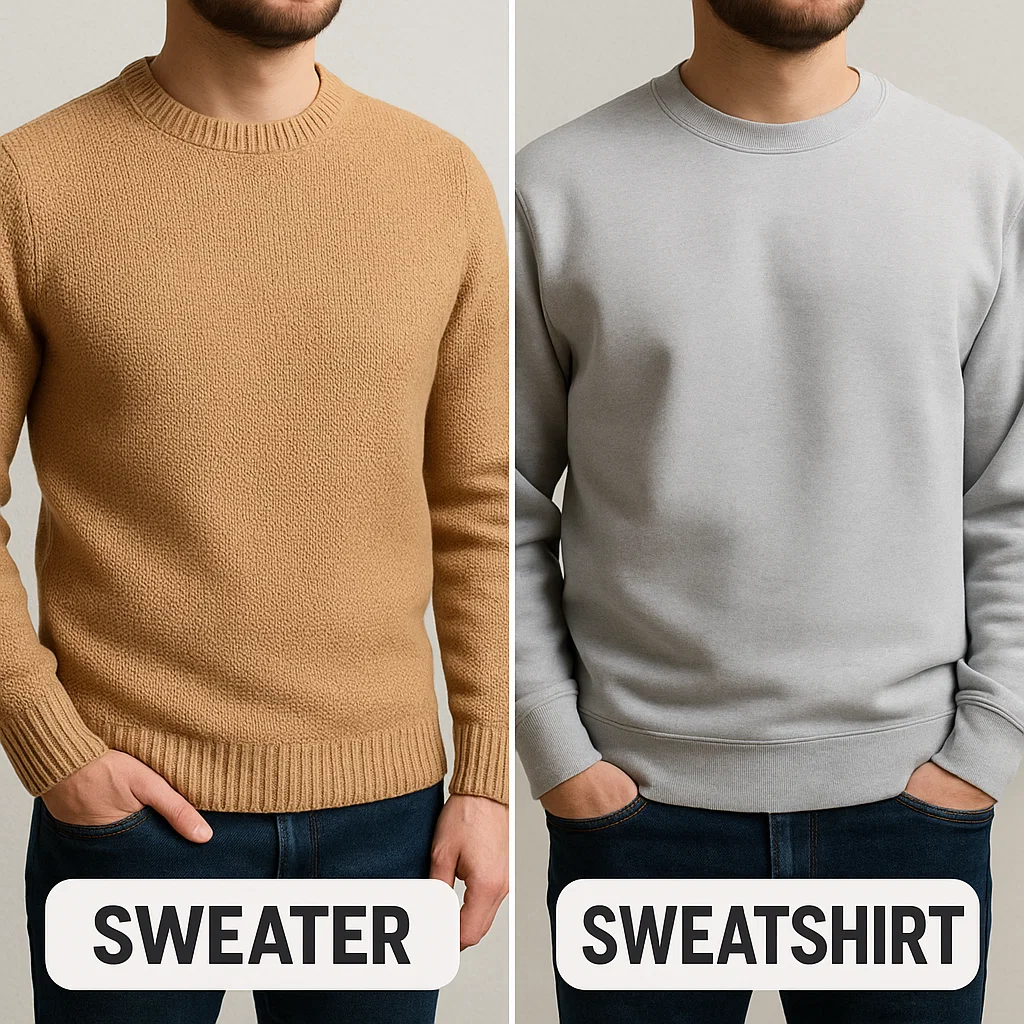
Ever found yourself stuck choosing between a sweater or a sweatshirt on a chilly morning? The sweater vs sweatshirt debate isn’t just about looks—each brings something different to your closet. You want warmth, but maybe you crave comfort or a touch of style. Think about how you feel, what you need, and which fits your vibe. Your choice can make a big difference for your daily outfit and the season ahead.
Tip: Consider your activities and the weather before you pick!
Key Takeaways
-
Sweaters are tops made by knitting. They use wool or cotton. Sweatshirts use fleece or cotton blends.
-
Pick a sweater if you want to stay warm. Sweaters also look nice for cold days or formal events.
-
Wear a sweatshirt if you want to feel comfy. Sweatshirts are good for relaxing or playing sports.
-
Sweaters usually cost more. This is because of their materials and how they are made. Sweatshirts are often cheaper.
-
Wash sweaters by hand and lay them flat to dry. This helps them keep their shape. You can usually wash sweatshirts in a machine.
-
Sweaters come in styles like pullovers and cardigans. Sweatshirts come as crewnecks and hoodies.
-
Think about what you will do and the weather. This helps you pick a sweater or sweatshirt for the day.
-
You can wear both sweaters and sweatshirts. This helps you make many outfits for any event.
Sweater vs Sweatshirt Overview
Sweater Definition
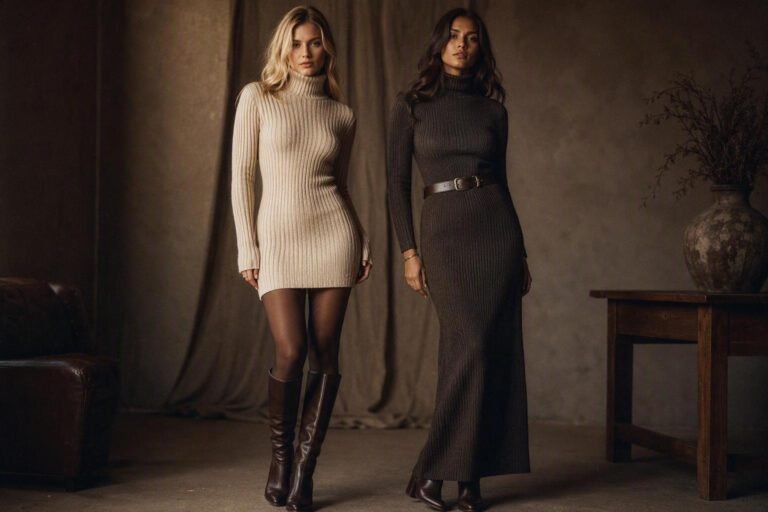
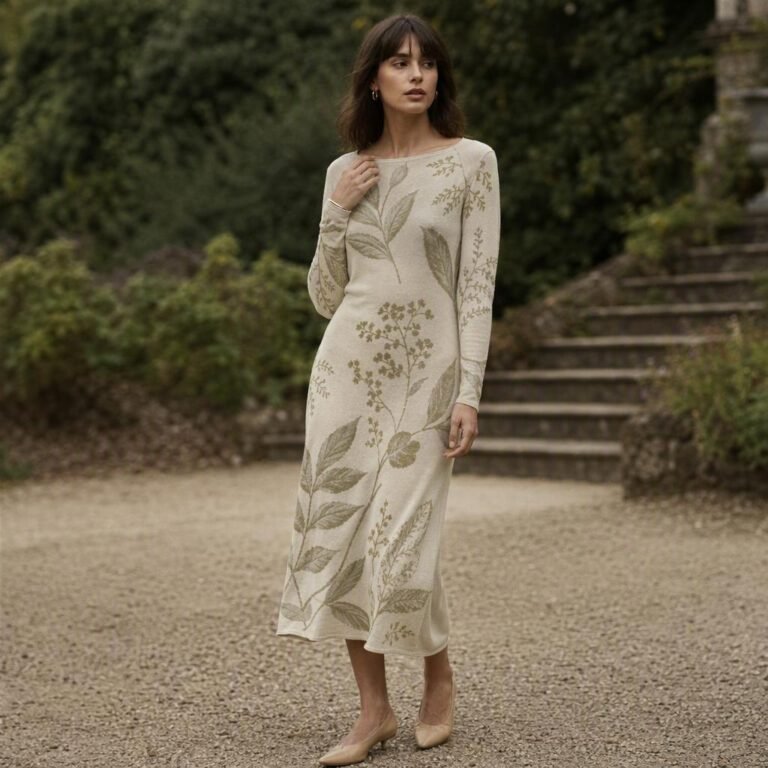
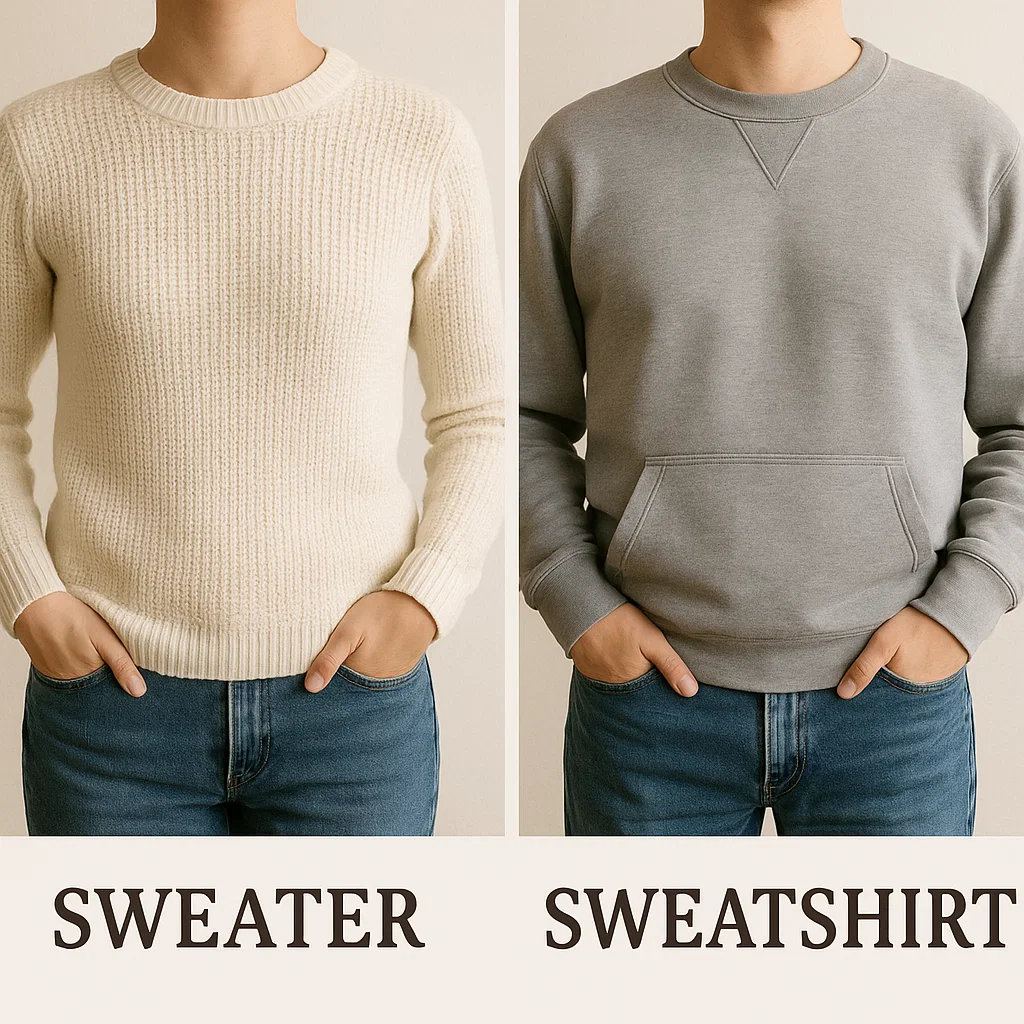
Sweaters are everywhere when it gets cold outside. A sweater is a top made by knitting or crocheting. It usually has long sleeves. Sweaters are made from wool, cotton, or other blends. Some sweaters look fancy with special patterns or collars. People wear sweaters to stay warm and look nice. The word “sweater” is different in other countries. In the United States, it is called a sweater. In the UK and Australia, it is called a “jumper.” In Germany and Austria, it is called a “pullover.” In France and Italy, it is referred to as a “pull.” These names show how sweaters are part of many cultures.
|
Region |
Term Used |
Cultural Context |
|---|---|---|
|
United States |
Sweater |
Standard term for knitted, long-sleeved tops, emphasizing warmth. |
|
UK & Ireland |
Jumper |
Commonly used term, reflecting British cultural ties to knitted garments. |
|
Germany, Austria |
Pullover |
Descriptive term emphasizing the practical aspect of wearing the garment. |
|
Australia |
Jumper |
Similar to the UK, reflecting historical ties. |
|
France & Italy |
Pull |
Borrowed from English, indicating a common understanding of the garment. |
Sweatshirt Definition
You might pick a sweatshirt when you want to feel comfy. A sweatshirt is a long-sleeved top made from fleece or jersey knit. Most sweatshirts use cotton or other blends. Sweatshirts feel soft and easy to wear. Many have hoods, pockets, or cool designs. Sweatshirts give you a relaxed style. They are good for sports, relaxing, or layering on chilly days.
|
Category |
Sweatshirt Characteristics |
|
|---|---|---|
|
Fabric Type |
Knitted or crocheted fabrics, often made from wool, cotton, or synthetic blends. |
Fleece or jersey knit fabric, often made from cotton or synthetic blends. |
|
Design |
Intricate woven patterns, high-neck collars, and elegant cuffs for sophistication. |
Relaxed and casual with hoods and front pouches, often featuring graphics or emblems. |
Tip: If you want to relax or work out, pick a sweatshirt. If you want to stay warm and look stylish, a sweater is a good choice.
Key Historical Points
Sweater and sweatshirt styles have changed a lot over time. There are some big moments in their history. The first hooded sweatshirt was made in the 1930s. Champion Knitting Mills made it for workers who needed to stay warm. In the 1960s, hoodies became popular in American schools and sports. The movie ‘Rocky’ in 1976 made hoodies even more famous. Sweatpants came out in the 1920s to help athletes move better. These changes helped make sportswear and casual clothes popular.
Sweaters have been around longer. People wore knitted clothes to stay warm in cold places. Over time, sweaters became a sign of style and tradition in many places. You see sweaters in schools, offices, and fashion shows. The sweater vs sweatshirt choice depends on what you want—warmth, comfort, or a certain style.
Materials & Construction
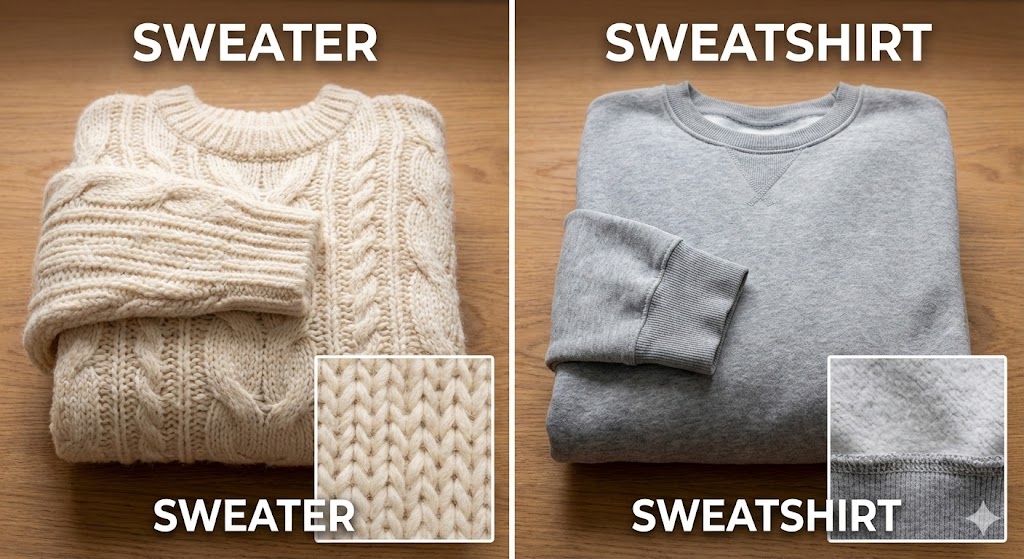
When you look at sweaters and sweatshirts, you notice the difference in how they feel and last. The materials and the way they are made play a big part in this. Let’s break down what goes into each one.
Sweater Fabrics
Sweaters use a wide range of fabrics. Each type brings its own feel and benefits.
Wool
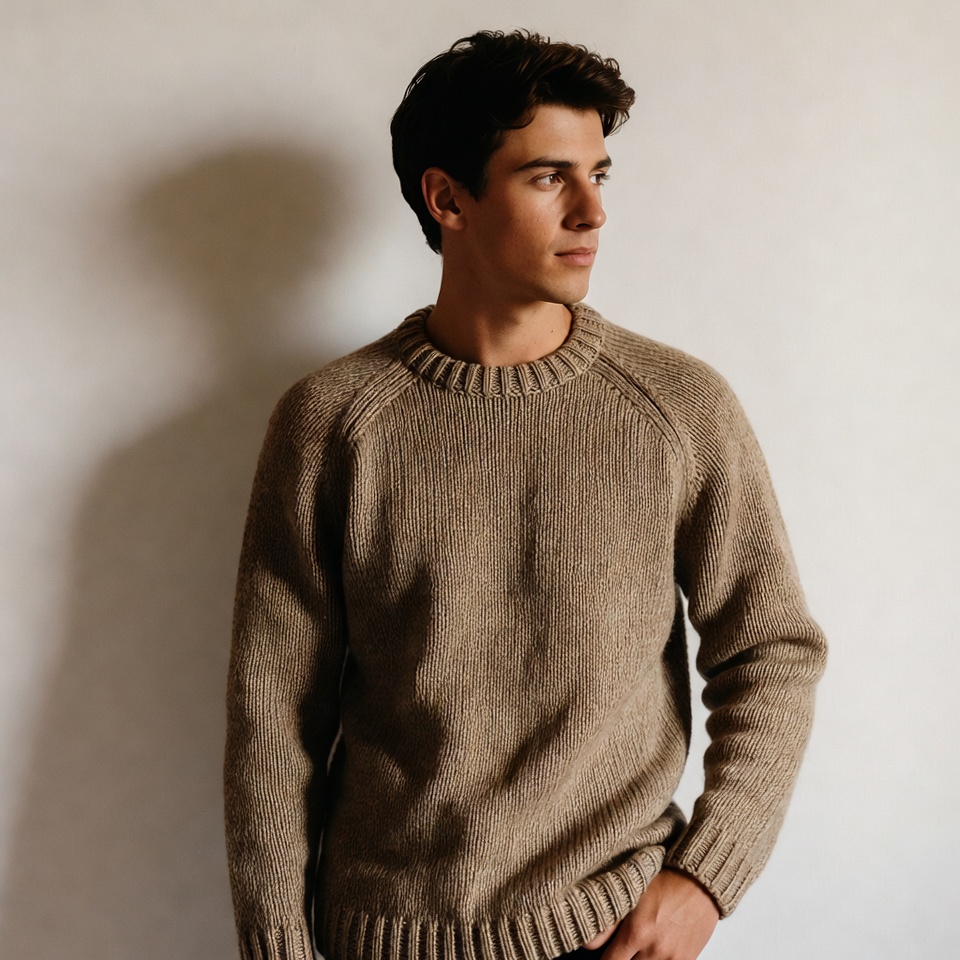
Wool stands out for warmth and comfort. You get great insulation, so you stay cozy even when it’s cold. Wool also wicks away moisture, which helps you stay dry. It keeps its shape well and is a sustainable choice because it’s biodegradable.
Cotton
Cotton sweaters feel soft and breathable. They absorb moisture and keep you comfortable. Cotton gives you warmth, but not as much as wool. You also get less static with cotton.
Synthetics
Synthetic fibers like polyester, acrylic, nylon, and spandex show up in many sweaters. Here’s what you get:
-
Polyester: Wicks moisture, resists wrinkles, and lasts a long time.
-
Acrylic: Feels soft, almost like wool, but is lighter.
-
Nylon: Adds strength and stretch, so your sweater holds up.
-
Spandex: Gives extra stretch for comfort.
-
Rayon: Adds shine and helps absorb moisture.
-
Blends: You might see cotton-wool or cotton-polyester blends. These mixes combine the best parts of each fiber, like softness, warmth, and easy care.
Tip: If you want a sweater that feels light and dries fast, look for blends with synthetics.
Sweatshirt Fabrics
Sweatshirts use different materials to give you that soft, relaxed feel.
Fleece
Fleece is a favorite for sweatshirts. It feels fluffy and warm. You get moderate warmth, which works well for layering or lounging.
Cotton-Polyester
Most sweatshirts use a cotton-polyester blend. This mix gives you softness from cotton and durability from polyester. The blend also makes sweatshirts easy to wash and helps them keep their shape.
Thermal
Some sweatshirts use thermal fabrics. These have a waffle-like texture that traps heat. You stay warm without feeling bulky.
|
Garment Type |
Material |
Warmth Level |
Durability Level |
|---|---|---|---|
|
Sweater |
Wool |
High |
High |
|
Sweatshirt |
Fleece/Cotton |
Moderate |
Moderate to High |
Construction Methods
How your sweater or sweatshirt is made affects how it fits and lasts.
Knitted vs Sewn
Sweaters are usually knitted. This gives them stretch and a soft feel. Knitted fabrics can stretch out or sag over time, especially if the sweater is loose. Sweatshirts are sewn from fabric pieces. Seams help sweatshirts keep their shape and add strength.
Durability Factors
You see different sleeve styles in both sweaters and sweatshirts. Set-in sleeves give a neat, tailored look and help the garment hold its shape. Raglan sleeves skip the shoulder seam, so you get a smooth look and more room to move. Dolman sleeves connect the sleeve and body, making the construction simple. Circular yoke designs let you knit from the top down, which can create unique patterns.
Note: Sewn sweatshirts usually last longer than knitted sweaters, especially if you wear them often or wash them a lot.
Now you know what goes into making sweaters and sweatshirts. The fabric and construction decide how warm, comfy, and durable your top will be.
Design & Style
When you look at sweaters and sweatshirts, you notice right away that they each have their own style. The way they look and feel can change how you dress for any day.
Sweater Styles
Sweaters come in many shapes and designs. You can find one for almost any occasion.
Pullover
A pullover sweater slips over your head. You do not have to deal with buttons or zippers. This style feels simple and classic. You can wear it alone or over a shirt.
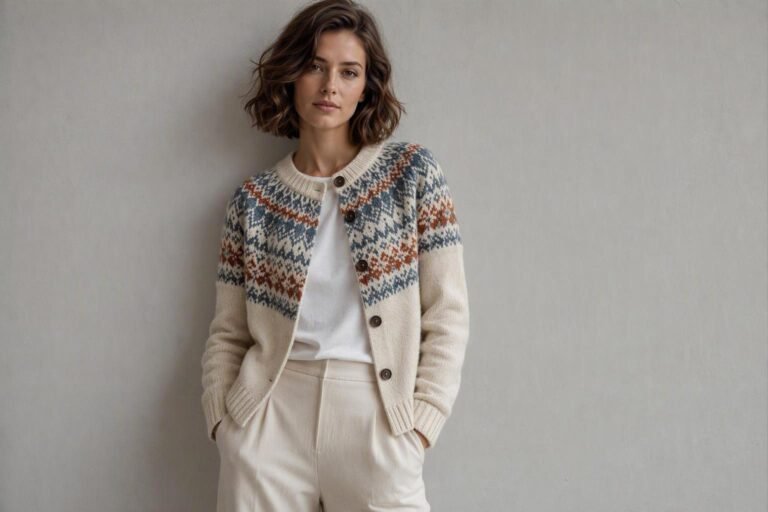
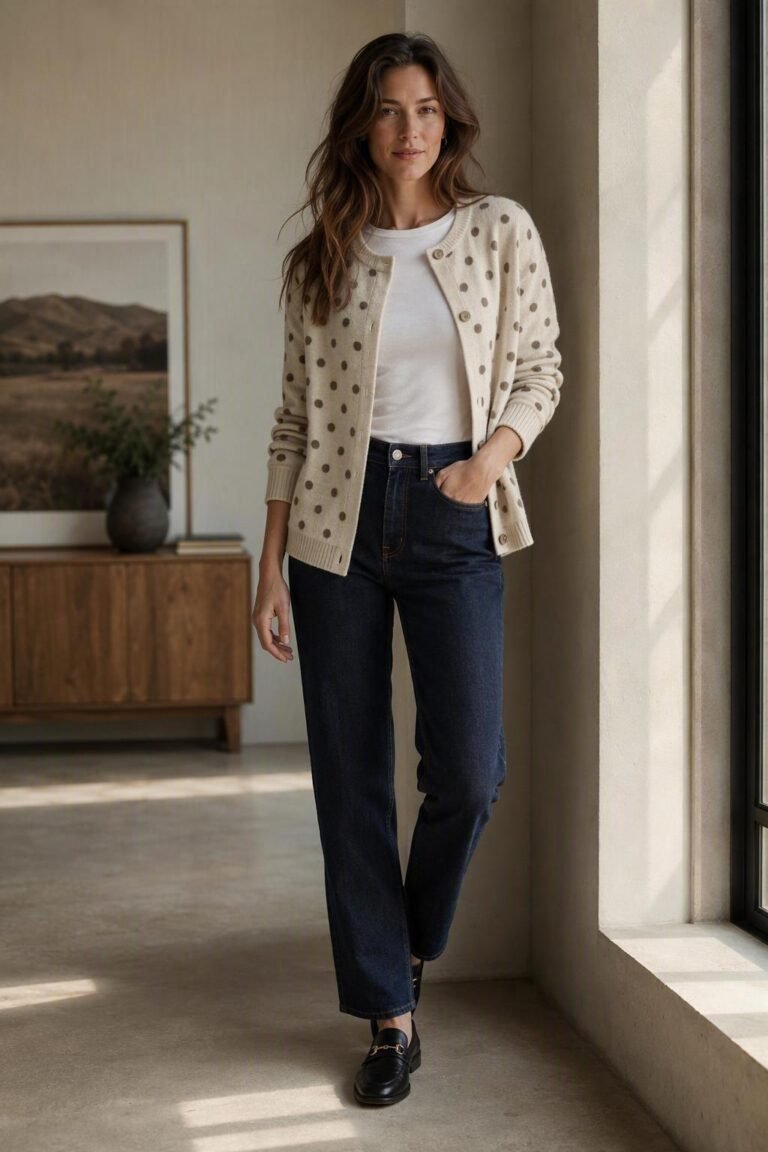
Cardigan
A cardigan opens in the front. You close it with buttons or sometimes a zipper. This style lets you layer your clothes. You can take it off or put it on easily.
Necklines
Sweaters have different necklines. You might see crew necks, v-necks, or turtlenecks. Each neckline gives a different look. Some feel more formal, while others feel relaxed.
Tip: Try different sweater styles to see which neckline feels best for you.
Sweatshirt Styles
Sweatshirts focus on comfort and a laid-back look. You see them everywhere, from school to the gym.
Crewneck
A crewneck sweatshirt has a round neckline. It feels soft and sits close to your neck. This style is simple and works for almost any casual day.
Hoodie
A hoodie comes with a hood and sometimes a front pocket. You can pull the hood up when you want extra warmth. Hoodies feel sporty and relaxed.
Zip-up
A zip-up sweatshirt has a zipper down the front. You can wear it open or closed. This style makes it easy to layer and adjust your warmth.
Decorative Features
Sweaters and sweatshirts show off different kinds of designs and details. These features help you show your style.
|
Feature |
Sweaters |
Sweatshirts |
|---|---|---|
|
Patterns |
Intricate designs, cable knits |
Bold patterns, graphics |
|
Logos |
Emphasizes casual and sporty aesthetic |
|
|
Style |
Can range from casual to formal |
Prioritizes comfort and practicality |
-
Sweaters often have detailed patterns, like cable knits or textured stitches.
-
Sweatshirts usually show off bold graphics or big logos.
-
Sweaters look more refined, while sweatshirts keep things casual.
You can spot the styling difference between a sweater and a sweatshirt by looking at the fabric, the fit, and the details. Sweaters use finer fabrics and show off more patterns. Sweatshirts keep things simple and sporty, with a focus on comfort.
Note: Sweaters work well for layering over dress shirts or wearing to formal events. Sweatshirts shine when you want to relax or stay active.
Fit & Comfort
When you pick between a sweater and a sweatshirt, how it fits and feels can make all the difference. You want to feel good and look good, right? Let’s break down how each one fits and what makes them comfortable.
Sweater Fit
Sweaters come in two main fits: slim and relaxed. Each style gives you a different look and feel.
Slim
A slim-fit sweater hugs your body. You get a neat, sharp look. The sleeves should fit close to your arms, with just a little room—no more than an inch when you pinch the fabric at your bicep or tricep. The sweater should lightly hug your torso, with about one to two inches of space on each side of your belly button. The sleeves stop at your wrist, not past it. The bottom of the sweater should end just an inch or two below your belt buckle. This fit works well if you want a tidy, put-together style.
Relaxed
A relaxed-fit sweater gives you more room to move. You still want the sleeves to stop at your wrist and the bottom to hit just below your belt. The difference is in the body. You get a bit more space around your chest and waist. This fit feels cozy and easy, perfect for days when you want comfort first.
Tip: Try both fits to see which one matches your style and comfort needs.
Sweatshirt Fit
Sweatshirts usually feel more casual and roomy. They focus on comfort and easy movement.
Roomy
Most sweatshirts give you extra space. The shoulder seam should line up where your shoulder starts to slope down. The sleeves fit close to your arms, with about an inch of room when you pinch the fabric. The body of the sweatshirt lightly hugs your torso, with one to two inches of space on each side of your belly button. The bottom should end just an inch or two below your belt buckle. This roomy fit lets you layer a t-shirt underneath or just enjoy a relaxed feel.
Casual
Sweatshirts shine when you want a laid-back look. The fit is not tight, but not baggy either. You get freedom to move, whether you’re at home, at school, or out with friends. The sleeves stop at your wrist, and the fabric never bunches up.
Comfort Factors
Both sweaters and sweatshirts bring their own kind of comfort. Sweaters feel soft and warm, especially if you pick wool or cotton. They keep you cozy on cold days. Sweatshirts feel plush and gentle, thanks to fleece or cotton blends. You get warmth without feeling too hot. Sweatshirts also stretch a bit, so you can move easily.
-
Sweaters work well for layering over shirts or under jackets.
-
Sweatshirts are perfect for lounging, sports, or running errands.
Note: Always check how the sleeves and bottom fit. A good fit means you stay comfortable all day.
No matter which you choose, focus on how you feel. The right fit and fabric can boost your confidence and keep you comfortable, wherever you go.
Function & Use
Sweater Purpose
Warmth
You reach for a sweater when you want to feel warm and cozy. Sweaters use knitted fabrics like wool or heavy cotton. These materials trap heat and keep you comfortable in cold weather. You can layer a sweater over a shirt or under a jacket for extra insulation. The breathability of a sweater helps you stay warm without feeling sweaty. You get the best of both worlds—warmth and comfort.
Formality
Sweaters do more than keep you warm. They also help you look polished. You can wear a sweater to work, a family dinner, or even a formal event. Many people choose sweaters for social gatherings or when they want to dress up a bit. Fashion experts say sweaters offer versatility. You can style them for both casual and formal settings. A sweater over a collared shirt gives you a sharp look. You can also pick a simple pullover for a relaxed day.
Sweatshirt Purpose
Casual Wear
Sweatshirts shine when you want to feel relaxed. You might wear one for a casual outing, lounging at home, or running errands. Sweatshirts use soft fleece or cotton blends. These fabrics feel gentle on your skin. You get a laid-back vibe every time you put one on. Sweatshirts often come with hoods or pockets, making them practical for daily life.
Sporty Use
You see sweatshirts everywhere in sports and active settings. They work well for warming up before a game or staying comfortable after a workout. The roomy fit lets you move freely. Sweatshirts also fit right in with streetwear and athleisure trends. You can layer them over a t-shirt or under a jacket for extra warmth.
Here’s a quick look at when people usually wear sweaters and sweatshirts:
|
Type |
|
|---|---|
|
Sweatshirts |
Casual outings, lounging, athletic activities, layering in colder weather |
|
Sweaters |
Work, social events, layering over shirts, formal occasions |
Seasonal Suitability
You want to pick the right top for the season. Sweaters and sweatshirts each have their strengths.
-
Sweaters provide warmth and breathability, suitable for cool, dry conditions.
-
Sweatshirts offer soft, cozy warmth but may be too warm for mild days.
-
Sweaters are made from knitted fabrics like wool or heavier cotton, providing better warmth and breathability, making them ideal for colder months.
-
Sweatshirts, typically made from fleece or cotton blends, offer moderate warmth and are more suited for casual, slightly chilly days.
-
In winter, sweaters can be layered with jackets for extra insulation, while sweatshirts are versatile for transitional weather.
Tip: If you want to stay warm at a formal event, grab a sweater. For a relaxed day or sporty activity, a sweatshirt is your best friend.
You can mix and match both in your wardrobe. Choose what fits your plans and the weather outside.
Sweater vs Sweatshirt Cost
When you shop for a sweater or a sweatshirt, you probably notice a big difference in price. Let’s break down what you can expect to pay and why these costs can vary so much.
Sweater Price Range
Sweaters often cost more than sweatshirts. You might see prices start around $30 for a basic cotton sweater. If you want something made from wool or cashmere, the price can jump to $100 or even $200. Some designer sweaters cost even more. The reason? Sweaters use special materials and take more time to make. Wool, cashmere, and other natural fibers cost more than basic cotton or polyester. Knitting a sweater takes skill and time, which adds to the price.
Tip: If you want a sweater that lasts, it’s worth spending a little more for quality materials.
Sweatshirt Price Range
Sweatshirts usually cost less than sweaters. You can find a simple sweatshirt for $15 to $40. Even sweatshirts from popular brands rarely go over $80 unless they have special designs or logos. Most sweatshirts use cotton blends or fleece, which are cheaper to make. The process to sew a sweatshirt is faster and easier than knitting a sweater. This helps keep the price down.
If you want something cozy for lounging or sports, a sweatshirt gives you comfort without a big price tag.
Cost Factors
Why do sweaters and sweatshirts have such different prices? It comes down to what goes into making them. Here’s a quick look at the main factors:
|
Factor |
Sweaters |
Sweatshirts |
|---|---|---|
|
Made with premium fibers, leading to higher costs |
Crafted from cheaper fabrics, resulting in lower costs |
|
|
Involves complex knitting techniques and longer production times |
Simpler manufacturing process with cutting and sewing |
|
|
Brand Positioning |
High-end brands use quality materials for luxury |
General brands focus on affordability with basic designs |
|
Perceived Quality |
Higher quality justifies higher prices |
Basic quality aimed at mass market affordability |
-
Material costs play a big role. Sweaters use expensive fibers like wool or cashmere. Sweatshirts use cotton blends or fleece, which cost less.
-
Manufacturing also matters. Knitting a sweater takes longer and needs more skill. Sweatshirts use a simpler process with cutting and sewing.
-
Brand positioning changes the price. Luxury brands charge more for sweaters because they use better materials and focus on style. Sweatshirts from general brands stay affordable.
-
Perceived quality affects what you pay. People expect sweaters to last longer and look nicer, so they cost more. Sweatshirts aim for comfort and easy care, so they stay budget-friendly.
Note: If you want to save money, go for a sweatshirt. If you want something special and long-lasting, a sweater might be worth the extra cost.
Now you know what drives the price of sweaters and sweatshirts. Next time you shop, you can pick the right one for your budget and your needs.
Care & Maintenance
Taking care of your sweaters and sweatshirts helps them last longer and look better. You might think washing and storing these tops is easy, but each one needs a different approach. Let’s break down what you need to know.
Sweater Care
Washing
Sweaters need gentle care. You should always check the label before you wash. Most sweaters do best with hand washing or a gentle cycle in cold water. Use mild detergent. Hot water can shrink wool and damage fibers. Lay your sweater flat to dry. Hanging it up can stretch the fabric and ruin the shape.
Tip: Never wring out a sweater. Press out the water with a towel instead.
Storage
Storing sweaters the right way keeps them looking new. You should fold sweaters instead of hanging them. Hanging stretches the shoulders and makes them lose shape. Keep sweaters in a cool, dry place. Wool sweaters can soak up moisture, which leads to mold. You also need to watch out for pests. Moths love natural fibers like wool and cashmere.
Here are the most common issues you might face with sweater care:
-
Folding keeps sweaters in shape. Hanging can stretch them out.
-
Wool sweaters absorb moisture. Mold can grow if you store them in damp places.
-
Pests like moths target natural fibers. Store sweaters in sealed containers or use cedar blocks.
Sweatshirt Care
Machine Wash
Sweatshirts are easier to clean. You can toss most sweatshirts in the washing machine. Use cold or warm water and regular detergent. Turn your sweatshirt inside out to protect prints or logos. Dry on low heat or hang it up. High heat can cause shrinkage and damage graphics.
Shrinkage
Shrinkage is a common problem with sweatshirts, especially those made from cotton. If you use hot water or high dryer heat, your sweatshirt might get smaller. Always follow the care label. If you want to avoid shrinkage, air dry your sweatshirt or use the lowest heat setting.
Note: Sweatshirts made from synthetic blends shrink less than pure cotton ones.
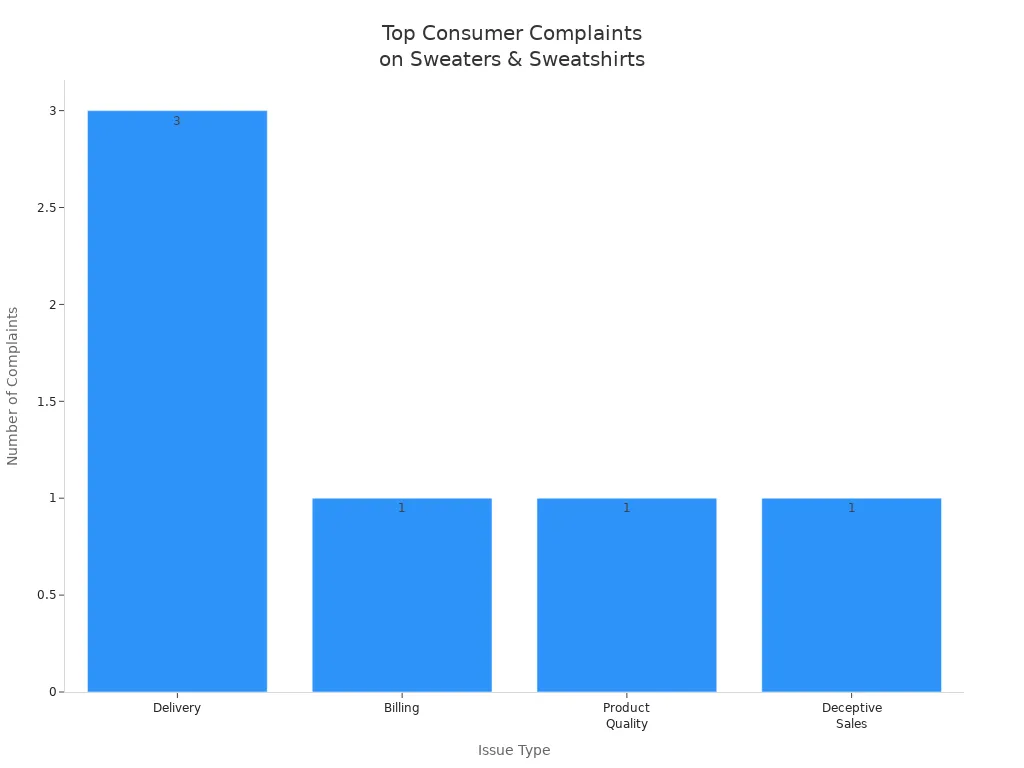
You might notice some complaints when buying sweaters and sweatshirts. Here’s a quick look at what people say:
|
Complaint Summary |
Issue Type |
|---|---|
|
Bought 2 hoodies and faced repeated charges from different company names. |
Billing |
|
Shipping cost changed unexpectedly after purchase confirmation. |
Delivery |
|
Received a low-quality hoodie that did not match the advertisement. |
Product Quality |
|
Charged more than advertised and received incorrect sizes. |
Deceptive Sales |
|
Delayed delivery with poor communication regarding order status. |
Delivery |
|
Paid for express shipping but faced additional charges and no delivery. |
Delivery |
Taking a little extra time with care and storage helps you avoid these problems. You get more wear out of your favorite sweater or sweatshirt, and you keep them looking fresh.
Choosing Between Sweater vs Sweatshirt
When you stand in front of your closet, you might wonder which top fits your day best. The sweater vs sweatshirt question pops up a lot, especially when you want to look good and feel comfortable. Let’s break down how you can make the right choice for your style, the weather, and your plans.
Assessing Needs
Style
Your personal style says a lot about you. Some days, you want to look sharp. Other days, you just want to relax. Here’s how you can decide:
-
Sweaters give you a polished look. You can wear them to work, dinners, or even special events.
-
Sweatshirts keep things casual. They work well for hanging out with friends, running errands, or going to the gym.
-
If you love elegance, sweaters fit your vibe. If you want cozy and laid-back, sweatshirts win.
-
You can always mix it up. Try a sweater with jeans for a smart-casual look or a sweatshirt with joggers for pure comfort.
Tip: Think about where you’re going and how you want to feel. Your top can set the mood for your whole outfit.
Climate
The weather plays a big role in the sweater vs sweatshirt decision. You want to stay comfortable all day, so check the forecast before you pick.
-
Sweaters work best in cold weather. Wool and heavy knits trap heat and keep you warm.
-
Sweatshirts shine in milder climates. Fleece lining gives you warmth without making you overheat.
-
If you live somewhere chilly, a thick sweater is your friend. If your area stays mild, a sweatshirt might be all you need.
|
Climate Type |
Best Choice |
Why It Works |
|---|---|---|
|
Cold/Windy |
Sweater |
Better insulation, traps heat |
|
Mild/Transitional |
Sweatshirt |
Lighter, easy to layer, breathable |
Use Case
What you plan to do matters just as much as how you look. The right top helps you feel ready for anything.
-
For formal events, sweaters always look more put-together.
-
For casual outings, sweatshirts keep you relaxed and comfortable.
-
If you plan to be active, sweatshirts let you move freely.
-
If you want to layer up for a meeting or dinner, sweaters give you that extra touch of style.
Note: Your personal preference matters. Some people love the coziness of sweatshirts, while others prefer the classic feel of sweaters.
Wardrobe Tips
You don’t have to pick just one side in the sweater vs sweatshirt debate. You can use both to build a wardrobe that works for every season and occasion. Here are some easy tips to help you get the most out of both:
-
Pair a sweater with ripped jeans or a denim skirt for a laid-back look.
-
Swap jeans for tailored pants or a midi skirt to dress up your sweater.
-
Layer a crisp white shirt under your sweater for extra style.
-
Mix materials. Try knit pants with a faux leather jacket for a cool twist.
-
Stick to neutral colors. They match almost anything and make mixing and matching easy.
-
Start with thin, fitted layers under your sweater to avoid bulk.
-
Let a longer shirt peek out from under your sweater for a fun detail.
-
Use structured jackets or oversized coats to break up your outfit.
-
Add a belt to define your waist and make your look pop.
-
Try hats or bold accessories to change the vibe.
-
Swap out necklaces or bags to shift your style from day to night.
Callout: You can create endless outfits by mixing sweaters and sweatshirts with different bottoms, layers, and accessories. Don’t be afraid to experiment!
The sweater vs sweatshirt choice doesn’t have to be hard. Think about your style, the weather, and what you plan to do. With a few smart tips, you can enjoy the best of both worlds and always feel ready for whatever comes your way.
Sweaters and sweatshirts are not the same. They have many differences. Here is a simple table to show you:
|
Feature |
Sweater |
Sweatshirt |
|---|---|---|
|
Material |
Wool or thick knits |
Fleece or cotton blends |
|
Seasonal Wear |
Colder seasons |
All seasons, lighter |
|
Purpose and Usage |
Casual and formal |
Casual and sporty |
|
Cost |
More expensive |
Less expensive |
|
Care Instructions |
Dry clean or hand wash |
Machine washable |
If you want to choose the best one, use these tips: Pick a sweater when you need to dress up or go to a fancy event. Wear a sweatshirt if you want to feel relaxed and comfy. Think about your body shape and what the weather is like. Keep both sweaters and sweatshirts in your closet. This way, you have more choices for what to wear.
Why not tell us which style you like best? Or try wearing both sweaters and sweatshirts this week! 😊
FAQ
What’s the main difference between a sweater and a sweatshirt?
You get a sweater made from knitted fabrics like wool or cotton. A sweatshirt uses fleece or cotton blends and feels more casual. Sweaters look dressy. Sweatshirts feel sporty.
Can you wear a sweatshirt to a formal event?
You probably shouldn’t. Sweatshirts work best for casual outings or sports. If you want to look polished, grab a sweater instead.
How do you wash a wool sweater without shrinking it?
You should hand wash your wool sweater in cold water. Use mild detergent. Lay it flat to dry. Never use hot water or a dryer.
Are sweatshirts good for layering in winter?
Yes! You can layer a sweatshirt over a t-shirt or under a jacket. Sweatshirts add warmth without feeling bulky.
Which lasts longer, a sweater or a sweatshirt?
Sweaters made from quality wool or blends last longer if you care for them. Sweatshirts hold up well with frequent washing. Both can last years with proper care.
Can you wear a sweater and a sweatshirt together?
You can! Try a thin sweater under a roomy sweatshirt for extra warmth. Mix textures and colors to create a fun look.
Do sweaters cost more than sweatshirts?
Usually, yes. Sweaters use premium materials and take longer to make. Sweatshirts use simpler fabrics and cost less.
What’s the best way to store sweaters?
Fold your sweaters and keep them in a cool, dry place. Use cedar blocks to keep moths away. Avoid hanging sweaters to prevent stretching.