
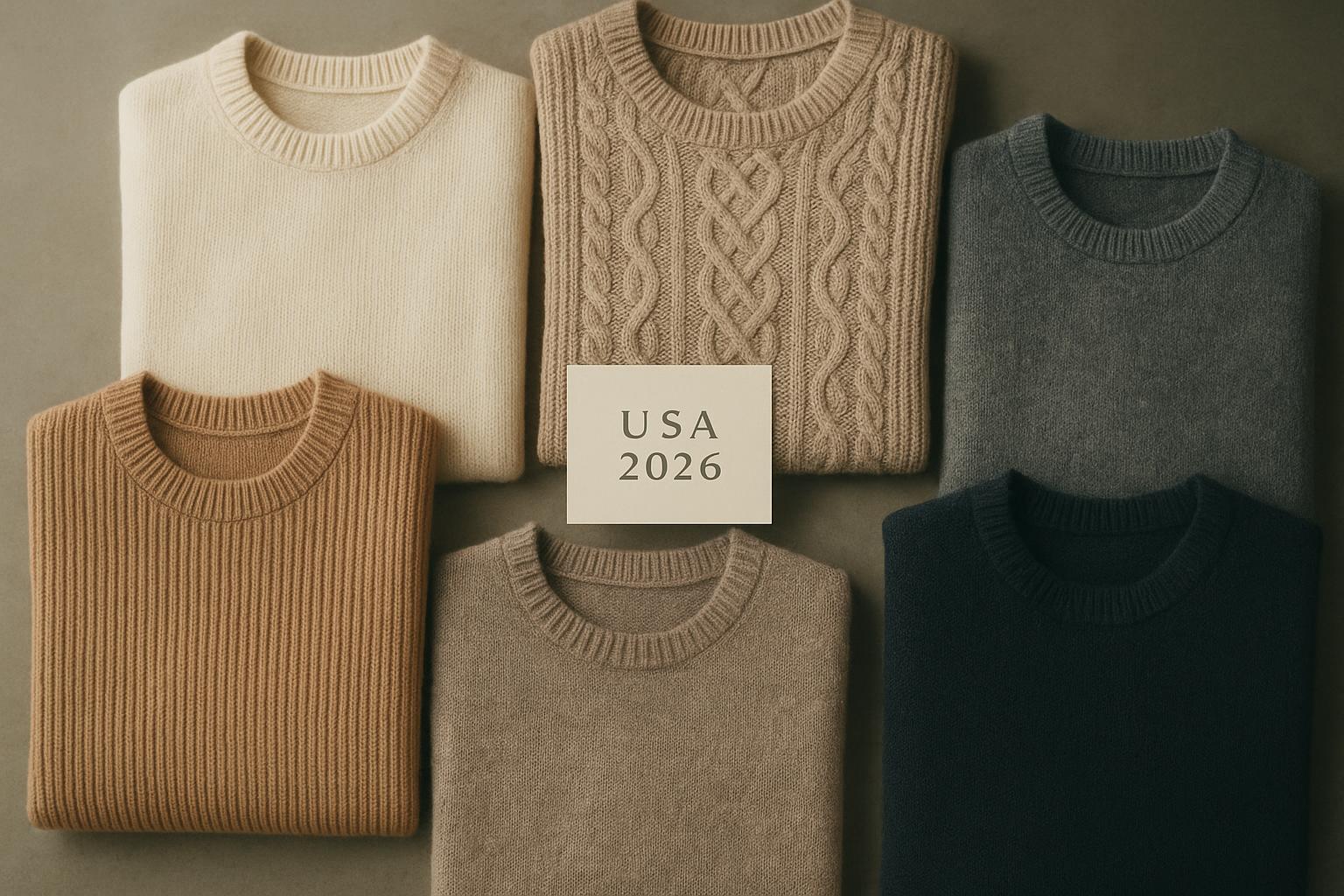
Shopping luxury knits in 2026 isn’t just about softness—it’s about fiber grade, stitch engineering, sizing reliability, and whether the brand’s claims are verifiable. We built this buyer’s guide for U.S. shoppers who want heirloom-quality sweaters as well as designers benchmarking materials and construction.
You’ll find a transparent methodology, a comparison table you can scan in seconds, and concise brand cards with “Best for” use cases, price ranges (USD; subject to change), and direct evidence links.
Soft CTA: Skip ahead to the comparison table to scan materials, construction, sizes, and prices at a glance.
Key takeaways
Our shortlist focuses on U.S.-accessible luxury knitwear with clear specs and consistent fit. The top mix blends heritage mill expertise (Johnstons of Elgin) with modern minimalism (The Row) and design-forward labels (Khaite).
For USA-made knitwear, The Elder Statesman frequently marks “Made in the US” on product pages; truly domestic production at the luxury level is uncommon and sells out fast.
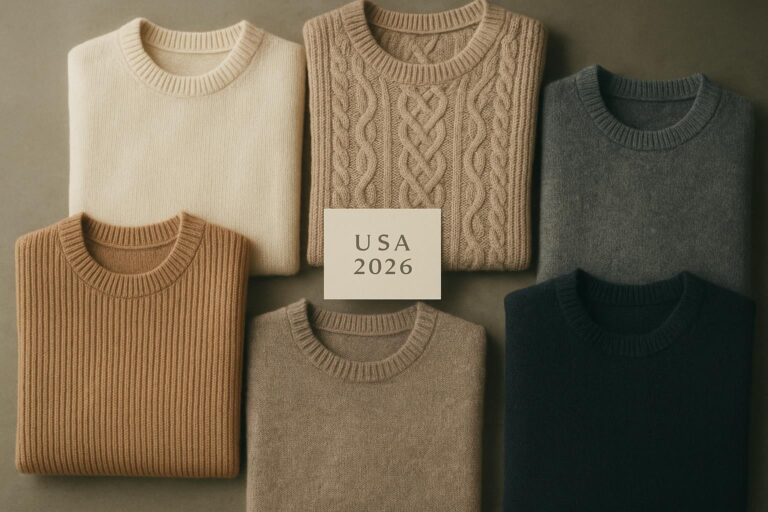
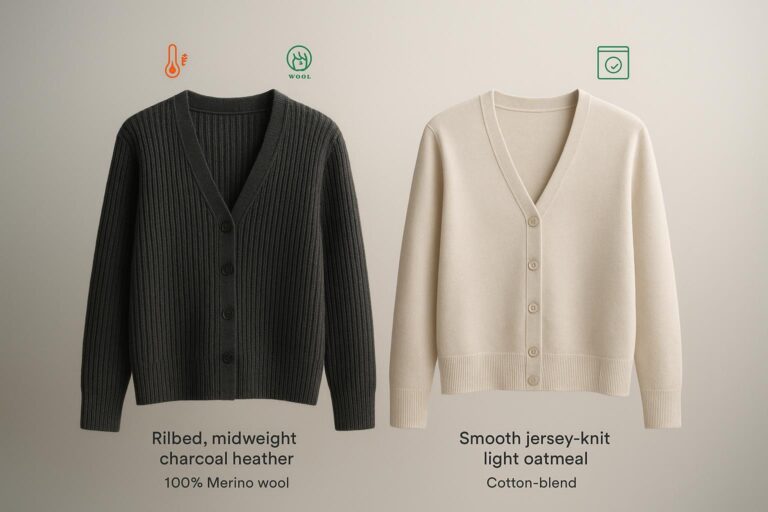
Cashmere quality isn’t just ply—micron, origin (often Mongolian/Inner Mongolian), and spinning matter. Heavier gauge or multi‑ply can improve durability when paired with quality fibers.
Sustainability signals to look for: OEKO‑TEX, GOTS, GRS, RWS, plus traceability statements from mills or brands. Treat unverified claims cautiously.
Price ranges vary widely—from value cashmere (Naadam) to ultra‑luxury (Loro Piana, Brunello Cucinelli). Pay for verified fibers, precise engineering, and finishing.
Fit and size ranges differ: minimalist labels lean oversized; structured houses (St. John) skew tailored; some men’s brands (Todd Snyder, Vince) publish clearer size maps.
Methodology: how we chose and verified
We scored brands against a seven-part rubric tailored to U.S. buyers:
Material grade & fiber provenance (22%)
Craftsmanship & knit engineering (20%)
Durability & care performance (16%)
Fit, sizing range & pattern consistency (14%)
Sustainability & certifications (12%)
Value for money (10%)
Availability & customer support (6%)
What we looked for
Declared fiber grades (cashmere micron where stated), origin, and mills/spinners.
Construction details: stitch density/gauge, full-fashioning/linking, and any seamless/WHOLEGARMENT claims.
Care and durability indicators: pilling resistance, wash guidance, and long-term reviewer feedback when available.
Size range and fit notes, plus consistency across seasons.
Verifiable sustainability (e.g., OEKO‑TEX/GRS/GOTS/RWS) or credible traceability pages.
Clear price-to-quality context and U.S. availability.
Transparency standard
Evidence is linked directly from official product or brand pages, or major U.S. retailers. Pricing is “subject to change,” last checked March 2026.
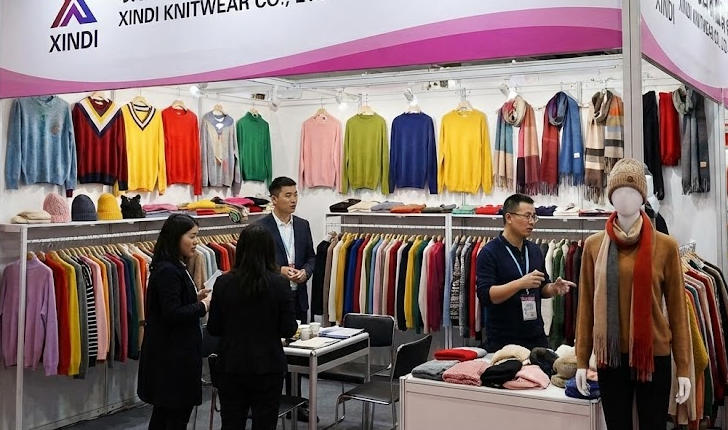
For developers and private‑label readers who care about process standards, see the neutral overview of sampling and lead times in the guide to low-MOQ programs from Xindi Knitwear in the article “Low‑MOQ knitwear lead times & MOQs” (internal reference) for an example of documentation practice: low-MOQ knitwear lead times and MOQs.
Comparison table: luxury knitwear at a glance (2026)
Brand | USA-based vs USA-made | Best for | Key materials | Construction | Sizes | Price (USD) | Sustainability | Where to buy |
|---|---|---|---|---|---|---|---|---|
The Row | USA-based; Italy‑made | Minimalist, heirloom knits | Cashmere, merino, silk | Full‑fashioned, high-density | XS–L (var.) | ~1,200–5,000+ | Limited public badges | U.S. luxury retailers, DTC |
Khaite | USA-based; imported/Italy | Design-led silhouettes | Cashmere, wool, silk | Milano stitch, hand-knit details | XS–L | ~500–1,500+ | Limited disclosures | U.S. e‑tailers, DTC |
The Elder Statesman | USA-based; often USA‑made | Artisanal cashmere | Cashmere | Hand‑crafted, small‑batch | XS–XL | ~750–1,850 | Small-batch ethos | DTC, luxury retailers |
Naadam | USA-based; imported | Value cashmere | Mongolian cashmere | Classic gauges | XXS–XXL | ~90–200 | Some sustainability signals | DTC, major retailers |
Loro Piana | USA-accessible; Italy‑made | Ultra‑luxury fibers | Baby cashmere, merino, vicuña | Impeccable Italian finishing | XS–XL | ~1,300–1,650+ | Fiber stewardship | Boutiques, U.S. site |
Brunello Cucinelli | Italy brand; USA‑accessible | Craft textures, luxe blends | Cashmere, alpaca, silk | Artisanal knitwork | XS–XL | ~1,900–4,500 | Responsible practices (brand) | Boutiques, U.S. retailers |
Johnstons of Elgin | UK; Scotland‑made | Mill heritage, traceability | Cashmere, merino | Mill‑knit, linked | XS–XL | ~450–1,450 | Traceability programs | U.S. retailers, DTC |
N.Peal | UK; imported | Classic organic cashmere | Organic Mongolian cashmere | Multi‑ply classics | XS–XL | ~250–450 | Organic cashmere callouts | DTC, U.S. shipping |
St. John | USA-based; mixed origin | Structured luxury knits | Wool, viscose, blends | Tailored knit engineering | 0–14/XS–XL | ~300–1,500+ | Limited public badges | U.S. retailers, DTC |
Vince | USA brand; imported | Elevated essentials | Cashmere, merino, pima | Reliable core stitches | XXS–XL | ~200–450 (lower on sale) | Limited badges | U.S. retailers, DTC |
Gabriela Hearst | USA-based; Italy‑made | Luxury + sustainability story | Cashmere, silk | Hand-knit/crochet details | 0–12/XS–L | Premium tier | Artisan & welfare programs | Boutiques, DTC |
Todd Snyder | USA-based; imported | Premium-contemporary mens knits | Cashmere, merino, linen | Heavier gauges, texture | XS–2XL/3XL | ~168–568+ | Select recycled collabs | DTC, U.S. retailers |
Prices are subject to change; see brand cards for evidence links and context.
The best luxury knitwear brands in the USA (2026)
The Row — minimalist, heirloom-grade execution
Best for: Quiet luxury wardrobes that prize Italian finishing and refined oversized fits.
Materials: Cashmere, fine merino, silk blends.
Construction notes: High stitch density, full‑fashioning, meticulous linking.
Sizes & fit: Typically XS–L; many styles cut relaxed.
Price range: ~$1,200–$5,000+ (subject to change).
Sustainability: Limited public certifications.
Where to buy: U.S. luxury retailers and DTC.
Pros: Exceptional finishing; timeless silhouettes; consistent U.S. availability. Cons: Very high prices; limited cert visibility.
Evidence: See NET‑A‑PORTER knitwear listings for live pricing and sizes: The Row knitwear at NET‑A‑PORTER.
Khaite — modern, design-led silhouettes
Best for: Architectural knits with fashion-forward lines.
Materials: Cashmere, wool, silk blends.
Construction notes: Milano stitch tailoring on select pieces; hand‑knit details appear seasonally.
Sizes & fit: XS–L; fashion fits vary by style.
Price range: ~$500–$1,500+ (subject to change).
Sustainability: Limited formal disclosures.
Where to buy: U.S. e‑tailers and DTC.
Pros: Statement silhouettes; premium yarns. Cons: Premium pricing; fewer cert details.
Evidence: Resort 2026 references on Luxferity plus current PDPs (e.g., Net‑a‑Porter fit notes): Khaite Willem cashmere turtleneck fit details.
The Elder Statesman — often USA‑made artisanal cashmere
Best for: Hand‑touched cashmere with domestic production on many SKUs.
Materials: Premium cashmere.
Construction notes: Hand‑powered knitting; small‑batch finishing.
Sizes & fit: XS–XL; relaxed, California aesthetic.
Price range: ~$750–$1,850 (subject to change).
Sustainability: Small‑batch craft; limited formal badges.
Where to buy: DTC and luxury retailers.
Pros: USA‑made markers on various PDPs; distinctive hand; heavyweight options. Cons: Premium price; occasional limited sizing.
Evidence: “Simple Crew” page noting Made in the US: The Elder Statesman Simple Crew.
Naadam — value cashmere with Mongolian provenance
Best for: Accessible cashmere basics under ~$200.
Materials: Mongolian cashmere across core lines.
Construction notes: Classic gauges and simple stitches.
Sizes & fit: XXS–XXL depending on style; unisex options exist on some lines.
Price range: ~$90–$200 (subject to change).
Sustainability: Mixed ratings; clear Mongolia origin on many PDPs.
Where to buy: DTC and major U.S. retailers.
Pros: Aggressive price-to-softness; broad availability. Cons: Fit can vary; transparency fluctuates by season.
Evidence: Nordstrom PDP for the Original Cashmere Sweater: Naadam Original Cashmere at Nordstrom.
Loro Piana — baby cashmere authority
Best for: Collectors who value rare fibers and immaculate finishing.
Materials: Baby cashmere, premium merino, occasional vicuña.
Construction notes: Italy‑made, high finish thresholds.
Sizes & fit: XS–XL depending on style.
Price range: ~$1,300–$1,650+ for many cores; higher on specials (subject to change).
Sustainability: Fiber stewardship programs; fewer third‑party badges.
Where to buy: Boutiques and U.S. site.
Pros: Peerless fiber programs; consistent quality. Cons: Extremely high prices; some pricing obscured until login.
Evidence: U.S. knitwear category and baby cashmere context: Loro Piana U.S. knitwear.
— Mid‑list toolbox —
Resources for private‑label and small‑batch samples
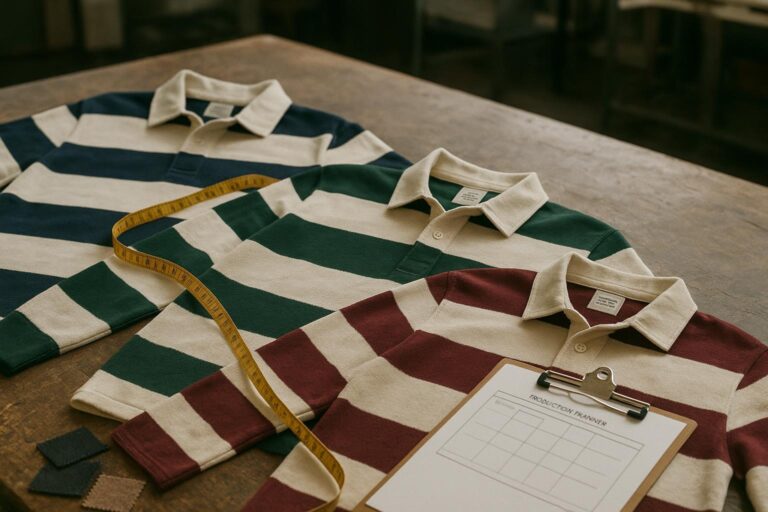
If you’re a designer or brand building custom luxury knits, a documented, low‑MOQ path can help you test market fit quickly. For a neutral overview of timelines and sample-to-bulk workflows (including optional WHOLEGARMENT), see: Low‑MOQ knitwear lead times and MOQs. For step‑by‑step planning, the manufacturer guide explains tech packs and fit checks: Custom knitwear manufacturer guide. These resources are published by Xindi Knitwear and outline processes, materials choices (including certified yarn options), and typical checkpoints.
Brunello Cucinelli — luminous textures, artisanal blend work
Best for: Italian luxury with craft‑forward stitch play.
Materials: Cashmere with alpaca/silk accents.
Construction notes: Hand‑embellishment, complex jacquards.
Sizes & fit: XS–XL; tailored‑relaxed spectrum.
Price range: ~$1,900–$4,500 (subject to change).
Sustainability: Brand responsibility programs; limited third‑party badges.
Where to buy: Boutiques and U.S. luxury retailers.
Pros: Exceptional textures; dressing‑luxury aura. Cons: Very high prices; delicate care.
Evidence: Example OPERA knit PDP: Brunello Cucinelli knitwear example.
Johnstons of Elgin — Scottish mill heritage and traceability
Best for: Mill‑made classics with provenance.
Materials: Mill‑spun cashmere and merino.
Construction notes: Scotland‑made knitwear with in‑house control.
Sizes & fit: XS–XL with classic fits.
Price range: ~$450–$1,450 (subject to change).
Sustainability: Traceability statements; SFA alignment.
Where to buy: U.S. retailers and DTC.
Pros: Vertical mill heritage; reliable finishing. Cons: Less runway‑led silhouettes.
Evidence: Made‑in‑Scotland confirmation: Johnstons of Elgin FAQs.
N.Peal — British organic Mongolian cashmere classics
Best for: Organic cashmere staples at upper‑mid pricing.
Materials: Organic Mongolian cashmere.
Construction notes: Multi‑ply classics (cable, honeycomb, roll necks).
Sizes & fit: XS–XL; men’s and women’s breadth.
Price range: ~$250–$450 (subject to change).
Sustainability: Organic cashmere callouts on PDPs.
Where to buy: DTC with U.S. shipping and select retailers.
Pros: Solid value for organic fibers; timeless silhouettes. Cons: Not USA‑made; fewer third‑party badges than leaders.
Evidence: PDP example with materials/sizing: N.Peal women’s classic round neck.
St. John — structured American luxury knits
Best for: Polished, work‑ready knits with tailored structure.
Materials: Wool and luxury blends; signature engineered knits.
Construction notes: Double‑face and tailored knit techniques.
Sizes & fit: 0–14/XS–XL; refined, structured fit.
Price range: ~$300–$1,500+ (subject to change).
Sustainability: Limited public badges.
Where to buy: DTC and U.S. retailers.
Pros: Boardroom‑ready polish; strong retail network. Cons: Mixed origin; fewer sustainability disclosures.
Evidence: Spring 2026 collection hub: St. John Spring 2026.
Vince — elevated essentials, widely available
Best for: Minimalist cashmere/wool basics with frequent promos.
Materials: Cashmere, merino, pima cotton.
Construction notes: Reliable core stitches; contemporary gauges.
Sizes & fit: XXS–XL; straightforward size guides.
Price range: ~$200–$450 full‑price; often lower on sale (subject to change).
Sustainability: Limited formal certifications.
Where to buy: U.S. retailers, Vince DTC, and outlets.
Pros: Good availability; value improves on sale. Cons: Imported; quality varies by line/season.
Evidence: Craft overview and factory partnerships: Vince Our Craft.
Gabriela Hearst — luxury knits with an artisan sustainability story
Best for: Luxury statements that foreground materials ethics and craft.
Materials: Cashmere and cashmere‑silk; artisan programs.
Construction notes: Hand‑knit and crochet elements; Italian production.
Sizes & fit: 0–12/XS–L.
Price range: Premium designer tier (subject to change).
Sustainability: Animal‑welfare yarns; artisan co‑ops; compostable packaging.
Where to buy: Boutiques and DTC.
Pros: Strong sustainability narrative; singular designs. Cons: High prices; fewer fully detailed PDPs.
Evidence: Brand sustainability timeline: Gabriela Hearst sustainability practices.
Todd Snyder — premium‑contemporary menswear with texture
Best for: Men’s sweaters with heavier gauges and thoughtful stitches.
Materials: Cashmere, merino, linen.
Construction notes: Half‑cardigan, waffle, and textured knits.
Sizes & fit: XS–2XL/3XL with clear guides.
Price range: ~$168–$568+ (subject to change).
Sustainability: Select recycled‑content collaborations.
Where to buy: Todd Snyder DTC and U.S. retailers.
Pros: Strong price‑to‑quality in men’s segment; robust size range. Cons: Mostly imported; seasonality affects selection.
Evidence: Cashmere quarter‑zip example: Todd Snyder cashmere quarter‑zip.
Pricing notes and value context
All prices are subject to change and can shift with fiber grade, gauge, construction complexity, and origin (Italy/Scotland/USA). Expect substantial premiums for rare fibers (baby cashmere, vicuña), multi‑ply dense knits, and artisanal embellishment.
Value plays exist: Naadam routinely undercuts luxury peers on core cashmere, while Vince and Todd Snyder deliver good cost‑to‑quality during promotions. Heritage mills (Johnstons of Elgin) justify price via provenance and control.
USA‑made is niche at the luxury level; where present (The Elder Statesman), production scale is smaller and prices reflect domestic labor and craft intensity.
FAQ
What are the top luxury knitwear brands available in the USA in 2026?
Standout, U.S.-accessible options include The Row, Khaite, The Elder Statesman, Loro Piana, Brunello Cucinelli, Johnstons of Elgin, N.Peal, St. John, Vince, Gabriela Hearst, and Todd Snyder. Use the comparison table above to match materials, construction, sizes, and pricing.
Is USA‑made the same as USA‑based brands?
No. USA‑based refers to a brand’s headquarters; USA‑made requires PDPs or official documentation stating “Made in USA.” In this guide, The Elder Statesman frequently marks U.S. manufacture on product pages, while most luxury labels produce in Italy, Scotland, or elsewhere.
How do I compare cashmere quality (ply, micron, origin)?
Ply counts strands; durability comes from fiber quality plus construction. Micron measures fineness (lower is finer). Origin notes like Mongolian/Inner Mongolian are common. Think of it this way: better inputs + smarter engineering = softer feel that lasts longer. Our brand cards flag materials and gauges where available.
How do I prevent pilling and care for luxury knits?
Rotate wears, avoid abrasion from rough bags, and use a cashmere comb or fabric shaver lightly. Hand‑wash or dry‑clean per label; dry flat to retain shape. For a practical checklist that also explains fit tolerances and pilling expectations, see this guide: Knitwear quality guarantees, fit tolerance, and pilling.
Are seamless/WHOLEGARMENT sweaters better?
Seamless knitting can reduce bulk at seams and improve drape, and it may reduce some failure points. However, quality still depends on yarn grade, gauge, and finishing. A great linked sweater can outlast a poorly executed seamless one.
Sources & testing disclosure
We verified prices and claims on brand PDPs or reputable U.S. retailers and added one evidence link per brand to control link density. Prices are “subject to change,” last checked March 2026. Select third‑party context includes editorial testing and brand documentation.
Principal references include NET‑A‑PORTER live listings for The Row, Luxferity’s coverage of Khaite Resort 2026, official “Made in the US” notes on The Elder Statesman PDPs, Nordstrom and brand PDPs for Naadam, Loro Piana’s U.S. knitwear category, Brunello Cucinelli product pages, Johnstons of Elgin FAQs, N.Peal PDPs, St. John’s Spring 2026 hub, Vince’s Our Craft, Gabriela Hearst’s sustainability timeline, and Todd Snyder PDPs.
Next steps
Use the comparison table to shortlist 2–3 brands that fit your materials, sizing, and budget. If you’re planning a private‑label or capsule project and need a documented path from tech pack to small‑batch samples, this neutral manufacturer guide outlines steps, timelines, and checklists: Custom knitwear manufacturer guide.