
Imagine you put on your favorite sweater. You feel the seam is smooth on your skin. This comfort happens because of good construction methods. Strong seams help your sweater last longer. Flexible seams let you move easily. Let’s see how different things change your experience:
Impact on Durability | Impact on Comfort | Impact on Appearance | |
|---|---|---|---|
Seam flexibility | Makes it last longer | Makes it more comfy | Changes how it looks |
Seam strength | Stops it from breaking | N/A | N/A |
Stitch parameters | Lowers mistakes | N/A | Changes sewing look |
Fabric construction | N/A | N/A | Changes how it hangs |
Key Takeaways
Linking makes seams strong and flexible. It works well for fancy sweaters that need to stretch and keep their shape.
Overlocking is quick and saves money. It is good for making lots of clothes fast. But overlocking can make seams thick. Thick seams might not feel as nice to wear.
Pick linking if you want a smooth, flat seam. This makes clothes look better. Overlocking is good for clothes you wear every day. It lasts a long time.
You can use both methods together. Use linking for necklines. Use overlocking for the rest of the body. This helps balance comfort, strength, and cost.
Always check seams before you buy clothes. Real linking feels soft and matches patterns well. This shows the clothes are good quality and will last.
What Are the Main Seaming Methods in Knitwear?
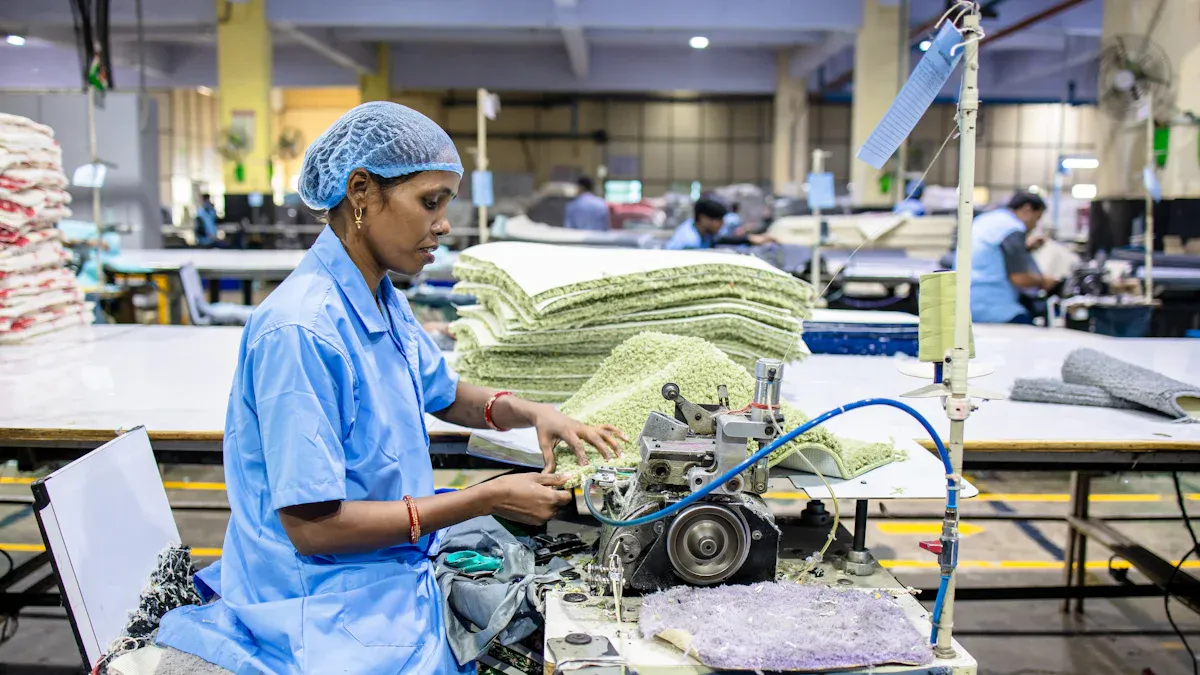
When you look at knitwear, you might wonder how the pieces are joined. The way seams are put together can change how your sweater feels, looks, and lasts. Let’s look at the main ways people make seams in clothes.
What is Dial Linking (Fully Fashioned)?
Dial linking is an old way to make seams. You see it a lot in fancy sweaters. This method uses a special machine to join knitted panels one stitch at a time. The seam is smooth and moves with the fabric. This gives you more comfort and strong seams because the stitches line up just right.
The Stitch-for-Stitch Assembly Process
The dial linking machine connects each stitch from one panel to the next. Here’s some information about the machine:
Feature | Details |
|---|---|
Product Type | Sweater |
Power (W) | 250W |
Weight | 30kg |
Diameter of dial | 14 inch |
Pulley revolution | 350 R.P.M |
Dial linking machines can work fast and handle different sizes. The seam is flat and feels soft on your skin. This way makes sweaters last longer and work better, so many top brands use it.
What is Cut-and-Sew (Overlocking)?
Cut-and-sew, also called overlocking, is another common way to make seams. You see this method a lot when many sweaters are made at once. Overlocking uses machines that cut and sew the edges at the same time. This way is fast and works for lots of knitwear.
The Difference Between Sergers and Cup Seamers
You might hear about sergers and cup seamers. Sergers, or overlockers, cut the edge and wrap thread around it. Cup seamers make a different finish and are used for thin knits. Here’s a table to show how these machines are different:
Feature | Standard Sewing Machine | Overlocker/Serger |
|---|---|---|
Primary Use | General construction, topstitching, zippers, buttonholes | Edge finishing, seaming (esp. knits), decorative edges |
Stitch Type | Lockstitch | Overlock stitch |
Edge Treatment | Needs extra finishing | Finishes edge as you sew |
Thread System | Needle thread & Bobbin | Multiple needle threads & Loopers |
Built-in Cutters | No | Yes (trims seam allowance) |
Overlocking makes seams quickly, but sometimes the seam feels thick. You may not feel as comfortable as with linking. Still, this way is good for making strong seams in everyday clothes.
Tip: If you want seams you can’t see, try Kitchener stitch or mattress stitch for hand-knitted items. These ways help you get a neat look and a strong seam.
There are many ways to sew knitwear. Each way changes how strong, comfy, and nice your garment is.
Why Do Premium Brands Prefer Linking?
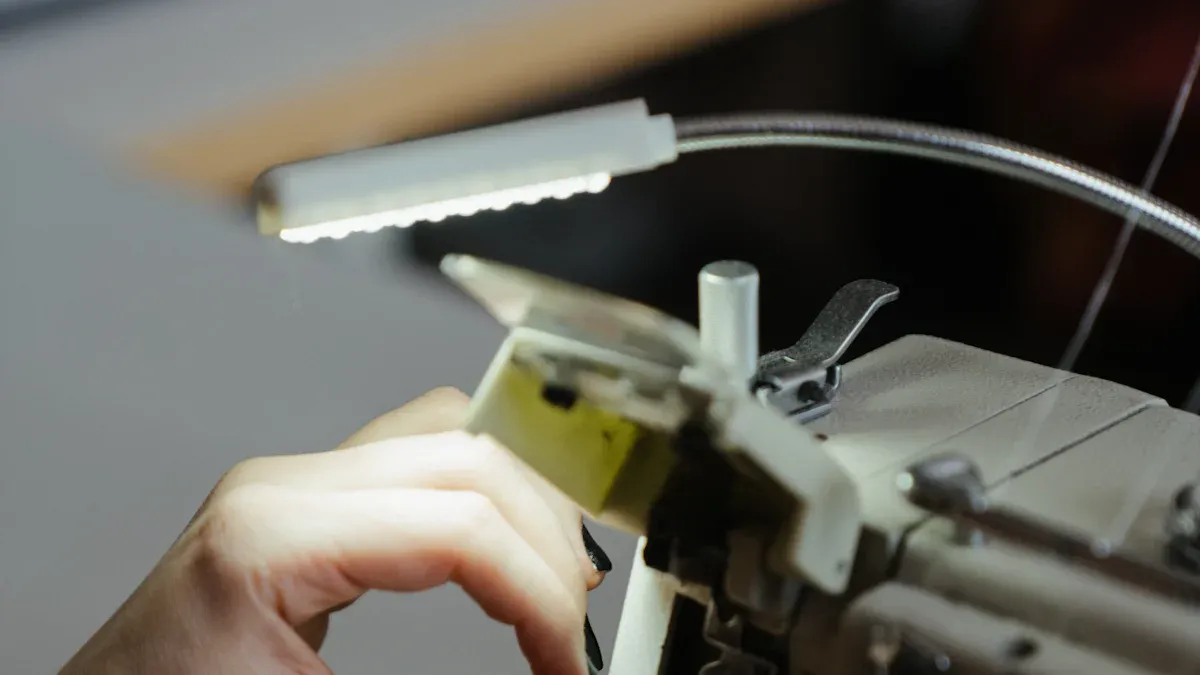
You might wonder why top brands pick linking over other construction methods. The answer comes down to seam strength, seam quality, performance, and value. Linking gives you a seam that feels smooth, looks neat, and lasts longer. Let’s break down why linking stands out in garment manufacturing.
Does Linking Provide Better Elasticity?
Linked seams stretch with your sweater. When you move, the seam moves too. This helps keep the seam strong and stops it from snapping. You get better seam strength and performance. Linked seams work well for sweaters that need to stretch and bounce back. You feel more comfort because the seam does not dig into your skin.
How Linked Seams Move with the Fabric
Linked seams use stitch-for-stitch construction. Each stitch matches the next panel. This makes the seam flexible. You can pull and twist your sweater, and the seam stays flat. The seam strength stays high, so your sweater keeps its shape.
How Does Linking Improve the Aesthetic?
You see a big difference in aesthetics with linking. The seam looks flat and clean. You do not see bulky edges or loose threads. This makes your sweater look more expensive and feel better.
Achieving Perfectly Flat Seams for Comfort
Flat seams mean no bumps or rough spots. You get more comfort, especially around the neck and armholes. Linked seams help you avoid itchy spots. Many people like this feature in premium knitwear.
Pattern Matching Across Seams
Linked seams let you match patterns across panels. Stripes and designs line up perfectly. You get better seam quality and performance. Your sweater looks sharp and well-made.
What are the Cost Implications of Linking?
Linking takes more time and skill. Workers need to match each stitch. This raises the cost compared to overlocking. You pay more, but you get better seam construction, durability, and value.
Labor Time: Linking vs. Overlocking
Method | Labor Time | Seam Strength | Seam Quality | Cost |
|---|---|---|---|---|
Linking | High | Strong | Excellent | High |
Overlocking | Low | Good | Fair | Low |
You see why premium brands choose linking. You get better seam strength, seam quality, performance, and value. The costs are higher, but the results stand out in garment manufacturing.
When is Overlocking the Better Choice?
You may ask if overlocking is ever the best way. The answer is yes. Overlocking is great when you need to work fast. It also helps when you want to save money. This method works well for many kinds of knitwear. It is good when you want strong seams and good value.
Is Overlocking Suitable for High-Volume Orders?
Overlocking is best for big orders. You can make many clothes quickly. Overlock machines do many things at once. They cut, sew, and finish seams in one step. This makes work faster and easier.
Speed and Efficiency in Mass Production
Here are reasons why overlocking is good for mass production:
The machine cuts and sews at the same time.
Four-thread overlock stitching makes strong seams.
Automation means fewer mistakes and less waste.
Built-in sensors help keep seams even.
You save time and money.
If you need to make lots of sportswear or sweaters, overlocking is smart. You get strong seams and good wear.
Can Overlocking Be Used on Heavy Gauge Knits?
You can use overlocking on thick sweaters and heavy gauge knits. This way works better for thick fabric than some other ways. Overlock stitching keeps seams neat and strong, even with thick fabric.
Managing Bulk in Thicker Sweaters
To stop seams from getting bulky, use the right settings and thread. Try your seam on scrap fabric first. Change the tension and stitch length for the best look. This helps keep comfort and seam strength in heavy clothes.
What Are the Common Quality Issues with Overlocking?
Overlocking can have some problems. You might see broken stitches or skipped stitches. Sometimes seams look uneven. Stripes or patterns may not match at the seam. Ropiness and puckering can make seams look wavy or bunched up.
What Causes “Ropiness” or Wavy Seams?
Ropiness happens when fabric layers do not feed evenly. Check your machine settings and feed dogs. Keep the fabric flat as you sew.
How to Avoid Bulky Armholes
Bulky armholes can feel bad on your sweater. Cut off extra fabric before you sew. Use lighter thread if you can. Always check the seam to make sure it is smooth and comfy.
Tip: Take care of your machine and sew carefully to avoid most overlocking problems. Good seams give better value and make customers happy.
How Should You Choose the Right Method for Your Brand?
Choosing the right seam construction for your brand can feel tricky. You want your clothes to look good, last long, and feel great. Start by thinking about your brand’s position. Do you want to be known for luxury or do you focus on value? Your target customer matters too. Some people care most about comfort, while others want the best garment performance for sports or outdoor wear.
If you make high-performance apparel lines, you might look for flatlock stitching. This method gives you smooth seams that do not rub against the skin. Flatlock stitching is a premium choice for performance apparel because it helps with consumer comfort and keeps the garment light.
Is Hybrid Construction a Viable Option?
Many brands mix methods to get the best of both worlds. You can use linking for necklines and overlocking for the body. This hybrid approach saves time and money but still gives you strong seams where it counts. You get a balance between seam strength, comfort, and cost.
Combining Linking for Necklines with Overlocked Bodies
Check out the table below to see the ups and downs of hybrid construction:
Advantages | Disadvantages |
|---|---|
Time-saving benefits | Tension mismatches |
Ability to create unique and complex designs | Yarn selection complications |
Efficiency of machine knitting for repetitive sections | Stitch transfer difficulties between machine and hand knitting |
You get efficiency and creative options, but you need to watch for tension issues and yarn changes. Always test your seams to make sure they meet your standards for garment performance.
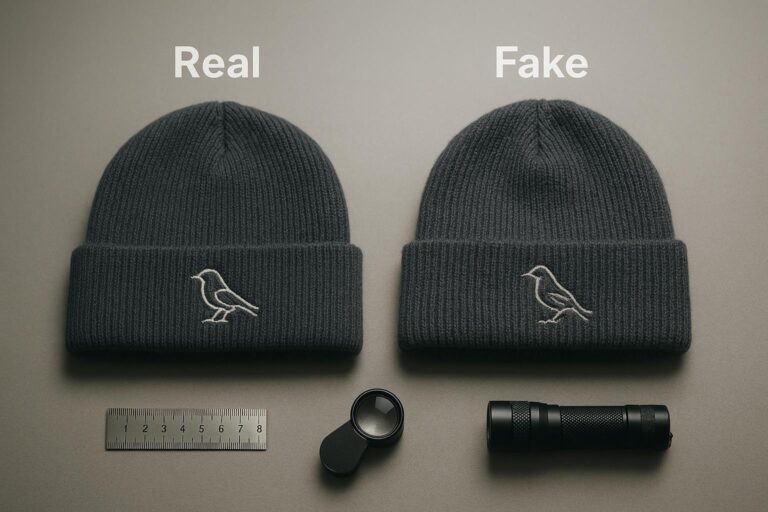
How to Spot “Fake Linking” in the Market?
Some brands try to copy the look of linking without using the real method. They use mock-linking stitches that look similar but do not give the same quality or value. You can spot fake linking if the seam feels rough or the pattern does not match across panels.
Identifying Mock-Linking Stitches
Look for these signs:
The seam sits above the fabric, not flat.
The stitching looks loose or uneven.
Patterns or stripes do not line up at the seam.
The inside feels scratchy, not smooth.
Tip: If you want true comfort and durability, check the seams before you buy. Real linking always feels soft and matches the design perfectly.
When you pick your construction method, think about what matters most to your brand and your customers. Seam quality, cost, and garment performance all play a role. Choose the method that matches your values and delivers the best experience.
You have lots of choices when it comes to seam construction. Here’s a quick look:
Method | Seam Strength | Seam Quality | Aesthetics | Cost |
|---|---|---|---|---|
Linking | High | Smooth, flexible | Flat, neat | Higher |
Overlocking | Good | Fast, durable | Slightly raised | Cost-effective |
Flatlocking | Medium | Bulk-free, comfy | Decorative, flat | Skilled labor |
If you want top seam strength and a smooth finish, linking works best for luxury sweaters. Overlocking gives you fast, strong stitching for everyday wear. Flatlocking feels soft and looks cool on sportswear. Always check the seam before you buy. Great seams make your clothes last longer and feel better!
FAQ
What is the strongest seam for sweaters?
You get the strongest seam with linking. This method joins each stitch together. Your sweater stays strong and keeps its shape, even after many wears.
Can you repair a broken overlocked seam at home?
Yes, you can fix it with a sewing machine or by hand. Use a zigzag stitch if you do not have an overlocker. Always match the thread color for a neat look.
Why do some seams feel scratchy?
Scratchy seams usually come from bulky overlocking or rough thread. You feel more comfort with flat or linked seams. Always check the inside of your sweater before buying.
How do you spot high-quality seam work?
Look for these signs:
Flat seams that do not stick out
Patterns that match at the seam
No loose threads
Tip: Run your hand along the seam. It should feel smooth and soft.