
When you pick a knitwear factory for small brands, you want to focus on what really helps your business grow. You need a partner who understands your minimum order quantities, stays flexible, and delivers great quality. Make sure the factory matches your brand’s values.
Check if they can work with your budget and order size
Look for clear communication
Tip: Ask about their experience with startups. This helps you see if they support small brands like yours.
Key Takeaways
Pick a knitwear factory that knows your budget and order size. This helps you not spend too much money.
Talk clearly with the factory so they know your design ideas. Make sure they can do what you need.
Choose good materials that match your brand’s values. This helps your products stand out.
Ask for samples before you order a lot. This lets you check the quality and fit. Make sure your products are what you want.
Find factories that can change how much they make. This helps your brand grow and change when needed.
Look up how the factory cares for the environment. This matches what buyers want in eco-friendly products.
Check how the factory talks with you. Good communication helps you get updates and fix problems fast.
Make a strong partnership with your factory. Set clear rules and keep talking often.
Define Your Startup Fashion Brand’s Needs
Product & Design Focus
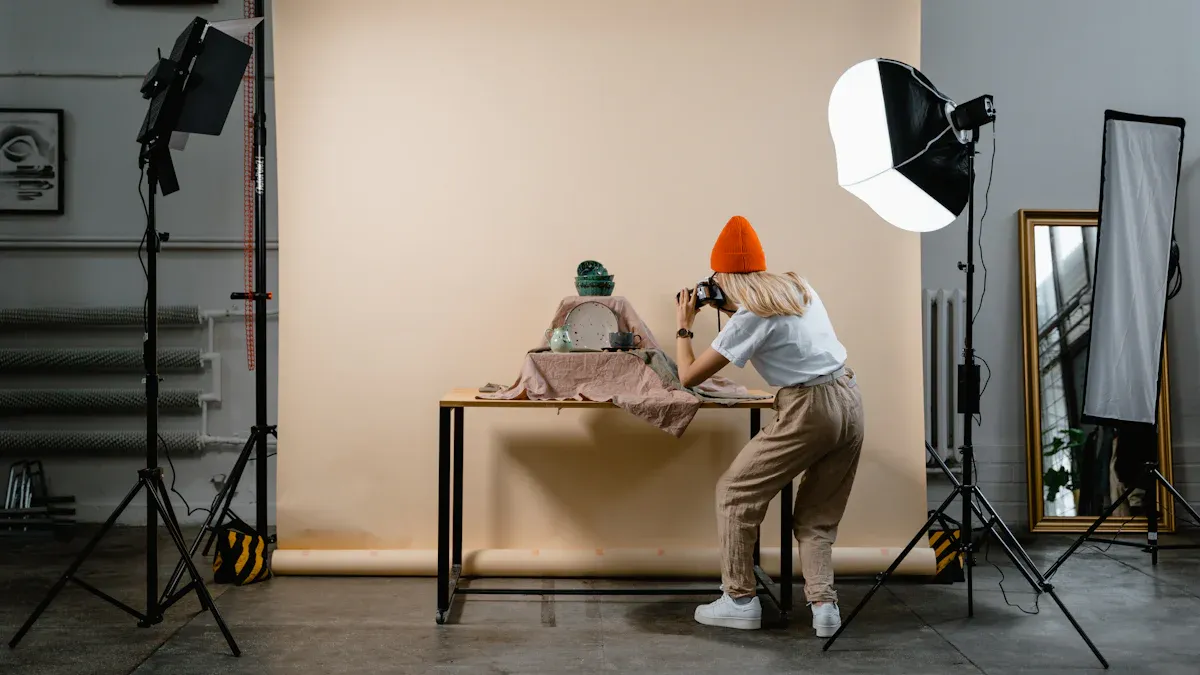
When you start planning your collection, you need to think about what makes your products stand out. Your designs and the way you want people to feel when they wear your pieces matter a lot. You should ask yourself: What do you want your knitwear to say about your brand? Do you want bold colors, unique patterns, or classic styles? These choices help you find the right factory.
Yarn & Materials
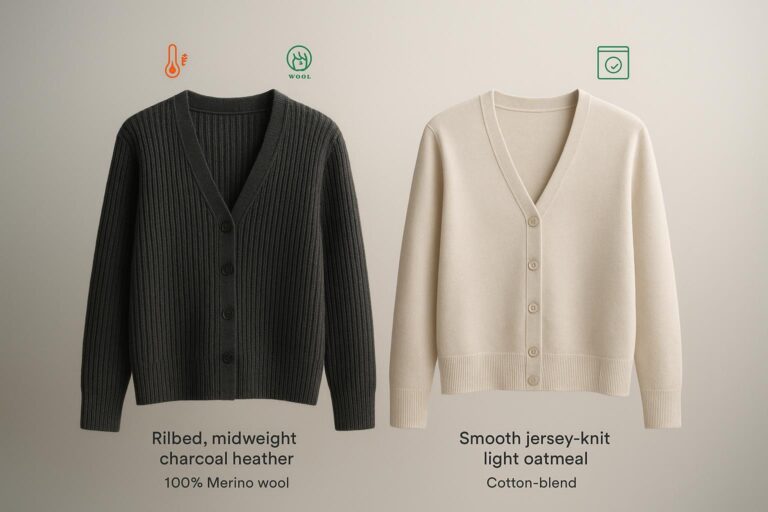
Yarn and other materials shape the look and feel of your knitwear. You want to pick fabric that matches your vision and feels good to wear. Some factories offer a wide range of yarns, while others stick to basics. If you want eco-friendly options or special blends, make sure the factory can source those materials. Ask about their suppliers and see if they can get the fabric and materials you need for your designs. You might want soft cotton, cozy wool, or recycled fibers. The right materials help your startup fashion brand stand out.
Style Complexity
Think about how complicated your designs are. Simple sweaters need less time and skill, but detailed patterns or special stitches require more attention. Factories that work with small brands often have experience with both basic and complex styles. If you want custom details, check if the factory can handle them. Ask for examples of their work so you know they can deliver what you want.
Tip: Share your sketches and ideas with the factory. This helps them understand your style and suggest the best materials and techniques.
Quality & Consistency
You want every piece to look great and last long. Quality and consistency keep your customers happy and protect your brand’s reputation. Factories use different methods to check quality, so ask about their process. Here’s a quick look at what matters most:
Factor | Description |
|---|---|
Makes sure garments meet standards and customer expectations. | |
Supplier Track Records | Check past work, ask for samples, and read client reviews. |
Material Consistency | Use high-quality yarns and fabric to keep products reliable. |
Production Standards | Follow international norms for steady results. |
Defect Management | Have ways to spot and fix problems. |
Testing Protocols | Test for shrinkage, durability, and colorfastness. |
Brand Reputation | Work with quality-focused factories to avoid returns and build trust. |
Budget & Order Size
Your budget shapes what you can make and how many pieces you order. Small brands often start with lower minimum order quantities, which means you don’t have to buy hundreds of items at once. This helps you test the market and manage costs.
Cost Per Unit
Factories set prices based on the materials, style complexity, and order size. If you choose premium fabric or special yarns, the cost per unit goes up. Ask for quotes and compare them. Make sure you know what’s included, like labels or packaging.
MOQ Considerations
Minimum order quantities (MOQs) matter for every small brand. Most factories set MOQs between 25 and 200 units per design. This lets you order just enough to launch your collection without overspending. Always check the factory’s MOQ before you commit. If you need fewer pieces, look for a partner who supports startup fashion brands and offers flexible options.
Flexibility & Growth
When you build a fashion brand, you want a knitwear factory that grows with you. Your first order might be small, but your dreams are big. You need a partner who can keep up when your business takes off. Flexibility means the factory can adjust to your needs, whether you want to try new styles or increase your order size.
Think about your future. You might start with a few sweaters, but what happens when your collection gets popular? Will your factory handle bigger orders? Ask about their production capacity. Some factories work well with small batches, but struggle with large ones. You want a manufacturer who can scale up when you need more stock.
Lead times matter too. Fast delivery helps you launch new designs and respond to trends. Ask the factory how long it takes to finish different order sizes. If you need a rush order, will they help you out? Reliable lead times keep your business moving and your customers happy.
Here’s a simple way to check if a factory supports your growth:
Production Capacity: Ask about the largest order they have handled. Find out if they can produce hundreds or even thousands of pieces when your brand grows.
Lead Times: Request details about how long it takes to complete small and large orders. Quick turnaround means you can react to market changes.
Flexibility: See if the factory can change schedules or add urgent orders. Flexibility helps you test new ideas and meet deadlines.
Tip: Share your growth plans with the factory. If you plan to launch new styles or expand your range, let them know. A good partner will support your goals and offer advice.
Factories that work with small brands often understand the need for flexibility. They know you might want to experiment with new yarns or try different designs. Ask if they can help you develop samples or adjust production as your brand evolves.
You want a factory that listens to your ideas and helps you solve problems. If you run into delays or need to change an order, clear communication makes everything easier. Build a relationship where you feel comfortable asking questions and sharing feedback.
Growth takes time, but the right factory makes it smoother. Choose a partner who believes in your vision and wants to see you succeed. When you find a flexible manufacturer, you set your brand up for long-term success.
Evaluate Knitwear Factory for Small Brands
Minimum Order Quantities & Yarn Stock
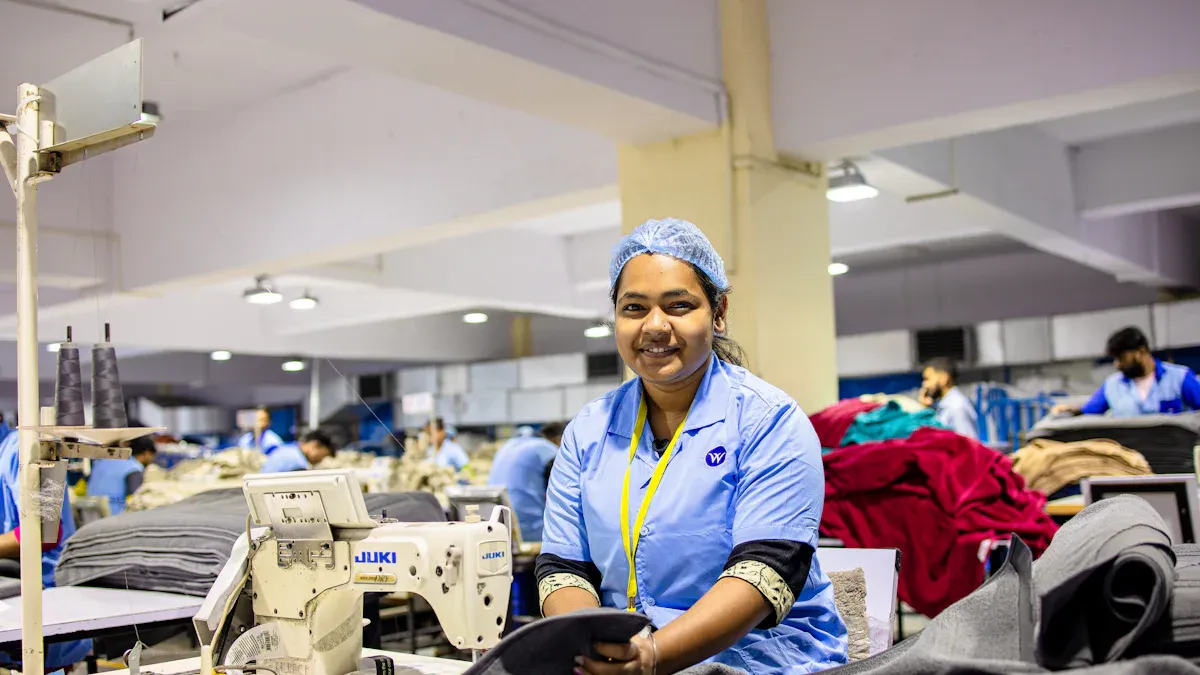
When you look for a knitwear factory for small brands, the first thing you should check is their moq. This number tells you the smallest amount you can order. If you are just starting, you want a factory that offers a low moq. This helps you test your designs without spending too much money or ending up with extra stock you cannot sell.
The moq often depends on the type of garment you want to make. Here is a quick table to help you understand what to expect:
Garment Type | Minimum Order Quantity |
|---|---|
Super simple items (e.g., scarves, scrunchies) | |
Most lounge and essentials wear | 50 units |
Garments with complex features (e.g., fly-front zips) | 100 units |
Factories usually set a lower moq for simple items. If your design is more complex, the moq goes up. Most small brands look for a moq under 500 units. Anything over 5000 units is very high and not a good fit for a startup.
You should also ask about the factory’s yarn stock. Some factories keep a wide range of yarns in-house. This means you can choose from many colors and materials without waiting for special orders. If you want to use sustainable materials, check if the factory has them ready. A good knitwear factory for small brands will help you pick the right yarn for your quality standards and budget.
Tip: Always ask for a list of available yarns and colors. This saves you time and helps you plan your collection.
Customization & Production Flexibility
You want your brand to stand out. Customization is key. A knitwear factory for small brands should offer many ways to make your pieces unique. Look for options like private labels, special trims, and custom patterns. Here is a table showing some common choices:
Customization Option | Description |
|---|---|
Adding labels or tags with the brand’s logo or name to enhance brand identity. | |
Adding Trims and Embellishments | Incorporating details like beading, sequins, or fur to elevate the garment’s luxury appeal. |
You can also ask for different yarn types, colors, and patterns. Many factories let you try new styles or sizes without a huge upfront cost. This flexibility helps you test what your customers like best.
A flexible knitwear factory for small brands will support you with:
Low moq so you only order what you need.
Made-to-order production, which means they make items when you get orders.
Customization options for yarn, color, and style.
This kind of production flexibility lets you manage your money better and avoid extra stock. You can also react quickly to trends and customer feedback. If you want to try a new design, a good factory will help you make a sample first. This way, you can check the quality before you order more.
Note: Share your ideas and ask questions. The right factory will listen and help you find the best way to bring your vision to life.
Sustainability & Ethics
Today, customers care about how and where their clothes are made. You want a knitwear factory for small brands that values sustainability and treats workers fairly. When you choose a factory with strong ethics, you build trust with your customers and set your brand apart.
Factories that use sustainable materials and follow ethical labor practices help your brand’s reputation. Many buyers look for brands that care about people and the planet. If your factory has certifications for fair labor or eco-friendly production, show these on your website and labels.
Look for these signs of a responsible factory:
Certifications for fair labor, safe working conditions, and eco-friendly processes.
Use of sustainable materials like organic cotton or recycled yarn.
Clear policies on worker rights and safety.
Ethical labor practices make your brand stronger. When you choose a factory with good certifications, you show your customers that you care. This can lead to more loyalty and repeat sales.
Tip: Ask the factory to share their certifications and explain their sustainability efforts. This helps you make better choices and tell your brand story with confidence.
Location & Communication
Where the knitwear factory is matters a lot. The factory’s location affects how fast you get products. It also changes shipping costs and how quickly you can follow new trends. If the factory is close, you can visit often. You can check on production and fix problems faster. U.S. factories help you avoid import delays. They let you watch quality closely and get orders quicker.
Factories near your business make shipping simple. You save money and get products faster. If you know your suppliers well, shipping gets even quicker. Being close helps you react to market changes. You can adjust orders or launch new styles fast.
Sometimes, you need to work with overseas factories. Maybe you want special yarns or lower prices. When you do, communication is very important. You need clear and quick updates to avoid mistakes. Small brands often have trouble with overseas factories. Here are some common issues:
Information does not move well inside the factory. Departments may not share updates, so orders get mixed up or delayed.
Factories without good tools respond slowly. You may not know how your order is going or if there are problems.
Language and culture differences can cause confusion. You might ask for one thing, but the factory does something else.
You can avoid these problems by setting up strong communication early. Ask how the factory shares updates. Do they use email, messaging apps, or project tools? Make sure you have one main contact who understands your needs and speaks your language. Give clear instructions and ask for regular reports.
Here’s a checklist to help you judge a factory’s location and communication:
Factor | What to Look For |
|---|---|
Factory Location | Is the factory close to your business or customers? |
Shipping & Lead Times | Can you get products quickly and affordably? |
Communication Tools | Does the factory use email, chat, or project apps? |
Language Skills | Can you speak directly with your contact person? |
Responsiveness | Does the factory reply fast and solve problems? |
Tip: Always ask for a communication plan before you start. Good communication saves you time, money, and stress.
When you find a factory with a good location and strong communication, your brand does better. You get products on time, avoid mistakes, and build a partnership that helps your business grow.
Find the Right Manufacturer: Search & Shortlist
Online Directories & Trade Shows
There are many ways to find a manufacturer for your knitwear brand. Online directories help you search for factories from your computer. These websites let you compare choices, read reviews, and see what each factory does. Here are some popular online directories you can try:
MFG.com lets you connect with factories worldwide. You can post your project and get bids from different manufacturers.
ThomasNet has a big list of suppliers. You can look for knitwear factories and check what they can do.
Kompass helps you find partners around the world. You can use filters to make your search easier.
Sourcify helps you connect with trusted manufacturers. You can read reviews and use their tools to manage your orders.
Apparel Search Directory is simple to use. You can meet other designers and find new manufacturing partners.
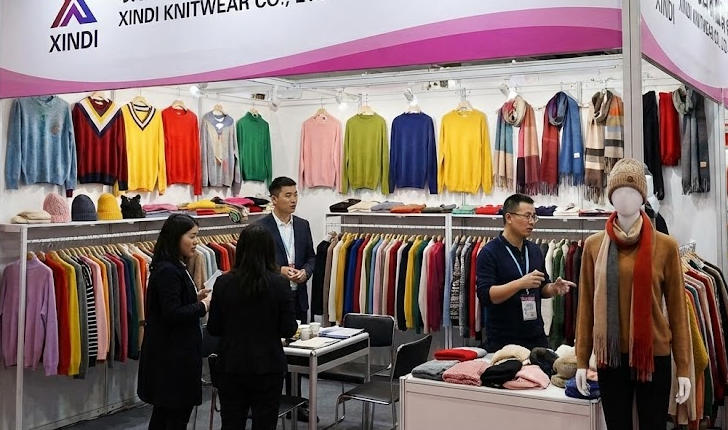
Trade shows are another good way to meet factories in person. At a trade show, you can talk face-to-face with factory representatives. This helps you build trust and see their work up close. You can show your designs and get feedback right away. Trade shows let you:
Meet buyers and manufacturers directly. You can ask questions and get answers quickly.
Show your collection in a professional place. This helps you stand out and find good partners.
Learn about new trends and ideas in the industry. You can use this knowledge to make your brand better.
Tip: Bring samples of your designs to trade shows. This helps factories understand your needs and offer good solutions.
Networking & Referrals
Sometimes, talking to people in the industry is the best way to find a manufacturer. Networking helps you meet other brand owners, designers, and seamstresses who know different factories. They can share their stories and suggest reliable partners.
You can join fashion groups, go to industry events, or join online communities. These places are full of people who know the business and can help you. When you make friends with experienced professionals, you get honest feedback and learn about factories you might not find online.
Ask other small brand owners about their experiences.
Join online forums or social media groups about fashion manufacturing.
Go to local meetups or workshops to meet people in person.
Note: Word-of-mouth recommendations often lead to good factories. People share honest opinions when they have nothing to gain.
Shortlisting Criteria
After you make a list of possible factories, you need to narrow it down. Shortlisting helps you focus on the best choices for your brand. Look at what matters most to your business. Here’s a table to help you compare factories:
Criteria | Description |
|---|---|
Quality & Craftsmanship | Look for manufacturers with a reputation for high-quality products. |
Materials & Sustainability | Choose manufacturers that offer eco-friendly options if sustainability matters. |
Production Capacity | Ensure they can handle your order size, whether small or large. |
Customization & Design Support | Some manufacturers provide design assistance to refine your products. |
Lead Times & Reliability | Timely delivery is crucial; inquire about production timelines. |
Pricing & Costs | Compare pricing to fit your budget without compromising quality. |
Location & Logistics | Consider shipping costs and ease of communication based on location. |
You want a factory that meets your quality standards and shares your values. Check if they offer sustainable materials or support custom designs. Make sure they can handle your order size and deliver on time. Compare prices, but do not pick the cheapest if it means lower quality.
Ask each factory about their experience with small brands. Find out how they talk with clients and what support they give. The right partner will listen to your needs and help your brand grow.
Tip: Make a simple checklist using the table above. Use it to score each factory and pick the ones that fit your brand best.
When you use online directories, go to trade shows, and network with others, you get many choices. Shortlisting helps you focus on the factories that fit your needs. This step brings you closer to finding the right manufacturer for your small brand.
Vetting Your Knitwear Factory Partner
Choosing a manufacturing partner is a big step for your brand. You want to make sure they can deliver what you need. Here’s how you can check if a knitwear factory is the right fit.
Requesting Samples
Samples show you what a factory can really do. You should always ask for samples before you place a big order. Each type of sample has a different purpose. Some help you check fit, others show off style or test how the garment reacts to washing.
Here’s a table to help you understand the main sample types:
Sample Type | Purpose |
|---|---|
Development (Proto) Sample | Checks style, measurements, and design before production. |
Fit Sample | Tests comfort, shape, and sizing. |
Size Set Sample | Confirms accuracy across all sizes. |
Salesman Sample (SMS) | Used for presentations and marketing. |
Pre-Production (PP) Sample | Shows the final product before bulk manufacturing. |
Photo Sample | Prepared for catalogs and marketing photos. |
Wash Sample | Tests effects of washing and treatments. |
Shipping Sample / Gold Seal | Confirms bulk matches the approved sample. |
Counter Sample | Ensures new batches match previous runs. |
Ask the factory for at least a fit sample and a pre-production sample. These help you check quality control and make sure the final product matches your vision. If you want to see how your knitwear looks in photos or after washing, request those samples too.
Tip: Keep notes on each sample. Write down what you like and what needs improvement. This helps you talk clearly with the factory.
Checking References & Reviews
You want to know how the factory treats other brands. Ask for references from past clients. Good factories will share contact details or testimonials. You can also look for reviews online. Read what other small brands say about their experience.
Here’s what you should ask when checking references:
Did the factory deliver on time?
Was the production quality consistent?
How did they handle problems or changes?
Was communication easy and clear?
If you see lots of positive feedback, you can feel more confident. If you find complaints about missed deadlines or poor quality control, you should be careful.
Note: Reach out to at least two other brands. Honest feedback helps you avoid surprises.
Spotting Red Flags
Some warning signs tell you a factory may not be a good choice. Watch out for these common red flags:
Red Flag | Description |
|---|---|
Vague Quality Standards | Unclear expectations can lead to bad products and hurt your brand. |
Unclear Delivery Timelines | No set deadlines can mean late shipments and missed sales. |
Weak Payment Terms | Unfair payment rules can cause money problems and risk your business. |
One-Sided Termination Clauses | If only the supplier can end the deal, your supply chain is at risk. |
Missing IP Protection | Without protection, your designs can get copied or sold to others. |
If you notice any of these issues, ask questions right away. A good manufacturing partner will explain their process and fix problems. You want clear quality control, fair payment terms, and strong protection for your designs.
🚩 If a factory avoids your questions or gives vague answers, consider looking elsewhere.
Vetting your knitwear factory partner takes time, but it helps you build a strong brand. You get better products, fewer problems, and a team that supports your growth.
Building a Strong Manufacturer Relationship
Clear Expectations & Agreements
You want your work with a knitwear factory to go well. It helps to set clear rules and write down agreements. This stops confusion and keeps things fair. When you start, talk about your goals and what quality you expect. Share your design details so the factory knows what you want. Open talks help you set rules and check quality. Detailed specs stop mistakes before they happen. Quality checks, like samples and inspections, keep standards high. Regular updates help you see progress and fix problems early. If you write everything down, you protect your brand. Both sides know what they must do. You can use a contract or a checklist. Always add timelines, payment rules, and what to do if something goes wrong. This makes your partnership strong and fair.
Tip: Ask for a sample before making all your products. Samples help you find problems and check quality.
Ongoing Communication
Talking often keeps your relationship with the factory strong. Be clear when you send design packs and fabric details. If the factory asks questions, answer quickly. Paying bills on time shows you are trustworthy. Use simple and polite words to share your business goals. Give honest feedback to help the factory make better products. Set rules for timelines, quality, and what you expect from the start. Plan regular check-ins to watch progress and fix problems early. You can use email, chat apps, or video calls. Pick what works best for both sides. When you talk often, you build trust and fix issues before they get big. If you see a problem, speak up fast. Factories like brands that talk openly and show respect.
Note: A kind message helps a lot. Factories remember brands that treat them well.
Planning for Growth
You want your brand to get bigger. Planning ahead helps you grow without stress. Start by making your brand style and message clear. Design a small group of products first, maybe three to five pieces. This helps you test what customers like. Build your brand style to guide your look and talks. Start with a small collection to see what sells. Make detailed design packs so the factory knows your ideas. Pick a factory that matches your values and quality needs. Set up a good website and active social media. Market your brand with emails, influencers, and social posts. Listen to customer feedback and keep making things better.
“In our fast-changing garment industry, AI and digital tools are not just nice to have. Small garment makers need these tools to work faster and stay green. They help make good products and keep up with others.”
If you plan for growth, you can handle bigger orders and new styles. Share your plans with the factory. Ask if they can make more when you need it. A good partner will help you grow and do well.
Common Mistakes for Small Brands
Ignoring MOQs & Lead Times
You might feel excited to launch your knitwear brand, but ignoring minimum order quantities and lead time can cause big problems. Many small brands underestimate MOQs. If you order too much, you end up with extra stock and less cash for your next steps. You need to know how many pieces a factory expects you to buy. Always ask about their MOQ before you start.
Lead time means how long it takes from placing your order until you get your products. If you don’t plan for production lead time, you risk running out of stock or missing your launch date. You should talk to your supplier and ask for clear timelines. Some brands forget to negotiate terms with factories. This can make lead time longer and mess up your inventory.
Here’s a quick look at common mistakes:
Mistake | Description |
|---|---|
Underestimating MOQs | You order too much and struggle with cash flow or storage. |
You don’t ask for better lead time or flexible delivery, so you wait longer. |
Tip: Always check the factory’s production lead time and ask if you can adjust your order size as you grow.
Overlooking Quality Control
You want your customers to love your knitwear. If you skip quality control, you risk selling poor products. Bad quality makes customers unhappy. They might return items or leave negative reviews. This hurts your brand’s reputation and wastes money.
Quality control helps you catch problems early. You should ask your factory how they check for mistakes. If you don’t, you might get sweaters that shrink, fade, or fall apart. Customers trust brands that deliver good quality every time.
Poor quality leads to unhappy customers and more returns.
You lose money when you have to replace or fix products.
Your brand reputation suffers if people think your knitwear is unreliable.
Strong quality control builds trust and helps your brand grow.
Note: Always request samples and inspect them before you order in bulk. Good quality keeps your customers coming back.
Neglecting Sustainability
Sustainability matters more than ever. Customers want to know that your brand cares about the planet. If you ignore sustainability, you miss out on loyal buyers who value eco-friendly fashion. Factories offer yarns made from recycled fibers or organic cotton. You should ask about these options and share your choices with your customers.
When you choose sustainable materials and ethical factories, you help the environment and build a stronger brand. People notice when you make good choices. They support brands that care about workers and the world.
🌱 Choose factories that offer sustainable yarns and fair labor practices. Your brand will stand out and attract more customers.
If you avoid these common mistakes, you set your brand up for success. You manage your inventory, deliver great quality, and show your customers you care about sustainability.
You want your brand to be noticed. First, write down what you need. Next, look at factories for quality and price. Check if they are flexible with orders. Pick partners who care about the environment. Natural fibers like organic cotton and bamboo are good choices. Factories in Asia Pacific make lots of products and follow new trends. Check each factory carefully before you choose. Build a strong partnership with your factory. People want knitwear that is green, comfy, and not too expensive. Start now—your brand can grow with the right factory helping you.
Ready to start? Believe in your plan and show your style in knitwear!
FAQ
What is MOQ and why does it matter for small brands?
MOQ means Minimum Order Quantity. Factories set this number to show the smallest batch you can buy. You want a low MOQ so you can test your designs without spending too much money.
How do I know if a factory supports sustainable practices?
Ask the factory for certifications like GOTS or Fair Trade. Look for recycled yarns or organic cotton. You can also check their website for details about their eco-friendly efforts.
Can I order samples before placing a big order?
Yes, you should always ask for samples first. Samples help you check quality and fit. You can spot problems early and make changes before you spend more.
What happens if my order has defects?
Contact the factory right away. Good factories fix mistakes or replace faulty items. You should ask about their defect policy before you order.
How long does production usually take?
Production time depends on your order size and design. Most factories need 4–8 weeks. Ask for a timeline before you start so you can plan your launch.
Do I need to visit the factory in person?
You don’t have to visit, but seeing the factory helps you check quality and build trust. If you can’t go, ask for video calls or photos of their work.
What should I include in my design pack?
Your design pack should have sketches, measurements, fabric choices, and color ideas. Clear details help the factory make your vision real.
How do I keep communication smooth with my factory?
Set up regular check-ins by email or chat. Share updates and ask questions. Good communication helps you avoid mistakes and keeps your project on track.