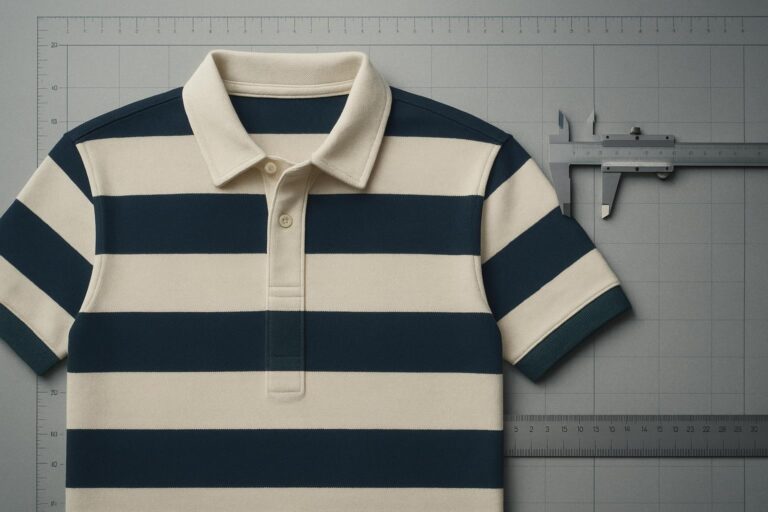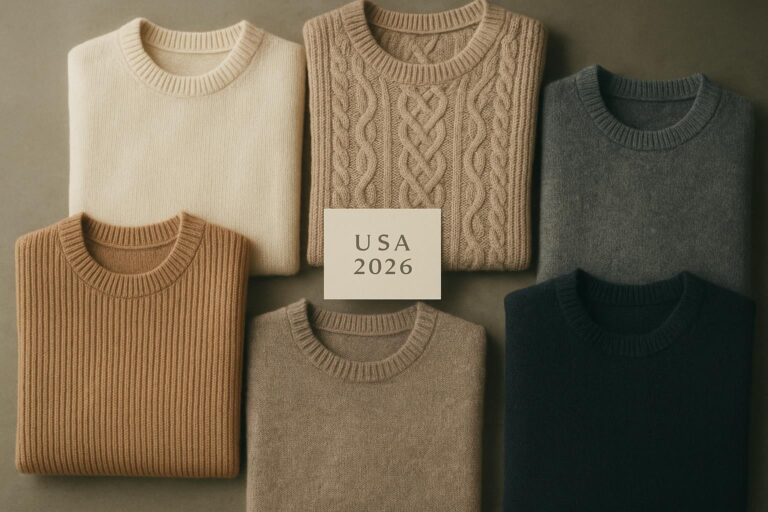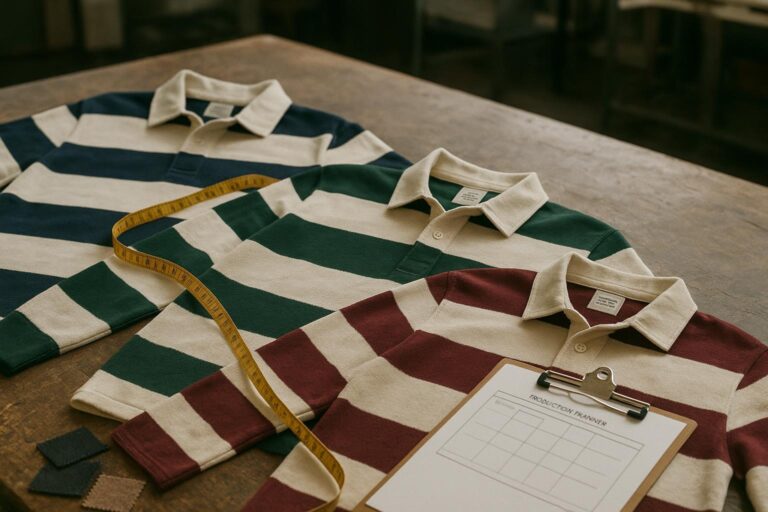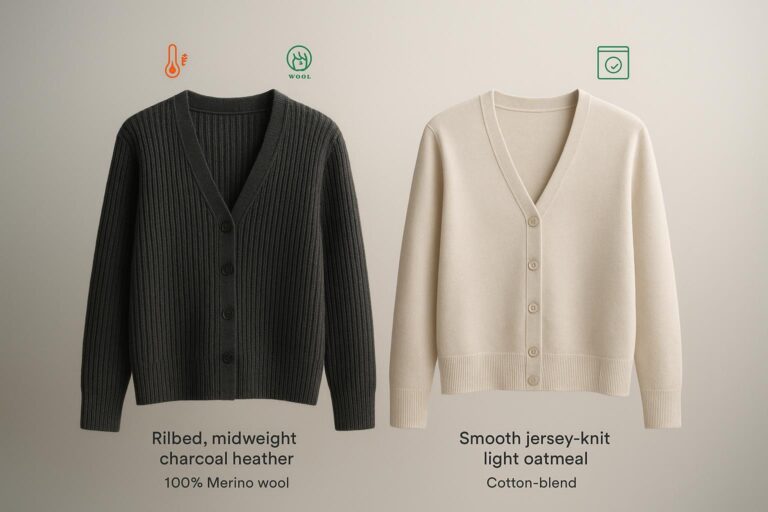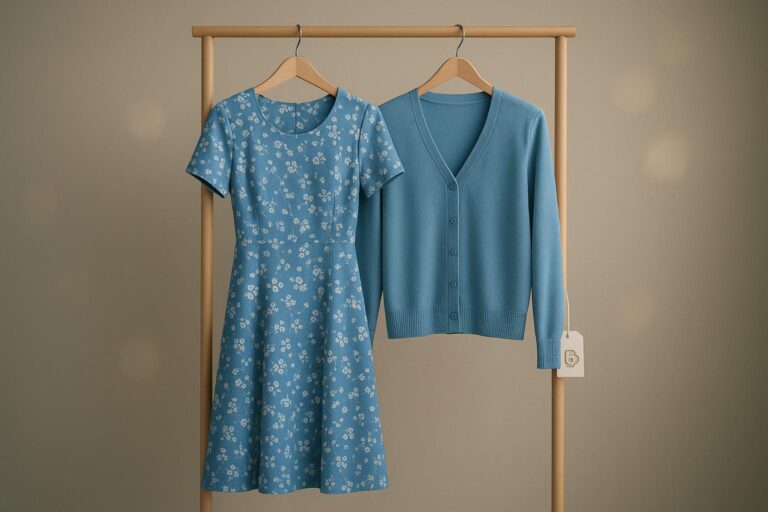

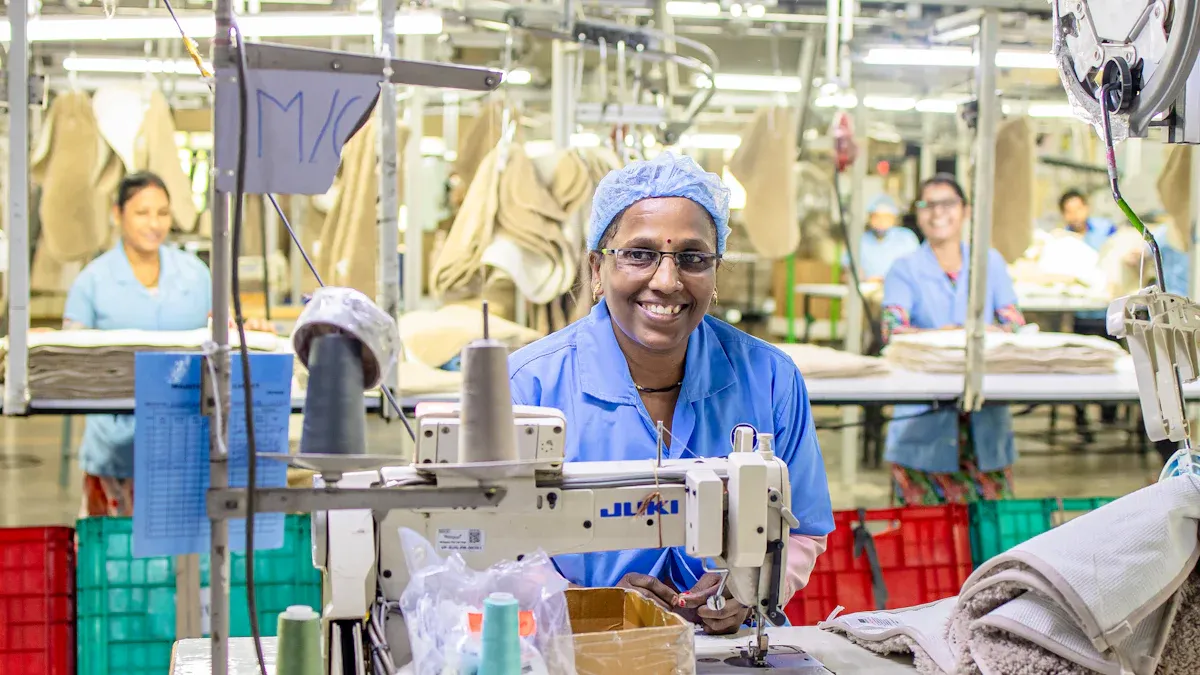
Before choosing a sweater manufacturing factory China, it’s important to have a clear plan. Consider what your brand stands for and the level of quality you expect. When selecting a sweater manufacturing factory China, factors like technology, location, and reputation are crucial. Additionally, the political climate can influence your decision. Careful planning helps you minimize risks and find the ideal partner for your sweater manufacturing factory China needs.
Key Takeaways
-
Make sure you know what your brand needs. Think about the materials, styles, and quality that fit your brand.
-
Pick factories that have quality certificates. Look for GOTS, WRAP, or other certificates. These show the factory uses good and fair practices.
-
Plan your budget and know the minimum order quantity. This helps you control spending and not spend too much.
-
Check how fast the factory works and if it can grow. Make sure the factory can finish orders on time and handle more work later.
-
Use different ways to find factories. Try online sites, trade shows, and ask others for suggestions.
-
Look at the factory’s reputation and how long it has worked. Read reviews and ask for samples to check their work.
-
Talk clearly and set your rules. Make sure everyone knows the quality rules and keep talking to avoid problems.
-
Keep up with world news that can affect your business. Watch for changes in trade and tariffs that can change your costs.
Define Brand and Production Needs
Product Specs and Design
Materials Selection
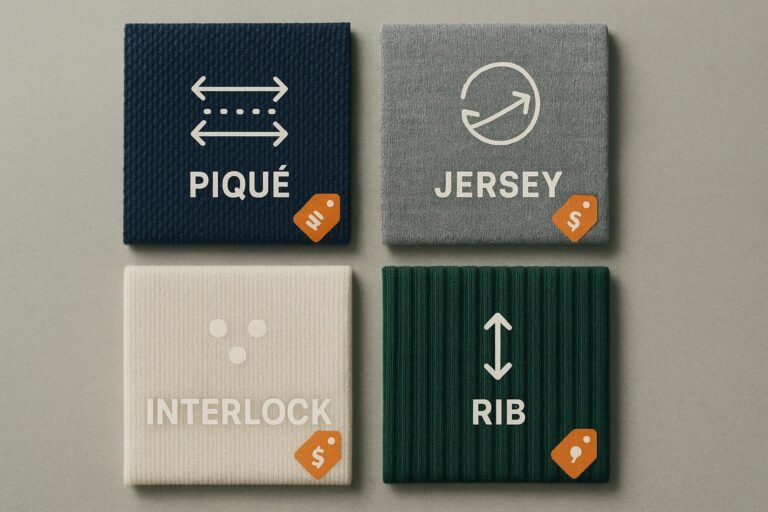
Picking the right material affects how your sweater feels and lasts. Start by learning about fabrics like cotton, wool, cashmere, or blends. Ask suppliers for fabric samples to check how they feel and look. Think about how each fabric feels on skin and works in different weather. Some fabrics cost more but last longer or feel nicer. Make sure your fabric choice matches what your brand promises and what your customers want.
Style Requirements
Design helps your brand look special. Start by coming up with ideas for your sweater. Think about colors, patterns, and themes that show your brand’s style. Use sketches or design software to make your ideas real. Pick things like fit, neckline, sleeve length, and decorations. Also, think about adding labels and tags for branding. These small details make your sweater stand out and leave a good impression.
Tip: Make a mood board with pictures, colors, and textures that inspire you. This board helps you show your ideas to the factory.
Quality Standards
Certifications
Quality certifications prove your sweaters meet industry rules. Look for factories with certifications like Global Organic Textile Standard (GOTS), Fair Trade, or Worldwide Responsible Apparel Production (WRAP). Other good ones are SA8000, Bluesign, and Responsible Wool Standard (RWS). These certifications cover things like fair work, safe materials, and good sourcing. Picking certified factories helps your customers trust your brand.
Brand Expectations
Set clear rules for quality from the start. Explain what “high quality” means for your brand. This might be neat stitching, even colors, or softness. Tell the factory your rules and ask them to check quality during production. Regular checks help you find problems early and keep your sweaters the same every time.
Budget and MOQ
Cost Targets
Making a budget helps you control spending and plan profits. The price depends on fabric, design, and how many you order. Ask different factories for prices to compare. Remember, better materials or special designs can cost more. Plan for all costs, like making, packing, shipping, and selling.
Minimum Order Quantities
Factories in China usually have a minimum order quantity (MOQ), often starting at 100 pieces. This number changes by factory and how custom your order is. Make sure the MOQ fits your business plan. Ordering too many sweaters can use up your money, but too few may not work for the factory. Talk with factories to find a number that works for both of you.
Lead Times and Capacity
Understanding lead times and production capacity helps you plan your sweater business. You want to know how fast a factory can make your order and if it can grow with your brand.
Production Speed
Production speed tells you how long it takes for a factory to finish your sweaters. Most Chinese factories need between 45 to 75 days to complete bulk sweater orders. This time includes making samples, sourcing fabric, and sewing. If your design is simple, the factory may finish faster. Complex designs or special materials can slow things down. Large orders also take longer than small ones.
You should ask each factory for a clear timeline. Some factories work faster during slow seasons. Others may need more time when they have many orders. If you need sweaters for a special event or season, plan ahead. Always check if the factory can meet your deadline before you agree to work with them.
Tip: Ask the factory for a production calendar. This helps you see busy times and plan your orders better.
Scalability
Scalability means the factory can handle more orders as your brand grows. You want a partner who can make a few hundred sweaters now and thousands later. Some factories have small teams and limited machines. Others have large spaces and advanced equipment. If you plan to grow, choose a factory with room to expand.
You should ask about the factory’s maximum capacity. Find out how many sweaters it can make each month. Ask if it can add more workers or machines if you need bigger orders. A scalable factory helps you avoid delays and keeps your customers happy.
Here are questions you can ask to check scalability:
-
How many sweaters can you produce each month?
-
Can you increase production if my brand grows?
-
Do you have extra staff or machines for large orders?
-
What happens if I need a rush order?
Choosing a factory with good production speed and scalability helps your brand stay strong. You can meet deadlines and grow your business without problems.
Find and Vet Sweater Factories in China
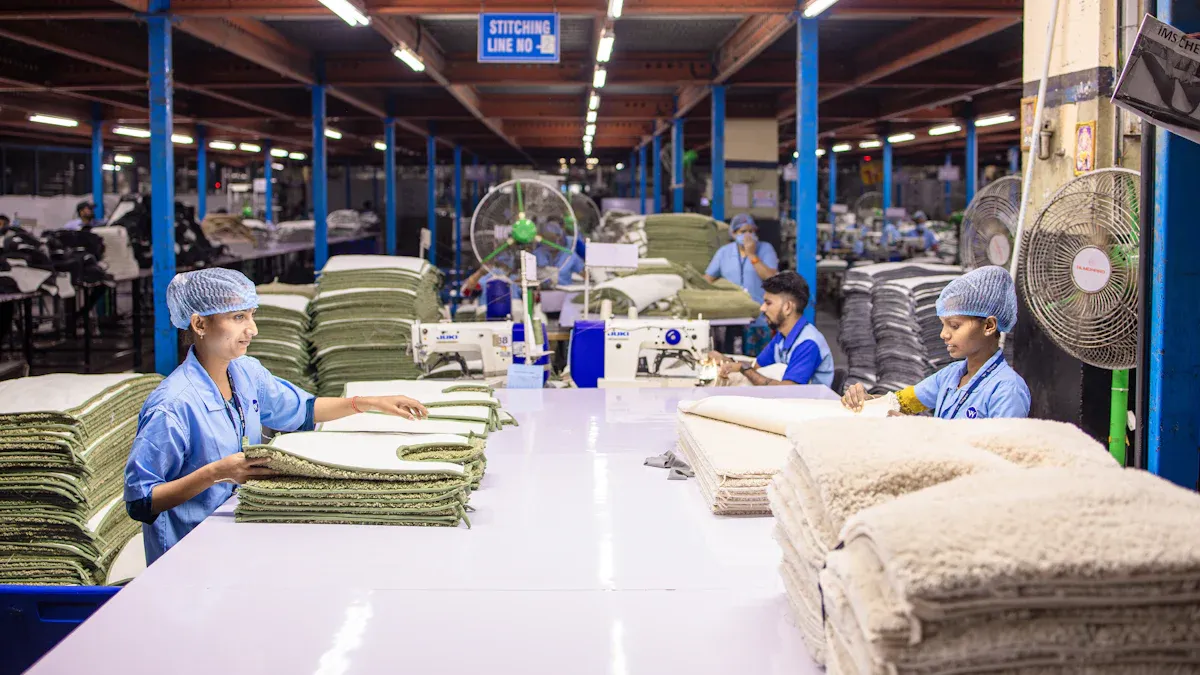
Picking the right sweater factories in china is very important. It can change how your brand grows. You need to know where to search for factories. You also need to know how to check if a factory is good for you. This part will help you find trusted ways to search. It will also tell you why location matters. You will learn how to check if a factory is known for good work and has experience.
Sourcing Channels
There are many ways to find sweater factories in china. Each way has its own good points.
Online Platforms
Online platforms let you look for sweater factories in china from anywhere. Websites like Alibaba, Made-in-China, and Global Sources have many suppliers. You can sort by what they make, where they are, and their certifications. These sites show factory profiles, pictures, and reviews from buyers. You can send messages to suppliers. You can also ask for prices or samples.
Tip: Always check if the factory has quality certifications like ISO 9001 or Oeko-Tex Standard 100. These show the factory cares about quality and safety.
Trade Shows
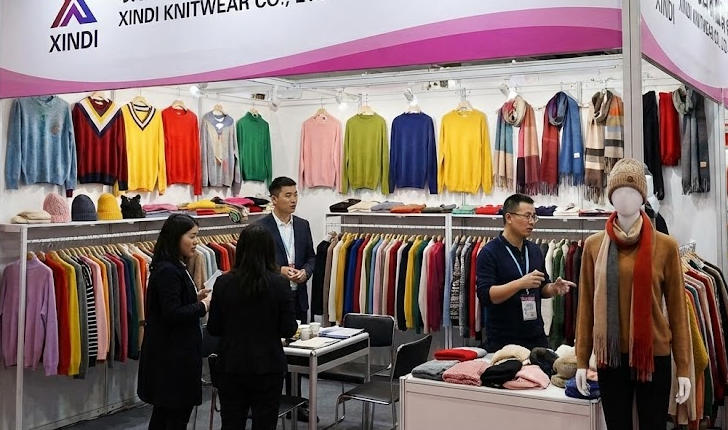
Trade shows let you meet suppliers in person. Events like the Canton Fair and China International Knitting Fair have many sweater factories in china. You can touch samples and ask questions. You can also compare different factories. Trade shows help you see new styles and new machines.
Referrals
Referrals are trusted tips from others. Ask other brands, people you know, or sourcing agents for ideas. People with experience can tell you which sweater factories in china are good. Referrals can save you time. They also help you stay away from bad suppliers.
Factory Location
Where the factory is can change how fast, cheap, and good your sweaters are. Some places in China are better for making sweaters.
Dongguan
Dongguan is in Guangdong Province. It is known for making lots of sweaters and using new machines. Many sweater factories in China here have skilled workers. Dongguan is close to raw materials and has fast shipping.
Shenzhen
Shenzhen is also in Guangdong Province. This city is good at new ideas and working fast. Sweater factories in China in Shenzhen can finish orders quickly. They can make both small and large orders.
Note: Other good places are Shantou in Guangdong and Tongxiang in Zhejiang. These places are known for using high-quality materials and special skills.
Reputation and Experience
You need to check if a factory is trusted and has experience before you order. Good sweater factories in china have strong quality checks, fair prices, and clear talks.
Reviews
Read what other brands and buyers say. Look for comments about quality, delivery, and service. Good reviews mean the factory does a good job. Bad reviews warn you about late orders or bad sweaters.
Track Record
A good track record means the factory can do the work. Ask for samples to check the fabric and sewing. Ask for names of old customers or letters from them. If you can, visit the factory to see it yourself. Start with a small order to test them before you order more.
Here is a checklist to help you check sweater factories in china:
|
Criteria |
What to Look For |
|---|---|
|
Quality Control |
In-house QC process, certifications |
|
Pricing |
Competitive rates, no hidden fees |
|
Lead Times |
Reliable delivery, clear timelines |
|
Communication |
Fast replies, detailed updates |
|
Material Mastery |
Experience with technical fabrics |
|
Ethical Practices |
OEKO-TEX, BSCI, or similar certifications |
|
Scalability |
Ability to grow with your brand |
Tip: Check sweaters during and before shipping to find problems early.
You can find the best sweater factories in China by using trusted methods to search, selecting the right location, and verifying if the factory is reputable and skilled. This careful way helps you build a strong supply chain and keeps your brand safe.
Assess Sweater Manufacturing Factory China Capabilities
When you pick garment manufacturers, don’t just look at price or location. You should check if the factory uses new machines and makes good samples. Make sure they follow fair rules. These steps help you avoid trouble and build a strong team.
Technology and Equipment
Factories with better machines make sweaters faster and with fewer mistakes. Ask garment manufacturers about their machines and systems. The best factories use equipment that helps quality and saves energy.
Modern Machinery
Here are some top technologies you might see in sweater manufacturing hubs in china:
-
Computerized automation helps make knitting more exact and lowers mistakes.
-
3D knitting technology makes sweaters without seams and cuts waste.
-
Multi-gauge machines can change needle sizes for different fabrics.
-
Advanced yarn feeders keep results steady and stop breaks.
-
Real-time monitoring uses sensors to find problems and fix them fast.
-
Sustainable power systems use less energy and help the environment.
-
User-friendly controls make machines easy for workers to use.
Tip: Ask garment manufacturers if you can visit their factory. You can watch the machines work and see how they help make better sweaters.
Manufacturing Processes
Learn how the factory makes sweaters step by step. Good garment manufacturers follow clear steps from picking yarn to checking finished sweaters. They use quality checks at every stage. This keeps mistakes low and makes sure every sweater is good. You can ask for a chart or guide to see how your sweaters are made.
Sample Quality
Looking at sample quality is important before you order a lot. You want to see how garment manufacturers turn your design into a real sweater. Samples show how skilled the factory is.
Sample Requests
You can ask garment manufacturers for two types of samples:
-
GPT sample: This sample checks if the design works and how the fabric feels.
-
TOP sample: This comes from the first batch and shows if the factory keeps quality.
Note: Always look at samples from different garment manufacturers. You can see differences in stitching, color, and fit.
Evaluation Criteria
Use a checklist when you look at samples. Check for neat stitching, even colors, and the right size. See if the fabric feels good and matches your brand. Test the sweater for comfort and strength. If you find problems, talk to the garment manufacturers and ask for fixes.
Compliance and Ethics
Factories must follow rules to protect workers and nature. Check if garment manufacturers meet these rules. This keeps your brand safe and helps customers trust you.
Labor Standards
Many garment manufacturers in China follow strict labor rules. These rules make sure workers are treated fairly and work in safe places. You can ask for proof of certifications.
Environmental Practices
Factories should use green methods. This means safe waste disposal, saving energy, and careful sourcing. Ask garment manufacturers about their eco-friendly rules.
Here is a table of common compliance and ethical standards:
|
Certification/Standard |
Description |
|---|---|
|
SA8000 Standard |
Makes sure workers are treated fairly and social rules are high. |
|
WRAP Code of Conduct |
For clothing factories, it helps make sure they follow fair practices. |
Tip: Pick garment manufacturers with these certifications. You help workers and protect the planet.
Check machines, sample quality, and rules before you choose a sweater factory. These steps help you find garment manufacturers who fit your brand and quality needs.
Communication and Collaboration
Talking well and working together helps you build a strong team with a Chinese factory. You need to send clear messages and get quick answers. This stops mistakes and keeps things on time. You also want a factory that can fix problems and help with your brand’s needs.
Language and Responsiveness
Communication Skills
You might have trouble talking with a Chinese factory. Some common problems are:
-
People listen to leaders and wait for their choices.
-
People use hints and background instead of saying things directly.
-
People give feedback in a gentle way to keep peace.
-
Business manners are important. Use titles and treat business cards with care.
-
Clear steps and instructions work better than hints.
You can beat these problems by using easy words and clear steps. Ask questions if you do not understand. Use pictures or charts to show your ideas. This helps everyone know what you mean.
Timely Replies
Quick answers show respect and keep your work moving. You should get replies in one or two days. Waiting too long can make you miss deadlines or lose money. Set rules for reply times before you start working together. Use email, chat apps, or project boards to keep track of messages.
Tip: If you do not get an answer, send a gentle reminder. This keeps the talk going and shows you care about the work.
Problem Solving
Flexibility
Factories that fix problems fast help your brand do well. You want a partner who can change plans if something goes wrong. If a fabric is missing, the factory should offer other choices. If you need to change your design, the factory should help you find a fix.
Customization Support
You may want special things for your sweater. Good factories help with custom labels, colors, or packaging. They listen to your ideas and try to help. You can share samples, sketches, or mood boards to show what you want.
Brands use many ways to solve problems with Chinese factories. Here is a table with some helpful ways:
|
Strategy |
Description |
|---|---|
|
Use third-party agencies |
You can hire agencies to help with sourcing and working with factories. |
|
Use online B2B marketplaces |
Websites like Alibaba help you find many manufacturers. |
|
Go to fashion exhibitions |
You can meet factories and see their work at trade shows. |
|
Do regular checks |
Checking during production helps you find mistakes early. |
|
Do factory audits |
Audits make sure factories follow good rules and quality. |
|
Test products before shipping |
Testing before shipping helps you avoid problems with quality. |
You can use these ways to keep your project safe and make sure your sweaters are good for your brand.
Sampling and Factory Audits
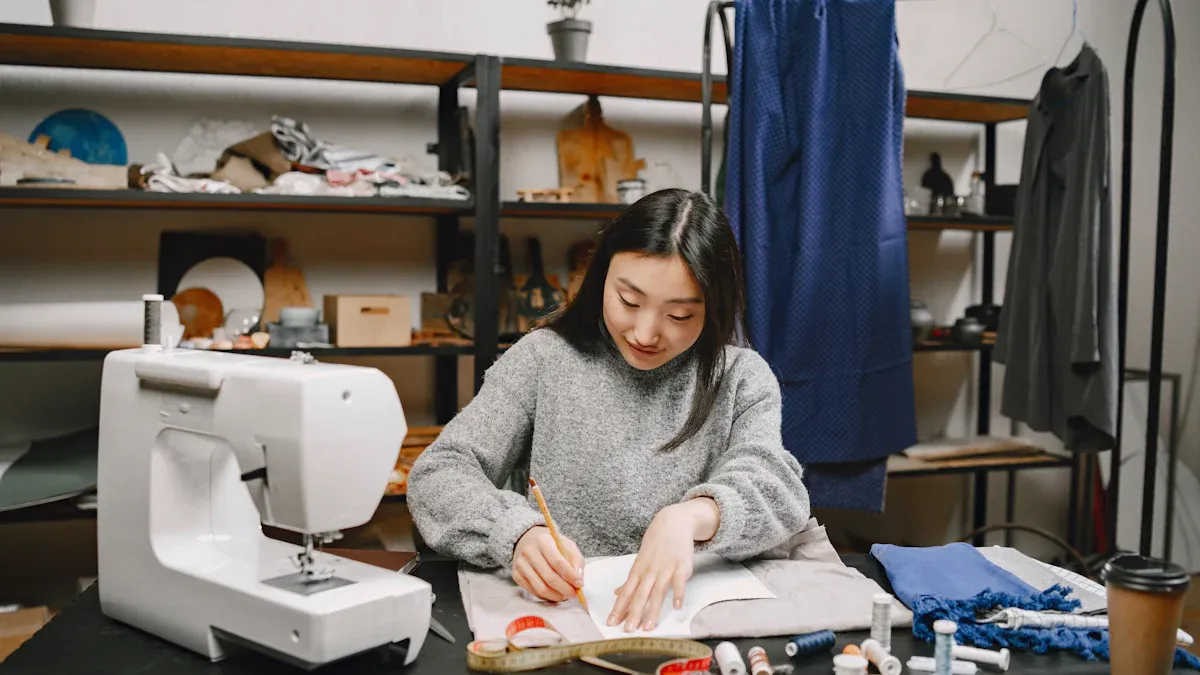
Sampling and factory audits help you make smart choices before you place a big order. You can check the quality of products and see if the factory meets your standards. This step protects your brand and helps you avoid costly mistakes.
Request Samples
Sample Process
You should always ask for samples before you order in bulk. This lets you see the real product and test if it matches your needs. Here is a simple process you can follow:
-
Write a clear and short email to the factory. Explain what you want in your sample.
-
Ask for details about the sample cost, how long it will take to make, and how they will ship it to you.
-
Research the factory. Look at their website, visit if you can, and check their certifications.
-
Start with a small sample order. This helps you see if the factory is reliable.
-
Talk about the timeline, price, and how they will check quality.
-
Keep in touch with the factory. Give feedback and ask questions.
-
Sign a contract. This protects both you and the factory and sets clear rules.
Tip: Always keep records of your talks and agreements. This helps you solve problems if they come up.
Quality Checks
When you get your samples, check them carefully. Look at the stitching, color, size, and feel. Try the sample on or ask others to test it. Make sure the sample matches your design and quality needs. If you find problems, tell the factory and ask for changes. Good factories will listen and fix mistakes.
Factory Audits
On-Site Visits
Visiting the factory gives you a close look at how they work. You can see the machines, meet the workers, and check the workspace. During your visit, look at these things:
-
The number of staff and their skills
-
The steps in the production process
-
The condition of the equipment
-
The way they manage quality
-
Their business licenses and documents
You can ask questions and take notes. This helps you decide if the factory is a good fit.
Third-Party Inspections
You can also hire a third-party company to check the factory for you. These experts look at three main things:
-
They do an initial check of the factory’s profile, staff, and equipment.
-
They review the quality system and how the factory keeps machines in good shape. They often use standards like ISO9001.
-
They check if the factory follows social and environmental rules, using standards like SA8000.
Note: Third-party inspections give you an honest report. This helps you trust the results.
Sampling and audits help you choose the right partner for your sweater business. You lower your risks and make sure your products meet your brand’s promise.
Negotiate Terms with Garment Manufacturers
When you work with a sweater factory in China, you must set clear rules. These rules cover price, payments, and legal safety. Good talks help you avoid problems and keep your business safe.
Pricing and Payments
You should talk about payment rules before you order sweaters. Most Chinese sweater manufacturers use common payment plans. Here are some examples:
-
You pay 30% before they start making sweaters. You pay the last 70% before they ship your sweaters.
-
Some factories want a deposit between 30% and 50%. You pay the rest after they finish or when you get your sweaters.
-
If you trust the factory, you may pay after delivery.
-
Many factories use T/T for payments. You pay 30% first and 70% after checking quality.
Tip: Always write down payment rules. This helps you avoid confusion.
Payment Schedules
Factories want a deposit before making your sweaters. You pay the rest after they finish and you check the sweaters. Ask for a payment plan that fits your money needs. If you trust the factory, you may get better payment rules later.
Currency Options
Most factories take US dollars (USD). Some also take Chinese yuan (RMB) or euros (EUR). Paying in USD is normal for buyers from other countries. Check if your bank charges extra for changing money.
Contracts and IP
You need a strong contract to keep your brand and designs safe. Contracts set rules for quality, delivery, and your ideas.
Intellectual Property
It is important to protect your designs and ideas. You can use legal tools to keep your brand safe. Here is a table that shows common agreements and what they do:
|
Type of Agreement |
Purpose |
|---|---|
|
Non-Disclosure Agreements (NDAs) |
Keeps secret information safe from others. |
|
Non-Compete Agreements |
Stops factories from using your designs to compete with you. |
|
Manufacturing Agreements |
Sets rules for IP, how many sweaters, tools, and quality. |
You can also use copyrights, patents, trademarks, and trade secrets. Copyrights protect your designs. Patents protect new sweater styles. Trademarks keep your brand name and logo safe. Trade secrets protect your business ways.
Contract Clauses
A good contract covers many important things. Here is a table with key rules you should add:
|
Clause |
Description |
|---|---|
|
Exclusivity |
Connects exclusivity to sales goals to avoid problems. |
|
Intellectual Property Rights |
Says you own your designs and stops the factory from registering them. |
|
Confidentiality |
Stops the factory from sharing your business secrets. |
|
Quality Control |
Sets rules for checking and testing sweaters. |
|
Required Authorizations |
Makes sure the factory gets all needed legal papers. |
|
Delivery and Payment Period |
Lists where to deliver and when to pay after checks. |
|
Subcontracting |
Stops the factory from giving your order to another company. |
|
Compensation |
Follows Chinese law for ending the contract. |
|
Law and Jurisdiction |
Lets you pick the law and who solves problems. |
|
Language |
Makes the contract in two languages, with Chinese as the main one for problems. |
|
Signatures |
Needs real signing and company stamps. |
Note: Always ask a legal expert to check your contract. This helps you keep your brand safe and avoid trouble.
Clear talks with your garment manufacturer help you build trust and keep your business safe. You set payment rules, protect your ideas, and make sure your sweaters are good.
Final Selection and Partnership
Compare Options
You need to look at your top factories closely. Make sure the factory fits what your brand needs. The factory should also be able to grow with you. Use a simple way to compare each factory.
Decision Criteria
Here is an easy way to compare factories:
-
Product Range and Specialization: See what kinds of sweaters each factory makes. If a factory makes many types, you can get more styles from one place.
-
Technology and Customization Capabilities: Find factories with new machines. These factories can make special designs and work faster.
-
Quality Control and Certifications: Ask how the factory checks quality. Look for certifications like ISO 9001 or WRAP. These show the factory cares about good products.
-
Lead Time and Flexibility: Ask how fast the factory can finish your order. See if they can change plans if you need more sweaters or changes.
-
Sustainability and Ethical Practices: Pick factories that use green ways and treat workers well.
-
Global Client Base and Reputation: Choose factories that work with brands from other countries. Good reviews and many clients mean the factory is trusted.
Tip: Make a table and give each factory a score for these things. This helps you see which one is best for you.
Risk Assessment
Think about risks before you choose a factory. Ask yourself these questions:
-
Does the factory have a backup plan if there are delays?
-
Can they keep quality high if you order more sweaters?
-
Do they follow labor and safety rules?
You can lower risks by picking factories with strong systems and a good history. Start with a small order to test the factory before you order a lot.
Set Expectations
Clear rules help you and the factory work well together. Everyone should know what to do for quality and talking.
Quality Control
Give the factory clear rules for your sweaters. Tell them the size, color, fabric, and packaging you want. Be friendly with your supplier. This helps them care about your brand and follow your rules. Always share feedback. If you see a problem, talk about it early.
Check quality often. Visit the factory or hire someone to check the sweaters. Regular checks help you find mistakes before shipping.
Ongoing Monitoring
Keep watching your factory partner after you start working together. Here are some ways to do this:
-
Check the factory’s work often to see if anything changes.
-
Do regular checks and audits to find problems early.
-
Look at how the factory is doing every few months. This helps you fix problems and keep quality high.
-
Visit the factory to make sure they follow labor and green rules.
-
Build trust with your supplier. Good relationships help you get better results.
Note: Making sure the factory works in a fair way keeps your brand safe and makes your customers happy.
If you follow these steps, you can build a strong partnership with your sweater factory in China. You keep quality high and lower risks as your brand grows.
Consider Geopolitical and Trade Factors
When you pick a sweater manufacturing factory in China, you should think about world events. Trade rules and government decisions can change fast. These changes might raise your costs or slow down deliveries. Sometimes, you may not get your products on time. The textile industry faces problems from tariffs, export rules, and global competition. You need to keep learning about these issues and plan ahead to protect your brand.
Trade Relations
Trade relations between China and other countries affect the textile industry. Tariffs and export rules can change and impact your business.
Tariffs
Tariffs are extra taxes on goods that cross borders. They can make your sweaters cost more. In the last few years, the U.S. and EU raised tariffs on clothes from China. For example, most Chinese clothing sent to the EU in 2025 has a 12% duty and a 20% VAT. The average tariff for U.S. apparel from China was 69.1% in May 2025. Some new orders could make U.S. tariffs go even higher, maybe above 145%.
Here is a table showing recent changes in the textile industry:
|
Description |
Value |
|---|---|
|
Year-on-year decline in exports to the U.S. |
|
|
Increase in exports to the EU |
19.6% |
|
Duty rate for exports from China |
Up to 54% |
|
Year-on-year drop in low-priced small parcel exports to the U.S. |
40% |
|
Total textile and apparel exports to the U.S. |
$3.5 billion |
|
Year-on-year decline in knitted and woven apparel exports |
10.3% |
|
Decline in export volume |
5.3% |
|
Decline in unit price of exports |
5.3% |
You can see the textile industry has big changes in export numbers and prices. Tariffs can lower your profit and make planning harder.
Export Policies
Export policies also change how the textile industry works. Many countries set limits or rules to help their own businesses. For example, the U.S. and EU have quotas and tariffs on Chinese textile exports. Turkey set quotas on 43 types of textile and apparel imports from China. These rules can limit what you import or make things cost more. Always check the latest rules before you order.
Note: Countries worry about losing business in the textile industry because China is strong in this area.
Risk Mitigation
You can lower risks by using smart plans. The textile industry often faces sudden changes, so you need to be ready.
Diversification
Diversification means you do not depend on just one country or factory. Many brands use a “ChinaPlusOne” plan. They keep some production in China but also work with factories in places like Vietnam, Bangladesh, or India. This helps you avoid problems if trade rules change. More brands are moving production to new places to stay safe.
-
Add factories outside China to your vendor list.
-
Use flexible warehouses and build up local infrastructure.
-
Make sure new partners can meet your quality and growth needs.
Contingency Planning
Contingency planning helps you deal with problems if they happen. The textile industry uses several steps to stay ready:
-
Learn about shipping choices. Talk to shipping companies and book early to avoid delays.
-
Be honest with your customers. Tell them about possible delays and offer help.
-
If you face big problems, move production to other factories outside China.
-
Guess your sales and change your orders so you do not have too much or too little stock.
Tip: Good planning and clear communication help you build trust and keep your business strong, even when the textile industry has tough times.
By thinking about trade relations and planning for risks, you can keep your sweater business safe. The textile industry changes quickly, but you can stay ahead with smart strategies.
You can find a good partner for sweaters if you follow these steps. First, know what your brand needs. Next, check each factory’s skills and reputation. Look at the table below to see what helps partnerships work:
|
Key Takeaway |
Description |
|---|---|
|
Quality Assurance |
Make high-quality sweaters to build trust and protect your brand. |
|
Tailored Solutions |
Pick factories that match your business and growth plans. |
|
Cultural Understanding |
Learn local customs to work better together. |
|
Rigorous Quality Controls |
Use strong checks to keep quality high. |
|
Strategic Partnerships |
Work together to find new ways to make sweaters. |
Keep watching how your factory works. Checking often helps you stay strong when things get hard. It also helps you work better with your partners and keep making good sweaters.
-
Regular checks help you fix problems quickly.
-
Good teamwork and planning help lower risks.
-
Trust and clear communication keep your business safe.
FAQ
What is the best way to start sourcing sweater factories in China?
You can look for factories online. You can go to trade shows. You can ask people you trust for tips. Some brands use sourcing agents for help. Always check if the factory has experience. Ask for samples before you choose.
How do you ensure quality when sourcing sweaters from China?
Ask for samples from the factory. Check the quality at every step. Try to visit the factory if you can. Use third-party inspections for extra safety. Look at certifications and past work to be sure.
Can you get full customization for your sweater designs?
Most factories let you customize your sweaters. You can pick fabrics, colors, and labels. Share your design ideas with the factory. Ask for samples to see their work. Customization helps your brand stand out. Make sure the factory can handle your needs before you order a lot.
What is the role of sourcing agents in the sweater industry?
Sourcing agents help you find good factories. They know the local market well. They can talk with factories for you. Sourcing agents check quality and help with shipping. Using them saves time and lowers risks.
How do you manage minimum order quantities when sourcing sweaters?
Factories have minimum order quantities. Ask about these limits early. If your order is small, some factories may still accept it. You might pay more for small orders. Compare options to find the best fit for you.
What documents do you need for sourcing sweaters from China?
You need a purchase order and a contract. You also need an invoice. Ask for quality certificates and shipping papers. Keep all records safe. These documents help you fix problems if they happen.
How do you handle communication issues during sourcing?
Use simple words and clear instructions. Share pictures or samples to show your needs. Check for quick replies from the factory. If you have trouble, ask for a video call. You can use a translator if needed.
Can you visit the factory before finalizing your sourcing decision?
Yes, you can visit the factory. You can see the machines and meet the team. You can check working conditions. Many brands visit factories before making a choice. This step helps you make a safe decision.