
Knitwear Stitch Types Encyclopedia (100+ Stitch Library)
Knitwear stitch structures determine appearance, texture, fit, stretch, thermal performance, and production cost. For OEM/ODM factories, stitch selection also impacts gauge planning, cycle time, Yarn usage, machine compatibility, and QC parameters.
This encyclopedia provides a structured, industry-level breakdown of 100+ stitch types used in sweaters, cardigans, dresses, knit tops, accessories, and seamless garments—built for Dalang-level manufacturing standards and global brand requirements.
Basic Stitches
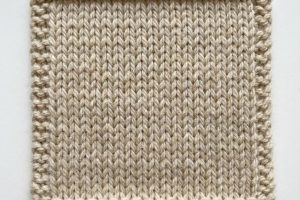
Jersey Stitch
The most common knit structure produced on flat knitting machines (STOLL / SHIMA).
Characteristics: Smooth face, clear vertical loops, lightweight, flexible.
Applications: T-shirts, lightweight sweaters, base layers, fine-gauge knitwear.
Technical Notes: Curling at edges requires stabilizing ribs or linking precision. Suitable for 12–16GG.
Rib Stitch
Alternating knit and purl columns (1×1, 2×2, 3×3).
Characteristics: High elasticity, strong recovery, excellent edge stability.
Applications: Collars, cuffs, waistbands, fitted tops, beanies.
Technical Notes: Rib structures increase yarn consumption by 15–25%. Works best in wool/elastane blends or cotton/spandex.
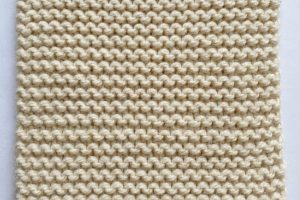
Purl Stitch
Reversed jersey, producing a textured surface on the face side.
Characteristics: Soft, plush, dimensional loops.
Applications: Babywear, cozy sweaters, reversible knitwear.
Technical Notes: Lower production speed vs jersey due to additional cam actions.
Start Your Custom Knitwear Project with Professional Stitch Guidance
Work directly with an experienced OEM/ODM knitwear manufacturer to select the right stitches, gauge, and yarn for your collection. From cables and jacquards to pointelle and technical panels, we provide sampling, design support, and full-production solutions for global brands.
Textured Stitches
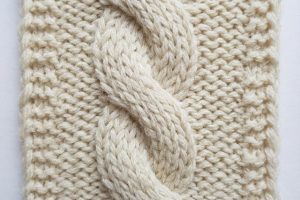
Cable
Twisted stitch patterns creating 3D braided effects.
Characteristics: Luxurious, heavy, sculptural.
Applications: Irish sweaters, chunky pullovers, high-fashion knitwear.
Technical Notes:
High yarn usage (20–40% more).
Requires advanced programming to avoid distortion.
Best in 3–7GG for definition.
Waffle
Grid-like, honeycomb surface created by tuck and miss sequences.
Characteristics: Thermal, cushiony, sporty.
Applications: Hoodies, pullovers, loungewear, kidswear.
Technical Notes:
Excellent bulk without heavy yarn.
Works well in cotton, blends, or recycled polyester.
Moss Stitch
Alternating knit and purl to create a dotted, pebbled texture.
Characteristics: Compact surface, moderate elasticity.
Applications: Luxury sweaters, outerwear panels, scarves.
Technical Notes: Stable, less prone to skewing vs seed stitch.
Seed Stitch
One-over-one variation of moss stitch with more visual texture.
Characteristics: High surface interest, matte look.
Applications: Cardigans, womenswear, fashion panels.
Technical Notes: Works well in 5–12GG.
Decorative Stitches
Pointelle
Engineered small eyelets formed with transfer needles.
Characteristics: Feminine, breathable, lightweight.
Applications: Womenswear tops, cardigans, spring/summer knitwear.
Technical Notes: Requires tight QC due to risk of needle-drops.
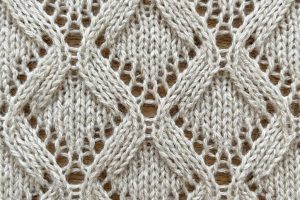
Lace Stitch
Larger openwork patterns with directional transfers.
Characteristics: Elegant, airy, high visual value.
Applications: Dresses, fine-gauge womenswear, luxury brands.
Technical Notes:
Works best on 12–16GG.
Higher chance of breakage with delicate yarns.
Mesh Stitch
Structured open patterns with consistent perforation.
Characteristics: Sporty, breathable, modern.
Applications: Athleisure, resort wear, men’s summer sweaters.
Technical Notes: Optimal in cotton, viscose, or recycled polyester.
Jacquard & Intarsia
Jacquard/ Multi-Color Jacquard
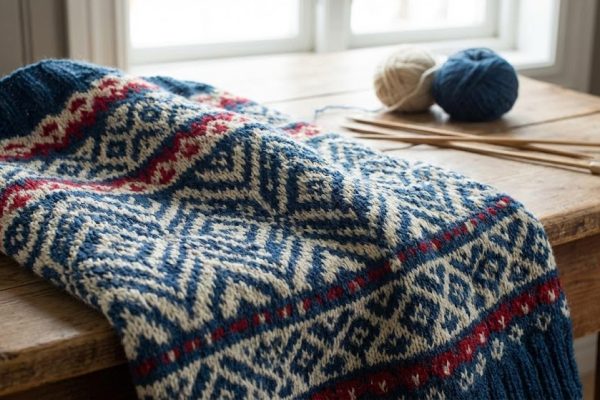
Multi-color patterning created by knitting multiple yarns in floating structures.
Characteristics: Vibrant, graphic, high design flexibility.
Applications: Fashion sweaters, streetwear, holiday sweaters.
Technical Notes:
Float control is critical to avoid snagging.
Yarn tension and gauge must match the complexity of pattern.
Works in 7–12GG.
Intarsia
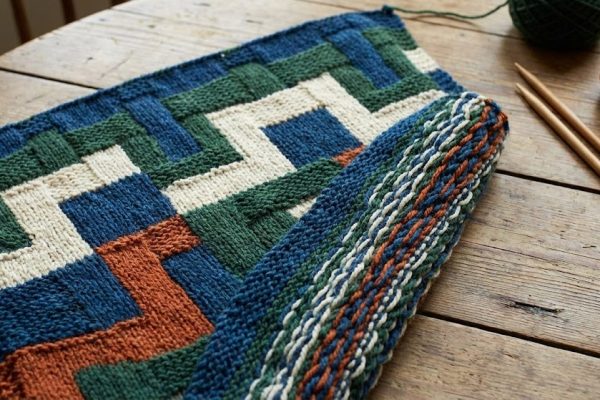
Color blocks formed without floats, ideal for large areas of contrast.
Characteristics: Clean color separation, smooth inside.
Applications: Luxury sweaters, kidswear, logo panels.
Technical Notes:
Slower production due to yarn feeder switching.
Requires skilled programming and yarn management.
Specialty Stitches
Links Links
Reverse knitting that creates a double-face effect with heavy drape.
Characteristics: Dense, elegant, high-quality surface.
Applications: Premium sweaters, designer collections, menswear.
Technical Notes: Increased knitting cycle time; ideal for 12–16GG.
Pique Stitch
Small geometric textures similar to polo-shirt knits.
Characteristics: Breathable, sporty, structured.
Applications: Polos, dresses, smart casual knitwear.
Technical Notes: Excellent for viscose and mercerized cotton.
Tuck Stitch
Loops held over multiple courses, creating depth and volume.
Characteristics: Puffy, thermal, dimensional.
Applications: Winter sweaters, textured outerwear panels.
Technical Notes: Best in thicker gauges (3–7GG).
Technical Panels
Engineered zones combining ribs, meshes, and transfers in one garment.
Characteristics: Functional, ergonomic, performance-oriented.
Applications: Seamless knits, activewear, compression zones.
Technical Notes: Often used with SHIMA WHOLEGARMENT or STOLL ADF systems.
FAQs
Stitch selection depends on the required texture, garment silhouette, yarn characteristics, and final performance needs. Factories evaluate factors such as elasticity, drape, thermal properties, and gauge compatibility before choosing stitches like jersey, rib, cable, mesh, or pointelle for production.
Rib structures, links-links, and engineered technical panels provide strong elasticity and shape retention. These stitches are commonly used for body-hugging garments, sports panels, cuffs, and trims, especially when combined with elastic fibers such as spandex.
Yes. Cable, jacquard, lace, and intarsia stitches require longer machine cycles, more yarn consumption, and advanced programming. These factors lead to higher production time and cost compared to basic jersey or rib structures.
Pointelle, mesh, lace, fine-gauge jersey, and lightweight rib are ideal for breathable warm-season garments. These stitches pair well with cotton, viscose, bamboo, and Tencel to provide airflow, softness, and drape.
Basic jersey consumes the least yarn, while textured stitches like waffle and tuck add bulk without heavy weight. Cable and rib structures require significantly more yarn, affecting garment weight, cost, and gauge selection during production planning.