
You might ask how your clothes can be safe. OEKO-TEX certification helps you know the answer. This worldwide system looks for bad chemicals in fabrics. If you buy things from an OEKO-TEX certified knitwear factory, you help make clothes safer and cleaner. OEKO-TEX helps knitwear factories keep you healthy and protect nature.
Key Takeaways
OEKO-TEX certification means textiles do not have bad chemicals. This makes them safer for people to use.
Look for OEKO-TEX Standard 100 labels on textile items. These labels show every part was tested for safety.
STeP by OEKO-TEX shows factories use good and green methods. It also means they care about workers’ rights.
MADE IN GREEN by OEKO-TEX proves safe making and tracking in the supply chain.
Picking OEKO-TEX certified knitwear helps keep you healthy. It also supports earth-friendly ways.
OEKO-TEX certification helps people trust brands more. It shows brands care about safety and quality.
Factories get checked often to keep high safety and green standards.
Learn about OEKO-TEX news to make sure your buys are safe and good for the planet.
OEKO-TEX Certification Overview
What Is OEKO-TEX?
You might see the OEKO-TEX label on clothes. This label means the product passed tough tests for bad chemicals. It helps you know your clothes are safe for you and your family. OEKO-TEX certification is used in more than 100 countries. Places like the European Union, Japan, Canada, and North America ask for this certification when selling textiles. You can trust OEKO-TEX because it uses science to check safety. Factories get this certification to show their products are safe and responsible.
Note: OEKO-TEX certification is something factories choose. They do not have to get it, but many want to because it helps you trust them.
OEKO-TEX Standard 100
OEKO-TEX Standard 100 is on lots of textile items. This label means every part, like threads and buttons, was tested for harmful chemicals. The tests look for things that can hurt your health. Here are some main things OEKO-TEX Standard 100 checks:
Dangerous chemicals such as formaldehyde, pesticides, and heavy metals
Allergens that might cause skin problems
Azo dyes that can turn into unsafe substances
Skin-friendly parts to stop irritation
If you see OEKO-TEX Standard 100, you know the textile is safe. This label helps you stay away from products that can cause allergies or health issues.
Other OEKO-TEX Labels
There are other OEKO-TEX labels on textile products. These labels show the factory cares about more than just chemical safety.
STeP by OEKO-TEX
STeP by OEKO-TEX means “Sustainable Textile & Leather Production.” This label shows the factory uses safe and clean ways to make textiles. STeP checks the whole process, not just the finished product. It looks at how workers are treated, how energy is used, and how waste is handled. If you see STeP, you know the factory cares about people and the earth.
MADE IN GREEN by OEKO-TEX
MADE IN GREEN by OEKO-TEX is a special label. It means the textile is safe, made in a clean way, and you can find out where it came from. This label covers the whole supply chain. It checks if workers are treated fairly and if the environment is protected. MADE IN GREEN gives you full details about how your textile was made.
Here is a table to help you see the differences between OEKO-TEX Standard 100 and MADE IN GREEN by OEKO-TEX:
Distinctions | OEKO-TEX MADE IN GREEN | OEKO-TEX Standard 100 |
|---|---|---|
Scope and Focus | Looks at the whole supply chain, including sustainability and social responsibility | Focuses on chemical safety of textiles |
Certification Process | Checks the whole manufacturing process for good practices | Tests textiles for harmful substances |
Ethical Considerations | Makes sure workers are treated fairly and factories are safe | Checks only the safety of the end product |
Consumer Assurance | Promises eco-friendly and ethical production | Promises chemical safety |
Traceability | Lets you trace the textile’s journey | Does not offer traceability |
OEKO-TEX certification covers many parts of textile safety and responsibility. Each label gives you different facts, but all help you make safer choices.
Why OEKO-TEX Matters for Knitwear
Relevance to Knitwear Factories
You want your knitwear to be safe. OEKO-TEX certification helps factories make better products. Factories use certified yarn and follow OEKO-TEX rules. This means your knitwear does not have harmful chemicals. Knitwear touches your skin every day. Factories with this certification care about your health. They also care about the environment. You can trust these factories to keep you and your family safe.
Industry Risks Addressed by OEKO-TEX
Knitwear factories face many dangers when making textiles. Some chemicals used can hurt people and nature. OEKO-TEX certification helps by testing for over 300 bad substances. Here are some common risks:
Pesticides
Heavy metals like lead and mercury
Allergenic dyes
Phthalates (harmful plasticizers)
Flame retardants
Choosing OEKO-TEX certified knitwear lowers health risks. It helps prevent skin problems and allergies. The certification also protects workers in factories. You help keep everyone safe by picking certified products.
Note: OEKO-TEX Standard 100 checks every part of the textile. It looks at the yarn and the finished item. This means you get a cleaner and safer product.
Market and Consumer Expectations
People everywhere want safe textiles. OEKO-TEX certification helps factories meet these needs. Different regions care about different things. Here is a table that shows what people want:
Region | Key Characteristics | Consumer Expectations |
|---|---|---|
Europe | Mature industry, focus on sustainability, luxury, and designer knitwear. | High-quality, ethical products with traditional craftsmanship and innovative design. |
North America | Growth driven by comfort, versatility, and sustainable production. | Demand for premium, ethically sourced knitwear with transparent supply chains. |
Asia Pacific | Rapidly expanding market with rising incomes and urbanization. | Preference for functional and stylish products, with a focus on customization and innovative designs. |
People in Europe want luxury and sustainability. North America likes ethical and premium textiles. Asia Pacific wants style and new ideas. OEKO-TEX certified products help factories reach these markets. You support better practices and a safer world when you buy these textiles.
Benefits of OEKO-TEX Certified Knitwear Factory
Consumer Safety & Trust
If you buy knitwear from an OEKO-TEX certified factory, you keep your family safe. These factories use yarn that is checked and follow strict rules. You do not have to worry about bad chemicals. These chemicals can cause allergies or skin problems. Many parents choose OEKO-TEX knitwear for their kids. It does not have things that make skin itchy. This helps people with sensitive skin feel better.
OEKO-TEX certification is important when you shop. You want clothes that are safe and clean. The label means the knitwear passed tough safety tests. You can trust these products because they are checked for bad substances. For example:
Nine out of ten people feel better about textile products with an OEKO-TEX label.
More people worry about chemicals in their clothes.
OEKO-TEX makes people trust knitwear safety.
People who care about health and nature like OEKO-TEX products.
The label shows brands care about safety and quality.
Brands get more trust from shoppers with this label.
People who care about the earth like certified products more.
When you buy OEKO-TEX knitwear, you help brands that care about health and nature.
Worker Health & Social Responsibility
OEKO-TEX certified factories care about workers too. They make sure workers are safe and treated fairly. OEKO-TEX asks companies to pay fair wages and give safe jobs. Factories are checked often to make sure they follow these rules.
OEKO-TEX makes sure workers have safe jobs and rights.
It asks companies to show how they treat workers and pay them fairly.
Factories are checked often to make sure they follow the rules.
Checks include talking to workers about their rights and complaints.
The goal is to make sure workers know and use these rules.
When you buy from these factories, you help workers get fair treatment.
Environmental Impact
OEKO-TEX certified factories help protect the planet. They check how much water and energy they use. They use clean energy and save water. Some factories use special towers to clean water before letting it go.
Here is how OEKO-TEX helps with water and energy:
Evidence Description | Impact on Water and Energy Usage |
|---|---|
This helps them use less and save resources. | |
They use clean energy and save water. | This lowers the amount of water and energy needed. |
Some factories use towers and clean energy. | This shows they use good ways to help the planet. |
When you buy from these factories, you help stop pollution and save resources. OEKO-TEX labels help make the textile industry greener.
Tip: If you pick OEKO-TEX knitwear, you help make the world cleaner, workplaces safer, and products healthier.
OEKO-TEX certified factories help brands grow and get a good name. When you buy these products, you help change the textile industry for the better.
OEKO-TEX Certification Process
Steps for Knitwear Factories
If you want your factory to become an oeko-tex certified knitwear factory, you need to follow a clear process. This process helps you make sure your textile products are safe and meet high standards. Here are the main steps you will take:
Choose the Right OEKO-TEX Standard
You start by picking the standard that fits your products. Many factories choose oeko-tex standard 100 or MADE IN GREEN. These standards focus on safety and sustainability.Application & Documentation
You fill out an application form. You also collect documents about your products and your supply chain. This step helps oeko-tex learn about your factory and what you make.Sample Submission
You send samples of your products and accessories to the lab. These samples can include certified yarn, buttons, or zippers.Testing & Audits
The lab tests your samples for harmful chemicals. The tests check if your textile items are safe for people and the environment. Sometimes, oeko-tex will visit your factory to see how you work.Compliance with Criteria
You make sure your products follow the restricted substances list. You also set up a quality management system to keep your products safe.Certification Decision
After you pass the tests and audits, you wait for the certification decision. If you meet all the rules, you get your oeko-tex certification.Ongoing Compliance
You need to renew your certification every year. You also keep checking your products and processes to stay oeko-tex certified.
The whole process usually takes three to six months. The time can change if you need more tests or if you choose a different type of certification.
Application & Documentation
You begin by filling out an application. You gather all the needed documents about your textile products and your supply chain. This step helps oeko-tex understand your factory and what you make. You need to be honest and clear in your paperwork.
Testing & Audits
You send samples of your products to a special lab. The lab checks for over 300 harmful substances. The tests make sure your products are safe for people and the planet. Sometimes, oeko-tex will visit your factory. They look at how you make your products and how you treat your workers.
Ongoing Compliance
You do not stop after you get your certificate. You must keep following the rules. You check your products every year. You also renew your certification each year. This helps you keep your oeko-tex certified label and show your customers you care about safety and sustainability.
Common Challenges
You may face some challenges during the oeko-tex certification process. Here are a few common ones:
Collecting all the right documents can take time.
Passing the lab tests may need you to change some materials.
Keeping up with new rules means you must always learn and improve.
Getting everyone in your factory to follow the rules can be hard.
Tip: You can make the process easier by training your team and using clear records. This helps you stay ready for audits and keep your oeko-tex certified status.
When you follow these steps, you help your factory make safer and greener textile products. You also show your customers that you care about their health and the environment.
Identifying OEKO-TEX Certified Knitwear
Recognizing OEKO-TEX Certified Labels
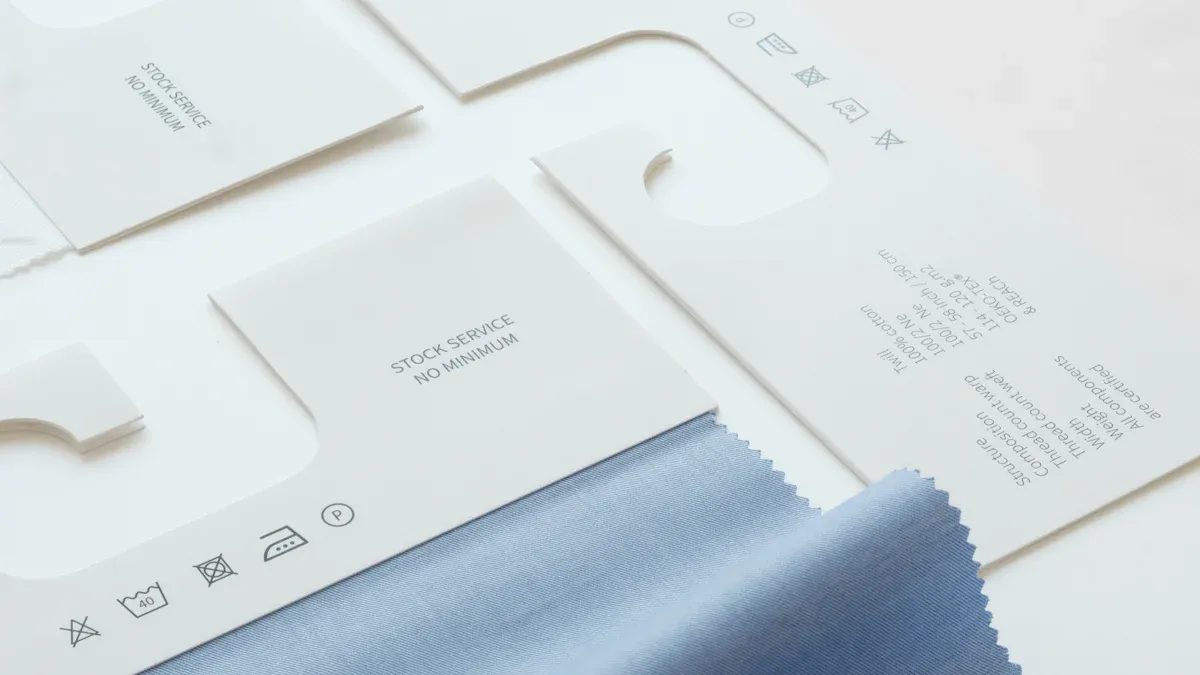
When you shop for knitwear, you may notice special labels on the tags. OEKO-TEX certified labels stand out because they show that the product meets strict safety rules. You can find these labels on many types of textile products, including sweaters, hats, and scarves. Each label has a unique number and the name of the standard, such as STANDARD 100 or MADE IN GREEN. These details help you know the product passed important tests.
Here is a quick guide to what you might see:
Label Name | What It Means | Where You Find It |
|---|---|---|
STANDARD 100 | Tested for harmful chemicals | Tags, packaging |
MADE IN GREEN | Safe, traceable, and eco-friendly production | Tags, QR codes, packaging |
STeP | Sustainable factory processes | Factory certificates |
Look for these labels when you want to buy safe and responsible knitwear.
What to Look for When Buying
You want to make sure your knitwear is truly OEKO-TEX certified. Here are some things to check:
The label should have the OEKO-TEX logo.
You should see a certification number on the tag.
The label will mention the standard, like STANDARD 100 or MADE IN GREEN.
Some products have a QR code you can scan for more information.
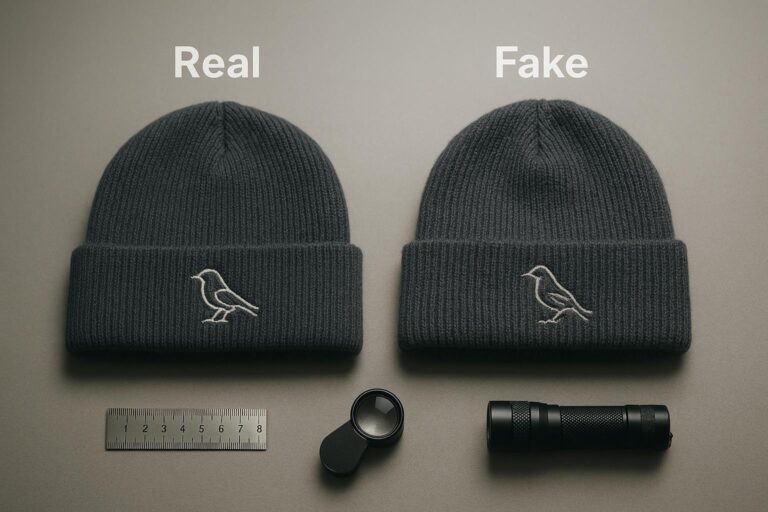
The label should look clear and professional, not faded or fake.
Tip: If you cannot find a label or the information looks strange, ask the seller for more details. Real OEKO-TEX certified products always have clear and correct labels.
Verifying Authenticity
You can take extra steps to make sure your knitwear is truly OEKO-TEX certified. This helps you avoid fake products and supports honest brands.
Search for the product or company on the official OEKO-TEX website.
Use the OEKO-TEX buyer guide to check the certification number.
Scan the QR code on the label if there is one.
Compare the information on the label with the details on the OEKO-TEX site.
These steps help you feel confident about your purchase. You know your textile product is safe for you and your family.
Note: OEKO-TEX updates its list often. Always use the latest information from the official site when you check a product.
OEKO-TEX and Market Access
Competitive Advantage
You want your knitwear factory to be noticed. OEKO-TEX certification gives you a big advantage. This certification shows buyers and brands you care about safety. It also shows you care about quality and the environment. You care about people too. Here are some ways OEKO-TEX helps you compete:
You build a strong brand name for safety and quality.
Your products are safe and do not have harmful substances. This matters for people with allergies or sensitive skin.
You support green practices, which many shoppers like.
OEKO-TEX certification helps you reach new markets. Many buyers and big brands want this label before picking a supplier. You can find more customers and grow your business.
Meeting Global Standards
You must follow many rules to sell knitwear worldwide. OEKO-TEX certification helps you meet these rules. It covers safety, worker rights, and the environment. You can see how each OEKO-TEX label matches global standards in the table below:
Certification Name | Focus Area |
|---|---|
OEKO-TEX® MADE IN GREEN | Checks for harmful substances and supports clean, fair production. |
OEKO-TEX® STANDARD 100 | Tests materials for bad chemicals in a worldwide system. |
OEKO-TEX® STeP | Shows factories use safe ways and protect workers. |
OEKO-TEX® RESPONSIBLE BUSINESS | Finds and fixes risks to people and nature in supply chains. |
These certifications help you show buyers your products meet high standards. This makes selling in Europe, North America, and other places easier. You do not need to change your process for every country. OEKO-TEX helps you keep things simple and safe.
Building Brand Reputation
You want people to trust your knitwear. OEKO-TEX certification helps you earn that trust. Showing this label tells customers you care about safety and the planet. Many shoppers want brands that protect people and nature. OEKO-TEX helps you share these values.
Brands with OEKO-TEX certification can talk about safety and green practices. This message connects with shoppers who want safe and responsible products. OEKO-TEX is a global sign for safety and caring for the earth. You show your products are free from bad chemicals and made with care. This helps your reputation and makes customers loyal.
In the knitwear world, OEKO-TEX is a trusted sign for safety and green practices. You can use it to show your brand is honest and reliable. This trust helps your business grow and reach more people.
Future of OEKO-TEX in Knitwear
Evolving Standards
You will see that the world of knitwear keeps changing. OEKO-TEX standards change too. These updates help you get safer and better products. Factories must follow new rules to keep their certification. Here are some recent changes that affect knitwear factories:
Stricter limits on bisphenol A (BPA) now protect you even more. The allowed amount dropped from 100mg/kg to just 10mg/kg. This means your knitwear has less of this harmful chemical.
OEKO-TEX now offers a special Organic Cotton certification. This new label helps you trust that the cotton in your clothes is truly organic. It also helps stop fake organic claims.
Starting April 1, 2025, you will not see ‘GMO-free’ or ‘organic’ cotton claims under OEKO-TEX Standard 100. This change makes sure only real organic cotton gets special labels.
These updates show that OEKO-TEX listens to new science and customer needs. You can feel confident that your knitwear meets the latest safety rules. Factories must keep learning and improving to stay certified.
Tip: Always check the label for the most up-to-date information. Standards can change each year.
Sustainability Trends
You care about the planet. The knitwear industry does too. Many factories now focus on sustainability. They want to make products that are good for you and the earth. Here are some big trends you will notice:
Factories pick natural and recycled fabrics. You might see knitwear made from organic cotton, merino wool, yak wool, or recycled fibers. These materials use fewer resources and create less waste.
More brands use certifications like OEKO-TEX to prove their products are eco-friendly. This helps you choose clothes that match your values.
You can help the planet by choosing knitwear made with these trends in mind. When you buy products with trusted labels, you support factories that care about people and nature. The future of knitwear looks bright because more companies want to protect the earth and make safe products.
Note: When you choose certified knitwear, you help push the industry toward better practices. Your choices matter.
You make the textile world safer when you pick oeko-tex certified knitwear. Oeko-tex certification keeps you healthy, helps workers get fair jobs, and protects the earth. Here are some important things to know:
Oeko-tex puts products into groups based on skin contact.
It checks for chemical safety at every stage.
It asks factories to use good and eco-friendly ways.
Pick oeko-tex knitwear to help make clothes the right way. Factories and brands should learn about the rules and try to get certified.
FAQ
What does OEKO-TEX certified mean for knitwear?
You know a knitwear item is OEKO-TEX certified when it passes strict tests for harmful chemicals. This label means the product is safe for your skin and better for the environment.
How can you check if a product is really OEKO-TEX certified?
You can look for the OEKO-TEX label on the tag. You can also check the certification number on the official OEKO-TEX website. Some products have a QR code you can scan.
Why should you choose OEKO-TEX certified knitwear?
You protect your health when you pick OEKO-TEX certified knitwear. These products do not have dangerous chemicals. You also support factories that care about workers and the planet.
Does OEKO-TEX certification cover all types of knitwear?
Yes, OEKO-TEX certification covers many types of knitwear. You can find it on sweaters, hats, scarves, and even baby clothes. The label means every part of the item is tested.
How often do factories need to renew OEKO-TEX certification?
Factories must renew their OEKO-TEX certification every year. This keeps products safe and up to date with the latest safety rules.
Can OEKO-TEX certified knitwear help people with sensitive skin?
Yes! OEKO-TEX certified knitwear is a good choice for people with sensitive skin. The label means the product does not have chemicals that can cause itching or allergies.