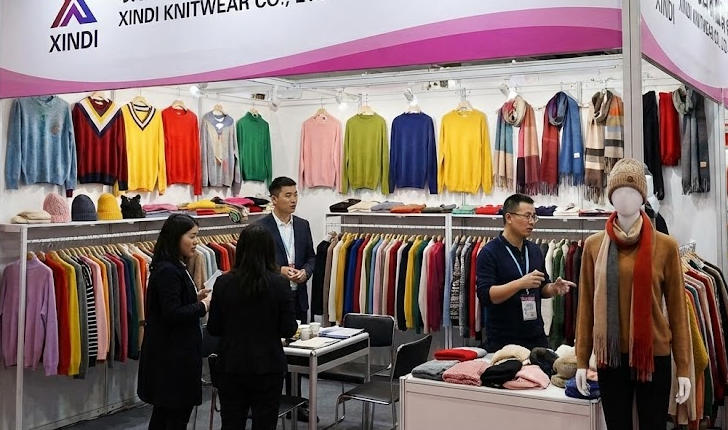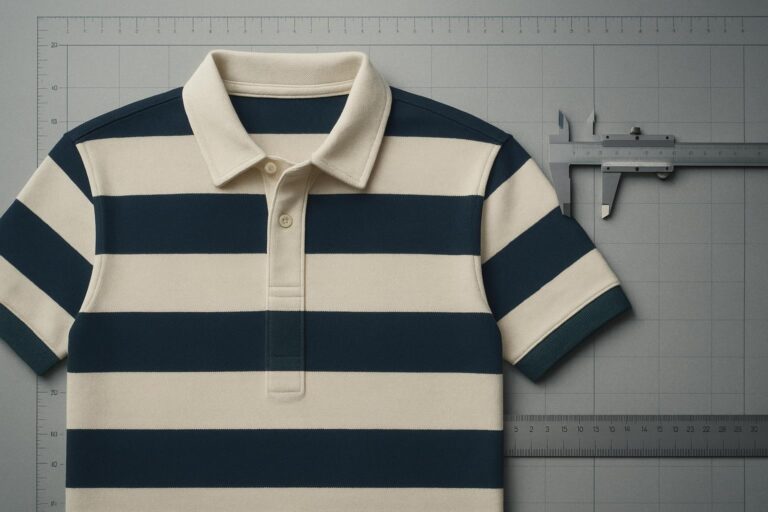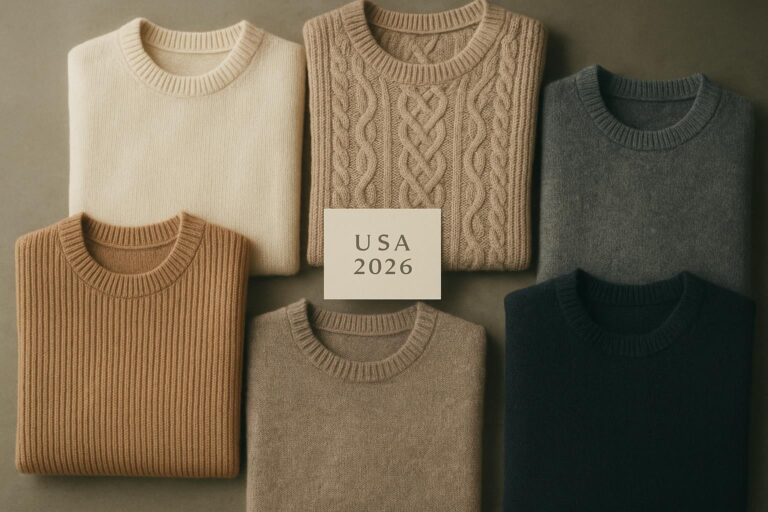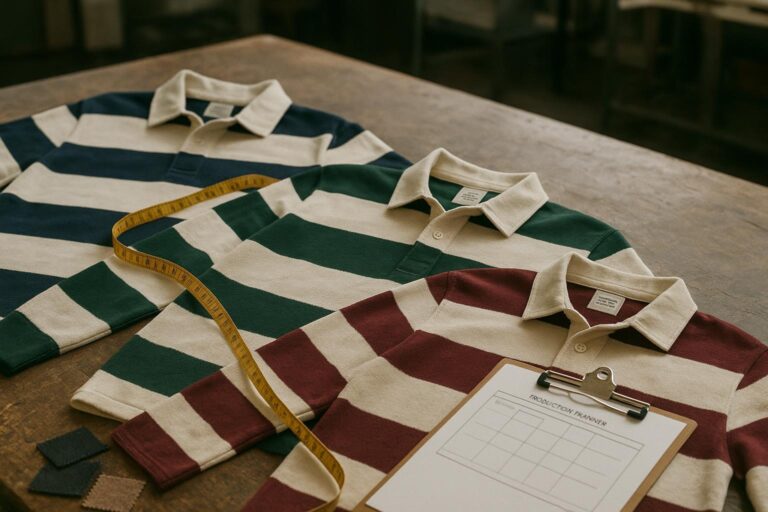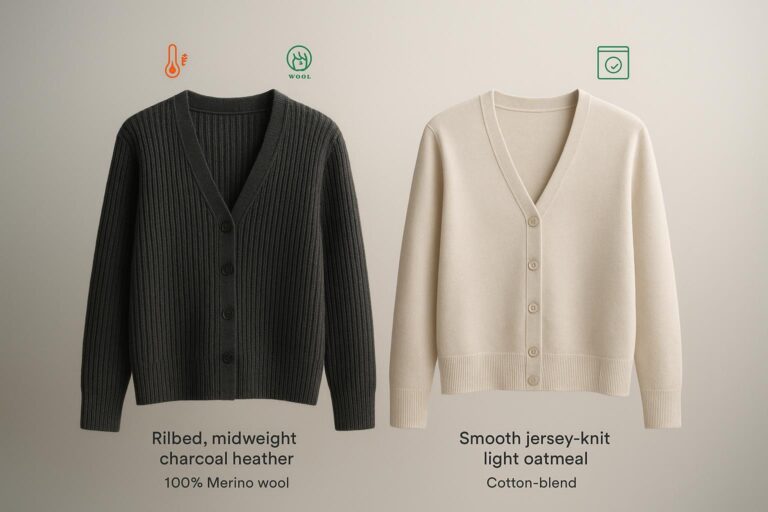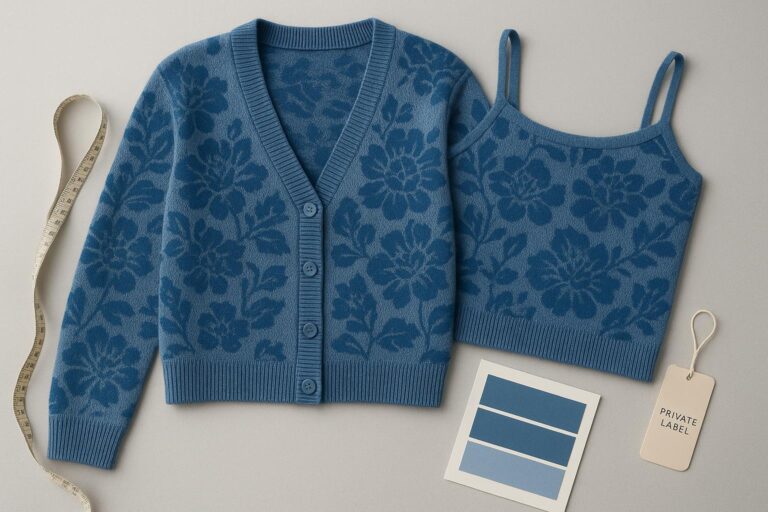

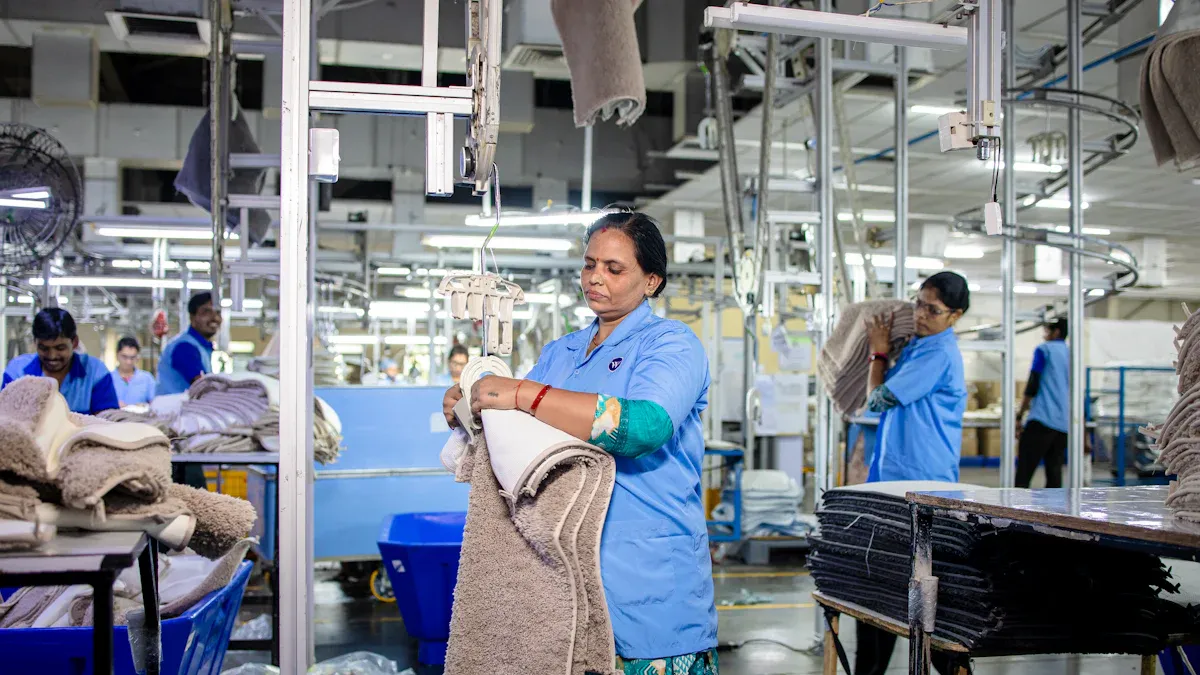
You find a private label knitwear factory that makes custom knitwear for brands like yours. The process lets private label brands create unique styles with their own labels. In 2025, new machines and 3D knitting help you get designs faster. AI and IoT tools improve product quality and save time. Many factories now use recycled fibers and plant-based dyes. If you work with a custom knitwear manufacturer, you see more eco-friendly choices and better ways to make your line stand out.
Key Takeaways
-
Private label knitwear factories help brands make special clothes. Brands can put their own labels on these clothes. They can also choose different styles and materials.
-
In 2025, new things like 3D knitting and AI tools help a lot. These tools make clothes faster and better. It is easier to give customers what they want.
-
Sustainability is very important now. Many factories use recycled fibers and eco-friendly dyes. This helps brands attract people who care about the environment.
-
Good communication with your manufacturer is very important. Give clear instructions and get regular updates. This helps stop mistakes and keeps quality high.
-
Start with small orders to test your designs. This way, you do not spend too much money at first. You can order more as your brand gets bigger.
-
Quality control is very important. Factories check every step to keep standards high. This makes sure customers are happy with the products.
-
Spend money on good packaging and branding. This makes opening the box special for customers. It helps people remember your brand and want to buy again.
-
Keep your designs safe with Non-Disclosure Agreements. Register your work to stop others from copying your ideas.
Private Label Knitwear Factory Overview
What Is a Private Label Knitwear Factory
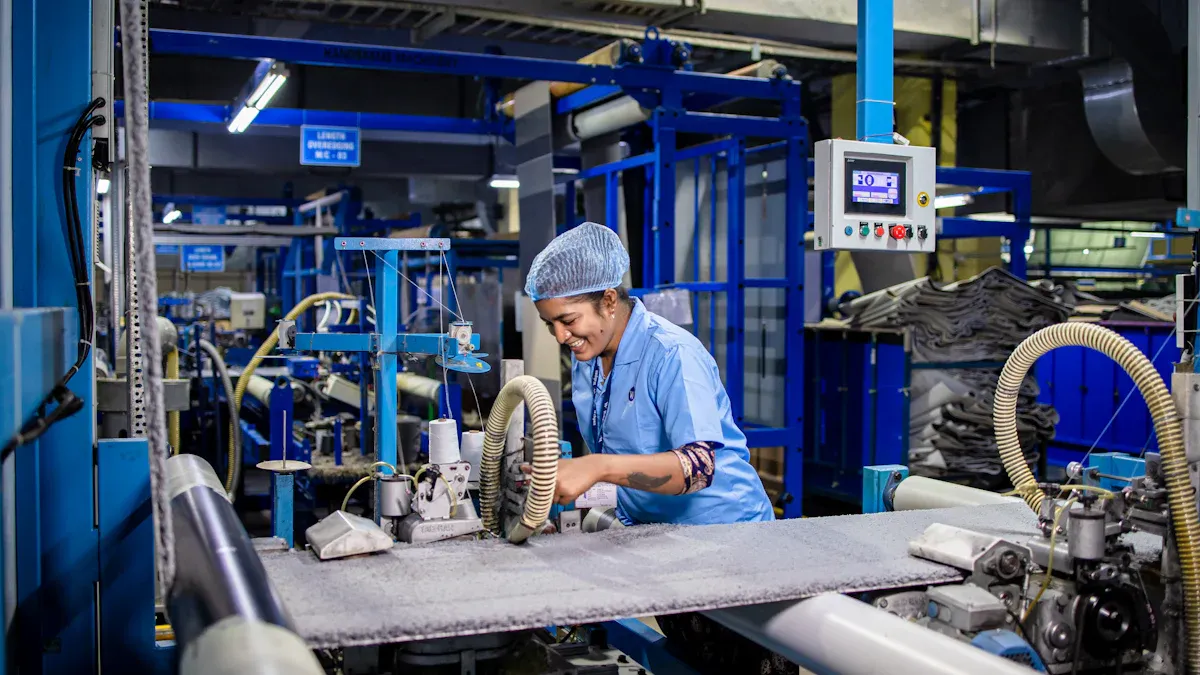
If you want your own knitwear brand, you work with a private label knitwear factory. This factory helps you make clothes that match your ideas. You decide how each item looks and feels. You also choose the branding. The factory gives you help with OEM and ODM. You get support for making products, checking quality, and learning about technical details. You pick yarns, colors, trims, and accessories that show your brand style.
|
Description |
|
|---|---|
|
OEM/ODM Support |
Full help for making and designing products. |
|
Customization Options |
Branding and packaging made just for you. |
|
Product Development Process |
Steps from idea to making lots of clothes, keeping quality high. |
|
Quality Control |
Good standards are kept during all steps. |
|
Flexibility in Yarn and Color Selection |
Many yarns and colors to choose for your brand. |
|
Development of Trims and Accessories |
Special trims and accessories for your brand’s look. |
|
Design Refinement & Technical Guidance |
Help with fit and fabric so clothes are ready to make. |
|
Trims & Accessory Development |
Custom buttons, zippers, and more to make clothes better. |
A private label knitwear factory gives you what you need to start your own clothing line. You get expert help at every step.
Private Label Clothing Manufacturers in 2025
Private label clothing makers change quickly in 2025. Factories care more about the environment. You see more recycled fibers and plant dyes in knitwear. Digital tools make making clothes faster and easier. You can change your products quickly. It is easier to customize, and you can order small amounts to avoid waste.
-
Factories use green ways to make eco-friendly clothes.
-
Digital changes make production fast and help you follow trends.
-
Customization and quick making let you sell new styles fast.
-
Making clothes only when needed cuts waste and saves money.
Private label clothing makers help you do well in fashion. You get more choices and better control of your brand.
Key Trends and Technologies
Big changes happen in private label knitwear factories in 2025. Customization is important. You can design clothes that match your style and let customers help. Sustainability matters a lot. Factories use eco-friendly materials and good methods. Technology is changing knitwear.
|
Trend |
Description |
|---|---|
|
Customization |
You and your customers help design special clothes. |
|
Sustainability |
Factories use green materials to help the planet. |
|
Technological Advancements |
3D knitting and seamless making speed up production and cut waste. |
New technology changes how you work with private label knitwear factories. Zero-waste knitting saves money and helps the earth. Smart textiles add things like temperature control and health checks. AI design lets you make clothes that fit just right. Blockchain helps you know where materials come from. AI inventory tools help you waste less. Smart home knitting machines let you make great clothes at home. Medical textiles and 3D-knitted shapes give new uses for knitwear.
|
Technology Type |
Description |
|---|---|
|
Zero-Waste Knitting |
Makes clothes to exact size, cutting waste and cost. |
|
Smart and Functional Textiles |
Adds things like temperature control and health checks. |
|
AI-Driven Design and Personalization |
Uses AI to make special patterns and clothes that fit well. |
|
Blockchain for Transparency |
Lets you see where materials come from for fair sourcing. |
|
AI-Powered Inventory Management |
Predicts what you need and cuts waste in supply chains. |
|
Smart Home Knitting Machines |
Lets you make professional clothes at home with digital designs. |
|
Medical and Healthcare Textiles |
Makes patients more comfortable and helps them heal. |
|
Knitted Structures in Architecture |
Uses 3D-knitted textiles for buildings and cars. |
Private label knitwear factories are now smarter, greener, and more creative. You get more ways to build your brand and meet what customers want.
Why Private Label Brands Choose Knitwear
Customization and Brand Identity
You want your brand to be different. Knitwear lets you change products more than other clothes. You pick the fabric, colors, and patterns for your brand. Factories help you with design and give advice. Your ideas turn into real products. Customizing knitwear helps you make special items. These items show your brand’s style. When you offer unique designs, customers notice your values. They see your style. This helps you build loyal fans. It also makes your brand easy to remember.
Tip: Use custom designs to share your brand’s story. Pick yarns and patterns that fit your message and attract your audience.
Speed to Market
You want to follow fashion trends fast. Private label knitwear factories help you launch new products quickly. You can react to style changes and what customers want. The table below shows how private label clothing and traditional clothes compare in time-to-market:
|
Time to Market |
|
|---|---|
|
Private Label Clothing |
Medium |
|
Traditional Apparel Manufacturing |
12 to 18 months |
You do not wait long to see your new designs in stores. This speed helps you beat competitors. It also lets you meet your customers’ needs.
Quality and Consistency
You want every item to be high quality. Private label knitwear factories use strong systems to keep products the same. You get help from the start to the end. Factories use many steps to keep quality high:
-
Quality Control (QC) checks finished products for your standards.
-
During Production Inspection (DUPRO) finds problems early.
-
Strict QA papers and random checks stop shortcuts.
-
Acceptable Quality Level (AQL) testing keeps standards high.
You can trust your knitwear will be the same, even in big orders. This helps you build a good name and keeps customers happy.
Cost and Scalability
You want your brand to grow without spending too much money. Private label knitwear factories help you control costs and scale your business. You can start small and increase your orders as your brand gets bigger. This flexibility gives you more freedom to test new ideas and respond to market changes.
Factories offer different pricing models. You pay less per item when you order more. This helps you save money as your brand grows. You do not need to invest in expensive equipment or hire a large team. The factory handles production, so you focus on design and marketing.
|
Cost Factor |
How It Helps You Save Money |
|---|---|
|
Bulk Ordering |
Lower price per item as order size grows |
|
No Equipment Needed |
Factory owns machines and tools |
|
Labor Savings |
Skilled workers handle production |
|
Material Sourcing |
Factories buy yarn in bulk for discounts |
|
Reduced Waste |
On-demand production cuts extra inventory |
You can scale your brand by increasing your order size. Factories can handle small batches or large runs. This means you do not risk having too much unsold stock. You can test new styles with small orders. If a design sells well, you order more.
Tip: Start with a small batch to test your design. If customers like it, increase your order size to lower your cost per item.
Factories use advanced machines to make production faster and cheaper. Automated knitting and smart inventory systems help you avoid delays and mistakes. You get consistent quality even when you scale up. This reliability helps you build trust with your customers.
You also save money on storage and shipping. Many factories offer drop shipping or direct delivery to your customers. You do not need a big warehouse. This makes your business more flexible and less risky.
-
You control your budget by choosing order size.
-
You avoid high upfront costs.
-
You grow your brand at your own pace.
Scalability means you can react to trends and customer demand. You do not get stuck with old inventory. You keep your business lean and ready for change.
Private label knitwear factories give you the tools to manage costs and grow your brand. You get more freedom to experiment and succeed in the market.
Steps to Start a Private Label Clothing Line
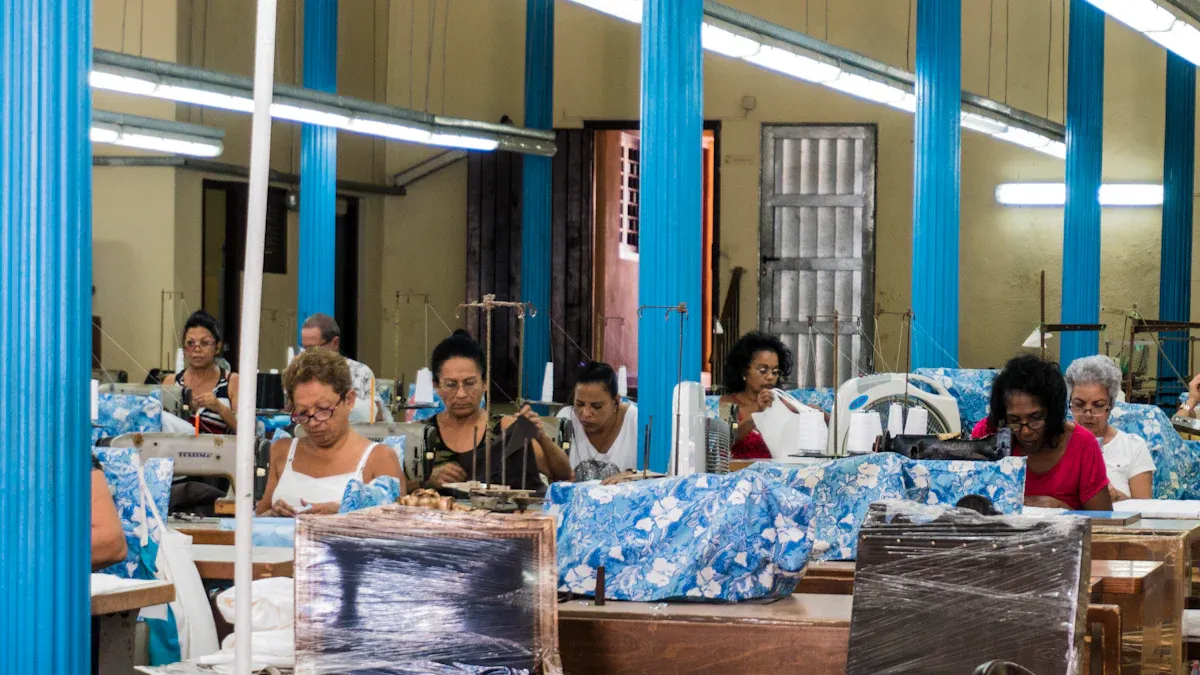
Market and Niche Research
You begin the steps to start a private label clothing line by learning about your market. This first step helps you understand what your customers want and what other brands offer. You look for gaps in the market and find out what styles or features are missing. This research gives you a strong base for your brand.
Here is how you can approach this process:
-
Study your target audience. Find out their age, style, and what they value in apparel.
-
Check what other private label clothing brands sell. Look for trends and see what works.
-
Identify a niche. This could be eco-friendly knitwear, luxury sweaters, or activewear.
-
Analyze customer reviews and feedback. Learn what people like and dislike about current products.
-
Use online tools and surveys to gather more data.
Tip: A clear market focus helps you stand out. When you know your niche, you can create custom-cut-and-sewn apparel that meets real needs.
Concept and Design
Once you know your market, you move to the concept and design stage. This part of the process lets you shape your brand’s identity and style. You decide on the look, feel, and function of your knitwear. You also create a name and logo that match your vision.
You use different tools to help with design:
-
Sketch your ideas on paper or use digital design software.
-
Choose colors from the Pantone palette to match your brand.
-
Make 3D prototypes with muslin fabric to see how your designs look in real life.
-
Use a spectrophotometer to check color accuracy in your yarns.
-
Examine stitch patterns with a magnifying glass to ensure quality.
You work closely with your private label clothing manufacturer during this process. They help you turn your ideas into real products. You get control over product design, which is a big advantage over traditional cut-and-sew manufacturing. You can adjust details like fit, trims, and finishing touches.
Note: Good design is more than looks. Think about comfort, durability, and how your apparel will be used.
Yarn Selection
Yarn selection is a key step in private label clothing manufacturing. The yarn you choose affects how your knitwear feels, looks, and lasts. You can pick from animal fibers like wool, which give warmth and stretch. Synthetic fibers like acrylic offer durability and easy care. Each yarn type changes the final product’s appearance and strength.
Here are some things to consider in this process:
-
Wool: Warm, soft, and elastic. Great for winter apparel.
-
Cotton: Breathable and soft. Good for all seasons.
-
Acrylic: Durable and easy to wash. Best for items that need frequent cleaning.
-
Blends: Combine fibers for special effects or better performance.
You also think about sustainability. Many private label clothing manufacturing solutions now offer recycled or plant-based yarns. These options help you reduce your environmental impact.
|
Yarn Type |
Key Features |
Best Use Cases |
|---|---|---|
|
Wool |
Warm, elastic, soft |
Sweaters, scarves |
|
Cotton |
Breathable, soft |
T-shirts, light knits |
|
Acrylic |
Durable, easy care |
Kids’ wear, accessories |
|
Blends |
Custom properties |
Sportswear, fashion knits |
Tip: Always request yarn samples before you start full production. This helps you check quality and match your design needs.
Yarn selection shapes the garment creation process. The right yarn supports your brand’s promise of quality and style. It also helps you meet the needs of your target market in the private label clothing industry.
Knitting Techniques
You choose knitting techniques based on your design and the feel you want for your knitwear. The right technique changes how your clothes look, stretch, and fit. Factories use advanced machines in 2025, but you still need to know the basics.
Here are some common knitting techniques you can use:
-
Flat Knitting: This method creates panels that you later join together. It works well for sweaters and cardigans.
-
Circular Knitting: This technique makes seamless tubes. You use it for hats, socks, and seamless sweaters.
-
Jacquard Knitting: You add patterns and images with different colored yarns. This method lets you create bold designs.
-
Rib Knitting: This technique gives stretch and texture. You often see it on cuffs, collars, and hems.
-
Cable Knitting: You twist stitches to make raised patterns. This adds a classic look to sweaters and scarves.
Factories now use 3D knitting machines. These machines knit whole garments in one piece. You get less waste and faster production. You can also try seamless knitting for comfort and a modern look.
Tip: Ask your factory for samples of different knitting techniques. Touch and stretch the samples to see which one fits your brand best.
Dyeing and Fabric Treatment
You pick dyeing and fabric treatments to add color and special features to your knitwear. The dye you choose affects how your clothes look and feel. In 2025, many factories use eco-friendly dyes and water-saving methods.
Here are some dyeing options you can consider:
|
Dyeing Method |
Features |
Best For |
|---|---|---|
|
Piece Dyeing |
Dyes finished fabric |
Solid colors |
|
Yarn Dyeing |
Dyes yarn before knitting |
Stripes, patterns |
|
Garment Dyeing |
Dyes finished clothes |
Soft, vintage look |
|
Digital Printing |
Prints designs on fabric |
Custom graphics |
You can also add treatments to improve your knitwear:
-
Anti-pilling: Reduces fuzz and keeps clothes looking new.
-
Moisture-wicking: Pulls sweat away from the skin. Good for sportswear.
-
Anti-bacterial: Stops odor and keeps clothes fresh.
-
UV Protection: Blocks harmful sun rays.
Factories now use plant-based dyes and recycled water. These choices help you make sustainable products. You can ask for certifications to show your customers that your dyeing process is safe for the environment.
Note: Always test your chosen dye on a sample. Check for colorfastness and softness before mass production.
Shaping and Assembly
You shape and assemble your knitwear to give it the right fit and finish. This step turns flat pieces or seamless tubes into finished garments. Factories use both machines and skilled workers for this process.
Here is how shaping and assembly usually work:
-
Linking: You join knitted panels together. This step uses special machines or handwork for smooth seams.
-
Shaping: You add details like necklines, armholes, and hems. Machines can knit these shapes directly, or workers can cut and finish them.
-
Trimming: You add buttons, zippers, and labels. These details make your clothes unique.
-
Pressing: You steam and press the garment for a neat look.
Modern factories use 3D knitting to shape garments as they knit. This method reduces waste and speeds up production. You get better fit and fewer seams.
Tip: Review a finished sample before full production. Check the seams, trims, and fit to make sure they match your brand’s standards.
You now understand these important steps to start a private label clothing line. Each step helps you create high-quality, custom knitwear that stands out in the market.
Sample Production and Refinement
You start with sample production after you finish shaping and assembly. This step helps you see your design as a real product. You work with the factory to make a few pieces. These samples show you the fit, color, and quality. You check every detail before you approve the design for mass production.
Factories use advanced machines to make samples quickly. You get to touch and wear the sample. You look for problems like loose threads, uneven seams, or wrong colors. You ask for changes if you see anything that does not match your brand. You repeat this process until you feel happy with the sample.
Tip: Always test your sample for comfort and durability. Wash it, stretch it, and wear it to see how it holds up.
Here is a simple checklist for sample refinement:
-
Check the fit and sizing.
-
Inspect the color and dye quality.
-
Test the softness and stretch of the fabric.
-
Look at the seams and trims.
-
Review the label and branding details.
-
Ask for feedback from friends or team members.
You use this feedback to make changes. You talk to the factory about what you want to improve. You make sure the final sample matches your brand’s standards. This step helps you avoid mistakes in mass production.
Mass Production
You move to mass production after you approve the sample. The factory starts making your knitwear in larger quantities. You decide how many pieces you want. You choose the sizes and colors for your order.
Factories use automated knitting machines to speed up production. These machines help keep every item the same. Workers check the machines and handle special details like trims and labels. You get updates from the factory about how your order is going.
Here is a table that shows what happens during mass production:
|
Step |
What Happens |
|---|---|
|
Yarn Preparation |
Factory gets yarn ready for knitting |
|
Knitting |
Machines knit the fabric |
|
Assembly |
Workers add trims and labels |
|
Finishing |
Clothes get pressed and checked |
|
Packing |
Items get packed for shipping |
You set a timeline with the factory. You ask for regular updates. You make sure the factory follows your quality standards. You plan for shipping and delivery once production finishes.
Note: Order a few extra pieces to cover any mistakes or defects. This helps you avoid delays in your launch.
Quality Control
You want every item to meet your brand’s standards. Quality control checks each piece before shipping. The factory uses strict steps to find and fix problems.
You can ask for a quality control report. This report shows how the factory checks your knitwear. You look for things like:
-
Even stitching and strong seams.
-
Correct sizing and fit.
-
Accurate colors and patterns.
-
Clean trims and labels.
-
No stains, holes, or loose threads.
Factories use random checks and special tests. Workers inspect items during and after production. You can visit the factory or hire a third-party inspector for extra assurance.
Here is a simple code block that shows a basic quality control checklist:
Quality Control Checklist:
- Stitching: Even and strong
- Sizing: Matches approved sample
- Color: Consistent and accurate
- Trims: Secure and clean
- Labels: Correct placement
- Defects: None found
Tip: Keep a record of quality control reports. Use these reports to solve problems and improve future orders.
You make sure your knitwear looks good and lasts long. Quality control helps you build trust with your customers. You avoid returns and complaints by checking every item before it ships.
Packaging and Branding
You want your knitwear to stand out when customers open the box. Packaging and branding help you create a strong first impression. Good packaging protects your products and shows your brand’s style. In 2025, you have more choices for eco-friendly and smart packaging.
Key Steps for Packaging and Branding:
-
Choose the Right Packaging Materials
-
Pick boxes, bags, or wraps that fit your knitwear.
-
Use recycled or biodegradable materials to show you care about the planet.
-
Ask your factory about sustainable packaging options.
-
-
Design Your Brand Elements
-
Add your logo, brand colors, and name to every package.
-
Use custom labels, hang tags, and stickers to make your brand easy to recognize.
-
Try QR codes or NFC tags. These let customers scan for care tips, brand stories, or special offers.
-
-
Focus on the Unboxing Experience
-
Wrap each item neatly. Use tissue paper or fabric bags for a premium feel.
-
Include thank-you cards or care instructions.
-
Make the package easy to open and reuse.
-
-
Meet Legal and Retail Requirements
-
Add care labels, fiber content, and country of origin as required by law.
-
Check if your retail partners need special barcodes or price tags.
-
Tip: Ask your customers for feedback on your packaging. Small changes can make a big difference in how people remember your brand.
Packaging Options Table
|
Packaging Type |
Eco-Friendly? |
Customizable? |
Best For |
|---|---|---|---|
|
Recycled Cardboard |
✅ |
✅ |
Sweaters, bulk orders |
|
Compostable Bags |
✅ |
✅ |
Single items, shipping |
|
Fabric Pouches |
✅ |
✅ |
Premium or gift items |
|
Plastic Polybags |
❌ |
✅ |
Budget, basic protection |
You can work with your factory or a packaging supplier to create the best solution for your brand. Good packaging and branding help you build trust and loyalty with your customers.
Logistics and Delivery
You need to get your knitwear from the factory to your customers. Logistics and delivery cover everything from packing orders to shipping them on time. In 2025, you have more tools to track and manage your shipments.
Steps to Manage Logistics and Delivery:
-
Plan Your Shipping Method
-
Choose between air, sea, or land shipping based on speed and cost.
-
Air shipping is fast but costs more. Sea shipping is slower but cheaper for large orders.
-
Ask your factory about their shipping partners and options.
-
-
Track Your Orders
-
Use tracking numbers to follow your shipments.
-
Many factories offer real-time tracking through apps or online dashboards.
-
Share tracking info with your customers to build trust.
-
-
Handle Customs and Duties
-
Learn about import rules for your country.
-
Make sure your paperwork is complete to avoid delays.
-
Some factories help with customs clearance.
-
-
Manage Inventory and Warehousing
-
Decide if you want to store products yourself or use a fulfillment center.
-
Some factories offer drop shipping. They send products directly to your customers.
-
Use inventory software to keep track of stock levels.
-
-
Prepare for Returns and Exchanges
-
Set up a clear return policy.
-
Include return instructions in each package.
-
Work with your factory to handle returns quickly.
-
Note: Reliable delivery keeps your customers happy. Late or lost shipments can hurt your brand’s reputation.
Logistics Checklist
-
Choose shipping method (air, sea, land)
-
Get tracking numbers for all orders
-
Prepare customs documents
-
Set up inventory management
-
Plan for returns and exchanges
You can use technology to make logistics easier. Many brands use AI tools to predict shipping times and manage inventory. Good logistics help you deliver on your promises and grow your brand.
Choosing a Private Label Knitwear Factory
Experience and Specialization
You want your private label clothing to be noticed. Pick a factory with lots of experience. Factories that work with knitwear or cut-and-sew know special fabrics. They pay close attention to details. They use good materials for your products. This helps your clothes look and feel great.
Factories with the right skills make your project easier. They know how to make cool designs and keep costs low. If your factory understands your needs, you get better results. You also avoid problems and delays when making clothes.
-
Ask about their past work and what customers say.
-
Look for factories that check quality and use good fabrics.
-
Make sure they can make the styles you want.
Tip: Factories with special skills help your brand get a good name.
Capacity and Flexibility
You need a factory that can make the right number of items. Capacity means how many pieces a factory can make at once. Flexibility means the factory can change if you need more or less. A good private label manufacturer can make more or fewer items as you need.
If you start small, you want a factory with low minimums. As your brand grows, you may want bigger orders. The best factories can change how much they make. They help you avoid waste by making only what you need.
-
Check the smallest order the factory allows.
-
Ask how fast they can make more items.
-
See if they offer on-demand making.
-
Make sure they can handle both small and big orders.
Note: Flexible factories help you try new ideas and keep up with trends.
Sustainability and Compliance
You want your private label clothing to use safe and green materials. Factories that care about the earth use recycled fibers and safe dyes. They also follow rules to keep workers and the planet safe. When you pick a factory, ask about their certifications and safety rules.
Here is a table of important certifications for private label clothing factories in 2025:
|
Certification Name |
Purpose |
Why it Matters |
|---|---|---|
|
Cradle to Cradle Certified™ |
Circular fashion and sustainable design |
Checks safety, circularity, and responsibility in five areas. |
|
Global Recycled Standard |
Recycled materials in fashion |
Verifies recycled materials and responsible production. |
|
Recycled Claim Standard |
Tracking recycled content |
Confirms at least 5% recycled materials in products. |
|
Bluesign |
Sustainable textile production |
Ensures low environmental impact and safe production. |
|
OEKO-TEX |
Textiles and clothing safety |
Guarantees products are free from harmful substances. |
|
EU Ecolabel |
Lifecycle and environmental impact |
Certifies products with reduced impact and high standards. |
|
Green Button |
Sustainability and social responsibility |
Requires strict resource conservation and safe working conditions. |
Factories with these certifications show they care about the earth and safety. You help the planet and build trust with your customers. Always ask your factory for proof of these rules before you start.
Tip: Picking a factory with strong green practices helps your brand stand out.
Communication and Transparency
You want your private label knitwear project to go well. Good communication and transparency help you avoid problems. When you work with a factory, clear updates build trust. You need to know what is happening at every step.
Factories that care about communication share important details. They tell you about timelines, costs, and any issues. You get regular updates on your order. If you ask questions, you get quick answers. This open way helps you plan and make smart choices.
Here are ways to check a factory’s communication and transparency:
-
Ask for a dedicated contact person. You need someone who knows your project and replies fast.
-
Request regular progress reports. These can be weekly emails or online dashboards.
-
Check if the factory uses project management tools. Many factories use apps to track orders and share updates.
-
Look for clear contracts and written agreements. You want all details in writing, including prices, timelines, and quality standards.
-
Ask about problem-solving. Find out how the factory handles mistakes or delays.
Tip: Good communication helps you fix problems early. If you see a delay or mistake, you can solve it before it gets worse.
You should expect transparency about costs and production steps. Factories that hide fees or skip details can cause trouble later. You want to see a breakdown of all costs, including materials, labor, and shipping. You also need to know how the factory checks quality and handles complaints.
Here is a simple table to help you compare factories:
|
Factory Feature |
What to Look For |
Why It Matters |
|---|---|---|
|
Contact Person |
Fast replies, clear answers |
Solves issues quickly |
|
Progress Updates |
Regular reports, order tracking |
Keeps you informed |
|
Written Agreements |
Clear contracts, no surprises |
Protects your interests |
|
Cost Breakdown |
Detailed pricing, no hidden fees |
Helps you budget |
|
Problem Resolution |
Honest feedback, quick fixes |
Builds trust |
Factories that share information and answer questions help you feel confident. You know what to expect and can plan your business better. If a factory avoids your questions or gives vague answers, you may face problems later.
You can use video calls, emails, or messaging apps to stay in touch. Many factories now offer online portals where you can see your order status. You can also ask for photos or videos of your products during production.
Note: Always keep records of your conversations and agreements. These help you solve disputes and track progress.
Strong communication and transparency make your private label knitwear project easier. You build a better partnership and avoid surprises. When you choose a factory, pick one that values honesty and keeps you updated.
Overcoming Process Challenges
Managing Lead Times
You must deliver your clothes on time. Managing lead times is very important. You need to know each step, from getting yarn to shipping finished clothes. If you buy fabric and trims nearby, things move faster. If you get special textiles from other countries, you might wait longer. You and your manufacturer plan each step together. Approving samples, making lots of clothes, and checking quality all change your timeline.
You can use a checklist to help you stay on track:
-
Make sure you have all raw materials.
-
Approve design samples as soon as you can.
-
Plan bulk production with your manufacturer.
-
Check quality at every step.
-
Set up shipping and delivery early.
Tip: Ask your factory for updates often. This helps you find problems early and fix them fast.
Ensuring Quality
You want every piece of clothing to be good. Keeping things the same is important. You check that all items are the right size, color, and feel. Yarn batches can be different and cause trouble. You use quality checks to keep products the same.
Factories test for shrinking to control size. They wash clothes in special ways. You look for problems like fuzz balls and twisting. Fuzz balls come from bad fiber. Twisting happens if knitting is too tight or loose. You and your manufacturer work together to fix these issues.
Here is a table with common quality control steps:
|
Step |
Purpose |
|---|---|
|
Pre-shrinkage Test |
Keeps clothes the right size |
|
Yarn Batch Check |
Makes sure colors match |
|
In-process Inspection |
Finds problems early |
|
Final Quality Control |
Checks finished clothes |
|
Random Sampling |
Checks overall quality |
Note: Keep reports from quality checks. These help you get better and stop mistakes next time.
Minimum Order Quantities
You might worry about minimum order quantities when you start. Many factories want you to order a certain number of each style. This helps them work better and save money. Ask your manufacturer about their minimums before you begin.
If you want to try new designs, find factories with small minimums. Some factories let you order just a few pieces. This helps you test new styles without spending too much. You can order more as your brand grows.
-
Check the minimum order for each style.
-
Ask if you can order samples or small batches.
-
Plan your orders to fit your budget and sales.
Tip: Start with a small order to see what sells. Order more if people like your clothes.
Managing lead times, checking quality, and knowing about minimum orders help you build a strong brand. You control the steps and work with your manufacturer to solve problems. Quality checks keep your clothes the same and make customers happy.
Protecting Designs
You want your knitwear designs to stay safe. Many brands worry about copying and losing their creative ideas. Factories see many styles every day. You must take steps to protect your work.
Start by sharing only what you need. Do not send full tech packs or sketches until you trust the factory. You can use watermarks on your design files. This makes it harder for others to steal your ideas.
Sign a Non-Disclosure Agreement (NDA) with your factory. An NDA is a legal document. It says the factory cannot share or use your designs without your permission. You should ask for this before you send any files or samples.
Tip: Always keep records of your emails, contracts, and design files. These help you prove your ownership if someone copies your work.
Register your designs if you want extra protection. You can use copyright or design patents. This gives you legal rights. You can show proof if someone tries to copy your knitwear.
Here is a simple table to help you protect your designs:
|
Protection Method |
How It Helps You |
When to Use |
|---|---|---|
|
NDA |
Stops sharing and copying |
Before sharing designs |
|
Watermark |
Marks your files as yours |
On sketches and tech packs |
|
Copyright/Patent |
Gives legal ownership |
For unique designs |
|
Limited Access |
Shares only with trusted people |
Early in development |
You can also ask your factory about their own policies. Some factories have strict rules to keep designs safe. They may use secure servers or limit who sees your files.
If you work with freelancers or outside designers, use contracts. These contracts should say you own the final designs. This stops problems later.
Note: Protecting your designs helps you keep your brand unique. You build trust with your customers when they know your styles are original.
You should stay alert. Watch the market for copies of your products. If you see someone selling your design, act fast. Contact the seller and show your proof. You can ask for help from a lawyer if needed.
Protecting your designs is part of building a strong brand. You keep your creative ideas safe and show your customers that you care about quality and originality.
Best Practices for Private Label Clothing Manufacturers
Building Strong Partnerships
You need good partners to do well in private label clothing. Working with cut-and-sew manufacturers helps you build trust. Trust grows when you work together for a long time. Good relationships help you fix problems fast. You can talk about your goals and get honest advice. Many brands like cut-and-sew manufacturing because it lets you work closely as a team. You and your manufacturer talk about every part, like fabric and packaging.
A strong partnership means you both care about making good clothes. You want your cut-and-sew manufacturers to check every stitch. They should look for mistakes in each item. You can visit the factory or ask for pictures of how things are made. This helps you see how cut-and-sew manufacturing works.
Tip: Meet with your cut-and-sew manufacturers often. Ask questions and share ideas. This keeps your partnership strong.
Clear Communication
Clear communication is very important in cut-and-sew manufacturing. You must tell your cut-and-sew manufacturers what you need. Use simple words and give clear steps. Share your designs, sizes, and deadlines. Talking often helps you avoid mistakes.
Cut-and-sew manufacturers like getting updates. They want to know if you change your mind or need something new. You should ask for regular reports. Many cut-and-sew manufacturers use online tools to share updates. You can track your order and see each step.
A table can help you keep communication organized:
|
Communication Tool |
How It Helps You |
|---|---|
|
|
Sends clear instructions |
|
Video Calls |
Solves problems quickly |
|
Online Dashboards |
Tracks order progress |
|
Messaging Apps |
Answers quick questions |
Using these tools helps you and your cut-and-sew manufacturers stay together. You can fix problems before they get big. This makes cut-and-sew manufacturing easier for everyone.
Leveraging Technology
Technology changes how you work with cut-and-sew manufacturers. In 2025, many cut-and-sew manufacturing factories use smart machines. These machines make clothes faster and with fewer mistakes. You can see updates on your orders right away. Some cut-and-sew manufacturers use apps to show you pictures and videos of your products.
You can use technology to check quality. Many cut-and-sew manufacturers have cameras and sensors on their machines. These tools find problems early. You get better products and save money. Technology also helps you plan. You can use software to guess how many items you need. This keeps your inventory low and your costs down.
Here are some ways technology helps in cut-and-sew manufacturing:
-
Automated cutting machines make fabric pieces fast.
-
Digital design tools let you see 3D models of your clothes.
-
Inventory software tracks your stock all the time.
-
Online portals let you talk to your cut-and-sew manufacturers any time.
Note: Ask your cut-and-sew manufacturers what technology they use. The best cut-and-sew manufacturing partners buy new tools to help you grow.
You should always pick cut-and-sew manufacturers with lots of experience. They should be able to handle big or small orders. When you choose the right manufacturer, you get good service and high-quality products. This helps your brand do well for a long time.
-
Pick cut-and-sew manufacturers who deliver on time.
-
Make sure your manufacturer can grow with you.
-
Work with partners who know your product type.
Strong partnerships, clear communication, and smart technology make cut-and-sew manufacturing better for your brand. You can build a business that lasts.
Continuous Improvement
You want your private label clothing brand to grow and stay strong. Getting better all the time helps you reach this goal. You look for ways to improve your products and how you work. You also try to make your partnerships better every day. This keeps your brand fresh and helps you compete.
You review your production steps often. You check each stage, from design to delivery. You ask your factory for feedback and read customer reviews. You find small problems before they get big. You fix mistakes and learn from them.
You can use a simple improvement cycle. First, you set clear goals for quality, speed, or cost. Next, you try new ideas or methods in your factory. Then, you measure results and compare them to your goals. Last, you make changes based on what you learn.
Tip: Keep a notebook or digital file for your ideas. Write down what works and what does not.
You also train your team and partners. You share new skills and best ways to work. You ask your factory to teach workers about new machines or eco-friendly methods. You hold regular meetings to talk about progress.
Use technology to track your improvements. Many factories offer dashboards that show production data. You watch for trends in quality, speed, or costs. You spot areas that need attention. You set up alerts for delays or defects.
Here is a table with ways to improve your private label clothing line:
|
Improvement Area |
What You Can Do |
Benefit to Your Brand |
|---|---|---|
|
Product Quality |
Test new yarns and finishes |
Better clothes, fewer returns |
|
Production Speed |
Use faster machines |
Quicker delivery |
|
Sustainability |
Pick green materials |
Eco-friendly reputation |
|
Customer Service |
Answer questions quickly |
Happy customers |
|
Design Innovation |
Try new styles |
Stand out in the market |
You ask your customers for feedback. You send surveys or read online reviews. You listen to what people like and dislike. You use this information to make your next collection better.
Note: Small changes add up over time. You build a brand that adapts and improves.
You celebrate wins with your team. You thank your factory for good work. You share success stories with your customers. This builds pride and keeps everyone motivated.
Getting better all the time helps you stay ahead. You learn, adapt, and grow. Your private label clothing brand becomes stronger and more trusted every year.
You have learned how private label clothing works in 2025. First, do research before you start. Then, follow each step in the process. Pick a good factory for your private label clothing. Talk clearly with your factory at every step. Try to use eco-friendly choices when you can. Check the quality of your clothes at each stage. Private label clothing lets you control how things are made. This helps your brand get bigger. In the future, you will have more ways to make private label clothing.
Be ready to learn new things and make your process better. New tools and ideas can help your private label clothing get noticed.
FAQ
What is private label knitwear manufacturing?
You work with a factory to make knitwear with your own brand name. The factory helps you design, make, and pack your clothes. You get to pick the built-in style and how your brand looks.
How do you choose the right knitwear factory?
You search for factories that have lots of experience. Good factories talk clearly and care about the planet. Ask for samples to see their work. Check their certificates and read what other brands say about them.
What is the minimum order quantity for private label knitwear?
Each factory has its own rules for orders. Some let you start with 50 pieces for each style. Others want you to order 200 or more. Always ask about the minimum before you start.
Can you use eco-friendly materials for your knitwear?
Yes! Many factories have yarns made from recycled things, organic cotton, and plant-based dyes. You can ask for proof like OEKO-TEX or Global Recycled Standard certificates to show your knitwear is eco-friendly.
How long does it take to produce private label knitwear?
How long it takes depends on your design, how many you order, and the factory’s schedule. Most orders take 4 to 8 weeks to finish. Making a sample can take about 2 weeks.
How do you protect your knitwear designs?
You sign a Non-Disclosure Agreement, called an NDA, with the factory. You can put watermarks on your design files. You can also register your designs to get extra legal safety.
What quality checks should you expect from the factory?
The factory checks quality at every step. They look at stitching, size, color, and trims. You can ask for a report or hire someone else to check the quality.
Can you customize packaging for your knitwear?
You pick the packaging you want, add your logo, and design your own labels. Many factories have eco-friendly boxes, fabric bags, and QR codes to make your customers happy.