
RWS-certified Merino knitwear from an RWS merino knitwear manufacturer ensures that the wool comes from sheep that are treated well. It also signifies that the land is managed responsibly. Only about 4.8% of all wool globally meets RWS standards, but this certification encompasses most of the world’s certified wool. When you purchase from an RWS Merino knitwear manufacturer, you are supporting the welfare of animals and the environment. Many young shoppers today are increasingly interested in the origins of their products and prefer eco-friendly materials. In 2023, sales of high-quality wool products surged by 34%, highlighting the significance of your purchasing decisions.
RWS-certified wool helps keep animals safe.
Eco-friendly brands use Merino wool for green fashion.
Key Takeaways
RWS-certified Merino knitwear helps sheep live better lives. Sheep are treated well and not hurt by bad actions.
Picking RWS-certified items helps keep nature safe. It uses good land care and lowers pollution.
RWS certification makes sure workers are treated fairly. Workers have safe places to work in the wool process.
You can trust RWS-certified wool. It comes from farms that follow strong rules for animal care and safety.
Look for the RWS label when you shop. This helps you buy knitwear made the right way.
Buying RWS-certified knitwear helps fashion be better for people and the earth.
RWS-certified products use natural fibers and safe colors. They are soft and safe for sensitive skin.
Each time you buy RWS-certified Merino knitwear, you help animals, workers, and nature have a brighter future.
RWS-Certified Merino Knitwear

What Is RWS-Certified Wool
You may ask how RWS-certified wool is different. RWS means responsible wool standard. This shows the wool comes from farms that treat sheep kindly and care for the land. If you pick RWS-certified wool, you help farms that do not use harmful ways like mulesing. These farms use safe methods for the earth and help workers too. RWS-certified wool lets you trust that the supply chain is open and the wool is high quality.
Here are the main rules for RWS-certified Merino knitwear:
Animal Welfare: Sheep are treated well, and farms do not use mulesing.
Environmental Responsibility: Farmers take care of the land in safe ways.
Social Welfare: Workers get fair treatment and rights.
Traceability: You can follow the wool from farm to product.
Quality Assurance: Products meet high standards for good wool.
Key Features of RWS Merino Knitwear
RWS Merino knitwear is special because it is ethical and green. You get comfort and style, but you also help animals, people, and the earth.
Feature | Description |
|---|---|
Transparent Supply Chain | You can see where the merino wool comes from. |
Animal Welfare Standards | Farms care for sheep health and manage land well. |
Environmental Care | Factories use green energy and save water. They keep carbon low. |
RWS Certification | Products follow strict rules for animals, land, and workers. |
Renewable Energy Use | 75% of energy comes from water and sun power. |
Water Conservation | 30% of water is cleaned and used again, so less is wasted. |
Reduced CO₂ Emissions | Green methods lower CO₂ by 60%. |
Recycling of Production Waste | Factories recycle waste from making clothes. |
Environmentally Safe Dyeing | Yarn dyeing is safe for nature, and many items have Cradle to Cradle certification. |
Natural, Cruelty-Free Fibers | Only natural fibers like wool, cashmere, and silk are used. |
Chlorine-Free Processing | Merino wool is made without chlorine, which is better for nature. |
Cradle to Cradle Certification | Yarn is certified for safe, circular use for people and nature. |
Why Choose RWS-Certified Products
You help make a change when you buy RWS-certified products. These products follow strict rules for animal care, earth safety, and open supply chains. Non-certified Merino knitwear may not follow these rules, so you could support bad practices without knowing.
Many people pick RWS-certified wool for many reasons. Recent surveys show:
Reason for Choosing RWS-Certified Products | Percentage of Consumers |
|---|---|
Free of antibiotics and chemicals | 46% |
Comes from a healthy place with good water conditions | 35% |
Safe to eat | 30% |
When you buy RWS-certified Merino knitwear, you help the wool industry be more green. RWS has rules for animal care, earth safety, and helping people. Farmers must not use bad ways and must keep soil healthy and support nature. The certification also makes sure the supply chain is open and honest.
Tip: If you want to help ethical fashion, look for the RWS label when you shop for Merino knitwear. You help animals, workers, and the earth with every buy.
Responsible Wool Standard (RWS)
Purpose of RWS
You might wonder why the Responsible Wool Standard is needed. Its main goal is to keep sheep and their land safe. This standard helps you know wool comes from farms that care. These farms use good ways and do not hurt animals or the earth. The Responsible Wool Standard lets you support wool that is made the right way. You can trust your clothes use wool from places that respect animals and nature.
The Responsible Wool Standard works to keep sheep and land healthy.
It rewards farmers who use good land care.
The standard makes sure animals are treated well and bans mulesing.
RWS is used for all sheep breeds everywhere.
When you pick RWS-certified products, you help make the wool industry better.
RWS Certification Process
You may ask how farms and factories get RWS certified. The process checks every step from farm to finished product. Each part must follow strict rules for animal care, land health, and worker safety. Auditors from outside visit and check the farms and factories. Only products that pass all checks can use the RWS logo.
Step | Description |
|---|---|
Farms must follow the Five Freedoms of animal welfare. | |
Land health preservation | Farmers use smart land care to keep soil and nature safe. |
Social welfare protection | Workers get safe places to work and fair treatment. |
Chain of custody | The wool is tracked from farm to final product. |
Credible certification | Outside experts check each part of the supply chain. |
Confident communication | Only fully certified products can show the RWS logo. |
Stakeholder engagement | Farmers, animal experts, and stores help make the rules. |
You can feel sure when you buy RWS-certified Merino knitwear. The process makes sure every part of the supply chain is high quality.
RWS Standards for Wool Production
The Responsible Wool Standard has clear rules for making wool. You help support good wool when you pick RWS products. Farms must treat sheep well and keep the land safe. The standard bans mulesing, which hurts sheep. RWS also makes sure you can trace the wool from farm to closet.
RWS keeps sheep safe and land healthy.
The standard bans mulesing.
You get wool you can trace, so you know it is ethical.
By choosing RWS, you help animals, workers, and the earth have a better future.
Animal Welfare in RWS-Certified Wool
Ethical Sheep Care
When you buy RWS-certified Merino knitwear, you help sheep. RWS has strong rules to protect sheep. These rules make farmers treat sheep kindly. Your choices help animals and people have better lives.
No Mulesing
RWS-certified farms do not use mulesing. Mulesing is a painful way to stop flystrike. It hurts sheep a lot. RWS does not allow this method. Farmers must use safe ways to keep sheep healthy. When you pick RWS-certified wool, you help animals. Sheep do not feel pain, and farmers use gentle care.
Proper Nutrition and Shelter
Sheep need good food and safe homes. RWS-certified farms give sheep healthy meals and clean water. Farmers also give sheep shelter from bad weather. When you buy RWS-certified products, you help sheep stay strong and happy. Farms follow animal welfare rules, so sheep have better lives.
When you choose RWS-certified wool, you help workers too. Farms must:
Not allow forced labor
Not allow child labor, but kids can learn safely
Pay fair wages and give rest time
Let workers join groups and talk about work
Monitoring and Auditing
RWS-certified farms use checks to keep animal care high. Auditors visit farms and factories to see if rules are followed. You can trust RWS-certified wool comes from caring places. The Responsible Wool Standard is used around the world. It focuses on animal care and tracking wool. By following these rules, wool makers show they care about animals, nature, and people.
To keep RWS certification, farms must pass checks. Auditors look at papers, talk to workers, and visit farms. Farms also check themselves and share reports. They collect facts to show they follow the rules. When you buy RWS-certified Merino knitwear, you help keep these rules strong.
Monitoring Step | What Happens |
|---|---|
Documentation Review | Auditors look at farm papers and reports |
Stakeholder Interviews | Auditors talk to workers and bosses |
On-site Inspections | |
Regular Reporting | Farms give updates about what they do |
Self-Assessments | Farms check themselves to stay on track |
Data Collection | Farms gather facts to show they follow RWS rules |
You help by picking products that meet animal care rules. RWS lets you support farms that care for sheep, workers, and the earth.
Environmental Sustainability
Land Management Practices
When you buy RWS-certified Merino knitwear, you help the planet. RWS asks farms to use smart ways to care for land. These ways keep the land healthy for a long time. Farmers work to save soil, protect animals and plants, and keep nature balanced. When farms do these things, the land stays strong and useful. You help every time you choose RWS-certified products.
Good land care means farms do not hurt the earth. They use ways that let nature heal and grow.
Protecting Soil and Biodiversity
Strong farms need healthy soil and many kinds of life. RWS-certified farms use grazing that keeps soil safe. They move sheep so grass can grow back. This stops the land from getting weak. Farms also make plans to save water and keep it clean. When you pick RWS-certified wool, you help save old grasslands and wild plants.
Farms use smart grazing to keep soil strong.
They make plans to save and use water well.
They work to protect lots of plants and animals.
You help keep nature full of life by picking these farms. RWS makes sure farms care for land and all living things.
Reducing Environmental Impact
RWS-certified farms try hard to help the earth. They use less water and energy. Many farms use sun or wind power. They recycle waste and use safe dyes for wool. These steps lower pollution and greenhouse gases.
You can see how these farms care for the earth. They want to leave nature better for kids in the future. When you buy RWS-certified Merino knitwear, you help support these green choices.
Every small choice matters. You help build a future where fashion and nature work together.
Social Responsibility
Fair Labor Standards
When you pick RWS-certified Merino knitwear, you help workers. The RWS has rules to make sure workers are treated well. These rules protect workers’ health and safety. When you buy RWS products, you support:
Fair treatment for all workers
Safe places for people to work
Good rules for worker health and safety
Your choices help make life better for workers. RWS cares about people, not just animals and nature.
Community Support
RWS-certified wool makers help more than sheep and land. They also help people in their towns and villages. These makers follow strict rules and get checked often. This shows they care about the earth and the people nearby. You help these good actions when you buy RWS-certified knitwear.
Here is how RWS helps communities:
Aspect | Description |
|---|---|
Ethical Practices | RWS certification makes sure people, land, and animals are treated fairly. |
Social Responsibility | The certification helps local people and their working conditions. |
Environmental Sustainability | RWS supports land care that helps nature and local people. |
You help families and workers when you choose RWS-certified products. These choices give jobs, fair pay, and a safe place to live.
Safe Working Conditions
You want workers to be safe when making your clothes. RWS certification makes this very important. The rules say wool makers must give safe and healthy places to work. Workers get clean spaces, good tools, and are kept safe from harm.
RWS certification cares about worker safety and health.
It has rules that help local people and their towns.
You can trust RWS-certified brands care about workers. When you buy from these brands, you help make the wool industry safer and fairer for all.
Traceability and Transparency
When you pick RWS-certified Merino knitwear, you help a system built on trust. Traceability and transparency let you know where your wool comes from. These ideas make sure your clothes are made with care and are good quality.
Supply Chain Tracking
You want to know your Merino knitwear comes from good places. RWS certification gives you this trust. The Responsible Wool Standard, made by the Textile Exchange, follows wool from the farm to the finished fiber. Every step is checked to make sure farms treat animals well and care for the land.
Here is how RWS supply chain tracking works:
Aspect | Description |
|---|---|
Certification Authority | Responsible Wool Standard (RWS) made by the Textile Exchange. |
Tracking Process | Wool is followed from farm to fiber, meeting ethical and green rules. |
Ethical Treatment | Animals must be treated kindly, and mulesing is not allowed. |
Land Management | Farms use smart ways to keep soil healthy and protect nature. |
Worker Rights | Workers must be safe and treated fairly in the supply chain. |
Certification Rarity | Less than 1% of wool worldwide meets RWS rules, so it is rare and easy to track. |
You can see RWS certification checks every part of the process. Farms use good ways to care for sheep. Factories keep records to show where the wool comes from. Each step is checked to keep the wool pure and responsible. This system helps you trust your knitwear helps animals, land, and workers.
Tip: Look for the RWS label on Merino knitwear. This label means the wool was tracked and checked at every step.
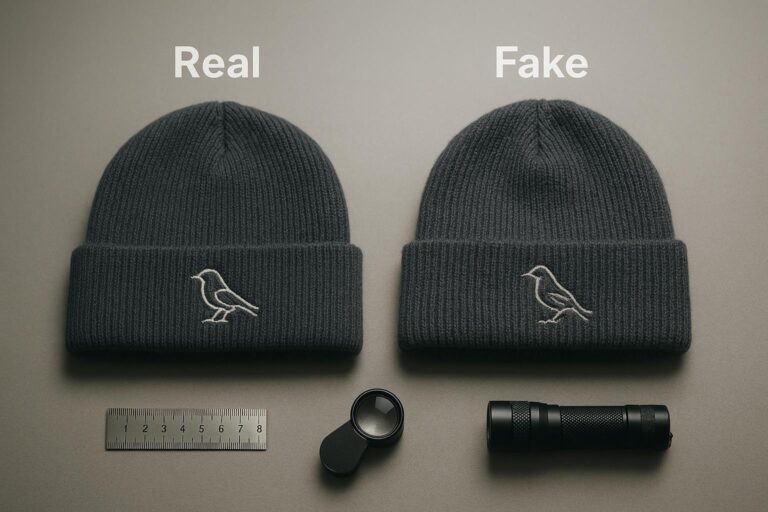
Authenticity of RWS-Certified Wool
You want to know your wool is really RWS-certified. The system uses different ways to prove it is real. These checks help you avoid fake or wrong labels.
Supply Chain Documentation: Each batch of wool has papers that show where it came from. These papers prove the wool’s source.
Laboratory Testing: Labs test the wool for fiber fineness and other things. These tests make sure the wool fits Merino standards.
International Certifications: Labels like Woolmark and RWS give extra proof. These show the product meets strict world rules.
You can trust RWS-certified Merino knitwear because it passes these checks. Brands must keep clear records and use labs to test their wool. International certifications add more trust. When you buy RWS-certified products, you know you get real, high-quality Merino wool.
Note: Always check for real labels and papers. This helps you make sure your knitwear is real and made the right way.
Choosing an RWS Merino Knitwear Manufacturer
How to Find RWS-Certified Brands
You want to buy knitwear from a trusted place. Many brands now use certified wool in their clothes. Look for brands that say they follow the Responsible Wool Standard. Some brands make it simple to find RWS-certified Merino knitwear. Here are some examples:
Oliver Charles uses only RWS-certified merino yarn in their products.
Poppy Barley offers a knitwear collection made from RWS-certified merino wool.
You can also check the Responsible Wool Standard program by Textile Exchange. This program lists brands and makers that follow RWS rules. When you pick a rws merino knitwear manufacturer from this list, you know your choice helps good practices.
What to Look for in a Manufacturer
You need to know what makes a rws merino knitwear manufacturer special. The best ones follow strict rules for animal care, land health, and worker safety. Use the table below to compare different manufacturers:
Criteria | Description |
|---|---|
Animal welfare protection | The Five Freedoms of animal welfare are respected and maintained according to global best practices. |
Land health preservation | RWS farms apply progressive land management methods to protect soil health, biodiversity, and native species. |
Social welfare protection | Fair labor conditions, workers’ health, and safety are integral to certification. |
Chain of custody | The identity of certified RWS wool is maintained through every step of the supply chain. |
Credible certification | Independent, third-party auditors verify compliance at each stage of production. |
Confident communication | Only products meeting all RWS requirements may display the RWS logo. |
Stakeholder engagement | The RWS is developed with input from farmers, animal welfare experts, brands, and retailers worldwide. |
You should pick a rws merino knitwear manufacturer that meets all these points. This helps you know your knitwear is made the right way.
Making Informed Purchases
You want to feel sure when you buy Merino knitwear. The RWS says every part of the supply chain must be certified. This means wool farmers and makers must follow the same rules. You can trust your knitwear comes from certified places. The RWS checks animal care, land care, and worker safety. You can check if a rws merino knitwear manufacturer is in the Textile Exchange program.
Before you buy, look for the RWS logo on the item. Ask the brand or store about their certification. You can also read about the product online. If you see clear RWS details, you know the manufacturer uses good and green ways.
Tip: Always look for the RWS label and certification details. This helps you support good fashion and make choices that help animals, people, and the earth.
When you pick RWS-certified Merino knitwear, you help a lot. These clothes last for years and stay soft and nice. You do not need to throw them away quickly. Merino wool breaks down in nature and helps the ground. Synthetic fibers do not break down and fill up landfills. The wool comes from sheep that eat grass on open land. This keeps the carbon footprint small. Choose RWS-certified brands to help animals, care for the earth, and support fair fashion.
For more ideas on smart shopping, check out guides from Textile Exchange and read ethical fashion blogs.
FAQ
What does RWS-certified mean for Merino knitwear?
RWS-certified means your Merino knitwear comes from farms that treat sheep well. These farms also care for the land. You help animals and nature when you buy these clothes. You support good fashion choices.
How can you check if a product is RWS-certified?
Check the label for the RWS logo. You can ask the brand or look on their website. Trusted brands show this information clearly. This helps you know the product is certified.
Why is mulesing banned in RWS-certified wool?
Mulesing hurts sheep and causes pain. RWS-certified farms use safe ways to protect sheep from pests. You help stop animal cruelty by picking RWS-certified wool.
Does RWS-certified Merino knitwear cost more?
RWS-certified knitwear may cost a bit more. The extra money helps pay for better animal care and fair work. It also supports green ways of making clothes. You get good quality and help others.
Can you trust the environmental claims of RWS-certified products?
Yes, RWS-certified products follow strict rules for land and water care. They also use energy wisely. Outside experts check farms and factories. Every buy helps the planet.
What makes RWS-certified Merino wool better for sensitive skin?
RWS-certified Merino wool uses fewer chemicals and safe dyes. The fibers are soft and natural. They feel gentle on your skin. Many people with allergies like this wool.