

You need to pick a trustworthy knitwear OEM production service partner. This helps keep your brand safe and supports your business growth. The right knitwear OEM production service helps you reach quality goals and allows you to adapt to market changes quickly. The table below shows how three factors can help you win:
Factor | Impact on Brand Reputation | Impact on Business Growth |
|---|---|---|
Customization | Meets what buyers want | Helps sell more unique clothes |
Sustainability | Matches green ideas | Makes your brand more popular |
Production Efficiency | Lets you change with trends | Gets products out faster |
You can use smart tools like checking quality. You can look at how much can be made. You can review if practices are fair. These steps help you choose well. Always think about your business goals and brand values.
Key Takeaways
Pick an OEM partner that matches your brand values. This helps make your products better.
Say what you need for your knitwear products. This helps you find the right manufacturer.
Look for manufacturers who offer many ways to customize. This lets you make special products.
Make sure your partner follows quality and sustainability rules. This keeps your brand safe.
Search for manufacturers online and at trade shows. Learn as much as you can about them.
Check their experience, where they are, and how they ship. This helps things run smoothly.
Look at how they check product quality. This helps keep your products good.
Set clear prices and payment rules. This stops surprise costs and keeps things fair.
Defining Knitwear Product Requirements
Before you look for an OEM knitwear partner, you should know what you want. This helps you find a manufacturer that fits your needs. It also makes sure your brand values show in every item.
Product Line and Specifications
Start by picking the types of knitwear you want to sell. Many brands ask for different kinds when they work with OEM manufacturers. The table below lists popular product categories and their main features:
Product Category | Key Features |
|---|---|
Made to match brand needs | |
Luxury Knitwear | High-quality work and lots of detail |
Sustainable Knitwear | Uses eco-friendly materials and fair production |
When you choose your product line, you build your brand’s style and place in the market.
Material and Yarn Selection
Pick materials and yarns that fit your brand’s look and quality. Some brands like organic cotton, merino wool, or recycled fibers. What you pick changes how your products feel, last, and help the planet. Ask your OEM partner about where they get their yarns and if they can use special ones.
Design and Customization Options
Design helps your knitwear stand out. Find a manufacturer who can make custom patterns, colors, and finishes. OEM manufacturers make clothes that match your designs and brand needs. This careful work helps you create special products that show your brand’s story.
Quality and Sustainability Standards
Setting clear rules for quality and sustainability protects your brand and keeps customers happy.
Durability and Finishing
You want your knitwear to last and look good after many washes. Ask how the manufacturer finishes clothes and meets quality rules. Good production matters for brands that want the best.
Eco-Friendly Practices
Many brands and buyers now care about sustainability. Look for manufacturers who use recycled or organic materials, save energy, and have open supply chains. Here are some standards and trends to know:
Circular economy and recycling keep textiles in use longer.
New tech like biodegradable textiles cuts waste and pollution.
Supply chain transparency lets you show customers how products are made.
Global Recycle Standard (GRS), Global Organic Textile Standard (GOTS), and Fair Trade Certification are common for eco-friendly knitwear.
More brands now use sustainable knitwear. In North America, 64% of buyers want eco-certified materials. In Europe, more producers use renewable or recycled fibers.
Tip: Match your product needs with your brand values. When you work with partners who share your vision, your products become more valuable and meaningful.
Navigating OEM Selection: Research and Shortlisting

You should have a clear plan before you start. This helps you find the best OEM partners for your brand. There are many ways to look for a clothing manufacturer that fits your needs.
Finding a Clothing Manufacturer
Online Directories and Platforms
You can search for OEM knitwear manufacturers online. These websites let you look at many companies at once. You can read reviews and see what each company makes. Some popular sites are Alibaba, Maker’s Row, and Kompass. These tools help you save time and find good partners.
Trade Shows and Referrals
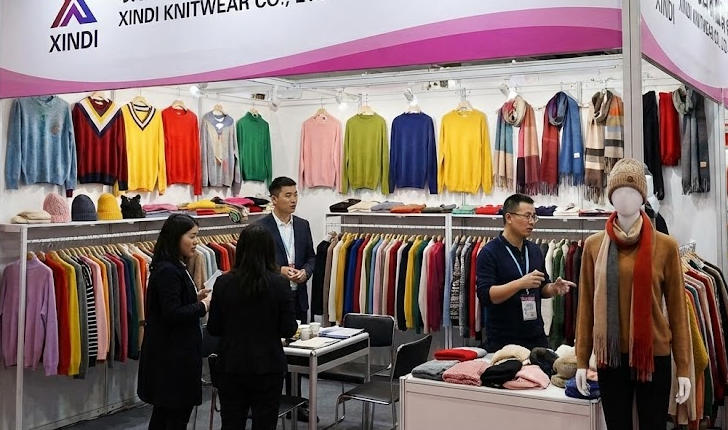
Trade shows let you meet manufacturers in person. You can see their samples and ask questions. You can also learn about new trends at these events. Referrals from other brands or experts can help you find trusted partners. When you talk to people who have worked with a manufacturer, you get honest opinions.
Tip: Always ask for references and read reviews from other clients. This helps you avoid problems and pick a partner with a good reputation.
Initial Screening Criteria
After you make a list of possible partners, you need to check them. You want to be sure each manufacturer matches your business goals and brand values.
Experience and Specialization
Find manufacturers with lots of experience and a good history. You want a partner who knows knitwear and has worked with brands like yours. Specialization is important because it means they know your product type. Check if they offer things like custom dyeing or special yarns.
Location and Logistics
Location changes shipping times and costs. Think about where the manufacturer is and how easy it is to get products to you. Some brands pick local partners for faster shipping. Others choose overseas manufacturers to save money. Logistics also means how the manufacturer handles orders and talks with you.
Here are some good ways to find trusted OEM knitwear manufacturers:
Look for experience and good reviews from clients.
Check if they use strong quality control steps.
Pick partners who share details about production, timing, and prices.
Think about those who care about sustainability and fair labor.
Make sure they answer your questions and talk clearly.
You can use this table to help check and choose manufacturers:
Criteria | Description |
|---|---|
Assess Your Needs | Decide what kind of manufacturer and garment you need. |
Minimum Order Quantity (MOQ) | See if the manufacturer can make the amount you want. |
Capabilities | Make sure they can do extra services, like sourcing or dyeing. |
Production Capacity | Learn how long samples and big orders will take. |
Quality Control Measures | Ask about their quality checks to make sure standards are met. |
Certifications and References | Ask for certifications and references from past clients. |
When you pick an OEM partner, look at location, logistics, and what they do best. These things help you find a partner who can make good products on time and help your brand grow.
Evaluating Knitwear OEM Production Service
When you pick a knitwear oem production service, you must check a few things. Make sure the manufacturer can handle your order size. They should meet your deadlines. They also need to offer the right customization. These things help you avoid delays. They keep your business running well.
Production Capacity and Lead Time
Order Volume and Scalability
You want a knitwear oem production service that fits your needs now. They should also be able to grow with you. Some manufacturers are best for small batches. Others are better for big orders. The table below shows how top companies compare in order size and lead time:
Manufacturer | Location | Specialties | MOQs | Lead Time |
|---|---|---|---|---|
MAS Holdings | Sri Lanka | Technical outerwear & intimates | 200–500 | 30–60 days |
PT Sritex | Indonesia | Woven garments & workwear | Thousands | Varies |
Shenzhou International | China | Sportswear & mass production | Medium-Large | Varies |
Hirdaramani | Sri Lanka | Sustainable knitwear | Flexible | Varies |
Delta Galil | Global | Intimates & licensed apparel | Mid-Large | Varies |
Gildan | Global | Basics & bulk knitwear | Large | Varies |
If you want to grow, pick a partner who can make more when needed. Ask about their minimum order quantities. Find out how they handle bigger orders.
Delivery Schedules
Lead time is how long it takes to get your products. It starts when you place your order. It ends when you get your items. Lead time affects how fast you can sell new styles. It also matters for restocking. Delivery time depends on how hard the product is to make. It also depends on getting materials, order steps, demand, and quality checks.
In India, CMT exporters often need 75-90 days to deliver.
Vertically integrated plants in India may take even longer.
Many textile manufacturers can deliver in 20 to 35 days for standard orders.
You should always ask for clear timelines from your knitwear oem production service. Fast and steady delivery helps you keep up with trends. It also helps you meet customer needs.
Customization and Flexibility
Unique Product Features
A good knitwear oem production service lets you make special products. You can pick from many fabric types, like cotton or wool. Manufacturers often offer custom colors, sizes, and fits. You can add things like logos, patches, or cool stitching. The best partners help with design, samples, and fit tests.
Pick a service that supports your ideas.
Look for ways to test samples before big orders.
Ask if you can add new features as your brand grows.
Adaptability to Brand Needs
Your brand might change over time. You need a knitwear oem production service that can change with you. Good partners listen to your feedback. They adjust their process to help you. They help you keep your products new and true to your brand.
Tip: Always check if your manufacturer can handle changes in design or order size. This flexibility helps your business stay strong.
A reliable knitwear oem production service helps you grow. They meet your deadlines and help you make unique products. They use strong quality checks to make sure every piece is right. When you find a partner who does all this, your brand can succeed for a long time.
Choosing the Right Manufacturer: Quality and Reliability

When you pick a manufacturer for your knitwear, you must check quality and reliability. These two things help keep your brand safe. They also make sure your customers stay happy. You want every product to meet your standards before you agree to work together.
Quality Control Processes
Quality control is very important in knitwear production. You should ask each manufacturer about their quality control steps. Good quality checks help stop problems and keep your products the same every time.
In-House vs. Third-Party Checks
Manufacturers check quality in different ways. Some use their own teams. Others hire outside inspectors. Both ways have good points.
In-house checks let the manufacturer watch every step. They can fix mistakes fast. They also train workers and watch the process.
Third-party checks use outside experts. These inspectors know world standards. They give honest reports. You get real feedback about problems and product quality.
You should ask which way your manufacturer uses. Many luxury brands like third-party checks for extra safety. This helps you keep high standards and a good name.
Here is a table that shows common quality control steps:
Quality Control Process | Description |
|---|---|
Fabric Inspection | Checking raw materials for flaws such as uneven dyeing, holes, or weak textures. |
Pattern Check | Ensuring patterns match design and size specifications. |
Sample Testing | Creating prototype garments to verify design, fit, and functionality before full-scale production. |
In-line Quality Control | Continuous inspection, operator audits, process monitoring, and worker training to catch problems early. |
You should pick manufacturers who use all these steps. This helps you avoid mistakes and keeps your products great.
Sample Evaluation
Before you order a lot, you need to check samples. Samples show the real quality of the manufacturer’s work. You can look at the fit, stitching, color, and finish. You should compare the sample to your design and needs.
Follow these steps when you check samples:
Look for fabric flaws or weak spots.
Check the stitching and seams.
Try the fit and comfort.
Wash the sample to see if it lasts.
Compare the sample to your design.
Tip: Always ask for more than one sample before you pick an oem partner. This helps you find problems early and make better choices.
Customer Reviews and Testimonials
You need to know what other brands think about the manufacturer. Reviews and testimonials give you real feedback. They show if the manufacturer has a good name and does good work.
Reputation and Track Record
Look for manufacturers with a strong history. You want partners who deliver on time and keep quality high. Read reviews from other brands. Ask for references. You can also check online for ratings and comments.
Brands with good names have fewer problems.
Reliable manufacturers share their success stories.
You can learn about past projects and client experiences.
Addressing Past Issues
Every manufacturer has problems sometimes. You should ask how they fix mistakes. Good partners fix problems fast and talk clearly. They learn from mistakes and get better.
Ask about any past delays or defects.
Find out how the manufacturer fixed these problems.
Look for honest answers and clear solutions.
Note: Customer feedback helps you see if the manufacturer is reliable. It gives you confidence when picking an oem partner.
When you focus on quality control and reputation, you make smarter choices. You keep your brand safe and build trust with your customers. Picking the right manufacturer means checking every detail, from samples to reviews. This careful way helps your business grow strong.
Pricing, Terms, and Negotiation
Picking the right OEM knitwear partner means you must check prices and rules. You need to know what you will pay and how things will be delivered. Clear prices and fair deals help you avoid problems. This keeps your business safe.
Cost Structure and Transparency
A clear cost plan helps you manage your money. Always ask your manufacturer for a full list of costs. This lets you see where your money goes. You can find ways to save money.
Ask for a list of costs like materials, labor, overhead, samples, packaging, and shipping.
Learn what costs matter most. These are usually materials, labor, and overhead.
Ask about fees for samples and making new designs. Some manufacturers charge extra for these.
Check costs for finishing and packaging. These can get high fast.
Look at shipping and delivery charges. Knowing these helps you plan.
Talking clearly and asking smart questions helps you work well with your partner. When you know the costs, you can set good prices for your products.
Pricing Models
Manufacturers use different ways to set prices. Some give one price for each item. Others lower the price if you buy more. Compare these ways to see what works best for you.
Hidden Fees
Always check for hidden fees. Some manufacturers charge more for fast orders or special packaging. They may add costs for changes at the last minute. Ask for all fees in writing. This helps you control costs and avoid surprises.
Tip: A written deal helps you avoid surprise charges. It also builds trust with your partner.
Payment and Delivery Terms
Payment and delivery rules change how you pay and get your products. You should know the common ways to pay and what they mean for your business.
Payment Schedules
Here is a table that shows how OEM knitwear makers take payments:
Payment Method | Description |
|---|---|
Letter of Credit (L/C) | A bank promises to pay the seller after certain steps. |
T/T (Telegraphic Transfer) | You pay before or after checking goods, often in parts. |
Open Account | Goods ship first, you pay later, used for trusted partners. |
Documentary Collections | Banks handle papers and payments, less safe than L/C. |
Cash in Advance (CIA) | You pay everything before goods are made or shipped. |
Consignment | You pay only after selling goods; unsold items can go back. |
Net Terms (e.g., Net 30, Net 60) | You pay within a set time after getting the bill. |
CAD (Cash Against Documents) | You pay when you get shipping papers. |
Revocable/Irrevocable L/C | Revocable can change anytime; irrevocable needs both sides to agree. |
Confirmed/Unconfirmed L/C | Confirmed adds extra bank safety; unconfirmed does not. |
Pick a payment way that fits your business and risk level.
Shipping and Incoterms
Shipping rules decide who pays for shipping, insurance, and customs. The most used Incoterms in knitwear making are:
Incoterm | Description | Usage in OEM Knitwear |
|---|---|---|
FOB | Free on Board | Used most often |
CFR | Cost and Freight | Sometimes used |
FOB means the seller pays until goods are on the ship. After that, you take care of them. CFR means the seller pays for shipping to your port, but you pay for insurance and unloading.
Note: Always agree on Incoterms before you sign a deal. This stops confusion and extra costs.
Clear prices, payment, and delivery rules help you plan and avoid trouble. Always get deals in writing and check every detail before you agree.
Final Steps in Choosing an OEM Partner
Picking your OEM knitwear partner takes careful checks. You need to look at the factory and test their products first. These steps help you avoid mistakes. They make sure the partner is right for your brand.
Factory Audits and Sample Orders
On-Site and Virtual Visits
Try to visit the factory if you can. Walking around lets you see how workers use machines and handle materials. You can check if the factory is safe and clean. If you cannot go, ask for a video tour. Many factories now show their work on video calls. You can ask questions and watch how they fix problems. Good partners will let you visit and answer your questions.
Sample Assessment Checklist
Testing samples is very important. You want to see if the product matches your design and quality. Use a checklist to review each sample:
Check if the fabric is strong and soft.
Look at the stitching and seams for neat work.
Test if the fit and comfort are good.
Wash the sample to see if it keeps its shape and color.
Compare the sample to your design.
Ask how long it takes to make samples and big orders.
Tip: Always ask for more than one sample. This helps you find problems early and see if the factory can make good products every time.
Decision-Making Checklist
Key Criteria Review
You need a clear checklist before you choose. This helps you compare each factory and pick the best one. Here are the most important things to check:
Supply risk management
Quality assurance
Expertise
Regulatory compliance
Financial stability
You should also check:
Capabilities
Experience
Process
Personnel
Equipment and technology
Regulatory insight
Capacity
Location
Financial stability
Final Questions to Ask
Before you sign a contract, ask these questions:
What are the minimum order quantities (MOQs)?
How does the factory set prices?
What are the payment rules?
How long does delivery take?
Are there warranties or guarantees?
What happens if you want to end the partnership?
Note: A strong checklist and clear questions help you make a smart choice. You keep your brand safe and build a good partnership.
You can use this table to help you decide:
Criteria | Why It Matters |
|---|---|
Customization | Matches your brand’s needs |
Quality Assurance | Keeps products consistent |
Regulatory Compliance | Avoids legal problems |
Financial Stability | Ensures long-term reliability |
Delivery Timeframes | Meets your market schedule |
Doing these final steps helps you pick a reliable OEM knitwear partner. You help your brand grow and succeed.
You can find a good OEM knitwear partner by taking simple steps. First, do research and talk openly with companies. This helps you stop problems like bad quality or big order needs.
Challenge | Description |
|---|---|
Bad products and returns can hurt your brand. | |
High MOQs | Small brands might have money problems. |
Production Delays | Late orders can make your brand look bad. |
Ethical Sourcing | It is hard to balance cost and being green. |
Being honest and clear with your partner makes products better and saves money. Use your checklist to look at each company. After you pick one, work together, check quality a lot, and keep talking for long-term success.
FAQ
What does an oem clothing manufacturer do?
An oem clothing manufacturer makes clothes for your brand. They use your designs to make the clothes. You pick the styles, materials, and colors. The manufacturer makes the garments in their factory. You get finished clothes ready to sell with your brand name.
How do I check the quality of a clothing manufacturer?
You can ask for samples from the clothing manufacturer. Look at the stitching, fabric, and finishing. Try to visit the factory if you can. Read what other customers say. Good manufacturers use strong quality control steps. You should compare a few manufacturers before you choose one.
What is MOQ and why does it matter?
MOQ means minimum order quantities. Clothing manufacturers set moq to cover their costs. If you order less than moq, they may not take your order. Always ask about moq before you work with a manufacturer.
How do I find a reliable clothing factory for my brand?
You can search online for clothing manufacturers. Go to trade shows to meet factories. Ask other brands for referrals. Check if the factory has good reviews. Look for strong quality control and clear communication. A reliable factory helps your brand grow.
Can I get custom designs from an oem clothing manufacturer?
Yes, you can work with a custom clothing manufacturer. They use your designs to make special samples. You can pick colors, fabrics, and details. Custom services help your brand stand out.
What is full-package production in oem apparel production?
Full-package production means the manufacturer does everything. They get materials, make samples, and produce the garments. They also package the clothes. You get finished products from the factory. This service saves you time and lets you focus on sales.
How do I make sure my brand gets consistent quality from clothing manufacturers?
You should set clear quality standards. Ask for samples often from the factory. Review quality control reports. Talk with the manufacturer a lot. Brands that work closely with manufacturers get better results and fewer mistakes.
What should I ask before signing with an oem clothing manufacturer?
Ask about moq, pricing, delivery times, and quality checks. Request samples. See if the manufacturer offers custom options. Review payment terms. Make sure the factory follows safety and ethical rules. These steps protect your brand and help you build a strong business.
Tip: Always keep a checklist when you talk to manufacturers. This helps you compare choices and pick the best oem partner for your brand.