
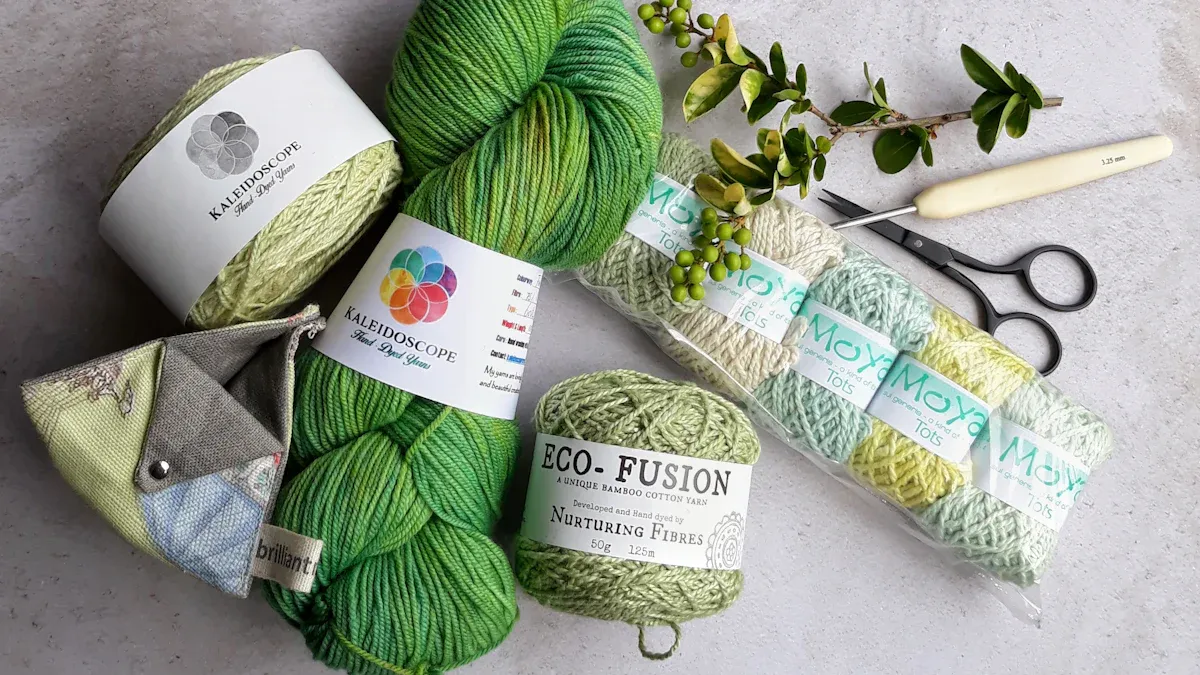
You pick up your favorite knitting project and notice tiny fuzzy balls clinging to the surface. The truth about pilling hits you. You wonder if your yarn choices were right. Softness feels great in your hands, but the truth about pilling can ruin that sweater you spent hours knitting. The truth about pilling matters when you want your knitting to last. You may love soft yarn, but the truth about pilling is that not all yarn works the same. When you start choosing yarn, think about how the truth about pilling affects your knitting. You want yarn that makes knitting fun and keeps your work looking good.
Key Takeaways
Pilling happens when yarn fibers rub together. This makes small fuzzy balls on your sweater. Knowing how this works helps you pick better yarn.
Soft yarn feels nice but can pill more. You should balance softness and durability. Pick yarns with longer fibers and tighter twists.
Pick yarn for how you will use it. If you wear it a lot, choose durability over softness. If it touches your skin, softness matters most.
Look at yarn labels for pilling resistance ratings. Higher ratings mean the yarn fights pilling better. This helps you choose wisely.
Knit tighter to help stop pilling. A tighter gauge keeps fibers in place. This makes your projects last longer.
What Causes Sweater Pilling in the First Place?
You might wonder why your favorite sweater starts to look old after just a few wears. Pilling is the main reason. It happens when tiny balls of fuzz form on the surface of your sweater. Let’s break down how this process works and what makes some yarns more likely to pill than others.
How Does a Pill Actually Form?
Pills don’t just appear out of nowhere. They go through a few clear stages before you notice them.
The Four Stages: Fuzzing, Entanglement, Growth, and Wear-off
Here’s what happens step by step:
First, fuzzing starts. Some fibers in the yarn begin to poke out, especially in spots that rub together like underarms or sleeves.
Next, these short fibers get tangled up with each other. Movement and friction make them twist and catch.
The tangled fibers grow into small balls, or pills, as more fibers join in.
Finally, some pills wear off on their own, but others stay stuck to the fabric until you remove them.
You see this most often in areas that get a lot of movement. The more you wear and wash your sweater, the more likely you’ll see pilling.
Which Fibers are Most Prone to Migration?
Not all yarns act the same. Some fibers move out of the yarn structure more easily, making pilling worse.
Wool blends, especially those mixed with synthetics, tend to pill if the yarn is loosely spun.
Cotton blends with synthetic fibers also show pilling because friction pulls the fibers out.
Synthetic blends like acrylic, nylon, or polyester are known for pilling. Fleece made from polyester pills quickly after washing.
Pills on synthetic fibers can be tough to remove. Natural fibers like wool or cotton let you pick off pills with a sweater comb.
Does Fiber Staple Length Matter?
Yes, staple length makes a big difference. Shorter fibers in yarn lead to more pilling. These short fibers work their way out and form fuzz. Longer fibers stay put, which helps with durability. Yarn with low twist, hairy texture, or lots of polyester also pills more.
How Does Surface Friction Create Fuzz?
When you move, your sweater rubs against itself or other surfaces. This friction pulls fibers out of the yarn, creating fuzz. Over time, this fuzz turns into pills. If you want better durability, look for yarns with longer fibers and tighter twist.
Tip: If you want your projects to last, pay attention to the type of fiber and how the yarn is made. It can save you a lot of frustration later!
Is There a Trade-off Between Softness and Durability?
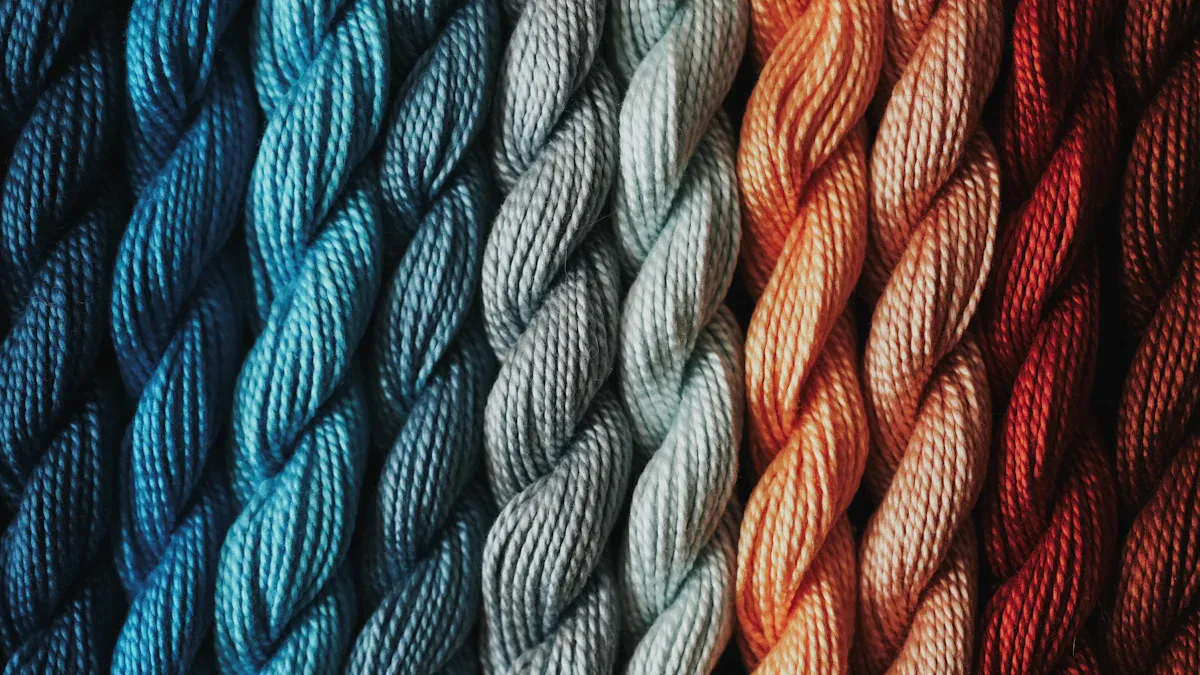
You might wonder if you can have both a soft hand feel and a sweater that lasts. The truth is, you often need to balance softness and durability when you pick yarn for your projects. Let’s break down what this means for you.
How Does Yarn Twist Affect Hand Feel?
The twist in yarn changes how it feels and how long it lasts. When you choose a yarn with a low twist, you get a soft, flexible fabric. It feels great against your skin. But, low twist yarns can wear out faster and lose their shape.
Low Twist vs. High Twist: Which Should You Choose?
Low twist yarn gives you that cozy, soft hand feel. High twist yarn feels firmer and adds strength. If you want a scarf or hat that touches your skin, you might pick low twist for comfort. For socks or sweaters that need to last, high twist yarn is a better choice. The twist also affects how much moisture the yarn can handle and how well it stands up to daily use.
The “Softness Trap”: Why Brands Often Choose Wrong
Many brands focus on softness because shoppers love how it feels in the store. But, they sometimes forget about durability over softness. You might buy a super soft sweater, only to see it pill and wear out quickly. High-quality yarn can give you both softness and durability, but you need to check the label and construction.
One common myth is that recycled yarn is always weak. New technology means recycled yarn can have great strength and last a long time.
Does Gauge Density Impact Pilling Performance?
The way you knit also matters. Loose knit structures let fibers move around and break free, which leads to pilling. Tighter gauge knits hold the fibers in place and make your project last longer.
Why Loose Knit Structures Pill Faster
Loose knits look soft and drape well, but they expose more fibers. These fibers rub and break, causing pilling. If you want your sweater to stay nice, think about using a tighter gauge.
The Relationship Between Tight Gauge and Longevity
Tight gauge means more stitches packed together. This gives your yarn more strength and helps your project keep its shape. You get better durability over softness, especially for items you wear often.
Here’s a quick look at how yarn type and gauge affect softness and durability:
Yarn Type | Yarn Fineness | Weft Density (picks/cm) | Softness/Comfort | Durability |
|---|---|---|---|---|
Coarse | Lower | 12 | High | Moderate |
Fine | Higher | 16 | Moderate | High |
When you choose yarn, think about where you want softness and where you need durability. For scarves and hats, go for softness. For sweaters and socks, pick durability over softness. Blends can give you the best of both worlds, mixing natural fibers for comfort and synthetics for strength.
Super soft yarn (17-20 microns) feels great for close-to-skin items.
24-micron yarn is soft but tough enough for outerwear.
Synthetic fibers add strength and lower cost.
Blends balance softness and durability.
You don’t have to pick just one. With the right yarn and gauge, you can enjoy both softness and durability in your next project.
How Can Manufacturing Processes Reduce Pilling?
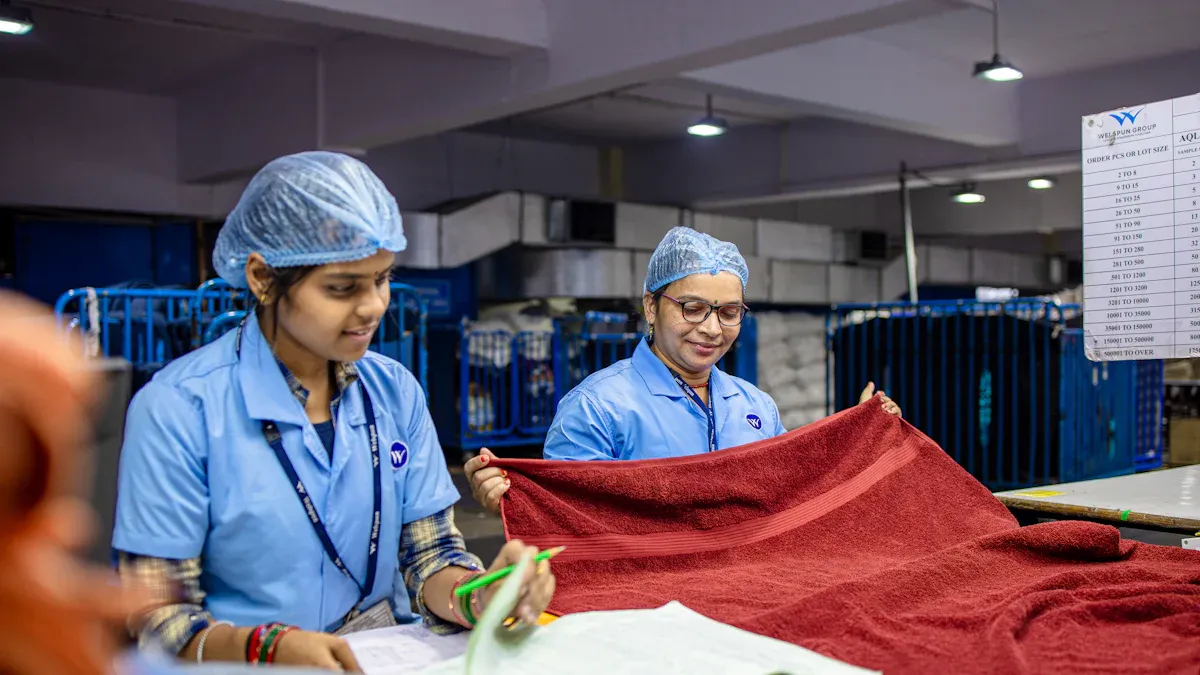
You want your yarn projects to look nice and last long. The way yarn is made helps stop pilling and makes it stronger. Let’s see how different treatments help your yarn do better.
What Mechanical Finishes Can We Apply?
Mechanical finishes change how yarn and fabric feel and last. Here are some ways this is done:
Biological finishing uses enzymes like cellulase. This treatment removes loose fibers from cotton yarn. It makes the yarn smoother and stronger.
Light milling tangles wool fibers together. This keeps the fibers from moving too much. Your wool yarn gets tougher and pills less.
Anti-pilling finishing puts a thin layer on the yarn. This layer holds fibers down and stops fuzz.
Is Singeing Effective for Wool?
Singeing burns off tiny fibers on the yarn’s surface. This gives the yarn a smoother look and feel. Wool yarn that is singed does not fuzz as much. It also keeps its shape better. This helps sweaters and coats last longer and look good.
What is Biopolishing (Enzyme Wash)?
Biopolishing uses enzymes to clean off extra fibers from cotton yarn. The yarn feels softer and looks cleaner. This treatment cuts down on pilling and makes the yarn last longer. Clothes feel smoother and stay nice after biopolishing.
Tip: If you want soft and strong yarn, check if it says biopolishing or singeing on the label.
Do Chemical Anti-Pilling Agents Work?
Chemical treatments cover yarn fibers and lower friction. These agents keep short fibers in place. This makes yarn stronger and less likely to pill. Both chemical and mechanical treatments work well. Studies show wool yarn treated this way pills the least.
Comparing Silicone Softeners vs. Anti-Pilling Coatings
Silicone softeners make yarn feel soft and smooth. Anti-pilling coatings add a layer to protect the yarn. Both help quality, but anti-pilling coatings focus on keeping fibers in place.
How Long Do Chemical Treatments Last?
You want your yarn to stay strong after washing. Chemical anti-pilling treatments last for at least five washes. Your projects keep their shape and quality after many uses.
Note: How yarn is made changes cost and speed. Choices like spun yarn or filament yarn affect strength and quality. Finishing steps like sanforization help clothes fit better and wrinkle less after washing.
If you look at these details, you can pick yarn that pills less, lasts longer, and is good quality without costing too much.
How Do We Measure and Rate Pilling Resistance?
You want your favorite sweater to look new for as long as possible. To make that happen, you need to know how experts measure how well a yarn resists those annoying fuzz balls. Let’s walk through the main tests and what the results mean for your next pattern.
What is the Martindale Pilling Test (ISO 12945-2)?
The Martindale Pilling Test is one of the most common ways to check how a sweater will hold up. You might see this test mentioned on yarn labels or in product descriptions. Here’s how it works:
The Martindale Pilling Test evaluates the pilling resistance of different yarns by subjecting fabric samples to controlled abrasion under specific conditions. The test measures the formation of pills on the fabric surface as it undergoes a defined number of rubbing cycles against a similar fabric, allowing for a visual assessment of pilling resistance.
You can picture a small circle of your sweater fabric getting rubbed over and over in a special machine. This simulates what happens when you wear your sweater or wash it. The test uses a set number of cycles and then experts check how many pills have formed.
Here’s a quick look at the steps:
Condition the sample for at least 4 hours in a standard room.
Place a felt disc and your test piece on the platform.
Apply pressure and start the machine for a set number of rotations.
After each set, check the sample’s final rating.
You can see why this test matters for your next pattern. It gives you a real idea of how your yarn will perform in a finished sweater.
How Should You Interpret a Grade 3 vs. Grade 5 Rating?
After the Martindale test, your sweater fabric gets a grade. The scale goes from 1 to 5. Here’s what those numbers mean:
Grade | Description |
|---|---|
5 | No pilling |
4 | Slight pilling |
3 | Moderate pilling |
2 | Severe pilling |
1 | Very severe pilling |
A grade 5 means your sweater stays smooth and pill-free, even after lots of wear. A grade 3 means you’ll see some pills, but your pattern will still look good for a while. If you see a grade 1 or 2, expect your sweater to look worn out quickly. Most brands aim for at least a grade 3 for everyday sweaters, but luxury yarns might set the bar higher.
What is the ICI Pilling Box Method?
The ICI Pilling Box Method is another way to test how a sweater will handle daily life. This test is especially popular for wool yarns. Instead of rubbing in circles, the fabric gets tossed around in a cork-lined box. This simulates the kind of friction your sweater faces when you move around.
Method | Testing Principle | Fabric Suitability |
|---|---|---|
ICI Pilling Box Method | Flipping fabric samples in a cork-lined box simulating continuous friction | Particularly suited for wool |
Martindale Test | Circular motion where fabric samples rub against each other under defined force | Applicable to a wider range of fabrics, including knitted and woven types |
The ICI Pilling Box Method flips your sweater fabric in a box to create friction.
The Martindale Test uses a circular rubbing motion.
The ICI method works best for wool, while Martindale fits many types of yarn and patterns.
Why Do Test Results Vary Between Methods?
You might notice that the same sweater can get different grades depending on the test. That’s because each method uses different motions and pressures. The type of yarn, the pattern, and even the way the sweater is knit can change the results. Also, people judge the pills by eye, so there’s a bit of subjectivity.
The properties of the fiber, yarn, and fabric play a big role in how pills form and wear off. Strong fibers might pill more because the pills don’t fall off easily. Weak fibers might show fewer pills, but the sweater could wear out faster. The testing area is small, and the results depend on how the pattern holds up under stress.
How Can Brands Specify Acceptable Pilling Limits?
Brands want you to feel good about your sweater purchase. They use these tests to set limits on what’s acceptable for each yarn and pattern. Most brands look for a grade 3 or higher for everyday sweaters. For luxury yarns, like cashmere, they might accept a bit more pilling because the pattern feels so soft and special.
Feature | Cashmere | Acrylic |
|---|---|---|
Pilling | Moderate (can be removed) | Heavy (difficult to remove) |
Cashmere sweaters might show moderate pilling, but you can remove the pills with a comb. Acrylic sweaters often pill more, and the pills are harder to get off. When you pick a yarn for your next pattern, think about how much wear your sweater will get and how easy it is to care for.
There’s nothing quite as frustrating as finding pills on your go-to sweater. Those tiny, unsightly balls of fabric can make even the most luxurious knitwear look old and worn out.
If you want a sweater that stays beautiful, look for yarns and patterns that score well on these tests. Check the label or ask your yarn shop about the pilling grade. You’ll feel more confident about your next project and enjoy your sweater for many seasons.
You want your project to look nice and last long. Pilling happens because of rubbing, washing errors, and cheap yarn. When you choose yarn, look at fiber length, twist, and finish. Many knitters pick tightly spun or non-superwash yarn for better results. You can rewind soft yarns and use tools like a Gleener. Always make a swatch before you start your project. Good yarn makes clothes feel special. You can also find soft yarns that are strong and not too expensive. Share your best tips or ask about soft yarns and nice clothes below!
FAQ
Why does cotton pill more than other fibers?
Cotton pills because short fibers break free from the yarn surface. You see this with both combed cotton yarn and carded cotton yarn. Friction from washing or wearing causes fuzz. Longer staple cotton helps reduce pilling.
Should I choose combed cotton yarn or carded cotton yarn for durability?
You get better durability with combed cotton yarn. The combing process removes short fibers. Carded cotton yarn keeps more short fibers, so it pills faster. If you want a sweater that lasts, pick combed cotton yarn.
How can I prevent pilling when knitting with cotton?
You can use tighter stitches and choose combed cotton yarn. Carded cotton yarn pills more, so avoid it for high-wear items. Wash cotton gently. Use a sweater comb to remove pills. Try blending cotton with other fibers for extra strength.
Is combed cotton yarn softer than carded cotton yarn?
You feel more softness with combed cotton yarn. The combing process makes cotton smoother. Carded cotton yarn feels rougher because it keeps more impurities. If you want a soft touch, go with combed cotton yarn.
What is the best cotton for baby clothes?
You want combed cotton yarn for baby clothes. It feels soft and gentle on skin. Carded cotton yarn works for sturdy items, but combed cotton yarn gives comfort. Always check the label for combed cotton yarn when shopping for babies.
Tip: You can mix cotton with other fibers for extra durability. Try combed cotton yarn for softness and strength. Carded cotton yarn works for budget projects.
Yarn Type | Softness | Durability | Best Use |
|---|---|---|---|
combed cotton yarn | High | High | Baby clothes |
carded cotton yarn | Medium | Medium | Everyday wear |
cotton blend | Varies | High | Activewear |