
You are important as a knitwear production specialist. You help knitwear go from design to finished product. You work with designers to turn ideas into real things. You use your skills to fix problems and make good choices. Your job mixes creativity and expert knowledge.
Key Takeaways
Knitwear production specialists take creative ideas and make real products. They watch every step, from design to packaging.
Working with designers is very important. Good communication helps stop mistakes. It also makes sure the product is what people want.
Technical skills are needed. Knowing about yarn, knitting techniques, and quality control helps make good knitwear.
Watching production closely helps specialists find and fix problems fast. This keeps things running well and keeps quality high.
Using technology, like production software and special knitting machines, helps work go faster. It also helps meet what the market needs.
Quality control is very important. Checking and testing often makes sure each knitwear piece is up to industry standards.
Learning about new trends in materials and technology helps specialists make new and eco-friendly knitwear.
Teamwork and sharing knowledge help everyone work better together. This leads to better products and better ways to work.
Knitwear Production Specialist Role
From Design to Product
You help move knitwear from an idea to a finished product. Your job starts with the first sketch and ends with the final package. You guide each step and check that everything meets the brand’s and designer’s standards. Here are the main stages you watch over:
The Design Phase: You look at trends, draw ideas, and help make technical plans. You use prototypes to test how things look and feel.
Yarn Selection: You pick the right fiber, yarn weight, and texture. You choose colors and test yarns to see how they work.
Knitting Process: You set up knitting machines, start the knitting, make the body, and shape the garment.
Dyeing and Treatment: You pick dyeing methods, check garments, and add labels and finishing touches.
Final Inspection and Packaging: You check each item, make sure it matches the plans, label, and pack the knitwear for delivery.
You need to know every stage and make sure the knitwear is good quality. You help turn creative ideas into real products people can wear.
Collaboration with Designers
You work with knitwear designers every day. You help them turn creative ideas into products that can be made in the factory. Teamwork is important for making sure the knitwear looks nice and works well. You share your technical knowledge and help designers learn what is possible.
Tip: Talking clearly with designers helps you avoid mistakes and save time.
Here is how teamwork works in different areas:
Focus Area | Findings |
|---|---|
Design | Many companies design knitwear, showing strong teamwork in product development. |
Manufacture | Most companies make knitwear, linking design and production. |
Retail | Many companies sell directly to customers, so collaboration helps deliver products to the market. |
Sustainability | Small businesses want eco-friendly designs, so you work with designers to choose better materials. |
Technology Usage | Few companies use 3D software, so you can help designers use new tools for better results. |
You help designers mix creativity with what can be made in real life. You make sure the knitwear is stylish and ready for production.
Technical and Practical Focus
You make many technical choices that affect how good the knitwear is. You change patterns, pick sewing methods, and set up quality checks. You also decide how to press and finish each garment. Your choices help make sure every piece fits well and lasts long.
Here is a table showing some important choices you make:
Technical Decision | Impact on Product Quality |
|---|---|
Pattern Adjustments | You keep fit the same and lower defects. |
Sewing Techniques | You make knitwear stronger and look better. |
Quality Control Measures | You find problems before packing, keeping customers happy. |
Pressing & Finishing | You make garments look nicer and feel smoother. |
Final Audit (AQL-based inspection) | You make sure only good knitwear goes to the market. |
You must mix creativity with what can be made in production. You help designers see what works and what needs to change. You use your skills to fix problems and make sure the knitwear is high quality. Your job means you think about both art and science every day.
Responsibilities
Overseeing Production
You help manage the whole knitwear production process. You guide each step, from design to shipment. You make sure things go well and finish on time. You work with manufacturers and suppliers to keep things moving. You check that materials match what the designer wants.
Here is a table that shows common jobs in big companies:
Responsibility Category | Description |
|---|---|
Design and Concept Development | Making design ideas, drawing sketches, picking yarns, and making samples. |
Technical Development and Sample Creation | Creating technical plans and watching over sample making. |
Collaboration with Manufacturers and Suppliers | Working with yarn suppliers and manufacturers to keep quality and accuracy. |
Trend Research and Market Analysis | Studying fashion trends and looking at market data to help design choices. |
Fit and Quality Control | Checking how clothes fit and their quality, and making changes to meet standards. |
Presentation and Sales Support | Making presentations and ads for buyers and stores. |
Project Management and Deadlines | Handling many projects, planning schedules, and finishing tasks on time. |
You need to mix creative ideas with smart choices. You help designers turn ideas into real products.
Quality Control
You make sure every knitwear piece is high quality. You check the fabric, stitching, and color. You test if clothes keep their color after washing and sunlight. You check if seams are strong and if clothes shrink. You follow rules like ISO and AATCC to keep products safe.
Here are some common checks for quality:
Colorfastness tests (like AATCC TM16 for color in light)
Seam strength tests
Shrinkage checks (AATCC TM179)
CPSIA rules for safety
You use these tests to find problems early. You fix issues before knitwear goes to stores. You help keep customers happy by making sure items are strong and look nice.
You also use numbers to track quality. Here is a table that shows how you measure success:
Metric | Description | Formula |
|---|---|---|
Order Fulfillment Rate | Shows how well orders are finished and sent on time. | (Orders Delivered on Time / Total Orders) × 100% |
Sample Approval Rate | Shows how many samples get approved compared to all samples. | (Approved Samples / Total Submitted Samples) × 100% |
Quality Assurance Pass Rate | Shows the percent of products that pass checks without fixing. | (Passed Items / Total Produced Items) × 100% |
You use these numbers to make your work better and keep quality high.
Process Efficiency
You help make knitwear production faster and smarter. You use automation tools to manage inventory and keep materials ready. You train workers to help them get better. You use real-time data to find problems and fix them fast.
Here are some ways you make things work better:
You use smart forecasting to manage stock and react to market changes.
You track inventory with software to cut waste and keep quality.
You set strong quality control rules to make sure products are great.
Tip: Using technology and training helps your team work faster and better.
You make sure your job includes finding ways to save time and money. You help designers get products to stores quickly. You keep the process smooth and efficient.
Selecting Yarns & Techniques
You play a key role in choosing the right yarns and knitting techniques for each knitwear project. Your choices shape how the final product looks, feels, and performs. You start by thinking about the purpose of the knitwear. You ask yourself who will wear it, how they will use it, and what the brand wants to show.
When you select yarns, you look at many factors. You consider the end use of the fabric, the target market, and the style the designer wants. You also think about how the knitwear needs to perform. For example, you may want a sweater to feel soft and warm, or you may need a sports top to stretch and breathe.
Here are some important points you check when picking yarns:
Texture, weight, and color affect how the fabric drapes and appears.
Natural fibers like wool give warmth and breathability.
Synthetic fibers such as acrylic add strength and help the knitwear last longer.
You also need to balance cost and quality. You look at pricing to make sure the knitwear fits the brand’s budget and still meets high standards. You want to keep product margins healthy while delivering a great item.
When you choose knitting techniques, you match them to the yarn and the design. You pick the right machine and settings for each job. You check the machine diameter, gauge (needles per inch), and loop length. These details help you control the thickness, stretch, and feel of the knitwear.
Here is a simple table to show how you make these choices:
Step | What You Do | Why It Matters |
|---|---|---|
Buy yarn with correct count and color | Select yarn based on design and function | Ensures the knitwear meets standards |
Choose knitting machine | Pick machine with right diameter and gauge | Matches the fabric to the design |
Set loop length | Adjust yarn length for each loop | Controls stretch and softness |
You test samples and adjust your choices until the knitwear looks and feels right. You work with designers to make sure the yarn and technique match their vision. You use your technical skills to solve problems and improve each piece.
Tip: Always check how the yarn and technique work together. Small changes can make a big difference in the final knitwear.
Your decisions help turn creative ideas into real products. You make sure each piece of knitwear is comfortable, stylish, and ready for the market.
Skills & Knowledge
Technical Skills
You need good technical skills for this job. These skills help you make ideas into real things. Employers want people who use new tools and know how steps change the final product. Here are some important technical skills you should have:
Printing techniques like screen-printing and digital printing help you put designs on fabric.
Dyeing processes let you pick colors and keep fabric bright and strong.
Adobe Illustrator and Photoshop help you make patterns and change designs fast.
CAD systems let you see patterns in 3D and check them before making samples.
Knowing about fabrics and materials helps you pick the best ones for each project.
Tip: Learn new software and keep up with technology to do well in knitwear.
Industry Knowledge
You need to know how the knitwear industry works. This helps you make smart choices and follow trends. Many people start with a fashion design degree, but you can also learn online or by working. Here are ways to build your industry knowledge:
Get a Bachelor’s Degree in Fashion Design, which has knitwear classes.
Take online courses on sites like Coursera, Udemy, or Skillshare to learn new knitwear skills.
Get hands-on experience with internships or apprenticeships at fashion brands or textile companies.
Join special programs or get certifications in knitwear design.
Earn certifications like “Certified Professional Knitwear Designer” to learn design and business skills.
You can mix school and real work to become great at knitwear production.
Soft Skills
You also need good soft skills to work with others and solve problems. These skills help you do your job, talk to your team, and keep up with fashion changes. Here is a table that shows some important soft skills for knitwear production specialists:
Soft Skill | Description |
|---|---|
You spot small mistakes and make sure knitwear is high quality. | |
Communication skills | You share ideas clearly with manufacturers, suppliers, and clients. |
Creativity | You think of new ideas and make unique knitwear designs. |
Adaptability | You change quickly to new trends, tools, and ways of working in fashion. |
Note: Practice these soft skills every day to get better at your job.
You need technical skills, industry knowledge, and soft skills to do well. If you keep learning and improving, you help your team make better knitwear for customers.
Daily Workflow
Planning & Briefings
You start your day by planning each step of knitwear production. You look at the orders and decide what needs to happen first. You meet with your team to share updates and set goals. You check the yarn supply and make sure machines are ready. You use a checklist to keep track of tasks.
Here is a table that shows the main stages you plan for in a large factory:
Stage | Description | Records |
|---|---|---|
Yarn Purchase | Buy yarn for production. | N/A |
Knitting | Use machines to make panels. | Knitting Production Report |
Linking | Join panels to make garments. | Linking Production Sheet |
Trimming & Inline QC | Remove loose yarn and check quality. | Inline QC Report |
Washing | Soften, control shrinkage, and set color. | Washing Log, Shrinkage Test Report |
Drying | Remove moisture and shape garments. | Drying Log, Moisture Test Report |
Finishing & Measurement | Adjust shape and size to match specs. | Finishing QC Report, Measurement Sheet |
Final Quality Inspection | Check if goods meet standards before packing. | N/A |
Packing | Prepare garments for shipment. | N/A |
Shipment | Send products to buyers. | N/A |
You use this plan to guide your team and keep production on track.
Monitoring Progress
You watch each step of production closely. You use special tools to see how things are going. You check if machines work well and if workers finish tasks on time. You use software to track orders and materials. You look for problems before they get big.
Here are some tools you use to monitor progress:
Capacity planning helps you match demand with what your factory can make.
Dynamic scheduling lets you change plans quickly when things shift.
Real-time monitoring gives you updates on work and materials.
Industrial machine monitoring software shows how machines run and helps you fix issues fast.
Production planning and scheduling software helps you manage orders and keep control.
Real-time tracking solutions let you make quick decisions and keep downtime low.
You use these tools to make sure everything moves smoothly from start to finish.
Problem Solving
You solve problems every day in knitwear production. You look for issues with fabric, measurements, and machine settings. You use your skills to fix mistakes and keep quality high. You talk with your team to find the best solutions.
Here is a table that shows common problems and how you fix them:
Problem | Causes | Remedies |
|---|---|---|
Fabric Width Variation | Different machines or finishing steps cause width changes. | Use the same machines for all pieces. Keep width steady during finishing. |
Measurement Problems | Shrinkage or mixing parts from different layers. | Let fabric relax before cutting. Use a trolley for tension-free laying. Number layers to avoid mix-ups. |
You check for these problems often. You use simple fixes to keep production running well. You help your team learn how to spot and solve issues. You make sure each piece of knitwear meets the right standards.
Tip: Stay alert and work with your team to solve problems quickly. This helps you keep production smooth and deliver high-quality knitwear.
Reporting
You play a key role in reporting during knitwear production. Reporting helps you track progress, spot problems, and make smart choices. You use reports to share updates with your team, managers, and clients. Good reporting keeps everyone on the same page and helps you reach your goals.
You start by collecting data from each stage of production. You look at how many pieces you finish, how long each step takes, and if you meet deadlines. You also check if you use materials wisely and if machines work well. You use this information to create clear reports.
Tracking Key Performance Indicators (KPIs) is very important in your job. KPIs give you facts about how well you work. They help you see if you meet your targets. You use KPIs to measure cost, speed, and quality. This helps you make better plans for the future.
Here are some common KPIs you track:
KPI Name | What It Shows | Why It Matters |
|---|---|---|
Production Output | Number of finished pieces | Shows if you meet demand |
Operator Efficiency | How well workers use their time | Helps you find ways to improve |
Machine Downtime | Time machines are not working | Lets you fix problems quickly |
Order Fulfillment Rate | Percent of orders shipped on time | Keeps customers happy |
Cost per Piece | Money spent to make each item | Helps you control spending |
You use planning software like Excel or ERP systems such as Fast React, GSD, or Bluecherry. These tools help you track every step. They let you see where you stand and what needs attention. You can spot delays or extra costs early.
Tip: Use planning software to make your reports faster and more accurate. This saves you time and helps you avoid mistakes.
You also focus on operator efficiency. You use a skill matrix to see what each worker does best. You give on-the-job training and set up rewards for good work. This helps your team work faster and better.
To make your reports useful, you:
Write clear summaries of what happened each day or week.
List any problems, such as machine downtime or late shipments.
Suggest ways to fix issues and improve next time.
Share your reports with your team and managers.
You use reports to guide your decisions. You can plan better, balance workloads, and keep costs low. Reporting helps you keep knitwear production running smoothly and reach your goals.
Knitwear Production Process
Steps in Manufacturing
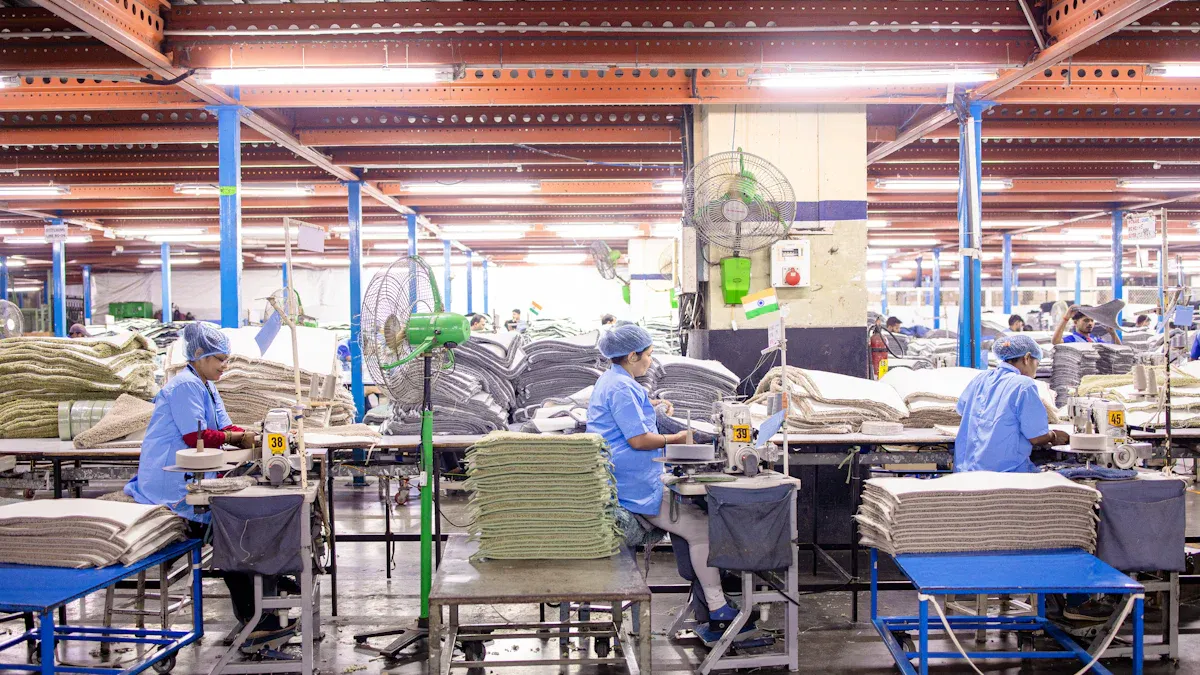
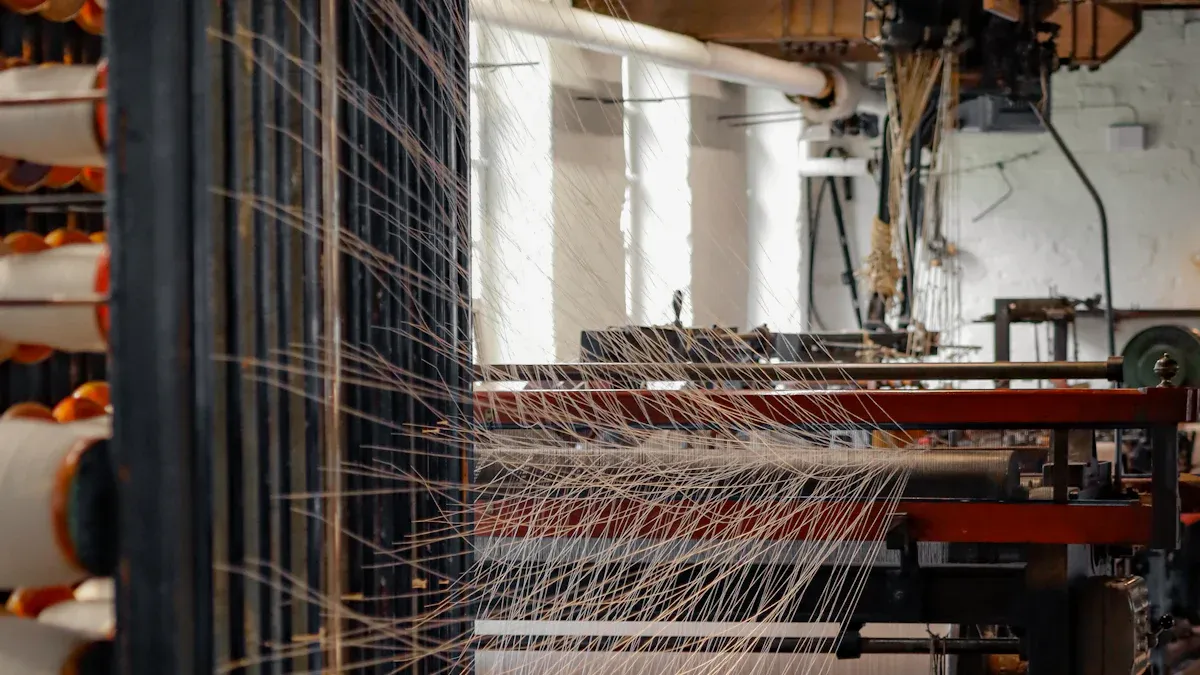
You help each knitwear piece go through many steps. The process starts with yarn and ends with a finished garment. You check every step to make sure the product is good. Here is a table that shows the main steps in making knitwear:
Step Number | Step Description | Details |
|---|---|---|
1 | Yarn import | Check yarn for quality before putting it away. |
2 | Winding | Wind yarn into small cones so tension stays the same. |
3 | Yarn cone distribution | Give cones to the knitting machines. |
4 | Knitting | Use machines to turn yarn into flat panels. |
5 | Panel inspection | Check tension and other things in the panels. |
6 | Linking | Connect panels by hand to make a full garment. |
7 | Linking inspection and trimming | Look for mistakes and cut off extra threads. |
8 | Light check inspection | Use light to find problems in the knitting. |
9 | Mending | Fix any problems found during checks. |
10 | Washing / Drying | Wash and dry garments to get the right feel. |
11 | Ironing and pressing | Iron and press to make the garment look nice. |
12 | Finishing and packing | Put on labels and pack garments for storage. |
13 | Final inspection | Do a last check to make sure garments are good. |
You follow these steps to make sure each item is strong, comfy, and looks nice.
Role in Each Stage
You have an important job at every step. You check yarn when it comes in for color and strength. You set up machines for winding and knitting. You watch the knitting to catch mistakes or loose stitches. You check panels and fix problems before linking.
When linking, you join panels to make the whole garment. You cut off extra threads and use lights to find defects. You fix any issues you see, so the knitwear stays nice. You wash and dry the garments to get the right shape. You iron and press each piece to make it look neat. You finish by putting on labels and packing the items. You do a last check before sending knitwear to stores.
Tip: Watch carefully at every step. Small mistakes can cause big problems later.
Ensuring Commercial Viability
You make sure each knitwear item is ready to sell. You think about things that help it do well in the market. Material costs can change, so you pick yarns that fit the budget. You check if the fabric is strong and lasts after washing. You look at what customers want and pick fibers and designs that match.
Using new technology helps you add special features, like stretch or breathability. You watch what people want and choose styles that are popular. Here is a table that shows the main things that help knitwear sell:
Factor | Description |
|---|---|
Material Costs | Expensive materials can make it hard to sell to everyone. |
Fabric Durability | The fabric must work well for things like sports. |
Market Fragmentation | Different fiber types and rules can change how well it sells. |
Technology Integration | New systems help make knitwear better and faster. |
Consumer Demand | People want new features, so you add them to knitwear. |
You balance cost, quality, and what people want. You use your skills to make knitwear that stands out and lasts a long time.
Tools & Technology in Knitwear
Knitting Machines
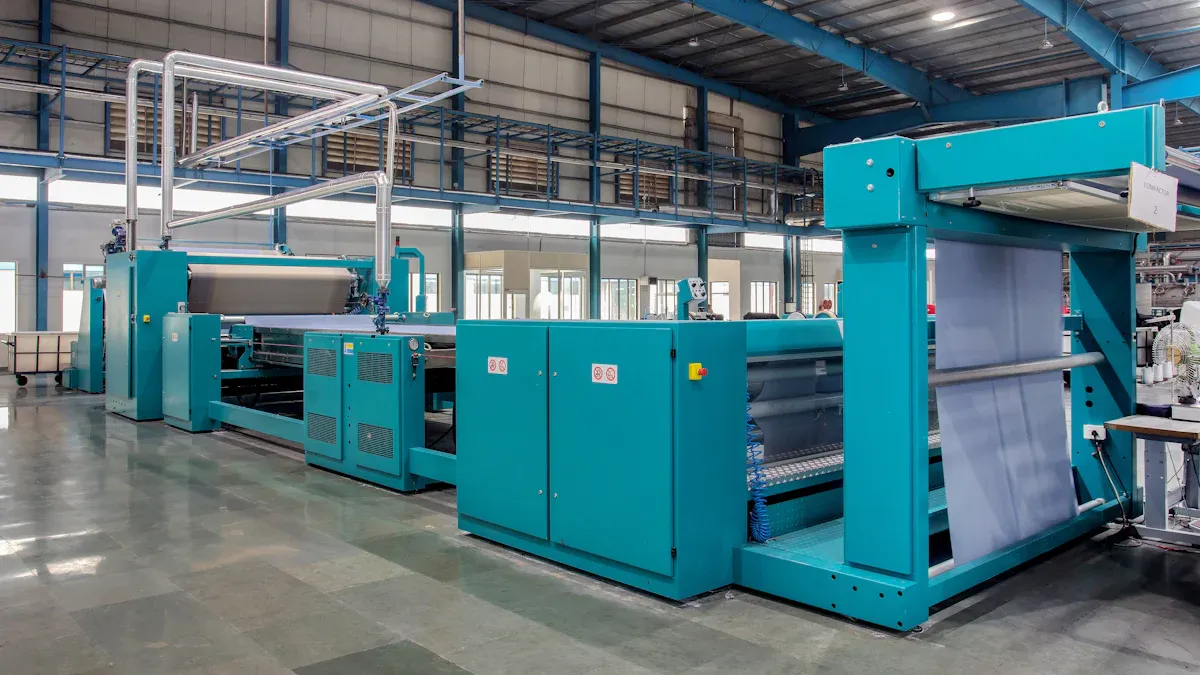
You use many knitting machines to make knitwear. Each machine works best for certain products. Some machines are better for sweaters. Others are good for socks or T-shirts. You pick the machine that fits your project. The table below shows the main machines you see in factories:
Type of Knitting Machine | Overview | Features | Applications |
|---|---|---|---|
Flat knitting machine | Makes flat pieces, good for sweaters and cardigans. | Has a horizontal needle bed, can do detailed designs, manual or computerized. | Fashion clothes, home textiles, industrial textiles. |
Circular knitting machine | Makes tube-shaped fabric, used for socks and T-shirts. | Runs in a loop, has many needles, can change fabric thickness. | Socks, T-shirts, underwear. |
Warp knitting machine | Links yarns up and down, strong and stretchy. | Yarns go vertical, works fast, makes complex shapes. | Lingerie, industrial textiles, medical textiles. |
Weft knitting machine | Links yarns side to side, makes many types of fabric. | Yarns move sideways, can make flat or tube fabric. | Sweaters, home items, fashion accessories. |
Computer knitting machine | Uses computers for advanced designs. | Digital controls, changes settings, saves design data. | Fancy fashion, custom textiles, technical uses. |
Computer knitting machines help you make cool patterns fast. They let you create new designs and save time.
Tip: Try different machines for each project. Computer machines help you change designs quickly.
Production Software
You use production software to help make knitwear. Software helps you plan and track your work. It lets you check supplies and schedule jobs. You can see how your team is doing. The table below shows what good software should have:
Feature | Description |
|---|---|
Flexible and Modular | You can change it to fit your factory. |
Real-time Analytics | Gives you quick data for smart choices. |
Optimized Resource Planning | Helps you use materials and machines well. |
Mobile-friendly | Works on phones and tablets, easy to use anywhere. |
Good software saves time and helps you work faster. You can control everything from planning to making products. Some systems have special tools for knitwear factories. These tools help you meet customer needs and keep costs low.
Saves time and helps you work faster.
Handles all steps from planning to making knitwear.
Has special tools for knitwear factories.
Gives strong tools for leading the industry.
Helps you meet customer needs quickly.
Manages the whole process with speed and accuracy.
Note: Pick software that fits your work style. Mobile options help you stay connected anywhere.
Staying Updated with Trends
You need to know new trends in knitwear and technology. The industry changes fast with new machines and eco-friendly ideas. You learn about smart textiles and recycled yarns. Digital knitting is also popular now. Many brands use plant dyes and want products that last longer.
Knitting is changing quickly with new tech and green ideas.
Knowing trends helps businesses and designers do well.
Important topics are smart textiles, green yarns, and digital knitting.
You see more knitwear made with recycled fibers. Companies want products that are good for the planet. You can join online groups and read fashion news. Trade shows help you learn new ideas.
Knitwear leads in green and new materials.
Brands try recycled fibers and plant dyes.
The industry wants products that can be fixed and reused.
Tip: Stay curious and keep learning. New tech and trends help you make better knitwear for the future.
Impact on Knitwear Quality
Product Consistency
You play a big part in making sure every piece of knitwear looks and feels the same. When you follow clear steps and use the right machines, you help each item match the designer’s vision. You check the yarn, watch the machines, and inspect the finished product. This careful work means customers get knitwear that fits well and lasts long.
A knitwear designer depends on you to keep quality high. If you spot a problem early, you can fix it before it reaches the store. You use checklists and quality tests to make sure nothing gets missed. When you keep things consistent, you build trust with customers and help the brand grow.
Market Competitiveness
You help your company stay ahead in the knitwear market. Many brands invest in research and development to create new products. When you work with a knitwear designer, you can try new yarns, patterns, and styles. This teamwork helps your company launch fresh products that stand out.
Here are some ways you boost market competitiveness:
Companies use new machines like automated knitting and 3D knitting. These tools make production faster and reduce waste.
You help lower costs by using technology, which means higher profits for the business.
Many brands now offer custom knitwear. When you work with a knitwear designer, you can help create pieces that match what customers want.
Personalized clothing is popular. When you help with customization, you make customers feel special and increase demand.
A knitwear designer often brings creative ideas. You turn those ideas into real products that people want to buy. When you use new tools and work closely with designers, you help your company stay strong in a busy market.
Team Collaboration
You do not work alone. You team up with knitwear designers, machine operators, and quality control staff. Good teamwork helps you solve problems quickly and keep production moving. When you share ideas, you find better ways to make knitwear.
A knitwear designer may have a new idea for a sweater. You talk with them to see if it can be made with the machines you have. You also listen to feedback from other team members. This open talk helps everyone do their best work.
Here is a simple table showing how teamwork helps:
Team Member | Role in Quality |
|---|---|
Knitwear designer | Shares creative ideas |
Production specialist | |
Machine operator | Runs machines for best results |
Quality control | Finds and fixes mistakes |
When you work well with your team, you make knitwear that looks good, feels good, and sells well.
As a knitwear production specialist, you help turn creative ideas into real products. You work with a knitwear designer and help make their ideas possible in the factory. Your job has many parts, like checking quality and teaching your team new things. You help your company do well by thinking about customers, making work faster, and trying new ideas. The table below shows what you do:
Description | |
|---|---|
Customer First Mindset | You make sure knitwear is good and arrives on time. |
Pursuit of Quality | You look at every detail and help your team do better. |
Innovation & Diversity | You add new styles and ideas to each project. |
Teamwork and Knowledge Sharing | You work with others and help everyone learn more. |
Efficiency and Cost Management | You help save time and money for your company. |
Your work helps make knitwear strong, cool, and ready to sell.
FAQ
What skills do you need to become a knitwear production specialist?
You need technical skills, attention to detail, and good communication. You should know how to use knitting machines and software. You also need to work well with designers and solve problems quickly.
How do you choose the right yarn for a project?
You look at the design, the end use, and the brand’s needs. You test yarns for softness, strength, and color. You balance cost and quality to pick the best option.
What is the biggest challenge in knitwear production?
You often face tight deadlines and changing designs. You must keep quality high while working fast. Machine issues or yarn shortages can also cause problems.
How do you make sure knitwear meets quality standards?
You check every step, from yarn to finished product. You use tests for color, strength, and fit. You follow industry standards and fix problems before shipping.
Can you use eco-friendly materials in knitwear?
Yes, you can choose recycled yarns or natural fibers. Many brands want sustainable options. You work with suppliers to find materials that are good for the planet.
What technology helps you in your job?
You use computer knitting machines, production software, and real-time tracking tools. These help you plan, monitor, and improve every part of production.
How do you work with designers?
You meet with designers to understand their ideas. You suggest changes to make designs easier to produce. You help turn creative sketches into real products.
What does a typical day look like for you?
You plan production, check machines, and solve problems. You talk with your team and report progress. You make sure every piece meets the right standards.