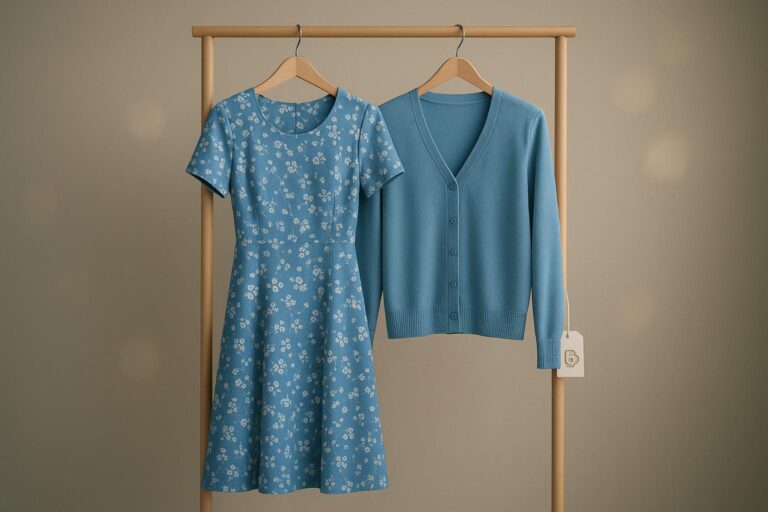

You can tell an eco-friendly knitwear manufacturer by what it uses. It utilizes sustainable fibers and adheres to ethical production practices. This manufacturer cares about the environment and creates products that are built to last. It is transparent about its operations. More people are now questioning whether eco-friendly clothing is genuinely sustainable. Many seek real proof before they trust a brand. They look for supply chain details and certifications. This shift occurs because:
People are increasingly skeptical of claims about sustainability.
The fashion industry faces challenges with trust regarding sustainability.
Governments are implementing stricter regulations to combat greenwashing.
Your smart choices support true sustainability.
Key Takeaways
Look for sustainable fibers like organic cotton and merino wool. These materials help the planet.
Pick brands that use ethical production. Workers should get fair pay and work in safe places.
Support makers who use new ways to help the environment. This means using clean energy and cutting down on waste.
Choose knitwear that lasts a long time. Strong clothes make less trash and save you money.
Find brands that are open about what they do. Good companies tell you about their supply chains and how they make things.
Check for certifications like GOTS and Fair Trade. These labels show that products are made safely and fairly.
Watch out for greenwashing. Look for proof and avoid brands that make unclear promises.
Talk to brands and ask questions. Honest companies will answer and share how they work.
What Makes an Eco-Friendly Knitwear Manufacturer
When you shop for eco-friendly clothes, you want to know what makes a brand truly sustainable. An eco-friendly knitwear manufacturer stands out by meeting some important rules. These rules help you see which brands are really sustainable and which are not.
Key Rules
Sustainable Fibers
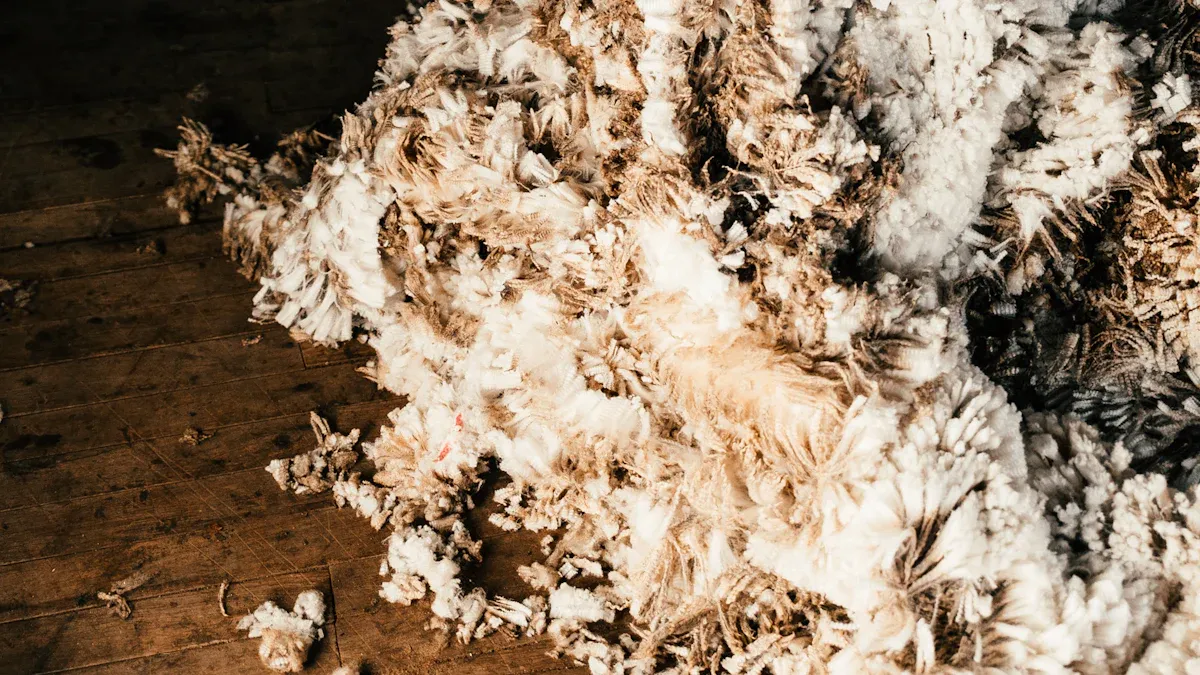
Check if the manufacturer uses sustainable fibers. These materials come from sources that do not hurt the planet. For example, merino wool is renewable because sheep grow new fleece every year. Organic cotton and other natural fibers also help the planet. When you pick knitwear made from these fibers, you help protect nature.
Ethical Production
A sustainable brand cares about people and the earth. You want to see fair pay and safe places for workers. Ethical production means everyone making your clothes is treated well. Many eco-friendly knitwear manufacturers focus on fair labor, which makes them different from regular brands.
Environmental Practices
Look for brands that use new ways to make clothes. These methods help cut down on waste and save energy. Eco-friendly knitwear manufacturers often use renewable energy and try to lower their impact on the earth. They also use less water and avoid bad chemicals. These steps help keep pollution low and save natural resources.
Tip: Brands that use renewable energy and recycle materials really care about the planet.
Product Longevity
Sustainable clothes should last a long time. You want knitwear that stays nice after many wears. Good materials and careful work help your clothes last longer. When you buy strong products, you make less waste and help the planet.
Transparency
Transparency is very important for eco-friendly knitwear manufacturers. You should find clear facts about where materials come from and how things are made. Brands that share details about their supply chains and how they work build trust with you. This honesty helps you make smart choices and avoid greenwashing.
Here is a quick look at how eco-friendly knitwear manufacturers are different from regular ones:
Criteria | Eco-Friendly Knitwear Manufacturer | Conventional Manufacturer |
|---|---|---|
Materials | Sustainable, renewable, and natural | Synthetic, non-renewable |
Labor Practices | Ethical, fair wages, safe conditions | Often exploitative |
Environmental Impact | Reduced through innovation and recycling | Higher pollution and waste |
Transparency | Open about sourcing and production | Limited information |
When you pick eco-friendly clothes, you support brands that care about people and the earth. These manufacturers use renewable resources, focus on sustainability, and make sure their products last. They also stay honest and open with you. By knowing these key rules, you can make better choices and help the planet.
Sustainable Fibers in Knitwear
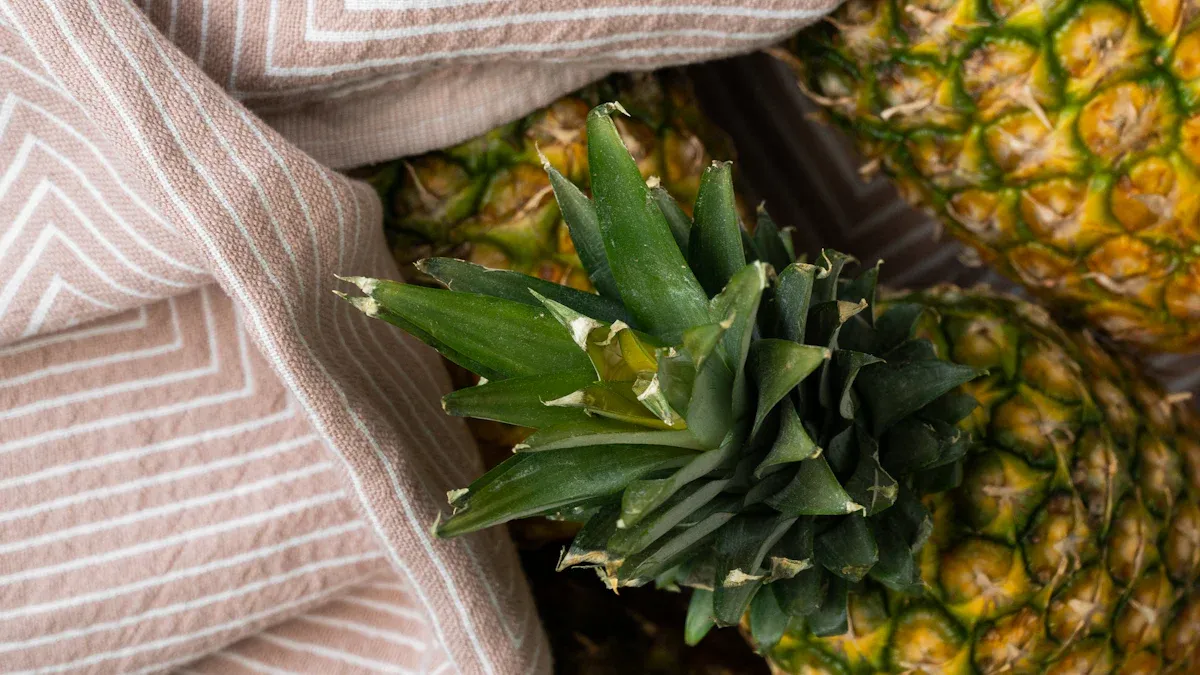
Picking the right fibers is important for eco-friendly clothes. You help the earth when you choose knitwear made from renewable materials. These fibers come from places that protect nature. They also support better ways to farm and make products.
Organic Wool & Cotton
Environmental Benefits
Organic wool and cotton are good for the environment. You help keep air and water clean when you pick these fibers. Organic cotton uses less water and fewer chemicals than regular cotton. Organic wool comes from sheep living on healthy land. You can see how these fibers help the planet:
Impact Category | Organic Cotton | Conventional Cotton |
|---|---|---|
Greenhouse Gas Emissions (GWP) | 19.48 kg CO2 eq | 20.11 kg CO2 eq |
Aquatic Eutrophication Potential | Lower | Higher |
Chemical Inputs | None | Present |
Choosing organic fibers helps lower pollution. You also help protect water sources. These choices make eco-friendly clothes better for you and the earth.
Certification Standards
You can trust sustainable fibers when they have certifications. These rules show the fibers are safe and made with care. Here are some important certifications:
Standard Name | Description |
|---|---|
Organic Content Standard (OCS) | Helps increase organic farming. |
Recycled Claim Standard (RCS) | Boosts the use of recycled materials. |
Global Recycled Standard (GRS) | Makes sure recycled products are made in a climate-friendly way. |
Responsible Wool Standard (RWS) | Improves sheep welfare and land health. |
Responsible Mohair Standard (RMS) | Cares for animals and the environment for mohair. |
Responsible Alpaca Standard (RAS) | Protects alpacas and their habitats. |
Responsible Down Standard (RDS) | Keeps ducks and geese safe when used for down. |
Content Claim Standard (CCS) | Checks that raw materials are in the final product. |
Tip: Look for GOTS and OEKO-TEX labels when you shop. These certifications help you find safe and eco-friendly clothes.
Recycled Materials
Recycled Polyester & Wool
Many knitwear makers use recycled materials to be more eco-friendly. You help the planet when you buy items made from recycled polyester or wool. These fibers come from things that would be thrown away. Some companies use eco-blend recycled materials. These blends can include silk, angora, recycled possum fiber, and wool.
Südwolle Group uses more recycled yarns like polyamide, wool, cotton, and polyester.
Eco-blend recycled materials use fibers that would be wasted during yarn making.
Reducing Textile Waste
You help cut down on textile waste when you buy recycled knitwear. These products use materials from old clothes and leftover fabric. You keep waste out of landfills and help make the planet cleaner. Recycled fibers also save energy and resources. This makes eco-friendly clothes more sustainable and renewable.
Biodegradable Yarns
Innovations in Eco-Friendly Textiles
New biodegradable yarns help make knitwear better for the earth. Merino wool can break down in soil in just nine months. Polyester does not break down at all in that time. You support new ideas when you pick knitwear made from natural fibers. Whole garment technology also helps by making less waste and better fitting clothes.
Whole garment technology helps cut waste.
Eco-blend recycled materials use fibers that would be thrown away.
Avoiding Harmful Synthetics
You help the planet when you avoid harmful synthetics. Biodegradable yarns do not leave microplastics behind. You keep soil and water clean by picking natural fibers. These choices make eco-friendly clothes safer for you and the earth.
Ethical Production Practices
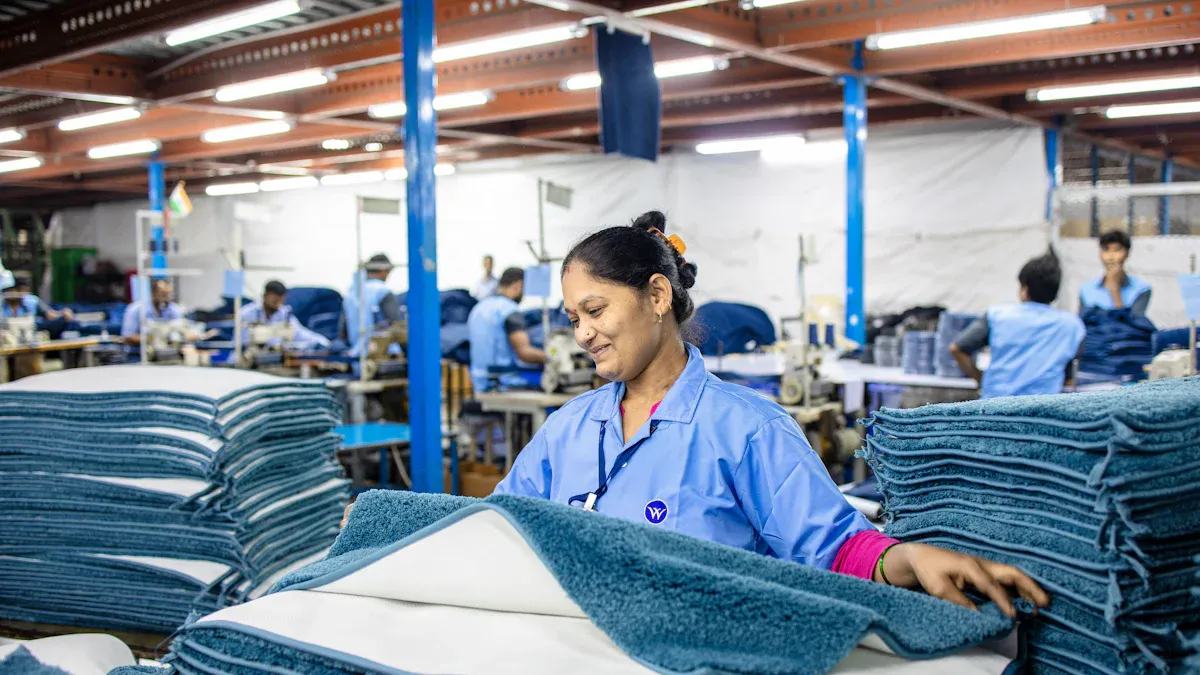
You help the planet when you pick brands that care about people. These brands use ethical production practices. They are different from fast fashion. They focus on fair pay, safe work, and local methods like hand-knitting. Each step helps make a better future for everyone.
Fair Wages
Fair wages matter a lot in knitwear. Workers feel safe and respected when they get fair pay. Studies show fair wages help workers in places like Bangladesh. Workers with fair pay have better lives and feel more secure. You give hope when you support brands that pay well. Workers with fair wages stay at their jobs longer. They also care more about their work.
Fair jobs make workers happier.
Workers get more freedom and safety with good pay.
Training and fair pay help workers feel stronger.
Worker Well-Being
You help workers feel better when you pick caring brands. Workers do better and feel happier when they are safe. Workplaces with fair pay and respect help people feel included. This helps the industry become more sustainable.
Safe Workplaces
Safe workplaces keep everyone healthy. Ethical knitwear makers follow strong safety rules.
Textile safety means following fire rules and using safe chemicals.
Buttons and zippers must pass safety checks.
Outside testing makes sure products are safe.
Factories use good layouts and safety gear, following OSHA rules.
Compliance Standards
You can trust brands that follow world safety rules. For example, rules like 16 CFR 1610 for clothes and 16 CFR 1615 & 1616 for kids’ sleepwear set clear standards. GOTS needs at least 70% organic content and strong labor rules. These steps make eco-friendly clothes safer for all.
Local & Hand-Knitting
Local and hand-knitting help people and the earth. These ways use renewable materials and make less pollution. When you buy small-batch, hand-knitted items, you help lower waste and support local people.
Small Batch Production
Small batch means making fewer things at once. This cuts down on waste and fits a low-carbon life. Small batches use organic cotton or wool that need fewer chemicals and keep soil healthy.
Impact on Carbon Footprint | |
|---|---|
Use of organic cotton and sustainably sourced wool | Needs fewer chemicals and keeps soil healthy. |
Embracing recycled fibers | Uses less new resources. |
Implementing circular economy principles | Products last longer and can be fixed or recycled. |
Small-batch production | Makes less waste and fits a low-carbon life. |
Reducing Waste
Hand-knitted clothes use renewable fibers and make less trash. You can wash these in cold water to save energy. Most clothing pollution comes from washing with hot water. Using gentle soap and air drying lowers the impact. By picking eco-friendly clothes made this way, you help the world stay clean.
Environmental Impact Reduction
You can help the earth by picking knitwear brands that care about the environment. These brands use clean energy, make less waste, and save water. Every step helps make eco-friendly clothes better for the planet.
Renewable Energy Use
A lot of knitwear brands now use clean energy in their factories. They use solar panels, wind power, and water power instead of oil or gas. This change is good for the earth.
Solar & Other Sources
When you buy from brands that use solar and wind, you help lower pollution. Reports say using clean energy can cut pollution by 30% to 50%. This happens because clean energy does not make as much carbon as oil or gas. These actions help the industry get closer to net-zero and fight climate change.
Tip: Pick brands that talk about their clean energy use. This shows they really care about the planet.
Waste Minimization
Waste is a big problem in fashion. Eco-friendly knitwear brands work to make less waste. They use smart ways to design and make clothes so less fabric is thrown away.
Zero-Waste Techniques
Some clothes are made with zero-waste methods. Designers use special patterns to stop fabric scraps. Some brands use only one fiber in a garment, so it is easier to recycle. These steps help keep trash out of nature.
Brands use recycled fabrics and materials that are sourced the right way.
Zero-waste cutting and smart making lower scraps.
Some brands only make what you order, so nothing is wasted.
Recycling Scraps
Eco-friendly brands do not throw away extra fabric. They collect scraps and make new things from them. Some brands let you send back old knitwear to recycle or reuse. This keeps materials in use longer and helps the planet.
Note: When you buy from brands that recycle scraps, you help keep trash out of landfills and support a circular system.
Water Management
Making knitwear can use a lot of water and hurt local water. Eco-friendly brands use better ways to save water and protect rivers.
Responsible Dyeing
Many dyes and chemicals can make water dirty. Good brands use safer dyes and fewer bad chemicals. This keeps water clean for people and animals. Not many brands know their full water impact, so your choices matter.
Water Recycling
Some places, like India, do not have much water. Growing cotton for knitwear uses a lot of water. Eco-friendly brands use organic farming and better ways to save water. They also recycle water in their factories. These steps help keep water safe and help the planet.
Callout: When you pick brands that save water, you help keep water clean and safe for everyone.
When you support knitwear brands that use clean energy, make less waste, and save water, you help the earth. Your choices help make eco-friendly clothes better for the future.
Product Longevity & Quality
You want your knitwear to last a long time. When you pick eco-friendly clothing, you get pieces that stay strong. These clothes look good for many years. Long-lasting and good quality clothes help you save money. They also help you make less waste.
Durable Construction
Knitwear from sustainable brands is made to be tough. The way these clothes are made helps them last longer. You can wear them every day without worry. These clothes do not pill, fade, or tear easily. Brands use strong natural fibers like organic cotton and hemp. These fibers help your clothes keep their shape and color after many washes.
High-Quality Natural Fibers
You feel the difference with high-quality natural fibers. These fibers are soft but also very strong. They do not shrink or stretch much. You can wash them many times and they still fit well. Here is how strong construction helps your clothes last:
Characteristic | Description |
|---|---|
High-Quality Fiber Selection | Using strong fibers like organic cotton and hemp makes clothes last longer. |
Reinforced Construction | Special ways of making clothes help them stand up to lots of use. |
Pilling Resistance | Treatments stop little balls from forming on the fabric. |
Colorfastness | The color stays bright even after many washes. |
Shrinkage Control | Special steps keep clothes from shrinking too much. |
Tear Resistance | The fabric does not rip easily, so it lasts longer. |
Laundering Durability | You can wash these clothes often and they still look good. |
You get more for your money when your knitwear lasts. The table below shows how sustainable knitwear is better than fast fashion:
Clothing Type | Initial Cost | Wears Before Replacement | Cost Per Wear | 5-Year Total Cost* |
|---|---|---|---|---|
Fast Fashion Button-Up | $30-80 | 10-15 wears | $3.00 | $600-1,600** |
Sustainable Button-Up | $120-150 | 100+ wears | $1.50 | $360-450*** |
Based on wearing the item twice a month
** Assumes 4-5 replacements needed
*** Assumes only 1 replacement needed
Timeless Design
You want clothes that always look good. Timeless design means your knitwear never goes out of style. Brands use simple shapes and colors that match everything. You can wear these pieces with anything you own.
Avoiding Fast Fashion
Fast fashion changes all the time. You end up buying more and throwing away clothes. Timeless design helps you stop this. Here is how it works:
Buying better clothes means you buy less and waste less.
Neutral colors let you wear your knitwear with many outfits.
Classic shapes look good every year.
One piece can be worn in many ways.
Eco-friendly materials help your clothes last and help the earth.
Tip: Picking timeless designs helps you waste less and save money.
Repair & Care Programs
You can keep your knitwear looking new with repair and care programs. Many brands show you how to fix small holes or loose threads. Some brands will fix your sweater for you, so you do not have to throw it away.
Educating Consumers
You learn how to take care of your clothes. Brands give tips for washing, storing, and fixing knitwear. You get to wear each item for a longer time. This saves you money and helps the planet.
Note: Taking care of your knitwear helps it last longer and keeps it out of the trash.
Transparency & Standards
You want to trust the brands you buy from. Eco-friendly knitwear manufacturers earn trust by being open. They show how they make products and where materials come from. You notice a difference when brands share facts and follow strong rules.
Traceable Supply Chains
You can track your sweater’s journey from farm to store. Brands that care about traceable supply chains give you clear information. You see where wool or cotton grows. You learn how workers handle it and how it turns into clothing. This openness helps you make smart choices.
Open Information
You find open information in different ways. Some brands use clear labels to show where materials come from. They tell stories about the people who make your clothes. You learn about the impact of each item. Brands also share details about their supply chains and labor rules. This helps you trust them and feel good about your purchase.
Strategy | Description |
|---|---|
Brands give details about supply chains, materials, and how things are made. | |
Storytelling | Brands share stories about where clothes come from and who makes them. |
Consumer Engagement | Brands tell you how long products last and how they help the planet. |
Ethical Supply Chains | Brands are open about where they get materials and how workers are treated. |
Convenience in Shopping | Brands make it easy to find and buy sustainable products in stores. |
Third-Party Certifications
You look for trusted labels when you shop for eco-friendly clothes. These certifications show that brands follow strict rules for safety and fairness. You see labels that mean products are safe for the earth, workers, and you.
GOTS, Fair Trade
You find some well-known certifications on sustainable knitwear. These include:
Bluesign: Shows products are safe for the earth, workers, and buyers.
Global Organic Textile Standard (GOTS): Means products have at least 70% organic materials.
Fairtrade International: Makes sure farmers get fair deals and helps the environment too.
You can trust these labels. They help you know your clothes are good for people and the planet.
Honest Communication
You want brands to tell the truth about what they do. Honest communication means you get real facts, not just ads. Brands share real stories and numbers about their work.
Avoiding Greenwashing
You avoid greenwashing by checking for clear facts and trusted labels. Honest brands do not hide problems or make things sound better than they are. You see real proof of their efforts. You read about what brands do to get better. You learn how your choices help people and the earth. This honesty helps you support brands that really care.
Tip: Always pick brands that share open facts and show trusted labels. This helps you make smart choices and support a better world.
How to Identify Sustainable Knitwear Brands
You want to help the planet by picking good brands. You can learn how to spot real eco-friendly clothes and avoid fake claims. Here are some easy steps you can follow.
Researching Practices
Start by checking what the company says about its work. Real eco-friendly knitwear makers show how they make their products. You should see where materials come from and how workers are treated. Many brands share reports about their supply chains. These reports show how they care for people and nature.
Checking Certifications
Look for trusted labels on the clothes. These labels prove the brand meets high standards. Some common ones are Fair Trade, B Corp, and GOTS. These certifications mean the brand uses safe materials and fair labor. You can trust brands with these labels more than those with only their own claims.
Tip: Always look for third-party labels before you buy eco-friendly clothes.
Asking Questions
You can learn a lot by asking brands questions. Do not be shy to contact them. Good brands will answer and give you clear facts.
Materials & Labor
Ask about the fabrics and materials used. Find out what fiber diameter the garment uses. Ask where the fiber comes from and what environmental rules are followed. You can also ask how the garment was made and where the work happened. Good brands will tell you what steps they take to make things better, even beyond basic labels.
What fabrics or materials are used?
Where does the fiber come from, and what rules are followed?
How was this garment made, and where?
What steps are taken to help the planet beyond basic labels?
Spotting Greenwashing
Some brands pretend to be eco-friendly but do not really help. You need to know how to spot these tricks. Look for clear facts, not just nice pictures or vague words.
Evidence-Based Claims
Check if the brand gives real proof. Honest brands share numbers, reports, and trusted labels. Watch out for brands that use nature pictures or words like “eco” without details. Here is a table to help you spot greenwashing:
Type of Greenwashing | Description |
|---|---|
Executional Greenwashing | Uses nature pictures or colors to seem green, but gives no real proof. |
Claim Greenwashing | Makes false or unclear claims, often with fake or self-made eco-labels. |
Importance of Transparency | Shares clear information so you can check if the brand is truly sustainable. |
Note: Brands that give open, clear information help you make better choices.
You can find real eco-friendly clothes by doing your homework. Ask questions, check for trusted labels, and look for honest answers. This helps you support brands that care about people and the earth.
You help the world when you pick eco-friendly knitwear brands. Choose brands that use recycled materials and natural fibers. Make sure they treat workers fairly. These choices support big global goals like SDG 12 and SDG 15.
WASTEWEAR uses only recycled waste to make products. This helps make production more responsible.
Sustineri learns about natural fibers and how they affect land.
What you do makes a difference. The table below shows how your choices help the earth:
Action | Impact |
|---|---|
Fix clothes instead of throwing them away | Makes less waste |
Give away or sell old clothes | Lets clothes be used longer |
Pick quality, not just lots of clothes | Stops fast fashion from growing |
Buy used clothes | Cuts down on making new ones |
Keep learning, ask questions, and pick brands that share real facts. You help make the future cleaner.
FAQ
What does “sustainable fibers” mean in knitwear?
Sustainable fibers come from places that protect nature. You see these in organic cotton, merino wool, and recycled stuff. These fibers use less water and fewer chemicals. They help you keep the planet clean.
How can you check if a brand is truly eco-friendly?
You look for labels from groups like GOTS or Fair Trade. You read reports about how things are made. You ask brands questions about their materials and workers. Honest brands give you clear facts and proof.
Why do certifications matter for eco-friendly knitwear?
Certifications show a brand follows strict safety and fairness rules. You trust labels like GOTS, OEKO-TEX, and Fair Trade. These labels help you avoid fake claims and make smart choices.
What is the difference between recycled and biodegradable yarns?
Recycled yarns use old things to make new clothes. Biodegradable yarns break down in soil or water. Both help the earth, but biodegradable yarns do not leave microplastics.
How does small batch production help the environment?
Small batch means making fewer things at a time. This helps cut down on waste and pollution. Brands use better materials and focus on quality. You help local makers and lower carbon footprints.
Can eco-friendly knitwear last as long as regular knitwear?
Eco-friendly knitwear can last even longer. You get strong fibers and careful work. You save money and make less waste by picking quality.
What are signs of greenwashing in knitwear brands?
You spot greenwashing when brands use words like “eco” with no proof. You see fake labels or nature pictures with no real facts. You trust brands that show real data and certifications.