
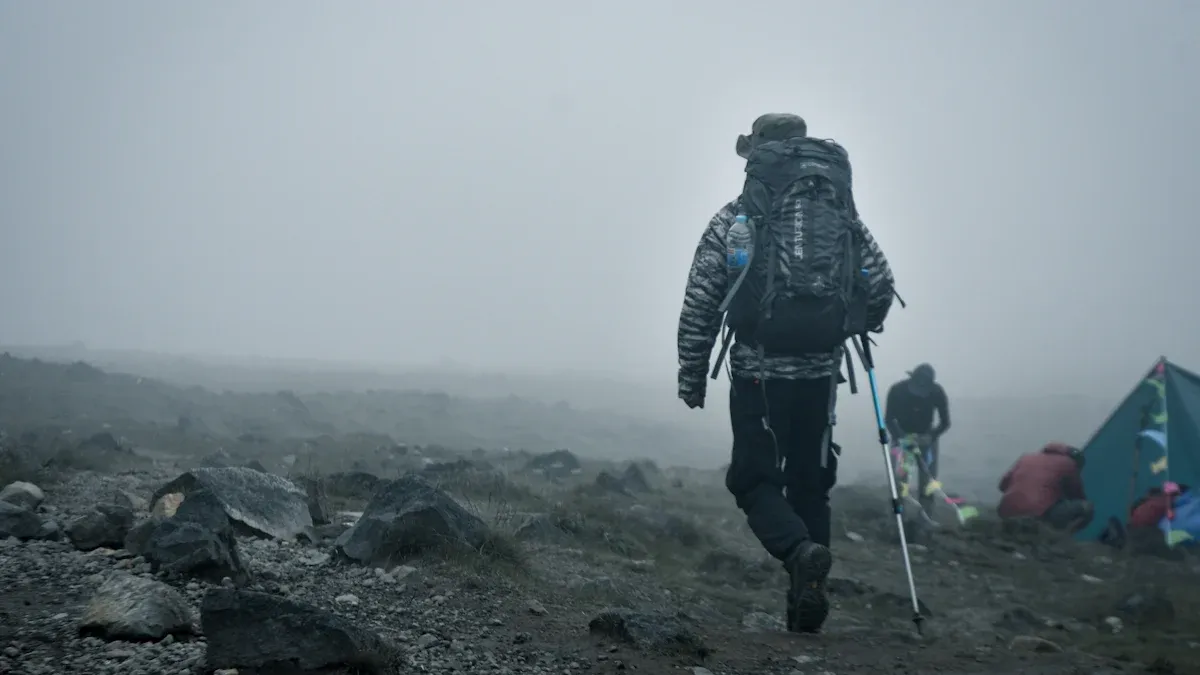
Cotton can ruin your hiking experience because it traps sweat and rain, dries slowly, and increases the risk of discomfort and safety hazards. When you choose cotton, you face real problems on the trail. You may wonder why is cotton bad for hiking. Here is what research shows:
Cotton holds moisture much longer than wool or synthetic fabrics.
Wool dries within an hour in good conditions, but cotton takes several hours.
Synthetics like nylon and polyester wick water away and keep you warm.
Key Takeaways
Cotton holds water and does not dry fast, so it feels bad and can be dangerous when hiking. – If you wear cotton, you can get hypothermia because wet cotton takes heat from your body fast. – Pick clothes made from moisture-wicking fabrics like wool or synthetics to keep dry and feel good on the trail. – Wear layers of clothes with moisture-wicking materials to help control sweat and body heat. – Do not wear cotton socks so you can stop blisters and feel better while hiking.
Why Is Cotton Bad for Hiking?
Moisture Retention and Slow Drying
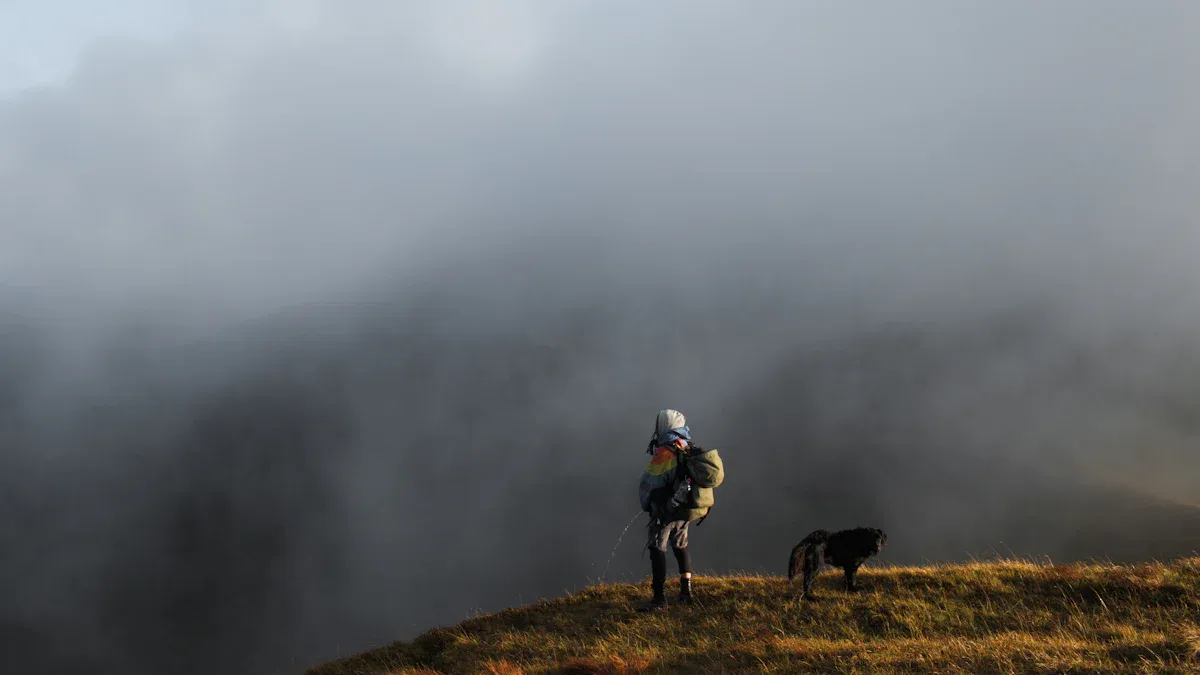
If you wear cotton when hiking, you will have a big problem. Cotton soaks up sweat, rain, and even water from the air. Your shirt or pants will get wet and stay wet for a long time. Synthetic fabrics do not hold water like cotton does. Wet cotton clothes feel heavy and are not comfortable. Cotton dries very slowly, which is not good for hiking.
Cotton traps water, so it takes much longer to dry than synthetic fibers. Hydrophilic fibers like cotton pull in sweat. Hydrophobic fibers push sweat away from your skin. This is why cotton is not good for hiking. Experts say cotton’s high water absorption makes it a bad choice for outdoor clothes. Cotton keeps water and dries slowly. This can make you cold and unsafe if you hike in wet weather.
Tip: If you get wet from rain or sweat, cotton will stay wet for hours. Synthetics and wool dry much faster. They help you stay safe and comfortable.
Lab tests show that cotton dries slower than synthetic fibers like polyester and polyamide. These synthetic materials are made to dry fast. The study also found that cotton holds water longer because of its special fibers. This is another reason why cotton is not good for hiking.
Here is a quick comparison:
Fabric Type | Drying Speed | Moisture Management | Comfort When Wet |
|---|---|---|---|
Cotton | Very Slow | Poor | Low |
Synthetic | Fast | Good | High |
Wool | Moderate | Good | Moderate |
Lack of Moisture-Wicking Properties
You need clothes that help you stay dry and keep your body at the right temperature. Cotton does not wick moisture away from your skin. Instead, it soaks up water and holds it close to you. This can make you feel bad and can even be dangerous if it is cold or windy.
Cotton soaks up water and keeps it, making you uncomfortable and raising your risk of hypothermia if it is cold, wet, or windy.
Wet cotton pulls heat away from your body faster than dry air. This makes you cool down quickly and can lead to hypothermia.
Cotton dries slowly, so it stays wet and cold. This can be dangerous when you hike.
Cotton’s structure lets it grab onto water, so it soaks up a lot. This means your clothes get wet and you lose heat fast, especially when it is cool outside. Hypothermia can happen even when it is 40 degrees Fahrenheit. Cotton can soak up about 25% of its weight in water. This is a big reason why cotton is not good for hiking.
Moisture-wicking fabrics pull sweat off your skin and help it dry fast. This helps your body stay cool when you are active. Cotton does not do this. It soaks up water and dries slowly, which can make you too hot. You need to know why cotton is not good for hiking so you can pick better clothes for your trip.
Note: If you pick moisture-wicking fabrics instead of cotton, you will stay dry, warm, and safe on your hike.
If you want to avoid problems from slow drying and poor moisture control, do not wear cotton. Cotton is not good for hiking because it soaks up water, keeps water, and does not wick moisture. You will be safer and feel better if you pick better fabrics for hiking.
Problems Caused by Cotton on the Trail
Chafing and Blisters
If you wear cotton while hiking, you might get chafing and blisters. Cotton soaks up sweat and keeps it close to your skin. This makes rubbing worse, especially where your clothes or backpack touch you. Wet cotton socks can give you blisters that hurt a lot. Synthetic fabrics and wool pull sweat away, so your skin stays drier and feels better.
Here is how cotton compares to other materials for blisters:
Material Type | Study Reference | |
|---|---|---|
Cotton | 23% | Knapik et al. |
Acrylic | 13% | Knapik et al. |
Acrylic-Polyester | 32% fewer compared to cotton | Marathon runners study |
You can see cotton gives you more blisters. This makes it risky for long hikes in the wild.
Hypothermia Risk and Poor Thermoregulation
Cotton can be dangerous because it does not keep you warm when wet. If you get rained on or sweat a lot, cotton clothes soak up water. Wet cotton pulls heat away from your body much faster than dry clothes. In cold weather, this can make you get hypothermia. Even when it is cool or windy, you can lose heat fast.
Cotton can soak up a lot of water, making it risky for hiking.
Wet cotton takes heat away from your body much faster than dry clothes.
Doctors say cotton clothes soak up water, get heavy, and do not keep you warm. This makes hypothermia more likely if you have an emergency.
Some hikers have had real problems because they wore cotton. One hiker died from hypothermia in the Adirondack High Peaks after falling into water with cotton clothes. Another man died in Alaska in September 2005 because he wore only cotton in cold, wet weather. These stories show why cotton can be deadly.
Added Weight and Discomfort
Cotton gets heavy when it is wet. You will feel weighed down if you sweat or get rained on. This extra weight makes hiking harder and less fun. Wet cotton also feels cold and sticky, which makes you less comfortable. Hikers who wear moisture-wicking shirts like Helios say they feel much better, even when the weather changes. Cotton soaks up water and makes you uncomfortable, but moisture-wicking fabrics keep you dry.
If you want to be safe and feel good, do not wear cotton. Cotton is risky for hiking because it can cause blisters, hypothermia, and discomfort. Pick better fabrics for your next hike.
Better Alternatives: Moisture-Wicking Fabrics
Why Synthetics and Wool Are Not Bad for Hiking
You should wear moisture-wicking fabrics when you hike. These fabrics help you stay dry and feel good. Cotton is not a good choice because it holds water and dries slowly. Synthetic and wool fabrics are much better for hiking. Wool handles sweat better than cotton. Polyester and nylon dry fast and keep their shape. Wool can keep you warm even if it gets wet. Synthetic fabrics are strong and dry quickly. Look at this table to see the differences:
Fabric Type | Characteristics |
|---|---|
Merino Wool | Soft, breathable, moisture-wicking, quick-dry, odor-resistant |
Bamboo | Breathable, odor-resistant, stretchable, retains shape |
Polyester | Durable, breathable, quick-dry, wrinkle-resistant, maintains shape |
Nylon | Effective moisture management, often used in outdoor gear |
Synthetic and wool fabrics do not lose warmth when wet. Cotton loses heat and can make you cold. Wool can take in water vapor but does not feel wet. Synthetic fabrics pull sweat away and dry fast. These are the best fabrics for hiking.
How to Choose Moisture-Wicking Fabrics
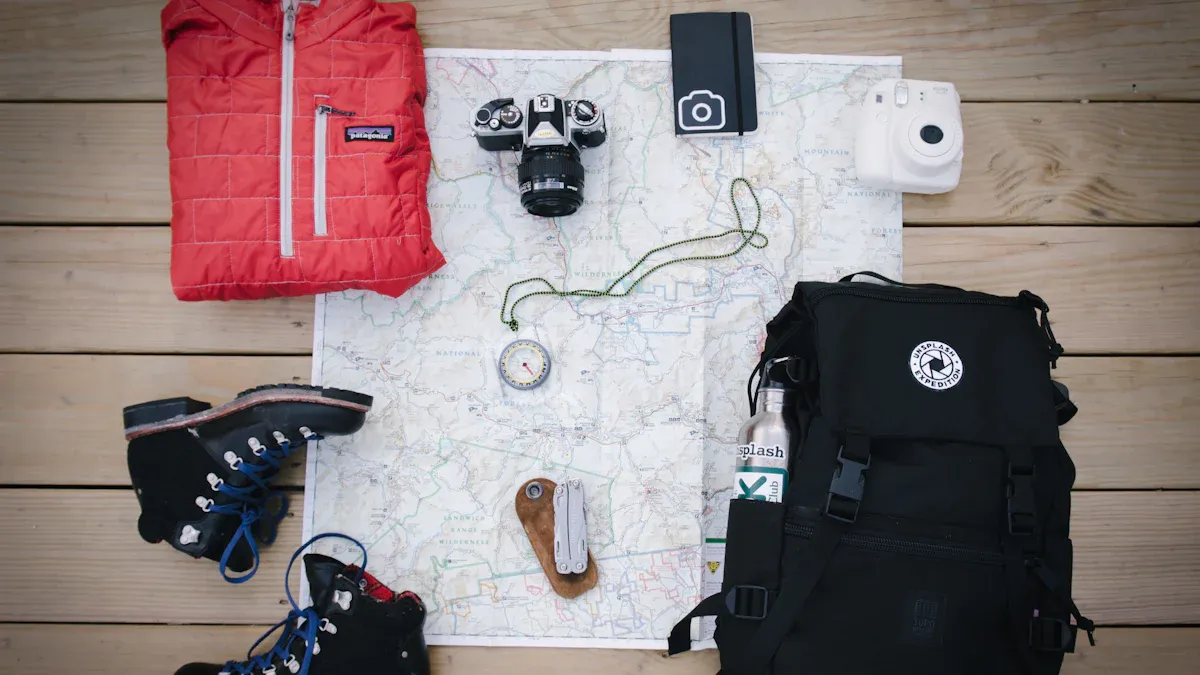
You should make a hiking kit with no cotton. Pick moisture-wicking fabrics that move sweat away from your skin. Merino wool, polyester, and nylon are the best choices instead of cotton. Bamboo is also a good pick. These fabrics help control sweat and keep you comfortable. Choose shirts, pants, and socks that dry fast. Merino wool socks are great for your feet. For underwear, pick ones that wick away sweat. You will feel better and stop chafing.
Tip: Always look at the label for moisture-wicking or quick-dry. Do not use cotton in your hiking clothes.
Here is a table to compare comfort and sweat control:
Fabric Type | Moisture Management | Comfort Level |
|---|---|---|
Moisture-Wicking | Pulls sweat away from skin, dries quickly | Keeps body temperature steady, prevents clamminess |
Cotton | Absorbs moisture, stays wet | Can lead to discomfort and coldness when wet |
Layering Tips for Hiking Comfort
Layering helps you feel good in any weather. Start with the best base layer for hiking. Use moisture-wicking fabrics for your first layer. Add a fleece or softshell for extra warmth. Put on a synthetic jacket or down puffy when you stop and get cold. Always have your cotton-free hiking kit ready. Here are some tips:
Start your hike a little cold with just your base layer.
Take off a layer if you start to sweat.
Put on layers at the top or when you rest.
Keep your emergency jacket where you can grab it fast.
Moisture-wicking layers keep you dry and help control your body heat. Shirts and pants that dry fast make hiking easier. Breathable fabrics help you stay cool. You will like hiking more with the right fabrics. Fabrics that are not cotton keep you safe and comfortable.
You can have real problems if you wear cotton when hiking. Cotton holds sweat and water. It dries very slowly. This can make your skin rub and hurt. You might feel cold and even get hypothermia.
If you wear cotton clothes while hiking in wet weather, you can get sick. Hypothermia is a big risk. Cotton soaks up water and does not keep you warm when wet. You lose body heat fast. If you cannot change into dry clothes, you will stay cold for a long time.
Experts and outdoor groups say you should do these things:
Wear moisture-wicking fabrics like merino wool, synthetics, or plant-based fibers.
Dress in layers to stay dry and keep your body at the right temperature.
Do not wear cotton so you can stay safe and comfortable.
Pick the best clothes for your next hike.
FAQ
What happens if you wear cotton while hiking?
You will feel wet and cold if you wear cotton. Cotton holds sweat and rain. Wet clothes can make you uncomfortable and even put you at risk for hypothermia.
Can you wear cotton socks on the trail?
You should avoid cotton socks. Cotton socks soak up sweat and stay wet. Wet socks can cause blisters and make your feet hurt during your hike.
What fabrics work best for hiking clothes?
You should pick merino wool, polyester, or nylon. These fabrics dry fast and pull sweat away from your skin. They help you stay dry and comfortable on your hike.
Is cotton ever okay for outdoor activities?
Cotton works for short walks in dry, warm weather. For longer trips or changing weather, you should choose moisture-wicking fabrics. These keep you safer and more comfortable.
How do you layer clothes for hiking?
Start with a moisture-wicking base layer. Add a warm middle layer, like fleece. Use a waterproof jacket on top if it rains. This system keeps you dry and warm.