• Home /
  • Blogs /
  • How to Choose the Right Custom Knitwear Supplier for Your Brand

How to Choose the Right Custom Knitwear Supplier for Your Brand

Products Category

Table of Contents

How to Choose the Right Custom Knitwear Supplier for Your Brand
Image Source: unsplash

You want your brand to stand out, so picking the right custom knitwear supplier for brands is a big decision. The supplier you choose affects the quality of your products, how people view your brand, and whether your customers come back. Your products need to match your vision. Every brand has its own style and goals. Think about what matters most to you when you start the search.

Key Takeaways

  • Figure out who will buy your knitwear. Make your designs match what they like.

  • List what you need for your custom knitwear. Include gauge, yarn type, and any special things.

  • Learn about minimum order quantities. Pick suppliers that work with your amount.

  • Pick suppliers who have good quality rules and certifications. This helps keep products safe and fair.

  • Look at how well suppliers make things and what choices they offer. This helps you make special products.

  • Talk clearly with suppliers. This helps you work together and fix problems fast.

  • Ask for samples first. Check the quality and fit before you order a lot.

  • Build good relationships with suppliers. This can help you get better prices, more choices, and new ideas.

Define Your Knitwear Needs

Market Segment & Brand Positioning

You want your brand to connect with the right audience. Start by thinking about who will wear your custom knit sweaters. Are you aiming for teenagers who love trendy styles, or women aged 20–40 who care about quality and share their finds on social media? Your market segment shapes everything, from design to marketing. Take a look at the table below to see how different groups have unique needs:

Target Segment

Characteristics

Teenagers

Need a steady supply of clothes as they grow; love following trends and fashion.

Women aged 20–40

Expect high standards; often promote products online and through word of mouth.

When you know your market, you can position your brand to stand out. If you want to be seen as a trendsetter, focus on bold designs and fresh colors. If you want to be known for quality, choose classic styles and premium materials. Your brand positioning helps you decide which custom supplier fits your vision.

Custom Knit Sweaters Specifications

Now, let’s talk about the details that make your custom knit sweaters unique. You need to decide on the specs before you reach out to suppliers. Here are some important points to consider:

  • Knitting Gauge: This tells you how dense the fabric is. A tighter gauge means a warmer, heavier sweater. A looser gauge gives you a lighter, drapier feel.

  • Yarn Composition: Pick from natural fibers like cotton or wool. These affect softness, durability, and how your sweaters feel against the skin.

  • Weight: Measured in GSM (grams per square meter). This number helps you choose between thick, cozy sweaters or lighter, breathable ones.

Think about color, size range, and special features, too. Do you want embroidery, custom labels, or unique patterns? Write down your must-haves so you can share them with your supplier. The more details you provide, the easier it is to get the custom results you want.

Order Volume & Minimums

Before you place an order, you need to know how many pieces you want. Some custom knitwear suppliers offer on-demand production, so you don’t have to worry about minimums. Others set a minimum order quantity (MOQ), which can be around 50 pieces per style or design. Here are some things to keep in mind:

  • MOQs vary by manufacturer.

  • Some suppliers have no MOQ and let you order as needed.

  • Many set the average MOQ at 50 pieces per style.

If you’re just starting out, look for suppliers who support small batches. This helps you test new designs without a big commitment. If your brand is growing, you might need a supplier who can handle larger orders. Always check the MOQ before you choose a custom partner. This way, you can match your needs with what the supplier offers.

Quality Standards & Certifications

If you want your knitwear brand to stand out, you should care about quality standards and certifications. These are more than just labels. They show your customers that you care about safety, fairness, and the planet. Picking a supplier with good certifications helps people trust your brand.

You might ask, “What do these certifications mean?” Certifications prove your sweaters follow strict rules for safety and quality. Some keep harmful chemicals out of your clothes. Others make sure workers are treated well. Some check if your yarn is recycled or organic.

Here are some well-known certifications in custom knitwear:

  • OEKO-TEX® Standard 100: This checks that your textiles do not have harmful substances. If you see this label, your sweaters are safe to wear.

  • GOTS (Global Organic Textile Standard): GOTS looks at organic textiles and eco-friendly practices. It means your knitwear uses organic fibers and follows green rules.

  • WRAP (Worldwide Responsible Accredited Production): WRAP makes sure factories treat workers fairly and use ethical methods.

  • Amfori BSCI: This certification helps suppliers follow good working conditions and fair labor rules.

  • GRS (Global Recycled Standard): GRS certifies your products use recycled content. If you want eco-friendly sweaters, look for this label.

  • SMETA (Sedex Members Ethical Trade Audit): SMETA checks ethical trade practices. It shows your supplier cares about responsible sourcing.

  • Sedex Membership: Sedex helps make supply chains clear. It shows your supplier is open about how and where they make products.

Tip: Ask your supplier for copies of their certifications. Do not just trust what they say. Real certificates prove they meet these standards.

When you talk to suppliers, ask about their quality control. Do they check every batch for problems? Do they test for color and strength? Good suppliers have a clear system to keep quality high.

If your brand cares about being green or fair, these certifications matter even more. They help you share a story your customers like. You can show these labels on your website or product tags. People like knowing their clothes are safe, eco-friendly, and made by workers who are treated well.

Picking a supplier with strong quality standards and certifications helps you feel sure about your products. You know your knitwear meets global rules. Your customers feel good buying from you. These details help your brand grow and keep loyal fans.

Key Criteria for a Custom Knitwear Supplier for Brands

Product Quality & Craftsmanship

You want your brand to look great. You need a supplier who cares about details. Good custom knit sweaters use the best materials. If your supplier uses lots of natural fibers like wool, your sweaters will feel soft. They will last longer, too. Synthetic materials can make sweaters cheaper. But they might not be as comfy or strong.

Craftsmanship is how well sweaters are made. Look for ribbing, button bands, and collars. These show the supplier works with care. If the fabric is thick and flat, it will last a long time. Thin fabric can look nice at first. But it wears out fast and loses shape. You want sweaters that look good after many washes.

Tip: Ask your supplier for samples. Check the seams and stretch. Look at the finish. If you see loose threads or bad stitches, find another supplier.

Customization Options

Your brand should be unique. Pick a supplier who offers many ways to customize. The best suppliers help you make products that match your ideas. You can choose the type of sweater. Pick yarns for softness or breathability. Select colors that fit your brand.

Here’s how top suppliers help you:

Step

Description

Defining the vision

Set your goal for your knitwear.

Selecting product types

Choose which items you want to customize.

Choosing yarns

Pick materials for the feel and look.

Exploring colors

Select shades your customers like.

Adding logos

Use embroidery or labels to show your brand.

Sampling is important. You should see and touch products before you order a lot. Good suppliers let you make changes. They listen to your needs. This helps you get products that fit your brand.

Note: Customization lets you add special touches. You can use patterns or labels. These details help your products stand out. They help customers remember your brand.

Production Capacity & In-House Yarn Stock

Think about how much your supplier can make. Can they handle your order size? If you want to start small, find a supplier with low minimums. If your brand grows, you need someone who can make more and deliver on time.

Production capacity helps you save money. If your supplier can make lots of products fast, you avoid delays. Ask about their machines and team size. Some suppliers keep yarn in stock. This means they can start your order right away. It helps with fast orders and more choices.

You want a supplier who can change with your needs. If you try a new design, you may want a small batch first. Later, you might need thousands of pieces. Good production capacity gives you options.

Tip: Suppliers with yarn in stock offer more choices. You get the colors and materials you want faster.

Sustainability is important, too. If your supplier uses eco-friendly yarns and saves energy, it helps the planet. Customers like green products. Ask your supplier about their green practices.

Cost, sustainability, and production capacity all matter. When you find a supplier who balances these, you get products that fit your brand and budget.

Sustainability & Innovation

You want your brand to help people and the earth. Today, many customers care about how clothes are made. They want brands that use green materials and treat workers well. When you choose a knitwear supplier, check how they handle being green and trying new things.

Many top suppliers have special certifications. These show they follow strict rules for the planet and workers. Here are some trusted certifications:

Certification Name

Purpose

Required Certification Level

Cradle to Cradle Certified

Uses better materials and greener products

Must meet rules for their level and all lower levels

Green Button

Makes sure textiles are made in a green and fair way

Companies must follow strict rules for the whole supply chain

EU Ecolabel

Shows textiles meet tough green rules

Makers must follow hard rules for green materials, making, and less waste

B Corporation

For companies that care about people and the planet

Must get at least 80 points on the B Impact Assessment

Fair Wear Foundation

Stands up for workers’ rights in clothing factories

Works with brands to make work better; no normal certificates

Higg Index

Checks and helps improve green and fair actions in supply chain

Gives tools to check how green and fair a company is

Bluesign

Makes sure chemicals are safe and used right

Focuses on safety and using resources the right way

STeP by OEKO-TEX

Helps make textile and leather factories greener

Checks the whole process, including chemicals and people

ZDHC

Works to stop bad chemicals in supply chains

Gives tools and rules for safer chemical use

OEKO-TEX Eco Passport

Says chemicals used in textiles are safe and not harmful

Chemicals must pass tough tests to be safe and green

You should also see how suppliers help people and the earth. Here are three big ideas to remember:

  • Social sustainability means workers get fair pay, safe jobs, and respect.

  • Environmental sustainability means using green materials, saving water and energy, and cutting waste.

  • Economic sustainability means workers and farmers earn enough to live well and keep working.

Ask your supplier what they do for the planet and people. Do they use recycled yarn? Do they save water or energy? Do they try new ways to make sweaters last longer? Suppliers who care about these things help your brand stand out. You can share these stories with your customers and build trust.

Pricing & Transparency

You want to know what you are paying for. Clear prices help you plan and avoid surprises. The best suppliers show you every cost, from yarn to shipping. They do not hide fees or add extra charges at the last minute.

Here’s what you should do when checking prices:

  • Ask for detailed quotes from several suppliers.

  • Make sure the quote lists costs for materials, labor, and shipping.

  • Watch out for hidden fees or unclear pricing.

A good supplier will break down the price for you. Here are some common costs you might see:

  • Sustainable yarn

  • Developer and designer time

  • Machine operator time

  • Knitting and finishing

  • Labels and packaging

  • Shipping and logistics

  • Sampling and marketing

As an ethical brand, you want to know what goes into your garment. This helps you see its value. Hidden prices can mean unfair markups and low pay for workers. You want to avoid this old way of doing business.

Clear prices build trust and help new brands plan. Hidden costs and surprise charges can hurt a small business.

When you see a clear price, you can trust your supplier. You can also explain the value to your customers. This helps your brand look honest and fair.

Communication & Responsiveness

Good communication makes things easier. You want a supplier who answers your questions fast and helps you solve problems. If you need to change an order or fix a mistake, quick replies save time and money.

Here’s a table to help you see what to look for:

Criteria

Description

Communication

How quickly and clearly does the supplier answer your questions?

Customer service

Is the team helpful and do they know their stuff?

Agility

Can the supplier handle changes or new needs fast?

Review team formation

Do you have a team to check and compare suppliers?

Data gathering

Does the supplier share reports or feedback?

Score normalization

Do you use fair ways to compare suppliers?

Feedback provision

Can you talk about what works and what needs to get better?

Action tracking

Does the supplier fix problems and keep you updated?

Fact-focused reviews

Do you use real data, not just opinions, to judge the supplier?

Two-way communication

Does the supplier listen to your ideas and share their own?

You can test a supplier’s communication before you order. Send them a few questions and see how fast they reply. Notice if they give clear answers. A good supplier will make you feel heard and valued. This helps you build a strong partnership for the future.

Research & Shortlist Suppliers

Research & Shortlist Suppliers
Image Source: unsplash

Find & Verify Suppliers

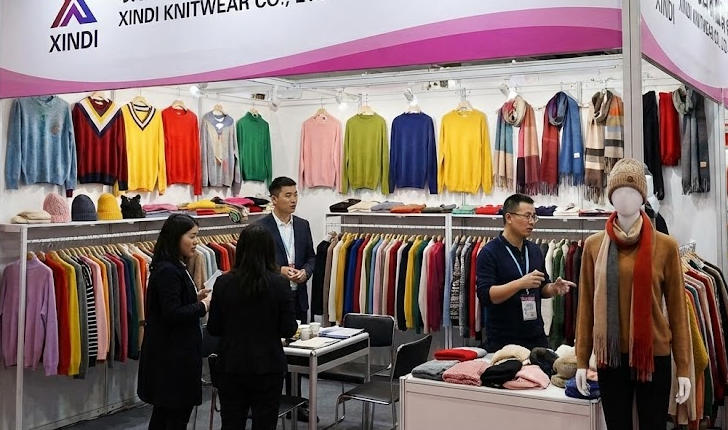
You want to find suppliers who match your brand’s needs. Start by searching online, checking trade shows, and asking for recommendations from other brands. When you find a few options, you need to make sure they are trustworthy. Here’s a simple table to help you see the best ways to check if a supplier is reliable:

Method

Description

Assess Quality

Look at past work, ask for samples, check certifications, and read client reviews. Factory audits help you see how they work.

Verify Track Record

Ask for references, look at product samples, and check compliance certificates. Visiting the factory gives you more details.

Ask Key Questions

Find out about production capacity, lead times, quality checks, and compliance standards.

You can use these steps to narrow down your list. If a supplier cannot answer your questions or show proof of their work, you might want to look elsewhere.

Assess Reputation & Past Work

You want to know if a supplier has a good reputation. Here are some easy ways to check:

  • Look at business licenses and production certificates.

  • Visit the factory and check the knitting machines. Well-kept machines mean better sweaters.

  • Check the sample room. Organized rooms and high-quality samples show good craftsmanship.

  • Ask if they have experience exporting to Europe or America.

  • Request documents that prove they follow safety and quality rules.

  • Ask how long it takes to make samples. Fast timelines (5–7 business days) show they work efficiently.

  • Talk about minimum order quantities. Make sure they fit your brand.

  • Get a detailed price breakdown. This helps you avoid surprise costs.

  • If you can, visit the factory. Watch how they work and see how they treat their team.

  • Meet the staff. Good communication makes everything easier.

Tip: Suppliers who share clear information and welcome your questions usually care about building trust.

Small-Batch & Location Considerations

If you want to start with small batches, you need a supplier who can handle low minimums. Location matters, too. Suppliers close to you can ship faster and help you save on costs. Here’s a table to help you think about what matters most:

Factor

Description

Effective Communication

You need clear talks with your supplier. This helps avoid mistakes and gets your designs right.

Quality Control

Regular checks catch problems early. This keeps your sweaters looking great.

Sustainability Practices

Using eco-friendly yarns and fair labor makes your brand stronger and more respected.

Cost Factors

Know the costs for design, fabric, labor, and shipping. This helps you plan your budget.

You want a supplier who listens, shares updates, and works with you to solve problems. If you care about the planet, ask about their green practices. Small-batch suppliers help you test new ideas without spending too much. Location can affect shipping speed and costs, so think about what works best for your brand.

Note: The right supplier makes your job easier. They help you grow your brand and keep your customers happy.

Order Samples and Evaluate Quality

Order Samples and Evaluate Quality
Image Source: pexels

Request and Review Samples

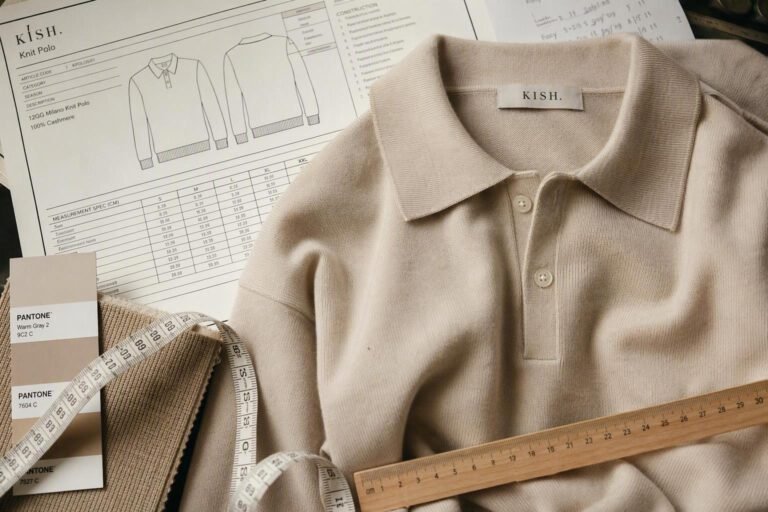
You want to see what your supplier can really do before you commit. The best way is to order samples. This step lets you check the quality of your custom knit sweaters up close. Here’s how you can make the most of this process:

  1. Talk with your supplier about the cost of making and shipping the sample. Some suppliers charge a fee, so ask first.

  2. Set a timeline for when you want the sample to arrive. Clear deadlines help you plan your launch.

  3. When your sample arrives, look at the fabric, color, and details. Does it match your design?

  4. Test the sweater. Try it on, stretch it, and see how it feels.

  5. Check the packaging. Good suppliers care about how they present their products.

  6. Give feedback to your supplier. Tell them what you like and what needs to change.

Tip: Always review the sample for mistakes, fit, and fabric quality. Early checks help you catch problems before you order a big batch.

Compare Custom Knit Sweaters

Don’t just look at one sample. You should order samples from a few suppliers. This helps you see who offers the best quality and service. Comparing different custom knit sweaters side by side makes your decision easier.

  • Lay out all the samples together.

  • Look for differences in color, softness, and stitching.

  • Notice which supplier follows your design best.

  • Check if the labels and tags look professional.

Here’s a quick table to help you keep track:

Supplier

Fabric Quality

Fit

Stitching

Packaging

Notes

Supplier A

Good

True to size

Neat

Nice box

Soft yarn

Supplier B

Fair

Runs small

Loose threads

Simple bag

Color off

Supplier C

Excellent

Perfect

Tight and even

Great

Best match

Note: Comparing samples helps you spot the best value and avoid surprises later.

Assess Fit, Finish, and Consistency

You want every sweater to look and feel the same. When you check your samples, focus on these points:

  • Inspect the stitching. Look for loose threads, neat hems, and even seams.

  • Try the sweater on or measure it. Make sure the fit matches your size chart.

  • Check for durability. High-stress areas should have strong stitching, usually 8–12 stitches per inch.

  • Feel the fabric. It should be soft, not scratchy or thin.

  • Look at the finish. The color should be even, and the sweater should hold its shape.

Good suppliers do quality checks before and during production. They fix problems early, so you get the best results.

When you order samples and compare custom knit sweaters, you make sure your brand stands out. Careful checks now save you time and money later. You want your customers to love what they wear, and this step helps you deliver on that promise.

Evaluate Service & Communication

Responsiveness & Clarity

You need a supplier who replies fast and explains things simply. Good communication helps you avoid mistakes. It keeps your project moving forward. When you talk to suppliers, watch how they answer. Do they reply quickly? Do they give clear answers? If you feel lost after talking, that’s a warning sign.

Here are some ways to check if a supplier is responsive and clear:

  • Ask about their experience and what they do best in knitwear. This shows if they know their job.

  • Request samples to check the quality and if they follow your designs.

  • Notice how they talk during design and making. Clear updates mean fewer problems.

  • Look for suppliers who offer choices and listen to your ideas.

  • Take a tour of their factory or ask for a video walkthrough. You can see how they work and treat their team.

  • Check references and read stories from other brands. These help you find good partners.

  • Use digital tools like Adobe Sketch or Asana to share designs and feedback. These tools make teamwork easier.

  • Set up regular meetings and feedback times. This keeps everyone working together.

  • Ask for help with onboarding if you are new to suppliers. Good suppliers guide you step by step.

Tip: If a supplier takes too long to reply or gives unclear answers, you may have bigger problems later.

Problem-Solving & Flexibility

You need a supplier who can handle problems and change plans. Sometimes things change, like order size or design details. The best suppliers stay calm and fix things quickly. They do more than just follow orders. They help you solve problems.

Here’s a table showing what to look for:

Qualities to Look For

Industry experience and product specialization

Clear communication and transparency

Certifications for quality and sustainability

Flexibility in MOQs and pricing

If your supplier can change minimums or adjust prices for small orders, that’s a good sign. You want someone who listens and works with you. When problems come up, a good supplier will suggest fixes and keep you updated.

Note: Problem-solving and flexibility help you launch new designs and grow your brand without stress.

Support During Development

You need help at every step, from planning to making sweaters. Top suppliers help with materials, patterns, samples, and more. They guide you through each stage and make sure your sweaters turn out right.

Here’s what top suppliers usually offer:

Type of Support

Description

Project Planning

Help with picking materials and checking fit for your designs.

Sourcing Materials

Work with local partners to find the best yarns within your budget.

Pattern Making

Experts create blueprints so your sweaters fit well and look great.

Sample Making

Skilled makers produce samples for you to test before mass production.

Revisions

Fitting sessions and quick changes, usually done in one or two rounds.

Productions

Start pre-production and first runs after you approve the samples.

You want a supplier who helps you, answers questions, and solves problems. Working together makes your brand stronger and your products better.

Callout: Great service and communication turn a supplier into a true partner. You get peace of mind and more time to focus on your brand.

Compare Quotes & Negotiate

Pricing Breakdown

When you get quotes from custom knitwear suppliers, you want to see exactly what you’re paying for. A clear pricing breakdown helps you spot good deals and avoid surprises. Ask each supplier for a detailed table that shows every cost. Here’s what you should look for:

Cost Component

Description

Product Cost (COGS)

Direct manufacturing cost

Shipping Cost (allocated)

Total shipping divided by quantity

Marketing Cost (allocated)

Customer acquisition cost per unit

Payment Fees (allocated)

Processing fees distributed across items

Total Cost per Item

Sum of all allocated costs

You can use this table to compare suppliers side by side. If one supplier charges more for shipping or payment fees, you’ll see it right away. This makes it easier to choose the best option for your brand.

Tip: Always ask for a full breakdown before you place an order. This helps you plan your budget and keeps things simple.

Minimums, Payment, Delivery

Every supplier has different rules for minimums, payment, and delivery. You need to know these details before you make your order. Here are some common things you’ll see:

You should ask each supplier about their minimums and payment terms. If you want to start with a small order, look for suppliers who support low minimums. Fast delivery helps you launch new products quickly.

Note: Always confirm the lead time and payment rules before you place your order. This keeps your business running smoothly.

Hidden Costs

Hidden costs can sneak up on you and hurt your budget. You want to spot these before you place your order. Here are some common hidden costs you might face:

Hidden Cost Type

Description

Estimated Cost Impact

Fabric Waste

Usually 10-15% of material costs, which means you pay more for extra fabric.

10-15% of total fabric cost

Quality Control Failures

If there are defects, you pay for rework or replacements.

Variable, can be significant

Sample Fees

Proto samples and fit samples can add up fast.

$3,000-5,000 before production

Logistical Challenges

Import duties and shipping problems can raise costs.

Up to 28% import duties

You should ask your supplier about these costs before you place your order. If you know about fabric waste or sample fees, you can plan better. Import duties and shipping issues can change your final price, so always check.

Callout: Watch out for hidden costs. Ask questions and read the fine print before you make your order. This helps you avoid surprises and keeps your brand strong.

Choose the Right Knitwear Manufacturer & Build Partnership

Weigh Pros & Cons

You have a shortlist of suppliers. Now, you need to compare them side by side. This step helps you choose the right knitwear manufacturer for your brand. Each custom knitwear supplier for brands will have strengths and weaknesses. Use a simple table to keep things clear:

Criteria

Description

Product Customization

Can the supplier make custom designs that fit your brand’s style?

Quality Control Measures

Do they have strong checks to keep your products consistent and high-quality?

Minimum Order Quantities (MOQ)

Are they flexible with order sizes, so you can grow at your own pace?

Communication and Transparency

Do they answer your questions quickly and share information openly?

Pricing Structures

Is the price breakdown clear, with no hidden costs?

Supply Chain Security

Can they deliver your products on time, even if there are problems in the supply chain?

Experience and Reputation

Do they have a good track record and positive reviews from other brands?

Ethical Practices

Do they follow fair labor rules and care about the environment?

Take your time with this table. Write down what matters most to your brand. Maybe you care most about custom options or fast communication. Maybe you want a supplier with strong ethical practices. This step helps you see which custom knitwear supplier for brands matches your needs best.

Tip: Trust your gut, but also look at the facts. A supplier who checks all your boxes will make your design process smoother and your products better.

Trial Orders

Before you commit to a big order, try a small one first. Trial orders help you see what a supplier can really do. You get to check the quality and see if the products match your vision. Here’s why trial orders matter:

  • You get real samples of your custom products, so you can check the craftsmanship up close.

  • You can feel the material and see if it meets your brand’s standards.

  • You can try on the products and check the fit, making sure your customers will be happy.

A trial order is like a test run. It lets you spot problems early. If you see issues, you can talk to the supplier and fix them before you order more. This step saves you money and stress. It also helps you build trust with your supplier.

Note: Always review your trial order carefully. Look at every detail, from stitching to packaging. This is your chance to make sure your custom products are perfect.

Set Expectations & Agreements

You want a strong partnership with your supplier. That starts with clear expectations and solid agreements. Here are some things you should always set up:

  • Create a legal agreement that protects both you and your supplier. This should cover terms, responsibilities, and what you expect from each other.

  • Keep communication open and honest. This helps you solve problems fast and keeps your design process on track.

  • Set up strong quality control steps. This makes sure your products always meet your standards.

  • Protect your designs and ideas. Make sure you understand your rights and keep your custom work safe.

Some risks come with outsourcing. Design theft and copying can happen if you are not careful. Here’s how you can protect yourself:

  1. Use non-disclosure agreements (NDAs) with your supplier. This keeps your custom designs private and safe.

  2. Make sure your agreement covers what happens if someone copies your products.

Callout: A clear agreement helps you avoid misunderstandings. It also builds trust and respect between you and your supplier.

When you set expectations early, you make your partnership stronger. You get better products, smoother orders, and a supplier who understands your brand.

Foster Long-Term Collaboration

You want your brand to grow. You want your supplier to grow, too. When you work together for the long run, you both win. Building a strong partnership with your custom knitwear manufacturer takes time and effort, but it pays off.

Start with trust. Trust grows when you keep your promises and show respect. Your supplier will do the same. You can build trust by being open and honest in every talk. If you have a problem, share it right away. If you like something, say thank you. Small things matter.

Open communication is key. Set up regular meetings with your custom supplier. You can use video calls, emails, or even chat apps. Talk about what is going well and what needs to change. Clear talks help you avoid mistakes and fix problems fast.

Here are some ways to keep your partnership strong:

  • Share your plans for new custom designs early.

  • Give detailed specs for each custom garment.

  • Ask for updates during production.

  • Give feedback on every sample.

  • Celebrate wins together, like a big order or a new style launch.

You should also set clear rules for quality, price, and delivery. Write these down so everyone knows what to expect. If you want to change something, talk about it before you order. This helps you avoid surprises.

A stable supply chain helps you both. When you work with the same custom supplier for a long time, you get better prices and more flexible terms. Your supplier learns what you like. They can suggest new yarns or styles that fit your brand. You can even plan your year together, so you never run out of stock.

Here’s a simple table to help you remember what makes a good long-term partnership:

What to Do

Why It Matters

Meet regularly

Keeps everyone on the same page

Set clear expectations

Avoids confusion and mistakes

Share detailed specs

Makes sure every custom piece matches your vision

Monitor quality closely

Catches problems early

Celebrate success

Builds trust and loyalty

You want your custom knitwear supplier to feel like part of your team. When you work together, you can grow your brand and make your customers happy. You both get stronger.

Tip: Long-term partnerships lead to better prices, faster service, and more creative ideas. Treat your supplier as a partner, not just a vendor.

Picking the right supplier helps you make products that fit your brand. Follow these steps to get started:

  1. Figure out what your brand needs. Set clear rules for your products.

  2. Look up suppliers and see if people trust them.

  3. Check if their prices work for your budget.

  4. Talk clearly with your supplier to stop mistakes.

  5. Read contracts carefully before you begin making products.

When your supplier’s skills match your goals, your products stand out. You build trust with customers. Loyal customers come back again. You can show off your sweaters with pride. Begin looking for a supplier now. Grow your brand with great products.

Benefit

Description

Production Flexibility

You can change products when demand changes.

Quality Control

Your products stay the same and work well.

Sustainability

Green products bring in more customers.

FAQ

How do I know if a knitwear supplier is reliable?

You can check reviews, ask for references, and request samples. Visit their factory if you can. Reliable suppliers answer your questions quickly and share clear information.

What is MOQ, and why does it matter?

MOQ stands for Minimum Order Quantity. It tells you the smallest number of pieces you must order. If you want to test new designs, look for suppliers with low MOQs.

Can I get eco-friendly custom knitwear?

Yes! Many suppliers offer organic or recycled yarns. Ask about certifications like GOTS or OEKO-TEX®. These show the supplier cares about the environment.

How long does it take to make custom knitwear?

Production times vary. Small orders may take 2–4 weeks. Large orders can take longer. Always ask your supplier for a timeline before you order.

What should I look for in a sample?

Check the fabric, stitching, and fit. Make sure the color matches your design. Try the sweater on if you can. Good samples show the supplier’s true quality.

How can I protect my designs?

Use a non-disclosure agreement (NDA) with your supplier. This keeps your ideas safe. Always read contracts carefully before sharing your designs.

What if I need to change my order after production starts?

Contact your supplier right away. Some changes may be possible, but others may cost extra. Good suppliers will explain your options and help you find a solution.

Welcome To Share This Page:

Tencel sweater manufacturer secrets for finding reliability
Read More
How to choose the best modal knitwear supplier for your brand in 2025
Read More
Find your perfect bamboo knitwear manufacturer in 2025
Read More
Top 10 Organic Cotton Knitwear Manufacturers Worldwide in 2025
Read More
Top 10 Cotton Sweater Manufacturers in the USA for 2025
Read More
Top 10 Sustainable Mohair Sweater Factories You Should Know in 2025
Read More
UK knitwear supplier secrets for quality shopping
Read More
Top 5 Alpaca Sweater Supplier Stats for Wholesale
Read More
Scroll to Top

TOP
China
Knitwear
Supplier

Custom Hoodie ,Cardigan , Sweater ,Dresses ,Tops ,Beanies

Custom Your Own Design With Us

  • Low MOQ ( startup 50 Units)
  • OEKO-TEX / GOTS Certification
  • Customization : labels, hangtags,packing
  • Lead Time :3~5 Days Sampling, 15 Days Bulk Prodution