
When you choose a knitwear factory with fast sampling, you want more than speed. You need the factory to be reliable and make good products. Many brands have trouble keeping track of many samples. They also lose paperwork when they ship things. Sometimes, there are mistakes in the data. You might pay too much for shipping because you do not see all choices. You should look at the factory’s technical skills. Check how they care for the environment. See if they follow rules. Make sure they talk with you well. These steps help you avoid problems and get the best samples for your designs.
Key Takeaways
-
Make sure you know what your project needs. This helps you save time and stops confusion when picking a knitwear factory.
-
Think about how many items you want to order. Check the minimum order rules to see if the factory can handle your order size.
-
Look at how hard your designs are. Simple designs are usually made and sampled faster.
-
Check how fast different factories can make samples. This helps you finish your project on time.
-
Use online lists and trade shows to find good knitwear makers. You can also get real feedback from others.
-
See if the factory cares about the environment and follows rules. This should match what your brand believes in.
-
Talk clearly with factories you might work with. This helps you see if they answer quickly and want to work together.
-
Read what other customers say and look at old product samples. This helps you know if the factory’s work is good enough for you.
Define Your Project Needs
Before you start looking for a suitable knitwear manufacturer, you need to get clear on your project needs. This step helps you save time and avoid confusion later. When you know what you want, you can explain your ideas better and get samples that match your vision.
Order Quantity & Scale
Think about how many pieces you want to order. Some factories work best with big orders, while others can handle small batches. You should ask about the minimum order quantity (MOQ) and see if the factory can split colors or styles. Here’s a quick look at what you might expect:
|
Importance |
|
|---|---|
|
What Are Your MOQ Requirements? |
Understanding flexibility in small orders is crucial for order quantity. |
|
What Are Your Lead Times? |
Ensures production timelines fit your schedule. |
|
Do You Offer Sample Production? |
Testing before mass production is essential for quality assurance. |
Most knitwear factories with fast sampling set their minimum order at 100 pieces per style. Sometimes, you can split this into 50 pieces per color. If you plan to test the market or launch a small collection, make sure the factory can support your scale.
Tip: Clear communication about your order size helps you find a suitable knitwear manufacturer who matches your business goals.
Design Complexity
Your design ideas can change how fast and how well a factory makes your samples. Simple sweaters or scarves move quickly through production. More complex designs, like those with special stitches or mixed yarns, take longer. Here are some things that can slow down the process:
-
Different fibers, twists, or dyeing methods can change how the fabric behaves.
-
Fancy stitches like rib, cable, or jacquard need extra care and can affect the fit.
-
Each sample goes through several steps: knitting, linking, washing, and finishing.
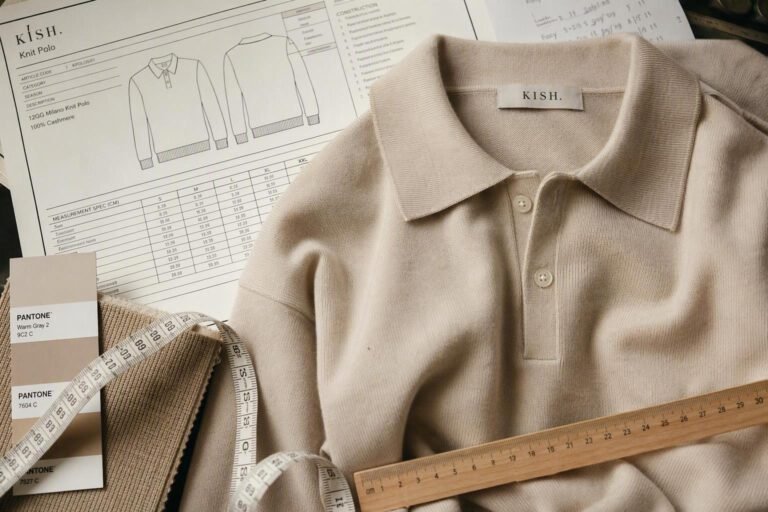
If your designs are detailed, talk to the factory about their experience with similar projects. This helps you avoid surprises and get samples that look and feel right.
Sampling Speed & Turnaround
Fast sampling is key when you want to launch new styles or respond to trends. The time it takes to get your first sample can vary by location and factory. Here’s a table to help you compare:
|
Location |
First Round Fit Samples |
Revised Samples |
Proto/SMS |
|---|---|---|---|
|
China |
10-14 days |
7-10 days |
20-40 days |
|
Bali |
30-40 days |
10 days |
20-40 days |
|
India |
25-40 days |
10 days |
20-40 days |
Some factories, like Knitwise, can deliver custom knitwear samples in just 2–4 weeks. If you need samples quickly, ask about their average turnaround time and how they handle urgent requests.
Note: Clear project details—like order size, design files, and deadlines—help the factory deliver samples faster and with fewer mistakes.
When you define your project needs, you set yourself up for a smooth process. You also make it easier to find a suitable knitwear manufacturer who can meet your expectations.
Find a Suitable Knitwear Manufacturer
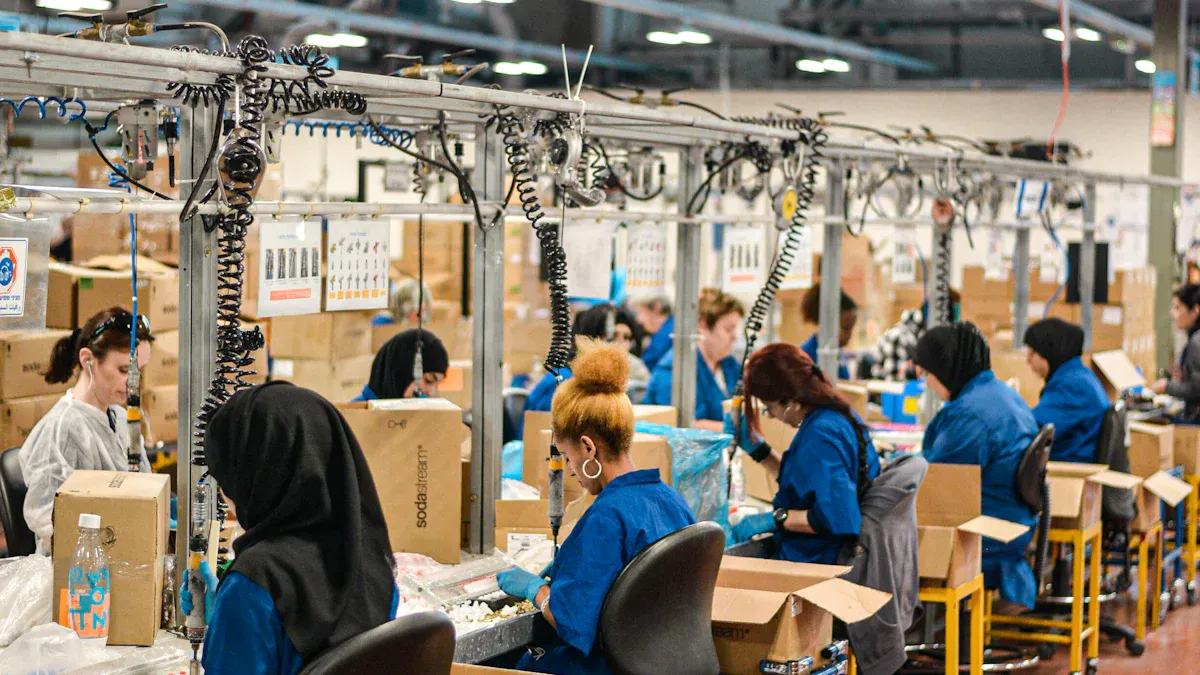
You need a knitwear factory that fits your needs. The factory should also send samples fast. There are many ways to start looking. Let’s check out some good choices.
Online Directories & B2B Platforms
You can look for factories on the internet. Many websites list knitwear factories from many countries. These sites let you search by country, product, and order size. You can read reviews from other buyers. This helps you find good suppliers and avoid bad ones.
Here’s a table to compare some top platforms:
|
Platform |
Features |
Best For |
|---|---|---|
|
Alibaba |
Wide selection, reviews |
Large and small orders |
|
Global Sources |
Verified suppliers |
Quality assurance |
|
Made-in-China |
Regional search |
Fast sampling in China |
Tip: Always ask for new sample pictures and get references before you choose a supplier.
Trade Shows & Referrals
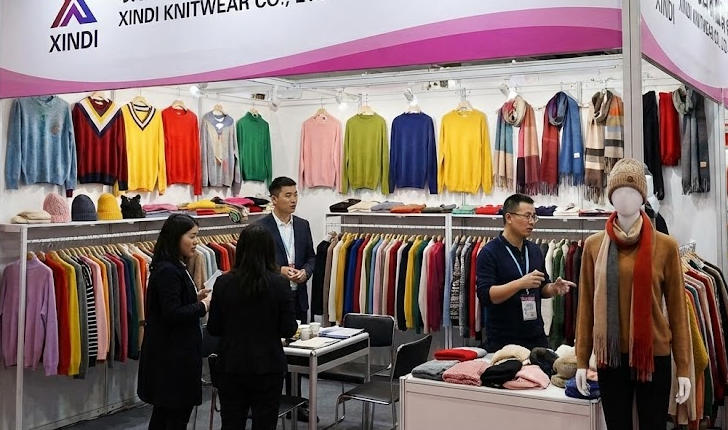
You can also find good factories at trade shows or by asking others. Trade shows let you meet suppliers in person. You can touch samples and check the quality. Referrals from people you trust give you honest feedback about a factory.
Here’s why these ways work well:
-
You can see the supplier’s work up close.
-
Referrals and checks show how the factory works in real life.
-
Using more than one way to search helps you find the best partner.
If you know someone in knitwear, ask for their advice. You might find great factories that are not online.
Regional Advantages (Tongxiang, Dalang)
Some places are known for fast and good knitwear. Tongxiang and Dalang in China are famous for making knitwear. These places have big factories and skilled workers. You get quick samples and big orders done well.
Here’s what makes these places special:
-
China is the top country for knitwear exports, with a market size of about $109 billion.
-
Tongxiang and Dalang have everything you need, from yarn to finished products.
-
Samples are ready in 1 to 3 weeks. Big orders take 4 to 8 weeks.
If you want fast samples and good products, try factories in these places. You save time and get the newest technology.
Note: When you use online sites, go to trade shows, and look at top regions, you have a better chance of finding a knitwear factory that fits your needs.
Evaluate Knitwear Factory with Fast Sampling
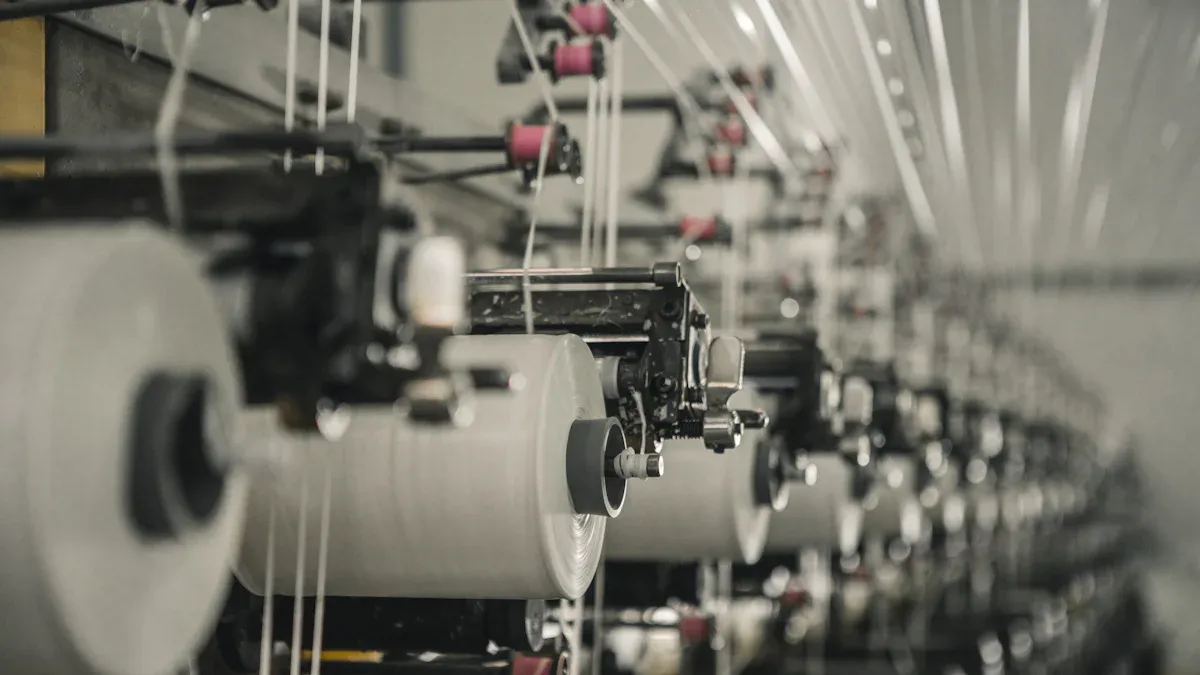
Sampling Services & Product Samples
When you look for a knitwear factory with fast sampling, you should know what services they have. Good factories test their samples in many ways. They check things like weight, stretch, seams, and color. These tests help you get samples that fit your needs.
Here’s a table showing common sampling services:
|
Service Type |
Description |
|---|---|
|
GSM Verification |
Weigh 10 random samples |
|
Stretch Recovery |
Must be greater than 95% |
|
Seam Slippage Test |
Test for seam durability |
|
Shade Banding Check |
Ensure color consistency |
You should ask for samples before making a big order. This lets you see the quality and choices. The best factories have many styles and materials. Some focus on luxury. Others have trendy or eco-friendly options.
Check out this comparison of leading manufacturers:
|
Manufacturer |
Quality Focus |
Variety Offered |
|---|---|---|
|
Zhongshan Xingtai Clothing Co. |
High standards of craftsmanship |
Customizable services, no minimum order |
|
Otago Knitwear |
Premium materials like merino wool |
Diverse knitwear products |
|
Canada Knitwear |
Canadian production, skilled artisans |
Scarves, beanies, custom sweaters |
|
John Smedley |
High-quality, timeless designs |
Unisex knitwear |
|
Appareify |
On-trend designs |
Over 100 styles per month |
|
The Elder Statesman |
Luxury cashmere |
High-end knitwear |
|
J M Knitwear |
Sustainability focus |
Luxury sweaters and accessories |
|
Gianangeli Knitwear |
High-end luxury |
Custom garments for luxury brands |
|
Knit-Lab Peru |
Ethical practices |
Premium-quality products |
|
Pringle of Scotland |
Scottish heritage |
Modern knitwear collections |
Tip: Always ask for samples from different batches. This helps you check if the quality stays the same.
Turnaround Time & Efficiency
Speed is important when you want to launch new designs. A knitwear factory with fast sampling should tell you how long things take. You need to know how fast they make and ship samples. Fast turnaround helps you keep up with trends and meet deadlines.
Here’s a table showing the industry benchmark for sample turnaround time:
|
Stage |
|
|---|---|
|
Production |
7–14 days |
|
Shipping – Economy |
7–14 days |
|
Shipping – Express |
3–5 days |
|
Total Timeline |
2–4 weeks |
Some factories use new technology to work faster. 3D digital sampling lets you see clothes on a screen before making real ones. You can look at materials and textures. Tools like CLO and VARIANT3D’s LOOP™ help make designs faster and better. These tools save time and cut down waste.
Note: Ask if the factory uses 3D sampling. This can make your samples ready even faster.
Factory Size & Capacity
The size of the factory changes how fast you get samples. Big factories have more workers and machines. They can do big orders and rush jobs. Small factories might give more personal service but may take longer for hard jobs.
When you pick a knitwear factory with fast sampling, check how many workers they have. Ask about their machines and skills. Factories with good machines and trained staff can make samples fast and keep them high quality.
Here are some things to look for:
-
Number of knitting machines and linking machines
-
Employee count and skill level
-
Experience with your type of product
-
Ability to scale up for larger orders
If you want fast samples, choose a factory with enough workers and machines. Make sure they can handle your order and deliver on time.
Tip: Visit the factory if you can. Seeing it in person helps you know if they are fast and ready.
A knitwear factory with fast sampling gives you good service, quick samples, and high-quality products. When you check their sampling, speed, and size, you make a smart choice for your brand.
Sustainability & Compliance
When you pick a knitwear factory, you want more than fast samples. You also want a partner who cares about the planet and follows the rules. Many brands want eco-friendly materials and safe workplaces. Choosing a factory with strong sustainability and compliance helps your brand. It also builds trust with your customers.
Factories that use recycled yarns or organic cotton help the earth. Some use low-impact dyes to lower pollution. Others save water and energy with new machines. Some factories recycle waste or use solar power. You can ask for certifications like GOTS or OEKO-TEX. These show the materials are safe and workers are treated fairly.
Tip: Always ask for proof of sustainability. You can request certificates or visit the factory to see their work.
Compliance standards are important too. If a factory follows the rules, you avoid legal trouble. Your products will be safe. Some standards check for chemicals, labels, and fair labor. Others help your products enter the US or Europe without problems.
Here’s a table that shows how different compliance standards affect fast sampling:
|
Compliance Standard |
Impact on Fast Sampling |
|---|---|
|
CPSIA |
Ensures legal product entry, avoiding fines |
|
FTC |
Aligns with buyer expectations, enhancing marketability |
|
PFAS |
Requires testing and documentation, affecting speed |
|
GOTS, OEKO-TEX, WRAP |
Certifies ethical sourcing, improving supply chain viability |
If you want quick samples, pick a factory that knows these rules. Some standards, like PFAS, need extra tests. This can slow things down if the factory is not ready. Factories with good systems can do these checks faster and keep your timeline on track.
You can use this checklist when you talk to a factory:
-
Do you use certified sustainable materials?
-
Can you show proof of compliance with major standards?
-
How do you handle chemical testing and documentation?
-
What steps do you take to protect workers and the environment?
Factories that meet these standards help you launch products with confidence. You get fast samples, safe materials, and a good reputation. If you care about sustainability and compliance, your brand will do well for a long time.
Compare Local vs. Overseas Options
When you look for a knitwear factory with fast sampling, you need to pick between local and overseas factories. Each choice has good and bad points. Let’s see what you get with both.
Local Factory Pros & Cons
Local factories can make things easier for you. You can talk to them in your own language. You can visit the factory if you want. Local factories often finish samples faster because they are close. Here are some main pros and cons:
|
Advantages |
Disadvantages |
|---|---|
|
Sometimes communication problems can happen |
|
|
Easier to talk because of the same language |
Quality can change if checks are not strong |
Local factories often give feedback quickly. You can fix problems in person or by phone. But sometimes, if the factory does not check well, you might see small quality problems.
Overseas Factory Pros & Cons
Overseas factories can cost less and give you more choices. Many have big teams and lots of experience. But you might wait longer for samples to come. Talking can be hard if you do not speak the same language or live in different time zones.
Here is a table to help you compare local and overseas factories:
|
Aspect |
Local Manufacturing |
Overseas Manufacturing |
|---|---|---|
|
Sample Turnaround |
8-12 weeks |
|
|
Reliability |
You get feedback right away |
Good quality if they check well and talk clearly |
|
Cost |
More expensive |
40-60% cheaper |
Many overseas factories use good tools to talk and check quality. This helps them send good samples even if you are far away. Some overseas factories do everything from yarn to finished product. This can help make things faster.
Impact on Sampling Turnaround
Turnaround time is important if you want new designs fast. Local factories are usually faster. They can finish samples in a few weeks. You do not wait long for shipping. If you want to follow trends or try new ideas, local factories help you move fast.
-
Local factories are faster because they are close.
-
You get quick answers when you want new products.
-
Even if making the sample takes the same time, shipping is faster if local.
Overseas factories can take longer because of shipping and customs. If you need samples soon, this can be a problem. But if you want to save money and can wait, overseas factories are a good choice.
Tip: Think about how fast you need your samples. If you need them soon, pick a local factory. If you want to save money and can wait, overseas factories are good.
No matter what you pick, always ask how long samples will take. Good talking and clear plans help you avoid problems.
Ask Key Questions About Samples & Policies
Sampling Costs & Policies
When you start working with a knitwear factory, you need to ask about sampling costs. These costs can change a lot. If your design is simple, you might pay less. If your design has many colors or special stitches, the price goes up. Factories spend time making patterns and setting up machines for each sample. They also use different materials and test new ideas. All these steps make sampling more expensive than bulk production.
You should always ask the factory these questions:
-
How much does each sample cost?
-
Do you refund the sample fee if you place a big order?
-
Are there extra charges for special yarns or colors?
-
How many sample revisions do you allow before charging more?
Tip: Get a clear price list for sampling before you start. This helps you plan your budget and avoid surprises.
Minimum Order Quantity (MOQ)
Every factory has its own moq. This means the smallest number of pieces you must order. Some factories set their moq at 100 pieces per style. Others may let you split this number between different colors or sizes. If you want to test the market, you need a factory with a low moq.
Here are some questions to ask about moq:
-
What is your moq for each style?
-
Can I mix colors or sizes to meet the moq?
-
Do you offer lower moq for first-time buyers?
-
What happens if I cannot meet the moq?
A reliable manufacturer will explain their minimum order quantities clearly. They will also help you find the best way to meet your needs. If you need small batches, look for a factory that offers flexible moq options.
Production Timelines
You need to know how long it takes to get your samples and final products. Ask the factory about their timelines for each step. Some factories can make samples in two weeks. Others may need a month or more. Shipping time also matters, especially if the factory is overseas.
Here is a simple table to help you track timelines:
|
Step |
Typical Time Needed |
|---|---|
|
Sample Production |
7–21 days |
|
Sample Revisions |
5–10 days |
|
Bulk Production |
30–60 days |
|
Shipping |
3–14 days |
Ask these questions to stay on schedule:
-
How long does it take to make a sample?
-
How fast can you make changes if I want revisions?
-
What is your lead time for bulk orders?
-
Can you handle rush orders if needed?
Note: Always get the timeline in writing. This helps you plan your launch and avoid delays.
Communication & Responsiveness
You want a knitwear factory that answers your questions quickly. Good communication helps you avoid mistakes and keeps your project on track. If a factory responds fast, you know they care about your business. Slow replies can mean delays or confusion. You should check how the factory talks with you before you start working together.
Here are some signs of strong communication:
-
The factory replies to emails or messages within 24 hours.
-
They use clear language and answer all your questions.
-
You get updates about your samples and production steps.
-
They share photos or videos of your samples when you ask.
-
You can reach them by phone, email, or chat.
If you see these signs, you can trust the factory to keep you informed. You will feel more confident about your orders.
Tip: Try sending a test email or message before you choose a factory. See how long it takes for them to reply and how helpful their answer is.
You should ask these questions about communication and responsiveness:
|
Question |
Why It Matters |
|---|---|
|
How fast do you reply to emails or messages? |
Fast replies help you solve problems. |
|
Who is my main contact person? |
One contact makes things easier. |
|
How do you share updates about my samples? |
Updates keep you in control. |
|
Can I talk to you by phone or video call? |
Direct calls help fix issues quickly. |
|
Do you use project management tools? |
Tools help track progress and changes. |
Factories that use tools like WhatsApp, WeChat, or Slack often reply faster. Some use project management apps to share timelines and sample photos. These tools make it easy for you to follow each step.
If you have a problem or need a change, you want the factory to listen and act fast. Good factories will tell you if there is a delay or issue. They will work with you to fix it. You should feel comfortable asking questions at any time.
Note: Clear and quick communication saves you time and money. It helps you get the samples you want without stress.
When you choose a knitwear factory, pay attention to how they talk with you. Strong communication and fast replies show that the factory values your business. You will have fewer problems and better results.
Review Feedback & Factory Portfolio
Customer Testimonials
You want to know if a knitwear factory keeps promises. Customer testimonials help you see what others think. When you read reviews, look for sample speed and product quality. See how the factory solves problems. Happy customers talk about fast replies and easy orders. If you see lots of good reviews, you can feel sure.
Here are ways to use testimonials:
-
Check for new feedback, not just old reviews.
-
Look for details about sample quality and delivery speed.
-
Notice if customers mention good communication or helpful staff.
Tip: If you see the same problem in many reviews, ask the factory about it before you order.
Previous Product Samples
You should always ask to see previous product samples. These samples show the factory’s real work. You can check if the quality matches your needs. Good factories follow strict quality control. They use 14 key checkpoints from yarn selection to final inspection. This helps catch mistakes early and keeps your products looking great.
When you review samples, pay attention to:
-
Yarn quality and color matching
-
Stitch consistency and neat seams
-
Fit and finishing details
Factories usually show you three sets of samples:
-
The first set comes from the design phase. You see the initial design and pattern.
-
The second set helps you check the fit and decide on costs.
-
The last set shows the finished batch. You can check if every piece looks the same.
Note: Ask the factory to explain their quality control steps. This helps you trust their process.
Certifications & Standards
Certifications show that a factory meets high standards. They prove the factory cares about quality, safety, and the environment. When you see these certifications, you know the factory follows the rules.
Here’s a table of important certifications and what they mean for you:
|
Certification/Standard |
Description |
Importance |
|---|---|---|
|
SFA (Sustainable Fibre Alliance) |
Standards for sustainable cashmere, animal welfare, and environment |
Credible claims about cashmere quality and traceability |
|
GOTS (Global Organic Textile Standard) |
Covers all stages of organic textile production |
Ensures organic integrity and certification |
|
RWS (Responsible Wool Standard) |
Focuses on sheep treatment and land quality for wool |
Verifies sustainable practices at the farm level |
|
Fair Trade Certified™ |
Promotes fair labor and safe working conditions |
Ensures fair pay for workers |
|
Bluesign® |
Evaluates the whole supply chain for sustainability |
Ensures resource efficiency and less environmental harm |
Tip: Always ask for copies of certifications. This helps you make sure the factory meets your standards.
When you check feedback, review samples, and look for certifications, you make a smart choice. You find a factory that matches your values and delivers quality knitwear fast.
Make Your Final Decision
Criteria Summary
You have learned a lot. Now you need to pick the best knitwear factory for your brand. You want a factory that sends samples fast. The factory should make good products and talk with you clearly. Before you choose, think about what matters most to you. Check how each custom clothing manufacturer matches your needs.
Here is a simple table to help you focus:
|
Tip |
Step |
Example |
|---|---|---|
|
Set Clear Goals |
Decide what you want to check. |
Look at size, artwork, or how things work. |
|
Get Early Feedback |
Ask others for their thoughts. |
Let designers and quality teams see first samples. |
|
Revise Quickly |
Make changes fast. |
Use feedback to fix samples right away. |
Think about how many pieces you want and your budget. If you want many expensive items, try factories in Pearl River Delta or Yangtze River Delta. For pricey but small batches, Suhang area and Changping are good. If you want cheap and small orders, test a few factories. For cheap and big orders, Tongxiang and Dalang work fast. Zhuhai and Zhongshan focus on quality.
Use this checklist before you decide:
-
Check if samples look good and are the same.
-
Make sure the factory can finish samples and big orders quickly.
-
See if they can make your designs.
-
Check if they care about the planet and follow rules.
-
Test how well they talk and reply to you.
Tip: Go with your feelings. If a factory seems right and meets your needs, you are making a good choice.
Building Long-Term Partnerships
Picking a custom clothing manufacturer is not just for one order. You want a partner who helps your brand grow. Try to visit the factory if you can. Meeting in person helps you trust them and see how they work. You learn about their steps and problems. This makes future work easier.
Remember these tips:
-
Make sure the fabric in samples matches the big order.
-
Check trims and how things are made so nothing is missed.
-
Ask for the factory to check quality before you say yes to a sample.
-
Keep talking with your merchandiser, factory, and buyer. Good communication helps everyone work together.
Factories like clients who respect their skills. When you listen and give feedback, you build a strong bond. Over time, the factory learns your style and what you want. They work faster and do better work.
Note: A good partnership with your custom clothing manufacturer means fewer mistakes, faster samples, and more wins for your brand.
You need a knitwear factory that gives fast samples and good quality. The factory should also talk to you honestly. Here are some things to help you:
-
Pick a factory close to you. This saves time and helps the earth.
-
Find factories with new machines and 3D knitting. These make better clothes.
-
Work with partners who show you their steps and recycle water.
|
Technology |
What It Does |
Why It Matters |
|---|---|---|
|
3D Knitting |
Makes clothes with no seams |
Feels better, less waste |
|
CAD Design |
Shows designs on a computer |
Fewer errors |
|
Water Recycling |
Uses less water |
Good for nature |
Follow these ideas and ask questions. This will help you pick the best factory for your brand.
FAQ
What makes knitwear factories with fast sampling different from regular clothing manufacturers?
These knitwear factories send samples much faster. They work quickly and talk clearly with you. Other clothing manufacturers often take more time to send samples. Fast sampling lets you try new knitwear styles sooner. You can test your ideas in the market right away.
How do I know if a knitwear factory can handle my design?
Ask the factory to show you past samples. Look at their portfolio to see their work. Good clothing manufacturers share different knitwear projects. You can check if they have made designs like yours. This helps you trust their skills and quality.
Why do clothing manufacturers set minimum order quantities for knitwear?
Factories need to pay for setup and work time. Most clothing manufacturers set a minimum order to save time and resources. If you want small batches, find factories with flexible rules. You can also ask if they allow lower minimums for new buyers.
Can I visit knitwear factories before placing an order?
Yes, you can visit many knitwear factories. Some clothing manufacturers let you see their machines and meet the team. You learn about their steps and watch sample testing. This helps you trust them and avoid problems.
What should I do if my knitwear samples need changes?
Give clear feedback to the clothing manufacturers. Most knitwear factories let you test and change samples a few times. Fast talking helps you get the changes you want. Always ask how many changes are included before you begin.
How do clothing manufacturers ensure quality in knitwear production?
Many clothing manufacturers check quality at every step. They test yarn, look at stitches, and check the finish. Some knitwear factories use sample testing to find problems early. You can ask for reports or photos to see how they keep quality high.
Are sustainable knitwear options available from most clothing manufacturers?
Yes, many clothing manufacturers now have eco-friendly knitwear. You can ask about recycled yarns, organic cotton, or machines that save water. Some knitwear factories have certificates for being green. This helps your brand and the planet.
How do I choose between local and overseas clothing manufacturers for knitwear?
Think about speed, price, and talking with the factory. Local clothing manufacturers often send samples faster. Overseas factories may cost less and have more choices. Ask about sample testing, shipping times, and how they answer questions before you pick.