
You want to pick the best lace knit sweater manufacturer for your brand in 2025. First, think about what is most important for your business. Every choice should fit your vision, quality rules, and business goals. If you choose the wrong partner, you may have problems like:
-
Sweaters with sizes that do not match because size data is missing
-
Loose threads that can come apart if factories miss quality checks
-
Sweaters with colors that look different because yarn batches change
You can stop these problems by picking a manufacturer who knows what you need and talks clearly with you.
Key Takeaways
-
Decide what your brand stands for and who will buy it. Know what makes your lace knit sweaters special so you can tell manufacturers clearly.
-
Pick a manufacturer that checks quality well. Make sure they look at yarn, measure sizes, and test how strong sweaters are. This helps stop problems.
-
Make a budget that works and set a good timeline. Learn how long making sweaters takes and the smallest order you can place. This helps you plan your launch.
-
Find manufacturers with sustainability certificates. This means they use safe ways and can make your brand look better.
-
Talk clearly with your supplier. Give updates and share feedback often. This builds trust and helps your ideas come true.
Define Your Brand’s Needs
Product Vision & Target Market
Start by thinking about what makes your brand special. What do you want your lace knit sweaters to say about your business? Maybe you want to create cozy, stylish pieces for teens, or perhaps you aim for luxury sweaters for adults. Picture your ideal customer. Are they looking for comfort, fashion, or both? Write down your main goals and what makes your sweaters different from others. This step helps you stay focused when you talk to manufacturers.
Tip: Make a list of your brand’s values and the type of customer you want to reach. This will help you explain your vision to any supplier.
Design, Quality, and Customization
Now, get specific about your sweater designs. Leading brands pay close attention to every detail. You should too! Think about the yarn you want to use. The yarn affects how the sweater feels, looks, and even how heavy it is. Decide on colors, patterns, and the fit you want. Take measurements and make swatches to show exactly what you expect. Look for manufacturers who have experience with lace knitwear and can offer flexible customization options. Good communication with your supplier makes it easier to get the results you want.
-
Focus on yarn choice for texture and color.
-
Use clear measurements and swatches for fit.
-
Choose suppliers with strong knitting experience.
-
Ask about customization and how they handle changes.
Budget, Timeline, and Order Volume
Set a budget that matches your business size and goals. Launching a new sweater line can take a lot of time. If you work full-time, expect the process to last about 1.5 to 2 years. If you work part-time, it could take up to 5 years. Production lead times for small brands usually range from 30 to 90 days, plus extra time for packing and shipping. Factories often have minimum order quantities (MOQs), especially for complex lace designs. These MOQs might be higher because of the extra work involved. Make sure you know these numbers before you start.
-
Plan for a timeline that fits your schedule.
-
Ask about production lead times and shipping.
-
Check the factory’s MOQ for lace knit sweaters.
Evaluate Lace Knit Sweater Manufacturer
Quality and Craftsmanship
You want your lace knit sweaters to be special. You need a manufacturer who cares about quality. Ask them how they check their work. Good manufacturers look at yarn color and texture before knitting. They measure each sweater to make sure the size is right. They check for loose threads and patterns that do not match. They test sweaters by washing and wearing them. Only sweaters that pass all tests get shipped.
Here is what a good quality check should have:
|
Quality Control Process |
Description |
|---|---|
|
Yarn Inspection |
Careful check for even color and no defects. |
|
Dimensional Check |
Measure sweaters to see if sizes are correct. |
|
Visual Inspection |
Look for mistakes like loose threads or bad patterns. |
|
Performance Testing |
Wash and wear sweaters to see if they last. |
|
Final Approval |
Make sure sweaters are ready before shipping. |
Ask for samples in every size. This helps you find size problems early. Make sure the yarn comes from the same batch for each order. This keeps colors the same. Always talk clearly about what you want for quality, price, and delivery. Good communication helps you avoid problems.
Technical Capabilities & Compliance
Not every manufacturer can make complex lace knit sweaters. Check if they have the right machines and skills. Ask if they can use different yarns like cotton or blends. Make sure they follow safety and quality rules. Look for certifications like ISO 9001:2015 and OEKO-TEX Standard 100. These show they meet high standards.
Check if they follow rules for your country. Factories should meet REACH rules in Europe and CPSIA rules in the U.S. This keeps your sweaters safe and legal. Many brands use certifications to show their sweaters are safe. Labels like GOTS, OEKO-TEX, and Good Cashmere Standard mean the yarn is trusted.
Experience and Reputation
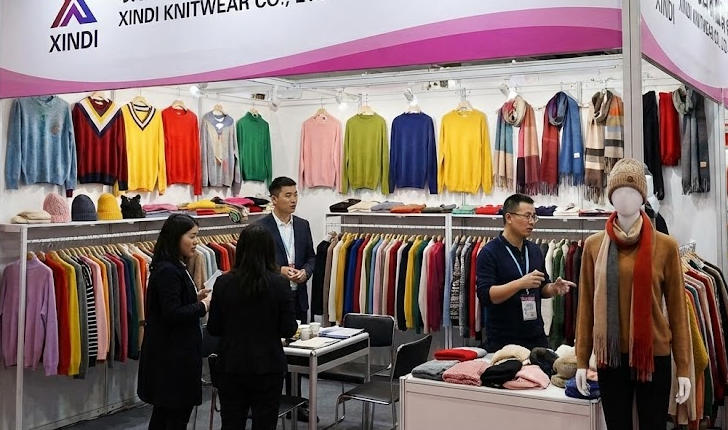
Experience is important when picking a manufacturer. You want someone who knows the business well. Check how long they have made sweaters. Companies with many years are usually more stable. Look at their client list. If they work with many brands, they have good skills.
Ask for stories about their work. Visit the factory if you can. Look at the machines and see how they treat workers. Check the sample room for neatness and quality. Ask if they ship sweaters to big markets. Request proof of safety and quality. Talk about how long samples take and how many sweaters you must order. Ask for a clear price list. Good communication is important. You want a manufacturer who listens and answers you.
-
Check business licenses and certificates.
-
Visit the factory and sample room.
-
Ask about export experience.
-
Request references from other brands.
-
Review online presence and feedback.
Sustainability and Certifications
Sustainability matters for many brands now. You want a manufacturer who cares about the planet and people. Look for factories with certifications like GOTS, Bluesign, or Fair Trade. These show they use safe chemicals, save water, and treat workers well. You can check certificates online or ask the factory for proof.
Some factories get checked by outside groups. These checks look at water use, energy, waste, and worker care. You can ask to see these reports. Here are some top certifications to look for:
|
Certification |
Description |
Key Requirements |
|---|---|---|
|
SFA |
Sustainable Fibre Alliance |
Focuses on animal care, herder lives, and nature. Needs good grazing and animal care. |
|
GOTS |
Global Organic Textile Standard |
Needs at least 70% organic fiber, fair work, and tracking. Must come from organic farms. |
|
RWS |
Responsible Wool Standard |
Cares about animal welfare, land, and tracking wool. Needs certified cleaning sites. |
When you see these labels, you know your sweaters meet strong standards. This helps your brand look good and builds trust with customers.
Custom Knitwear Supplier: Customization & Capacity
Customization Options
Working with a custom knitwear supplier gives you many choices. You can pick yarn and colors for your sweaters. You can add your logo to show your brand. The best custom sweater maker helps match your style. Here are some ways you can customize your sweaters:
|
Step |
Description |
|---|---|
|
Defining the vision |
Set your goal for your knitwear. |
|
Selecting product types |
Choose which items you want to customize. |
|
Choosing yarns |
Pick materials for the feel and look. |
|
Exploring colors |
Select shades your customers like. |
|
Adding logos |
Use embroidery or labels to show your brand. |
You can ask for samples before you decide. This lets you check the quality and make changes. Custom knit sweaters help you offer something special to your customers.
Production Capacity & Lead Times
You want your sweaters to arrive on time. Every custom knitwear supplier works in their own way. Some make lots of sweaters at once. Others do smaller orders. Lead times depend on the supplier you pick. Here is a quick guide:
|
Manufacturer Type |
Lead Time (Days) |
Production Capacity Notes |
|---|---|---|
|
Fast fashion companies |
60–120 |
Handle large volumes, longer lead times. |
|
Vertically-integrated |
28 |
Manage bulk orders efficiently. |
|
Hybrid brands |
44 |
Balance quality and quantity. |
|
Special projects |
as fast as 16 |
Quick turnaround for specific orders. |
Most teams finish making sweaters in 7–14 days. Shipping takes 7–14 days for regular or 3–5 days for fast shipping. You get your sweaters in about 2–4 weeks. This helps you plan and meet customer needs.
Communication & Support
Good communication helps your project go well. Your supplier should answer questions fast and give updates. The best custom sweater maker uses clear words and good tools. Here are some helpful tips:
-
Give clear instructions and feedback.
-
Use email, chat, or project tools for updates.
-
Respect different cultures and time zones.
-
Set goals and timelines early.
-
Fix problems by talking openly and honestly.
If you talk often with your supplier, you avoid mistakes. You get sweaters that fit your vision. Trust helps your supplier become a real partner for your brand.
Pricing, MOQs, and Negotiation
Pricing Structure & Transparency
When you look at lace knit sweater manufacturers, check their prices. You need to know what you pay for. Good suppliers show you all the costs. This helps you find hidden fees and make smart choices. Here is a usual cost breakdown for a lace knit sweater:
|
Cost Category |
Percentage Breakdown |
Total Cost |
|---|---|---|
|
Direct Material Costs |
50–55% |
$3.15 |
|
Direct Labor Costs |
21–22% |
$1.30 |
|
Factory Overhead & Indirect Costs |
8–9% |
$0.50 |
Look for companies that are open about their prices. Ethical brands tell you about production costs, company expenses, and markups. Fast fashion brands often raise prices 4-5 times more than it costs to make. Ethical brands keep markups low and care about value. When you compare price and quality, think about how long the sweater lasts and how much your customers will wear it.
|
Aspect |
Description |
|---|---|
|
Ethical Pricing |
Shows how much production and pricing cost. |
|
Production Costs |
Includes yarn, labor, finishing, shipping, and packaging. |
|
Company Costs |
Covers design, samples, marketing, and platform fees. |
|
Markup Comparison |
Fast fashion has high markups; ethical brands keep them low. |
|
Value Proposition |
Think about cost per wear, not just price. |
Tip: Always ask for a full quote. This helps you compare suppliers and make sure you get the best price and clear costs.
Minimum Order Quantities (MOQs)
MOQs are important for your first order. Factories set these numbers to cover their costs. Lace knit sweaters often need higher MOQs because they take more work. Before you agree, ask the supplier to explain their MOQ. Make sure it fits your budget and sales plan. If you want to try a new style, see if the manufacturer offers a lower MOQ for samples or trial runs. This helps you check quality before you order a lot.
Negotiating Terms & Building Partnerships
Negotiation is more than talking about price. You want a partnership that helps your brand grow. Learn about common payment terms. For samples, you may pay 50% up front and the rest after approval. For trial orders, 20% down and the rest when shipped is common. For big orders, you can try a 30:40:30 split—30% down, 40% after inspection, and 30% on delivery. If the supplier asks for a 50% deposit, try to ask for 30%. This helps you keep your cash flow strong.
Here are some tips for a good partnership:
-
Be honest about your cash flow needs.
-
Use your order size to get better terms.
-
Keep communication clear and regular.
-
Focus on a long-term partnership, not just one deal.
A good partnership helps both sides win. You get better quality and service. The supplier gets a loyal customer. When you sign an agreement, make sure it covers important points like product rights, exclusivity, royalties, quality control, and intellectual property. This keeps your brand safe and makes the partnership strong.
You now know how to pick the best lace knit sweater manufacturer for your brand. Use your checklist to compare suppliers and ask clear questions. After you choose, take these steps for a smooth start:
-
Research your supplier’s background.
-
Collect all needed documents.
-
Approve their skills and past work.
-
Add them to your management system.
Stay in touch, start with a small order, and always check quality. Build trust and keep your goals clear.
FAQ
How do I know if a supplier is reliable for lace knitwear?
You can check reliability by looking at their history, asking for references, and reading market feedback. Request and review samples before you order. If the supplier answers questions quickly and shares certifications, you can build trust.
Why should I request and review samples before placing a big order?
Samples help you see the quality of knitwear and test the fit. You can check yarn, color, and craftsmanship. If you find problems, you can give feedback. This step saves cost and builds trust with your supplier.
What certifications matter most for sustainability in knitwear manufacturing?
Look for certifications like GOTS, OEKO-TEX, and Fair Trade. These show the supplier cares about sustainability and safe materials. Certifications prove their commitment to good practices. You can ask for proof before you start a long-term partnership.
How can I keep cost low when working with a knitwear supplier?
You can compare quotes from different suppliers. Ask about bulk discounts and lower MOQs. Give clear feedback on samples. If you plan a long-term partnership, you may get better prices. Always check for hidden cost before you sign.
What helps build trust and commitment with a knitwear supplier?
You can build trust by sharing feedback, keeping promises, and talking often. Ask for samples and review them together. If you show commitment to a long-term partnership, your supplier will support your brand and help you grow in the market.