
Imagine you walk inside on a cold night. You want to feel warm but not use more heat. You care about your family’s health. British wool makes your living room cozy. It is made from natural fibers. These fibers help keep your home warm. They also lower noise and keep the air clean. Wool feels soft and lasts a long time. It has fewer chemicals near your family.
If you pick wool, you get these good things every day:
Benefit | Description |
|---|---|
Keeps bad chemicals out, so your home is safer. | |
Reduces power bills | Wool keeps heat in, so you spend less on heating. |
Avoids mold growth | Wool controls wetness, so mold does not grow. |
Reduces VOCs | There are fewer toxins in the air, so breathing is easier. |
Learn about the Benefits of Wool and see how it makes your home feel warm and safe.
Key Takeaways
Wool keeps your home warm. It traps heat inside. This helps lower energy bills.
Wool controls humidity in your house. It stops mold from growing. It keeps the air fresh.
Wool is hypoallergenic. It is safe for families with allergies.
Choosing wool helps local farmers. It also supports sustainable ways of living.
Wool products last a long time. They are easy to clean. They last longer than synthetic ones.
Benefits of Wool for Home Comfort
Warmth and Insulation
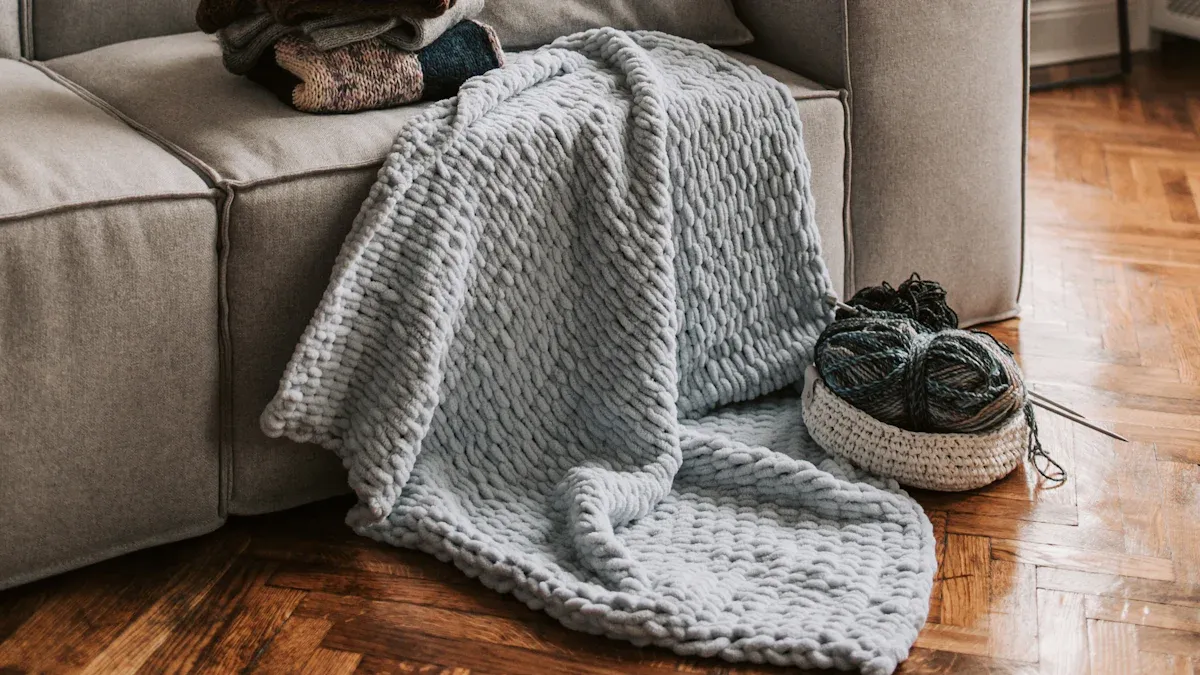
You want your home to feel warm without cranking up the heat. Wool helps you do that. The fibers in British wool have a special crimp. This crimp creates tiny air pockets that trap heat. Your rooms stay cozy, even when the weather outside is cold and damp. Wool can absorb up to a third of its weight in moisture without feeling wet. You stay comfortable, and your home feels dry. Wool also generates heat through a process called “heat of sorption.” That means you get warmth, even if the wool gets a little wet.
Here are some reasons why wool keeps your home warm and energy-efficient:
Wool fibers trap heat, so you use less energy.
Wool absorbs moisture but still feels dry.
Wool creates warmth, even when damp.
Wool lets air flow, so your rooms never feel stuffy.
Wool lasts a long time and stays flexible.
Wool fights germs, which helps keep your home fresh.
When you choose wool for your blankets, rugs, or curtains, you enjoy these benefits every day. The Benefits of Wool go beyond just warmth—they help you save money and make your home healthier.
Softness and Texture
You want your home to feel inviting. British wool gives you that soft touch. Wool from breeds like Bluefaced Leicester feels gentle against your skin. The fine fibers make it pleasant to sit on or wrap around your shoulders. Wool’s natural luster adds a glow to your living space. The staple length means your wool items last longer and resist pilling.
Take a look at how different types of wool compare:
Wool Type | Softness Level | Texture Description |
|---|---|---|
Merino Wool | High | Smooth, fine, and pliant, ideal for sensitive skin |
Shetland Wool | Medium | Stronger and warmer, less soft than Merino |
Merino wool stands out for its softness. You can use it for throws, cushions, or even clothing. Shetland wool feels stronger and warmer, perfect for rugs or heavy blankets. The Benefits of Wool include comfort and style, making your home a place you want to relax in.
Moisture Control and Breathability
Regulating Humidity
You know how British weather can change in a flash. One minute, your home feels damp. The next, it feels dry and stuffy. Wool helps you handle these changes with ease. Wool fibers have a special wicking property. They pull water vapor from the air and absorb it deep inside. When the air gets too dry, wool releases that moisture back. This keeps your rooms feeling just right—never too humid, never too dry.
Wool insulation works like a natural air balancer. It absorbs extra moisture when your home feels muggy. When things dry out, it lets that moisture go. You get steady humidity levels without needing fancy gadgets or extra ventilation. Merino wool can soak up a lot of moisture—up to one-third of its weight—without ever feeling damp to the touch. This means you stay comfortable, and your home feels fresh all year.
Tip: Wool’s ability to regulate humidity helps you avoid dry skin and stuffy noses, especially during winter.
Preventing Mold and Mildew
Nobody wants mold or mildew in their home. These problems can make you sick and damage your walls and furniture. Wool steps in to help. Because it absorbs and releases moisture so well, wool keeps your home from getting too damp. This makes it hard for mold and mildew to grow.
Wool’s natural structure does not support bacteria growth. That means fewer irritants in the air and a healthier space for you and your family. In Scottish homes, especially older stone buildings, wool insulation helps prevent dampness that leads to mold. Synthetic materials just can’t match this level of protection.
Here’s a quick look at how wool helps keep your home healthy:
Evidence | Description |
|---|---|
Wool’s Moisture Absorption | Wool absorbs and releases moisture, stopping mold before it starts. |
Bacteria Growth Prevention | Wool does not support bacteria, so you breathe easier and feel better. |
Natural Air Balancer | Wool fibers keep humidity steady, reducing mildew and musty smells. |
Humidity Regulation | Wool keeps room humidity in check, lowering the risk of mold growth. |
With wool, you get a home that feels dry, smells fresh, and stays healthy—no matter what the weather brings.
Health Benefits of British Wool
Hypoallergenic Properties
If you or your family have allergies, you know how important it is to keep your home safe and comfortable. British wool can help you do that. The fibers in wool have a special outer layer. This layer traps dust and keeps allergens from floating in the air. You breathe easier because fewer irritants reach your nose and lungs.
Wool is also gentle on your skin. Merino wool, for example, has ultra-fine fibers that feel soft and smooth. These fibers do not poke or scratch, so you can use wool blankets and clothing even if you have sensitive skin. Wool’s ability to absorb and release moisture creates a dry space where dust mites and mold cannot grow. This is great news if you suffer from asthma or eczema.
You might worry about chemicals in your home. Most British wool products use little or no harsh chemicals during processing. This makes them a smart choice for people with allergies. While some people react to lanolin, most allergic reactions come from chemicals, not the wool itself.
Tip: If you want a cozy, allergy-friendly home, choose wool for bedding, carpets, and even insulation.
Air Quality and Wellbeing
You want your home to smell fresh and feel healthy. Wool helps clean the air you breathe. It absorbs harmful gases like formaldehyde, sulphur dioxide, and nitrogen oxides. Unlike synthetic fibers, wool does not release these pollutants back into the air. Wool carpets and insulation can keep cleaning your air for years.
Studies show that homes with wool insulation have lower levels of harmful chemicals. In one test, buildings with high formaldehyde saw levels drop below safe limits within a day after adding wool. Wool also traps dust and filters out invisible toxins, making your home safer for everyone.
Wool keeps the air moist but not damp. This helps your lungs feel comfortable and reduces coughing or dry throats. The Benefits of Wool go beyond comfort—they help you and your family stay healthy every day.
Durability and Easy Care
Long-Lasting Quality
You want your home to look good for years. Wool helps you do that. Wool fibers are strong and flexible. They bounce back after you walk on them or use them every day. You can trust wool rugs, blankets, and duvets to keep their shape and color. Wool resists stains and odors, so you wash it less often. That means your wool items stay fresh and last longer.
Take a look at how wool compares to other materials:
Evidence Type | Description |
|---|---|
Lifecycle Assessment | Wool products last longer, so you replace them less often. |
Odor and Stain Resistance | Wool needs less washing, keeping its quality over time. |
Donation Rate | Wool items get donated more, showing they have a second life. |
Longevity Comparison | |
Biodegradability | Wool breaks down naturally, helping the planet. |
You might wonder about duvets. Wool duvets can last over 10 years. Synthetic ones often wear out in 2 to 5 years.
Product Type | Lifespan |
|---|---|
Wool Duvet | 10+ years |
Synthetic Duvet | 2–5 years |
Wool’s long life means you save money and reduce waste. You get comfort and style that stays with you.
Waterproof and Flame Resistant
You want your home to be safe. Wool helps protect you. Wool fibers repel water, so spills do not soak in quickly. You get time to clean up before stains set. Wool also resists flames. It does not catch fire easily. If wool does burn, it will not melt or drip like synthetic fibers.
Here’s how wool stands out in safety tests:
Material Type | Flame Resistance Characteristics |
|---|---|
Wool | Inherently flame-resistant, hard to ignite, no chemical needed |
Silk | Naturally flame-resistant, similar to wool |
Synthetic Fibers | Can be hard to ignite but may melt and drip when burning |
Wool’s natural makeup includes nitrogen and sulfur. These help stop flames from spreading. Wool has a high limiting oxygen index, which means it needs more oxygen to burn. Firefighters and soldiers have trusted wool for protection since the Battle of Waterloo.
Tip: Wool’s waterproof and flame-resistant qualities make it a smart choice for homes with kids and pets. You get peace of mind and easy clean-up.
Sustainability and Local Heritage
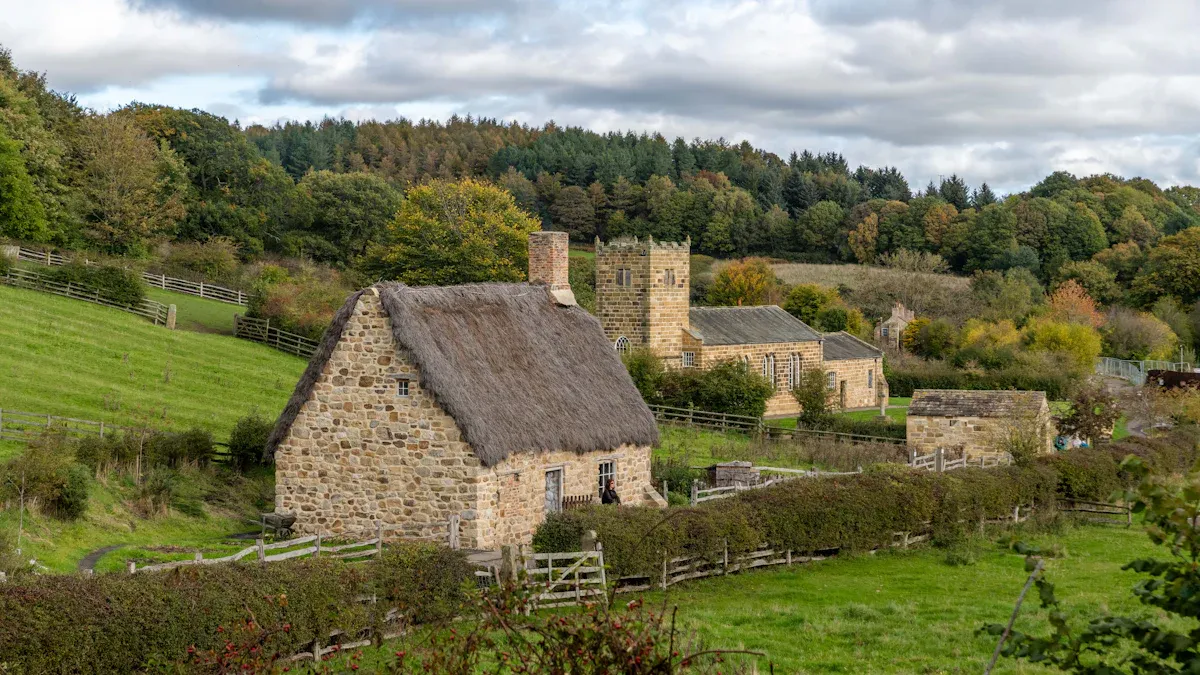
Renewable and Biodegradable
When you choose wool for your home, you make a choice that helps the planet. Wool is a natural fiber that comes from sheep. It grows back every year, so you never run out. You can feel good knowing that wool breaks down in the soil and returns nutrients to the earth. Synthetic fibers, like polyester, can stick around for decades and harm the environment.
Wool is 100% biodegradable and renewable. Synthetic fibers can take up to 40 years to break down.
Wool comes from sheep, so it keeps growing back. You do not have to worry about running out.
Some studies show that wool production uses more land and creates more greenhouse gases than cotton or acrylic. Sheep farming can also affect the land and air.
You get the Benefits of Wool, but you also need to think about how it is made. Wool is better for the soil, but it does have a bigger climate impact than some other fibers. Still, when you want something that returns to nature, wool is a smart pick.
Tip: If you want to reduce waste and support a cleaner planet, wool is a great choice for your home.
Supporting British Farmers
When you buy British wool, you help real people in your community. Sheep farming supports about 150,000 jobs and brings £1.3 billion to the UK economy each year. Your choice keeps small farms running and helps families stay in rural areas.
Buying wool products supports over 35,000 sheep farmers.
Your support helps farmers keep high standards for animal care and the environment.
Sheep farming keeps rural communities strong and lively.
Local wool crafts, like Shetland knitting, keep old skills and traditions alive.
British wool has a long history. When you pick wool, you help protect local culture and skills. You also help farmers who care for the land and their animals. The Benefits of Wool go beyond your home—they reach into the heart of your community.
British wool brings comfort, health, and sustainability right into your home. You get warmth in winter, coolness in summer, and a soft touch every day. Wool keeps your air clean and helps you breathe easier. It lasts for years and breaks down naturally, so you help the planet, too.
Wool manages moisture and keeps allergens away.
It supports over 35,000 local farmers and protects rural traditions.
Choosing wool means less waste and a lower carbon footprint.
When you pick British wool, you make your home cozier and support your community. You also help create a greener future for everyone.
FAQ
Is wool safe for people with allergies?
You can use wool even if you have allergies. Wool traps dust and keeps allergens away from your skin. Most people do not react to wool. If you have sensitive skin, try Merino wool for extra comfort.
How do I clean wool items at home?
You can spot-clean most wool items with cool water and mild soap. For bigger items, use a gentle cycle or hand wash. Always air dry wool to keep its shape and softness.
Does wool keep you cool in summer?
Wool helps you stay cool in summer. The fibers let air flow and wick away moisture. You feel comfortable, not sweaty. Wool works well for all seasons.
Can wool products last a long time?
You get years of use from wool products. Wool fibers bounce back and resist stains. Rugs, blankets, and duvets made from wool often last much longer than synthetic ones.
Is British wool eco-friendly?
You help the planet when you choose British wool. Wool is renewable and biodegradable. It breaks down in soil and returns nutrients to nature. You also support local farmers and traditions.