
Choosing the right London knitwear supplier is important. It affects how people see your business. You need products that are good quality. They should meet what you expect. Good suppliers help your business grow. They deliver on time. They follow fair rules. A supplier who matches your brand values helps build trust. Your customers will feel safe buying from you. Think about what knitwear you need. Know your goals before you look for a supplier. The table below shows how a good supplier helps your brand:
Factor | Impact on Brand Reputation |
|---|---|
Quality Assurance | Makes sure clothes look right and builds trust. |
Timely Delivery | Helps you avoid late orders and extra costs. |
Ethical Practices | Builds trust for a long time and makes your brand strong. |
Key Takeaways
Picking the best knitwear supplier is very important for your brand. It helps your brand look good and grow bigger.
Know what you need for knitwear. Think about fabric, size, and features. Do this before you look for suppliers.
Learn the difference between private-label and white-label choices. This can make your brand special.
Check the quality of the materials and how things are made. This helps your products stay at a high level.
Find suppliers who let you order different amounts. They should also let you change things to fit your needs.
Look up how suppliers care about the environment. This should match your brand’s values. It can help you get customers who care about the planet.
Ask for samples to check quality and how things are made. Do this before you decide to work with a supplier.
Make good relationships with your suppliers. Talk clearly and check how they do often.
Define Your Knitwear Needs
Before you pick a London knitwear supplier, know what you want. Having clear goals helps you find the right supplier. It also stops you from making expensive mistakes. First, look at your product details, branding needs, and how many items you need.
Product Specifications
Fabric, Weight, and Color
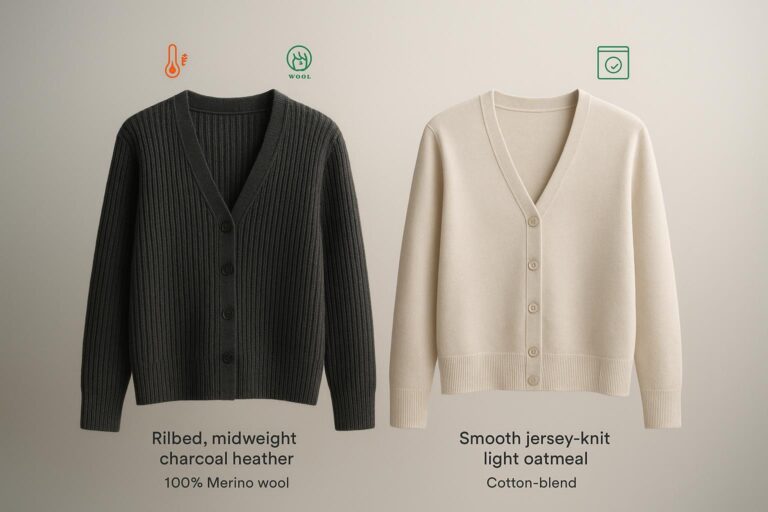
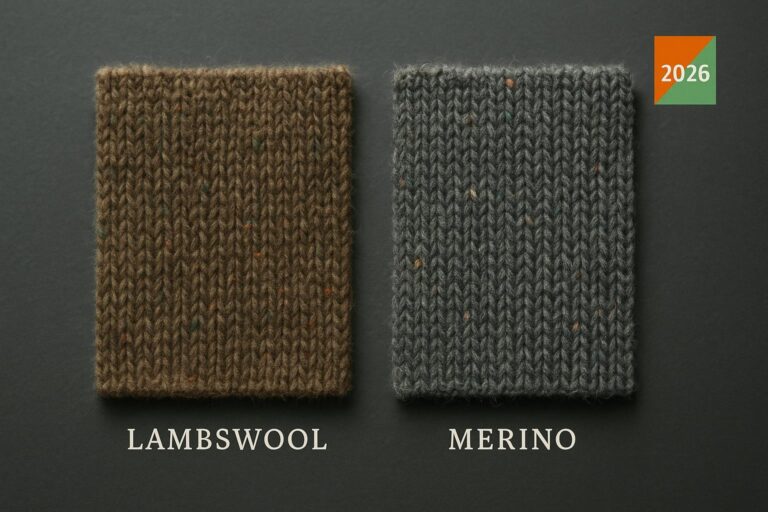
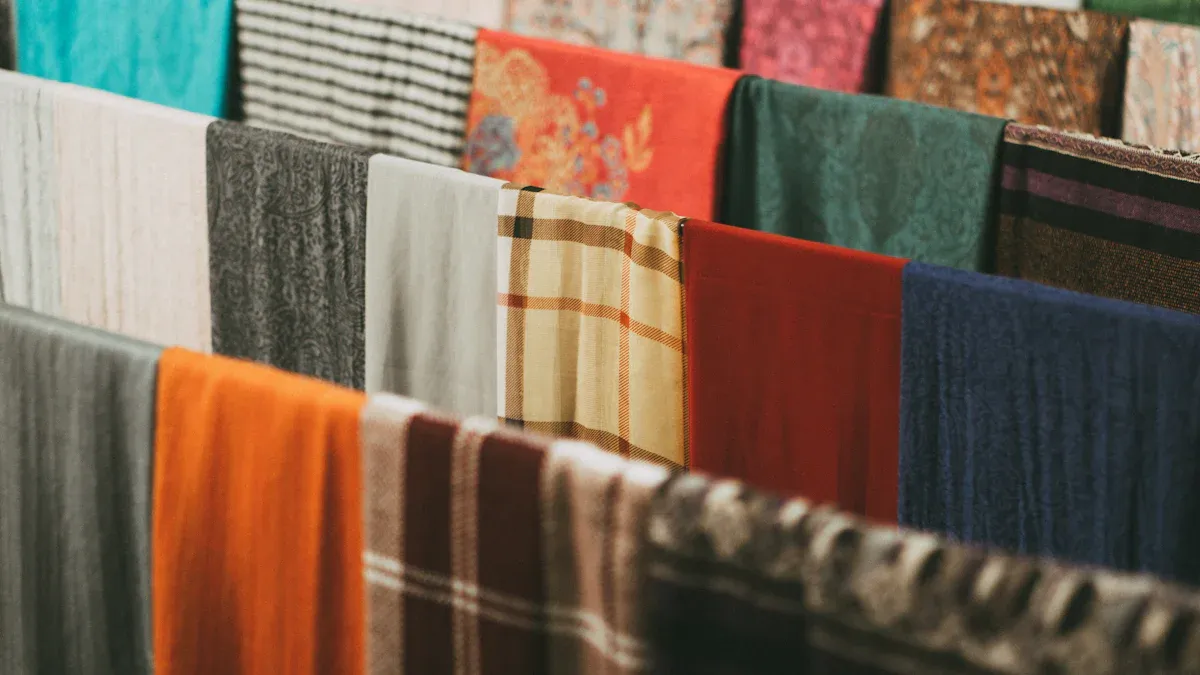
Choose which fabrics are best for your brand. Some brands like soft cotton. Others want wool or blends. The fabric weight changes how warm or light the knitwear is. Colors are important too. Pick colors that match your brand and attract customers. When you know these things, you can ask suppliers about custom options. This helps you get knitwear that fits your ideas.
Size Range and Features
Think about what sizes you want to sell. Some brands offer many sizes, from extra small to plus sizes. Others focus on fewer sizes. Make a list of special features, like pockets, zippers, or cool stitching. These features change how your knitwear looks and works. Suppliers with good custom options can add these features easily.
Branding Options
Private-Label vs. White-Label
Branding affects how people see your products. You have two main choices: private-label and white-label.
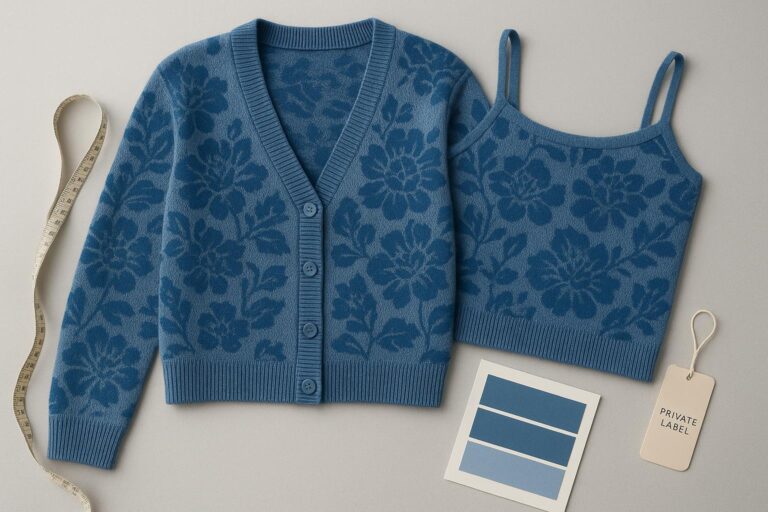
Private-label knitwear lets you design special items with suppliers. You pick fabric, size, quality, and color. This gives you more ways to make your products unique. Many brands get better profits and loyal customers this way.
White-label knitwear uses designs the supplier already has. You put your own label and packaging on them. This is quick and saves money. It is good for new brands. These products may not be as special as private-label ones. But you can still change labels and packaging a bit.
Order Volume
Order volume is very important. London knitwear suppliers set minimum order quantities (MOQs) for each type of item.
Garment Type | Minimum Order Quantity |
|---|---|
Super simple items (e.g., scarves) | |
Lounge and essentials wear | 50 units |
Complicated items (e.g., trousers) | 100 units |
If the design is harder, the MOQ goes up. If you want special fabrics or extra features, the MOQ might be higher. Suppliers must follow fabric supplier rules and do extra work for things like zippers or embroidery. Always check if your supplier can handle your order size and custom needs.
Tip: Write down your product details, branding ideas, and how many items you want before talking to suppliers. This helps you compare choices and pick the best one.
Key Factors to Consider
When you pick a London knitwear supplier, you should look at some important things. These things help you find a partner who supports your business and matches your brand values. You want your supplier to meet your needs for quality, flexibility, and brand fit.
Quality Standards
You need to check the quality of every product. London knitwear suppliers use high-quality natural fibers. They pick luxury materials like sheep’s wool, cotton, and viscose. These materials make your knitwear warm, soft, and strong. Suppliers care about the planet. They choose eco-friendly materials and follow good sourcing rules.
Skilled workers make each piece with care. They use modern tools to keep quality high. You can expect careful work in every item. Suppliers mix fibers to make clothes comfy and easy to wear. Wool keeps you warm. Cotton feels light and cool. Viscose makes things soft.
Tip: Ask your supplier how they check quality. Make sure they look at every item before sending it.
You want your knitwear to look nice and last a long time. Good quality helps your customers trust you. It also makes your brand stand out.
Common Quality Standards from London Suppliers:
Use of high-quality, sustainable materials
Focus on luxury fibers like wool, cotton, and viscose
Skilled artisan craftsmanship
Commitment to eco-conscious practices
Integration of advanced manufacturing technology
Supplier Flexibility
Flexibility is very important when you work with a knitwear supplier. You need a partner who can change to fit your needs. London suppliers work fast. Some can make products in just 14 days. You can order small batches, starting at 50 pieces.
Suppliers let you make special designs. You can pick patterns, logos, and colors for your brand. If you have a new idea, their team can help you make it. You get help from an account manager who guides you. When you ask questions, you get answers in less than 24 hours.
Feature | Description |
|---|---|
Turnaround Time | Super fast, 14 days from idea to product |
Minimum Order Quantity | Minimum order of just 50 pieces |
Customization Options | Total freedom to create unique designs, including patterns, logos, and colors |
Design Assistance | Skilled team helps with challenging designs and client ideas |
Account Management | Dedicated account manager for support |
Response Time | Queries answered in under 24 hours |
You want a supplier who listens to your ideas and helps you fix problems. Flexibility lets you change quickly when the market or customers change.
Brand Alignment
Brand alignment means your supplier matches your brand’s price, quality, and green goals. You need a supplier who understands your vision. If your brand is luxury, pick a supplier who uses top materials and skilled workers. If you care about the planet, choose suppliers who use eco-friendly fibers and fair practices.
Your supplier should help you keep your brand promise. They must give you good quality and help your business grow. When your supplier matches your brand, your customers trust you more. You also build a strong name in the market.
Note: Always tell your supplier about your brand story and values. This helps them know what you want and make products that fit your brand.
You should look at these key factors before you choose. Focus on quality, flexibility, and brand alignment to find the best London knitwear supplier for your business.
Researching London Knitwear Supplier Options

When you start looking for London knitwear suppliers, you need to know where to look. You want to find clothing manufacturers who can help your business. This section will show you the main places to search. It will also help you spot the best clothing manufacturers. You will learn how to check a knitwear manufacturer’s reputation.
Sourcing Regions
London has many places where clothing manufacturers work. Some factories are in East London. Others are in North or South London. You can find small workshops and big factories. Each area has its own style and skills. East London has creative designers and new machines. North London has traditional knitwear makers who care about quality. South London has clothing manufacturers who work fast and take small orders.
Tip: Try to visit different areas if you can. You will see how clothing manufacturers work and what they do.
You should ask suppliers where they are. Some areas have better materials and skilled workers. This can change the price and quality of your knitwear.
Best Clothing Manufacturers
You want to work with the best clothing manufacturers in London. These companies have lots of experience and good reviews. They use high-quality materials and skilled workers. One top clothing manufacturer is Mars Knitwear. This company makes custom knitwear and works with many brands.
Manufacturer Name | Website Link |
|---|---|
Mars Knitwear |
Mars Knitwear is special because it uses luxury fibers and new machines. You can order small or big amounts. The team helps you design products for your brand. Many clothing manufacturers in London do the same things. You should compare their skills, prices, and delivery times.
To find the best clothing manufacturers, make a list of what you need. Look for companies that fit your style, budget, and order size. Ask for samples and check their past work. You want a partner who listens and delivers on time.
Knitwear Manufacturer Reputation
A good reputation means you can trust the clothing manufacturers you pick. You should read reviews and ask other brands what they think. Look for clothing manufacturers who have worked with big companies. Check if they follow fair rules and use eco-friendly materials.
You can visit the factory or ask for a video tour. This helps you see how the clothing manufacturers make things. Ask about their quality checks and how they fix problems. Good clothing manufacturers answer your questions fast and keep you updated.
Note: Always check if the clothing manufacturers have awards or certificates. These show they care about quality and safety.
You should make a list of trusted clothing manufacturers. Pick the ones who match your brand values and give good support. This will help your business grow and keep your customers happy.
Evaluating Suppliers
Requesting Samples
You should ask for sample orders before you choose. Sample orders let you see the real product. You can check how well it is made. You can touch the fabric and see if it feels good. You can test if the colors match your brand. Many London knitwear suppliers give sample orders. This helps you look at their work.
Here is a table that shows how samples help:
Factor | Description |
|---|---|
Quality Assurance | Work with suppliers who use strict quality control processes. |
Sample Requests | Ask for sample orders to inspect the quality closely. |
Craftsmanship | Check the craftsmanship, durability, and overall quality of the products. |
Sample orders help you find problems early. You can see if the stitching is neat. You can check if the sizing is right. Look for smooth seams and strong fabric. If you want special features, samples show how well the supplier adds them. Always ask about the supplier’s quality control steps. Good suppliers test every item before shipping.
Tip: Write notes about each sample order. Compare the quality and craftsmanship from different suppliers. This helps you choose the best custom clothing manufacturer for your business.
Checking References
You need to check reviews and references before you decide. Ask the custom clothing manufacturer for contact details of past clients. Call or email these clients and ask about their experience. Find out if the supplier sent sample orders on time. Ask if the craftsmanship was good. You should also ask about customer service and how the supplier fixed problems.
Make a list of questions for each reference:
Did the supplier send sample orders as promised?
Was the craftsmanship the same for all products?
Did the supplier follow quality control steps?
How did the supplier handle customer service issues?
Checking references helps you avoid mistakes. You learn what the supplier does well and what they do not. You also see how they treat their clients. Good reviews show the supplier cares about customer service and quality control.
Communication and Responsiveness
You need clear communication with your custom clothing manufacturer. Good customer service means fast replies and honest answers. Suppliers who answer quickly care about your business. Test how fast they reply to emails or calls. Ask questions about sample orders, craftsmanship, and quality control.
Here are some ways communication helps your business:
Open communication builds trust and strong partnerships.
Good customer service means you get orders on time.
Clear answers help you fix problems and keep your business running.
Set clear rules for communication. Tell your supplier how often you want updates. Ask for reports on sample orders and quality control. Good suppliers keep you informed and fix problems fast. Strong customer service helps you build a long-term relationship with your custom clothing manufacturer.
Note: Always pick suppliers who care about customer service and reply quickly. This helps you get orders on time and good craftsmanship every time.
Facility Visits
Going to the manufacturer’s building lets you see how they work. You watch the workers and the machines. You can check if they use good materials. You also find out how much they can make. This helps you know if they fit your needs.
When you visit, look for these things: clean work areas, workers who know what they are doing, new machines that help make more products, safe places for storing materials, and signs that show they check quality.
Ask the manufacturer to show you how they keep materials. Watch where they put wool, cotton, and other fabrics. Good manufacturers keep things dry and clean. This keeps the materials nice and ready to use. You can ask what materials they use most.
Ask how many items they can make each week or month. Some can make lots of products. Others make only a few at a time. Knowing this helps you plan your orders. It also shows if they can grow with your business.
Tip: Bring a list when you visit. Write down what you see about materials, machines, and how much they can make. This helps you compare different manufacturers later.
Talk to the managers and workers. Ask how they fix problems. Good manufacturers have steps for fixing mistakes. They teach workers how to use materials the right way. This keeps the quality high.
Here is a simple table to help you keep track during your visit:
Area to Check | What to Look For | Why It Matters |
|---|---|---|
Materials Storage | Clean, dry, organized | Keeps materials good |
Machines | Modern, safe, well-kept | Helps make more products |
Workers | Skilled, careful, trained | Uses materials well |
Production Capacity | Clear numbers, flexible for your needs | Fits your business growth |
Quality Control | Regular checks, clear process | Keeps products at high standard |
Visit more than one manufacturer if you can. This helps you see what is normal. Some may look good online but not in person. Trust what you see and ask questions. If they cannot answer or show you their work, you may want to pick someone else.
Facility visits help you trust the manufacturer. You see how they treat workers and materials. You also learn if they can make enough for you. This step helps you feel sure about your choice and avoid problems later.
Sustainability Practices
When you pick a London knitwear supplier, check their sustainability practices. These help your business protect the planet. They also help you build trust with customers. You can save money by using less waste and better materials.
Ethical Sourcing
You want your supplier to use ethical sourcing. This means workers get treated fairly. It also means they use good supply chains. Many London knitwear buyers like working with UK manufacturers. These manufacturers support fair labor and safe workplaces. You should look for suppliers who:
Work with manufacturers who follow fair labor rules
Care about fair wages and workers’ rights
Use certifications like Fair Trade to show they are ethical
Brands in London often buy more from the UK when ethical standards get better. You can help your brand stand out by picking suppliers who meet these standards. Ethical sourcing helps save money because happy workers make better products and fewer mistakes.
Tip: Ask your supplier about how they treat workers and where they get materials. This helps you make sure their sustainability practices match your brand values.
Eco-Friendly Materials
Eco-friendly materials are important for sustainability practices. You should find suppliers who use organic cotton, recycled fabrics, and other green choices. These materials help the environment and lower your carbon footprint. Many London knitwear suppliers now offer:
Organic cotton and recycled yarns
Natural dyes and low-impact processes
Materials that last longer and make less waste
Sustainable sourcing means you get products that are good for the planet and your business. Using eco-friendly materials also saves money. You spend less on waste and get more value from each item.
It is important to know where your materials come from. You need to know how they are made. This helps build trust with your customers. It also shows you care about sustainability practices.
Supplier Certifications
Supplier certifications help you check if a supplier uses strong sustainability practices. You should look for certifications that prove they are ethical and eco-friendly. Some well-known certifications for London knitwear suppliers are:
Certification | Description | Source |
|---|---|---|
Well-known certification for sustainable fashion brands, including knitwear suppliers in London. | ||
Focuses on certified sustainable materials and practices for suppliers. |
You should also look for certifications like GOTS and Fair Trade. These show that suppliers follow strict environmental and ethical rules. Certifications make it easier to compare suppliers and pick the best one for your business.
Note: Certifications help you show your commitment to sustainability practices and saving money. They also make your brand more attractive to customers who care about the planet.
Comparing Local and Overseas Suppliers
If you have a clothing business, you must choose where to get your knitwear. You can pick local London knitwear suppliers or overseas manufacturers. Each choice has good things and hard things. Knowing these differences helps you pick what is best for your clothing business.
Local Supplier Benefits
Local London suppliers give you many good things. You can go to the factory and watch how your knitwear is made. This lets you check the quality and see if it meets your needs. Local suppliers finish orders faster because they do not ship from far away. You also help people in your area by giving them jobs.
Here are some main reasons to pick local suppliers:
You can check quality better and see good work.
You get your products faster.
You help the planet by not shipping far.
You support your town and old skills.
Workers get fair pay and safe places to work.
Tip: If you want a strong brand and care about the planet, local suppliers can help your clothing business be special.
Overseas Supplier Considerations
Overseas suppliers can cost less and have more fabric choices. Many clothing businesses use them to save money or find special materials. But there are some problems. Talking can be hard because of different languages and time zones. You may wait longer for your orders because of shipping and customs. It is harder to check quality if you cannot visit the factory.
Some common problems with overseas suppliers are:
Talking is harder and can cause mistakes.
Orders can be late, especially when they are busy.
Checking quality is tough, so you need clear rules and checks.
You must tell them what you want and talk often to make sure your clothing business gets good products.
Logistics and Support
Logistics and support are important when you choose. Local suppliers make things simple. You can talk to them fast, visit their place, and fix problems quickly. Shipping is easy and costs less. You also control your orders more.
Overseas suppliers may be cheaper, but shipping is harder. You must deal with shipping, customs, and waiting. Getting help can be slow because of time zones.
Here is a table to help you compare:
Aspect | London-based Suppliers | Overseas Suppliers |
|---|---|---|
Accessibility | Easy to visit | May need international travel |
Communication | Simple and fast | Language and time zone barriers |
Turnaround Time | Shorter | Longer due to shipping |
Cost | Higher | Lower |
Material Options | Limited | Wide variety |
Minimums | Smaller orders possible | Often higher minimums |
Quality Control | Easier to manage | Harder to check remotely |
Logistics | Simple | More complex |
Cash Flow | Predictable | May need upfront payments |
Note: Think about what matters most for your clothing business. Is it speed, price, quality, or help? Your choice will change your brand and how happy your customers are.
Building Supplier Relationships
Making good relationships with your London knitwear supplier helps your business. You need to be clear about what you want. Keep talking with your supplier often. Watch how well they do their job. These steps help you get better products and service.
Setting Expectations
Start by telling your supplier your goals and rules. Say what you want for delivery times and material quality. Tell them how big your orders will be. Make sure you both agree on how to fix problems. Write down your agreements so no one gets confused. When you set clear rules, your supplier knows what matters to you.
Talk about how you will check if things go well. Use reviews and ratings to see how your supplier is doing. This helps everyone know what to work on. If you want good materials, tell your supplier your standards. Ask for samples to check quality. Suppliers who know your rules can do a better job.
Tip: Write your main needs and share them with your supplier before you start.
Ongoing Communication
Keep talking with your supplier all the time. This builds trust and helps you fix problems fast. You can use email, phone calls, or online tools to stay in touch. Digital tools help you share updates and feedback quickly. This stops mistakes and keeps everyone in the loop.
Talking often builds trust and makes things clear.
Digital tools help you talk about what you need.
Online platforms keep everyone updated and make work easier.
A study says about 60% of companies with good supplier relationships have happier customers. You can have regular meetings to talk about reviews and new ideas. This helps you work together to make materials and delivery better.
Talking openly helps you work together.
Regular updates help you find problems early.
Sharing feedback makes products better and helps you compete.
Performance Monitoring
Watch how well your supplier does their job. Use clear ways to measure their work. Look at delivery times and material quality. See how fast they answer when things change. Reviews from past orders show if they keep their promises.
Metric | Description |
|---|---|
Shows how fast the supplier answers questions or fixes problems. | |
Supplier Adaptability | Tells how well the supplier changes when you need something new. |
Contribution to Innovation | Tracks new ideas or tools the supplier brings to your business. |
Sustainability Practices | Checks if the supplier uses eco-friendly and fair ways to make products. |
Delivery Performance Metrics | Looks at how often orders come on time and match what you asked for. |
Production Efficiency Metrics | Measures how well the supplier uses materials and time to make products. |
You can also check how well they make each batch and how hard their workers work. See if they fill orders perfectly and how long it takes. Repeat orders and fast order times show if the supplier can grow with your business. Use these checks to compare suppliers and pick the best one for your brand.
Note: Check supplier ratings and reviews often. This helps you keep high standards and make your products better over time.
You can find the best London knitwear supplier by using easy steps. First, see if the supplier fits your brand’s values. Next, check if they have experience with your ideas. Look at their quality and see if prices are clear. Also, review how they treat customers and if they are reliable. You can make your choice better by setting rules, joining workshops, and checking for gaps. Start looking for your supplier now and feel sure about your search.
FAQ
What is the minimum order quantity for London knitwear?
Most suppliers want you to buy 30 to 50 pieces. If the design is hard, you may need to order more. Always ask your supplier what they need before you order.
How do I check the quality of knitwear samples?
Touch the fabric and look at the stitching. Check if the color looks good. Wash a sample to see if it stays the same. Good samples show what you will get in your big order.
Can I customize knitwear designs with my logo?
Yes, most suppliers let you add your logo or special features. You can pick colors, patterns, and packaging. Share your ideas early to get the best results.
How long does production usually take?
Production time depends on how big your order is and the design. Many suppliers finish simple orders in two to four weeks. Custom or big orders may take longer. Always ask for a timeline before you confirm.
What are the benefits of choosing local London knitwear suppliers?
You get your products faster and can talk to them easily. You can check the quality better. You can visit the factory and see how things are made. Local suppliers help your community too.
Are eco-friendly materials available for knitwear?
Yes, many suppliers offer organic cotton, recycled yarns, and natural dyes. You can ask for eco-friendly choices when you order. These options help your brand and the planet.