
When you begin a clothing brand, choosing the right oem knitwear factory is important. You need a manufacturer who knows your brand and makes good clothes. Giving clear product details, like a tech pack, helps the oem garment manufacturer do what you want and avoid errors. This helps keep clothing quality high and your production running smoothly. Knowing about oem clothing manufacturing and how it is different from private label gives you more control. The best oem clothing suppliers care about trust, so work on building strong partnerships early.
Key Takeaways
Make sure you know what your brand needs. This helps you find the right OEM factory.
Learn about your target market. Pick a factory that matches what your customers like.
Use a tech pack to show your design and product details. This helps you explain what you want.
Think about both quality and price when you choose an OEM partner. The cheapest choice might not be the best one.
Build good relationships with your OEM factory. This can help you get better quality and faster delivery.
Look for factories online and at trade shows. This helps you find the best one for your needs.
Ask for samples to check quality before you order a lot. This helps you avoid expensive mistakes.
Always use a checklist to stay organized. This makes sure you remember all the important things when you choose a factory.
Define Your Brand and Product Needs
Before you look for an OEM knitwear factory, you should know your brand and what you want to make. Clear product needs help you find the right partner and stop mistakes. When you know your brand and products, you can match your needs with what a factory does best.
Clarify Brand Identity
Target Market
Think about who will wear your knitwear. Are you making clothes for teens, adults, or kids? Do you want people who care about fashion, comfort, or the planet? When you know your target market, you can pick a factory that understands your buyers and can make the right style and quality.
Product Range
Choose what kinds of knitwear you want to sell. Will you make sweaters, cardigans, hats, or scarves? Maybe you want to offer more than one type. Write down your ideas and check if your factory can make them. Some factories are good at certain products, so matching your needs with their skills saves time.
Tip: Make a table to organize your brand details. This helps you give clear info to your factory.
Element | Description |
|---|---|
Technical Drawings | Show front and back views, including any design changes. |
Grading | List the grading details for sizes and tolerances. |
Materials and Components | Give info on fabrics and parts (buttons, zippers, etc.). |
Construction Details | Add details on seam types and stitching styles. |
BOM (Bill of Materials) | List the main fabric, trims, closures, labels, and packaging parts. |
Quantities | Say how many you need for production. |
Labelling Expectations | Write what you want for labeling. |
Packaging Expectations | Describe what you want for packaging. |
Delivery Date Expectations | Say when you want your order delivered. |
Set Product Requirements
Materials & Yarn
Pick materials that fit your brand and budget. Cotton feels soft and natural, but its price and quality can change because farms are far apart. Polyester costs less and is easy to get, which helps if you need fast delivery. Think about how your choice changes price, quality, and the planet.
Design Complexity
Decide if your designs are simple or detailed. If you want special patterns, unique stitches, or custom trims, you need a factory with the right skills and machines. Share technical drawings and a tech pack with your factory. This helps stop confusion and keeps your ideas clear.
Picking the right OEM factory means you look at more than price.
Good paperwork, like a tech pack, helps everyone understand.
Your material choice changes cost, supply, and delivery speed.
Budget & MOQ
Price Points
Set your price range early. This helps you pick materials and designs that fit your budget. Factories can give you choices that match your price, so you do not spend too much.
Order Volume
Most OEM knitwear factories ask for a minimum order quantity (MOQ). For new brands, this is usually at least 50 units per design or color. Knowing your order size helps you plan your launch and avoid surprises.
Note: Clear product needs make it easier to find a factory that fits your brand. When you know what you want, you can build a strong partnership and get the quality you need.
How to Choose the Right OEM Clothing Manufacturer
When you start looking for a factory, you might wonder how to choose the right oem clothing manufacturer for your brand. You want a partner who understands your vision and can deliver quality knitwear. Let’s break down the main choices and steps so you can make smart decisions.
OEM vs. Private Label
You will see two main options: OEM and private label. Each has its own benefits and challenges. Understanding these differences helps you decide what fits your brand best.
Key Differences
Here’s a simple table to show how OEM and private label compare in the knitwear world:
Factor | Private Label | OEM |
|---|---|---|
Formula | Pre-existing, limited customization | Fully custom, tailored to specs |
Lead Time | 4-8 weeks | 12-24 weeks |
Cost | $5,000-$20,000 (500-5,000 units) | $20,000-$100,000 (1,000-10,000 units) |
MOQ | Lower (500-1,000 units) | Higher (1,000-5,000 units) |
Brand Uniqueness | Moderate (shared formulas) | High (exclusive formulations) |
Private label lets you pick from ready-made designs. You get faster delivery and lower minimums. OEM gives you full control over design, materials, and branding. You can create something unique, but you need to wait longer and order more.
Which Is Best for Your Brand
Ask yourself what matters most. Do you want speed and lower costs? Private label might work. Do you want your own style and special features? OEM is the way to go. If you dream of building a brand that stands out, OEM gives you more freedom. You can choose every detail, from yarn to packaging. If you want to know how to choose the right oem clothing manufacturer, start by deciding which model fits your goals.
Choosing an OEM Partner
Once you know you want OEM, you need to find the right factory. Choosing an oem partner is more than picking a name from a list. You want someone who shares your values and can deliver what you need.
Trusted Supplier Criteria
Here are five things to look for when you search for a trusted OEM knitwear supplier:
Supplier Compliance and Certifications
Make sure the factory follows international labor laws and ethical standards.Production Capacity and Lead Times
Check if the factory can handle your order size and deliver on time.Quality Control and Assurance Measures
Look for strict quality checks during every step of production.Pricing and Cost Negotiations
Understand how the factory sets prices. Avoid suppliers who offer very low prices but cut corners on quality.Ethical and Sustainable Sourcing
Choose factories that use eco-friendly materials and treat workers fairly.
Tip: Ask for proof of certifications and visit the factory if you can. This helps you see how they work and if they match your standards.
Building Relationships
Building a strong relationship with your OEM factory helps your brand grow. When you work with the same partner over time, you get better quality, more control over costs, and faster delivery. Your factory learns your style and can help you solve problems quickly. Trust and open communication make it easier to handle challenges and changes.
Long-term partnerships with OEM factories shape your brand’s future. You get more innovation and efficiency. Both you and your factory can grow together. If you want to know how to choose the right oem clothing manufacturer, focus on building trust and working toward shared goals. Choosing an oem partner is not just about the first order. It’s about finding someone who will help your brand succeed for years.
Researching OEM Knitwear Factories
You want to pick the best OEM knitwear factory for your brand. You need to know where to search and how to choose from many options. Let’s look at simple steps so you can start with confidence.
Sourcing Channels
There are two main ways to find good factories. You can use online directories or go to trade shows.
Online Directories
Online directories help you compare factories from your computer. You can search by product, location, or certifications. Some well-known manufacturers you might see are:
Unionwear: They have worked for over 30 years. They make custom winter beanies and follow fair labor rules.
Artex Knitting Mills: They are famous for beanies and knit hats. They bring new ideas to knitwear.
Buck Mason Knitting Mills: They are known for high-quality knitwear. They mix handmade work with modern machines.
You can read reviews, look at photos, and learn about each factory’s skills. This helps you find ones that fit your brand.
Trade Shows
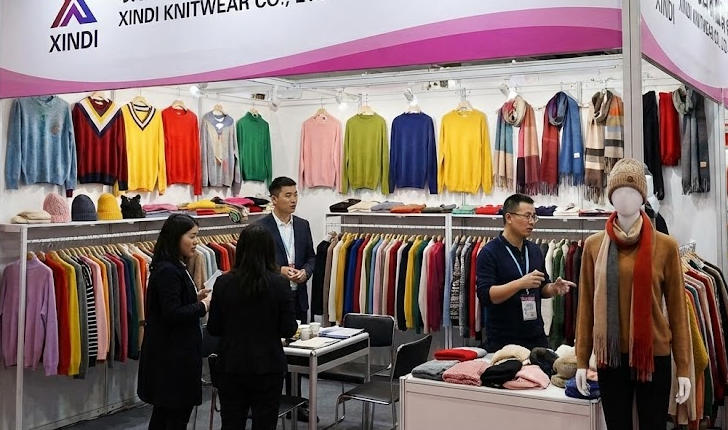
Trade shows let you meet factory workers in person. You can touch samples, ask questions, and see new styles. Many brands find good partners at events like MAGIC Las Vegas or the China International Knitting Fair. You get to see the factory’s work and build trust faster.
Tip: Bring your tech pack and product ideas to trade shows. This helps you get better answers and see if the factory can do what you need.
Shortlisting Factories
After you make a list of factories, you need to narrow it down. Look at location, size, and what other clients say.
Location & Scale
Where a factory is and how big it is can change your costs and delivery times. Here’s a quick look at how location and size affect your choices:
Location | Specialties | MOQs | Lead Time | Why Choose Them |
|---|---|---|---|---|
Sri Lanka | 200–500 | 30–60 days | Good for brands needing technical knitwear help. | |
Indonesia | Woven garments, uniforms, workwear | Thousands | Depends on size | Best for big orders and cost control. |
China | Sports and casual wear | Medium to large | Fast scaling | Great for fast, high-quality mass production. |
Factories in Sri Lanka are good for small batches and special styles. Indonesia is best if you want big orders and lower costs. China is great for fast and high-quality mass production.
Customer Reviews
Don’t forget to check customer feedback. Reviews show how factories treat clients and fix problems. Look for comments about quality, delivery, and support. If you see lots of good reviews, the factory cares about its customers.
Here are some important things to check when you make your shortlist:
Factor | Description |
|---|---|
Factory Structure and Infra. | Does the factory use modern machines and ways of working? |
Quality Control Standards | Are there strong checks to keep products the same? |
Can they handle special requests and changes fast? | |
Client Collaboration | Is communication clear and professional? |
Certifications | Do they have BSCI or ISO for fair labor and quality? |
Note: Always ask for certifications and sample reports. This helps you avoid problems and pick a factory that fits your brand.
Evaluate OEM Knitwear Factory Capabilities
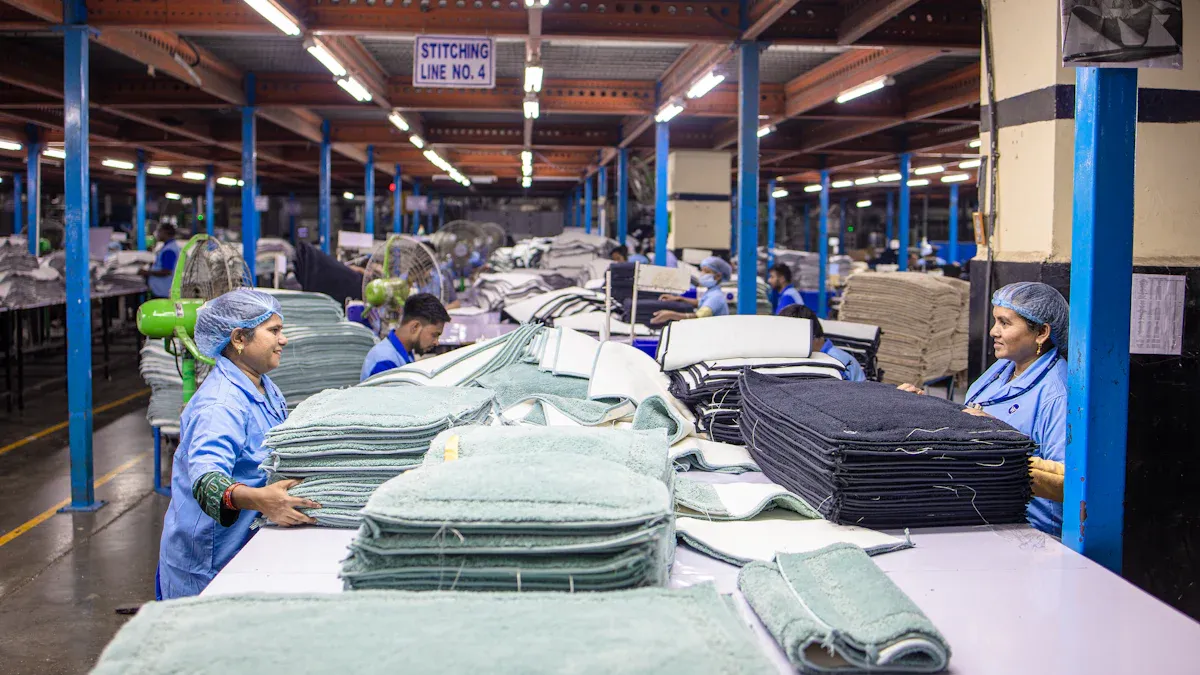
When you pick an oem clothing manufacturer, you need to know if they can handle your orders. You also want to see if they can grow with your brand. Here are some things to check before you choose.
Production Capacity
A good oem clothing manufacturer has enough space, workers, and machines. Big factories can be as large as 16,000 square meters. They may have 8 production lines and over 400 workers. Some factories make up to 5,000,000 pieces each year. They can export goods worth $100,000,000. This means they can handle big orders and finish them on time.
Machinery & Technology
Modern machines help oem garment manufacturing a lot. Factories with new technology work faster and make more styles. Here is how these machines help:
Benefit | Description |
|---|---|
Automated machines make more pieces quickly and stop delays. | |
Design Flexibility | Programmable patterns let factories follow trends and make complex designs. |
Consistency and Quality | Precise knitting keeps products the same, which is important for global sales. |
Cost Savings | Less labor and waste saves money and helps factories earn more. |
If your oem clothing manufacturer uses new machines, you get better quality and more choices.
Experience with Knitwear
You want a factory that knows knitwear well. Factories with lots of oem garment manufacturing experience can handle hard designs. They fix problems quickly and keep your products looking good.
Quality Standards
You need to trust your oem clothing manufacturer to follow strict rules. These rules keep your products safe and ready for customers.
Certifications
Look for factories with well-known certifications. These show they meet global standards for quality, safety, and caring for the planet.
Certification | Description |
|---|---|
ISO 9001 | Quality management system for all organizations. |
Organic certification for global sales. | |
OEKO-TEX | Tests for harmful substances in textiles. |
WRAP | Ethical manufacturing practices. |
Fair Trade | Supports sustainable trading relationships. |
Other important standards include ISO 14001:2015, which helps factories manage waste and resources. ECO PASSPORT by OEKO-TEX checks chemicals and dyes.
Certifications like GOTS and Fair Trade are very important. They show the factory cares about quality and the planet.
Quality Control
Good oem garment manufacturing always has strong quality checks. Factories check every step, from yarn to finished product.
Quality Control Stage | Description |
|---|---|
Checks yarn for strength, color, and texture before production. | |
In-Process Inspection | Watches stitching, sizing, and design during manufacturing. |
Pre-Final Inspection | Checks measurements, color, and finishing before packaging. |
Final Inspection | Looks for defects and makes sure products match your order. |
Compliance & Certification | Makes sure products meet all rules and ethical standards. |
Ethical & Sustainable Practices
Your brand should care about more than just style. Today, brands need to care about how products are made. This means looking at labor and the planet.
Labor Conditions
Factories with fair labor rules treat workers well. They pay fair wages and keep workplaces safe. They do not use child labor. These rules help your brand earn trust from customers.
Environmental Responsibility
Sustainability is very important in oem garment manufacturing. Top factories use biodegradable fabrics and renewable energy. They use eco-friendly dyes and cut down on plastic. They also use recycled materials. If you pick a factory with strong sustainability rules, you show customers you care about the planet.
Note: Brands that care about fair labor and the planet get more loyal customers. People want proof that you care about workers and the environment. If you ignore these rules, you may lose trust and sales.
Requesting Samples & Quality Assessment
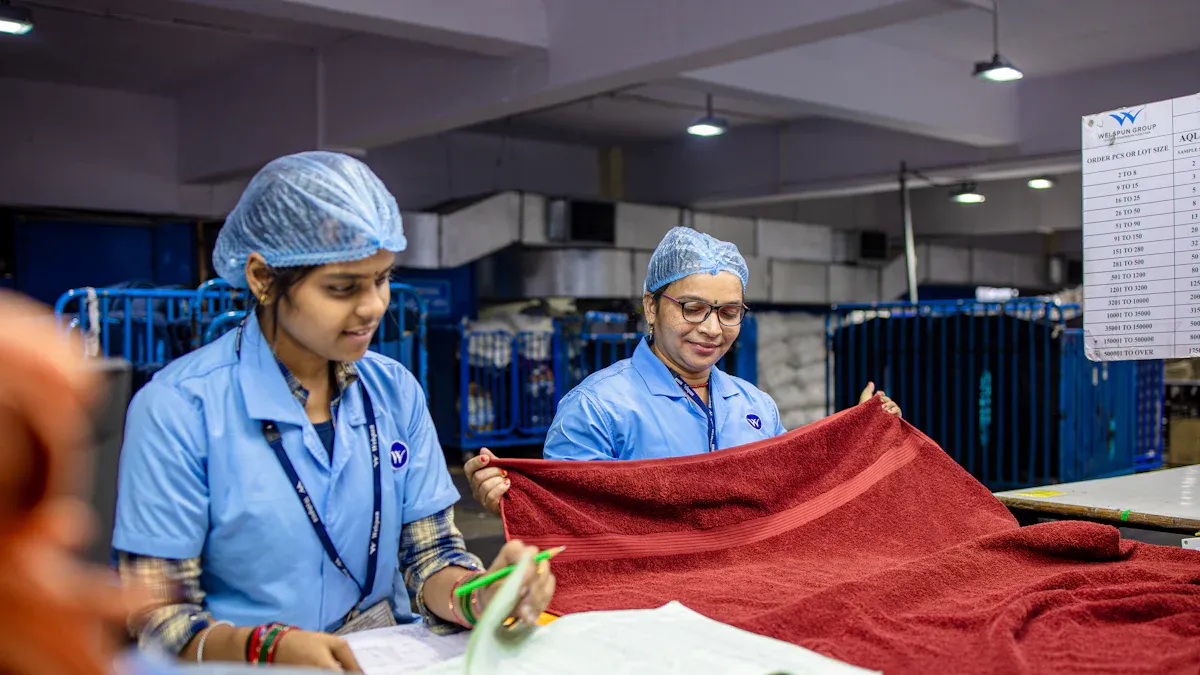
When you start working with an OEM knitwear factory, asking for samples is a smart move. Samples help you see if the factory can deliver what you want. You get to touch, feel, and check the quality before you commit to a big order.
Sample Requests
What to Ask For
You should always ask for a sample that matches your design. Send your tech pack, sketches, or even a physical sample if you have one. Make sure you include details about materials, colors, and any special decorations. Factories usually follow a simple process:
Share your design and requirements.
Get a price quote for the sample.
The factory makes a pre-production sample.
You review and approve the sample.
The factory starts mass production after your approval.
Some factories, like AZKnit, offer a refund on the sample fee if you place a bulk order and meet their minimum order quantity. This makes it easier for you to test their work without losing money.
Tip: Always ask if the sample fee is refundable. This can save you money when you move to bulk production.
Timelines & Costs
Sample timelines can vary. Most factories need 7–21 days to make a knitwear sample. Costs depend on design complexity and materials. Simple samples might cost $50–$150 each. Detailed designs or special yarns can cost more. Shipping options like DDP or DDU affect the final price, so ask for a breakdown.
Assessing Quality
Material Consistency
When you get your sample, check the fabric first. Feel the texture and stretch. Look for even color and strong yarn. Make sure there are no spots or weak areas. You want the yarn to match your tech pack in color and strength. Compare samples from different suppliers to see which one feels best.
Inspect for neat seam allowances and reinforced stress points.
Check that patterns line up along the seams.
Look for French seams or serged edges for a clean finish.
Craftsmanship
Craftsmanship shows in the details. Start by checking the stitching. Good knitwear should have 8–12 stitches per inch with no loose threads. Look at trims and embellishments like zippers, buttons, and prints. They should feel sturdy and work smoothly.
Feature | Warning Signs | |
|---|---|---|
Buttons | Secure shank closures; sturdy | Loose attachment; flimsy |
Zippers | Smooth operation; metal teeth | Fabric catching; plastic parts |
Metal Finishes | Brass or nickel construction | Lightweight or weak feel |
Check the fit and sizing. Measurements should match your tech pack, with a tolerance of about half an inch. Make sure the grainline runs straight for proper stretch and fit. Wash the sample to see how it holds up. If the fabric pills or shrinks, you may need to adjust your materials.
Note: Ask the factory for inspection reports or photos of their quality control process. This helps you trust their work and avoid surprises.
By following these steps, you can feel confident about your OEM knitwear factory’s quality before placing a big order.
Assess Communication & Service
Good communication and helpful service are very important when you work with an OEM knitwear factory. If the factory listens to you and answers fast, you feel sure about your orders. Let’s see what you should look for.
Responsiveness
Speed & Clarity
You want a factory that replies quickly and gives easy-to-understand answers. Fast replies help you fix problems before they get bigger. When a factory answers fast, you can change your plans, fix mistakes, and keep things moving. Here’s how being responsive helps your partnership:
Aspect | Impact on OEM Partnership |
|---|---|
Flexibility | Lets you change how much you make when you need to. |
Scalability | Lets your brand grow without needing more factories. |
A factory that responds quickly also helps you with:
Faster shipping and better ways to send products.
Fewer late deliveries.
Happier customers who get their orders on time.
Factories that always reply and keep things steady make better partnerships. You get a partner who cares about your goals and helps you reach them.
Customer Support
Problem Solving
Good customer support means you always know what is happening with your order. You want updates as things happen, so you never feel left out. Clear timelines help you plan and avoid surprises. The best factories let you give feedback, so you can share ideas and fix problems together.
Updates as things happen keep you informed.
Clear timelines help you plan better.
Feedback makes your partnership stronger.
Honest feedback early stops big mistakes later.
If a problem comes up, you want a factory that helps you fix it fast. This kind of help builds trust and keeps your business running well.
Transparency
Factory Visits
Being open is very important when you work with an OEM knitwear factory. You should always know what is happening at every step. Ask for clear timelines for samples and check how the factory gets materials. Good paperwork helps you avoid mistakes and keeps your brand safe.
Check materials and where they come from to protect your brand.
Use clear paperwork to stop errors.
Going to the factory in person helps you see how things really work. When you meet the team and walk around, you build trust. Open talks and visits help you avoid confusion and work better together. This openness gives you real-time info and helps you make smart choices. Trust grows when you see the process yourself, and your partnership gets stronger.
Tip: If you can, visit the factory before you make a big order. You will feel more sure and build a better partnership with your OEM factory.
Negotiating with Clothing OEM Factory
When you start working with a clothing oem factory, you need to talk about more than just your designs. You also need to agree on order size, delivery time, and how you will pay. Good negotiation helps you get what you want and builds trust with your clothing oem factory.
MOQ & Lead Times
Flexibility
Every clothing oem factory has a minimum order quantity, or MOQ. This is the smallest number of pieces you can order at one time. For knitwear, MOQs often range from 500 to 3,000 units per style or color. The exact number depends on your design, the materials you pick, and your relationship with the clothing oem factory.
You can sometimes get a lower MOQ if you show you are serious about your business. If you agree to pay a little more per unit, the clothing oem factory may be more flexible. You can also bundle your order with other clients to meet the factory’s requirements. If you plan to work with the clothing oem factory for a long time, they may trust you more and offer better terms.
Tip: If you are not sure about the MOQ, ask the clothing oem factory if they can offer a smaller run for your first order. This helps you test the market without spending too much.
Delivery Schedules
You want to know how long it will take to get your products. The clothing oem factory will give you a timeline for each step. Here is a typical schedule:
Sampling: 2–3 weeks
Material sourcing: 3–4 weeks
Production: 4–6 weeks
Quality control and testing: 1 week
Shipping: 2–6 weeks
From start to finish, you can expect a total lead time of 12 to 20 weeks. If you need more time or want to speed things up, talk to your clothing oem factory. Sometimes, giving the factory a longer timeline helps them fit your order into their schedule.
Payment Terms
Deposits
Most clothing oem factories ask for a deposit before they start making your order. For large orders, you usually pay 50% upfront. The rest is due when the factory gives you the Bill of Lading, which is proof that your goods are ready to ship. This helps the clothing oem factory cover the cost of materials and labor.
Payment Methods
You have a few ways to pay your clothing oem factory. For small orders, you can use Stripe, PayPal, or any major credit card. These methods are fast and secure. For large orders, most clothing oem factories prefer a bank wire transfer, also called T/T. Some factories accept a Letter of Credit, which gives both you and the factory extra security.
Here’s a quick table to show your options:
Payment Method | Description |
|---|---|
Small Orders | Stripe, PayPal, or credit cards (Visa, Mastercard, Amex, Discover, Diners Club) |
Large Orders | Bank Wire Transfer (T/T) with 50% deposit and 50% on Bill of Lading |
Letter of Credit | Secure payment, guarantees money is paid when goods are delivered |
Note: Always ask your clothing oem factory which payment methods they accept before you place your order. This helps you avoid delays and keeps your project on track.
When you talk about payment, be clear and honest. Good communication with your clothing oem factory makes the whole process smoother and helps you build a strong partnership.
Finalizing Your OEM Partner
Choosing your OEM clothing manufacturers is a big step, but you still need to make things official. You want to protect your brand and make sure your reliable clothing oem factory knows what you expect. Let’s look at how you can lock in your partner with clear contracts and set the stage for a smooth partnership.
Contracts & Agreements
A good contract keeps you and your partner on the same page. It covers what you want, how you pay, and what happens if things go wrong. Here are the key clauses you should include:
Key Clauses
Define the project scope—list the types of clothing, quantity, quality standards, and delivery date.
Set price and payment terms—include total price, extra fees, payment schedule, and method.
Add intellectual property rules—say who owns the designs and logos.
Describe the manufacturing process—cover materials, production timeline, and quality control.
Spell out quality standards—explain what counts as an acceptable product.
Detail delivery and shipping—list dates and who handles what.
Include a termination clause—explain when and how you or your partner can end the contract.
Add confidentiality rules—protect your brand’s secrets.
Set dispute resolution steps—say how you’ll solve problems.
Make sure both you and your partner sign and date the contract.
Tip: Always keep a signed copy of your contract. This protects you if there are any problems later.
Legal Review
Before you sign, ask a lawyer to check your contract. A legal review helps you spot hidden risks. Your lawyer can make sure your reliable clothing oem factory follows the law and respects your rights. This step gives you peace of mind and keeps your business safe.
Setting Expectations
You want your partner to know how you like to work. Clear expectations help you avoid surprises and build trust with your OEM clothing manufacturers.
Communication Protocols
Set up how you and your partner will talk. Decide if you want updates by email, phone, or video calls. Ask for regular updates on your order. K&G Garment shows that open communication builds trust and helps you fix problems fast. When you and your reliable clothing oem factory talk often, you both feel more confident.
Quality Assurance
You need strong quality checks at every step. Ask your OEM clothing manufacturers to inspect fabric, watch production, and check packaging. Make sure your partner can handle your order size and deliver on time. Real-time updates help you spot issues early. When you set clear rules for quality, your reliable clothing oem factory knows what you expect, and you get better products.
Note: Good communication and strong quality checks make your partnership last. You and your partner can grow together and build a brand people trust.
Navigating OEM Selection: Common Pitfalls
Quality vs. Price
When you start navigating oem selection, you might feel tempted to pick the lowest price. Saving money sounds great, right? But choosing only by price can lead to big problems. Some oem clothing suppliers offer low quotes to win your business. Later, you might find hidden costs, missed deadlines, or poor quality. Cheap can turn out to be expensive if you have to fix mistakes or replace bad products.
Here’s a quick look at why price is not everything:
Common Pitfalls | Explanation |
|---|---|
Choosing only by price | A low quote may seem appealing, but it can lead to missed deadlines, reduced quality, and hidden costs, ultimately being the most expensive mistake. |
You want your custom clothing oem partner to deliver great products on time. Focus on value, not just cost. Ask about their process, materials, and how they handle problems. Good oem clothing suppliers will explain their pricing and show you what you get for your money.
Tip: Always balance price with quality, service, and reliability. This helps you build a strong oem partnership that lasts.
Ignoring Reviews
You might think reviews are not important, but they can save you from trouble. When you skip reading what other brands say, you miss out on real stories about oem clothing suppliers. Reviews show if a factory keeps promises, delivers on time, and fixes problems fast. They also tell you if the factory is honest and easy to work with.
If you see lots of complaints about late orders or bad quality, take it as a warning. On the other hand, good reviews mean the factory cares about its clients and works hard to keep them happy. Use reviews as part of your guidelines for picking a custom clothing oem partner.
Look for reviews on trusted sites.
Ask the factory for references.
Talk to other brands who have worked with them.
Note: Reviews help you avoid mistakes and choose oem clothing suppliers who fit your needs.
Skipping Factory Visits
Visiting the factory might feel like extra work, but it is one of the best guidelines you can follow. When you skip this step, you miss a chance to see how things really work. A visit lets you check if the factory is clean, safe, and well-organized. You can meet the team, ask questions, and see the machines in action.
Some brands skip transparency checks and never ask about the production process. This can hurt your oem partnership. You need to know if the factory follows rules for safety, quality, and the environment. A visit helps you build trust and spot problems early.
Common Pitfalls | Explanation |
|---|---|
Skipping transparency checks | Failing to inquire about the production process can jeopardize compliance, sustainability, and customer trust. |
Guidelines: Always try to visit your custom clothing oem partner before you place a big order. If you cannot go in person, ask for a video tour or live call.
By following these simple guidelines, you can avoid the most common pitfalls when navigating oem selection. This helps you build a strong oem partnership and grow your brand with confidence.
Rushing Decisions
You might feel excited to launch your brand. You want to see your knitwear in stores as soon as possible. Sometimes, you rush to pick an OEM factory because you want to move fast. This can lead to big problems later.
When you hurry, you miss important steps. You might skip checking the factory’s background. You may not ask enough questions about their process. You could forget to compare samples or review contracts. These mistakes can cost you money and time.
Here are some common risks when you rush your decision:
Risk | What Can Happen |
|---|---|
Poor Quality | You get products that do not match your standards. |
Missed Deadlines | Your launch gets delayed because the factory cannot deliver on time. |
Hidden Costs | You find extra fees or charges after you sign the deal. |
Weak Partnerships | You work with a factory that does not care about your brand. |
Tip: Take your time. Ask for samples. Visit the factory if you can. Read reviews and talk to other brands. Slow decisions help you avoid mistakes.
You should always make a checklist before you choose a factory. Write down what matters most for your brand. Use this list to compare each factory. Here are some things to include:
Quality of samples
Factory certifications
Communication style
Production capacity
Delivery timelines
Payment terms
If you feel pressure to decide quickly, pause and think. Ask yourself, “Do I have all the facts?” If you do not, wait and gather more information. You can ask the factory for more details or request another sample. You can also talk to your team or get advice from experts.
Remember, building a brand takes time. Choosing the right OEM partner is a big step. You want a factory that supports your goals and helps you grow. When you slow down and make careful choices, you set your brand up for success.
Note: Fast decisions may feel good now, but careful planning saves you trouble later. Trust your process and give yourself time to choose the best OEM knitwear factory for your brand.
OEM Knitwear Factory Checklist
Picking an OEM knitwear factory can seem hard. You need to check every detail before you sign anything. A checklist helps you stay on track and not forget things. It also helps your team work together. Let’s look at the steps you should follow.
Pre-Selection
First, write down what matters most for your brand. Know your goals before you talk to any factory. Here are some things to check:
List your product needs. Include materials, colors, and design ideas.
Decide your budget and minimum order quantity (MOQ).
Look up factories online and at trade shows.
Gather reviews and references from other brands.
Check for certifications like ISO, GOTS, or OEKO-TEX.
Make sure the factory follows fair labor and green rules.
Tip: Using a checklist helps your team know what to do. Everyone looks for the same things, so you do not miss steps.
Evaluation
Now compare your top factory choices. Use your checklist to keep things fair and easy. Here’s a table to show how a checklist helps during production:
Stage of Production | Description |
|---|---|
Pre-Production Checks | Check raw materials, trims, and samples to see if they match your specs. |
During Production | Inspectors look at stitching, fit, and fabric quality on random samples. |
Final Inspection | Check finished products for labeling and packaging to meet customer needs. |
Defect Logging | Write down defects for fixing, and give feedback to keep quality steady. |
Shared Quality Practice | Everyone uses the same checklist, so it is easier to see problems and avoid delays. |
Go through each factory’s samples. Check stitching, fit, and fabric quality. Compare finished products to your checklist. Write down any problems and ask for fixes. When everyone uses the same checklist, you build good habits. You also save money and make fewer mistakes.
Let your team help keep quality high.
Build trust with customers by keeping standards strong.
Make fewer mistakes and save money over time.
Final Steps
You are almost ready to pick your factory. Use your checklist to finish well:
Check contracts and agreements. Make sure every detail fits your needs.
Confirm payment rules and delivery dates.
Set up ways to talk for updates and feedback.
Plan a factory visit or ask for a video tour.
Double-check quality steps and certifications.
Note: A checklist helps you see each step clearly. You do not rush and you make better choices. Your brand gets stronger when you follow a good process.
When you use a checklist, you feel sure about your choice. You know you checked every detail. Your team works better, and your customers trust your brand. Ready to pick your OEM knitwear factory? Get your checklist and start today!
You now know how to pick the right OEM knitwear factory for your brand. Start by setting clear goals and product needs. Do your research and ask questions. Build strong relationships with your factory partners. Use the checklist to stay organized and make smart choices.
Remember, careful planning leads to better products and happy customers. Ready to begin your journey? Take the first step today!
FAQ
What is oem apparel?
oem apparel means you work with a factory to make clothes using your own designs and ideas. The factory handles the production, but you control the style, fabric, and branding. This gives you more freedom to create unique products for your brand.
How does oem apparel differ from private label clothing?
With oem apparel, you design everything from scratch. The factory follows your instructions. Private label clothing uses pre-made designs that you can add your label to. oem apparel gives you more control over the final product and helps your brand stand out.
Why should I choose oem apparel for my brand?
You should pick oem apparel if you want custom designs, special fabrics, or unique features. oem apparel lets you build a brand that looks different from others. You can also control quality and make changes as your brand grows.
What is the minimum order quantity (MOQ) for oem apparel?
Most oem apparel factories ask for a minimum order. This number can be as low as 50 pieces or as high as 1,000, depending on the factory and your design. Always ask about the MOQ before you start your order.
How do I make sure the oem apparel factory meets my quality standards?
You can ask for samples before placing a big order. Check the stitching, fabric, and fit. Visit the factory if you can. Good oem apparel factories will show you their quality checks and let you see how they work.
Can I visit the oem apparel factory before placing an order?
Yes, you can visit most oem apparel factories. A visit helps you see the machines, meet the team, and check working conditions. If you cannot travel, ask for a video tour. This builds trust and helps you feel confident about your choice.
How long does it take to produce oem apparel?
Production time for oem apparel depends on your design and the factory’s schedule. Most orders take 8 to 16 weeks from start to finish. This includes making samples, getting materials, and shipping the final products to you.
What should I look for when choosing an oem apparel partner?
Look for a factory with experience in oem apparel, good reviews, and strong quality checks. Make sure they understand your needs and answer your questions quickly. Ask about their certifications and see if they follow fair labor and green rules.
Tip: Always use a checklist when picking an oem apparel factory. This helps you stay organized and avoid mistakes.