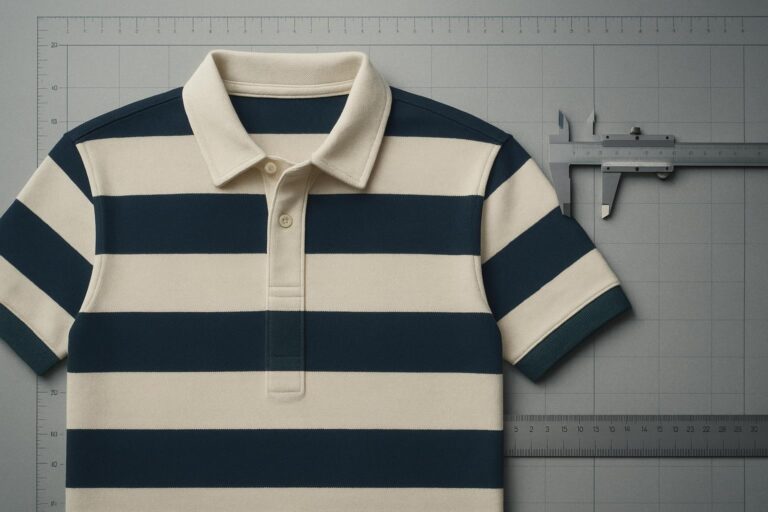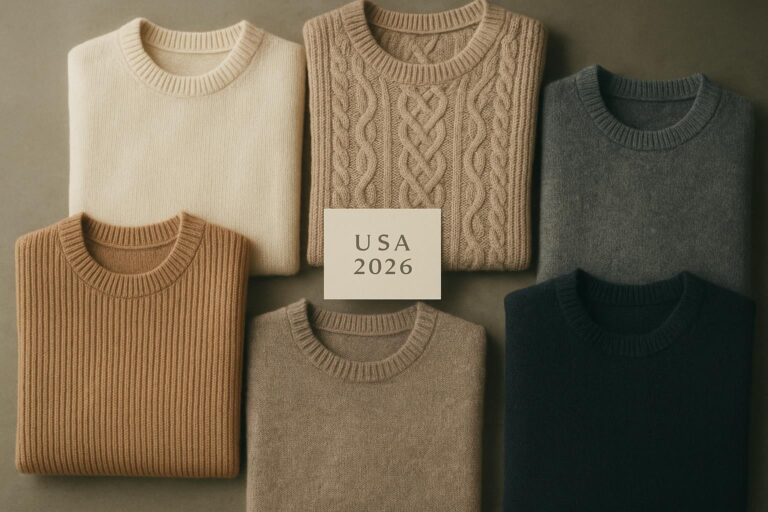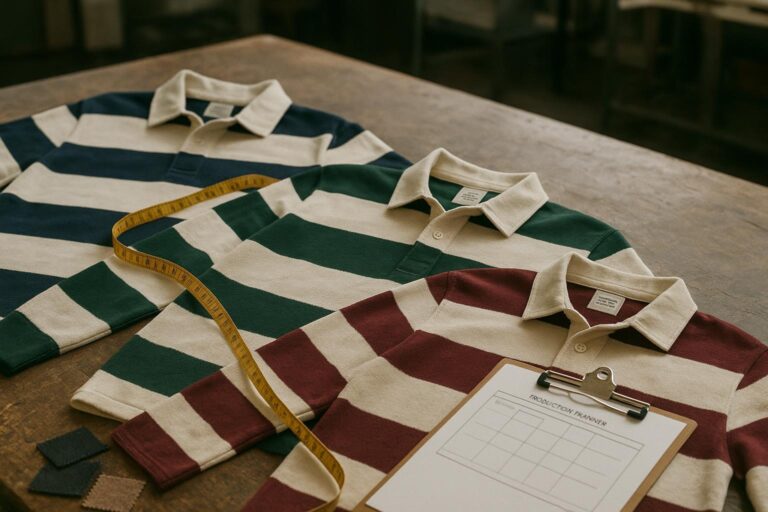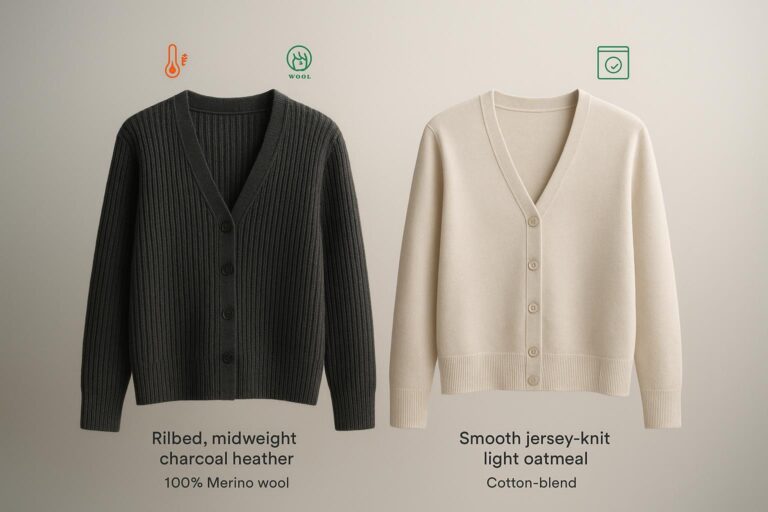

You want to launch a knitwear collection that stands out. Start by shaping a clear vision and thinking about your goals from day one. Many fashion startups struggle because they skip important steps. Did you know that:
-
About 50% of fashion startups close within five years.
-
Nearly 98% of clothing brands fail early, often from poor market research or weak product quality.
-
Smart planning and understanding each step can help you succeed.
During knitwear collection development, you might face challenges like missing your target audience, ignoring budget planning, or picking the wrong sales channels. If you focus on these steps, you can build a strong foundation for your brand.
Key Takeaways
-
Begin with a clear idea for your knitwear collection. Set your goals and think about what makes your brand special.
-
Do good market research to learn about trends and what customers like. This helps you make pieces that your audience will enjoy.
-
Know who your customer is. Think about their age, how they live, and their body shapes. Design knitwear that fits what they need.
-
Make clear goals for your collection. Match these goals with your brand and what your customers want. This helps your collection do well.
-
Pay attention to the design steps. Use sketches and mood boards to show your ideas. This helps you make a collection that goes well together.
-
Pick yarns and materials that are high quality. Think about how the fabric feels and if it is good for the environment. This makes your collection better.
-
Make tech packs with lots of details for production. Add sketches, sizes, and material details to make sure everything is correct.
-
Try your designs with fitting samples. This helps you find problems with fit early. It also makes sure your customers are happy.
What are the key concept and market considerations for knitwear collection development?
Inspiration & Vision
Before you start a new collection, you need inspiration. This is when your ideas start to grow. You might draw, imagine, or gather yarns and old samples. Many designers use pin boards to put together colors, fabrics, and pictures. This lets you see your ideas all together. Making and designing knitwear takes a lot of time and hard work. You want your knitwear to show your own style and story.
|
Stage |
Description |
|---|---|
|
Ideas Phase |
Draw, imagine, and think of ideas. Gather yarns and old samples. |
|
Inspiration Gathering |
Pin colors, fabrics, and pictures on boards. |
|
Production Process |
Learn about the slow and careful steps of making knitwear. |
You can get inspiration from many places. Look at art, nature, or what people wear on the street. Try to keep your mind open to new things. The more ideas you find, the clearer your vision will be.
Market Trends
You want your collection to look new and up-to-date. Trend analysis helps you see what people like, new technology, and changes in culture. When you watch market trends, you can make knitwear that people want. Here are some ways designers keep up with trends:
-
Study what customers like and new technology.
-
Watch for new ways of hand-knitting and other skills.
-
Notice more gender-neutral fashion and inclusivity.
-
Try new knit textures and tech changes.
|
Trend Description |
Implication for Designers |
|---|---|
|
Make pieces that are comfy and stylish. |
|
|
New textures, fits, and fabric blends |
Try new ideas to match what people want. |
|
Fast fashion cycles and social media |
Be ready to change quickly with new trends. |
You can use these ideas when you start a new collection. This helps you stay ahead and connect with your customers.
Customer Profile
You need to know who will wear your knitwear. Start by thinking about the age, job, and lifestyle of your customer. Think about the season, gender, and how much money they have. Some brands make unisex or kids’ collections. Others make special items for holidays or events.
-
Use the latest information about people.
-
Study body sizes to make better fits.
-
Remember, sizing is tricky and changes over time.
“The complexity of sizing for clothing is unmatched by any other consumer product.” – Susan Ashdown, Professor at Cornell University.
If you want to fill a gap, look for groups that are often missed, like plus-sized teens. Old sizing systems may not work for today’s people. By knowing your customer, you can make knitwear that fits and makes them happy.
Collection Goals
Setting clear goals for your knitwear collection gives you direction and helps you stay focused. You want your collection to stand out, but you also need it to fit your brand and meet real customer needs. So, where do you start?
First, think about your brand. What do you want people to remember about your knitwear? Maybe you want to be known for bold colors, eco-friendly yarns, or cozy, everyday pieces. Your collection goals should match your brand’s personality. When you know what your brand stands for, you can make choices that feel right for you and your customers.
Next, look at your target audience. Who will wear your sweaters? Are they young professionals, busy parents, or fashion-forward teens? Understanding your audience helps you design pieces they will love and actually buy. You want your collection to solve their problems or fit their lifestyle.
Tip: Spend time talking to your ideal customers. Ask them what they want in knitwear. Listen to their answers and use their feedback to shape your goals.
Market research is your friend here. Study what other brands offer. Find out what’s missing in the market. Maybe you notice that most brands ignore plus sizes or don’t offer enough gender-neutral options. If you spot a gap, you can fill it with your collection.
Here are some things to consider when setting your collection goals:
-
Make sure your collection matches your brand’s style and values.
-
Focus on your target audience’s needs and preferences.
-
Study the market to find out what’s in demand and what’s missing.
-
Think about functionality, style, and versatility. People want knitwear they can wear in different ways.
-
Start small. A core collection of 3–5 pieces is easier to manage and lets you test what works.
-
Plan for growth. Once you know what your customers love, you can add more styles or colors.
You can use a simple table to organize your goals:
|
Goal Area |
Example Goal |
|---|---|
|
Brand Identity |
Use only sustainable yarns |
|
Target Audience |
Design for plus-size women |
|
Market Demand |
Offer gender-neutral sweaters |
|
Functionality |
Create pieces that layer easily |
|
Collection Size |
Start with 4 core styles |
When you set clear goals, you give your collection a strong foundation. You know what you want to achieve, and you can measure your progress along the way. This makes it easier to make decisions and keep your collection on track.
How do you develop a knitwear collection step by step?
Sweater Design Process
You want your knitwear collection development to start strong. The sweater design process is where your ideas begin to take shape. You get to turn inspiration into real pieces that people will love to wear. Let’s break down the steps so you can see how each part fits together.
Here’s a table that shows the key steps in the sweater design process:
|
Step Number |
Key Step |
Description |
|---|---|---|
|
1 |
Investigate current fashion trends and create a mood board to guide your design journey. |
|
|
2 |
Sketching and Illustration |
Bring your concept to life through detailed sketches and illustrations of different design elements. |
|
3 |
Fabric and Trim Selection |
Pick fabrics and trims based on how you want the sweater to feel and look. |
|
4 |
Make a guide with measurements and notes for the production team. |
|
|
5 |
Fiber Type |
Choose the fiber type that gives your sweater the right feel and performance. |
|
6 |
Color Choice |
Decide on yarn colors that match your vision and the season, using swatches for accuracy. |
|
7 |
Yarn Weight |
Select yarn weight to get the texture and drape you want, using yarn weight charts. |
|
8 |
Sustainability |
Use eco-friendly yarns if you want your collection to be sustainable, and check for certifications. |
You start with trend analysis. You look at what’s popular and what’s coming next. You build a mood board with colors, textures, and images. This helps you stay focused during knitwear collection development.
Next, you sketch your ideas. You draw different sweater shapes and details. You play with necklines, sleeves, and stitch patterns. Sketching lets you see what works and what doesn’t. You can use pencils, markers, or digital tools.
After sketching, you pick fabrics and trims. You touch yarns and test swatches. You want your sweater to feel good and look great. You also think about trims like buttons or zippers.
You create a technical specification sheet. This is a guide for the production team. It has measurements, construction notes, and details about each sweater. You want everyone to understand your design.
You choose the fiber type. Wool, cotton, or blends all give your sweater a different feel. You think about how the fiber will perform and how it fits your collection.
Color choice is important. You pick yarn colors that match your vision and the season. You use swatches to make sure the colors look right together.
Yarn weight affects the texture and drape. You use yarn weight charts to help you decide. You want your sweater to hang well and feel comfortable.
If you care about sustainability, you pick eco-friendly yarns. You check for certifications to make sure your knitwear collection development supports your values.
Silhouette Selection
Now you get to choose the shapes for your sweaters. Silhouette selection is a big part of knitwear collection development. The silhouette is the outline or shape of the sweater. It can be fitted, boxy, oversized, cropped, or long.
You want to think about your target customer. Do they like relaxed fits or tailored looks? You can mix different silhouettes in your knitwear collection development to offer variety. Some people love chunky oversized sweaters. Others want slim, classic shapes.
Here are some popular sweater silhouettes:
-
Crewneck: Simple and classic, works for many styles.
-
V-neck: Adds a touch of elegance and flatters many body types.
-
Turtleneck: Cozy and warm, perfect for cold weather.
-
Cardigan: Open front, easy to layer and style.
-
Cropped: Trendy and fun, great for younger customers.
-
Oversized: Relaxed and comfy, perfect for casual looks.
You can sketch each silhouette and see how it fits with your overall design. You want your knitwear collection development to feel balanced. Try to include a mix of shapes so your collection appeals to more people.
Tip: Lay out your sweater sketches side by side. Look for gaps or too much repetition. This helps you build a collection that feels complete.
Design Details
Design details make your sweaters special. You get to add personality and style to each piece. During knitwear collection development, you focus on the little things that set your sweaters apart.
You can play with stitch patterns. Try cables, ribs, lace, or colorwork. Each stitch gives your sweater a unique texture. You can mix and match stitches to create interest.
Think about the neckline, cuffs, and hem. You can add contrast colors, stripes, or special trims. Buttons, zippers, and pockets also add function and style.
You want your design details to match your collection’s theme. If you use bold colors, keep the details simple. If your collection is all about texture, use different stitches and yarns.
Here’s a quick checklist for design details:
-
Stitch patterns: cables, ribs, lace, colorwork
-
Neckline shapes: crew, V-neck, turtleneck, boat neck
-
Sleeve styles: set-in, raglan, drop shoulder, balloon
-
Trims: buttons, zippers, pockets, embroidery
-
Color blocking or stripes
-
Special finishes: rolled edges, ribbed cuffs, split hems
You want every sweater to feel like part of the same family. Use similar design elements across your knitwear collection development. This helps your collection look cohesive and professional.
Note: Small details can make a big difference. Don’t be afraid to experiment and try new ideas.
When you focus on the sweater design process, silhouette selection, and design details, you build a knitwear collection development that stands out. You get to show your creativity and make sweaters people want to wear. You also set yourself up for a smooth production process later.
Cohesive Story
You want your knitwear collection to feel like a complete story. Each sweater should connect with the others. When you look at your collection, you want to see a clear theme. This helps your customers understand your brand and makes your collection stand out.
Start by thinking about the mood you want to share. Do you want your sweaters to feel cozy and warm? Maybe you want a bold and modern look. Pick a theme that matches your vision. You can use colors, textures, and shapes to build this mood.
Here are some ways to create a cohesive story:
-
Choose a color palette. Use the same colors across your sweaters. This makes your collection look unified.
-
Repeat design details. If you use a special stitch or trim, add it to more than one sweater.
-
Keep your silhouettes related. Mix different shapes, but make sure they fit together.
-
Use similar yarns. When you pick yarns with the same feel, your sweaters will look and feel connected.
Tip: Lay out all your sweater sketches side by side. Ask yourself, “Do these pieces belong together?” If something feels out of place, adjust the design.
A cohesive story also helps with production. When you use the same yarns and trims, you can order materials in bulk. This saves money and time. Your production team will find it easier to follow your plan.
Let’s look at an example table for building a cohesive collection:
|
Element |
How to Use in Collection |
|---|---|
|
Color Palette |
Use three main colors in every sweater |
|
Stitch Pattern |
Repeat cable knit in two or more sweaters |
|
Silhouette |
Mix oversized and fitted, but keep the same neckline style |
|
Yarn Type |
Use soft wool for all sweaters |
You want your customers to recognize your style. When they see your sweaters, they should know they come from your brand. A strong story makes your collection memorable.
Sometimes, you might want to add one surprise piece. This can be a sweater with a bold color or a new shape. Make sure it still fits your theme. You want it to stand out, but not look lost.
Note: A cohesive story does not mean every sweater looks the same. It means every piece feels like part of the same family.
When you plan your collection, think about how each sweater fits into your story. You want your production process to run smoothly. You also want your customers to love every piece. If you build a strong story, your knitwear collection will shine.
What yarn types and materials should you use for knitwear?
Yarn Types
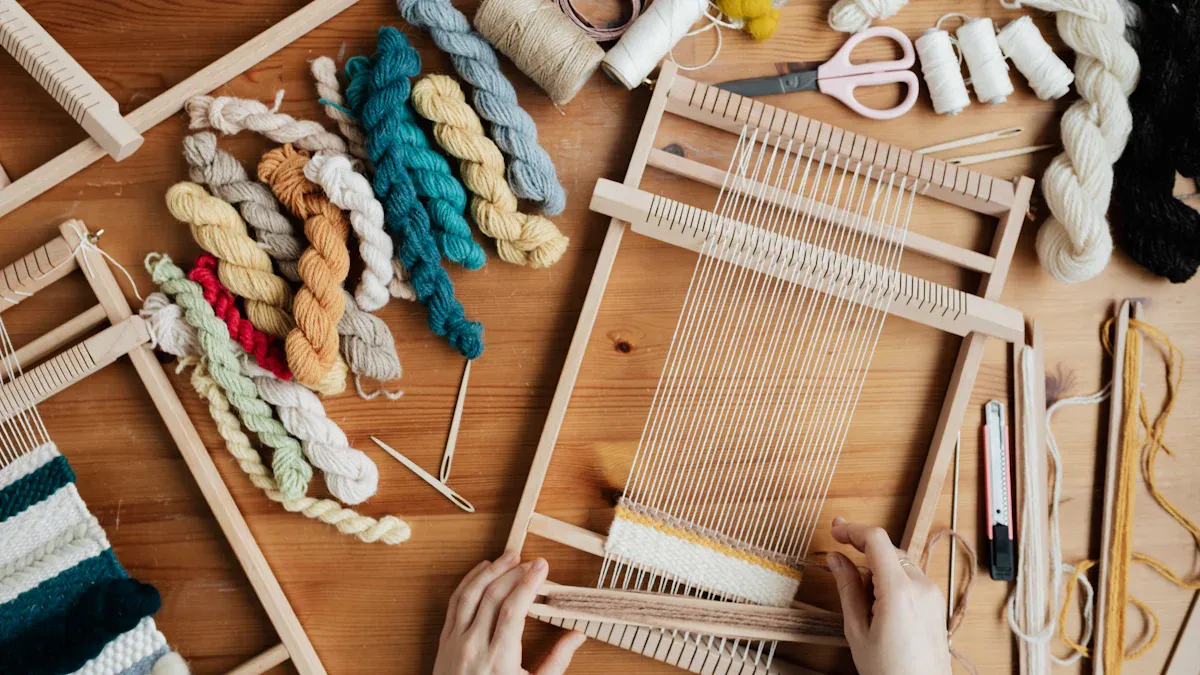
You have a lot of choices when it comes to yarn for your knitwear collection. Each yarn type brings its own look and feel. Some yarns are soft and warm, while others shine or drape beautifully. Here’s a quick look at some of the most popular yarns you’ll see in commercial knitwear:
|
Yarn Type |
Properties |
Popular Brands |
|---|---|---|
|
Merino Wool |
Exceptional softness and warmth |
Malabrigo, Cascade, Lion Brand Wool-Ease |
|
Alpaca |
Luxuriously soft, warm, lightweight |
Berroco, Drops, Knit Picks Andean Treasure |
|
Silk Blends |
Lustrous sheen, beautiful drape |
Malabrigo Silky Merino, Blue Sky Fibers Metalico, Knit Picks Gloss |
You might want to try merino wool for cozy sweaters. Alpaca feels light and soft, perfect for layering. Silk blends add a little shine and make your pieces look fancy. When you pick your yarn, think about how you want your knitwear to feel and look.
Sourcing Materials
Choosing where you get your yarn and other materials matters a lot. You can help the planet and your community by making smart choices. Here are some things to think about:
-
Use local resources to cut down on shipping and lower your carbon footprint.
-
Reuse yarn or materials from old items to reduce waste.
-
Buy from local communities to support fair and ethical work.
-
Look for fair trade labels to make sure workers get treated well.
Sustainable yarns are made to be gentle on the earth. They also support good practices in how people make and use them. When you choose your materials with care, you show your customers that you care about more than just style.
Tip: Ask your suppliers about where their yarn comes from and how it’s made. This helps you make better choices for your brand.
Color Choices
Color can make your knitwear collection pop. You want to pick colors that match your story and catch your customer’s eye. Think about the season and what’s trending. Try using a color palette with three or four main shades. This keeps your collection looking neat and connected.
You can dye your own yarn or buy it pre-dyed. If you dye yarn yourself, you get to play with custom shades. Pre-dyed yarn saves time and gives you even color. Make sure your colors look good together and fit your collection’s mood.
Here are a few things to remember when picking colors:
-
Test your colors with swatches before you start production.
-
Think about how colors look in different lights.
-
Use color to highlight special stitches or details.
When you pay attention to yarn types, sourcing, and color, you build a collection that feels special. You also make sure your materials match your vision and values.
Cost & Quality
When you build your knitwear collection, you need to think about both cost and quality. These two things can make or break your project. You want yarns that look and feel great, but you also need to stick to your budget. How do you find the right balance?
Start by setting a clear budget for your materials. Write down how much you can spend on yarn for each piece. If you plan ahead, you avoid surprises later. Some yarns cost more because they use special fibers or come from ethical sources. Others are cheaper but might not last as long.
Here’s a simple table to help you compare yarn options:
|
Yarn Type |
Average Cost (per skein) |
Durability |
Feel |
Best For |
|---|---|---|---|---|
|
Merino Wool |
$$$ |
High |
Soft, warm |
Premium sweaters |
|
Acrylic |
$ |
Medium |
Smooth |
Budget collections |
|
Cotton |
$$ |
Medium |
Cool, soft |
Spring knits |
|
Alpaca |
$$$$ |
High |
Silky, light |
Luxury pieces |
You don’t have to pick the most expensive yarn to get good quality. Sometimes, blends work well. For example, a mix of wool and acrylic gives you warmth and durability without breaking the bank. Test different yarns before you decide. Knit a small swatch and see how it feels and holds up.
Tip: Ask your supplier for samples. Touch and stretch the yarn. Wash it if you can. You want to know how it will behave after your customer wears and washes the sweater.
Quality matters a lot. If your yarn pills or loses shape, your customers won’t be happy. Look for yarns with good reviews. Check if they meet safety standards. Some brands offer certifications for organic or fair-trade yarns. These can add value to your collection.
You also need to think about minimum order quantities. Some suppliers ask you to buy a lot at once. If you’re just starting, look for places that sell smaller amounts. This helps you control costs and avoid waste.
Here are some ways to save money without losing quality:
-
Buy in bulk for popular colors or yarns.
-
Use leftover yarn for trims or small details.
-
Choose classic colors that work across seasons.
-
Mix premium yarns with budget-friendly options.
If you focus on both cost and quality, you build a collection that looks good and lasts. Your customers will notice the difference. Smart choices now help your brand grow stronger in the future.
What are the technical specifications and patterns needed for knitwear?
Stitch Patterns
Stitch patterns give your knitwear its unique look and feel. You can use simple stitches like stockinette or ribbing, or try more complex ones like cables and lace. Each stitch changes the texture and style of your sweater. When you pick a stitch pattern, think about how it will look and how it will feel on the body.
You can use stitch patterns to add interest to plain shapes. For example, a basic pullover can look special with a bold cable down the front. Some stitches make the fabric thicker and warmer, while others keep it light and airy. Try mixing different stitches in one piece for a modern twist.
Tip: Knit a small swatch before you start your project. This helps you see how the stitch will look and lets you check the gauge.
Shaping Patterns
Shaping patterns help you create sweaters that fit well and look great. You use shaping to make the garment wider, narrower, or add curves where you need them. Here are some common shaping techniques:
-
Increasing: Add stitches to make the piece wider. This works well for the body or sleeves.
-
Decreasing: Remove stitches to make sections narrower. This is useful for shaping the waist or cuffs.
-
Short Rows: Knit only part of a row to add extra fabric in certain spots. You can use this for bust darts or rounded shoulders.
These shaping methods let you adjust the fit and style of your knitwear. You can make the waist smaller, add length to the sleeves, or create a special design detail. Here’s how shaping helps your final piece:
-
Perfect Fit: You can adjust the waist or bust for comfort.
-
Customization: Make changes like longer sleeves or a tighter fit.
-
Design Details: Use short rows for cool effects, like curved hems.
Note: Shaping patterns turn a flat piece of fabric into a three-dimensional garment that fits the body.
Gauge & Tension
Gauge and tension are key for getting the right fit. Gauge tells you how many stitches and rows you have in a set space, usually four inches. Tension is how tight or loose you knit. If your gauge is off, your sweater might end up too big or too small.
Always knit a gauge swatch before you start. Use the same yarn and needles you plan to use for your project. Count your stitches and rows. If you have too many, try bigger needles. If you have too few, use smaller needles.
Here’s a quick checklist for gauge and tension:
-
Knit a swatch with your chosen yarn and needles.
-
Measure the number of stitches and rows in four inches.
-
Adjust your needle size if your gauge doesn’t match the pattern.
-
Check your tension often as you knit.
Getting the gauge right means your sweater will fit as you planned. It also helps your production team make sweaters that match your samples every time.
|
Specification Type |
Description |
|---|---|
|
Use these to create accurate knit codes and structure for your patterns. |
|
|
Communication of Structural Information |
Auto-generated knit codes help factories understand your design. |
|
3D Rendering of Garments |
See your design in 3D before making samples. |
|
Specification Generation |
Print color chips, Pantone codes, and yarn info for clear instructions. |
Remember: Good technical specs make your ideas easy to follow and help everyone work together smoothly.
Tech Packs
You want your knitwear designs to turn out just right. Tech packs help you make that happen. A tech pack is a set of documents that shows every detail about your sweater. You give this pack to your factory or production team. They use it to make your design come to life.
Think of a tech pack as your sweater’s instruction manual. You include sketches, measurements, yarn info, and even color codes. You also add notes about trims, buttons, and special stitches. The more details you give, the fewer mistakes you see in your samples.
Here’s what you usually find in a knitwear tech pack:
|
Tech Pack Section |
What You Include |
|---|---|
|
Sketches |
Front, back, and side views |
|
Measurements |
Chest, length, sleeve, neck, and more |
|
Yarn & Materials |
Yarn type, color codes, trims, buttons |
|
Stitch Details |
Diagrams, swatches, or written instructions |
|
Construction Notes |
How to join seams, finish edges, add labels |
|
Size Chart |
Measurements for each size |
|
Care Instructions |
Washing, drying, and care symbols |
Tip: Use clear, simple language in your tech pack. Factories work faster when they understand your instructions.
You don’t need fancy software to make a tech pack. You can use Word, Excel, or Google Docs. Some designers use special programs like Adobe Illustrator or CLO3D for sketches. You can even add photos of your swatches or samples.
Here’s a quick checklist to help you build your tech pack:
-
Draw clear sketches of your sweater.
-
List every measurement for each size.
-
Write down the yarn brand, color, and fiber content.
-
Show your stitch pattern with a diagram or photo.
-
Add notes about trims, buttons, or labels.
-
Include a size chart for all sizes.
-
Give care instructions for washing and drying.
Factories love tech packs because they answer questions before problems start. You save time and money by avoiding mistakes. You also get sweaters that match your vision.
Note: Always double-check your tech pack before you send it. Small errors can lead to big problems in production.
If you want to make changes, update your tech pack and send the new version. Keep your files organized so you can find them later. Good tech packs help you build a strong relationship with your production team.
You can use this simple code block to organize your tech pack files:
/Knitwear_Collection/
    /Tech_Packs/
        Sweater1_TechPack.pdf
        Sweater2_TechPack.pdf
    /Sketches/
    /Swatches/
When you use tech packs, you make your knitwear collection look professional. You also make sure your designs turn out just how you want.
How should you size and fit knitwear for your customers?
Size Range
You want your knitwear to fit as many people as possible. Choosing the right size range is a big step. Most successful knitwear brands offer a variety of sizes. This helps you reach more customers and makes your collection more inclusive.
Here’s a quick look at common size ranges:
|
Size Range |
Description |
|---|---|
|
Misses |
Standard sizes for women, typically ranging from XS to XL |
|
Plus-size |
Sizes that cater to larger body types, often starting from 1X and going up |
|
Custom |
Tailored sizes based on individual measurements, often used by high-end brands |
You can start with a core range like XS to XL. If you want to stand out, add plus sizes or even offer custom options. This shows you care about all body types. When you plan your size range, think about your target customer and what they need.
Tip: Ask your customers what sizes they want. Their feedback helps you make better choices.
Grading
Grading means adjusting your sweater pattern for each size. You want every size to fit well, not just the sample. Good grading keeps your brand’s fit consistent and builds trust with your customers.
You use body measurements to guide your grading. You change the pattern in small steps for each size. Here’s a table that shows how much you might add or subtract in different areas:
|
Increment |
Areas Graded |
|---|---|
|
1/4″ |
Neck Width, Front Neck Drop, Sleeve Length |
|
1/2″ |
Across Front, Across Back, Armhole Straight, Armhole Curve, Sleeve Opening |
|
1″ |
Shoulder Width, Body Length |
|
2″ |
Chest Width, Body Sweep |
You can use different methods for grading:
-
Cut and spread: Slice the pattern and spread it out for each size.
-
Pattern shifting: Move the pattern by equal amounts and redraw the shape.
-
Computer grading: Use software to make grading faster and more accurate.
Accurate grading means your sweaters will fit well in every size. This helps your collection look professional and keeps customers happy.
Fitting Samples
Fitting samples are your secret weapon for great fit. You make a sample sweater in each size you plan to sell. Then you try these samples on real people. This helps you see if the sweater fits as you want.
You check the chest, sleeves, shoulders, and length. If something feels too tight or too loose, you adjust the pattern. You want every size to feel comfortable and look good.
Here’s a simple checklist for fitting samples:
-
Make a sample for each size.
-
Test the fit on real people.
-
Check all key areas: chest, waist, sleeves, and length.
-
Write down what works and what needs fixing.
-
Update your pattern before production.
Note: Fitting samples help you catch problems early. You save time and money by fixing issues before you start making lots of sweaters.
When you focus on size range, grading, and fitting samples, you build a knitwear collection that fits real bodies. Your customers will notice the difference and love your brand even more.
Inclusivity
You want everyone to feel welcome in your knitwear collection. Inclusivity means you design for all kinds of bodies, backgrounds, and needs. When you think about inclusivity, you open your brand to more people. You also show that you care about your customers.
Start by looking at your size range. Many brands stop at XL, but real people come in all shapes and sizes. If you offer more sizes, you help more people find something that fits. You can add plus sizes, petite sizes, or even tall options. Some brands use numbers, like 0–24, while others use letters, like XS–4X. Here’s a quick table to show how you can expand your range:
|
Size Label |
Who It Fits |
|---|---|
|
Petite |
Shorter heights |
|
Tall |
Longer limbs |
|
Plus |
Larger bodies |
|
Unisex |
All genders |
You can also think about gender. Not everyone wants to wear “men’s” or “women’s” sweaters. Unisex or gender-neutral designs work for everyone. Try simple shapes and colors that anyone can wear. You can ask your customers what they want. Their answers help you make better choices.
Tip: Use real people in your photos. Show different body types, ages, and backgrounds. This helps customers see themselves in your clothes.
Accessibility matters, too. Some people have trouble with small buttons or tight necklines. You can use bigger buttons, easy zippers, or stretchy necks. These small changes make a big difference for people with disabilities or limited movement.
Here are some ways to make your knitwear more inclusive:
-
Offer a wide range of sizes, from petite to plus.
-
Use adjustable features, like drawstrings or stretchy cuffs.
-
Choose soft, non-itchy yarns for sensitive skin.
-
Avoid only using thin models in your photos.
-
Write clear care instructions for all your pieces.
Inclusivity is not just about size. It’s about making everyone feel seen and valued. When you listen to your customers and try new ideas, you build a brand people trust. You also help your collection stand out in a crowded market.
Note: You don’t have to do everything at once. Start small. Add one new size or feature each season. Over time, your collection will grow more inclusive.
If you focus on inclusivity, you create knitwear that welcomes everyone. Your customers will notice, and they’ll keep coming back.
How do you produce and manufacture knitwear sweaters?
Hand vs. Machine
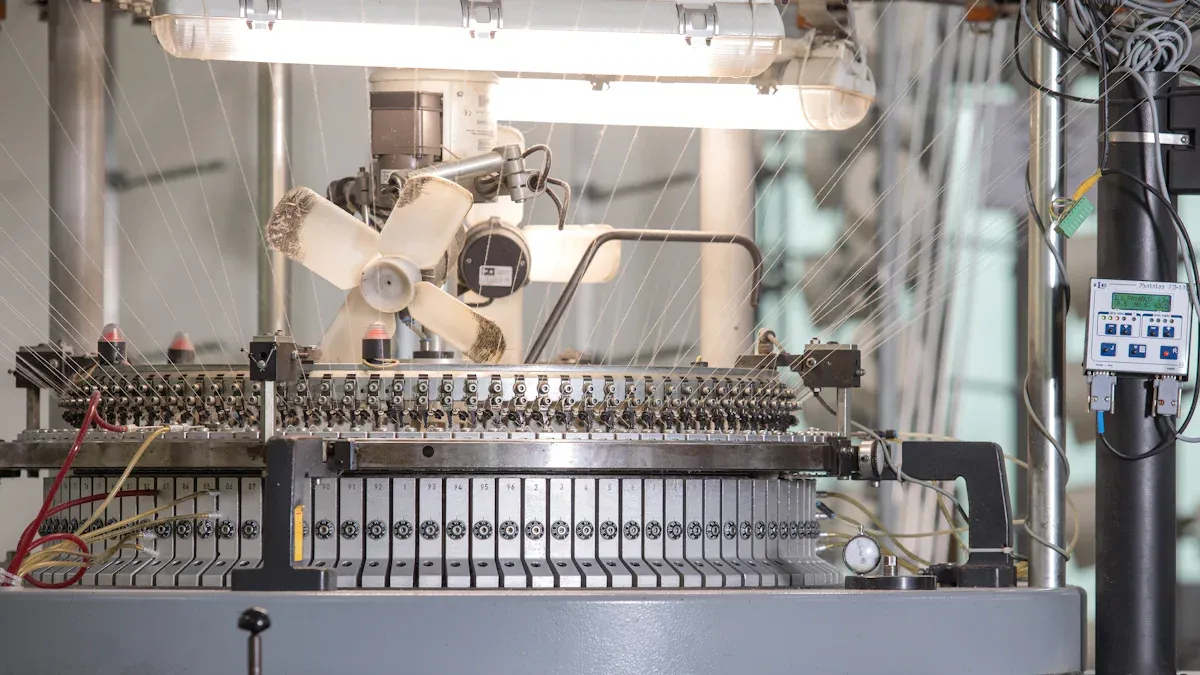
When you make sweaters, you pick hand-knitting or machine-knitting. Each way makes sweaters feel and look different. Hand-knitted sweaters show special skill. Every sweater is a little different. These sweaters are heavier and warmer, so they are good for cold weather. Machine-knitted sweaters look the same every time. You can make many sweaters fast, which is good for selling a lot.
Here’s a table to help you compare:
|
Feature |
Hand-Knitted Sweaters |
Machine-Knitted Sweaters |
|---|---|---|
|
Craftsmanship |
Intricate, unique, and traditional |
Uniform and precise |
|
Production Time |
Days to weeks |
Rapid, mass market |
|
Stitch Variation |
Each stitch is unique |
Identical stitches |
|
Weight |
Heavier and denser |
Lighter, less dense |
|
Design Complexity |
Limited by hand techniques |
Complex designs possible |
|
Cost |
More expensive |
More affordable |
Hand-knitting is best if you want sweaters that are one-of-a-kind. Machine-knitting is better if you need many sweaters quickly.
Full-Fashioning
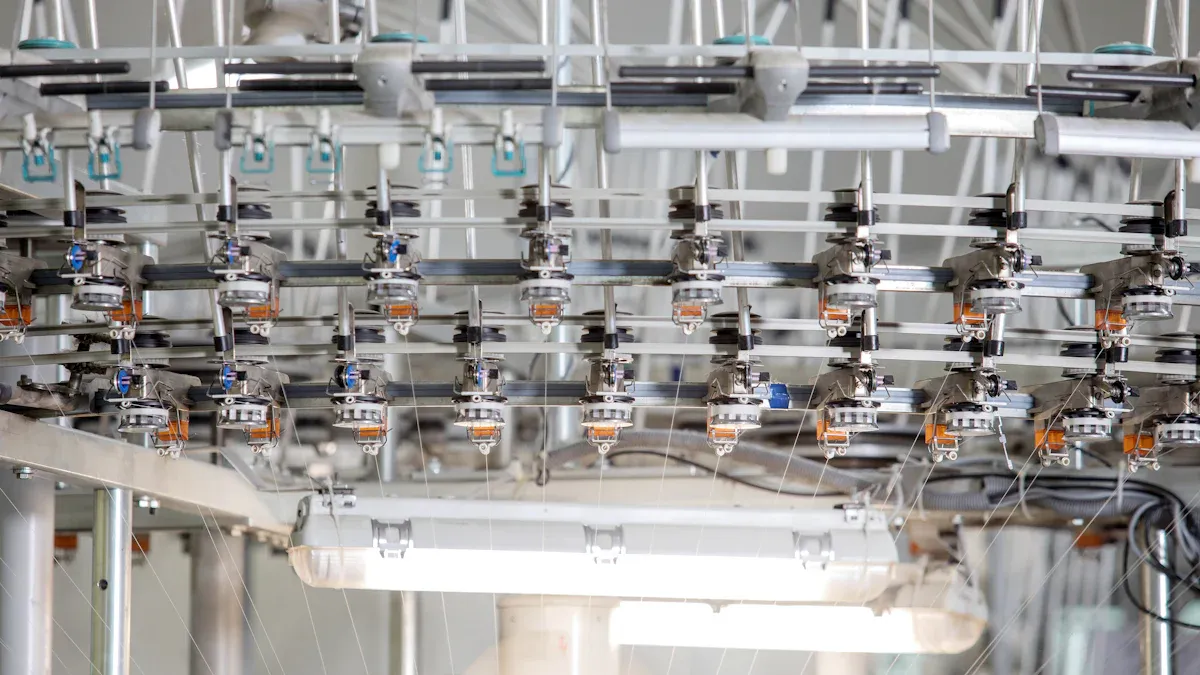
Full-fashioning is a way to shape sweater pieces as you knit. You do not cut the fabric after knitting. This makes sweaters fit better and wastes less yarn. The edges look neat and the seams are strong. Both hand and machine knitting can use full-fashioning, but machines do it faster.
Full-fashioning helps you make sweaters with smooth lines and nice joins. Your sweaters look more professional. You also save yarn, which helps you spend less. Many brands use full-fashioning for sweaters that last longer.
Tip: Ask your factory if they use full-fashioning. This can make your sweaters look and feel better.
Manufacturing Partners
Picking the right manufacturing partners is very important. Good partners know how to make sweaters from start to finish. They help you get sweater samples that match your ideas. They work quickly and keep the quality high. You can focus on designing while they handle making the sweaters.
Here’s what good manufacturing partners do for you:
-
They know how to make sweaters that look and feel nice.
-
They help you get samples fast, so you can test your ideas.
-
They use smart ways to make sweaters, which saves time and money.
-
They keep the quality the same for every sweater.
If you want your brand to grow, you need partners who get your ideas. They help you make more sweaters and keep up with trends. You get more time to design and talk to customers.
Note: Always ask for sweater samples before making a lot. This helps you find problems early and fix them if you need to.
Timelines & Quality
You want your sweaters to arrive on time and look great. Managing timelines and quality is a big part of sweater production. If you plan well, you avoid delays and keep your customers happy.
Production Timelines
Every sweater project has a timeline. You start with design, move to sampling, then go into full production. Each step takes time. Here’s a simple breakdown:
|
Step |
Typical Time Needed |
|---|---|
|
Design Finalization |
1–2 weeks |
|
Sampling |
2–4 weeks |
|
Production |
4–8 weeks |
|
Shipping |
1–3 weeks |
You should always ask your manufacturer for a clear schedule. If you know how long each step takes, you can plan your launch or delivery. Sometimes, things take longer than you expect. Yarn delays, machine issues, or shipping problems can slow you down. Build in extra time for surprises.
Tip: Add at least two extra weeks to your timeline. This helps you handle any last-minute problems.
Sampling and Approvals
Before you make a big order, you need samples. Samples show you what the final sweater will look like. You check the fit, color, and details. If you see a problem, you fix it now. Never skip this step. Good samples save you money and stress later.
Quality Control
Quality matters a lot. You want every sweater to look and feel the same. Set clear standards for your manufacturer. Tell them what you expect for stitching, sizing, and finishing. Use a checklist to inspect your sweaters:
-
Check for loose threads or holes.
-
Make sure the size matches your chart.
-
Test buttons, zippers, and trims.
-
Look at color and fabric feel.
If you find mistakes, talk to your manufacturer right away. Good partners will fix problems fast.
Minimum Order Quantities (MOQs)
Most factories have a minimum order quantity. This means you must order a certain number of sweaters. MOQs help factories keep costs low. If you are just starting, look for partners with low MOQs. This lets you test your designs without spending too much.
Note: Always ask about MOQs before you start. This helps you plan your budget and avoid surprises.
When you manage timelines and quality, you set your collection up for success. You get sweaters that arrive on time and make your customers smile.
What digital assets and industry standards do you need for knitwear?
Design Software
You want your knitwear to look professional. Digital design software helps you make and change sweater ideas fast. Designers use special programs to see sweaters before knitting them. You can test how sweaters fit and look on a screen.
|
Software Name |
Description |
Key Features |
|---|---|---|
|
APEXFiz® |
Top software for knitwear, used by many designers. |
Checks fit with knit shrinkage, works fast, good for many materials. |
|
CREATE DESIGN |
Makes the whole knitwear design process digital. |
Shows real-looking sweater images with simulation. |
These tools let you change colors, stitches, and shapes easily. You can send your design files to your team or factory. This saves time and helps everyone see your ideas.
Tip: Use digital design software early. You can find and fix problems before making sweaters.
Tech Pack Files
Tech pack files help you share sweater details clearly. You use them to keep all the important info in one place. When you send a tech pack to your factory, everyone knows what to do.
-
A full tech pack keeps every batch the same, even with new styles or vendors.
-
A detailed tech pack helps you make fewer mistakes and work faster.
-
Clear tech packs stop mix-ups, delays, and errors when making samples and sweaters.
-
Tech packs keep info together so your team and suppliers work well from the start.
Add sketches, measurements, yarn info, and care instructions. More details mean fewer surprises later.
Note: Always check your tech pack before sending. Small mistakes can cause big problems.
Compliance
You need to follow rules to keep your knitwear safe and legal. Compliance means you meet rules for materials, labels, and safety. You want your sweaters to pass checks and reach customers with no trouble.
Check local and world rules for clothing. Use labels that show fiber content, care, and where it’s made. Make sure your yarns are safe, especially for kids’ sweaters.
Ask your factory about their compliance steps. Good partners know the rules and help you avoid mistakes. Keep records of your materials and tests. This helps you fix problems quickly if something goes wrong.
Tip: Watch for new rules and standards. Fashion rules change often.
Workflow Best Practices
You want your knitwear collection to run smoothly from design to production. Good workflow practices help you stay organized, avoid mistakes, and save time. Let’s look at some simple ways to keep your digital assets and communication on track.
1. Organize Your Files
Keep your digital files neat and easy to find. Use clear folder names for each project. Store sketches, tech packs, and yarn info in separate folders. Here’s a sample folder structure you can use:
/Knitwear_Collection/
    /Designs/
    /Tech_Packs/
    /Yarn_Specs/
    /Production_Notes/
Tip: Name your files with dates or version numbers. This helps you track changes and find the latest version fast.
2. Use Checklists for Each Step
Checklists help you remember every task. Make a list for design, sampling, production, and shipping. Mark off each step as you finish it. This keeps you focused and reduces stress.
-
Design sketches ready
-
Tech pack completed
-
Yarn ordered
-
Samples approved
-
Production started
-
Quality checked
-
Shipping arranged
3. Communicate Clearly
Talk often with your team and suppliers. Use simple language and short messages. Share updates about changes or problems right away. If you use email, keep messages short and to the point. If you use chat apps, set up channels for each project.
Note: Good communication stops mistakes before they happen. Ask questions if you’re not sure about something.
4. Set Deadlines and Reminders
Deadlines keep your project moving. Write down key dates for each stage. Use calendar apps or reminders on your phone. Share your timeline with everyone involved.
|
Stage |
Deadline |
Who’s Responsible |
|---|---|---|
|
Design Finalized |
June 10 |
You |
|
Samples Ready |
June 24 |
Factory |
|
Production Start |
July 1 |
Manufacturer |
|
Shipping |
August 15 |
Logistics Team |
5. Review and Improve
After each collection, look back at what worked and what didn’t. Write down lessons learned. Change your workflow for next time. This helps you get better with every project.
Tip: Ask your team for feedback. They might see things you missed.
6. Back Up Your Files
Always save copies of your digital assets. Use cloud storage or external drives. If your computer crashes, you won’t lose your work.
7. Keep Everything Updated
Update your tech packs and design files when you make changes. Send the new versions to your team and suppliers. This keeps everyone on the same page.
When you follow these workflow best practices, you make your knitwear collection process easier and more professional. You spend less time fixing problems and more time creating great designs. Your team will thank you, and your customers will notice the difference.
You can make a great knitwear collection if you follow these steps. First, come up with design ideas and draw some sketches. Next, choose yarns that look nice and feel good. Then, plan how you will knit and shape each sweater. After that, decide how you will dye and finish your pieces. Last, check each sweater and pack it up carefully.
When you work with designers, technicians, and manufacturers, your ideas can become real sweaters. Using clear tech packs and virtual samples helps everyone work together and get better results.
If you want to know more, try these resources:
-
The Knitwear Manual gives you patterns and yarn advice.
-
You can take classes on dart manipulation and pattern drafting.
-
Designing Knit Textiles teaches about machines and fabrics.
FAQ
How many pieces should I include in my first knitwear collection?
You can start with 3 to 5 key pieces. This helps you test your ideas and manage costs. You can add more styles later when you know what your customers like.
What is the best yarn for beginners?
Acrylic or cotton yarn works well for beginners. These yarns are easy to knit and care for. They also cost less than luxury fibers like cashmere or alpaca.
Do I need special software to design knitwear?
You do not need fancy software to start. You can sketch by hand or use free apps. As you grow, you can try programs like APEXFiz® or CREATE DESIGN for more options.
How do I find a good manufacturer?
Ask other designers for recommendations. Request samples before you order. Check reviews and visit the factory if you can. Good communication helps you build trust with your partner.
Can I make my collection eco-friendly?
Yes! You can use organic or recycled yarns. You can also work with local suppliers. Small changes, like using less packaging, help your collection become more sustainable.
How do I price my knitwear?
Add up your material and labor costs. Include shipping and packaging. Then, add a profit margin. Check what similar brands charge. Make sure your price covers your costs and matches your brand.
What if my sweater does not fit right?
Make a sample and test the fit on real people. Adjust your pattern if needed. You can ask friends or family to try it on. This helps you fix problems before you start production.
Do I need to follow fashion trends?
You do not have to follow every trend. Focus on your style and what your customers want. Trends can inspire you, but your collection should show your unique vision.