
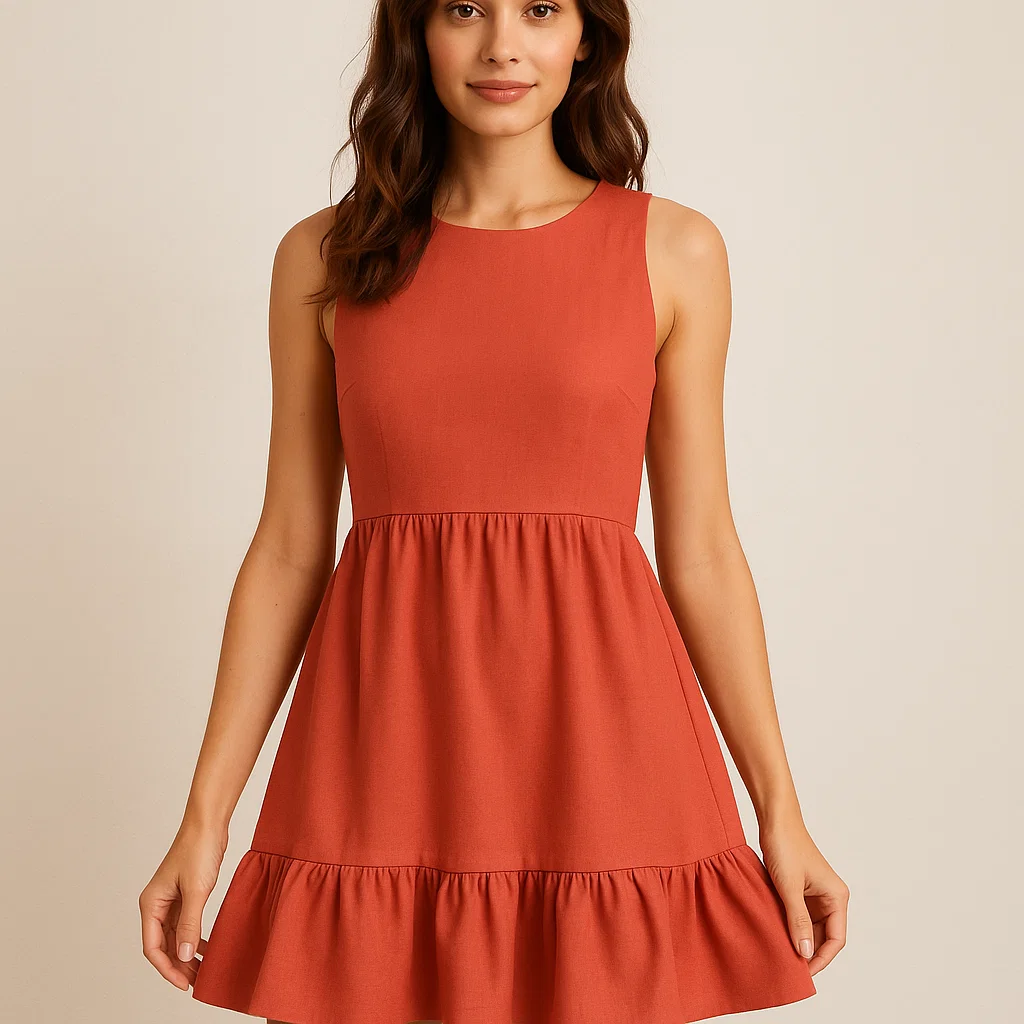
A ruffle hem brings a playful, wavy edge to your clothing, instantly elevating the look. You’ll often spot a ruffle hem at the bottom of skirts, dresses, or even on sleeves. The fabric gathers or flares out at the ruffle hem, giving the edge a soft and lively appearance.
This detail can transform a simple outfit into something eye-catching and fun.
-
Ruffle hems have evolved over time, once symbolizing status and femininity.
-
In the 1980s, the ruffle hem made a bold comeback.
-
Today, you’ll find the ruffle hem everywhere, from jeans to evening gowns.
The ruffle hem stands out because it blends tradition with a modern twist. It’s a great way to express your style, whether you’re dressing up or keeping it casual.
Key Takeaways
-
Ruffle hems make clothes look fun and lively. They turn plain outfits into ones that stand out.
-
These hems have a long history. They started as signs of wealth in the Renaissance.
-
Now, they are popular in fashion today. Ruffles come in many styles. Some are tiered, frilled, or uneven.
-
This lets people show their own style. You can wear ruffles in lots of ways. Try them with jeans for a casual look.
-
You can also wear them for work to look neat. If you are new to ruffles, start small. Small ruffles add style but do not take over your outfit.
-
Ruffles work on dresses, tops, and accessories. They fit any event or occasion. Designers keep making new ruffle styles.
-
They mix old styles with new ideas. Picking ruffle clothes that are eco-friendly helps the planet. You can look stylish and help the earth at the same time.
Ruffle Hem Definition
What Is a Ruffle Hem
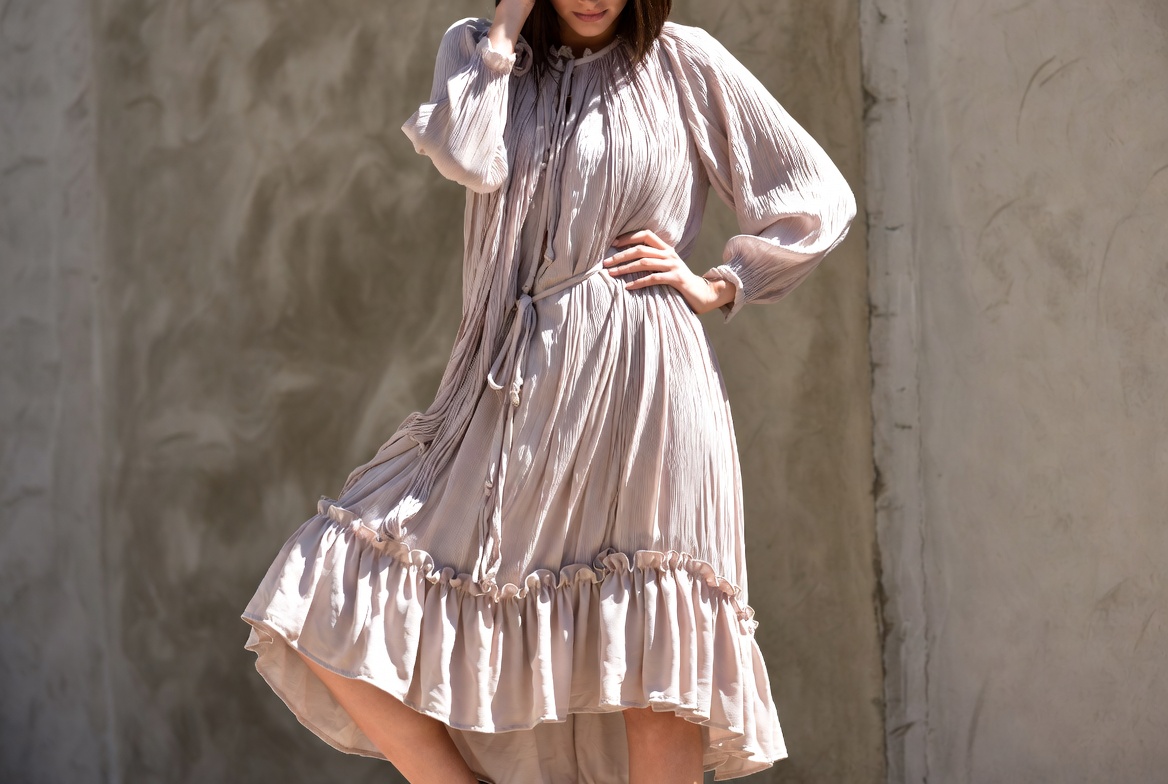
When you see a ruffle hem, you notice a strip of fabric that looks wavy or gathered at the edge of a garment. In garment construction, a ruffle is a strip of fabric, lace, or ribbon that gets tightly gathered or pleated on one edge and then sewn onto clothing as a trim. You might see a ruffle made from a single layer or a doubled layer of fabric. Most ruffles are cut on the straight grain, which helps them keep their shape. The ruffle hem stands out because it adds movement and a playful touch to any piece.
Visual Features
Shape and Structure
You can spot a ruffle by its unique shape. Some ruffles look soft and drape gently, while others appear stiff and bold. The way a ruffle is gathered or pleated changes how it looks and feels. Here’s a quick look at the most common visual features you’ll find in both women’s and men’s fashion:
|
Ruffle Type |
Characteristics |
Style Preference |
|---|---|---|
|
Large Flat Ruffles |
Made of soft fabric that drapes well, looks subtle. |
Preferred in small doses. |
|
Stiff Architectural |
Straight lines without gathers, modern appearance. |
Less statement-making. |
|
Small Gathered Ruffles |
Frilly and poufy, often seen as an acquired taste. |
Some love them, others do not. |
|
Soft Waterfall Ruffles |
Flat and soft, romantic look. |
Preferred by those who like subtlety. |
|
Voluminous Ruffles |
Overly round and voluminous, can be overwhelming for some. |
Appreciated on others, not worn personally. |
Placement on Clothing
You’ll find ruffles in many places on clothing. Designers often add a ruffle to the bottom of a skirt or dress, but you can also see them on sleeves, collars, or even down the front of a blouse. Sometimes, a ruffle appears on jackets, coats, or even accessories like scarves and handbags. The placement changes the mood of the outfit. A ruffle at the hem feels playful, while one at the collar can look elegant.
Types of Ruffle Hems
Fashion offers many types of ruffles, each with its own style and use. You might wonder which types of ruffles you’ll see most often. Here’s a table to help you spot the differences:
|
Type of Ruffle |
Description |
Applications |
|---|---|---|
|
Tiered Ruffles |
Vertical ruffles in several rows, creating a tiered effect. |
Skirts, dresses, blouses, sleeves |
|
Frilled Ruffles |
Small, closely twisting circles for a refined appearance. |
Collars, cuffs, hems of garments |
|
Flounce Ruffles |
Large curved ruffles for a flouncy look. |
Skirts, sleeves, dresses |
|
Asymmetrical Ruffles |
Single edge ruffles arranged asymmetrically for a modern feel. |
Tops, skirts, dresses |
You’ll see these types of ruffles in all sorts of garments. Dresses often use ruffle hems to add movement and style, making them perfect for both formal and casual looks. Skirts with flounces feel fun and work for many occasions. Blouses and tops get a boost from ruffle details, which can make even a simple shirt feel special. Even jackets, coats, and accessories use ruffles to add a touch of flair or elegance.
Tip: If you want to try a new look, start with a small ruffle on a sleeve or collar. It’s an easy way to add style without feeling over the top.
Origins of the Ruffle Hem
Early History in Europe
Long ago in Europe, ruffle hems started during the Renaissance. People liked adding fancy touches to their clothes. At first, ruffle hems were just small frills at the neck. These frills slowly became bigger and more important.
The ruff was worn by men, women, and children. It came from the small ruffle at the neck of shirts. Ruffs could be washed by themselves. This kept the rest of the clothes clean.
Soon, the ruffle hem turned into a separate piece called the ruff. You could see ruffs on many people, like kings and artists. They were made from linen or lace. Starch helped them keep their shape and stand out.
The ruff is called a detachable pleated collar. It was made of linen or lace. It was starched and sometimes had support underneath.
Ruth Turner Wilcox says a ruff is a stiff collar. It went all the way around the neck. It was wider than a ruche and worn in the late 1500s and early 1600s.
Susan Vincent says the ruff started as a small frill. It was on shirts and smocks. By the mid-1500s, it became its own garment for men and women.
Starch was used in the 1560s. This made ruffles bigger and more dramatic. By the 1580s, ruffs were huge and creative. People used them to show off their style and wealth.
Starch helped ruffs get their special shape and size. Ruffs became a sign of wealth and status. By the 1580s, ruffs were very big and creative.
Unisex and Military Roots
Ruffle hems are not just for fancy dresses. They have a history with both men and women. In the late Beatnik era, ruffle blouses became popular for everyone. This helped change old ideas about fashion.
-
The ruffle blouse became a popular unisex item in the Beatnik era. It was one of the first gender-neutral fashion pieces.
-
Famous Beatnik artists and writers wore ruffle hems. This showed a new way of thinking about style and freedom.
-
Ruffled neck tops were seen at big events. At the Rolling Stones concert in Hamburg in 1965, many people wore them.
Ruffles were also used in military uniforms long ago. Soldiers wore shirts with ruffled collars and cuffs. These details made uniforms look special. Officers looked different from regular soldiers.
Symbolism and Social Status
Ruffle hems have always meant more than decoration. In the past, the size and style of your ruffle showed your social rank. Big, starched ruffs meant you were rich and powerful. Only wealthy people could buy fine linen, lace, and starch.
If you wore a large ruffle, people knew you had money. Small, simple ruffles were for everyday people. Over time, ruffle hems became popular for everyone. But their link to social status stayed.
Today, ruffle hems still make a statement. You can look playful or elegant. This detail connects you to a long history of fashion and tradition.
Ruffle Hem Through History
Renaissance and Baroque Eras
When you look back at the Renaissance, you see the ruffle as a true fashion statement. People loved to show off their style with big, dramatic collars and cuffs. These ruffles were not just for women. Men wore them too. You might picture a painting of a nobleman with a huge, starched ruffle around his neck. That was the look of the time.
During the Baroque era, ruffles became even more detailed. Designers added lace and embroidery. The ruffle started to appear on sleeves, skirts, and even shoes. If you wanted to stand out, you added more ruffles. The more you had, the fancier you looked. People used ruffles to show their wealth and taste.
Fun fact: Some ruffles were so large that people had to use special wires to keep them in shape!
Victorian and Edwardian Styles
Fashion changed a lot in the Victorian period. You would have seen dresses with many layers, each one trimmed with a ruffle. Skirts looked full and grand. The ruffle hem made every step look soft and flowing. People loved the feeling of luxury and volume.
As you move into the Edwardian era, the style shifts. Dresses become more fitted at the top and hips. The ruffle hem does not disappear, but it changes shape. Designers start using the trumpet skirt. This skirt hugs your hips and thighs, then flares out below the knee. The ruffle at the bottom adds movement without making the whole dress look bulky. Skirts also use vertical pleats and tucks to create fullness at the hem. You get a slim, elegant look with just the right amount of ruffle.
20th Century Changes
The 20th century brings big changes to the ruffle hem. In the 1920s, fashion gets simpler. You see fewer ruffles, but they do not go away. Flapper dresses sometimes use a small ruffle at the hem for a playful touch. In the 1950s, ruffles come back in a big way. Full skirts with ruffle hems become popular for parties and dances.
Later, the 1970s and 1980s bring new ideas. Designers use ruffles to create bold, fun looks. You might see a ruffle on a denim skirt or a bright party dress. Ruffles become a way to show your personality. Today, you can find ruffle hems in almost every style, from casual to formal. You get to choose how much drama or softness you want in your outfit.
Tip: If you want to try a vintage look, add a ruffle hem to your skirt or dress. It gives you instant charm and a touch of history.
Ruffle Hem in Modern Fashion
Contemporary Revival
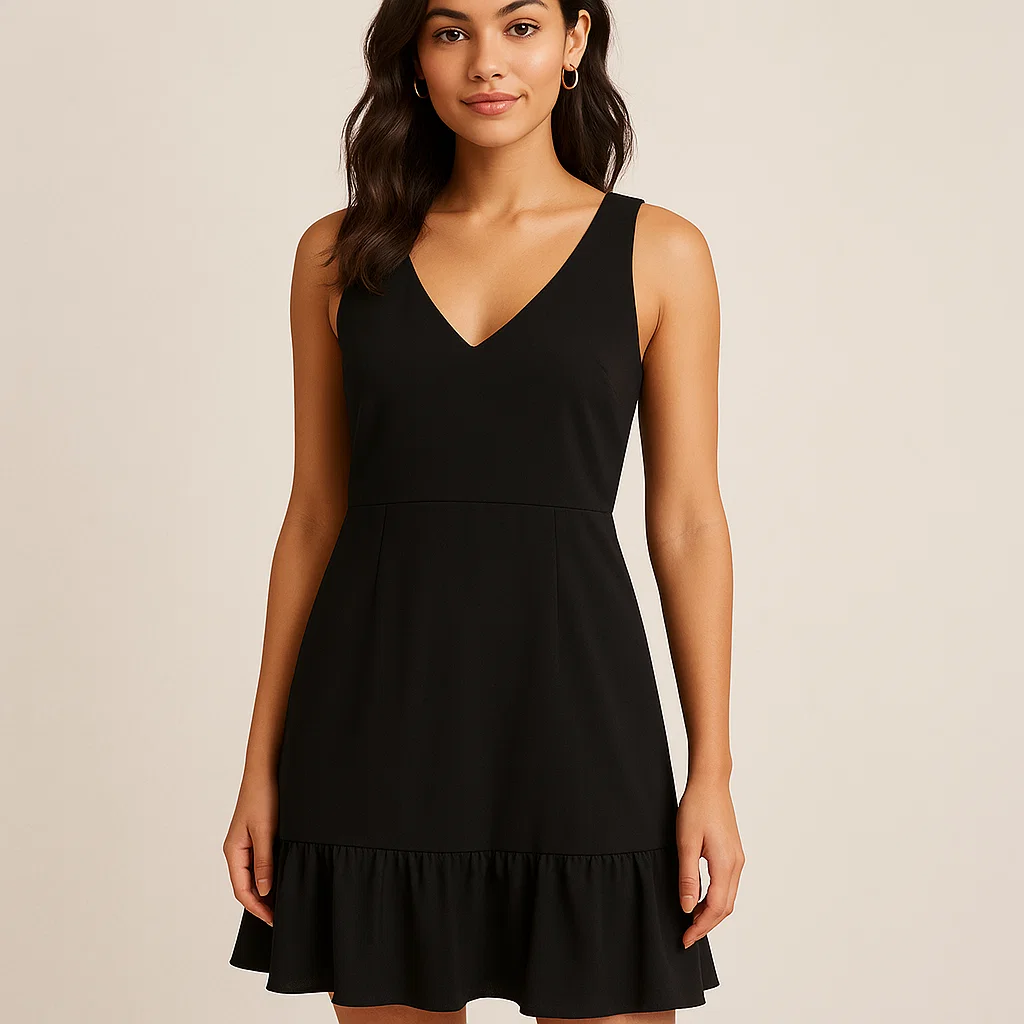
You probably notice ruffles everywhere these days. Fashion has brought back the ruffle hem in a big way. Designers love to play with old trends and give them a fresh twist. You see ruffles on skirts, dresses, and even pants. This detail makes clothes look lively and fun. People want to wear pieces that move and catch the eye. Ruffles do just that.
Many brands use ruffles to add a playful touch to their collections. You might spot a simple T-shirt with a small ruffle at the sleeve. Sometimes, you see a bold dress with layers of ruffles at the bottom. These looks feel modern, but they also remind you of styles from the past. The ruffle hem connects history with today’s trends.
Tip: If you want to try this trend, start with a top or skirt that has a single ruffle. It’s easy to style and not too bold.
Designers and Runway Trends
Fashion designers love to experiment with ruffles. On the runway, you see dramatic shapes and bright colors. Some designers use giant ruffles to create a statement look. Others choose soft, flowing ruffles for a romantic feel. You might notice ruffles on evening gowns, blouses, or even jackets.
Here’s a quick look at how designers use ruffles:
|
Designer |
Ruffle Style |
Runway Example |
|---|---|---|
|
Marc Jacobs |
Oversized ruffles |
Layered skirts and sleeves |
|
Valentino |
Soft, sheer ruffles |
Flowing dresses |
|
Alexander McQueen |
Structured ruffles |
Bold jackets and skirts |
You can see that each designer has a unique take on the ruffle. Some go for drama, while others keep it soft and subtle. These runway looks inspire what you find in stores.
Everyday and Street Style
You don’t have to walk a runway to wear ruffles. People everywhere add this detail to their daily outfits. You might see someone wearing jeans with a ruffled hem or a sweatshirt with a ruffle at the cuff. Ruffles work for school, work, or a weekend outing.
Here are some easy ways to wear ruffles every day:
-
Try a blouse with a small ruffle at the collar.
-
Pick a skirt with a ruffle at the bottom for extra movement.
-
Choose a dress with layered ruffles for a fun look.
Ruffles fit many styles. You can dress them up or down. They add personality to your outfit and help you stand out. If you want to make a simple outfit special, just add a ruffle.
Note: Ruffles look great on everyone. You can find a style that fits your taste and comfort level.
Why Ruffle Hems Endure
Versatility in Fashion
You might notice that ruffles show up in almost every part of fashion. You can find them on casual tops, fancy dresses, and even accessories. Designers love ruffles because they work for so many styles. You can wear a ruffle on a summer dress for a breezy look, or you can spot one on a winter coat for a bold touch. Ruffles can look soft and romantic or sharp and modern. This makes them perfect for anyone who wants to try something new.
You get to choose how you wear ruffles. Some people like a small ruffle on a sleeve. Others want a big, dramatic ruffle on a skirt. You can dress them up for a party or keep them simple for school. Ruffles fit every mood and every season. That’s why you see them year after year.
Tip: Try mixing a ruffle with your favorite jeans or sneakers. You might be surprised at how easy it is to add a little flair to your everyday style.
Feminine and Decorative Appeal
Ruffles have always had a special place in fashion because they add beauty and charm. Since the 14th century, people have used ruffles to show off their style. Queen Elizabeth wore huge ruffles that made her look powerful and elegant. At first, ruffles helped keep clothes clean, but they quickly became a way to show off. Over time, ruffles turned into a symbol of style and grace. They make outfits look more feminine and eye-catching. When you wear a ruffle, you add a touch of history and elegance to your look. This is why ruffles never really go out of style.
Adaptation Across Trends
Ruffles have changed a lot over the years, but they always find a way to come back. You can see how they have adapted to different trends:
-
During the Renaissance and Baroque eras, ruffles showed off wealth and status. People wore fancy designs to stand out.
-
In the Victorian period, ruffles became a must-have for women’s fashion. The sewing machine made it easier to add lots of ruffles, and they became a sign of modesty.
-
In the 20th century and beyond, ruffles changed with the times. You saw simple ruffles in the 1920s, bold and bright ruffles in the 1980s, and now you can find them in both high fashion and everyday clothes.
You can see that the ruffle hem has survived so many changes because it can fit any trend. Whether you like vintage looks or modern styles, you can always find a way to wear a ruffle. This makes ruffles one of the most lasting and loved details in fashion.
Styling the Ruffle Hem
How to Wear Ruffle Hems
You can wear a ruffle hem in many ways, from casual days to professional settings. If you want to look polished at work, try these steps:
-
Pair your ruffle skirt or dress with a structured top or jacket. This keeps your outfit looking sharp.
-
Choose closed-toe shoes with a moderate heel. These shoes add a touch of formality.
-
Pick ruffles that are subtle and not too deep—under two inches works best for the office.
-
Add a trench coat or wool overcoat for a finished look.
-
Keep your jewelry simple so your outfit stays professional.
“Professional fashion isn’t about removing personality—it’s about editing it with purpose. A ruffle hem skirt can express individuality while still respecting workplace norms, as long as the rest of the outfit provides structure and restraint.” — Lena Park, Corporate Image Consultant
For weekends or casual days, you can go bolder. Try a ruffle dress with sneakers or a ruffle top with your favorite jeans. The key is to let the ruffle stand out without making your outfit feel too busy.
Pairing with Other Pieces
Mixing ruffle hems with other clothes can help you create a balanced look. Here are some easy ideas:
-
Wear a ruffled top with slim-fit jeans or kick flares. This keeps your outfit from looking too bulky.
-
If you pick a ruffled skirt or dress, keep your shoes and accessories simple. Sleek shoes and a small bag work well.
-
Try a structured ruffled blouse with leather pants for a modern twist.
-
A breezy ruffled linen dress looks great with a structured blazer.
-
Pair frilly sleeves with a leather skirt or combat boots. The mix of soft ruffles and tough materials makes your outfit unique.
You can play with textures and shapes. When you balance a ruffle with something simple or edgy, your style feels fresh and fun.
Tips for Different Body Types
Ruffle hems work for everyone, but you can use them to highlight your best features. Check out this table for quick tips:
|
Body Type |
Styling Advice |
|---|---|
|
Pear-Shaped |
Wear ruffles on the top or sleeves to balance your shape. Floral prints look great too. |
|
Romantic Style |
Use ruffles for a soft, feminine look. They work for both everyday and special events. |
|
Casual Style |
Ruffles on the shoulders add elegance, especially if you have narrow shoulders. |
You can always try different placements and sizes to see what feels best. If you want to draw attention to your upper body, pick a ruffle on the sleeve or collar. If you love a dramatic look, go for a layered ruffle hem on your skirt or dress.
Tip: Start small if you’re new to ruffles. A little detail on a sleeve or hem can make a big difference.
With these ideas, you can style ruffle hems for any occasion and body type. Have fun and let your personality shine!
Future of the Ruffle Hem
Emerging Trends
You might be curious about what’s coming next for ruffles. Designers keep coming up with new ideas for this detail. Ruffles are showing up in places you might not expect. The newest styles make ruffles look fresh and simple to wear. Here are some things you’ll see:
-
Ruffles appear as small accents on sleeves or necklines. These gentle touches make clothes feel special but not too flashy.
-
Designers choose certain clothes for ruffle details. Blouses and dresses are best because ruffles move and catch the light.
-
The fabric you pick changes how the ruffle looks. Soft cotton makes a gentle wave, while stiff fabric gives a firm shape.
-
Many brands want ruffles to look cool and fit many people. You see ruffles that add just enough style to help you stand out.
You can try these new styles yourself. Pick a shirt with a small ruffle at the collar or a dress with a soft ruffle at the bottom. These looks help you feel modern and stay comfortable.
Tip: If you want to try something new, start with a ruffle in a plain color. It matches everything and lets you test different styles.
Sustainable Innovations
Fashion is changing, and more people care about the earth. The future of ruffles includes new ideas for being eco-friendly. Brands use earth-friendly fabrics like organic cotton, linen, and recycled polyester. These materials help cut down on waste and pollution.
Designers also use less fabric for ruffles. They cut pieces in smart ways to avoid scraps. Some brands reuse old clothes to make new ruffle details. This saves resources and gives clothes a special story.
Here’s a table showing how eco-friendly choices change ruffles:
|
Sustainable Practice |
How It Changes the Ruffle |
Why It Matters |
|---|---|---|
|
Eco-friendly fabrics |
Softer, natural ruffles |
Less harm to the planet |
|
Upcycled materials |
Unique ruffle designs |
Reduces textile waste |
|
Efficient cutting |
Fewer scraps, cleaner lines |
Saves resources |
You can help by picking ruffle clothes made from eco-friendly materials. Look for tags that say organic or recycled. When you choose earth-friendly ruffles, you help fashion become better for everyone.
Note: Every small choice matters. You can enjoy ruffles and still care about the planet.
Fashion keeps changing, and ruffles stay important. You get to wear new styles and help make fashion more responsible.
Ruffle hems have always stood out in fashion. You see them change from symbols of power in the Renaissance to fun details in today’s clothes. Designers keep reimagining ruffles, using new fabrics and shapes. You can style ruffle hems your way:
-
Try a ruffle dress with sneakers for a casual day.
-
Add a blazer and loafers for work.
-
Keep accessories simple for a modern look.
Ruffles let you show your style and stay on trend. Why not add a little flair to your next outfit?
FAQ
What is the main difference between a ruffle hem and a regular hem?
A regular hem looks flat and simple. A ruffle hem adds extra fabric that gathers or flares out. You get a wavy, playful edge instead of a straight line.
Can you wear ruffle hems if you have a petite frame?
Yes! You can wear ruffle hems if you are petite. Choose smaller, shorter ruffles. They add style without overwhelming your shape. Try a ruffle at the sleeve or a subtle ruffle at the skirt hem.
Are ruffle hems only for dresses and skirts?
No, you can find ruffle hems on many clothes. You might see them on tops, sleeves, jackets, or even pants. Ruffle hems also show up on accessories like scarves and handbags.
How do you care for clothes with ruffle hems?
You should check the care label first. Most ruffle hems need gentle washing. Lay them flat or hang them to dry. Iron on low heat if needed. This keeps the ruffles looking crisp and neat.
Do ruffle hems go out of style?
Ruffle hems never really go out of style. Designers keep bringing them back in new ways. You can always find a ruffle hem that fits current trends and your personal taste.
Can men wear ruffle hems?
Absolutely! Men have worn ruffles for centuries. Today, you see ruffle hems on men’s shirts, jackets, and even accessories. Ruffles add flair and personality to any outfit.
What shoes look best with ruffle hem outfits?
You have lots of options! Try sneakers for a casual look, sandals for summer, or heels for something dressy. Keep your shoes simple if your ruffle hem is bold.
Tip: Let your ruffle hem stand out by picking shoes in a solid color.