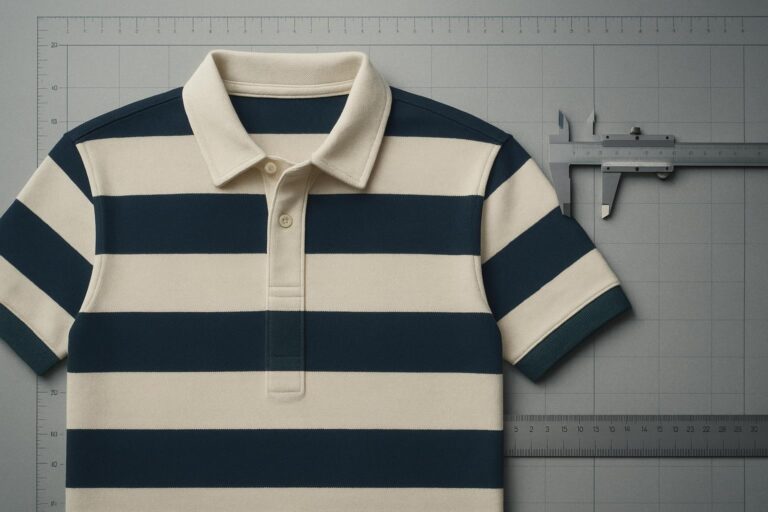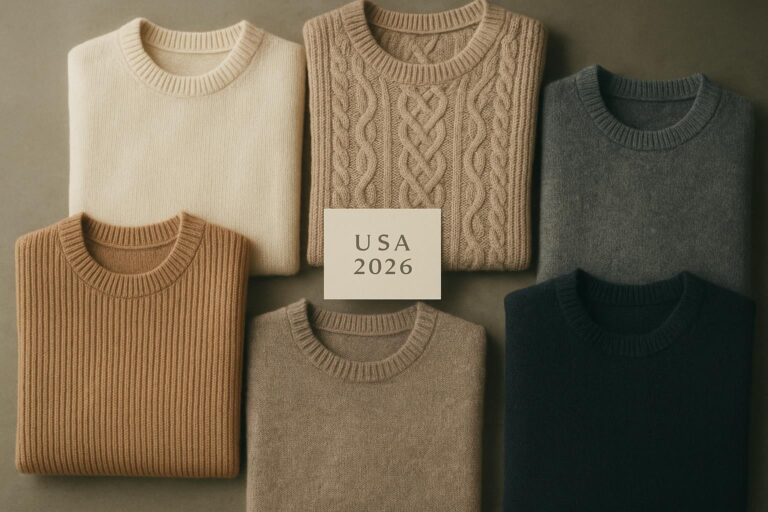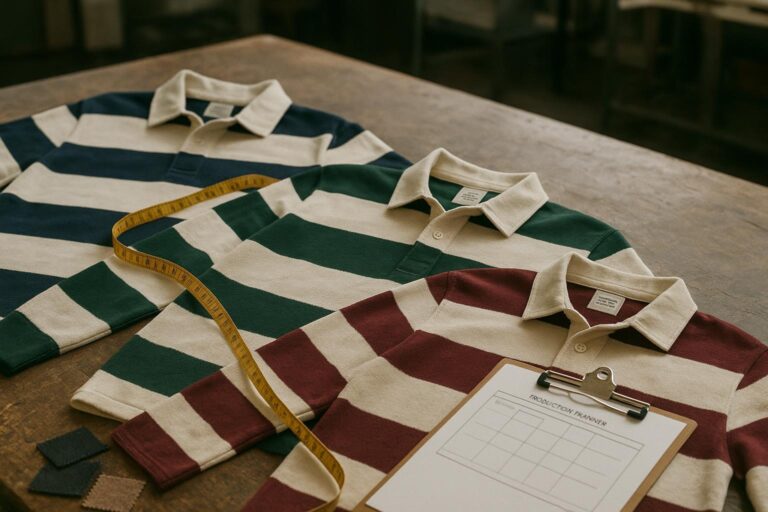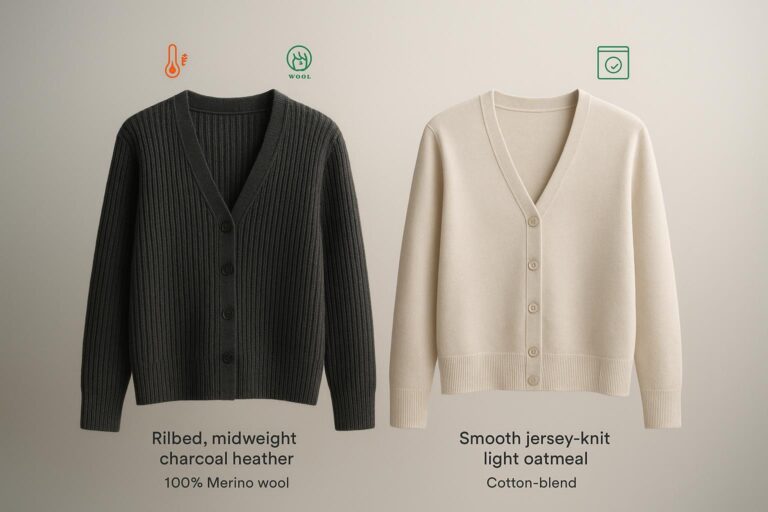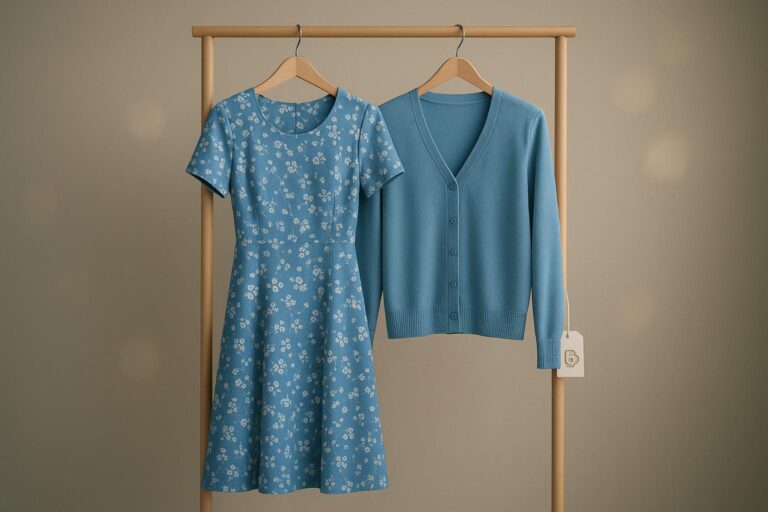

You can find sustainable knitwear for small businesses by using easy steps that match what you need and believe. Many small brands pick local suppliers, natural fibers, and ethical practices. These choices help the environment and support your community. You may have problems like higher costs or not many recycling options. But these choices build trust and show you care about sustainability.
Key Takeaways
-
Look for sustainable certifications like GOTS and Fair Trade. These help you know if the company uses good practices. Use online lists to find brands that care about the planet. Pick brands that share your values. Talk to local suppliers to cut down on waste. This also helps your community. Read reviews to check if a brand is really sustainable. Reviews also tell you if products are good. Ask suppliers about how they treat workers. This helps make sure workers are treated fairly. Think about making small batches to save money. Small batches also help stop waste. Talk to other small businesses for advice. They can suggest good suppliers. Start with small steps and learn as you go. This helps you help the environment in a good way.
Verify Sustainable Certifications
When you pick sustainable knitwear, check for certifications first. These labels show if brands use good materials and fair practices. You do not need to guess. Look for signs that a brand cares about the planet.
Key Certifications for Knitwear
There are many certifications in fashion. Some are more important than others. Here is a table to help you find the top ones:
|
Certification |
Description |
|---|---|
|
GOTS |
This is a well-known certification for organic textiles. It checks everything from growing to labeling. |
|
GRS |
This certification looks for recycled materials. It also checks if brands follow environmental rules. |
|
BCI |
This program helps brands use better cotton. It focuses on good ways to help people and the planet. |
|
FSC |
This label means the wood or paper comes from forests that are cared for. |
|
OEKO-TEX |
This certification makes sure textiles do not have harmful chemicals. It helps keep you safe. |
You might see other labels like Fair Trade. This means workers get fair pay and safe jobs. Some brands use the Vegan label if they do not use animal products. These certifications show a brand cares about people and the earth.
GOTS
GOTS means Global Organic Textile Standard. You can trust this label for organic materials and strong rules for workers and the environment.
Fair Trade
Fair Trade means brands pay workers fairly and keep them safe. This label helps people and supports good practices.
OEKO-TEX
OEKO-TEX checks for bad chemicals in textiles. You can feel safe wearing knitwear with this label.
How to Check Certifications
You do not need to trust brands without proof. You can check certifications yourself. Here are some easy ways:
Brand Websites
Most brands show their certifications online. Look for a page about sustainability or ethics. You can find logos or links to more details. If you cannot find proof, ask the brand for it. Brands that care will answer your questions.
Certification Databases
You can use online sites to check certifications. These sites let you search for brands and see if they are real. Some good sites are:
-
GOTS Public Database
-
OEKO-TEX Label Check
-
Fairtrade International’s Certified Producers List
Tip: Always use official sites or third-party tools. This helps you avoid fake claims and makes sure your knitwear is truly sustainable.
You can also talk to other small businesses or join fashion groups. They share tips about which brands have real certifications. By checking certifications, you make sure your knitwear is ethical and uses good fabrics. This helps your business build trust and shows you care about sustainability.
Research Sustainable Fashion Brands
You should look for brands that care about the planet. These brands can help your business grow. Start by checking online guides and directories. These tools help you find small brands that use good materials.
Using Online Directories
Online directories help you save time. They let you compare brands fast. Many guides list brands that make knitwear. You can see their rating, location, and products. Here is a table with some top brands:
|
Brand Name |
Country |
Sustainability Rating |
Products Offered |
|---|---|---|---|
|
STANLEY/STELLA |
Belgium |
Great |
Hoodies, Sweatshirts, T-Shirts, etc. |
|
Infantium Victoria |
Germany |
Great |
Dresses, Skirts, Sweaters, etc. |
|
Yes Friends |
United Kingdom |
Great |
T-Shirts, Sweaters, etc. |
|
ETHICS |
United States |
Great |
Denim, Knitwear, etc. |
|
Apple Oak Fibre Works |
Ireland |
Great |
Sweaters, Knitwear |
|
The Artful Mitten |
United States |
Great |
Knitwear, Hats, Gloves, etc. |
|
Kowtow |
New Zealand |
Great |
Knitwear, Dresses, etc. |
|
PANGAIA |
United Kingdom |
Great |
Knitwear, Coats, etc. |
Sustainable Fashion Guides
You can use guides like Good On You. Common Objective and Remake are also helpful. These sites show scores for how brands help the planet. They explain what fabrics and materials brands use.
B2B Marketplaces
Try B2B marketplaces like Faire or Tundra. These sites connect you with brands and suppliers. You can filter by impact, textiles, and materials. This helps you find what fits your business.
Reading Reviews and Ratings
Do not trust only what brands say. Read reviews from other buyers. Look for feedback about how green the brand is. Check product quality and customer service. Here are things to check:
-
Pick clothes made from organic and natural fibres with certifications.
-
See if brands use recycled or upcycled materials.
-
Make sure brands follow fair trade and ethical production.
-
Check if brands share supply chain details.
-
Support local brands that care about the planet.
Tip: Reviews from other small brands can help you. They show how suppliers handle orders and fix problems. This helps you pick brands that match your values.
Connecting with Other Small Businesses
Talk to other small brands near you or online. Join fashion groups or forums to share tips. You can ask questions and swap contacts for suppliers. Learn from their stories and advice. This network helps you find brands that care about the planet.
When you choose brands that use good materials, you build trust. Your choices help small brands and make a good impact. Researching brands gives you more control. It helps your business stand out.
Prioritize Small and Local Suppliers
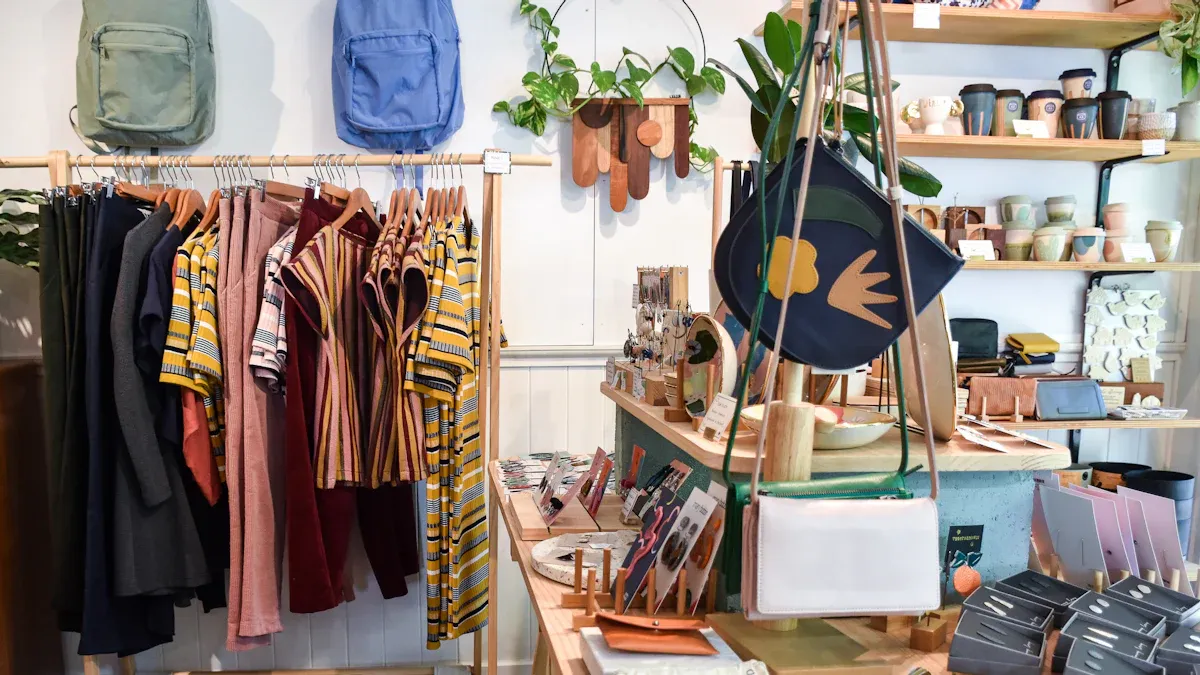
Picking small and local suppliers helps your business and the planet. You can control your products better. You also help your community grow. This way is important for sustainability. Here is how you can find good partners.
Benefits of Local Sourcing
Working with local suppliers helps the planet in many ways. Here are some big benefits:
-
Small suppliers let you order only what you need. This stops you from having too much extra stock. Less waste is good for fashion.
-
You can order smaller amounts. This helps you use materials wisely. Less waste is better for the environment.
-
Local suppliers use high-quality materials. They may use organic cotton or recycled fibers. You get better products without spending too much.
-
Local sourcing means your knitwear does not travel far. This lowers pollution from trucks and planes.
-
Your money stays in your community. You help small brands and workers do well.
Lower Carbon Footprint
Local sourcing means less travel for your knitwear. This lowers the carbon footprint from shipping. You use less fuel and make less packaging waste. This helps the environment. It shows your customers you care about sustainability.
Community Support
Buying from local suppliers does more than give you products. You help your neighbors and your local economy. Supporting small and local brands builds strong relationships. You help create jobs and keep skills in your area.
Finding Local Knitwear for Small Businesses
You may wonder how to find local suppliers. Here are some easy ways to start:
Trade Shows
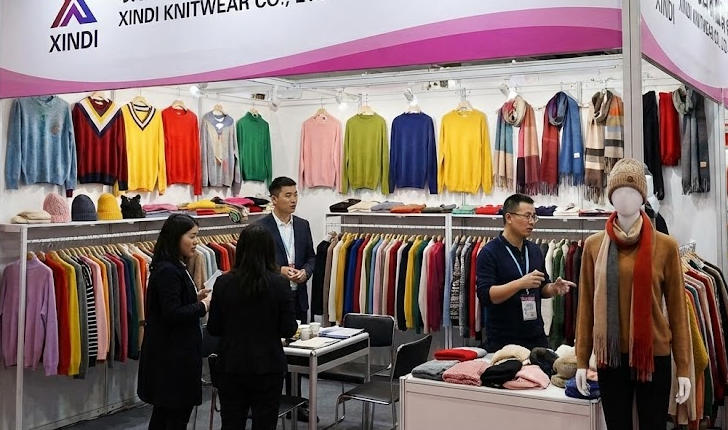
Trade shows let you meet suppliers in person. You can see their materials and ask questions. You can check their quality. Bring a list of what you need. Look for brands that care about sustainability. Trade shows help you compare prices and production.
Regional Networks
Regional networks connect you with small businesses and suppliers near you. Join local business groups or online forums. Ask for tips and reviews. You can ask for samples to check quality. Make sure the supplier meets your needs. Always check their certifications and sustainability before you choose.
Tip: Build long partnerships with suppliers who share your values. Ask about their materials and how they make products. Ask how they handle waste. This helps you make sure your knitwear is really sustainable.
By picking small and local suppliers, you help the planet and your community. You make a good impact for your brand. You control your products better and build trust with customers. This way helps your business stand out in sustainable fashion.
Assess Supplier Transparency
You should know where your knitwear comes from. It is important to learn how it is made. Supplier transparency lets you see the whole story. You can check if your business helps real sustainability. This also helps you avoid greenwashing.
Supply Chain Visibility
You can ask suppliers to explain how they track materials. Many sustainable knitwear suppliers are open about their process. They often work with local suppliers. Some use digital tools to trace where materials come from. This helps you check if their claims are true.
Public Supplier Lists
Almost half of big brands share a list of their main manufacturers. When you find these lists, you see who makes the textiles. You also learn where they are located. This helps you check if the supplier uses good practices. You can also see if they treat workers fairly. If a brand does not share this, you can ask them.
Impact Reports
Some brands share impact reports. These reports show how their choices affect people and nature. You can learn about their use of sustainable materials. You can also see their carbon footprint and work with local communities. Brands that share these reports want to prove they care about sustainability.
Tip: Try to find brands that use digital traceability tools. These tools help you see where raw materials come from. You can follow the journey from farm to finished product.
Ethical Labor Practices
You should make sure your suppliers treat workers well. Good labor practices are important for real sustainability. When you talk to suppliers, ask about their labor rules. Ask how they keep workers safe.
Manufacturing Standards
Many brands follow strict rules for making products. You can check if they have certifications like GOTS, SFA, or RWS. These certifications focus on safe workplaces and animal welfare. They also care about land management. Here is a table to help you:
|
Certification |
Key Focus Areas |
Requirements |
|---|---|---|
|
SFA |
Animal welfare, herder livelihoods, biodiversity |
Responsible grazing, certified scouring facilities |
|
GOTS |
Organic fiber, fair labor practices |
70% organic fiber, safe working conditions, traceability |
|
RWS |
Animal welfare, land management |
Five Freedoms of animal welfare, certified scouring sites |
Worker Welfare
You should ask suppliers if they pay fair wages. Make sure workers have safe places to work. Good brands care about being open and fair. They want workers to be safe and paid well. These steps build trust and show real impact. When you pick suppliers who care about workers, you help everyone.
Note: Many brands have trouble seeing past their first-tier suppliers. Some use traceability platforms to map their supply chain. This helps them be more honest. It also helps you avoid fake claims and support real sustainability.
By checking supplier transparency, you make sure your knitwear is ethical. You also support real sustainability. This helps your business stand out in sustainable fashion.
Start with Small-Batch and Custom Options
If you want your knitwear to stand out, try small-batch production. You get more control over your products. You can test new ideas with less risk. Many sustainable brands use small batches. This keeps their business flexible and eco-friendly.
Small Production Runs
Small production runs help you manage your stock. You only make what you need. This stops you from having extra unsold items. It supports sustainability and helps you follow good practices.
Quality Control
You can watch each step when you make small batches. You catch mistakes early. Your knitwear stays high quality. Ethical fashion brands like this method. It lets them use sustainable materials. You work closely with suppliers. You make sure they follow fairtrade and sustainable rules.
Tip: Small batches let you use better, sustainable parts. You can pick eco-friendly textiles. You can try new fabrics without worrying about waste.
Cost Management
Small runs help you save money. You buy fewer materials and need less storage. This lowers your upfront costs. You do not risk having too much stock. You free up space and money. Your business works better.
-
Lower upfront costs let you spend on other things.
-
More flexibility helps you change products if needed.
-
Less inventory risk keeps storage costs down.
Customization for Small Businesses
Customization lets you make unique knitwear. You can try new designs and colors. You can pick sustainable options that match your brand. Many sustainable brands offer flexible orders. You do not need to buy huge amounts.
Testing New Fabrics
You can try sustainable fabrics and see what customers like. Some suppliers, like Fabriclore, let you order small amounts. You can test different textiles and components. You do not spend too much. You can explore new clothing ideas. You see what works best for your market.
Flexible Orders
Most suppliers know small businesses need flexibility. You can order small amounts. You can change your designs as you learn what sells. Here is a table with average minimum order quantity (MOQ) for custom sustainable knitwear suppliers:
|
Supplier |
MOQ Range |
|---|---|
|
Zeria Textile |
30-50 pieces |
|
Manufy |
25-100 pieces |
|
Create Fashion Brand |
50-200 pieces |
|
Fush |
50-150 pieces |
|
MPY Textile |
100-200 pieces |
|
Gruppo Florence |
100-300 pieces |
|
DSA Manufacturing |
50-150 pieces |
|
Prood |
75-200 pieces |
|
Hoplites |
100-250 pieces |
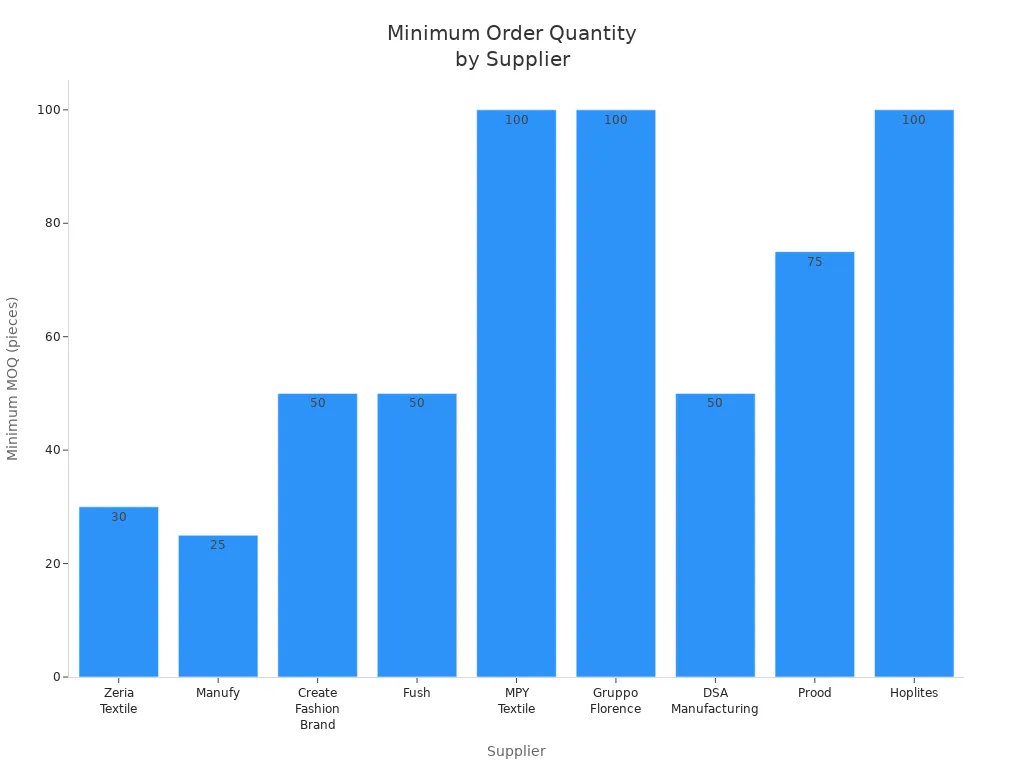
You can see many suppliers offer low MOQs. This makes it easy to start small and grow. This way helps you avoid waste. It supports a sustainable impact in fashion.
If you want more ideas or supplier contacts, check helpful websites and online directories. These resources connect you with sustainable and ethical fashion brands. By picking small-batch and custom options, you make your knitwear more sustainable and special.
You can make your business stand out by choosing sustainable knitwear. These five tips help you find better suppliers, control costs, and build trust. When you pick ethical options, you boost your brand and help the planet.
-
Customers see your brand as honest and caring.
-
Certifications show you follow strict standards.
-
You cut down on waste and carbon emissions.
-
Many buyers want sustainable products and pay more for them.
Start small today. Your choices make a real difference!
FAQ
What makes knitwear sustainable?
Sustainable knitwear uses eco-friendly materials and fair labor. This means less waste and less pollution. Brands use organic or recycled fibers. They care about workers’ rights. Trusted certifications help you know your knitwear is sustainable.
How do I check if a supplier is really sustainable?
Visit the supplier’s website and look for certifications. If you do not see proof, ask for it. Use official certification databases to check. Talk to other small businesses for honest feedback. Always double-check claims before you trust them.
Can I order small quantities of sustainable knitwear?
Yes, you can order small amounts from many suppliers. They offer low minimum order quantities (MOQs). You can start with small batches. This helps you test products and manage costs. Small orders also help you reduce waste.
Are sustainable knitwear options more expensive?
Sometimes, sustainable knitwear costs a little more. You pay for better materials and fair labor. Over time, you save money by avoiding waste. Building customer trust helps your business. Many shoppers pay more for ethical products.
Where can I find local sustainable knitwear suppliers?
Check trade shows, local business networks, and online directories. Ask other small businesses for recommendations. Local suppliers share their story and values. Meeting them in person helps you build trust. You can see product quality up close.
What certifications should I look for in knitwear?
Look for labels like GOTS, OEKO-TEX, Fair Trade, and GRS. These show the brand uses safe materials and fair practices. You can find these certifications on product tags or the brand’s website. Always check for real proof before you buy.
How do I know if a brand treats workers fairly?
Read the brand’s impact reports or ethical policy. Ask about their labor standards. Look for Fair Trade or similar certifications. Brands that care about workers share this information openly.
Can I customize sustainable knitwear for my business?
Yes! Many suppliers let you pick colors, designs, and fabrics. You can order samples or small batches. Custom options help your brand stand out. Ask your supplier about their customization process.