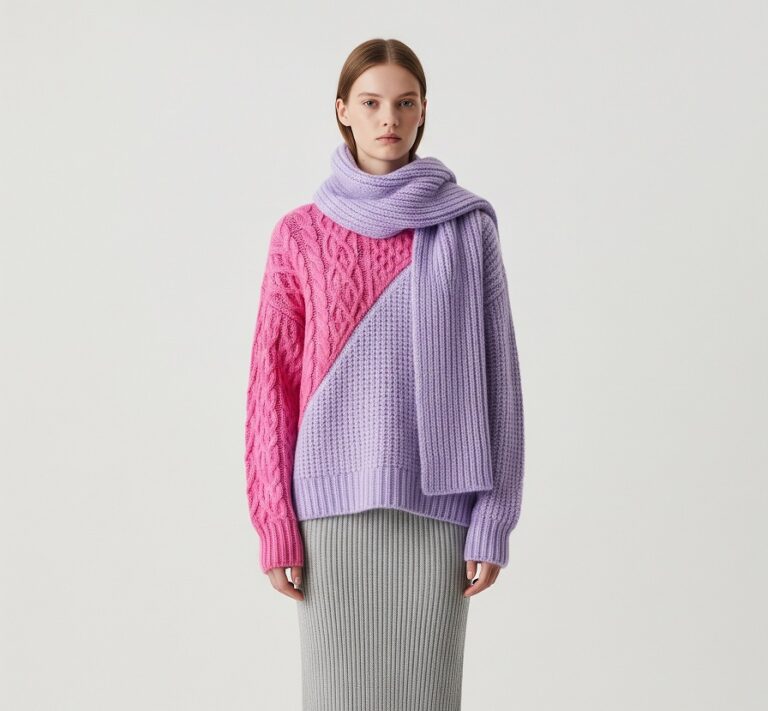
Knitwear Trends 2025: Global Trend Report for Brands & Manufacturers
The knitwear market in 2025 is driven by sustainability, tactile comfort, hybrid lifestyles, and refined minimalism. From global fashion week runways to production-side yarn innovation in Dalang, Prato, Bangladesh, and Turkey, the industry is entering a stage where material science, eco-fibers, and advanced knitting techniques shape both aesthetics and performance.
This report analyzes the four major pillars of 2025 knitwear trends—color, stitch, silhouette, and yarn—providing actionable insights for OEM/ODM knitwear manufacturers, fashion designers, sourcing directors, and global apparel brands.
Style Guide
Xindi Knitwear Expert
Xindi Knitwear industry specialist sharing OEM/ODM manufacturing knowledge, yarn insights, and sweater production solutions for global fashion brands.
Color Trends 2025
Color direction for 2025 embraces calm luxury, functional minimalism, and deep atmospheric tones. Brands are prioritizing shades that communicate longevity and seasonless wearability, aligning with global sustainability goals.
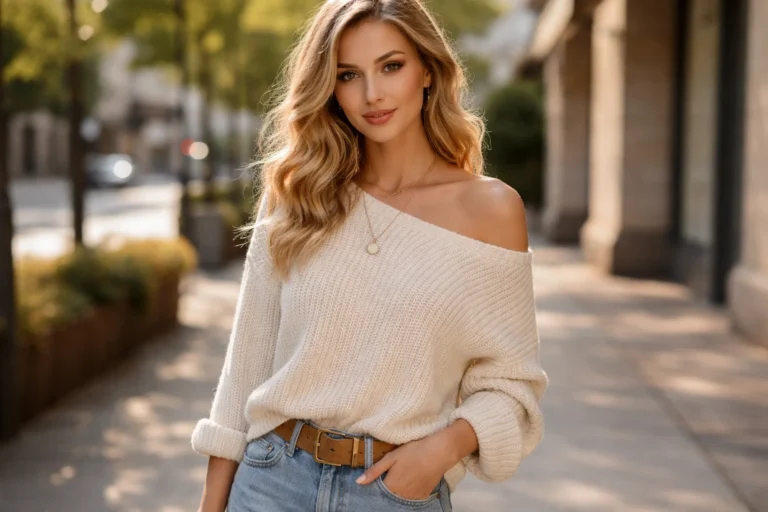
Cream White
A key base color for premium ready-to-wear. Cream white communicates softness, quiet luxury, and versatility, making it ideal for ribbed sweaters, fisherman knits, and brushed wool styles. In manufacturing, this tone pairs well with sustainable merino and BCI cotton.
Smoky Grey
A refined neutral inspired by city living and industrial minimalism. Works well with technical yarns, anti-pilling acrylic blends, and modal/sustainable viscose bases. Smoky grey elevates structured silhouettes, layered knits, and diagonal rib constructions.
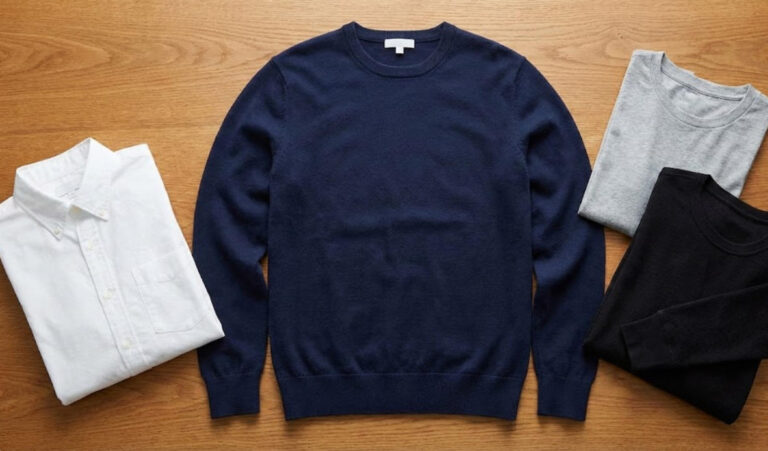
Midnight Blue
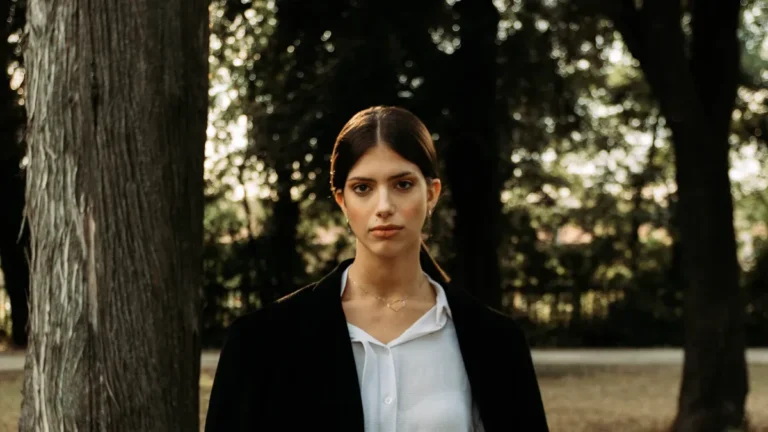
A hero tone for 2025. Midnight blue emerges as the new alternative to black—deep, saturated, and highly commercial. This color performs well on cable knits, gauze jerseys, and milano ribs, offering rich depth without the harsh contrast of pure black.
Partner with a Leading OEM/ODM Knitwear Manufacturer for Your 2025 Collection
Develop your 2025 knitwear line with a factory that understands global trends, advanced knitting technologies, sustainable yarn sourcing, and high-volume production requirements. From trend-driven sampling to certified eco-fibers and 3-week bulk lead times, we support brands with precise engineering, low MOQ flexibility, and reliable international shipping. Reach out to start your new season development.
Stitch Trends 2025
Stitch direction in 2025 reflects sensory tactility and nostalgic craft, combined with technical efficiency. Brands favor stitches that provide depth, character, and differentiation while maintaining scalability for mass production.
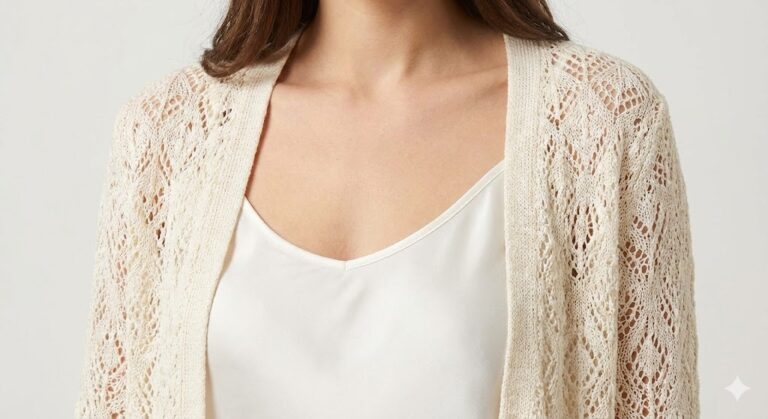
Pointelle
Pointelle resurges with modern pattern engineering, supported by advanced Shima & STOLL programming capabilities. Pointelle adds breathability, decorative openness, and layering potential—suitable for women’s tops, dresses, and resortwear.
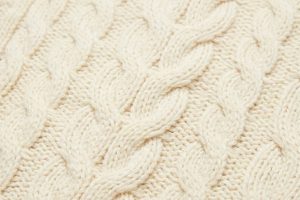
Chunky Cable
Heavy-gauge cable knits return with oversized, exaggerated textures. 2025 styles incorporate 3D cables, two-tone cables, and reverse-purl channels for increased depth. Ideal for winter sweaters, luxury men’s wear, and Scandinavian-inspired collections.
Jacquard Revival
A major trend across global runway shows. Jacquard designs incorporate heritage motifs, retro color blocking, Nordic patterns, and contemporary geometric layouts. Technical upgrades allow seamless multi-color execution and reduced yarn waste using computerized knitting.
Silhouette Trends 2025
Knitwear silhouettes shift with evolving consumer behavior—hybrid work lifestyles, comfort-first dressing, and functional layering.
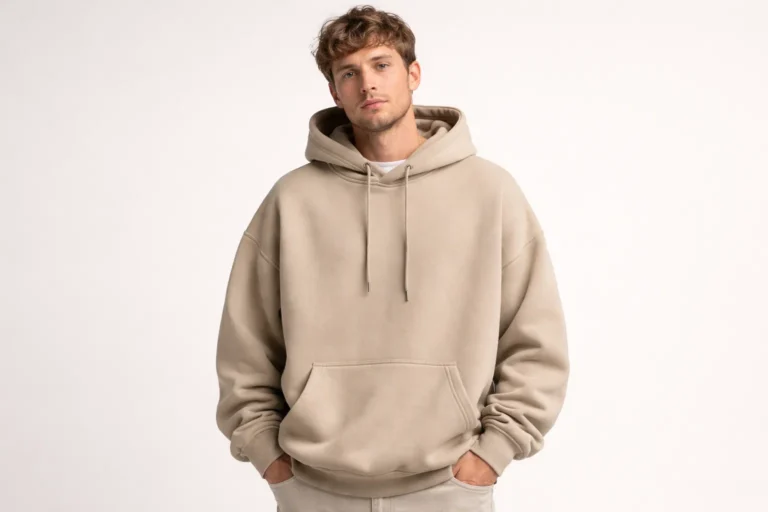
Oversized
Slouchy knits with relaxed proportions dominate unisex collections. Common features include dropped shoulders, extended sleeves, and voluminous rib cuffs. Oversized silhouettes pair well with wool blends and heavy-gauge cotton for structural drape.
Crop
Crop silhouettes transition from youth-driven fashion to mainstream ready-to-wear. 2025 versions include cropped cardigans, cropped pullovers, and cropped twinsets using compact cotton, viscose blends, and milano stitches for stability.
Layered Knit
Layering becomes a core styling principle. Examples include:
Knit vests over shirts
Lightweight longline cardigans over loungewear
Layered knitwear leverages fine-gauge machines (12–16G) and breathable yarns.
Yarn Trends 2025
Fiber innovation defines 2025 knitwear development. Sustainable sourcing, enhanced durability, and functional characteristics lead brand decision-making.
Recycled Yarns
GRS-certified yarns—recycled cotton, recycled polyester, recycled wool—continue to gain market share. Brands prefer recycled fibers for sustainability claims and lifecycle transparency. These yarns perform well in 7G–12G gauges.
Functional Yarns
Performance fibers rise sharply in 2025 due to active-lifestyle integration:
Moisture-wicking blends
Temperature-regulating wool
Anti-bacterial bamboo charcoal
UV-protection yarns
Functional yarns allow brands to combine fashion and performance in everyday knitwear.
Sustainable Wool
RWS (Responsible Wool Standard) merino remains a global priority. Key benefits:
Natural breathability
Moisture regulation
Odor resistance
Biodegradability
Used widely in premium sweaters, base-layer knits, and lightweight luxury items.
FAQs
The key color directions for 2025 include calm neutrals such as cream white and smoky grey, alongside deep tonal shades like midnight blue. These hues support seasonless design, elevate minimal silhouettes, and align with the global shift toward refined sustainability. They also perform strongly across wool, cotton blends, and technical yarns, offering versatile options for both premium and commercial collections.
Textured stitches gain momentum because they enhance tactile appeal, provide dimensional depth, and offer visual interest using fewer details. Pointelle supports breathability and lightweight layering, while chunky cable emphasizes structure and craftsmanship. With modern Shima and STOLL programming, these stitches can be scaled efficiently for both high-volume and small-batch production.
Oversized, cropped, and layered silhouettes will lead the 2025 market. Oversized knits deliver comfort-driven proportions, cropped styles offer contemporary versatility, and layered knitwear enables multi-season usage. These silhouettes work well with fine-gauge and mid-gauge constructions, making them suitable for diverse climates and retail segments.
Brands are prioritizing recycled fibers, RWS-certified wool, and low-impact regenerated yarns to reduce environmental footprint and meet consumer expectations. Innovations in fiber engineering have improved durability and softness, making sustainable yarns viable for both luxury and mass-market production. Traceability and certification continue to play a major role in sourcing decisions.
Functional yarns support hybrid lifestyles by offering moisture management, temperature regulation, anti-bacterial performance, and UV protection. These fibers blend seamlessly with natural yarns, allowing manufacturers to create knitwear that combines comfort, technical performance, and modern aesthetics. As consumers demand more versatile clothing, functional yarn adoption continues to accelerate.