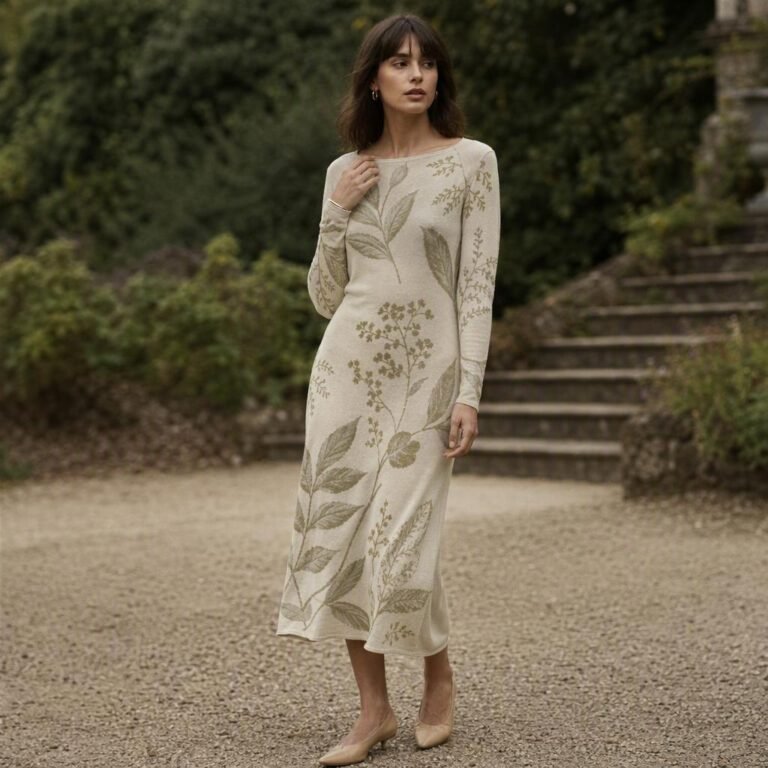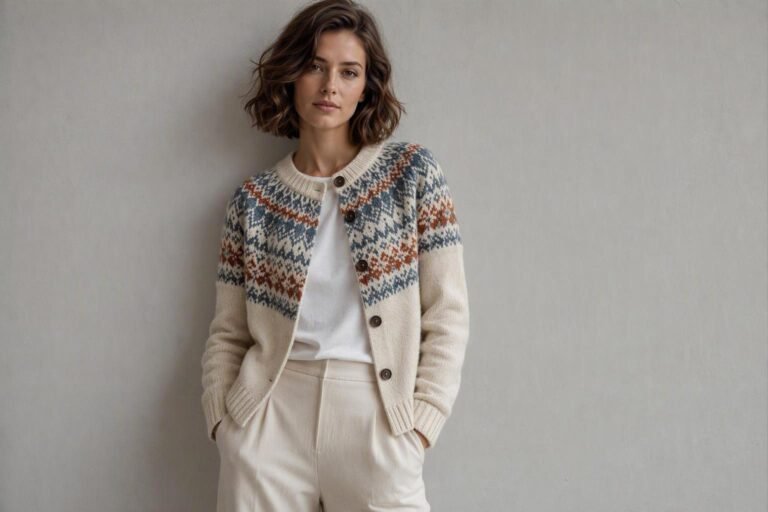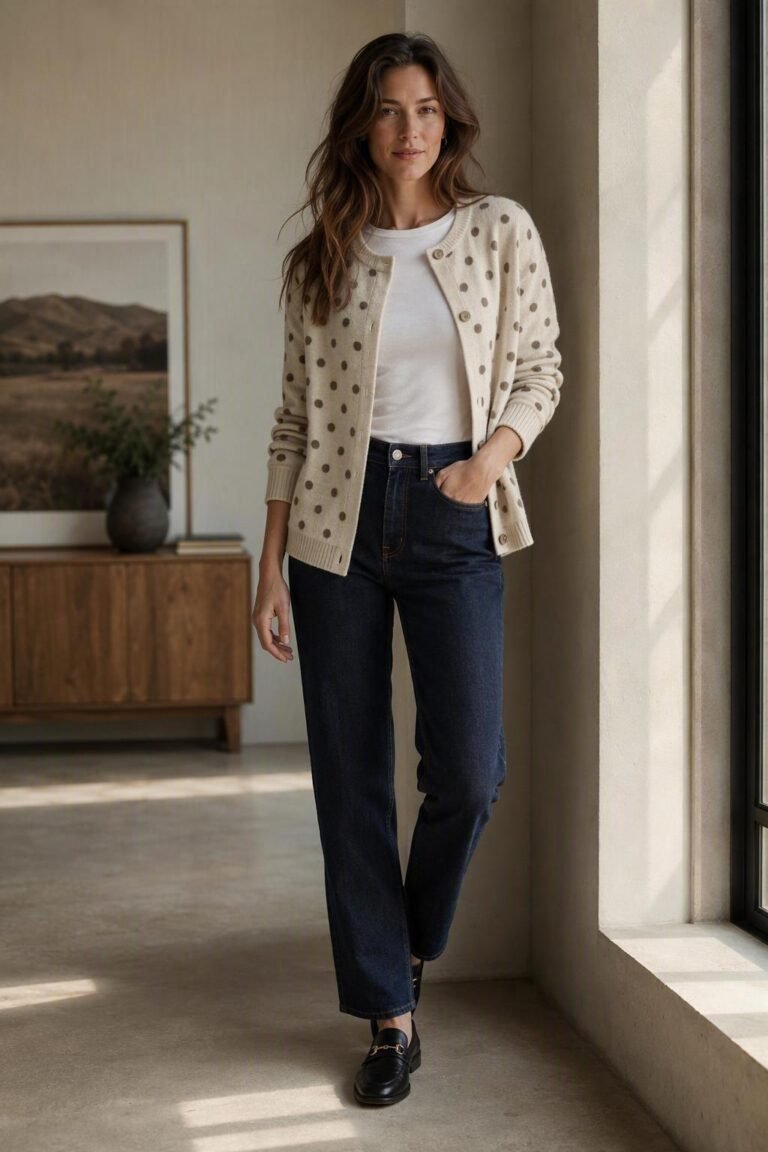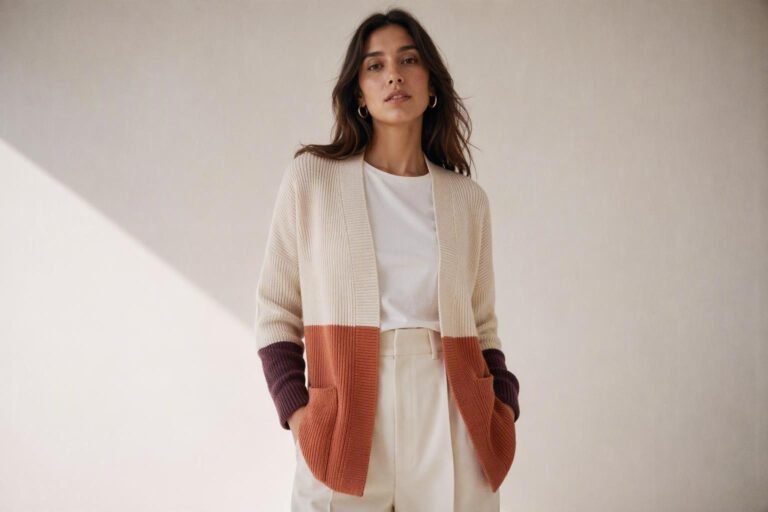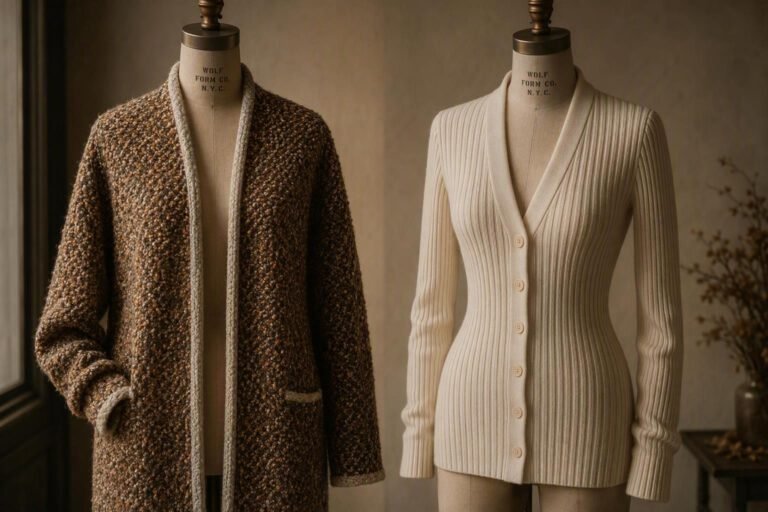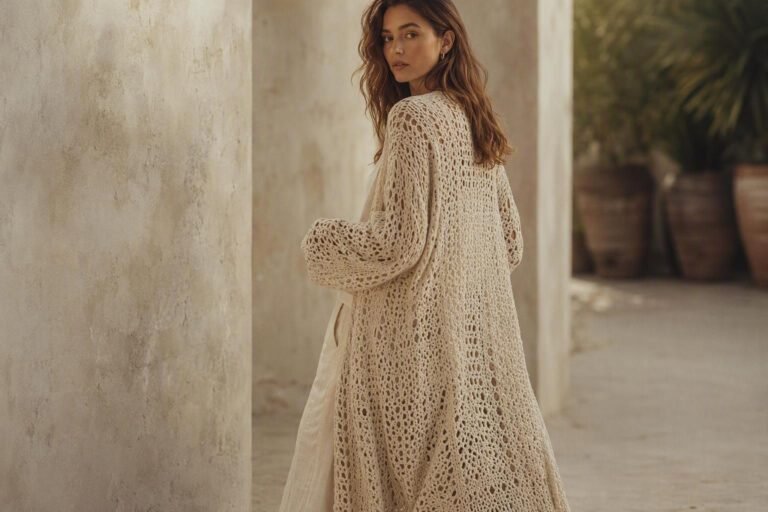

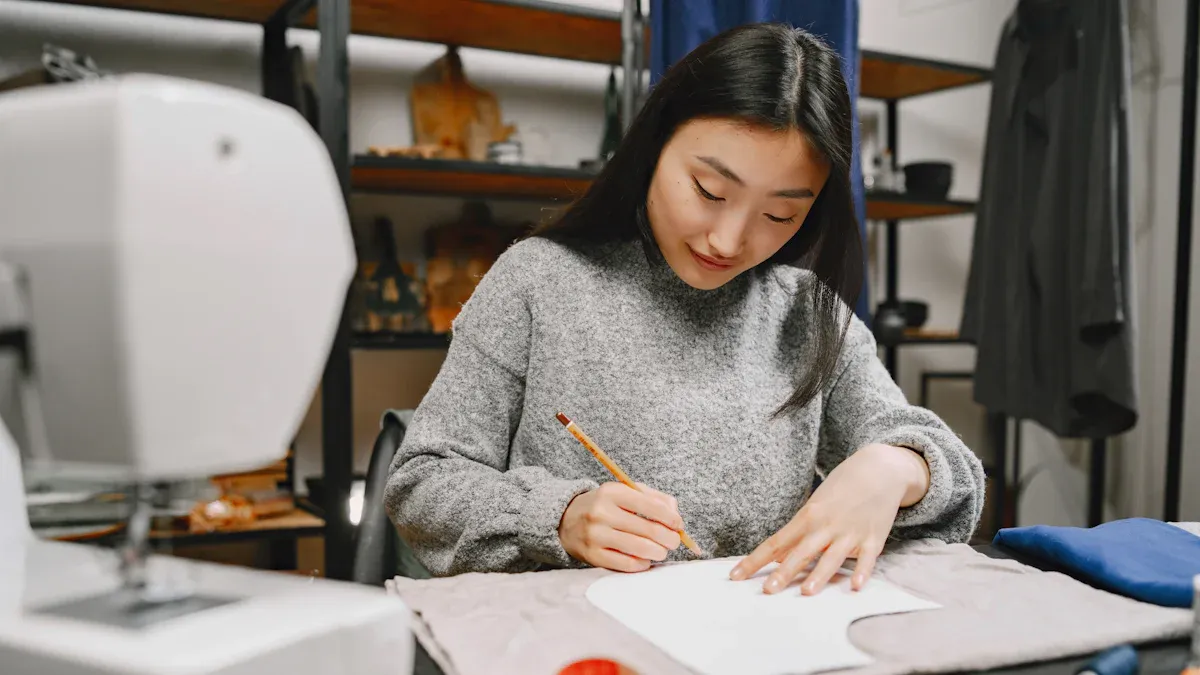
Choosing the right knitwear product development service is important for your brand. If you pick a service that fits your needs, your products will stand out. This helps customers want to buy from you again. The knitwear market is getting bigger because people want stylish and comfy clothes. You need a service that gives you good quality, lets you customize, and handles your order size. See how these things help your brand in the table below:
Factor | Impact on Brand Growth |
|---|---|
Quality | Meets what customers want and builds trust |
Customization Options | Makes your brand special in a busy market |
Production Capacity | Keeps your products ready when customers want them |
Sustainability Practices | Makes your brand look good to others |
Cost Efficiency | Helps you keep your prices fair |
Think about what is most important for your brand. Look for a knitwear product development service that helps you reach your goals. This service should help your brand grow and change when trends do.
Key Takeaways
Figure out what your brand needs before you pick a knitwear service. Know who will buy your products and what they want.
Pay attention to quality. Pick manufacturers with certificates that show they make safe and good products.
Think about ways to make your products unique. A good manufacturer should let you add special touches to your items.
Look at how much the manufacturer can make. Make sure they can fill your orders now and as your brand grows.
Ask if they care about the environment. Work with manufacturers who use eco-friendly materials and fair work practices.
Learn how they set their prices. Ask for a list of costs so you do not get surprised by extra fees.
Read what other brands say about them. This helps you see if the manufacturer is trustworthy and makes good products.
Talk often with your manufacturer. Pick one who answers fast and keeps you updated during the whole process.
Define Your Knitwear Brand Needs
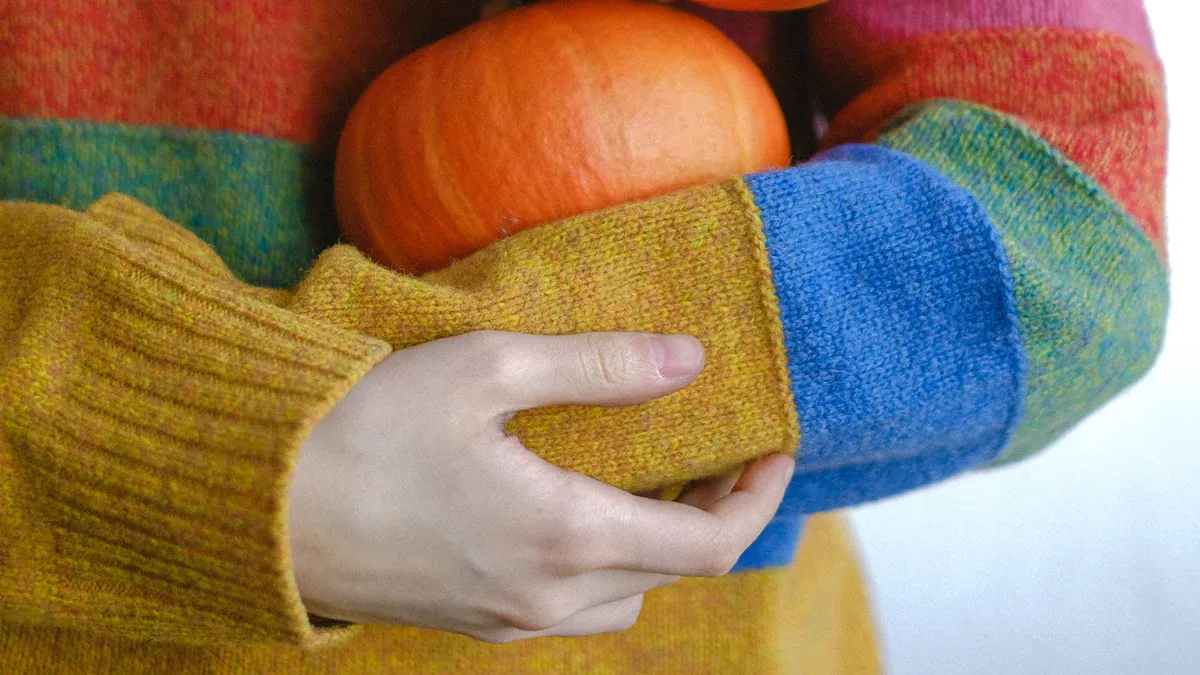
Before you look for a knitwear product development service, know what your brand is about. When you understand your market segment, product details, and how many items you need, you can make better choices. Let’s look at each part so you can set clear rules for your brand.
Market Segment
You want your knitwear to reach the right people. Think about who will wear your products and where they will use them. Most brands focus on one or more of these groups:
Outerwear: This group makes the most money. People like knitwear that is light and easy to layer.
Innerwear: There is always a need for warm options, especially in cold places. Innerwear is a big part of the knitwear market because people use it all year and buy new ones often.
Sportswear and Athleisure: This group is growing quickly. New materials and changing habits make these knitwear items popular.
Tip: If you do not know which group fits your brand, check what is popular in stores and online. You might find new ideas by seeing what people buy.
Product Specifications
You need clear details for every knitwear item you make. These details help your manufacturer know what you want and give you the right product.
Yarn and Materials
Pick yarns and materials that match your brand’s values. Many brands now want materials that are good for the planet, feel nice, and can be used in many ways. Cotton knitwear is popular because it is cool and works in many places. If you want to attract shoppers who care about the earth, try organic cotton or other safe fibers. Brands like Reformation and Everlane use these materials to be different.
Design Complexity
Your design skills shape how your product looks and feels. Some brands like simple, fancy knitwear. Others follow new trends or styles from influencers. High-end brands choose simple and classy knitwear. Fast-fashion brands change their designs often to keep up with trends. Make sure your details include things like patterns, textures, and finishes. The more clear details you give, the easier it is for your manufacturer to make the right product.
Order Volume
Order volume changes your costs and how much you can grow. Most knitwear manufacturers have a minimum order quantity (MOQ). Usually, the MOQ starts at 50 units for each design or color. This number can change if your item is hard to make or uses special materials. Some manufacturers, like Hook and Eye UK, let you order fewer items if you are just starting.
Minimum order: Usually 50 units for each design or color.
Maximum order: Depends on what your manufacturer can do and what you need.
Note: Always check the MOQ before you agree to anything. If you want to grow, make sure your manufacturer can make more items later.
When you know your knitwear brand needs, you are ready to succeed. Clear details help you talk to your manufacturer and avoid problems. It is easier to pick the right partner when you know what you want.
Selection Criteria for Knitwear Product Development Service
Quality Standards
You want your knitwear to make customers happy. Good quality helps your brand stand out. When you pick a manufacturer, check if they have important certifications. These show they care about safety and quality.
ISO 9001 (2015): Focuses on quality management systems.
Global Organic Textile Standard (GOTS): Ensures organic certification for textile products.
Fair Trade: Promotes fair trade and safe working conditions.
ECO PASSPORT by OEKO-TEX: Certifies the safety of chemicals used in textiles.
SA8000: Ensures social standards and fair working conditions.
Worldwide Responsible Apparel Production (WRAP): Promotes ethical manufacturing practices.
Bluesign: Focuses on resource efficiency and environmental impact.
Zero Discharge of Hazardous Chemicals (ZDHC): Aims to eliminate hazardous chemicals in the textile value chain.
Ask your manufacturer if they have these certifications. If they do, it means they care about quality and the planet. You should also see how they keep quality high for big orders. Here are ways manufacturers make sure every item is good:
Practice | Description |
|---|---|
Clear Communication | Makes sure everyone understands what is needed. Sometimes, bilingual helpers make talking easier. |
Detailed Specifications | Giving exact sizes and standards helps make better products. |
Checking items during production keeps them the same and good. |
You can ask for samples before you order a lot. This lets you check the quality before you buy. Work with manufacturers who do quality checks. If you want great products, always do this step.
Production Capacity
You need a manufacturer who can make the amount you want. Some brands start with a few pieces. Others need thousands of items. Ask about the smallest and biggest orders they can do. Make sure they can grow with your brand.
Manufacturers change order sizes by being flexible and talking often. For example, a European brand changed sleeve lengths and stitch patterns after starting. They worked with a custom sweater manufacturer and used a special website to share updates. This helped them get samples fast and avoid waiting. Custom sweater manufacturers can change things quickly. They are often faster than trading companies. If you think your order size will change, pick a manufacturer who can keep up.
When it gets busy, talk clearly with your suppliers. Some suppliers help bigger clients first. Make sure your orders get noticed. Always share your future plans with your manufacturer. This helps you avoid problems and keeps your business running well.
Customization Options
Customization makes your knitwear brand special. You want products that show your style. Manufacturers offer many ways to customize your items.
Customization Option | Description |
|---|---|
Sourcing Yarns-Fabrics-Trims | You can pick yarns, fabrics, and trims that match your brand. |
Textile Design | You can make custom textiles and trims for different products. |
Logo Development & Execution | You can add logos with knitting, printing, or embroidery. |
You can start with an idea and make a tech pack. This has 3D designs and notes. Work with your manufacturer to pick yarns and trims. Then, make samples and change them if needed. Some manufacturers let you send quick drawings or samples. They use these to make custom knitwear for you.
If you want great products, be clear about your design. Be flexible, because not every idea works. Talk often so everyone knows what is happening. Be patient, because good customization takes time. When you pick a manufacturer with strong options, your brand stands out.
Tip: Ask your manufacturer how they customize products. The best ones help you from start to finish.
Sustainability Practices
You want your knitwear brand to be noticed for good reasons. Customers care about how things are made. They look for brands that use sustainability practices. When you pick a manufacturer, ask how they make products. Some factories use eco-friendly yarns and safe dyes. Others follow rules to protect workers and the planet.
Many manufacturers show they care with certifications. These prove they care about sustainability and quality. Here are some trusted certifications in knitwear:
Certification | Description |
|---|---|
GOTS | This certification checks if textiles are organic and made responsibly from start to finish. |
GRS | This certification is for products made from recycled materials and checks for traceability and environmental rules. |
BCI | This program helps make cotton in better ways for people and the planet. |
FSC | This certification makes sure wood-based products come from forests that are managed well. |
OEKO-TEX | This certification checks that textiles do not have harmful substances and are safe for people and nature. |
You can ask your manufacturer if they have these certifications. This shows they care about sustainability and quality. If you work with a factory that values sustainability, you help reduce waste and protect nature. You also show customers you care about fair labor and safe products.
Why do these certifications matter? Here are some reasons:
They show your knitwear comes from sustainable production.
They help lower harm to the environment.
They support fair treatment of workers.
They help people learn about sustainability.
They show your brand wants to do good.
Tip: If you want your brand to grow, pick a manufacturer that shares your values. Ask about their sustainability practices and how they improve their process.
Pricing Structure
You need to know how much your knitwear will cost before you start. Prices can change for many reasons. Some manufacturers charge more for special yarns or hard designs. Others give deals for bigger orders or simple styles.
Here is a table that shows what affects the cost of knitwear product development:
Factor | Description |
|---|---|
Raw Material Prices | Prices for things like cotton and wool can change and affect costs. |
Manufacturing Costs | Labor and making the products can change the price. |
Additional Services | Things like design, marketing, and shipping can add to the cost. |
Competition | Brands must change prices to stay in business. |
Consumer Preferences | People want eco-friendly and casual clothes, which changes costs. |
Economic Conditions | Bad economies can make people spend less, which affects prices. |
Technological Advancements | New knitting techniques can make products better and cheaper. |
You should ask your manufacturer for a clear price list. Make sure you know what is included. Some factories charge extra for rush orders or special changes. Others give discounts if you order more. Always check if the price covers design, samples, and shipping.
Note: If you want fair prices, compare offers from different manufacturers. Look for hidden costs and ask questions. This helps you plan your budget and avoid surprises.
Manufacturer Location
Where your manufacturer is can change a lot. Some brands work with local factories. Others pick international partners. Each choice has good and bad sides.
Here is a table to help you compare domestic and international manufacturers:
Type | Pros/Cons |
|---|---|
Domestic Manufacturer | Faster delivery, easier talks, better quality checks, helps local economy, ethical and environmental benefits, flexible order sizes, protects ideas, easy returns, matches your culture, quick changes. |
International Manufacturer | Lower costs, special skills, bigger orders, more materials, saves money, new ideas, works all day, tax benefits, flexible rules, sells to more places. |
If you want quick delivery and easy talks, a domestic manufacturer might be best. You can visit the factory and check quality yourself. Local partners often understand your ideas and can change things fast. They also help your community.
If you need lower costs or bigger orders, look at international options. Some overseas factories have special skills and materials. They can make lots of products and may use new technology. You might save money, but you need to watch for delays and check quality from far away.
Tip: Think about your brand’s needs. Do you want fast changes and close control? Or do you need big orders and lower costs? Pick a manufacturer location that matches your goals and values.
Evaluating Suitable Knitwear Manufacturer
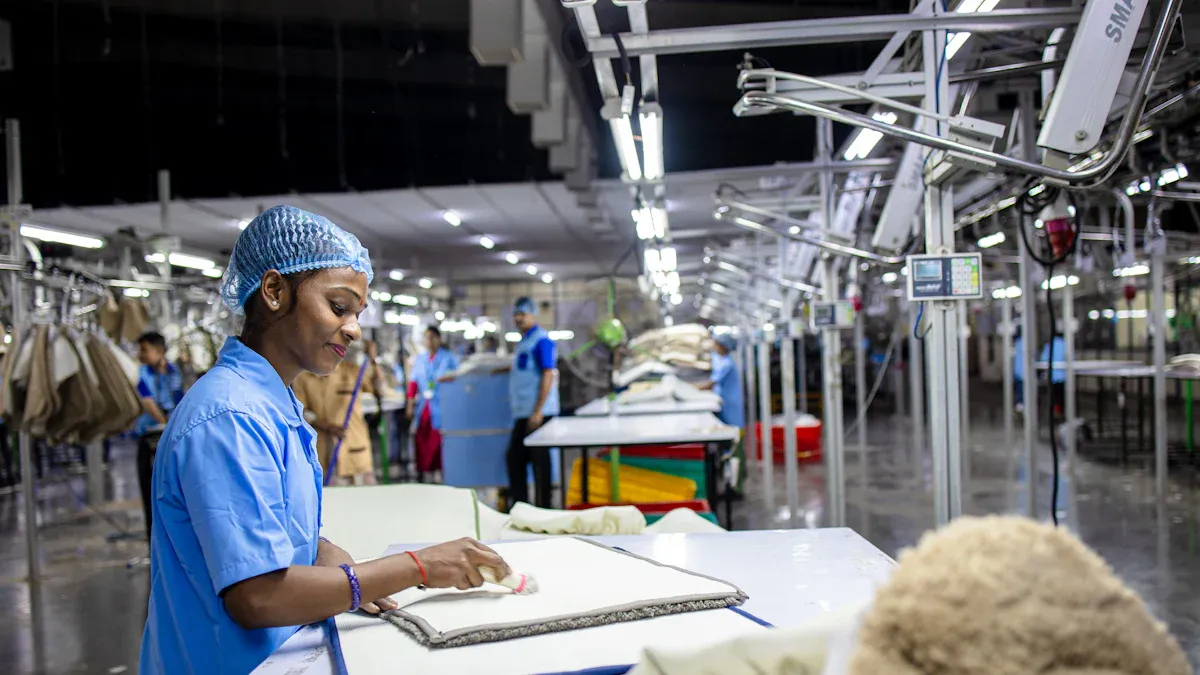
Experience and Expertise
When you look for a suitable knitwear manufacturer, you want someone who knows the industry inside and out. Experience matters because it shows the manufacturer can handle your needs and solve problems fast. You should check how long they have worked with knitwear and what types of brands they have helped. Some manufacturers work with big fashion labels, while others focus on smaller, custom projects.
Here are some steps you can follow to assess the expertise of a knitwear manufacturer:
Ask about their production capacity. Can they handle your order size now and as you grow?
Find out their lead times. How long does it take to finish different order sizes?
Look for reviews and ratings on sites like Alibaba. These can tell you about their reliability and quality.
If you can, visit the factory. See how they work and check the conditions.
Always order samples before you place a big order. This helps you check their work.
Work with them on a prototype. This shows if they can meet your design needs.
You want a manufacturer who can keep up with your brand and deliver on time. If you see good reviews and strong production skills, you are on the right track.
Sample Assessment
Samples show you what a knitwear manufacturer can really do. You should always ask for samples before making a big commitment. When you get a sample, check it closely. Look for these things:
Design: Does the sample match your vision?
Color: Are the colors bright and even?
Fabric: Does the knitwear feel soft and strong?
Comfort: Is it nice to wear?
Fit: Does it fit the way you want?
Workmanship: Are the seams neat and the details finished well?
Price: Does the sample seem worth the cost?
Style: Does it match your brand’s look?
Size: Is the sizing correct?
Coordination: Can you pair it with other clothing?
Brand name: Is your logo or label done right?
Most people care most about how the knitwear feels, fits, and looks. If the sample meets your standards, you can feel more confident about a larger order. If not, keep searching for recommended knitwear suppliers who can deliver better quality.
Tip: Never skip the sample step. It saves you from bigger problems later.
Previous Projects
You can learn a lot about a suitable knitwear manufacturer by looking at their past work. Ask to see examples of knitwear they have made for other brands. This gives you a sense of their style, skill, and reliability.
Many brands want knitwear that feels comfortable and lasts a long time.
Some projects show how the manufacturer handles special needs, like adding technology to garments.
Look for items that are easy to care for and do not need special treatment.
Check if their products stay in good shape after many washes.
See if they have made knitwear that fits your market, like sportswear or medical wear.
When you see strong, long-lasting products in their portfolio, you know the manufacturer values quality. If they have worked on new ideas or tech, they can adapt to trends and meet your needs. Always ask for references or case studies from recommended knitwear suppliers. This helps you choose a partner who will help your brand grow.
Client Testimonials
If you want to know if a knitwear manufacturer is good, client testimonials can help. These reviews tell you what other brands think. You learn about service, trust, and how well the manufacturer helps with different needs.
Look for reviews that talk about technology, creativity, and support. Some brands say the manufacturer helped them make new products or fix problems. Others say working together was easy or that the manufacturer helped them reach their goals.
Here is a table that shows what clients say about their experience with a knitwear manufacturer:
Client | Insight |
|---|---|
Hanyang Women’s University | Teaching new professionals with the latest knitting technology. |
M&Y Knitever | Making sustainable and creative knit dresses with advanced methods. |
LEG KNIT KURISU | Creating special products quickly with modern technology and smart tools. |
Ozeki Supporterby Ozeki-Ki Nenshi | Starting fresh with new knitting ways led to a unique business and happy customers. |
master-pieceby MSPC | Mixing new knitting styles with special processing makes original men’s bags with new texture. |
COBALT FASHION | Using design systems and advanced machines helps make products in a sustainable way. |
AlphaTauri | This fashion brand uses the newest knitting technology for new ideas. |
Snow Peak | Eco-friendly knitting machines help make products in a sustainable way. |
Son of a Tailor | Zero waste pullover made with advanced knitting technology. |
Many clients like innovation and sustainability. Son of a Tailor talks about zero waste products. Snow Peak mentions eco-friendly machines. These stories show how a knitwear manufacturer can help you reach your brand’s goals.
Tip: Always read client testimonials before you pick a knitwear manufacturer. Look for stories that match what you want. If you want sustainable products, find reviews about eco-friendly practices. If you want new designs, check for brands that talk about creativity and technology.
Client testimonials also show how a knitwear manufacturer solves problems. You might read about quick help or good support. These details help you feel sure about your choice. Happy clients mean the manufacturer cares about quality and service.
If you want a strong partnership, listen to other brands. Their stories can help you and keep you from making mistakes. You get a clear idea of what to expect when you work with a knitwear manufacturer.
Communication and Reliability
Picking a knitwear manufacturer is about more than just products. You need someone who talks with you and keeps their promises. Good communication and reliability help you avoid mistakes. This keeps your brand strong.
Responsiveness
You want fast answers. When you ask something, your manufacturer should reply soon. Quick replies show they care about your business. If you wait too long, you might miss deadlines or lose money.
Some signs show a manufacturer is responsive:
Replies to emails or calls in one day.
Gives updates about your order without you asking.
Fixes problems or answers questions right away.
Uses one place online to track your order and spot issues.
Tip: If your manufacturer answers quickly, you can fix problems early. This keeps your project on track and helps you feel sure.
Clear Channels
Clear communication makes things easier for everyone. You need to understand each other, especially if you work with people from other countries. If you do not, mistakes or delays can happen.
Here are ways to keep communication clear:
Share all your needs and what you expect from the start.
Give regular updates so everyone knows what is happening.
Respect different cultures to build trust and avoid confusion.
Pick one main way to talk, like email or chat.
Make sure everyone knows who to ask for help.
Here’s a table to check if your communication is strong:
Practice | Why It Matters |
|---|---|
Clear requirements | Stops mistakes and confusion |
Regular updates | Keeps everyone informed |
Respecting cultures | Builds trust and teamwork |
Centralized platform | Tracks progress and finds problems fast |
Note: When you set up clear ways to talk, you spend less time fixing mistakes and more time growing your brand.
Timelines and Delivery
You want your knitwear to arrive on time. Good manufacturers use smart systems to track orders and materials. They can change plans fast if something goes wrong. This helps you avoid delays.
Top manufacturers use these ideas:
Real-time systems show what is in stock and what to order.
Flexible production lets them handle big or small orders.
Getting materials from many places helps them work faster.
Special shipping plans make sure your products arrive on time.
Regular updates keep you informed from start to finish.
If your manufacturer manages time well, you can plan your launches and keep customers happy. On-time delivery builds trust and helps your brand grow.
Good communication and reliability make working together easy. You get better products, fewer surprises, and more time to focus on your brand.
Making Your Decision
Weighing Pros and Cons
You have a lot to think about before you choose a manufacturer. Each option has good sides and bad sides. You want to make sure the service matches your brand’s needs. Start by listing what you like and what worries you about each manufacturer.
Does the manufacturer offer the quality you expect?
Can they handle your order size?
Do they support your design ideas?
Are they easy to talk to?
Do they share your values about sustainability?
Is the price fair for what you get?
Will they deliver on time?
Tip: Write down your pros and cons for each manufacturer. Seeing everything in one place helps you make a smart choice.
References Check
Checking references helps you avoid problems later. You want to know if the manufacturer is honest and reliable. Here’s a simple way to check references:
Look at their certifications. Make sure they have well-known ones like GOTS, WRAP, OEKO-TEX, or BCI.
Go online and check if those certificates are real.
Ask the manufacturer for references. Talk to brands who have ordered from them before.
Search for reviews from other clients. See what people say about their service and products.
If you want extra peace of mind, hire a third-party inspection agency. They can check licenses and make sure the manufacturer follows the rules.
You want to feel sure before you trust someone with your knitwear. Good references mean you can expect strong service and quality.
Payment Terms
Payment terms can change how your brand handles money. You need to know when and how you pay for your orders. Manufacturers offer different options. Each one affects your cash flow in a different way.
Here’s a table to help you compare common payment terms:
Payment Term | Description | Impact on Seller Cash Flow |
|---|---|---|
Payment due in 15 days; limited buyer flexibility | Speeds up cash collection but may reduce sales | |
Net-30 | Payment due in 30 days; moderate buyer flexibility | Balances inflow and customer convenience |
Net-60 | Payment due in 60 days; greater buyer flexibility | Delays cash inflow and increases risk |
C.O.D. | Payment at delivery; least buyer flexibility | Ensures immediate cash collection |
You might see these terms when you talk to manufacturers:
Net-15 means you pay within 15 days. This helps the seller get money fast, but you have less time to pay.
Net-30 gives you 30 days to pay. This is a good balance for most brands.
Net-60 lets you pay in 60 days. You get more time, but the seller waits longer for their money.
C.O.D. means you pay when you get your order. This is fast for the seller, but some buyers do not like it.
Note: Always ask about payment terms before you agree to anything. Pick the option that fits your budget and helps your brand grow.
Making your decision takes time. You want to feel confident about your choice. Weigh the pros and cons, check references, and understand payment terms. This helps you build a strong partnership and keep your knitwear brand moving forward.
Avoiding Common Pitfalls
Hidden Costs
You might think you know the price of your knitwear project, but extra costs can sneak up on you. These hidden costs can hurt your budget and slow down your plans. When you work with a manufacturer, always ask for a full breakdown of expenses. Watch out for these common hidden costs:
Sample development fees
Material waste, like fabric shrinkage and cutting waste (this can add 3-5% to your material costs)
Quality issues that lead to rework or rejected items
Logistics changes, such as shipping delays or price jumps
Extra rounds of prototype sampling, which can quickly increase your expenses
Tip: Always ask your manufacturer for a clear quote. Double-check if the price covers samples, shipping, and any changes you might need. If you spot these costs early, you can plan better and avoid surprises.
Scalability
Your brand might start small, but you want it to grow. You need a manufacturer who can keep up as your orders get bigger. Not every manufacturer can scale up smoothly, so you should check their systems and ask questions before you commit.
To make sure your manufacturer can handle growth, look for these signs:
They use lean production methods to cut waste and speed up work.
Their team gets regular training, so they can handle new tasks and keep up with demand.
They have strong relationships with suppliers, which helps them get materials fast.
They use digital tools for quality checks, so standards stay high even as orders grow.
Their production setup is flexible, so they can adjust quickly when you need more products.
A good manufacturer stays agile and open to new ideas. They use new technology and change their process when needed. This helps you keep quality high, even when your business gets bigger.
Intellectual Property
You work hard on your designs, so you want to keep them safe. When you share your ideas with a manufacturer, you need to protect your intellectual property. Here are some best practices to help you:
Sign a non-disclosure agreement with your manufacturer before sharing any designs.
Register your designs with the right offices to get legal protection.
Only share the details your manufacturer needs, not your whole concept.
Use contracts that clearly state who owns the designs and what each side must do.
Check the market often to spot any copies of your designs.
Ask for samples and control how many items get made before you approve mass production.
Try using technology, like blockchain, to track your designs.
Choose a manufacturer with a good reputation for respecting intellectual property.
Note: Protecting your designs helps you keep your brand unique. If you follow these steps, you can work with your manufacturer and still keep your ideas safe.
After-Sales Support
After-sales support can make or break your experience with a knitwear manufacturer. You might think the job ends when you get your order, but that’s not true. Problems can pop up after delivery. Maybe you find a defect, or you need help with returns. Good after-sales support helps you fix these issues fast.
You want a manufacturer who stands by their products. If something goes wrong, you should get help without a hassle. Some manufacturers offer repairs, replacements, or refunds. Others give you advice on caring for your knitwear or help with reordering. You need to know what kind of support you’ll get before you sign any contract.
Here’s a table to help you compare after-sales support options:
Support Type | What You Get | Why It Matters |
|---|---|---|
Repairs | Fixes for damaged or faulty items | Saves money and time |
Replacements | New items for defective products | Keeps customers happy |
Refunds | Money back for major issues | Protects your investment |
Care Instructions | Tips for washing and storing knitwear | Extends product life |
Reordering Help | Easy process for placing new orders | Speeds up business growth |
Customer Service | Fast answers to questions or complaints | Builds trust and loyalty |
You should ask your manufacturer these questions:
How do you handle complaints or returns?
What is your process for repairs or replacements?
Do you offer refunds for major problems?
Who do I contact if I need help after delivery?
How long does it take to solve issues?
Tip: Always get the after-sales policy in writing. This protects you if something goes wrong.
If your manufacturer has strong after-sales support, you feel safe. You know you can solve problems quickly. This helps you keep your customers happy and your brand strong. If support is weak, you might lose money or damage your reputation.
Don’t forget to check reviews from other brands. See if they mention good support or fast problem-solving. If you see lots of complaints, think twice before working with that manufacturer.
Great after-sales support means you’re not alone after the sale. You get help when you need it. Your business runs smoother, and you can focus on growing your brand. 😊
Next Steps with Your Knitwear Manufacturer
Onboarding
You picked your knitwear manufacturer. Now, you need to start working together. Onboarding helps you set up a smooth process. Share your brand story and your goals. Give your manufacturer clear tech packs and design files. Share your timeline for samples and production. Ask questions about how they work. Find out who your main contact is. Ask how you will get updates.
Here’s a simple onboarding checklist:
Share your brand guidelines and product specs.
Confirm how you will talk with your manufacturer.
Set a timeline for samples and production.
Talk about quality checks and approval steps.
Review payment terms and after-sales support.
Tip: Keep all your files and notes in one place. This helps you and your knitwear manufacturer stay organized.
Initial Orders
Your first order is important for your partnership. Start with a small batch if you can. This helps you test quality, fit, and delivery speed. Track every step from sample approval to shipping. If you see any problems, talk to your knitwear manufacturer right away.
Here’s how you can manage your first orders:
Approve final samples before making many items.
Watch production progress with regular updates.
Check quality at different stages.
Confirm shipping dates and delivery details.
Review the finished products when they arrive.
If you find problems, ask for fixes before bigger orders. Your first order helps you learn how your knitwear manufacturer works.
Building Partnership
A strong partnership helps your brand grow. You want your knitwear manufacturer to feel like part of your team. Share feedback after each order. Celebrate wins together, like a successful launch or a new design. Stay open to new ideas and changes.
Here are ways to build a lasting partnership:
Action | Benefit |
|---|---|
Give regular feedback | Improves product quality |
Visit the factory | Builds trust and teamwork |
Plan future orders | Helps with scaling up |
Share market trends | Inspires new designs |
Solve problems fast | Keeps business running smooth |
Note: Good partnerships grow with trust and clear communication. Your knitwear manufacturer can help you reach new goals if you work together.
You can build a brand that stands out when you treat your knitwear manufacturer as a partner, not just a supplier. Keep talking, keep learning, and keep improving together. 😊
You now have a clear path to pick the right knitwear product development service. Start by knowing your brand’s needs. Check for quality, capacity, and customization. Look for strong communication and support. Build a partnership that helps your brand grow. Use these steps to make smart choices. Ready to find your perfect knitwear partner? Start your search today with confidence! 🚀
FAQ
What is a knitwear product development service?
This service helps you make your knitwear ideas real. Experts help with design, picking materials, making samples, and production. They guide you through each step until your product is finished.
How do I know if a manufacturer is right for my brand?
Check if they have good experience and make quality products. See how well they talk with you. Ask for samples and read what other clients say. Make sure they get your style and can handle your order size.
Can I order small quantities when starting out?
Yes, many manufacturers let you order small amounts. You can test quality and fit with small batches. Always ask about their minimum order quantity before you decide.
What information should I give my manufacturer?
Share your design ideas and tech packs. Tell them what materials you want and how many items you need. Clear details help them make what you want.
How long does it take to develop a knitwear product?
Most projects take between 4 and 8 weeks. The time depends on your design, materials, and order size. Ask your manufacturer for a timeline.
What if I want eco-friendly knitwear?
Pick manufacturers with certifications like GOTS or OEKO-TEX. Ask about organic yarns, recycled materials, and safe dyes. Many factories now offer eco-friendly choices.
How do I protect my designs?
Sign a non-disclosure agreement before sharing your ideas. Register your designs and use contracts that say you own them. Choose manufacturers who respect intellectual property.
What should I do if I find defects in my order?
Contact your manufacturer as soon as you see a problem. Most will fix, replace, or refund items. Check their after-sales support policy before you order.