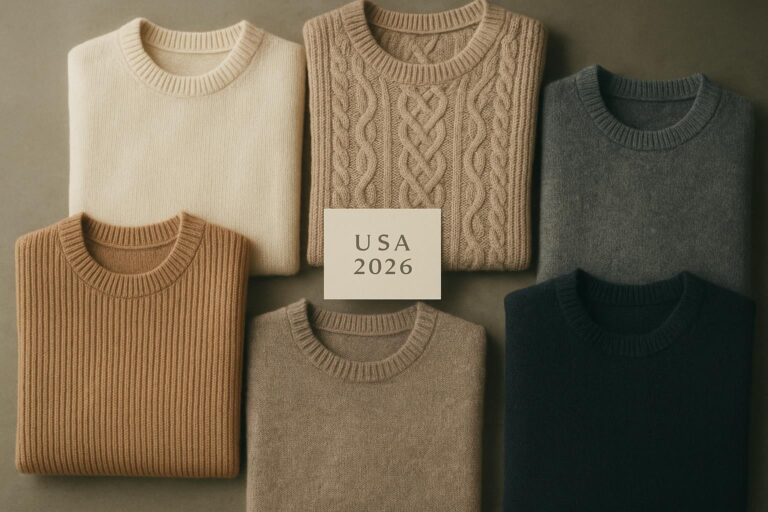

You can keep your favorite wool garments looking new for years with the right wool care. Wool stands out because its fibers have overlapping shells that resist water and dirt, so you do not need to wash it often. You only need to air out your wool items to help them last longer and keep their shape. Proper wool garment care means less washing, fewer stains, and less wear. Many people believe wool is hard to care for, but you will find that simple steps can make your clothes last and help the planet.
Key Takeaways
-
Wool garments require less washing than other fabrics. Air them out after each wear to keep them fresh.
-
Use gentle, wool-safe detergents to maintain the softness and quality of your wool items.
-
Spot clean stains immediately with a damp cloth to avoid the need for full washes.
-
Always lay wool garments flat to dry. Avoid using tumble dryers to prevent shrinkage.
-
Store wool items in breathable containers to protect them from moisture and pests.
-
Rotate your wool garments to reduce wear and extend their lifespan.
-
Regularly brush your wool clothes to remove dust and prevent pilling.
-
Understand that pilling is normal for wool and can be managed with gentle care and proper washing techniques.
Wool’s Qualities
Natural Benefits
Wool is different from other fibers. It gives special natural benefits. You feel more comfortable and safe when you wear wool clothes.
Antibacterial & Odor Resistance
Wool fibers fight bacteria. They help stop bad smells. You can wear wool longer without worrying about odor. You do not need to wash wool as much as cotton or synthetics.
Temperature Regulation
Wool keeps you comfy in many climates. The fibers hold heat in tiny air pockets. This keeps you warm when it is cold. Wool lets out heat if you get too hot. You do not overheat. You can wear wool in winter and summer.
Moisture Absorption
Wool pulls moisture away from your skin. You stay dry even when you sweat. Wool dries faster than cotton. You feel fresh and comfy. Wool is great for sports and everyday clothes.
Tip: Wool is hypoallergenic and gentle for sensitive skin. You can wear it without worrying about irritation.
Here is a table that shows how wool’s natural benefits compare to cotton and synthetics:
|
Wool Benefits |
Comparison to Cotton and Synthetics |
|---|---|
|
Superior moisture-wicking |
Better at keeping dry |
|
Soft and gentle on the skin |
More comfortable |
|
Easy to care for |
Less maintenance required |
|
Stronger than cotton |
More durable |
|
Reduces body odor |
Better odor control |
|
Antibacterial properties |
Less prone to bacteria |
|
Machine washable |
Convenient cleaning |
|
Water-resistant |
Better in wet conditions |
|
Excellent insulator |
Keeps warmth in cold conditions |
|
Dries faster than cotton |
Quicker drying time |
|
Hypo-allergenic |
Suitable for sensitive skin |
|
Anti-wrinkle |
Maintains appearance better |
|
Eco-friendly |
Renewable and biodegradable |
Durability & Longevity
Wool lasts much longer than other fibers. You can wear wool clothes for years if you take care of them.
Resilience Over Time
Wool fibers bend up to 20,000 times before breaking. Cotton fibers break after only 3,000 bends. Wool clothes last longer and get less damage. Wool often lasts over 50% longer than cotton.
Eco-Friendly Aspects
Wool is a renewable resource. You help the planet when you pick wool. Wool breaks down fast and does not make microplastic pollution. Wool production helps the land and soil. It supports plants and animals. Wool clothes last longer, so you buy less and make less waste. Many people donate or recycle wool clothes. This keeps them out of landfills.
Note: Wool’s long life and eco-friendly nature make it a smart choice for sustainable fashion.
You can trust wool for comfort, strength, and helping the environment. These things matter for care because you wash less, wear more, and help the planet.
General Wool Care
You can keep your wool garments looking fresh and lasting longer by following general wool care routines. Wool garment care focuses on simple habits that protect the fibers and reduce wear. You do not need to wash wool as often as other fabrics. You can use airing, resting, spot cleaning, and brushing to maintain your clothes. These best practices help you save time, energy, and money.
Airing & Resting
Airing Garments
You can refresh wool by airing it out. Hang your wool sweaters or other items in a well-ventilated space after wearing them. Wool has natural antibacterial and dirt-resistant properties. Airing removes odors and moisture without washing. You can place your garment on a hanger or lay it flat near an open window. Avoid direct sunlight to prevent fading. Airing helps you reduce washing and keeps your clothes in good shape.
Tip: Air out your wool garments for a few hours after each wear. This simple step extends the life of your clothes and reduces energy use.
Resting Between Wears
You should let your wool garments rest between wears. Wool fibers need time to recover their shape. You can rotate your wool sweaters and avoid wearing the same item two days in a row. Resting helps the fibers bounce back and prevents stretching. You keep your clothes looking new and comfortable.
Minimal Washing
Spot Cleaning
You do not need to wash wool every time you wear it. Spot cleaning removes stains and dirt from small areas. Use a damp cloth and gently blot the spot. Avoid rubbing, which can damage the fibers. You can use a mild wool-safe detergent for stubborn stains. Spot cleaning keeps your garment clean and reduces the need for full washing.
Limiting Wash Frequency
You should wash wool only when necessary. Studies show that reducing washing can extend the lifespan of wool garments by up to 20%. You also lower environmental impacts by up to 75% when you maximize wear and minimize washing. Less washing means less fiber damage and better shape retention. You save water, energy, and detergent.
|
Wool Care Action |
Impact on Garment Lifespan |
Environmental Benefit |
|---|---|---|
|
Airing & Resting |
Extends shape and freshness |
Reduces energy use |
|
Spot Cleaning |
Prevents fiber damage |
Saves water |
|
Minimal Washing |
Prolongs garment life |
Cuts detergent use |
Brushing & Surface Care
Using Garment Brushes
You can use a garment brush to keep wool clean and smooth. Experts recommend light strokes to avoid damaging the fabric. Brush against the nap to remove dirt, then along the nap to restore the finish. Adjust your technique for different types of wool. Use a lighter touch for delicate materials like cashmere. Sturdier wools can handle firmer brushing.
-
Brush regularly to remove dust and prevent pilling.
-
Brush in the direction of the knit for best results.
-
Hold the garment on a firm surface while brushing.
-
Lightly spritz water to enhance cleaning.
Preventing Stains
You can prevent stains by acting quickly. Remove dirt or spills as soon as possible. Blot with a clean cloth and avoid rubbing. Store wool garments away from food and liquids. You protect the fibers and keep your clothes looking their best.
Note: Regular brushing and quick stain removal help you maintain the appearance of your wool garments and reduce the need for washing.
You can follow these tips to make general wool care easy and effective. Airing, resting, minimal washing, and brushing keep your wool garments fresh and strong. You protect your investment and support sustainable fashion.
How to Wash Wool Clothing
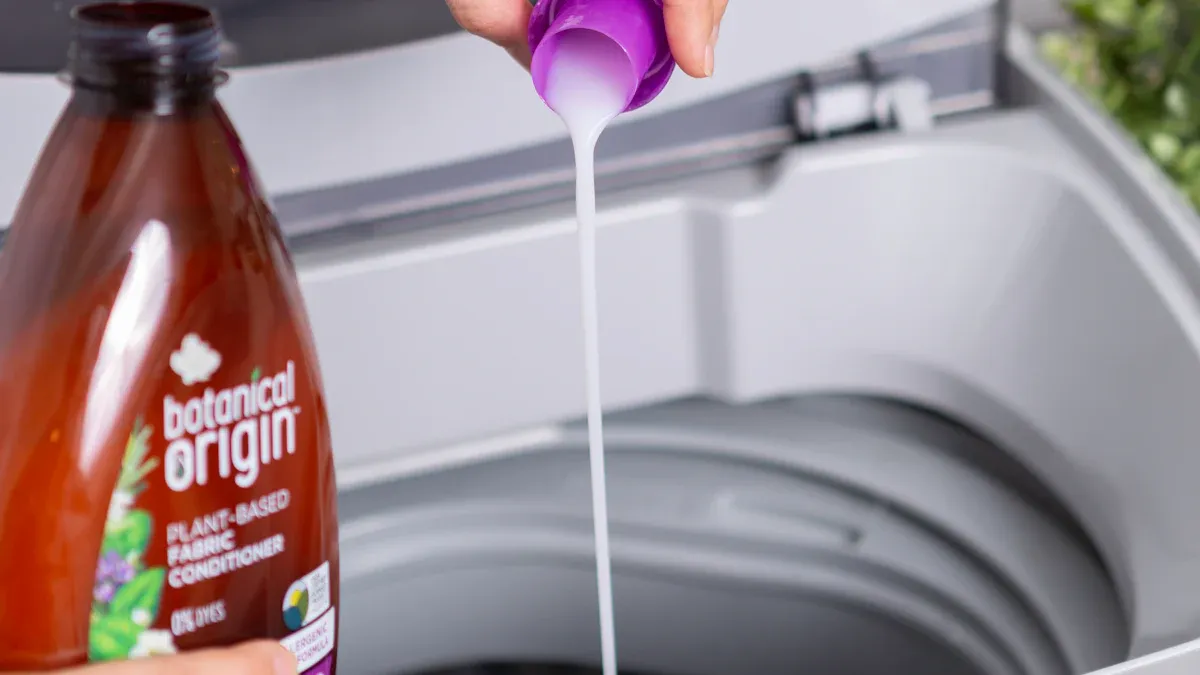
When you know how to wash wool clothing, your favorite pieces stay soft and clean. You also help them last longer. Wool garment care means using gentle washing and paying close attention. You can follow these easy steps to protect your wool sweaters and other wool clothes.
Hand Washing
Hand washing merino wool and other wool clothes gives you more control. You do not use strong shaking or hot water, which can hurt the fibers.
Water Temperature
You should use cool or lukewarm water for wool. Hot water can make wool shrink and change shape. Experts say you should use these temperatures:
|
Wash Type |
Temperature (°C) |
Temperature (°F) |
|---|---|---|
|
Cool Water |
30 |
85 |
|
Lukewarm Water |
40 |
105 |
|
Hand Wash Temperature |
Range (°C) |
Range (°F) |
|---|---|---|
|
30 – 40 |
85 – 105 |
Tip: Always check the water temperature before you start. You can use a thermometer if you want to be sure.
Wool-Safe Detergents
You need to pick a wool-safe detergent for washing wool. Wool-safe detergents use plant-based cleaners and do not have strong chemicals or enzymes. These detergents keep the natural oils in wool and help your clothes stay soft.
|
Feature |
Wool-Safe Detergents |
Regular Detergents |
|---|---|---|
|
Chemical Composition |
Plant-based cleansers, enzyme-free |
Harsh chemicals, enzymes, additives |
|
Impact on Wool Fibers |
Preserves natural oils, maintains softness |
Can damage fibers, cause pilling, loss of shape |
|
Effect on Itchiness |
Reduces itchiness, softening effect |
Can increase itchiness due to brittleness |
|
Cleaning Mechanism |
Gently lifts impurities without stripping |
May strip natural oils, leading to dryness |
Wool-safe detergents help you stop pilling and keep your wool sweaters soft.
Gentle Handling
You should be gentle when washing wool. Move the garment in the water without twisting or wringing. Press out water by putting the garment between towels. Rough handling can stretch or rip the fibers.
-
Gently press out extra water.
-
Do not scrub or wring.
-
Lay flat to dry.
If you wash wool the wrong way, merino wool can shrink by 10 to 30%. Light washing only changes it a little, but heat and shaking can shrink it a lot and you cannot fix it.
Machine Washing
You can use a washing machine for some wool clothes, but you must follow special steps. Always look at the care label before you start.
Gentle Cycle
Set your machine to the gentle or wool cycle. This cycle uses less shaking and helps protect the fibers. Machine washing can make tiny tears in wool fibers, which may show damage later. Hand washing is better for delicate fabrics, but gentle machine cycles are okay for stronger wool.
Mesh Bags
Put your wool clothes in mesh laundry bags before washing. Mesh bags act like a shield and protect delicate fabrics from rubbing and shaking. This helps stop snags, tears, and stretching.
-
Mesh bags stop fiber damage and loss of detail.
-
The netting lowers rubbing and stops tangling.
-
Mesh bags help wool clothes keep their shape.
Care Labels
Always read the care labels on your wool clothes. Care labels tell you how to wash, dry, and store your clothes. Following these instructions helps you stop shrinking and fiber damage.
-
Use cold water and mild detergents.
-
Lay wool clothes flat on a clean towel to dry.
-
Keep wool away from sunlight and moisture when storing.
Note: Storing wool in a cool, dry place keeps it safe from moths.
Spot Treatment
Spot treatment lets you clean stains without washing the whole item. You save time and protect the fibers.
Immediate Stain Removal
Act fast when you see a stain. Blot the spot with a clean cloth and do not rub. Use the right way for each stain:
-
Lead pencil: Use an art gum eraser and lift off extra.
-
Mildew: Shake or brush outside, treat with strong liquid detergent.
-
Odor: Wash or use calcium carbonate or activated charcoal for strong smells.
-
Paint-latex: Treat while wet, soak in cold water, and wash with strong detergent.
-
Paint-oil-based: Use the right thinner, rinse with detergent wash.
-
Perspiration: Use liquid detergent or soak in warm water with presoak product.
-
Rust: Use rust removers or lemon juice and salt.
-
Scorch: Rub liquid detergent on the spot and wash.
-
Smoke, soot: Shake off extra and wash with strong detergent.
-
Urine: Rinse in cold water and wash.
-
Water spots: Wash or ask a professional cleaner.
Avoiding Full Washes
You do not need to wash wool every time you see a small stain. Spot cleaning keeps your clothes clean and stops extra wear. This helps your wool clothes keep their shape and softness.
Tip: Spot treatment is one of the best ways to care for wool garment care. You protect your clothes and keep them looking new.
When you learn how to wash wool, how to wash a wool sweater, and how to wash wool clothing, you avoid mistakes. You keep your wool items fresh and strong by following these tips and best ways to wash and dry.
Detergent Choices
Choosing the right detergent makes a big difference when you care for wool. You protect the fibers and keep your clothes soft and strong. Many regular laundry products can damage wool, so you need to know what works best.
Avoiding Fabric Softeners
You should never use fabric softeners on wool. These products coat the fibers with chemicals. This coating can block the natural breathability of wool and trap dirt inside the fabric. Over time, fabric softeners make wool feel heavy and less soft. They also break down the natural oils that keep wool flexible.
Tip: If you want your wool to stay soft, skip the softener and use a gentle detergent instead.
Here is a quick comparison table to help you understand why you should avoid fabric softeners:
|
Product Type |
Effect on Wool |
Long-Term Impact |
|---|---|---|
|
Fabric Softener |
Coats fibers, reduces breathability |
Weakens, traps dirt, causes stiffness |
|
Wool-Safe Detergent |
Cleans gently, preserves oils |
Keeps softness, extends life |
You keep your wool fresh and comfortable by avoiding fabric softeners. This step helps you maintain the natural qualities that make wool special.
Using Baby Shampoo
If you do not have a wool-safe detergent, you can use baby shampoo as an alternative. Baby shampoo cleans gently and does not contain harsh chemicals. It helps you wash delicate items like wool sweaters without stripping away the natural oils.
To use baby shampoo for washing merino wool sweaters or other wool items, follow these steps:
-
Fill a basin with cool or lukewarm water.
-
Add a small amount of baby shampoo and mix until it dissolves.
-
Place your wool garment in the water and gently swish it around.
-
Let it soak for about 5 minutes.
-
Rinse with clean water until all the shampoo is gone.
-
Press out excess water without wringing.
Note: Always test a small area first if you try a new cleaning product on wool.
Baby shampoo works well because it is mild and keeps wool fibers soft. You can use this method for sweaters, scarves, and even hats. You protect your clothes and keep them looking new.
You make smart choices when you pick the right detergent for wool. You avoid damage and help your garments last longer. Remember, gentle care leads to better results.
Drying & Shaping Wool
You can keep your wool garments looking their best by using the right drying and shaping methods. Wool needs gentle care after washing to prevent shrinking and distortion. You should always follow the care label instructions and use cold water with a special detergent. These steps help you maintain the quality and appearance of your wool clothes.
Flat Drying
Towel Drying
After washing wool, you should never twist or wring out the fabric. Instead, lay your garment flat on a clean towel. Gently press out excess water by rolling the towel with the garment inside. This method protects the fibers and helps prevent shrinkage. Air drying works best for wool. You avoid the heat and friction that can damage your clothes.
Tip: Always use a dry towel and change it if it becomes too wet. This helps your wool dry faster and keeps its shape.
Reshaping Damp Garments
When your wool garment is damp, you can reshape it to maintain its original fit. Lay the item flat on a towel or drying rack. Use your hands to stretch the hem, adjust the sleeves, and smooth out any uneven areas. If your sweater shrinks, soak it in lukewarm water with a little hair conditioner. Stretch the fabric gently while it is still damp. You can also use a steam iron set to low heat and hover above the fabric to release steam. Tug the garment back into shape and let it cool in place.
-
Lay the garment flat and reshape with your hands.
-
Stretch the hem and sleeves gently.
-
Use steam to help fibers relax and set the shape.
Avoiding Damage
No Tumble Dryers
You should never use a tumble dryer for wool garments. The heat and friction from dryers can cause significant shrinkage and fiber damage. Tumble dryers also release harmful microfibers into the air, which can affect wildlife and the environment. Tests show that dryers produce more airborne fibers than washing machines. These fibers can pollute the air and even reach human lungs.
-
Tumble dryers release microfibers that harm the environment.
-
Wool shrinks and loses shape in high heat.
-
Air drying is safer and better for your clothes.
No Hanging Wet Items
Do not hang wet wool garments. Hanging causes the fabric to stretch and lose its shape. Always lay your wool items flat to dry. This method keeps the fibers strong and helps your clothes keep their original fit.
Note: Hanging wet wool can lead to sagging and distortion. Flat drying is the best way to protect your garments.
Ironing & Refreshing
Steam Ironing
You can use a steam iron to refresh and reshape wool. Set your iron to low heat and hover above the fabric to release steam. Gently tug the garment into shape while steaming. Let the item cool in place so the fibers set properly.
|
Ironing Method |
Steps |
Result |
|---|---|---|
|
Steam Ironing |
Hover iron, release steam, reshape garment |
Smooth, fresh look |
|
Steamy Bathroom |
Hang garment, let steam relax fibers |
Removes wrinkles |
Steamy Bathroom Method
If you do not have a steam iron, you can use the steamy bathroom method. Hang your wool garment in the bathroom while you run a hot shower. The steam relaxes the fibers and helps remove wrinkles. After steaming, reshape the garment with your hands and lay it flat to cool.
Tip: Use the steamy bathroom method for quick wrinkle removal without direct heat.
You can keep your wool garments looking new by following these drying and shaping tips. Gentle care helps your clothes last longer and keeps them comfortable.
Wool Garment Care Tips
Storing Wool
Folding vs. Hanging
You protect your wool garments best when you fold them instead of hanging. Hanging can stretch the fibers and change the shape of sweaters and knitwear. Folding keeps the structure and helps your clothes last longer. You should place folded wool items in drawers or on shelves. If you must hang a wool coat, use a wide, padded hanger to support the shoulders.
Folding is the safest way for storing wool sweaters and delicate pieces.
Storage Containers
You keep wool safe by choosing the right storage containers. Wool needs air to stay fresh, so you should use breathable options like fabric boxes or acid-free archival boxes. Avoid plastic bags because they trap moisture and can cause mold. Store wool in a cool, dry, and dark place to prevent fading and damage. You can use cedar blocks or lavender sachets inside containers to help deter moths.
|
Storage Condition |
Why It Matters |
|---|---|
|
Cool environment |
Prevents heat damage |
|
Dark place |
Stops fading from light |
|
Dry area |
Prevents mold and mildew |
|
Breathable container |
Allows air circulation |
Moth Prevention
Cleaning Before Storage
You lower the risk of moths by cleaning wool before storage. Moths like dirty clothes with sweat or food stains. You should wash or dry-clean your wool garments and make sure they are completely dry. Clean clothes do not attract pests and stay fresh longer.
Natural Repellents
You can use natural repellents to keep moths away from wool. Cedar wood and lavender work well. Cinnamon, bay leaves, and Indian lilac also help. Place these items in your storage containers or closets. You avoid harsh chemicals and keep your wool smelling pleasant.
-
Cedar wood
-
Lavender
-
Cinnamon
-
Bay leaves
-
Indian lilac
Natural repellents are safe for caring for wool and help protect your investment.
Preparing for Storage
Securing Closures
You should secure all buttons, zippers, and snaps before storing wool garments. Closed fasteners help keep the shape and prevent snags. You avoid stretching and keep your clothes ready to wear.
Avoiding Wrinkles
You prevent wrinkles by folding wool garments neatly. Smooth out each item before placing it in storage. Do not overfill containers. You can layer tissue paper between folds for extra protection. Regularly check your stored wool for moisture and pests.
-
Declutter your closet and donate unused wool items.
-
Clean and dry garments before storing.
-
Fold instead of hanging to maintain shape.
-
Store in a cool, dry place away from basements.
You follow these wool garment care tips to keep your clothes fresh and strong. Caring for merino wool and other wool pieces means using smart methods for washing, storing, and protecting from moths. You enjoy your wool garments for years when you use these simple steps.
Maintenance & Pilling
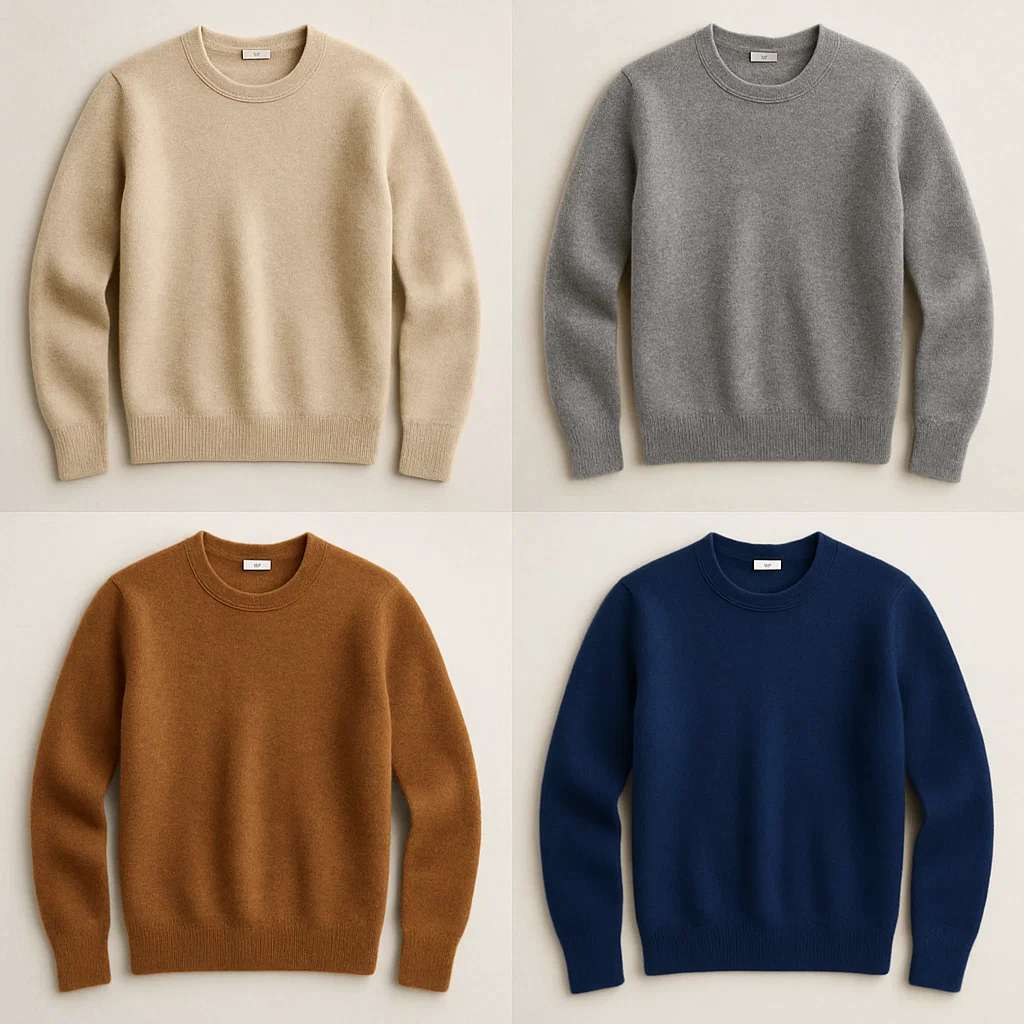
Managing Pilling
Causes of Pilling
You might see small balls called pills on your wool clothes. Pills show up when fibers rub together during wearing or washing. This rubbing makes the fibers twist and form little balls on top. Some special coatings, like dopamine and silk sericin, can help stop pilling. These coatings make the fibers smoother, so they do not tangle as much. You probably will not treat your clothes at home. But you can still stop pilling by taking care of your clothes and washing them gently.
Removal Methods
You can get rid of pills on wool clothes in safe ways. Experts suggest using these tools and tricks:
-
Nori Trim (Fabric Shaver): This tool takes off pills without hurting the fabric.
-
Lint Roller: A sticky roller grabs small pills and loose fibers for quick fixes.
-
Fabric Shavers: These are good for big or tough pills and shave them off gently.
-
Sweater Combs: Use these on soft fabrics. They take off pills without pulling.
-
Hand Removal Techniques: Try tweezers, tape, or small scissors to pick off pills.
-
Dry Cleaning: Professionals use chemicals and steam to remove pills, but it costs more.
-
Clothing Brush: After a lint roller, a brush gets rid of leftover fluff.
-
Disposable Razor: Use this carefully to shave off pills, but do not press hard.
Tip: Do not rub pills with your hands. This can make pilling worse. Always use gentle tools and light pressure.
Brushing & Refreshing
Dust & Dirt Removal
You keep wool clothes looking nice by brushing them often. Use a soft brush to take off dust and dirt from the top. Brush the same way the fibers go to avoid damage. Using a brush and a lint roller together works best. This habit keeps your clothes looking good and means you do not have to wash them as much. Brushing is important for wool care and keeps your clothes soft and clean.
Rotating Garments
Extending Lifespan
You can help your wool clothes last longer by rotating them. If you wear the same thing every day, it wears out faster. Switch between different clothes to give each one time to rest. This habit lowers rubbing and stress on the fibers. Experts say rotating is one of the best ways to make wool clothes last longer. You save money and help the planet by making less waste.
Taking care of merino wool and other wool clothes means using smart habits. Brush often, remove pills gently, and rotate your clothes to keep your wardrobe looking great.
Item-Specific Wool Care
Sweaters & Knitwear
Washing & Drying
You want your wool sweaters and knitwear to stay soft and last for years. Start by turning your garments inside-out before washing. This step protects the outer fibers and helps reduce pilling. Use a pH-neutral detergent with no enzymes. Fill a basin with cool water and gently move your sweater in the water. Avoid twisting or wringing. Lay your sweater flat on a clean towel to dry. Keep it away from direct sunlight, which can fade colors and weaken fibers. Fold your sweater and store it in a drawer when dry. Clean your sweater before long-term storage to prevent moths.
Tip: Steam your sweater if you see wrinkles. Hold the iron above the fabric and let the steam relax the fibers.
Learn More about ” How to Block a Sweater?” – By Xindi Knitwear Experts
Pilling Management
You may notice small balls, called pills, forming on your wool sweaters. Pills appear when fibers rub together during wear or washing. Remove pills with a fabric shaver or a sweater comb. Brush your sweater gently to keep it looking fresh. Rotate your sweaters so you do not wear the same one every day. This habit helps prevent pilling and keeps your knitwear in good shape.
Wool Shirts
Machine Washing
You can wash wool shirts in a machine if you use the right settings. Turn your shirt inside-out and place it in a mesh laundry bag. Select the gentle or wool cycle and use cold water. Choose a pH-neutral detergent with no enzymes. After washing, remove the shirt promptly and reshape it while damp. Do not use fabric softeners, as they can damage the fibers.
Drying Tips
Lay your wool shirt flat to dry. Avoid hanging it while wet, as this can stretch the fabric. Dry your shirt away from direct sunlight. If you need to iron your shirt, use steam and a low heat setting. Hang your wool shirt on a padded hanger once it is dry to help keep its shape.
Wool Pants
Spot Cleaning
You can keep your wool pants clean by spot cleaning. Use a damp cloth and a small amount of pH-neutral detergent to blot stains. Do not rub the fabric, as this can cause damage. Spot cleaning helps you avoid frequent washing and keeps your pants looking new.
Dry Cleaning
Some wool pants need professional care. Check the care label for instructions. If your pants say “dry clean only,” take them to a trusted cleaner. Dry cleaning uses special solvents that protect the wool fibers and remove tough stains. Always clean your pants before storing them for a long time.
Here is a table that shows how care requirements differ for sweaters, shirts, and socks:
|
Care Requirement |
Sweaters |
Shirts |
Socks |
|---|---|---|---|
|
Wash Frequency |
Wash infrequently |
Wash infrequently |
Wash infrequently |
|
Turning Garments Inside-Out |
Yes |
Yes |
Yes |
|
Detergent Type |
Use pH neutral, no enzymes |
Use pH neutral, no enzymes |
Use pH neutral, no enzymes |
|
Drying Method |
Dry away from direct sunlight |
Dry away from direct sunlight |
Dry away from direct sunlight |
|
Storage Method |
Fold and store in drawers |
Hang on padded hangers |
Fold and store in drawers |
|
Ironing |
Use steam if necessary |
Use steam if necessary |
Not typically required |
|
Long-term Storage |
Clean before storing |
Clean before storing |
Clean before storing |
You can follow these wool garment care steps for each type of clothing. You protect your investment and enjoy your wool items for many seasons.
Washing Merino Wool Sweaters
Special Care Steps
You can keep your merino wool sweaters looking new by following a few special care steps. These steps help you protect the fibers and maintain the shape of your garment.
-
Wash less often. Air out your sweater after each wear instead of washing it every time.
-
Remove stains gently. Use a damp cloth to blot stains. Avoid rubbing or scrubbing.
-
Store your sweater flat. Folding prevents stretching and keeps the shape.
-
Hand wash at 30 degrees Celsius. If your sweater’s label allows, use a gentle machine program.
-
Lay flat to dry. Never hang a wet wool sweater, as this can cause it to stretch.
-
Remove pilling with care. Use a fabric shaver or sweater comb to keep your sweater smooth.
Airing out your merino wool sweater helps you avoid unnecessary washing and keeps it fresh.
Detergent & Drying
Choose a detergent made for wool. Regular detergents can damage the fibers and make your sweater feel rough. Use cool water and a gentle touch when washing. After rinsing, press out excess water with a towel. Lay your sweater flat on a dry towel and reshape it while damp. Keep it away from direct sunlight and heat sources. This method helps your wool sweater dry evenly and keeps its original fit.
|
Step |
What to Do |
Why It Matters |
|---|---|---|
|
Detergent Choice |
Use wool-safe detergent |
Protects fibers |
|
Water Temperature |
Wash in cool water |
Prevents shrinking |
|
Drying Method |
Lay flat on towel |
Maintains shape |
|
Sunlight Exposure |
Avoid direct sunlight |
Prevents fading |
Merino Wool T-Shirts
Antimicrobial Properties
You may notice that merino wool t-shirts stay fresh longer than other shirts. Research shows that wool produces less odor than synthetic fabrics. One study found that wool was the least odorous fabric after several days of wear, while polyester held the most odor. Wool socks also performed well in tests, with users preferring them for their lack of smell after use and washing. While lanolin in sheep’s wool has antibacterial properties, most of it is removed during processing. Scientists have not proven that wool is truly antimicrobial, but you can expect less odor and more comfort.
Quick Drying
Merino wool t-shirts dry quickly after washing. The fibers pull moisture away from your skin and release it into the air. You can lay your shirt flat on a towel or hang it in a well-ventilated area. Avoid direct sunlight to keep the color bright. Quick drying helps you wear your wool t-shirt again soon and keeps it feeling soft.
Merino wool t-shirts are great for travel and sports because they dry fast and resist odor.
Wool Socks
Washing & Drying
You can wash wool socks by hand or in a gentle machine cycle. Turn your socks inside out before washing. Use a wool-safe detergent and cool water. After washing, press out extra water with a towel. Lay your socks flat to dry. Do not use a dryer, as heat can shrink the fibers. Wool socks stay soft and comfortable when you care for them gently.
|
Care Step |
Action |
Benefit |
|---|---|---|
|
Washing |
Gentle cycle or hand wash |
Prevents damage |
|
Detergent |
Wool-safe detergent |
Keeps softness |
|
Drying |
Lay flat to dry |
Maintains shape |
|
Dryer Use |
Avoid |
Prevents shrinking |
Wool socks keep your feet dry and fresh. Proper care helps them last longer.
Wool Blankets
Cleaning Methods
You can keep your wool blankets soft and fresh with the right cleaning methods. Wool blankets need gentle care to stay in good shape. Start by shaking out your blanket outside to remove dust and loose dirt. You can air your blanket on a clothesline or railing for a few hours. Fresh air helps remove odors and keeps the fibers fluffy.
When your wool blanket needs a deeper clean, check the care label first. Some blankets allow machine washing, but many need hand washing. Fill a bathtub or large basin with cool water. Add a small amount of wool-safe detergent. Swirl the water to mix the soap. Place your blanket in the water and press it down gently. Let it soak for about 10 minutes. Move the blanket around with your hands, but do not rub or wring it.
Drain the soapy water and refill the tub with clean, cool water. Rinse the blanket until the water runs clear. Press out extra water by rolling the blanket in a clean towel. Do not twist or squeeze hard. Lay the blanket flat on a dry towel or drying rack. Shape it with your hands to keep its size and edges straight. Let it air dry away from direct sunlight and heat.
Tip: Spot clean small stains with a damp cloth and a drop of wool-safe detergent. Blot the area gently and let it air dry.
You can brush your wool blanket with a soft garment brush to keep it looking neat. Store your blanket in a cool, dry place when not in use. Use a breathable cotton bag or a fabric storage box to protect it from dust and moths.
Wool Shoes
Cleaning Tips
You can keep your wool shoes looking great with simple cleaning steps. First, remove any loose dirt with a soft brush or a dry cloth. For small stains, use a damp cloth and dab the spot gently. Avoid soaking the shoes in water, as too much moisture can change their shape.
If your wool shoes get wet, stuff them with paper towels to help them keep their form. Let them air dry at room temperature. Do not use a heater or direct sunlight, as this can shrink the wool. For odors, sprinkle a little baking soda inside the shoes and let it sit overnight. Shake out the powder the next day.
You can use a wool-safe cleaner for deeper cleaning. Follow the product instructions and test on a small area first. Always let your shoes dry fully before wearing them again. Store your wool shoes in a cool, dry place. Use shoe trees or stuff them with paper to help keep their shape.
Note: Regular brushing and gentle cleaning help your wool shoes last longer and look their best.
Sustainability in Wool Care
You can help the planet by caring for wool the right way. Wool has special qualities that let you use less energy and fewer chemicals. When you follow these steps, you help nature and keep your clothes nice.
Reducing Energy & Detergent
Washing Less
Wool does not get smelly or dirty fast. You do not need to wash it often. Every time you skip a wash, you save water and energy. Airing and spot-washing work for most wool clothes. Your clothes stay fresh and you help the earth.
Here is a table that shows how your choices matter:
|
Key Point |
Explanation |
|---|---|
|
Big effect on the environment |
|
|
Wool’s natural properties |
Stops odor, so less washing needed |
|
Airing and spot-washing |
Good ways to wash less |
|
Washing machine efficiency |
Better machines use less water |
|
Line drying |
Uses less energy than dryers |
Tip: Air out wool after you wear it. This helps your clothes last longer and you wash less.
Airing More
Hang wool clothes in a breezy place to freshen them. Airing takes away smells and wetness without water or soap. This easy habit keeps your clothes clean and saves resources. You also stop damage from too much washing.
Eco-Friendly Storage
Natural Repellents
You can use cedar blocks and lavender sachets to keep bugs away. These work best if you clean your clothes before storing. You do not need strong chemicals and your clothes smell nice.
-
Cedar blocks keep moths away.
-
Lavender sachets make clothes smell good.
-
Clean clothes before you store them.
Breathable Containers
Pick storage that lets air move around your wool. Cotton bags and canvas boxes protect from dust and bugs. Acid-free tissue paper stops folds when you put sweaters away. Do not use plastic bags because they trap wetness and hurt wool.
-
Use cotton bags for hanging.
-
Fold sweaters with acid-free tissue.
-
Store in canvas or natural fiber boxes.
-
Do not use dry-cleaning plastic bags.
Note: Breathable containers keep wool fresh and lower mold risk.
Wool in Sustainable Fashion
Quality Investment
Buying good wool clothes is smart. Wool lasts many years if you care for it. You spend less money and do not need new clothes often. Picking sustainable clothes helps the planet.
Reducing Waste
You help stop waste by using wool clothes longer. You can donate or recycle wool when you do not need it. This keeps clothes out of landfills and helps fashion be better for the earth. You help make fashion more green.
Wool is a great pick for sustainable clothes. You save energy, make less waste, and wear comfy clothes for years.
Wool Care Myths
Washing Frequency
Many people believe you need to wash wool after every wear. This is not true. Wool has natural properties that resist odors and stains. You can wear wool garments several times before they need cleaning. Most experts recommend washing wool every 7 to 10 wears. This habit helps your clothes last longer and saves water and energy.
Some think you should never wash wool at home. In fact, washing wool at home is often better than dry cleaning. Home washing keeps the natural oils in the fibers and helps your clothes stay soft and fresh. You can use a gentle cycle on your washing machine or wash by hand. Always use a mild detergent made for delicate fabrics.
Here is a table that clears up some common myths about wool care:
|
Myth |
Truth |
|---|---|
|
You shouldn’t wash wool |
Washing at home is better than dry cleaning for freshness and softness |
|
You shouldn’t wash often |
Wool only needs washing every 7-10 wears |
|
You should hand wash only |
Machine washing is safe with the right settings |
|
You should use a special detergent |
Use gentle, enzyme-free detergents |
|
You should wash wool with wool |
Wool can be washed with other fabrics |
Tip: Air out your wool clothes after each wear. This keeps them fresh and reduces the need for washing.
Shrinkage Concerns
You might worry that wool always shrinks when you wash it. Shrinking happens if you use hot water or tumble dryers. If you follow care instructions and use cool water, your wool garments will keep their shape. Lay your clothes flat to dry and avoid wringing or twisting. Modern wool items often have labels that say if they are machine washable. Always check the label before washing.
Some people think you must hand wash wool to avoid shrinking. This is not true. You can use a gentle machine cycle if your garment allows it. Just remember to use cold water and a mild detergent.
Moth Issues
Many believe moths will always ruin wool clothing. Moths only target dirty or stored wool. Clean your garments before putting them away. Store them in cool, dry places. Use natural repellents like cedar blocks or lavender sachets to keep moths away.
You do not need harsh chemicals to protect your wool. Simple habits work best. Here are some easy ways to prevent moth damage:
-
Wash or dry clean wool before storage.
-
Store in breathable containers.
-
Add cedar or lavender to your closet.
-
Check stored clothes regularly.
Wool is not hard to care for. It resists stains and odors, so you spend less time cleaning. You can enjoy your wool clothes for many years with the right care.
Pilling & Quality
You may have heard that pilling means your wool garment is low quality. This is a common myth. Pilling happens when short fibers on the surface of wool rub together and form small balls, or “pills.” Even the best wool can pill, especially in areas that get a lot of friction, like under the arms or along the sides.
Pilling does not mean your wool is poor quality. In fact, it often shows that your garment uses soft, fine fibers. These fibers feel comfortable against your skin. You can find pilling on sweaters, scarves, and even wool socks. The pills may look messy, but you can remove them easily.
You can use a fabric shaver or a sweater comb to take off pills. These tools gently lift the pills without hurting the rest of the wool. You should brush your garment after each wear. This helps keep the surface smooth and clean. If you see pills, do not pull them off with your fingers. Pulling can damage the fabric.
Here is a table that shows the truth about pilling and wool quality:
|
Myth |
Fact |
|---|---|
|
Pilling is normal for soft, fine wool |
|
|
Only cheap wool pills |
All wool can pill, even expensive garments |
|
Pilling ruins the garment |
You can remove pills and restore the look easily |
|
Pilling cannot be prevented |
Gentle care and rotation reduce pilling |
Tip: Rotate your wool garments. Wearing the same item every day causes more friction and more pilling. Give your clothes a break to help them last longer.
You can also prevent pilling by washing wool less often. Too much washing makes the fibers rub together. When you do wash, turn your garment inside out. Use a gentle cycle or hand wash. Always lay your wool flat to dry.
Remember, pilling is a normal part of wearing wool. It does not mean your sweater or scarf is bad. With a little care, you can keep your wool looking fresh and new for years.
You can keep your wool garments looking great for years by following simple care steps. Air out your clothes, wash gently, and store them in breathable containers. Choose eco-friendly methods to protect your investment and help the planet. Do not believe common myths about wool care. Start using these tips today and enjoy your favorite pieces for a long time.
FAQ
How often should you wash wool garments?
You do not need to wash wool after every wear. Air out your wool clothes after each use. Wash them only when they look dirty or smell. Most wool items stay fresh for several wears.
Can you put wool in the dryer?
You should never put wool in the dryer. The heat and movement can shrink and damage the fibers. Always lay wool flat to dry. This keeps the shape and softness.
What detergent is safe for wool?
Use a wool-safe or mild, enzyme-free detergent. Regular detergents can harm wool fibers. Baby shampoo also works for hand washing. Always check the label before using any product.
How do you remove stains from wool?
Blot stains gently with a damp cloth. Do not rub the fabric. Use a small amount of wool-safe detergent if needed. For tough stains, spot clean right away for best results.
How can you prevent moths from damaging wool?
Store clean wool in breathable containers. Add cedar blocks or lavender sachets to keep moths away. Always wash or dry clean wool before long-term storage.
Why does wool pill, and how do you fix it?
Pilling happens when fibers rub together. You can remove pills with a fabric shaver or sweater comb. Brush your wool clothes often to keep them looking smooth.
Can you iron wool garments?
You can iron wool using a steam setting on low heat. Hold the iron above the fabric and let the steam relax wrinkles. Never press hard or use high heat.
Is it okay to hang wool sweaters?
You should fold wool sweaters instead of hanging them. Hanging can stretch the fibers and change the shape. Use padded hangers only for heavy wool coats.