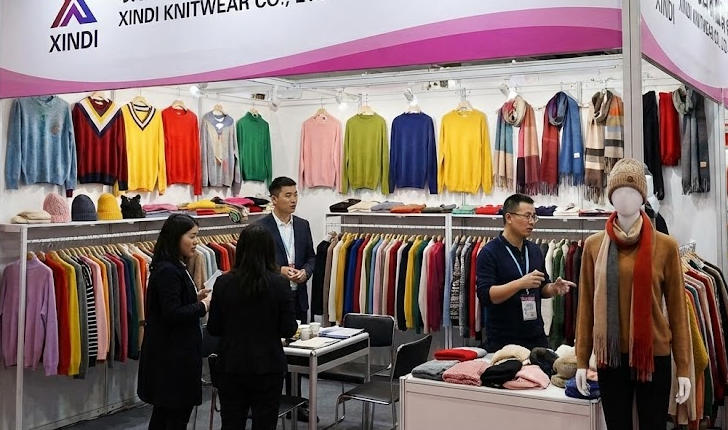


A grs recycled sweater supplier makes sweaters from recycled materials. They follow strict grs certified rules. Grs certification is important because it shows care for the environment. It also means the company uses good and fair practices. These suppliers care about sustainability and recycling. They make sure their products are certified. When you buy grs certified products, you help the planet. You also support companies that do the right thing.
Benefit Type | Description |
|---|---|
Sustainability | Uses recycled materials to cut waste and save resources. |
Consumer Trust | Helps people trust brands that care about the environment. |
Compliance | Makes sure companies follow rules for the environment and workers. |
Key Takeaways
GRS certified suppliers use recycled things to make sweaters. This helps cut down on waste and keeps the earth safe.
Picking GRS certified products means you support companies that treat workers fairly and care about them.
Check for the GRS label on sweaters. This shows they follow strict rules for recycled stuff and safety.
Buying from GRS certified suppliers helps you use less energy. It is better than making new materials and lowers your carbon footprint.
GRS certification means sweaters have at least 50% recycled material. This shows they really care about being green.
These suppliers do not use bad chemicals. Their products are safer for you and the earth.
Ask suppliers if they have GRS certification. This helps you trust what you buy and keeps things clear.
What you buy can make a difference. It can help more brands use GRS standards and make fashion better for the planet.
What is a GRS Recycled Sweater Supplier
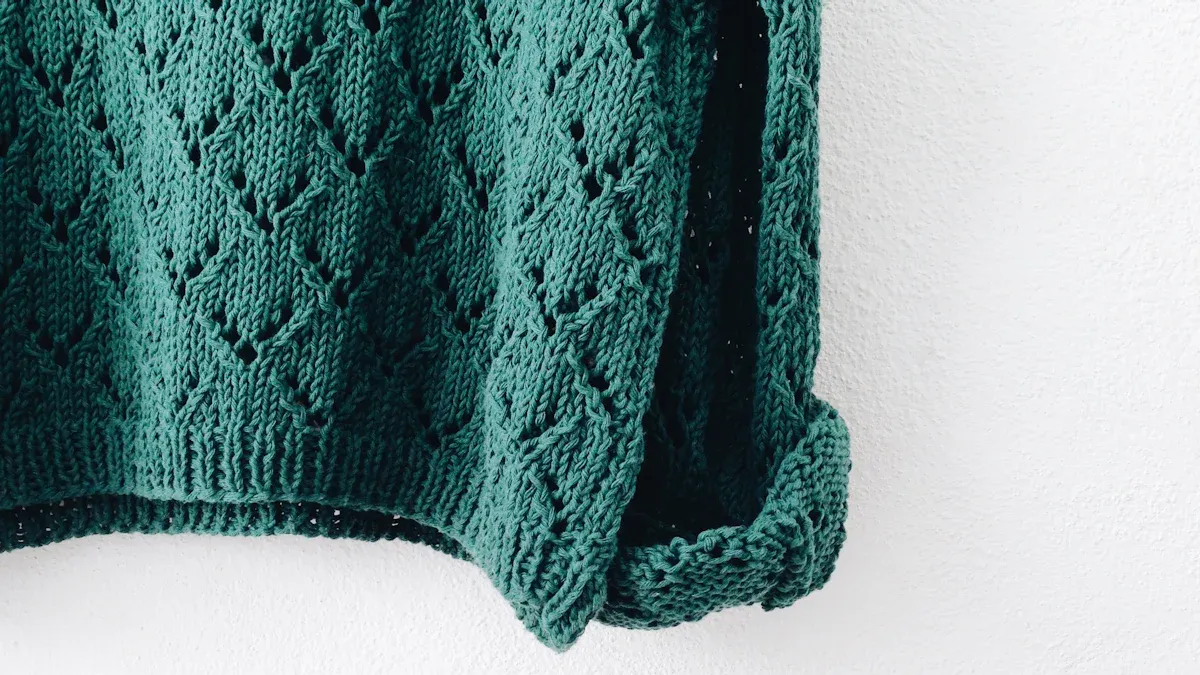
Definition and Key Features
A grs recycled sweater supplier is different from others. They use recycled materials to make sweaters. They must follow strict grs certification rules. These rules help protect the environment and workers. Every step in their process meets high standards. When you pick a grs recycled sweater supplier, you help the planet. You also support companies that care about people and nature.
Here are the main things you should know:
Characteristic | Description |
|---|---|
Accredited Certification | An outside group checks each place in the supply chain to make sure it is grs certified. |
Social and Environmental Standards | Suppliers must follow tough rules for worker safety and protecting the environment. |
Material Sourcing | Materials must be recycled, either before or after use, and must follow ISO rules. |
Recycled Material Content | Sweaters must have at least 50% recycled material, like grs certified recycled polyester. |
Chemical Restrictions | Suppliers do not use harmful chemicals and follow strict chemical rules. |
Certification Tracking | The grs certification keeps track of recycled materials from start to finish. |
Grs certified suppliers use grs-certified fabric and recycled fibers. They keep records to show their products meet the rules. This means you get sweaters that are safe and high-quality. They are made with care for people and the earth.
Role in Sustainable Fashion
A grs recycled sweater supplier helps make fashion better for the planet. When you buy from them, you help cut waste and save resources. The grs certification makes sure every sweater uses recycled materials and follows fair rules.
Here is how these suppliers help with sustainable fashion:
They check and track recycled materials from start to finish.
They follow strict rules for the environment and workers.
Their factories give fair pay and safe places to work.
They use only recycled and traceable materials, which helps the earth.
Audits happen often to make sure they follow all grs certified rules.
They do not use harmful chemicals, so sweaters are safer for you and nature.
You can see the difference between grs certified and non-certified suppliers in this table:
Aspect | GRS Certified Suppliers | Non-Certified Suppliers |
|---|---|---|
Material Selection | Follow strict rules for recycled materials | May not use recycled materials |
Chemical Control | Use strict chemical rules | Chemical use may not be checked |
Ethical Production | Make sure workers are safe and treated fairly | Rules for workers may be weaker |
Audits | Get checked often to keep certification | May not have regular checks |
When you choose a grs recycled sweater supplier, you help the planet and support fair fashion. You help the industry use better and safer ways. The grs is the top standard for tracking recycled materials. Grs certified suppliers show others how to do it right.
Understanding the Global Recycled Standard (GRS)
What is the Global Recycled Standard
You might ask what the global recycled standard means for you. The global recycled standard, or GRS, is a worldwide rule that companies can choose to follow. It checks if products really use recycled materials. GRS also makes sure companies follow rules that help the environment and workers. Textile Exchange, a famous group, made this standard so you can trust what you buy. GRS follows recycled materials from the beginning to the end of the supply chain. When you see a GRS label, you know the product has real recycled content. GRS certification needs at least 20% recycled material, but sweaters must have at least 50%. Other groups check these claims, so you do not have to worry.
Tip: If you see a GRS label, the product follows tough rules for recycling and safety.
Purpose and Scope of GRS
The global recycling standard does more than check recycled content. It looks at the whole process, from collecting recycled materials to making the final product. GRS wants every step to be clear and responsible. You can see how each part, from recycling to making clothes, follows set rules. GRS also helps you know where materials come from and how they are used. This standard pushes companies to use better ways that help the planet and the people making your clothes.
Here is what GRS checks:
Area | What GRS Checks For |
|---|---|
Recycled Content | Makes sure there is enough recycled material |
Environmental Care | Looks at waste, water, and energy use |
Social Responsibility | Checks worker safety and fair treatment |
Chemical Safety | Limits bad chemicals in production |
Traceability | Follows materials through the supply chain |
You get more than recycled content. You get a promise that every step is done with care.
GRS vs. Other Standards
You may know other standards like RCS or the recycled claim standard. GRS is stricter and covers more things. Here is how GRS is different from RCS and the recycled claim standard:
GRS needs at least 50% recycled content for most products. RCS only needs 5%.
GRS checks for social, environmental, and chemical safety. RCS does not check these things.
GRS covers products with recycled content between 20% and 100%. RCS starts at 5%.
GRS looks at how companies treat workers and handle waste. RCS does not check these areas.
You can see GRS gives you more trust in your choices. The global recycling standard helps you support brands that care about people and the planet. Textile Exchange runs both GRS and RCS, but GRS does more to protect you and the earth.
Note: If you want the most trust in recycled textiles, look for the GRS label, not just RCS or the recycled claim standard.
GRS Certification Requirements
Recycled Content Criteria
Minimum 50% Recycled Material
If you want a grs certified sweater, check the recycled content. Sweaters must have enough recycled material to meet the rules. The global recycled standard says most products need at least 20% recycled content. But many sweater suppliers try for 50% or more. This rule helps you know your sweater supports recycling and cuts down on waste.
Requirement | Details |
|---|---|
Minimum Recycled Content | 20% |
Applicable Products | Includes sweaters seeking GRS certification |
Sweaters with more recycled material help the earth even more. When you pick these sweaters, you support better ways of making clothes.
Types of Accepted Materials
You might ask what recycled materials count for grs certification. The standard allows many kinds of recycled fibers and textiles. Here are some examples:
Post-industrial cotton waste
Recycled polyester (from PET bottles)
Recycled wool scraps
Blend waste (cotton-poly, cotton-viscose, etc.)
These materials come from old clothes, factory leftovers, and used bottles. When you buy sweaters made from these, you help keep materials in use and out of landfills.
Environmental and Social Standards
Waste and Resource Management
GRS certified suppliers must follow tough environmental rules. They manage waste and resources carefully. Suppliers work with trusted partners to make sure all materials are recycled and can be traced. They do not use dangerous chemicals when dyeing or finishing sweaters. Regular checks make sure every step meets the rules.
Material selection: Only recycled and traceable materials are used.
Chemical control: Factories do not use harmful chemicals.
Audits and certification: Suppliers get checked often to keep their certification.
When you choose grs certified fabrics, you help protect the environment.
Labor and Safety Practices
GRS also has strong rules for how workers are treated. Certified suppliers must pay fair wages and keep workplaces safe. Workers get enough time off and are protected from harm. Ethical production means everyone is treated well.
Ethical production: Workers get fair pay and safe places to work.
Living wages: Factories pay enough for a good life.
Reasonable hours: No one works too much or in unsafe places.
When you buy certified recycled clothing, you help make workers’ lives better.
Chemical Restrictions
Prohibited Substances
GRS certification does not allow many harmful chemicals. You do not have to worry about unsafe substances in your sweater. Factories must avoid chemicals that can hurt people or the planet.
Chemical Management
Suppliers must control all chemicals they use. They follow strict rules to keep recycled textiles safe. Chemical management means tracking every chemical and making sure it is safe.
Tip: Always look for grs certification to know your sweater is safe and good for the earth.
GRS checks more than just recycled content. It also looks at how companies care for the environment and treat workers. You get more trust and safety with grs certified materials. RCS only checks recycled content, but grs checks everything. Choosing grs is better for people and the planet.
GRS Certification Process for Suppliers
Application and Documentation
You begin by collecting important papers. You need proof that your sweaters use recycled materials. You gather records about where your materials come from. You also show how you process these materials. You prepare details about your factory’s safety and care for the environment. You send these papers to the group that gives certification. This step helps you show you follow rules for recycled content and fair production.
You fill out forms about your supply chain. You add facts about your recycled fibers, like recycled polyester or cotton. You also share how you handle chemicals and keep workers safe. You check that every paper is correct and complete. This step starts your journey to get certified.
Tip: Keep your papers neat. Good records make things easier and quicker.
Third-Party Audits
After you send your papers, you get ready for a check. A group from outside visits your factory. They look at your records and watch how you make sweaters. You show them how you track recycled materials and handle chemicals. Auditors look at your workplace to see if you follow safety rules. They also talk to workers about their jobs.
You answer questions and give more proof if needed. Auditors want to see you meet every GRS rule. They compare what you do to the standard. If you pass, you get closer to being certified. If you do not pass, you get tips on how to improve.
Here is what auditors look for:
Tracking recycled materials
Handling chemicals
Worker safety and rights
Managing waste and resources
You must show you follow strict rules, not just for GRS but also for other standards like rcs. Audits help you build trust with buyers and shoppers.
Traceability and Chain of Custody
Traceability is very important for GRS certification. You need to show where each recycled material comes from and goes. You keep records at every step, from the start to the finished sweater. You use labels and tracking systems to follow your materials. This helps you prove your sweaters are really recycled.
Chain of custody means you control your materials from start to finish. You make sure recycled fibers do not mix with other ones. You write down every move and change in the supply chain. You use systems to track batches and shipments. This level of traceability makes GRS different from other standards like rcs.
Note: Good traceability helps protect your brand and makes buyers trust your products.
You build a clear supply chain. You show you care about sustainability and fair production. Traceability and chain of custody help you follow GRS rules and support better fashion.
Ongoing Compliance
When you get GRS certification, your job is not finished. You must keep following the rules every day. Ongoing compliance means you always meet the Global Recycled Standard. This shows you care about sustainability and doing the right thing.
You need to keep good records. Track every batch of recycled material you use. Update your papers when you get new shipments or change suppliers. Good records help you get ready for audits. Auditors can visit your factory at any time. They check your work and look at your papers. You must always be ready for these checks.
You should train your staff often. Teach them about GRS rules and safe work habits. Make sure everyone knows how to handle recycled materials and chemicals. Staff who know the rules help you avoid mistakes. You also need to check your chemical plans. Remove any chemicals that GRS does not allow. Update your safety steps when you find better ways to protect workers and the earth.
Tip: Check your records and safety plans every month. This helps you find problems early.
You must tell the certifying group about changes. If you use a new recycled fiber or change how you make things, let the auditors know. Being open builds trust with your customers and partners.
Here is a checklist to help you stay on track:
Keep records of recycled materials up to date
Train staff on GRS rules and safety
Check chemical plans often
Be ready for surprise audits
Tell about changes in materials or how you work
Use clear labels and tracking for materials
Compliance Task | Why It Matters |
|---|---|
Recordkeeping | Shows you use recycled materials |
Staff Training | Stops mistakes and keeps people safe |
Chemical Reviews | Makes sure products are safe |
Audit Preparation | Keeps your certification |
Reporting Changes | Shows you are honest and open |
You should also look for ways to get better. Ask your team for ideas to cut waste or save energy. Try new ways to make your supply chain safer and cleaner. Getting better helps you keep up with new rules and what customers want.
Ongoing compliance shows you care about quality and doing what is right. You build trust with buyers who want safe and green products. When you follow GRS rules every day, you help the planet and support fair work. Your hard work makes a real difference in fashion.
Benefits of Choosing a GRS Recycled Sweater Supplier
When you pick a grs recycled sweater supplier, you help the earth. You also support fashion that is better for people and nature. These sweaters meet high rules for safety, quality, and fairness.
Environmental Impact
Waste Reduction
Buying sweaters made from recycled stuff helps cut down on trash. These suppliers use things like old clothes, bottles, and leftover fabric. This keeps waste out of landfills and helps recycling. You help make less garbage that can hurt the planet.
Sweaters use recycled things, not new ones.
Less trash ends up in landfills.
Recycling saves water and energy.
Lower Carbon Footprint
Picking grs certified sweaters helps lower your carbon footprint. Making recycled materials uses less energy than making new ones. This means fewer bad gases go into the air. You help slow down climate change by choosing these sweaters.
Choosing recycled sweaters is an easy way to help the planet.
Product Quality and Safety
Material Authenticity
You can trust the recycled materials in grs certified sweaters. The Global Recycled Standard checks the recycled content from start to finish. Auditors look at every step, like how it affects nature, chemicals, and workers. This makes sure the recycled stuff is real and comes from good places.
Consistent Standards
Grs certified products always have good quality and safety. Suppliers follow tough rules for recycled materials, chemicals, and worker safety. Each shipment has papers that show it meets grs rules.
Description | |
|---|---|
Scope Certificate (SC) | Shows the place can handle recycled materials the right way. |
Transaction Certificate (TC) | Comes with every shipment to prove the materials are tracked. |
Auditors’ Focus Areas | Checks tracking, environment, worker rules, and chemical safety. |
You know your sweater is safe and made with care.
Ethical and Social Responsibility
Fair Labor
When you buy from grs recycled sweater suppliers, you support fair work. These companies pay fair wages and keep workers safe. Workers are treated well and have good places to work. You help make sure fashion is made the right way.
Supply Chain Transparency
You also get to see where your sweater comes from. Suppliers track recycled materials from start to finish. You can find out how your sweater was made. This helps make sure products are made in a good and fair way.
You help people and the planet by picking sustainable and fair sweaters. Your choices help make the future better for everyone.
How to Identify GRS Certified Suppliers
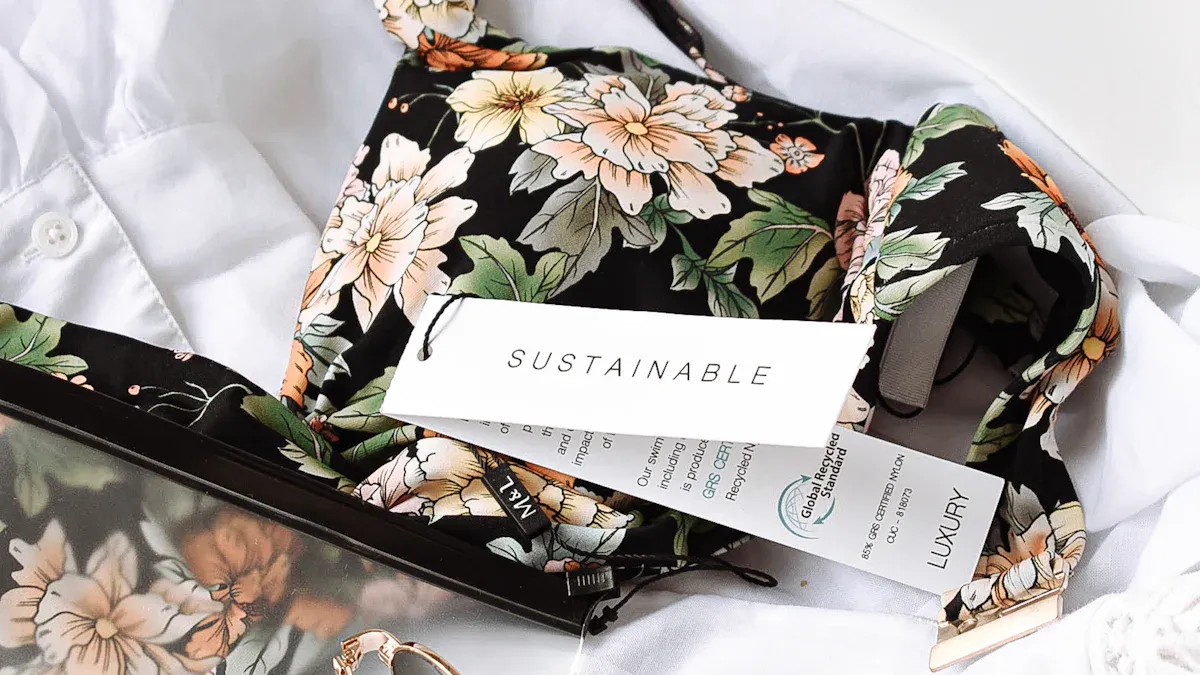
Recognizing GRS Labels
You want to know your sweater is from a good place. Look for the GRS label on the sweater or its tag. This label means the sweater follows strict rules for recycled stuff and fair work. The GRS label is more than just a sticker. It tells you important facts about the sweater.
Here are the main things to look for:
Key Feature | Description |
|---|---|
Guarantees recycled materials | Makes sure all products have checked recycled content. |
Environmental and social criteria | Shows how making the sweater affects people and nature. |
High percentages of recycled content | Products need at least 20% recycled materials. |
Traceability | Lets you track recycled stuff through the whole supply chain. |
Transparent communication | Gives clear info about recycled content and how it is made. |
Stakeholder engagement | Many people help with certification to make sure it is fair. |
Tip: Always look for the GRS label before you buy. This label helps you trust the sweater and the company.
Questions to Ask Suppliers
You can find out more by asking questions. When you talk to suppliers, ask about their certification and how they follow GRS rules. Good suppliers will answer and show proof.
Here are some questions you can ask:
Do you have a real GRS certificate for your sweaters?
What percent of recycled stuff is in your products?
How do you track recycled materials in your supply chain?
Can you show papers for your GRS certification?
What do you do to keep workers and nature safe?
Asking questions helps you make smart choices. You get clear answers and know you support good companies.
Building Sustainable Partnerships
You can work with certified suppliers to build strong partnerships. Pick companies that care about the earth and fairness. Work together to set goals for recycled content and good practices. You can ask for updates and reports. This helps you stay informed and make better choices.
Set clear rules for recycled content.
Ask for updates on certification.
Work together to make the supply chain clear.
Support suppliers who care about workers and the planet.
Working with certified suppliers helps you make fashion better. Every choice you make helps the future.
The Future of the Global Recycling Standard in Fashion
Trends in Sustainable Textiles
Textiles are changing a lot right now. Many brands use recycled materials in their clothes. This helps save resources and protect the earth. Companies want to treat workers fairly and care for nature. People want to know where their clothes come from. They ask for clear facts about how things are made.
Brands make new clothes from recycled materials.
Companies follow fair rules in their factories.
Shoppers want clear info about products.
GRS certification proves a product is sustainable.
GRS certified products help recycling and a circular economy.
You help these changes by picking sustainable products. Your choices matter when you buy clothes made with recycled materials and global standards.
Expanding GRS Certification
More brands and suppliers want GRS certification now. They know this standard helps them stand out. GRS covers many types of recycled materials. This makes it easier for companies to join in. GRS certification is growing in new places and industries. Factories and brands work together to meet the rules.
GRS certification lets you trust that products use real recycled materials and follow strict rules.
Look for the GRS label when you shop. This label means the product meets global standards for recycled content and fair production. You help GRS grow by choosing these products. You encourage more companies to join and do better.
Benefit of GRS Expansion | What It Means for You |
|---|---|
More certified products | You get more choices |
Better supply chains | You see safer, fairer factories |
Stronger trust | You know brands keep their promises |
Consumer Demand and Industry Response
You help shape the future of fashion. When you ask for recycled materials and clear info, brands listen. Companies work hard to meet your needs. More brands share details about their supply chains. They show how they use recycled materials and follow global standards.
You help create a market for sustainable products. Brands get GRS certification and improve recycling. You see new styles made from recycled materials. Companies care more about the earth and workers.
When you pick GRS-certified products, you support a better future for fashion.
Your choices inspire brands to keep getting better. You help build a world where recycled materials and fair practices are normal.
You have learned why a grs recycled sweater supplier matters. Picking grs certified products means you help the global recycling standard. You help keep the earth clean and workers safe. Grs certification lets you trust the quality and safety. You can find certified suppliers when you shop. Ask questions and look at the labels. You help make fashion better for all.
Tip: Try buying grs certified sweaters the next time you shop.
FAQ
What does GRS stand for?
GRS stands for Global Recycled Standard. You see this label on products that use recycled materials and follow strict rules for safety and fairness.
How do you know if a sweater is GRS certified?
You check the label or tag. Look for the GRS logo. You can also ask the supplier for a GRS certificate.
Why should you choose GRS certified sweaters?
You help the planet by picking GRS certified sweaters. These sweaters use recycled materials and support fair work for people.
What materials can be recycled for GRS sweaters?
You find recycled polyester, cotton, wool, and even old clothes used in GRS sweaters. These materials come from bottles, fabric scraps, and worn garments.
Who checks if a supplier follows GRS rules?
A third-party group audits the supplier. They visit factories, review records, and talk to workers to make sure all rules are followed.
Can you trust GRS certification?
Yes! GRS uses strict checks and outside audits. You get clear proof that the product meets high standards for recycling and safety.
Do GRS certified sweaters cost more?
Sometimes you pay a little more. You support better practices and help the environment. Many people think the benefits are worth the price.