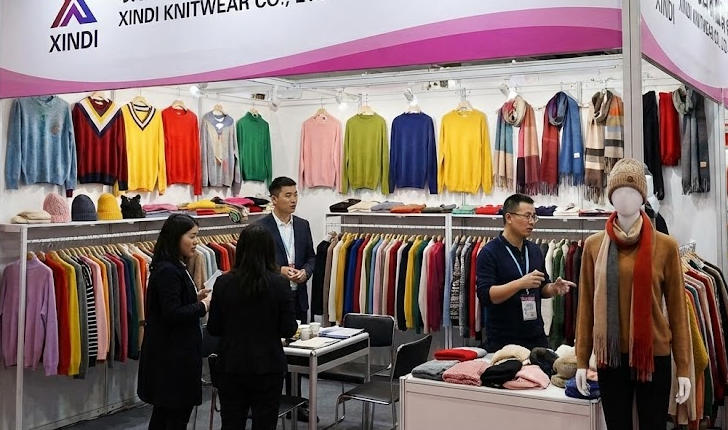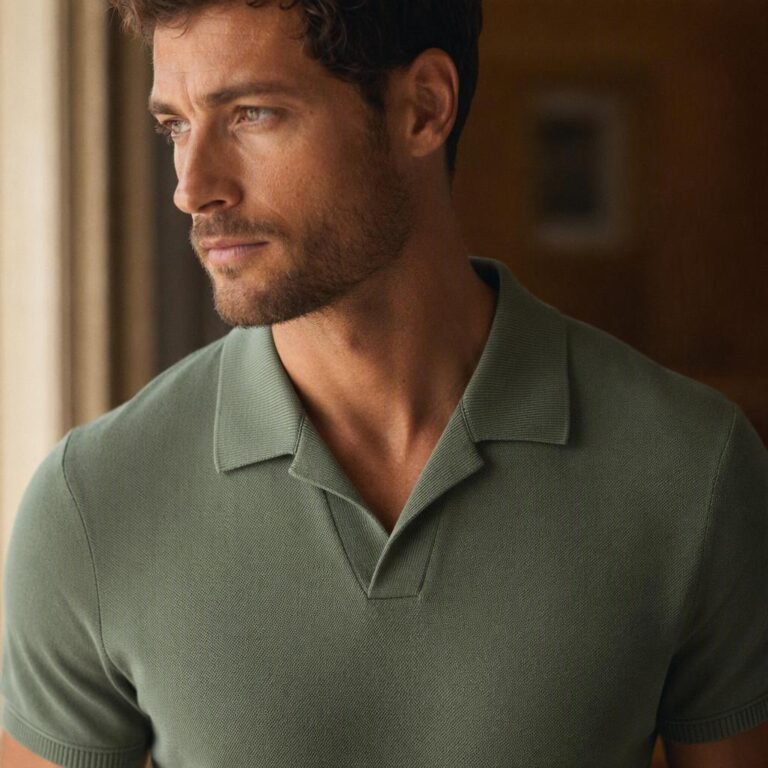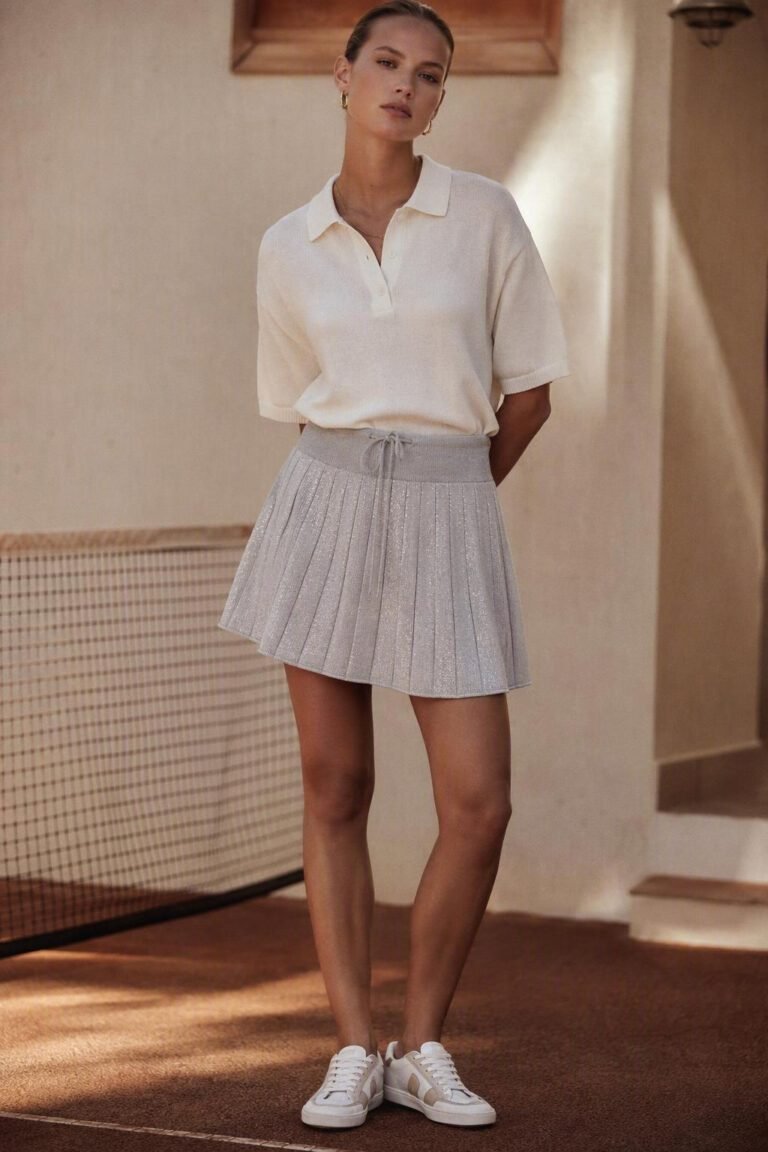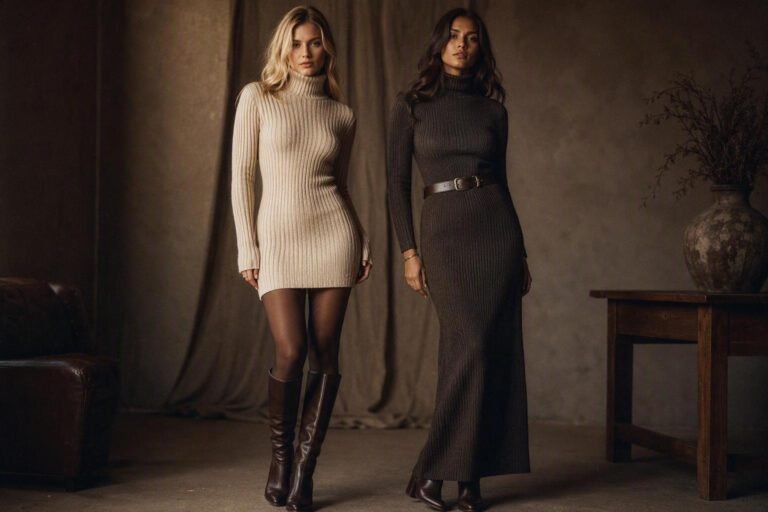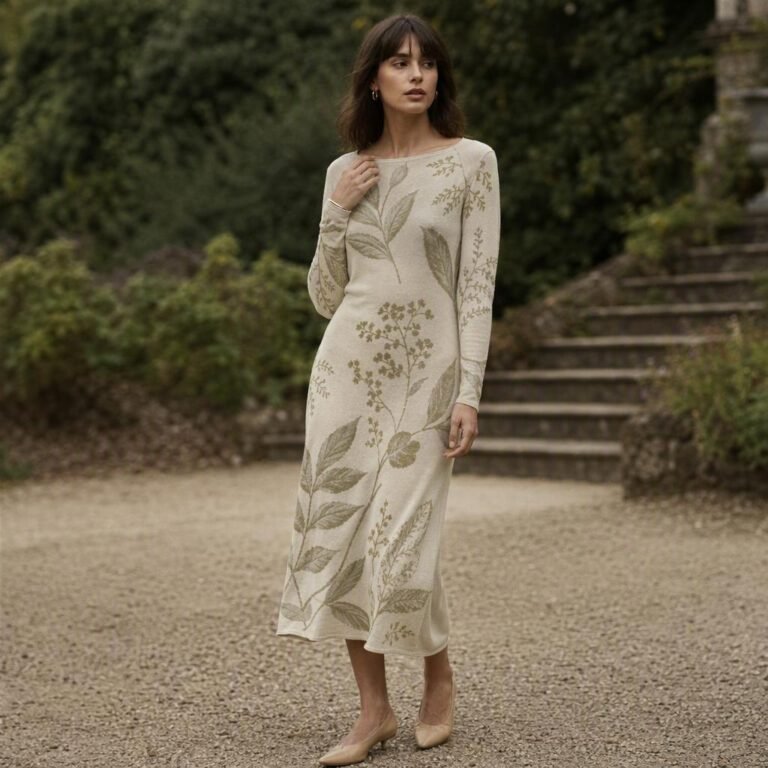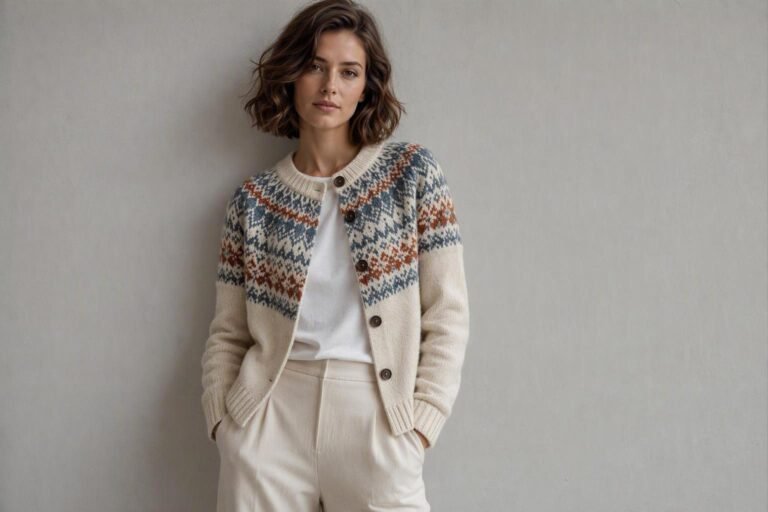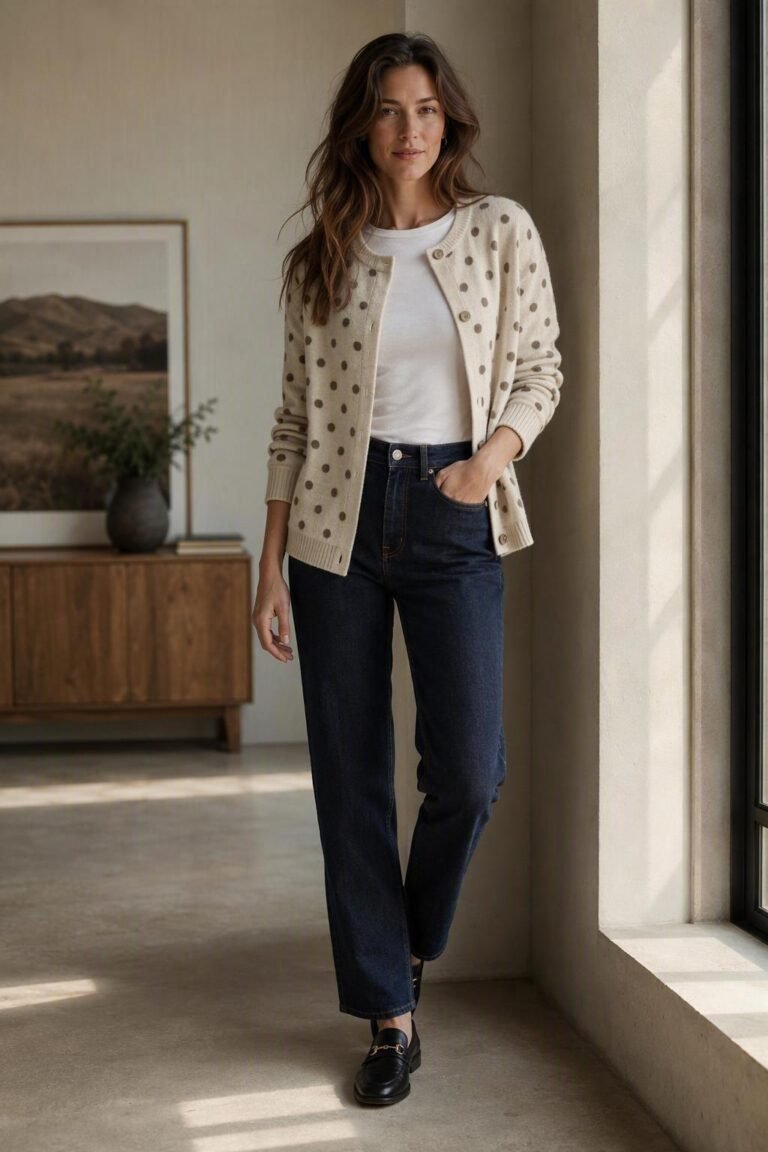

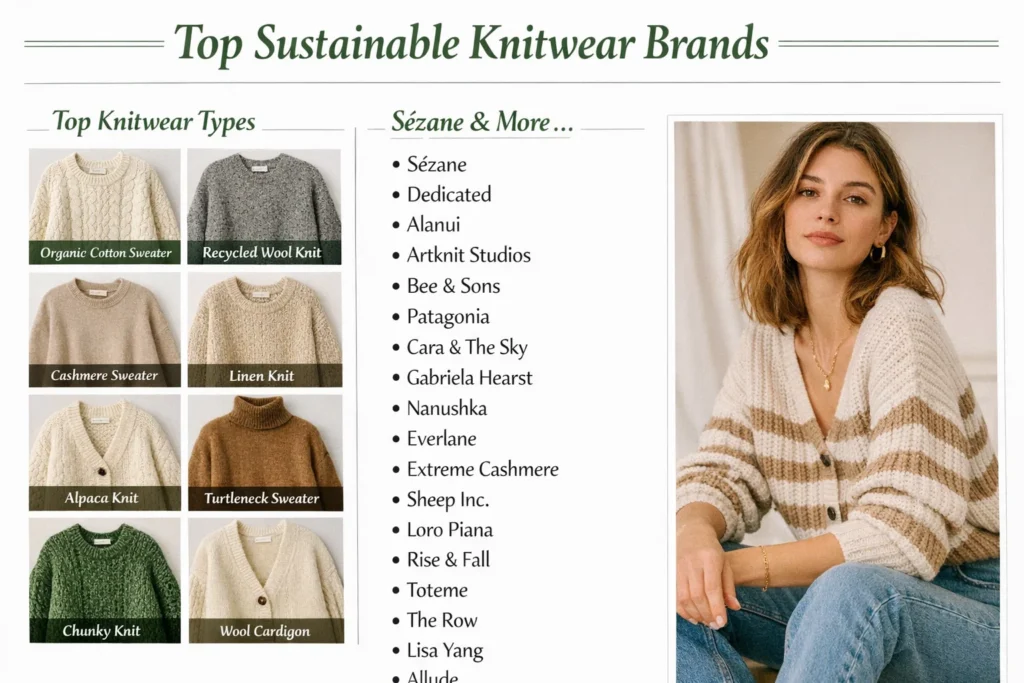
Are you searching for new sustainable knitwear producers? Sézane, Dedicated, Alanui, Artknit Studios, and Patagonia are top choices in 2025. These sustainable knitwear producers use eco-friendly materials and care about fair production. Many of them have trusted certifications. More people now want sweaters made from organic cotton or recycled wool. Shoppers also want brands to show how and where they make things. When you choose a sustainable knitwear producer, think about what is most important to you. Look at materials, certifications, price, and how to care for your clothes.
Key Takeaways
-
Sustainable knitwear brands use eco-friendly materials. They pick things like organic cotton and recycled fibers. This helps lower harm to the environment.
-
Check for certifications like GOTS and Fair Trade. These show your knitwear uses safe materials. They also mean workers are treated fairly.
-
Buying sustainable knitwear helps ethical production. Workers get fair pay and safe places to work.
-
Brands like Sézane and Patagonia set good examples. They use renewable energy and cut down on carbon footprints.
-
Think about quality and how long sweaters last when you shop. Picking sustainable sweaters can save you money later.
-
Take care of your sustainable knitwear the right way. Follow washing and storage tips to keep them nice for longer.
-
Each time you buy sustainable knitwear, you help the planet. You also support brands that care about people and nature.
-
Tell your friends about your favorite sustainable brands. This helps more people learn and make eco-friendly choices.
Defining Sustainable Knitwear
Eco-Friendly Materials
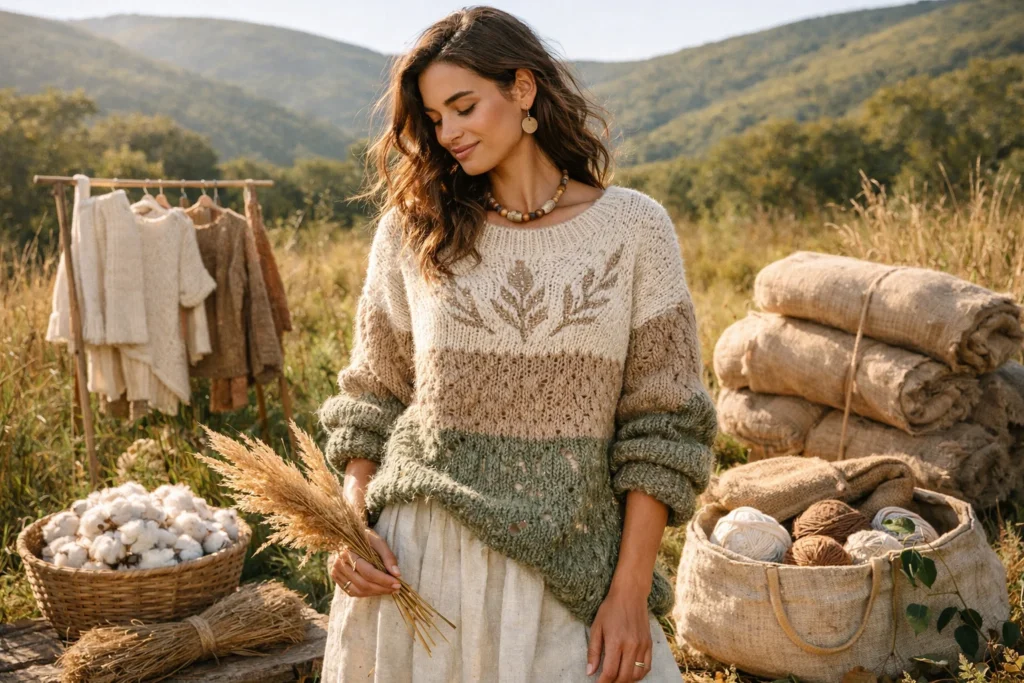
When you shop for sustainable knitwear, you want to know what is in your clothes. Eco-friendly materials help the earth and keep you safe from bad chemicals. Only 19% of knitwear brands use these materials, so you should check tags and ask questions.
Organic Cotton
Organic cotton is soft and gentle on your skin. Farmers grow it without using harmful sprays. This cotton breaks down naturally, so it does not hurt the earth. You might see the Global Organic Textile Standard (GOTS) label on it. This means the cotton is grown and made in a good way.
Recycled Wool & Cashmere
Recycled wool and cashmere come from old sweaters or leftover yarn. Brands clean and spin these fibers into new clothes. This saves water and energy. You help cut down on waste when you pick recycled wool or cashmere. Some brands also use recycled polyester or fibers from milk cartons.
Plant-Based Fibers
Plant-based fibers like lyocell, modal, and cupro come from trees or plants. These fibers use less water and energy than regular cotton. You might see linen, hemp, or flax in these clothes. These materials feel light and cool, so they are good for warm days.
Tip: Always look at the tag for eco-friendly materials like organic cotton, recycled wool, or plant-based fibers. This helps you make better choices for the earth.
Ethical Production
You want your knitwear to come from places that treat workers well. Ethical production means safe work and fair pay. Brands that care about this often tell stories about their workers and factories.
Fair Labor
Fair labor is important in sustainable fashion. Brands use certifications to show they pay fair wages and keep workers safe. Here is a quick look at some top certifications:
|
Certification |
Description |
|---|---|
|
Fair Trade Certified |
Supports fair wages and ethical labor conditions in the cashmere supply chain. |
|
GOTS |
Ensures cotton is grown organically and workers are treated fairly. |
|
SFA (Sustainable Fibre Alliance) |
Promotes animal welfare, herder livelihoods, and land preservation in cashmere production. |
Transparent Supply Chains
You want to know where your clothes come from. Brands with clear supply chains share details about their materials and how they make things. They might show you pictures of farms or factories. Some brands even use certifications like B Corp to show they care about people and the planet.
-
Brands should tell you where they get their fibers.
-
You need clear facts about how your sweater is made.
-
Knowing who made your clothes helps you trust the brand.
Key Certifications
Certifications help you find real sustainable knitwear. They show that brands follow strict rules for eco-friendly materials and fair work.
GOTS
GOTS stands for Global Organic Textile Standard. This label means your knitwear uses organic fibers and workers are treated well. You see GOTS on many sweaters made from cotton.
OEKO-TEX
OEKO-TEX checks for bad chemicals in fabrics. If you see this label, you know your knitwear is safe to wear and gentle on your skin.
Fair Trade
Fair Trade means workers get fair pay and safe places to work. You help support communities when you buy Fair Trade certified knitwear.
Here is a table of other top certifications you might see:
|
Certification Name |
Purpose |
Materials |
|---|---|---|
|
European Flax™️ |
Makes sure flax, linen, and hemp can be traced |
Flax, Linen, Hemp |
|
FSC (Forest Stewardship Council) |
Responsible use of wood-based fibers |
Man-made cellulose fibers |
|
Responsible Wool / Alpaca / Mohair Standard |
Animal care and land management |
Wool, Alpaca, Mohair |
|
The Good Cashmere Standard |
Good care for cashmere goats |
Cashmere |
|
Woolmark Certification |
Checks quality for wool products |
Wool |
You can use these certifications to find knitwear that matches what you care about. Sustainable knitwear uses eco-friendly materials, fair work, and trusted certifications. You help the planet every time you pick a sweater that meets these standards.
Why Sustainable Knitwear Matters
You may ask why picking sustainable knitwear is important. Every sweater or cardigan you buy can help the earth. When you choose eco-friendly knitwear, you support better ways to make clothes. You also help people and animals near farms and factories.
Let’s see how regular knitwear hurts the environment compared to sustainable choices. The table below shows some big differences:
|
Aspect |
Conventional clothing |
Farm-to-fashion |
|---|---|---|
|
Carbon footprint |
Uses fossil fuels for fibers like polyester. Shipping and making clothes will create about 2.7 billion tons of CO₂ by 2030. |
Local sources and small factories cut down on travel pollution. Some use renewable energy to lower carbon even more. |
|
Water pollution |
Dyeing fabric causes 20% of water pollution from factories. Bad chemicals like azo dyes and heavy metals get into rivers and hurt fish. |
Uses safe dyes that break down in nature. This lowers the chance of dirty water a lot. |
|
Waste generation |
Fast fashion throws away over 92 million tons of clothes each year. Most clothes go to landfills because they are cheap and go out of style fast. |
Makes strong clothes that last longer and create less waste. Organic materials break down, so less ends up in landfills. |
|
Microplastics |
Polyester and other fake fibers shed tiny plastics when washed. These microplastics add up to 500,000 tons in the ocean every year. |
Natural fibers break down on their own, so there are no microplastics. |
|
Soil health and biodiversity |
Growing regular cotton in big fields takes away good soil. Chemical fertilizers hurt plants and animals. |
Uses farming that helps the soil and lets many plants grow. Crop rotation and compost keep the land healthy. |
You can see that sustainable knitwear cuts down on pollution, waste, and carbon. It keeps soil and water cleaner. When you pick sweaters made from organic cotton or recycled wool, you help farms that care for the earth.
Sustainable knitwear also helps slow down climate change. Here are some ways new yarns and fibers lower carbon:
-
NILIT’s SENSIL® ByNature yarn makes about 1.8 kg less CO₂ for every ton compared to normal nylon.
-
Asahi Kasei’s ROICA™ Biomass Balanced fiber is made to lower CO₂, so it is better for the earth.
You make a big difference when you buy clothes that last and use natural or recycled stuff. You help keep trash out of dumps and stop tiny plastics from getting into the sea. You also help brands that treat workers and animals well.
Tip: Every time you pick sustainable knitwear, you help people and nature. Your choices matter a lot!
Sustainable knitwear is not just about looking good. It is about caring for the world. You can feel proud knowing your sweater helps the planet.
Top Sustainable Knitwear Brands 2025
Sézane
Sustainability Practices
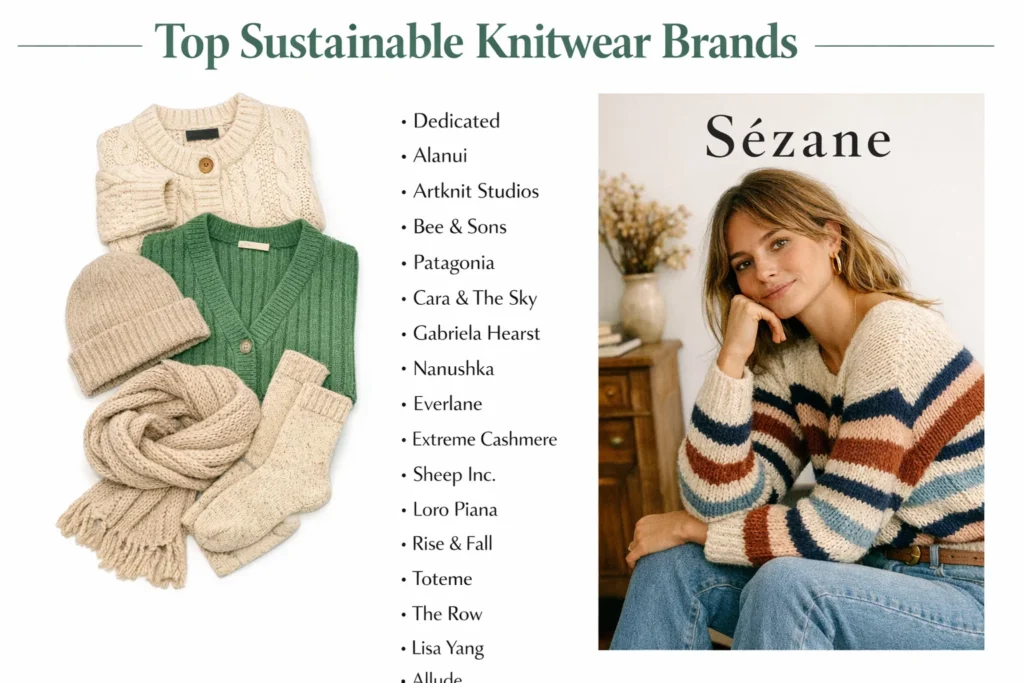
Sézane is known for stylish sweaters that help the planet. The brand uses eco-friendly materials in most of its clothes. Many sweaters have GOTS and Oeko-Tex labels. Sézane lowers its carbon footprint by 20%. The company also pays for all its carbon emissions, even from shipping. All stores and websites use renewable energy. Sézane ships sweaters in boxes made from recycled cardboard. The cardboard comes from managed forests. The brand has cut packaging pollution by 25%.
|
Sustainability Practice |
Description |
|---|---|
|
Eco-friendly materials |
Uses organic cotton, recycled polyester, and responsibly sourced wool. |
|
Carbon emissions reduction |
Offsets all Scope 1 and 2 emissions and freight; garments have 20% lower footprint. |
|
Renewable energy usage |
All stores and online services run on renewable energy. |
|
Sustainable packaging |
Parcels use recycled cardboard from managed forests; packaging emissions down 25%. |
Tip: Sézane makes it simple to pick sweaters that look good and help the earth.
Materials Used
Sézane’s sweaters use organic cotton, recycled polyester, and wool. Some sweaters have Lenzing™ Ecovero™ and mohair with RWS/RMS certification. The brand supports GOTS, Oeko-Tex, and FSC. You can trust Sézane’s sweaters are high quality and eco-friendly.
-
Organic cotton
-
Recycled polyester
-
Responsible wool and mohair (RWS/RMS)
-
Lenzing™ Ecovero™
-
FSC-certified fibers
Style Highlights
Sézane’s sweaters have a Paris style. You find classic crewnecks, chunky knits, and fun cardigans. There are bright colors, soft shades, and cool patterns. These sweaters work for school or special events. You can wear them alone or layer them.
Price Range
Sézane’s sweaters cost between $100 and $180. You get good materials and classic style for the price. If you want to buy from a sustainable brand, Sézane has many choices.
Dedicated
Sustainability Practices
Dedicated cares about the planet at every step. The brand uses organic cotton and recycled materials. Dedicated works with factories that treat workers fairly. The company is open about where its sweaters are made. Dedicated also uses safe dyes and recycled packaging.
-
Uses organic cotton and recycled polyester
-
Partners with certified factories
-
Shares supply chain details
-
Uses safe dyes and recycled packaging
Materials Used
Dedicated’s sweaters use organic cotton, recycled polyester, and TENCEL™ Lyocell. The brand avoids bad chemicals and picks gentle fibers.
-
Organic cotton
-
Recycled polyester
-
TENCEL™ Lyocell
Style Highlights
Dedicated’s sweaters have bold prints and relaxed fits. You see fun designs and bright colors. These sweaters are great for everyday wear. You can mix them with jeans or skirts.
Price Range
Dedicated’s sweaters cost $70 to $120. You get good prices and still help the planet. If you want to save money and shop green, Dedicated is a smart pick.
Alanui
Sustainability Practices
Alanui makes fancy sweaters with a focus on craft. But the brand does not share much about helping the planet. There is no proof of fair pay or worker support. Alanui uses animal fibers like leather and exotic hair. The brand does not show where these materials come from or how animals are treated.
|
Aspect |
Rating |
Details |
|---|---|---|
|
Environment |
Very Poor |
No clear environmental policies shared. |
|
Labor |
Very Poor |
No evidence of fair wages or worker empowerment. |
|
Animal Welfare |
Not Good Enough |
Uses animal fibers without traceability or animal welfare policies. |
Note: If you care about fair work and animal care, check Alanui’s practices before you buy.
Materials Used
Alanui’s sweaters use cashmere, wool, and sometimes leather. The fibers are fancy, but you do not know where they come from.
-
Cashmere
-
Wool
-
Leather
-
Exotic animal hair
Style Highlights
Alanui’s sweaters have bold patterns and big fits. You see fringe, bright colors, and cool textures. The sweaters are inspired by travel and adventure. If you want to stand out, Alanui’s sweaters are a good pick.
Price Range
Alanui’s sweaters are very expensive. Prices start at $1,500 and can go over $4,000. You pay for the design and craft, but think about the brand’s eco record before you buy.
Artknit Studios
Sustainability Practices
You want sweaters from a brand that cares about every step. Artknit Studios is special because it is open and has high standards. The company works with Italian artisans and tries to make no waste. They care about animals, worker safety, and the environment. Artknit Studios checks every part of its supply chain. You always know where your sweater comes from.
Look at the certifications Artknit Studios has. These show the brand is serious about making good knitwear:
|
Certification Name |
Description |
|---|---|
|
Cashmere Goats Welfare |
Makes sure cashmere goats are treated well by checking farms in China and Mongolia. |
|
Cottonforlife |
Helps make fashion better with a clear supply chain and focuses on organic cotton and workers’ rights. |
|
Ecolabel EU |
Given to products that are better for the earth and meet high standards. |
|
European Flax Standard |
Makes sure linen is grown with no extra water, no GMOs, and no waste. You can trace it and it is made without bad chemicals. |
|
GOTS |
Shows the use of natural fibers from crops grown without bad sprays or GMOs and treated with safe products. |
|
GRS |
Proves products are made with recycled stuff and can be traced. It also checks for good social and earth rules. |
|
Mulesing Free |
Means the yarn comes from animals that did not have the mulesing process. This is better for animals. |
|
OCS |
Shows a product has at least 95% organic stuff and tracks it from start to finish. |
|
Oeko-Tex |
Checks for bad things in materials and makes sure the process is safe and open. |
|
SustainaWOOL |
Sets high rules for wool in Australia and checks animal care and tracing. |
|
Textile & Health Association |
Makes sure yarn is safe, can be traced, and you know where it comes from. |
|
UL Bio-Based Content |
Shows a product has bio-based stuff from things that grow again. |
|
Wholegarment |
Makes clothes with no waste by using 3D knitting. |
|
Woolmark |
Checks wool yarns to make sure they are good quality. |
|
ZDHC |
Tries to stop bad chemicals in the supply chain by using safe chemical rules. |
You can trust Artknit Studios to make sweaters that follow strict rules for the earth and people.
Materials Used
Artknit Studios uses only top natural and recycled fibers. You find organic cotton, soft merino wool, recycled cashmere, and linen in their sweaters. The brand does not use bad chemicals and picks yarns that feel nice and last long. You get sweaters made with care for you and the earth.
-
Organic cotton
-
Recycled cashmere
-
Merino wool
-
Linen
-
European flax
-
Bio-based yarns
Style Highlights
Artknit Studios sweaters have classic Italian style. The designs are simple, pretty, and easy to wear. You can pick crewnecks, cardigans, or chunky knits. These sweaters are good for work, school, or weekends. You get soft colors and nice textures that always look good.
Price Range
Artknit Studios sweaters cost from $120 to $250. You pay for good quality, clear info, and eco-friendly knitwear. If you want a sweater that lasts and feels nice, this brand is a smart pick.
Bee & Sons
Sustainability Practices
Bee & Sons puts the earth first when making sweaters. The brand makes small batches and uses local fibers. They use renewable energy in their shops and pay workers fairly. Bee & Sons does not use plastic for packing and ships with recycled paper. You get sweaters that help cut waste and support fair jobs.
-
Small-batch production
-
Local fiber sourcing
-
Renewable energy use
-
Fair pay for workers
-
Plastic-free packaging
Materials Used
Bee & Sons uses natural and recycled fibers in sweaters. You find organic cotton, recycled wool, and TENCEL™ Lyocell. The brand uses corozo nut buttons and recycled paper labels. You get sweaters that feel soft and are safe for your skin.
-
Organic cotton
-
Recycled wool
-
TENCEL™ Lyocell
-
Corozo nut buttons
Style Highlights
Bee & Sons sweaters have fun designs and comfy fits. The brand likes bright colors, stripes, and cool patterns. You can wear these sweaters with jeans or skirts. They are great for cold mornings or lazy days. Bee & Sons makes sweaters that are fun and cozy.
Price Range
Bee & Sons sweaters cost $80 to $140. You get affordable, eco-friendly knitwear that looks cool and supports fair work.
Patagonia
Sustainability Practices
Patagonia is a leader in sustainable knitwear. You see the brand’s care for the earth in every sweater. Patagonia gives money to help nature and fights for public lands. The company wants you to care about the planet too. Patagonia uses recycled materials like organic cotton and old nylon in sweaters. You help save resources and cut waste when you buy Patagonia.
Here’s what makes Patagonia special:
-
The brand gives money to help nature and fights for public lands.
-
Patagonia uses recycled materials in sweaters to save new resources.
-
You get full info with bluesign® certified partners who follow strict rules for the earth and workers.
-
The Worn Wear program lets you fix and reuse sweaters, so you keep them longer and throw away less.
Patagonia wants you to wear your sweaters for many years, not just one season.
Materials Used
Patagonia uses organic cotton, recycled wool, and old nylon in sweaters. You also find TENCEL™ Lyocell and recycled polyester. The brand does not use bad chemicals and picks fibers that last.
-
Organic cotton
-
Recycled wool
-
Reclaimed nylon
-
TENCEL™ Lyocell
-
Recycled polyester
Style Highlights
Patagonia sweaters have simple and sporty looks. The brand has zip-ups, pullovers, and chunky knits. You get sweaters in earth colors and easy patterns. These sweaters are good for hiking, camping, or relaxing at home. Patagonia makes sweaters that fit your active life and help the earth.
Price Range
Patagonia sweaters cost $90 to $180. You pay for strong, eco-friendly knitwear and help a brand that cares about the planet.
Cara & The Sky
Sustainability Practices
You want your sweaters to do more than just keep you warm. Cara & The Sky puts care into every step. The brand follows slow fashion, so each piece gets special attention. You see limited runs, which means they make only what people need. This helps stop waste and keeps the earth happy. Cara & The Sky uses eco-friendly materials and works with local makers in the UK. You support fair jobs and lower carbon footprints when you choose their sweaters.
Materials Used
Cara & The Sky picks yarns that respect the planet. You find recycled polyester and soft acrylic in their sweaters. The brand also uses cotton blends that feel gentle on your skin. They avoid harsh chemicals and choose dyes that are safe for you and the environment. You get sweaters that last and stay bright after many washes.
Style Highlights
Cara & The Sky stands out with joyful, timeless designs. You see chunky knits, bold stripes, and playful colors. The brand believes sweaters should make you smile. Each piece is made to last, so you can wear it year after year. Here’s what makes their style special:
-
Commitment to slow fashion, so every sweater is made with care.
-
Use of sustainable materials that help the earth.
-
Limited quantities to avoid overproduction.
-
Designs that create timeless, joyful knits.
You can wear these sweaters with jeans, skirts, or over dresses. They fit many styles and moods.
Price Range
You don’t have to spend a fortune to get good sweaters. Cara & The Sky offers sweaters from $60 to $110. You get quality, fun designs, and help the planet at the same time.
Gabriela Hearst
Sustainability Practices
Gabriela Hearst takes transparency to a new level. You can scan a QR code on each sweater’s label and see where it came from. The brand works with EON, a digital identity platform, to give you full details about materials, origin, and how each sweater was made. You know exactly what you’re buying and how it helps the earth. Gabriela Hearst also uses renewable energy and supports fair wages for workers. You get sweaters that are good for people and the planet.
Materials Used
You find luxury fibers in Gabriela Hearst sweaters. The brand uses organic cashmere, merino wool, and silk. They also pick recycled yarns and natural dyes. You get sweaters that feel soft and look elegant. The brand avoids harmful chemicals and chooses only the best materials.
Style Highlights
Gabriela Hearst sweaters show classic style with a modern twist. You see clean lines, rich textures, and soft colors. The brand loves timeless shapes, so you can wear these sweaters for years. You find cable knits, ribbed patterns, and cozy cardigans. Each sweater feels special and looks refined.
Tip: Scan the QR code on your Gabriela Hearst sweater to learn its full story. You get to see how your choice supports sustainable knitwear.
Price Range
Gabriela Hearst sweaters cost more, but you pay for quality and transparency. Prices range from $700 to $2,000. If you want luxury and care about the earth, these sweaters are worth it.
Nanushka
Sustainability Practices
Nanushka believes in harmony between style and nature. You see the brand’s commitment in every sweater. Nanushka uses eco-friendly processes and works with suppliers who care about fair labor. The brand tracks its supply chain and shares details with you. You get sweaters made with less water and energy. Nanushka also supports recycling and uses packaging that breaks down easily.
Materials Used
Nanushka features plant-based fibers in its sustainable knitwear collections. You find organic cotton, linen, Tencel lyocell, viscose, and cupro in their sweaters. These materials feel soft and keep you comfortable. The brand also uses recycled polyester and blends that last longer. You get sweaters that are gentle on your skin and the planet.
-
Organic cotton
-
Linen
-
Tencel lyocell
-
Viscose
-
Cupro
Style Highlights
Nanushka sweaters mix modern shapes with natural textures. You see relaxed fits, earthy colors, and unique details. The brand loves simple lines and soft fabrics. You can wear these sweaters to work, school, or out with friends. Nanushka makes sweaters that look stylish and feel good.
Price Range
Nanushka sweaters cost between $180 and $400. You get high-quality materials and thoughtful design. If you want sweaters that match your values and style, Nanushka is a great choice.
Everlane
Sustainability Practices
You want to buy sweaters from a brand that cares about the planet and people. Everlane stands out because it shares every step of its process. You can see where your sweaters are made and who makes them. Everlane works with factories that treat workers fairly and pay good wages. The brand uses recycled materials and organic cotton in many sweaters. You get sweaters that last longer and use less water and energy. Everlane also cuts down on plastic by using recycled packaging.
Tip: Everlane shows you the real cost of each sweater, so you know what you are paying for.
Materials Used
Everlane uses organic cotton, recycled polyester, and certified wool in its sweaters. You find blends that feel soft and keep you warm. The brand picks yarns that do not harm the earth. You get sweaters that are gentle on your skin and safe for the planet.
-
Organic cotton
-
Recycled polyester
-
Certified wool
Style Highlights
Everlane sweaters have a clean, modern look. You see classic crewnecks, cozy cardigans, and chunky knits. The colors are simple, like navy, gray, and cream. You can wear these sweaters to school, work, or just relaxing at home. Everlane makes sweaters that fit many styles and last for years.
Price Range
You do not have to spend a lot to get good sweaters. Everlane offers fair prices for quality and sustainability. Here is a quick look at what you might pay:
|
Item Type |
|
|---|---|
|
Tees |
$30 |
|
Pants |
$68 |
|
Outerwear |
$98 – $168 |
Most Everlane sweaters cost between $60 and $150. You get value for your money and help support sustainable knitwear.
Extreme Cashmere
Sustainability Practices
You want sweaters that feel soft and last a long time. Extreme Cashmere focuses on making sweaters that you can wear for years. The brand uses high-quality cashmere and follows strict rules for animal care. Extreme Cashmere works with small farms that treat goats well. The company uses eco-friendly dyes and tries to make every step safe for the earth. You get sweaters that do not waste water or energy.
Extreme Cashmere also believes in slow fashion. The brand makes only a few styles each season. You do not see fast changes or lots of waste. Every sweater is made to last and stay in style.
Materials Used
Extreme Cashmere uses pure cashmere from trusted farms. The brand does not mix in cheap fibers. You get sweaters that feel soft and keep you warm. The cashmere is strong and does not pill easily. You can wear these sweaters for many years.
-
Pure cashmere
-
Eco-friendly dyes
Style Highlights
Extreme Cashmere sweaters have simple shapes and rich colors. You see oversized fits, long sleeves, and easy crewnecks. The brand likes neutral colors, but you can also find bright shades. These sweaters work for any age or style. You can wear them alone or layer them for extra warmth.
Note: Extreme Cashmere sweaters are made to fit everyone, so you do not have to worry about size.
Price Range
Extreme Cashmere sweaters cost more because of the quality. Prices start around $350 and can go up to $600. You pay for pure cashmere and careful craft. If you want sweaters that last and feel special, this brand is a good choice.
Sheep Inc.
Sustainability Practices
Sheep Inc. leads the way in sustainable knitwear. You get sweaters that help the earth and support animals. The brand uses carbon-negative manufacturing, which means it removes more carbon than it creates. Sheep Inc. works with farms that use regenerative farming. These farms help the soil and keep animals healthy. The company uses solar-powered factories in Italy to make sweaters. You also see advanced tracking technology, like NFC tags, so you can follow your sweater’s journey from sheep to shop.
Sheep Inc. invests in biodiversity projects and uses only wool from ZQ certified farms. Every sweater is made with renewable electricity and zero-waste processes. You help the planet every time you buy a Sheep Inc. sweater.
-
Carbon-negative manufacturing
-
Regenerative farming
-
NFC tags for garment tracking
-
Investment in biodiversity projects
-
Wool from ZQ certified farms
-
Renewable electricity and zero-waste production
Tip: You can scan your Sheep Inc. sweater and see its full story, from the sheep to your closet.
Materials Used
Sheep Inc. uses only the best merino wool. The wool comes from farms that treat sheep well and protect the land. You get sweaters that feel soft, breathe well, and last a long time. The brand does not use harmful chemicals or mix in fake fibers.
-
ZQ certified merino wool
-
Natural dyes
Style Highlights
Sheep Inc. sweaters have a modern, relaxed look. You see simple shapes, soft textures, and earth colors. The brand likes classic crewnecks, roomy cardigans, and chunky knits. You can wear these sweaters anywhere, from school to hiking trips. Every sweater feels special because you know its story.
Price Range
Sheep Inc. sweaters cost between $180 and $350. You pay for quality, animal care, and real sustainability. If you want sweaters that help the planet and last for years, Sheep Inc. is a smart pick.
Loro Piana
Sustainability Practices
Loro Piana is famous for luxury sweaters. The brand also cares about nature. Loro Piana works with farmers and herders. They help protect rare animals and support local people. The brand partners with vicuña farmers in Peru. Their work helped vicuñas grow from 5,000 to 200,000 since the 1970s. Loro Piana pays fair wages to herders in Mongolia. These herders raise cashmere goats. The brand sets up safe areas for animals. They use careful ways to collect fibers. These steps help people and keep nature safe. When you buy Loro Piana sweaters, you help protect animals and support fair jobs. Luxury can be good for the earth.
Materials Used
Loro Piana uses rare, soft fibers in sweaters. You find cashmere, vicuña, baby cashmere, and merino wool. The brand picks the best yarns from trusted places. Sweaters feel smooth and last a long time.
-
Cashmere
-
Vicuña
-
Baby cashmere
-
Merino wool
Style Highlights
Loro Piana sweaters have classic Italian style. The designs look simple but feel fancy. You see crewnecks, turtlenecks, and cardigans in soft colors. The brand likes clean lines and shapes that never go out of style. These sweaters fit well and match anything. You can wear them to school, work, or special events.
Tip: Loro Piana sweaters are great if you want comfort and style that always looks good.
Price Range
Loro Piana sweaters cost a lot because of rare fibers and careful craft. Prices start at $1,000 and can go up to $5,000 for special ones. You pay for luxury, quality, and real sustainable knitwear.
Rise & Fall
Sustainability Practices
Rise & Fall cares about people and the planet. The brand uses factories that treat workers well. They share how sweaters are made. You see info about worker safety and fair pay. Rise & Fall uses packaging that is good for the earth. The company tries to lower its carbon footprint by using renewable energy.
-
Ethical factories
-
Fair pay for workers
-
Eco-friendly packaging
-
Renewable energy use
When you buy Rise & Fall sweaters, you help support fair jobs and a cleaner earth.
Materials Used
Rise & Fall uses natural and recycled fibers in sweaters. You find organic cotton, recycled wool, and certified merino wool. The brand avoids harsh chemicals. They pick yarns that feel soft and last long.
-
Organic cotton
-
Recycled wool
-
Certified merino wool
Style Highlights
Rise & Fall sweaters have a modern, simple look. You see crewnecks, V-necks, and chunky knits in calm colors. The brand likes easy fits and soft textures. These sweaters work for everyday wear. They look good with jeans or skirts.
Note: Rise & Fall sweaters are made to last, so you can wear them year after year.
Price Range
Rise & Fall sweaters cost between $80 and $150. You get good value, strong materials, and real sustainable knitwear.
Toteme
Sustainability Practices
Toteme believes in slow fashion and careful choices. The brand uses recycled and organic fibers in sweaters. Toteme works with suppliers who care about fair labor and safe work. You see info about where materials come from. The company uses dyes and packaging that are good for the earth.
-
Slow fashion approach
-
Recycled and organic fibers
-
Fair labor practices
-
Eco-friendly dyes and packaging
When you pick Toteme sweaters, you help lower waste and support fair jobs.
Materials Used
Toteme uses soft, natural fibers in sweaters. You find organic cotton, recycled wool, alpaca, and certified cashmere. The brand picks yarns that feel gentle and last long.
-
Organic cotton
-
Recycled wool
-
Alpaca
-
Certified cashmere
Style Highlights
Toteme sweaters show Scandinavian style. You see clean lines, relaxed fits, and neutral colors. The brand likes simple shapes and soft textures. These sweaters match anything and fit many styles. You can wear them to school, work, or out with friends.
Tip: Toteme sweaters are perfect if you want easy style and comfort every day.
Price Range
Toteme sweaters cost between $200 and $400. You pay for quality, style, and real sustainable knitwear.
The Row
Sustainability Practices
You want sweaters that last and help the earth. The Row makes this happen by picking good sources for every sweater. The brand asks suppliers hard questions about how they work. They use organic fibers and materials with special certifications. The Row works with small mills in Italy and Portugal. These mills use dyes that do not hurt the planet. Workers and animals are treated kindly. You get sweaters that are strong and easy to wash. You can wear them for many seasons. The Row uses organic, recycled, or biodegradable fabrics. This helps the earth and supports your choice for green knitwear.
Materials Used
The Row chooses only top materials for sweaters. You find organic cotton, certified wool, and recycled cashmere. The brand also uses yarns that break down on their own. These fibers feel soft and strong. You can trust every sweater is made with care for the earth.
-
Organic cotton
-
Certified wool
-
Recycled cashmere
-
Biodegradable yarns
Style Highlights
Sweaters from The Row have a classic look. You see simple lines, loose fits, and calm colors. The brand likes shapes that always look nice. You can wear these sweaters to work, school, or special times. They match anything you own and always look neat.
Tip: The Row’s sweaters are great if you want classic style and real comfort.
Price Range
You pay more for The Row’s sweaters because they are made with care. Prices start at about $800 and go up to $2,500. You get sweaters that last long and support green knitwear.
Lisa Yang
Sustainability Practices
You care about where your sweaters come from. Lisa Yang makes sure every step is kind and good for the earth. The brand gets cashmere straight from trusted herders in Inner Mongolia. Workers use gentle hand-combing that matches how goats shed. Lisa Yang works with suppliers who care about nature and use shipping that makes less pollution. All cashmere is organic and has GOTS certification. No bad chemicals touch the land or the sweaters. The company also treats workers fairly. The founder talks to suppliers and checks production to keep standards high.
-
Gets cashmere from herding communities
-
Gentle hand-combing for cashmere
-
Works with green suppliers
-
Uses shipping that makes less pollution
-
Organic, GOTS-certified cashmere
-
Fair treatment for workers
-
Founder checks for good standards
Materials Used
Lisa Yang uses only the best organic cashmere in sweaters. You get yarns that are soft, warm, and safe for your skin. The brand does not use harsh chemicals and picks fibers that last. Every sweater feels fancy and gentle.
-
Organic cashmere (GOTS-certified)
-
Natural dyes
Style Highlights
Lisa Yang’s sweaters show off Scandinavian style. You see simple shapes, soft textures, and calm colors. The brand likes loose fits and styles that never go out of fashion. You can wear these sweaters with jeans, skirts, or over dresses. They work for any season and always feel cozy.
Note: Lisa Yang’s sweaters are made to last, so you can enjoy them year after year.
Price Range
Lisa Yang sweaters cost between $250 and $600. You pay for organic cashmere, fair sourcing, and pretty design. If you want sweaters that feel special and help the earth, Lisa Yang is a smart pick.
Allude
Sustainability Practices
You want sweaters that are good for the earth. Allude makes this easy by using green materials and smart packing. The brand picks 100% pre-consumer recycled fibers for sweaters. Allude also uses OEKO-TEX certified materials, so you know sweaters are safe and free from bad chemicals. The company packs sweaters in bags that break down and are made from recycled plastic. All boxes are made from recycled cardboard, and packing bags use recycled paper.
|
Certification / Material |
Description |
|---|---|
|
OEKO-TEX |
Materials are 100% pre-consumer recycled and certified OEKO-TEX. |
|
Biodegradable Packaging |
Poly bags made from recycled plastic break down naturally. |
|
Recycled Materials |
Cardboard boxes and packing bags use 100% recycled material and paper. |
Materials Used
Allude uses recycled cashmere, wool, and cotton in sweaters. You get fibers that feel soft and help cut down on waste. The brand also uses natural dyes and does not use harsh chemicals. Every sweater is gentle on your skin and the earth.
-
Recycled cashmere
-
Recycled wool
-
Recycled cotton
-
Natural dyes
Style Highlights
Allude’s sweaters have a modern, fancy look. You see classic crewnecks, warm cardigans, and chunky knits. The brand likes soft colors and simple shapes. You can wear these sweaters to work, school, or out with friends. They fit many styles and always look fresh.
Tip: Allude’s sweaters are great if you want style, comfort, and eco-friendly choices.
Price Range
Allude sweaters cost between $180 and $400. You get high-quality, green knitwear that feels good and helps the earth.
How to Choose Sustainable Knitwear
Picking the best sustainable knitwear can seem hard at first. But you can make it simple by checking a few main things. You want sweaters that look nice, last long, and match what you care about. Let’s see what is most important when you shop for these clothes.
Key Criteria for Sustainable Knitwear Producer
When you look at a brand, watch for these important steps. They help you find knitwear that is good for people and the earth.
Material Quality
You want sweaters made from good, sustainable materials. Look for organic cotton, recycled wool, or plant-based fibers. These use less water and energy. They also feel soft and safe on your skin. Good yarns mean your sweater will last longer and stay comfy.
Production Ethics
Good production steps matter a lot. Brands should treat workers fairly and keep factories safe. You can look for signs like fair pay and safe work. Some brands visit their factories often to check on things. When you support slow fashion, you help brands focus on quality and care, not just making lots of clothes fast.
Certifications
Certifications show a brand follows strict rules. You might see labels like GOTS, OEKO-TEX, or Fair Trade. These mean the materials are safe and workers are treated well. Some brands also have outside checks to make sure they do things right. The more certifications a brand has, the easier it is to trust their sweaters.
Price vs. Value
Think about what you get for your money. Sustainable sweaters might cost more, but you get better quality and longer use. Slow fashion means you buy less but pick better things. You save money over time because you do not need to buy new sweaters as often.
Here’s a quick table to help you compare:
|
Criteria |
Description |
|---|---|
|
Standards like GOTS and OEKO-TEX show safe, sustainable materials. |
|
|
Social / Labour Certifications |
Fair Trade and WRAP mean good working conditions. |
|
Third-Party Audits |
Independent checks for ethical practices. |
|
Supply Chain Transparency |
Brands share where and how they make sweaters. |
|
Regular Visits |
Brands visit factories to check practices. |
|
Sustainable Material Sourcing |
Factories use certified sustainable materials. |
|
Worker Welfare |
Fair wages and safe workplaces. |
|
Continuous Improvement Process |
Brands keep improving their practices. |
Tip: Always look for certifications and clear info about how brands work before you buy.
Style and Fit
You want sweaters that fit your style and feel good. Try different shapes like crewnecks, cardigans, or chunky knits. Pick colors and patterns that you like. Slow fashion brands often have classic designs, so you can wear your sweater for years. Make sure the fit is right for your body and your daily life.
Where to Buy Sustainable Clothing Brands
You can find sustainable clothes online or in local stores. Many brands sell on their own websites. Some shops only sell slow fashion and eco-friendly clothes. You can also look for websites that list brands with strong certifications. Shopping at these places helps you support good brands and find sweaters that match your values.
Note: When you shop for sustainable clothes, you help the earth and support fair work. Your choices really matter!
Caring for Sustainable Knitwear
Taking care of your sustainable knitwear helps you keep it looking fresh and cozy for a long time. You can make your sweaters last by following a few easy steps. Let’s look at how you can wash, store, and even fix your favorite pieces.
Washing & Maintenance
You want your sweaters to stay soft and keep their shape. Washing them the right way makes a big difference. Most sustainable knitwear uses natural fibers, so you need to treat them gently.
-
Hand wash is best: Fill a sink with cool water. Add a small amount of gentle soap. Move your sweater around in the water. Don’t rub or twist it.
-
Use a mesh bag for machine washing: If you use a washing machine, put your sweater in a mesh laundry bag. Pick the delicate cycle and cold water.
-
Skip the dryer: Lay your sweater flat on a towel to dry. Shape it with your hands. Don’t hang it up, or it might stretch.
-
Spot clean stains: Dab stains with a damp cloth and mild soap. Don’t scrub hard.
Tip: Always check the care label before you wash your sweater. Some fibers need special care.
Here’s a quick table for washing tips:
|
Fiber Type |
Best Wash Method |
Water Temp |
Drying Method |
|---|---|---|---|
|
Organic Cotton |
Hand/Machine |
Cold |
Flat on towel |
|
Wool/Cashmere |
Hand wash |
Cool |
Flat, reshape |
|
Plant-Based |
Gentle cycle |
Cold |
Flat, avoid heat |
Storage Tips
You want your sweaters to stay neat when you’re not wearing them. Storing them the right way keeps them safe from bugs and stretching.
-
Fold, don’t hang: Always fold your knitwear. Hanging can stretch the shoulders.
-
Use breathable bags: Store sweaters in cotton bags or pillowcases. Plastic traps moisture and can cause mildew.
-
Keep away from sunlight: Sunlight fades colors. Pick a cool, dark spot for storage.
-
Add cedar blocks: Cedar keeps moths away and smells nice.
Note: Clean your sweaters before you store them for the season. Dirt attracts bugs.
Repair & Upcycling
Sometimes sweaters get holes or pills. You don’t have to throw them away. You can fix them or turn them into something new.
-
Remove pills: Use a sweater comb or fabric shaver. Gently brush away fuzz balls.
-
Patch holes: Sew small holes with matching yarn. You can also add a fun patch for style.
-
Upcycle old knits: Make mittens, hats, or even a pillow from old sweaters.
Callout: Fixing and upcycling your knitwear saves money and helps the planet. You get to keep your favorite pieces longer.
You can care for your sustainable knitwear with these simple steps. Your sweaters will look great and last for years!
You’ve seen how top sustainable clothing brands like Sézane, Patagonia, and Sheep Inc. lead the way in sustainable fashion. Each brand brings something special, from eco-friendly materials to fair labor. When you shop, use the tips in this guide to make smart choices. Want to help the planet? Share your favorite brands and stories with friends. Your voice matters!
Remember: Every sweater you pick can make a difference.
FAQ
What makes a knitwear brand sustainable?
Look for brands that use eco-friendly wool and recycled fibers. These brands also use fabrics that are better for the earth. They care about slow fashion and make clothes in a good way. These brands think about people, animals, and the planet.
How do I check sustainable knitwear credentials?
Check for labels like GOTS or OEKO-TEX on sweaters. Brands often share this info on their websites. Look for clear facts about materials and how they make things. Good brands show how they care for the earth.
Why should I choose sustainable cotton knitwear?
Sustainable cotton sweaters use less water and fewer chemicals. This helps the planet and keeps it safe. Organic cotton sweaters feel soft and last a long time. You also help farmers who care for the land.
Are sustainable wool sweaters better for the environment?
Yes! Sustainable wool comes from farms that treat sheep well. These farms also protect the land and nature. Sweaters made with this wool break down on their own. They do not make microplastics.
What is the difference between recycled fibers and regular fibers?
Recycled fibers come from old clothes or leftover yarn. They help cut waste and save resources. Regular fibers use new stuff and need more water and energy. Picking recycled fibers is better for the earth.
How do I know if a brand supports slow fashion?
Look for brands that make small batches of sweaters. These brands care about quality, not just making lots of clothes. They want you to wear your sweaters for many years.
Where can I find sustainable fashion brands?
You can shop online or in local stores for these brands. Many brands have their own websites. Some shops only sell clothes that are good for the earth.
Do sustainable knitwear brands use responsible production practices?
Yes, these brands use fair labor and safe factories. They also have clear supply chains. You can trust them to care about workers and the planet. They want you to feel good about your sweater.