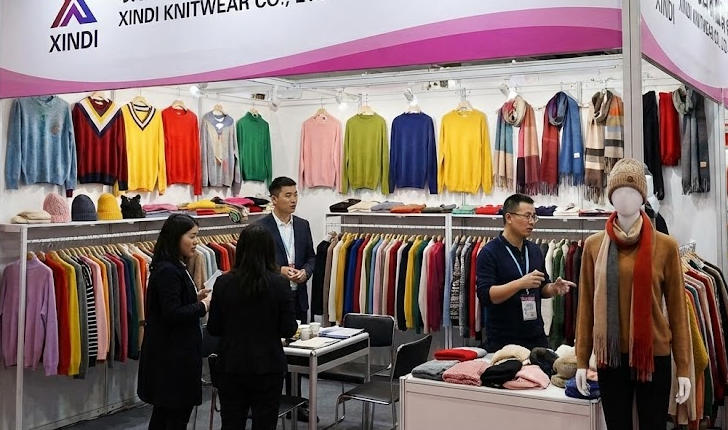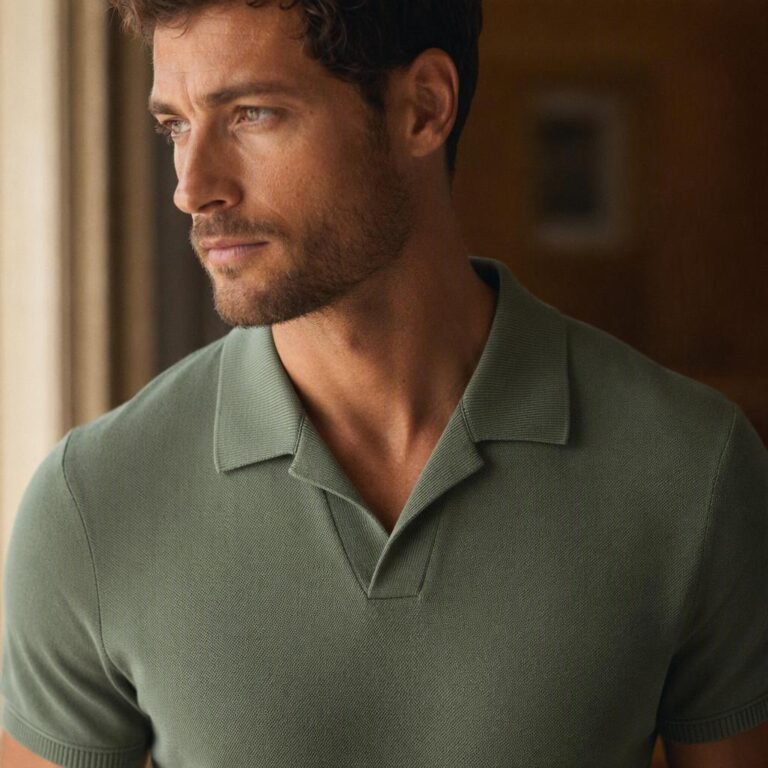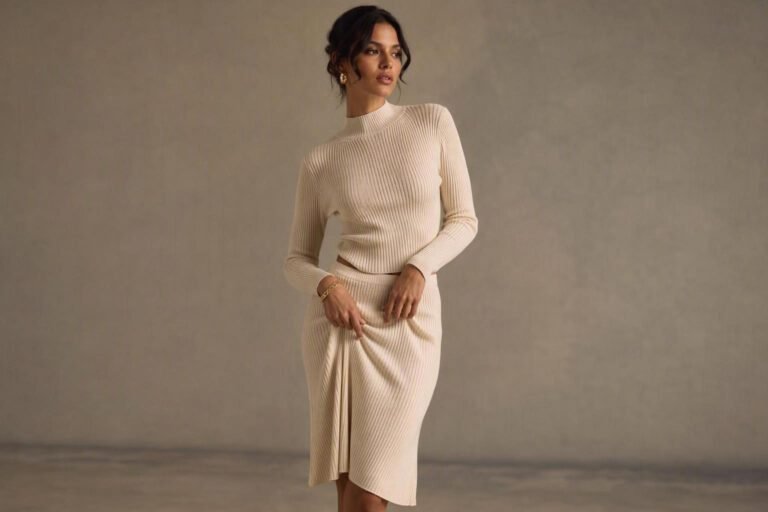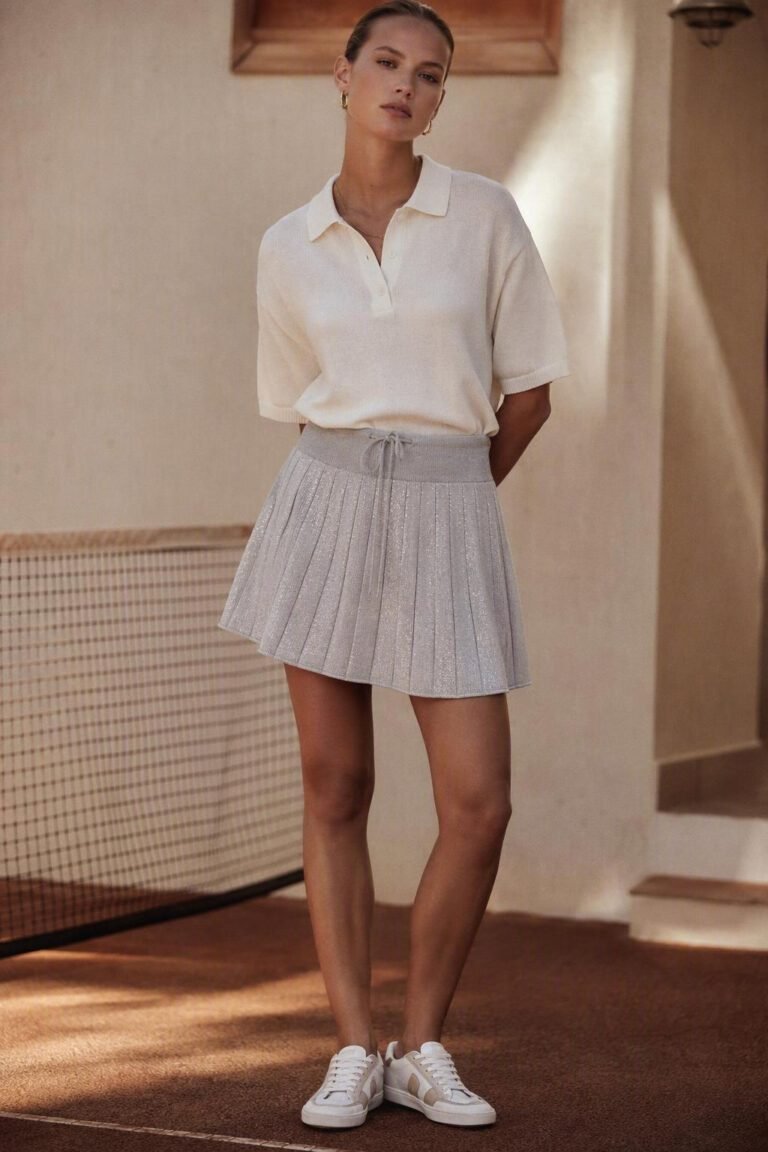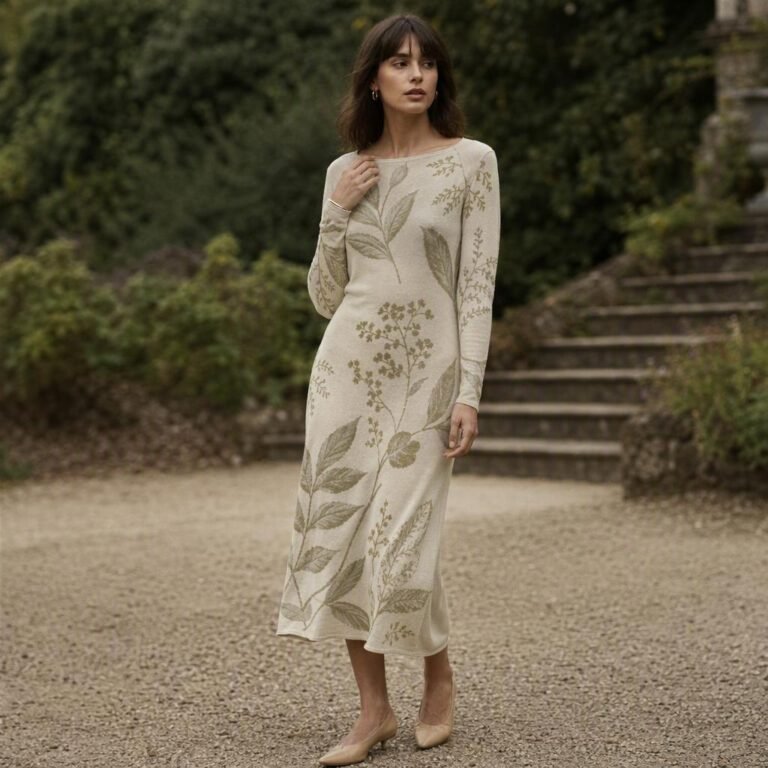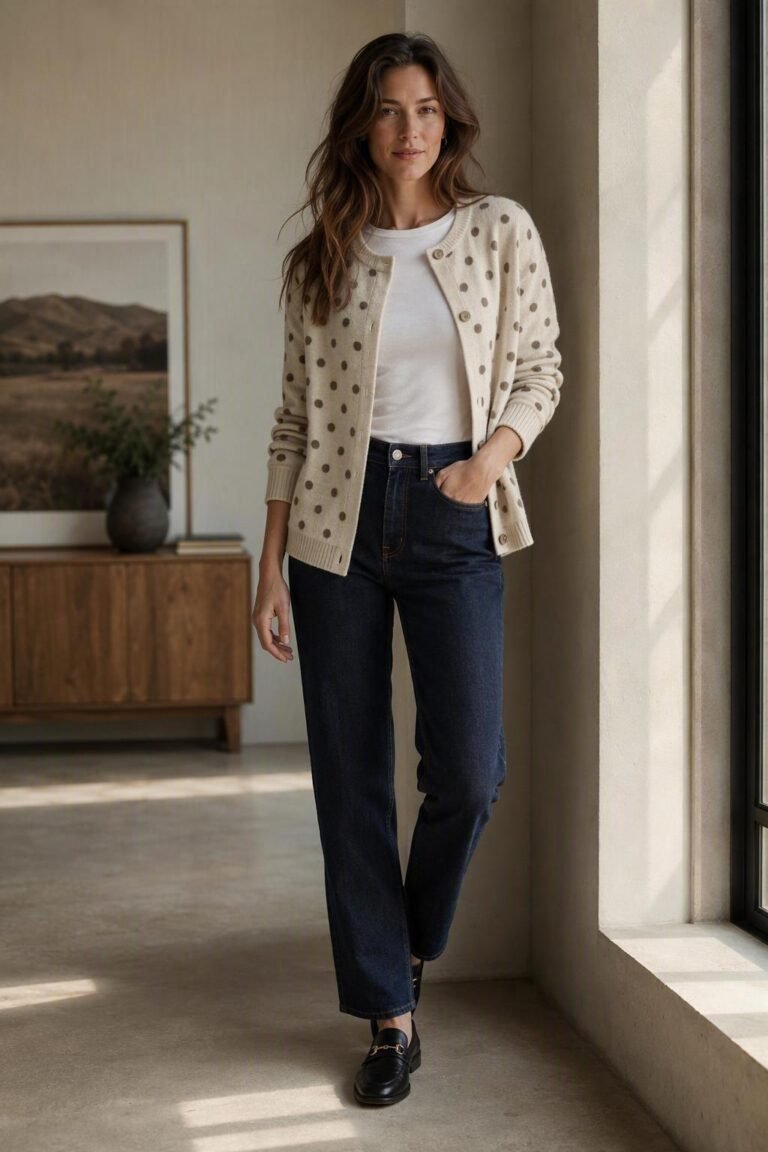

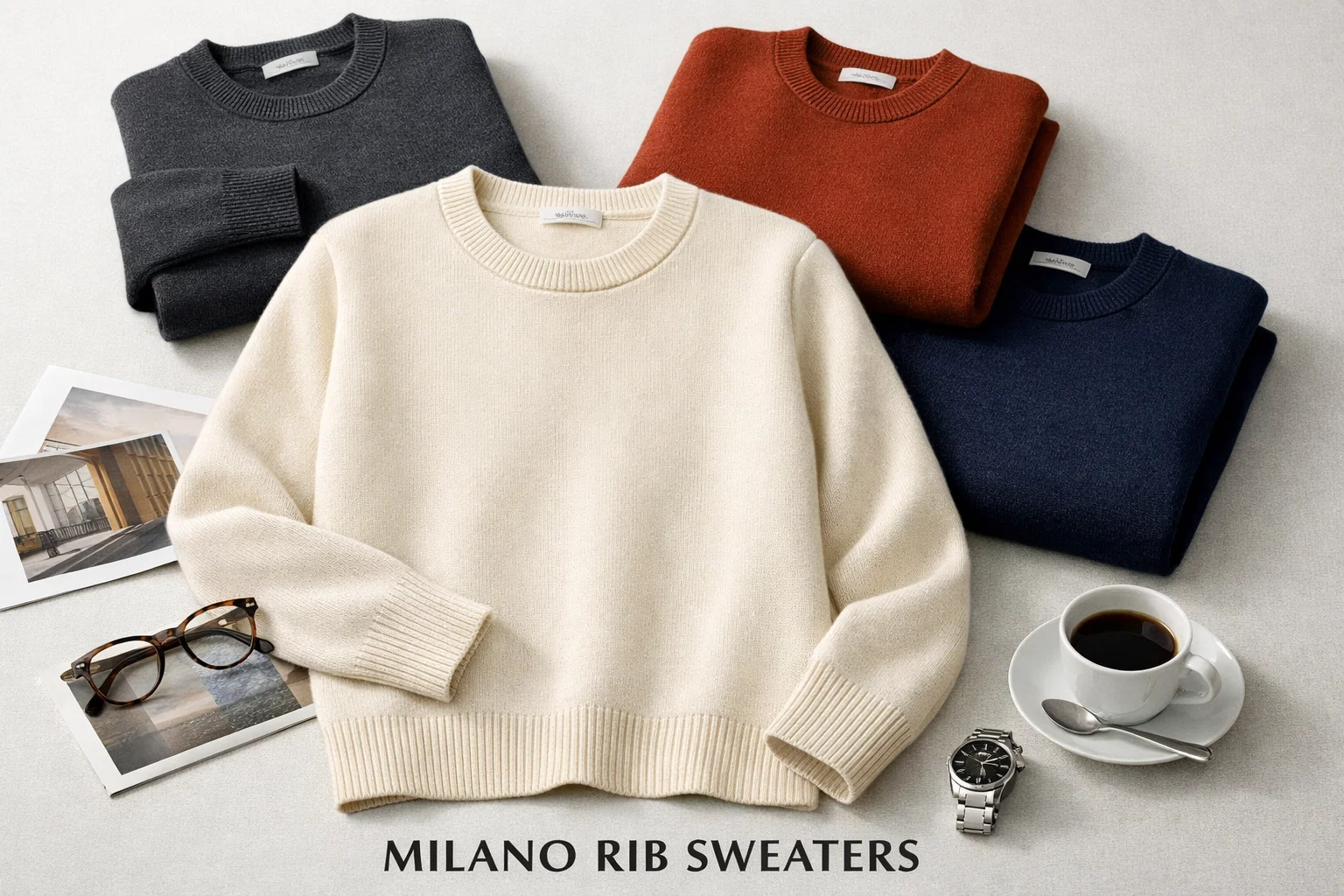
You see milano rib knitwear as a fabric with a special feel and use. The milano rib knitwear factory in Italy produces it with double-knit construction. This creates rib fabric that is strong. Milano rib is different from other knits. It provides high durability and good stretch, as shown below:
|
Fabric Type |
Durability |
Elasticity |
|---|---|---|
|
Milano Rib Knit |
High |
Good |
|
Liverpool Knit |
Moderate |
Lower |
|
Ponte di Roma |
Moderate |
Good |
Milano rib knitwear factories often select glass and carbon fibers. These fibers enhance impact resistance and energy absorption. You get a fabric that lasts longer and maintains its shape.
Key Takeaways
-
Milano rib knitwear has a strong double-knit build. This makes it tough and comfy.
-
The fabric uses elastic fibers mixed together. It stretches well but keeps its shape.
-
Milano rib is simple to care for. You can wash it in a machine. It still looks good after many washes.
-
This fabric does not wrinkle or sag easily. Your clothes stay neat all day.
-
Milano rib works for many types of clothes. You can use it for sweaters, dresses, and jackets.
-
Picking milano rib means your clothes last long. It gives you both style and use.
-
The special diagonal yarn design makes the fabric strong and steady.
-
For best care, wash milano rib in cold water. Lay it flat to dry.
Milano Rib Knitwear Overview
What Is Milano Rib
Milano rib knitwear has a unique structure. This fabric started in Milan, Italy. Makers made milano rib by mixing elastic fibers with a plain stitch. Over time, people found new ways to use milano rib. New machines and ideas made the fabric better. Now, milano rib feels strong and smooth. The fabric keeps its shape and stretches without losing comfort.
Key Features
Milano rib knitwear has many good qualities. The fabric feels soft but stays firm. Its double-knit build makes it thick and tough. You can wash milano rib often, and it still looks nice. The rib design helps stop wrinkles and sagging. Milano rib stretches for comfort but keeps its shape.
Here are some key features you should know:
-
Strong double-knit structure
-
Smooth surface with gentle stretch
-
Keeps shape after washing
-
Resists wrinkles and sagging
-
Soft touch for comfort
Tip: Milano rib works well for sweaters, dresses, and jackets. It is good for both style and function.
Why Choose Milano Rib
Designers pick milano rib knitwear for many reasons. Milano rib is both strong and soft. The special knitting makes the fabric stretchy and comfy. You do not need to worry about the fabric getting worse after washing. Designers like milano rib because it is useful and looks nice. The fabric lasts long, feels good, and looks sharp.
|
Reason to Choose Milano Rib |
Benefit for You |
|---|---|
|
Durability |
Long-lasting wear |
|
Softness |
Comfortable feel |
|
Elasticity |
Easy movement |
|
Washable |
Simple care routine |
|
Shape retention |
Always looks neat |
Milano rib is used in many clothes. It meets what designers and wearers want. The fabric helps your style and stands up to daily use.
Milano Rib Structure
Knitting Technique
To know why milano rib is strong, you should learn about how it is made. Factories use special machines to make this fabric. They start with a double-knit method. This method uses two sets of needles. The fabric becomes thicker and more stable than single-knit fabrics. It feels smooth and keeps its shape well.
Diagonal Yarn Construction
Milano rib has a special structure because of diagonal yarn construction. In this method, yarns cross each other at an angle. This crossing helps the fabric not stretch out of shape. The fabric feels firm and dense. Textile engineers studied how tightness and tension change the fabric. Their research shows milano rib keeps its size better than other rib fabrics.
|
Study Focus |
Findings |
|---|---|
|
Investigated the dimensional properties of Milano rib and half Milano rib fabrics using various take-down tension values and tightness levels. |
This table shows experts tested how the fabric acts in different situations. You can trust milano rib to stay strong and keep its shape.
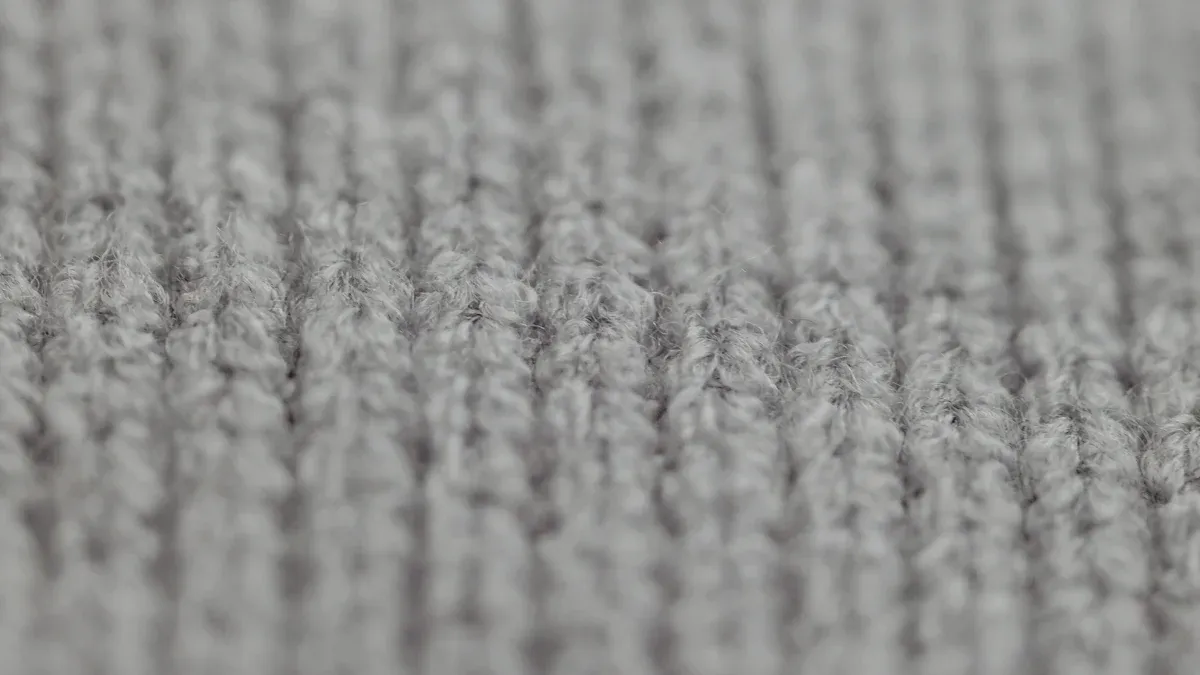
Vertical Rib Face
When you look at the front of milano rib, you see lines going up and down. These lines come from how the stitches stack. The rib face gives the fabric a classic look and makes it stronger. Factories use different knitting ways to make new textures and effects. Here are some common ways and what they do:
|
Technique Description |
Effect on Final Product |
|---|---|
|
Ribber carriage set to slip every third row |
Creates alternating small and long stitches, affecting texture and elasticity |
|
All slip setting on the top bed |
Results in less elasticity and curling tendencies |
|
Hand techniques for modifying ribs |
Allows for custom designs and variations in texture |
|
Racked sequences and stitch transfers |
Enables different visual effects and patterns |
|
Plaiting for two-color variations |
Produces color effects without separations |
|
Adjusting preselection and cast on methods |
Influences the overall structure and appearance of the knit fabric |
You can see that the way you knit changes how the fabric looks and feels. This makes milano rib a top pick for designers who want style and function.
Reverse Side Details
The back of milano rib looks different from the front. You will see a single row of stitches on the back. This is not the same as other rib knits, like half milano rib. The back feels smooth and flat, which makes it comfy to wear. The table below shows how the back and other features compare:
|
Feature |
Milano Rib |
Half Milano Rib |
|---|---|---|
|
Density |
Denser and heavier |
Thinner and lighter |
|
Fabric Structure |
Structured feel |
Maintains firmness |
|
Reverse Side |
Single back row |
Two rows on front, one on back |
|
Stretching |
Low stretch |
Low stretch |
Note: Milano rib’s dense structure gives you a fabric that feels thick and lasts a long time. You get less stretch, but more support and shape.
Now you know how the knitting, diagonal yarns, and back details work together. These things make milano rib a strong, stylish, and trusted choice for many clothes.
Milano Rib Knitwear Factory Process
Machinery Used
When you go to a milano rib knitwear factory, you see many machines. Rib-loading machines, like the P500 series, are very important. These machines load yarns fast and make ribs and cuffs with great care. There are also rib circular knitting machines. These machines have needles on both beds. This lets them make the special rib patterns for milano rib. The machines work quickly and keep the fabric tight and even. This makes milano rib good for coats, suits, and fancy clothes. Factories use these machines to make lots of fabric and keep it high quality.
Factories now use new technology to make things better. Robotics and AI help do many jobs by themselves. 3D digitization helps track fabric and manage supply chains. Some factories use special fibers, like Roica, to make fabric softer and stronger. Others mix cashmere and Tencel Modal for a soft feel and nice stretch. These changes help milano rib knitwear factories stay the best in quality and care for the planet.
Step-by-Step Production
Making milano rib knitwear in a factory follows clear steps. Here are the main steps:
-
Design Phase: Designers look at trends and draw ideas.
-
Yarn Selection: Factories choose yarns for their feel and look.
-
Knitting Process: Machines knit yarn into milano rib fabric.
-
Dyeing and Treatment: The fabric gets color and special care.
-
Shaping and Assembly: Workers cut and sew fabric into clothes.
-
Finishing Touches: Factories add labels, buttons, and details.
-
Final Inspection and Packaging: Each piece is checked before packing.
Every step in the milano rib knitwear factory helps make a strong and stylish product. The process starts with design and ends with a careful check.
Quality Control
Quality control matters a lot in every milano rib knitwear factory. You want each piece to look and feel the same. Factories use many checks to make sure of this. Here is a table that shows some common quality control steps:
|
Quality Control Measure |
Description |
|---|---|
|
Standardized inspection of raw materials |
Checks all yarns and fibers for problems before making fabric. |
|
Approval of pre-production samples |
Makes a sample piece to set the standard for the whole batch. |
|
Regular quality inspection of the production process |
Checks fabric and clothes at different times to find problems early. |
Factories also try to help the environment. They pick materials that are better for nature and use less energy. This means you get milano rib knitwear that is high quality and good for the earth.
Tip: If you buy from a trusted milano rib knitwear factory, you get fabric made with care, new machines, and strong quality checks.
Materials for Milano Rib
Cotton, Acrylic, Polyester, Wool
Milano rib knitwear uses many kinds of fibers. Factories pick natural and synthetic materials for different qualities. Natural fibers are popular because people want comfort and care about the planet. Here are the fibers you see most in milano rib:
-
Wool, cotton, and cashmere are natural fibers. These feel soft and let your skin breathe.
-
Acrylic and polyester are synthetic fibers. They make the fabric strong and last longer.
-
Knitwear made from wool and cotton is about half the market. This means most people like natural choices.
-
Many shoppers want comfort and good quality. Some pay more for eco-friendly and fair-made clothes.
-
More people care about the earth, so natural knitwear is in demand.
You can choose milano rib knitwear for your needs. Pick wool or cotton for warmth and softness. Choose acrylic or polyester for easy care and strength.
Material Impact on Texture
The fiber you pick changes how the fabric feels. Cotton gives a smooth and soft touch. Wool makes it warm and gentle. Acrylic and polyester make the fabric light and help it keep shape. Mixing these fibers gives comfort and strength.
Designers blend fibers for special textures. A cotton-wool blend feels cozy and soft. Polyester blends help stop wrinkles. Milano rib always feels thicker and steadier than single knits. The right fiber mix helps the fabric last and keep its shape.
Antibacterial and Heat Retention Properties
You may want clothes that stay fresh and warm. Some new fabrics use nanofibers to fight germs. Scientists found that antibacterial nanofibers can stop bacteria like Escherichia coli and Staphylococcus aureus.
The study shows a new fire-safe fabric with antibacterial and water-absorbing features. It proves that adding antibacterial nanofibers helps fight Escherichia coli and Staphylococcus aureus by 99%, showing strong germ protection. But the study does not show proof about heat holding in Milano rib knitwear.
Some milano rib knitwear can help you stay clean and comfy. There is no clear proof about heat holding, but thick milano rib often keeps you warm. If you want extra protection, pick fabrics with antibacterial features.
Comparing Milano Rib and Other Knits

Milano Rib vs. Half Milano Rib
When you look at different knit fabrics, you may wonder how milano rib stands out from half milano rib. Both fabrics use a rib structure, but they feel and look different. You can see these differences in texture and structure.
Texture Differences
Milano rib feels dense and smooth. The fabric has a firm touch and holds its shape well. You notice that half milano rib feels lighter and thinner. It gives you a softer drape and less bulk. If you want a knit that feels sturdy, milano rib is a good choice. If you prefer something lighter, half milano rib works better.
Structure Comparison
You can compare the structure of these two fabrics by looking at their weight, firmness, and stretch. The table below helps you see the main differences:
|
Feature |
Milano Rib |
Half Milano Rib |
|---|---|---|
|
Fabric Weight |
Denser and heavier |
Thinner and lighter |
|
Firmness |
Maintains firmness |
Maintains firmness |
|
Stretch |
Low stretch |
Low stretch |
|
Suitability |
Structured knits |
Structured knits without extra weight |
|
Durability |
Influenced by knitting patterns |
Influenced by knitting patterns |
|
Shrinkage |
Not specified |
Shrinkage mainly lengthwise |
You notice that both fabrics keep their firmness and have low stretch. Milano rib gives you more weight and structure. Half milano rib offers a lighter feel, which works well for garments that need less bulk.
-
Half milano rib shows special shrinkage and stability after washing.
-
It stabilizes after two washes, so you get a fabric that keeps its shape over time.
Tip: If you want a knit that feels strong and holds up to daily wear, choose milano rib. If you want a lighter option that still keeps its shape, half milano rib is a smart pick.
Milano Rib vs. Milanese Knit
You may also see the term milanese knit. This fabric uses a different knitting method than milano rib. Milanese knit has a diagonal structure, which gives it a smooth and silky surface. You often find milanese knit in lingerie and linings because it feels soft and drapes well.
Milano rib, on the other hand, uses a double-knit rib technique. This gives you a fabric that feels thicker and more stable. You get a classic rib look with vertical lines and a firm touch. If you want a knit for structured garments like jackets or dresses, milano rib is a better choice. If you want something soft and flowing, milanese knit works well.
Note: Always check the fabric type before you buy. Each knit has its own feel and best use.
Applications and Benefits
Common Garments
You see milano rib knitwear in many types of clothing. Designers choose this fabric for its structure and style. When you look at your closet, you might find milano rib in these popular garments:
-
Collars
-
Coats
-
Cardigans
-
Pullovers
-
Sweaters
-
Vests
-
Dresses
You can wear milano rib for both casual and formal occasions. The fabric works well for layering in cooler weather. Many people like how it keeps its shape and looks neat all day.
Durability and Comfort
When you pick a garment, you want it to last and feel good. Milano rib stands out because it offers a strong balance between comfort and durability. Laboratory tests show that milano rib knitwear has good compressive strength and impact tolerance. It may not have the highest tensile stiffness, but it still holds up well for daily use. You can see how it compares to other fabrics in the table below:
|
Fabric Type |
Tensile Stiffness |
Compressive Strength |
Impact Tolerance |
|---|---|---|---|
|
Milano Rib Knitwear |
Inferior |
Affected Lesser |
Comparable |
|
Full Cardigan Derivative |
Superior |
Not Specified |
Not Specified |
|
1×1 Rib Knitted Fabrics |
Not Specified |
Not Specified |
Not Specified |
|
Woven Composites |
Superior |
Not Specified |
Not Specified |
You feel the difference when you wear milano rib. The fabric gives you support without feeling stiff. It keeps you warm and comfortable, especially in sweaters and coats. The double-knit structure helps the fabric resist sagging and stretching out of shape. You can trust your clothes to look good after many wears.
Tip: If you want a garment that feels soft but stays strong, milano rib is a smart choice. It works well for active days and relaxed moments.
Care Tips
You want your milano rib garments to last as long as possible. Simple care steps help keep the fabric looking fresh. Here are some easy tips:
-
Wash your clothes in cold water to protect the fibers.
-
Use a gentle cycle and mild detergent.
-
Lay flat to dry to keep the shape.
-
Avoid wringing or twisting the fabric.
-
Store folded instead of hanging to prevent stretching.
If you follow these steps, your milano rib knitwear will stay soft and neat. You do not need special products or tools. Just a little care goes a long way.
Note: Always check the care label on your garment. Some blends, like half milano rib, may need extra attention.
You can enjoy the benefits of milano rib in many ways. The fabric gives you style, comfort, and easy care for every season.
Milano rib knitwear is easy to understand. It has a double-knit structure. This makes the fabric strong and comfy. Factories use special machines to make it. The fabric is smooth and keeps its shape well. You can wash it easily and it still looks nice.
-
Pick Milano rib if you want clothes that last.
-
You get comfort and style all year.
Milano rib knitwear helps you look good and feel good. Try it for your next sweater or jacket.
FAQ
What makes Milano rib knitwear different from other knits?
You get a thicker, stronger fabric with Milano rib. The double-knit structure helps your clothes keep their shape and resist sagging. Designers choose it for durability and style.
Can you machine wash Milano rib garments?
You can machine wash most Milano rib clothes. Use cold water and a gentle cycle. Always check the care label first. Lay flat to dry for best results.
Is Milano rib knitwear good for warm weather?
You may feel warm in Milano rib because the fabric is thick. It works best for cooler seasons. If you want breathability, pick lighter knits or blends with cotton.
Does Milano rib stretch out over time?
Milano rib holds its shape well. The double-knit method gives you low stretch and high support. Your clothes stay neat after many wears and washes.
What types of garments use Milano rib?
You find Milano rib in sweaters, jackets, dresses, and cardigans. Designers use it for collars and cuffs, too. The fabric suits both casual and formal styles.
Are there eco-friendly options for Milano rib knitwear?
You can choose Milano rib made with organic cotton or recycled fibers. Factories now offer more sustainable choices. Look for eco labels when you shop.