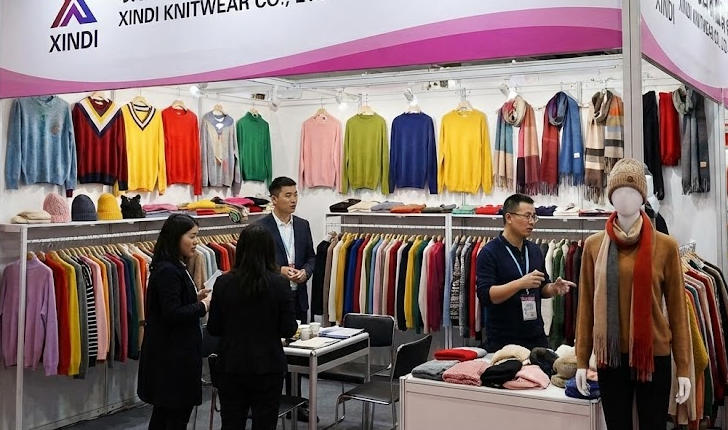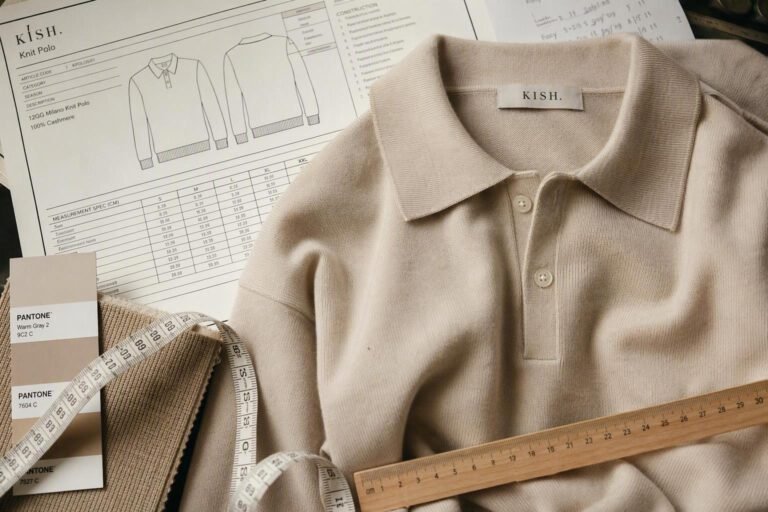

Author: Mei Liu, Production Manager, Xindi Knitwear (Knitwear.io). Mei has 15 years of hands-on experience in knitwear production, specializing in small-batch and low‑MOQ projects using flat and WHOLEGARMENT knitting systems. Her expertise covers yarn specification, gauge engineering, and quality control aligned to ISO testing protocols (ISO 12945 pilling, ISO 5077 dimensional change). Representative work includes managing rapid sampling programs and technical QC for international DTC brands.
Choosing alpaca for a small, 50‑unit sweater run can feel fuzzy—literally and figuratively. The quickest path to clarity is to anchor your choices in three things: numeric microns (not just names), realistic gauge/yarn pairings, and a simple swatch‑and‑test loop. This guide gives you the minimum you need to pick between baby vs superfine vs blends, anticipate pilling and shrinkage, and use stock‑service shades to sample fast without blowing your budget.
Key takeaways
Always pair marketing names with numeric microns; “alpaca yarn grades” are most reliable when mapped to the AOA numeric spans.
Decide in this order: target handfeel/position → durability & pilling control → cost predictability at low MOQ. Then choose grade/blend and gauge.
Start swatching with realistic E‑gauge ↔ Nm pairings (e.g., 12–14E with 2/28) and confirm after wash/block because alpaca blooms.
Control pilling and shrinkage by specifying yarn construction, stitch density, and finishing—and validate with ISO tests before committing to 50 units.
Prefer stock‑service shades where possible to compress lead time and reduce dye‑lot risk during sampling.
What alpaca yarn grades actually mean (and how “baby” and “superfine” map)
Marketing names vary by region and mill, so anchor to numeric microns. The U.S. Alpaca Fiber Standard defines numerical grades by micron spans—use these in specs and ask suppliers to report mean micron and standard deviation.
According to the American Alpaca Owners Association, the U.S. standard sets these spans: Grade 0 (15.0–16.9 µm) through Grade 6 (32.0–34.9 µm). See the official explanation in the AOA’s U.S. Alpaca Fiber Standard (authoritative, accessed 2026).
AOA numeric grade → micron quick chart
AOA Grade | Micron span (µm) | Typical end use guidance |
|---|---|---|
0 | 15.0–16.9 | Luxury accessories; delicate next‑to‑skin layers |
1 | 17.0–19.9 | Fine knitwear, scarves, premium sweaters |
2 | 20.0–22.9 | “Baby”‑range sweaters (name varies by region) |
3 | 23.0–25.9 | “Superfine”‑range sweaters (name varies) |
4 | 26.0–28.9 | Balanced durability knitwear, mid‑gauge sweaters |
5 | 29.0–31.9 | Outerwear, robust structures |
6 | 32.0–34.9 | Rugs, heavy uses |
Because trade names are inconsistent, cross‑check names against microns. Several reputable guides converge on the following mappings, though ranges differ—use microns in your PO.
Common marketing names → typical micron spans (for reference)
Marketing name | Typical micron span | Notes |
|---|---|---|
Royal | <~19–20 µm | Varies by source; often treated as <19–20 µm |
Baby | ~19–22.9 µm | Aligns closely with AOA Grade 2; naming differs by region |
Superfine | ~22–26 µm | Overlaps AOA Grade 3 |
Fine/Regular/Medium | ~25–30+ µm | Terminology diverges most here—lean on microns |
Source for definitions: AOA standard above; additional primers such as TUWI’s grading FAQ reinforce why numeric microns are safer in specifications (TUWI FAQ).
Quick decision matrix — handfeel, durability, and cost under low MOQ
Use this matrix to shortlist options for a 50‑unit sweater. It’s directional—confirm with swatches and lab tests.
Grade / Blend | Handfeel (perceived “luxury”) | Durability & recovery tendency | Cost predictability at low MOQ | Notes |
|---|---|---|---|---|
AOA Grade 2 (≈ “Baby”) | Very soft, refined halo | Lower elastic recovery; control with ply/twist and tighter stitch density | Moderate–Lower predictability if custom‑dyed; better with stock shades | Great for premium handfeel; watch growth in loose fabrics |
AOA Grade 3 (≈ “Superfine”) | Soft, slightly crisper | Better recovery and wear than finer grades (construction‑dependent) | Moderate; often broader stock shade availability | Balanced choice for everyday premium |
Alpaca/Merino ~70/30 | Soft with improved spring | Merino adds crimp/elasticity; tends to resist growth | Higher predictability if using mill stock service | Common “balanced” blend for sweaters |
Alpaca/Nylon (40–60% alpaca) | Softer than merino‑dominant; less halo than 100% alpaca | Nylon reinforces high‑wear zones | High predictability; often available in stock shades | Consider for ribs/cuffs or heavier wear areas |
Alpaca/Silk (e.g., 70/30) | Airy drape, sheen | Lower recovery; not for structured fits | Moderate; fashion‑forward palettes vary | Better for relaxed silhouettes |
Evidence notes: Pilling and recovery outcomes depend heavily on yarn construction, stitch architecture, and finishing. Alpaca’s smoother scales and tensile strength can reduce pilling tendency relative to wool, but construction dominates outcomes; see AOA technical notes and finishing mechanism literature for context (Alpaca fiber characteristics, AOA PDF; fabric finishing research on pilling mechanisms).
Gauge and yarn count basics for alpaca sweaters
Gauge (E or GG) refers to needles per inch on flat/WHOLEGARMENT machines; yarn count (Nm) is meters per gram, often shown as 2/28 (two‑ply, 28 Nm). Because alpaca blooms after washing, start a bit denser than your final handfeel target and confirm after block.
Quick gauge ↔ Nm cheat examples
Target fabric | Typical machine gauge (E/GG) | Common yarn counts (Nm) examples | Notes |
|---|---|---|---|
Fine/light sweaters | 12–14E | 2/28–2/30 (sometimes doubled) | Confirm post‑wash; halo can reduce apparent stitch definition |
Medium sweaters | 7–10E | 1/8–2/16; 2/13–2/15 | Use multi‑ply for stability; mind growth in plain jerseys |
Double‑jacquard (mid) | ~7E | Nm 6–8 | Ensure feeder setup suits multi‑color tension |
For reader‑friendly context on gauges and fabric outcomes, see our internal explainers on Sweater types by gauge and yarn pairing notes in Custom yarn material solutions.
Pilling and shrinkage — what to expect and how to control
Mechanism and tendencies: Alpaca fibers have smoother, lower‑height scales and good tensile strength, which can help reduce entanglement‑driven pilling compared to some wools, but yarn twist/ply, staple uniformity, and stitch density are decisive. Finishing steps like singeing or enzyme treatments can reduce surface fuzz that feeds pills. Technical context appears in AOA’s characteristics notes and peer‑reviewed finishing literature on pilling mechanisms (AOA characteristics PDF; pilling mechanism overview).
Shrinkage/felting: Alpaca generally felts less readily than many wools but is not immune; Huacaya tends to felt more than Suri. Manage with controlled laundering and finishing; blends with higher wool content behave more like wool. Practical shrinkage control references outline wash variables and dimensional change protocols (overview in Manteco’s shrinkage note).
Tests to request before committing to 50 units
Pilling: ISO 12945‑1 (Pilling Box) for knits; request grade after specified cycles.
Dimensional change: ISO 5077 with laundering per ISO 6330; report % length/width change.
Colorfastness: ISO 105 series, commonly C06/C10 (washing), E04 (perspiration), X12 (rubbing).
For step‑by‑step QC context, see the checkpoints in our Custom knitwear manufacturer guide and blend behavior notes in Wool blends & performance blends.
Stock‑service shade options to speed sampling
Stock‑service (ready‑to‑ship) shades can compress sampling timelines and lower dye‑lot risk for 50‑unit runs. Confirm cone size, minimum cones per color, and continuity.
New Mill (Italy) lists collections with color cards and technical cards where some alpaca or alpaca‑blend yarns are offered in stock service; designers use these to shorten onboarding. Browse one stock‑service entry page here and verify current season details on the site: New Mill stock‑service collections.
Sample cards from reputable retailers/wholesalers help visualize hues quickly during concepting. For instance, Jane Stafford Textiles provides physical sample cards that can inspire palette direction while you confirm mill stock: Jane Stafford Textiles sample cards.
Practical micro‑example (with disclosure)
Disclosure: Xindi Knitwear (Knitwear.io) is our product.
A small label wants a premium handfeel with predictable durability. The team shortlists two options at 12E: (1) AOA Grade 2 “baby” (20.0–22.9 µm) at Nm 2/28, 2‑ply, slightly higher twist; (2) AOA Grade 3 “superfine” (23.0–25.9 µm) at the same count. They request three stock shades from the mill to avoid custom dye risk. Swatch plan: knit 30×30 cm squares in jersey and 2×2 rib, wash per ISO 6330, block, then test pilling via ISO 12945‑1 and record dimensional change via ISO 5077. If the Grade 2 swatch shows growth in jersey, they tighten stitch density or shift to Grade 3 or a 70/30 alpaca/merino blend before committing to 50 units. This mirrors Xindi’s standard swatch workflow (3–5‑day turnaround from tech pack/photos) with lab checkpoints before locking specs.
Supplier checklist (copy‑paste ready)
Include these fields in your sample request or PO:
Fiber: species/type, mean micron ± SD, grade name + numeric microns
Composition: % alpaca / % other fibers; yarn count (Nm), ply, twist
Dye details: stock shade code or custom color recipe; dye lot continuity
Machine target: gauge (E/GG), stitch types, planned GSM
Finishing: washing/softening, anti‑pilling, steaming/pressing
Tests to report: ISO 12945‑1 pilling grade (cycles), ISO 5077/6330 shrinkage %, ISO 105 E04/X12 colorfastness
MOQs and overage: cones per color, minimum ship quantity, lead times
Email snippet you can adapt:
“Hello [Supplier], we’re sampling a 50‑unit sweater. Please quote and supply cones/swatches for: [composition], [AOA grade + micron], [Nm, ply, twist], target gauge [E], and available stock shades. Share datasheets and latest ISO 12945‑1, ISO 5077/6330, and ISO 105 results (or confirm testing window). We’ll run swatches at [E] and decide within a week after wash/block and tests. Thank you.”
Next steps
Want a one‑page “Spec–Gauge–GSM” decision template and a swatch/test checklist you can copy? Reply with “Alpaca 50‑unit template,” and we’ll share the files. For timeline context on small‑batch sampling, see Quick sampling, and for feasibility considerations at this scale, see Low MOQ production.
References for definitions and mechanisms cited above:
American Alpaca Owners Association — U.S. Alpaca Fiber Standard (accessed 2026); Alpaca fiber characteristics.
Grading terminology context — TUWI’s grading FAQ.
Pilling/shrinkage mechanisms — Peer‑reviewed overview of pilling mechanisms; shrinkage control context via Manteco’s technical note.