
If you want your brand to be noticed, pick a jersey knit sweater manufacturer with high standards. Look for good quality and nice style. Luxury knitwear now mixes caring for the planet with classic fashion. Top manufacturers use recycled fibers and plant-based dyes. These things help make products that last a long time. When you learn how sweaters are made, you can make smart choices. Watch for strong technical skills, fair practices, and clear communication. These steps help your brand grow and keep up with new trends.
-
The best manufacturers use new ideas and good quality.
-
Smart brands change fast to meet what customers want.
Key Takeaways
-
Pick a manufacturer who cares about quality and style. This helps your brand look better.
-
Find manufacturers who use eco-friendly materials and methods. This attracts buyers who care about the planet.
-
Learn about different knitting techniques. This helps you choose the best sweater designs.
-
Ask for samples to check fabric quality and how well it is made. Do this before you order a lot.
-
Talk clearly with your manufacturer. This helps production go smoothly and deliveries come on time.
-
Look for certifications like GOTS and GRS. These show the manufacturer uses good and fair practices.
-
Think about minimum order quantities. This helps you control your budget and stock.
-
Make a strong partnership with your manufacturer. This helps you work together and be creative.
Qualities of a Great Jersey Knit Sweater Manufacturer
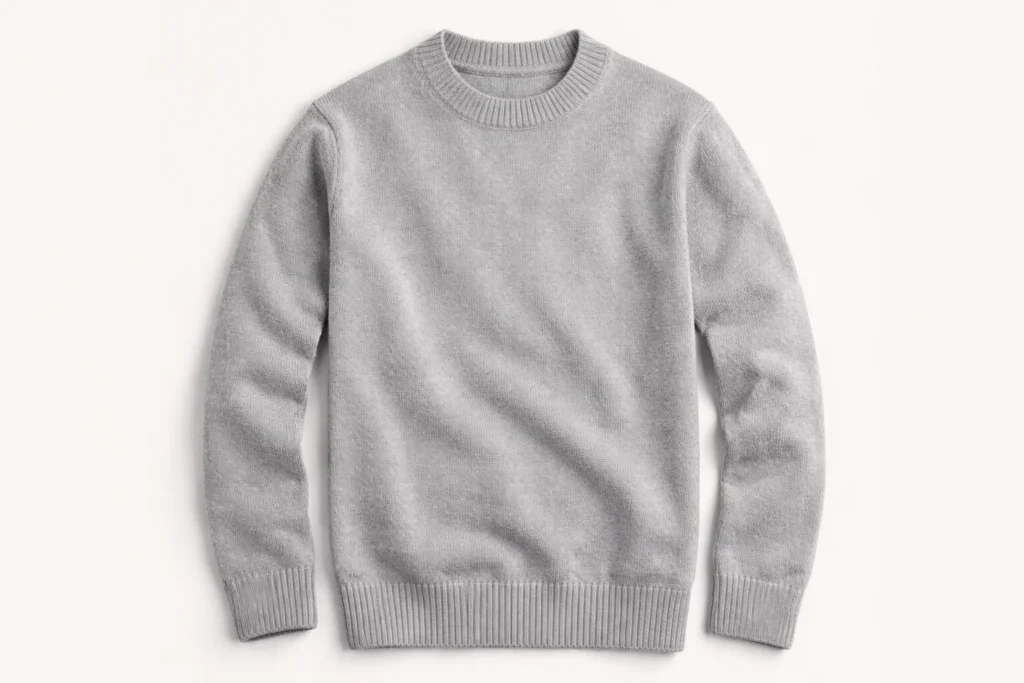
If you want your brand to be noticed, you need a manufacturer who knows what makes knitwear special. You want sweaters that look nice and last a long time. Let’s talk about what makes a good manufacturer.
Quality and Style Standards
You can’t have a great knitwear brand without good quality and style. The right manufacturer picks the best fabric and makes designs that fit your ideas.
Fabric Expertise
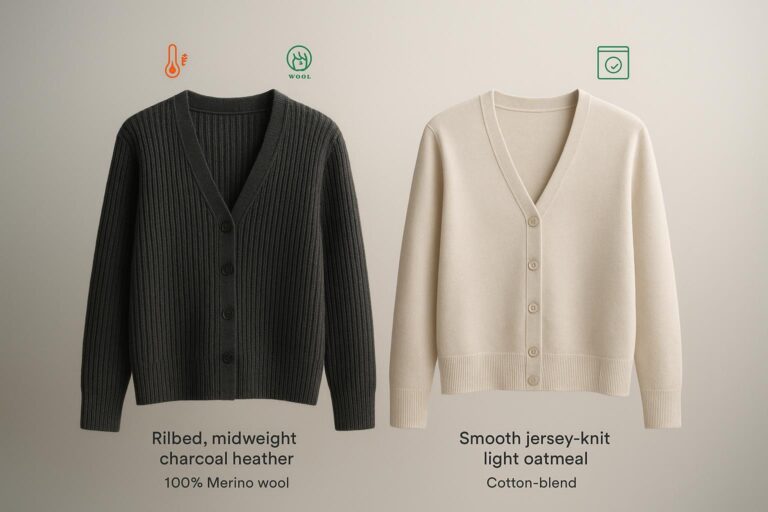
Fabric is very important for knitwear. You need a partner who understands different materials. Here’s what top brands use:
|
Material |
Characteristics |
Care Recommendations |
|---|---|---|
|
Wool |
Warm, breathable, many textures |
Hand wash or dry clean |
|
Cashmere |
Soft, lightweight, warm without bulk |
Hand wash or delicate dry clean |
|
Cotton |
Breathable, soft, hypoallergenic, easy to layer |
Easy to care for |
A manufacturer who knows fabric helps you pick the right one. This means your sweaters feel nice, look good, and last longer.
Consistency in Production
You want every sweater to be the same high quality. Good manufacturers check quality and show samples before making lots of sweaters. They help with design and check everything at the end. Here’s how they keep things the same:
-
Use materials that are good for the planet.
-
Give samples and test pieces to check.
-
Let you change designs if needed.
-
Watch over the whole process for great results.
Innovation and Customization
To help your brand grow, you need new ideas. The best manufacturers let you make custom sweaters. You can choose colors, stitches, and even add names. Some brands let you see designs right away and sell new styles fast. This helps you follow trends and make special sweaters.
-
Make just enough sweaters to match what people want.
-
Change every part, like fabric or embroidery.
-
Work with teams who do everything themselves for better quality.
Ethical and Sustainable Practices
People care about the planet and fair work. You should pick manufacturers who use eco-friendly ways and safe materials. Many companies use organic cotton and recycled yarns. They also care about the earth when making sweaters. Certifications like GOTS and GRS show they care about the planet and workers.
|
Certification/Standard |
Description |
Requirements |
|---|---|---|
|
Global Organic Textile Standard (GOTS) |
Organic fibers, covers processing and trading |
70% organic fibers, labor and environmental standards |
|
Global Recycled Standard (GRS) |
Certifies recycled materials |
20% recycled materials, responsible practices |
Picking a manufacturer who cares about quality and the planet helps your brand. You get sweaters that look nice, feel good, and help the earth.
Understanding Knit Sweater Manufacturing
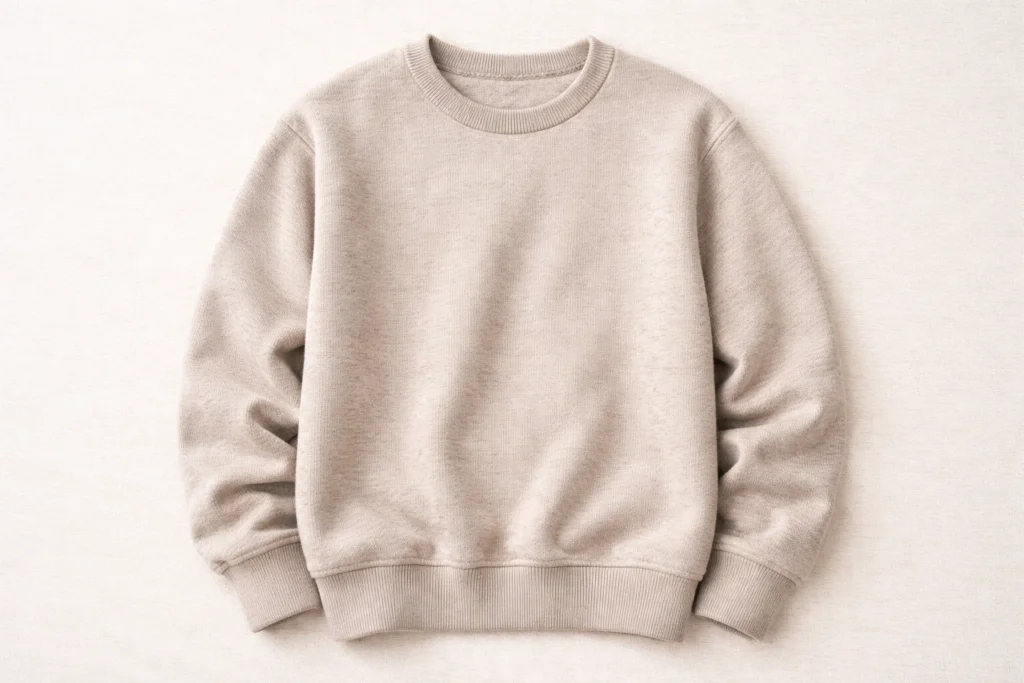
When you want to create great knitwear for your brand, you need to know how sweaters are made. This helps you talk with your manufacturer and make better choices for your collection.
Jersey Knit Techniques
Jersey knitwear uses special knitting methods. The two main ways are circular knitting and flat knitting.
Circular vs. Flat Knitting
Circular knitting uses a round machine. It makes seamless tubes of fabric. This method works well for sweaters that need stretch and comfort. Flat knitting uses a flat bed machine. It creates panels that you join together later. Flat knitting gives you more control over the shape and design.
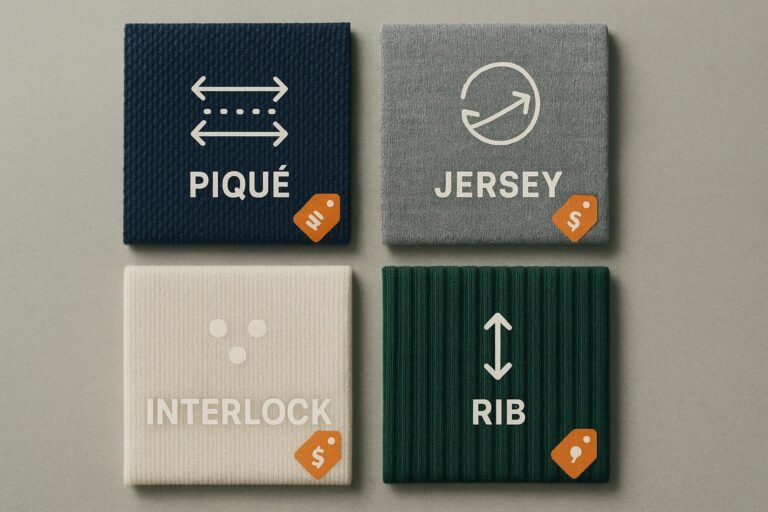
You can also pick from different jersey knit types. Each one changes how your sweater feels and lasts:
-
Single jersey feels light and stretchy. It works best for casual knitwear because it is soft and breathable.
-
Double jersey is thicker and stronger. It makes heavier sweaters that keep their shape.
-
Rib knit gives you extra stretch and helps sweaters fit better. It keeps its shape even after many wears.
Impact on Product Quality
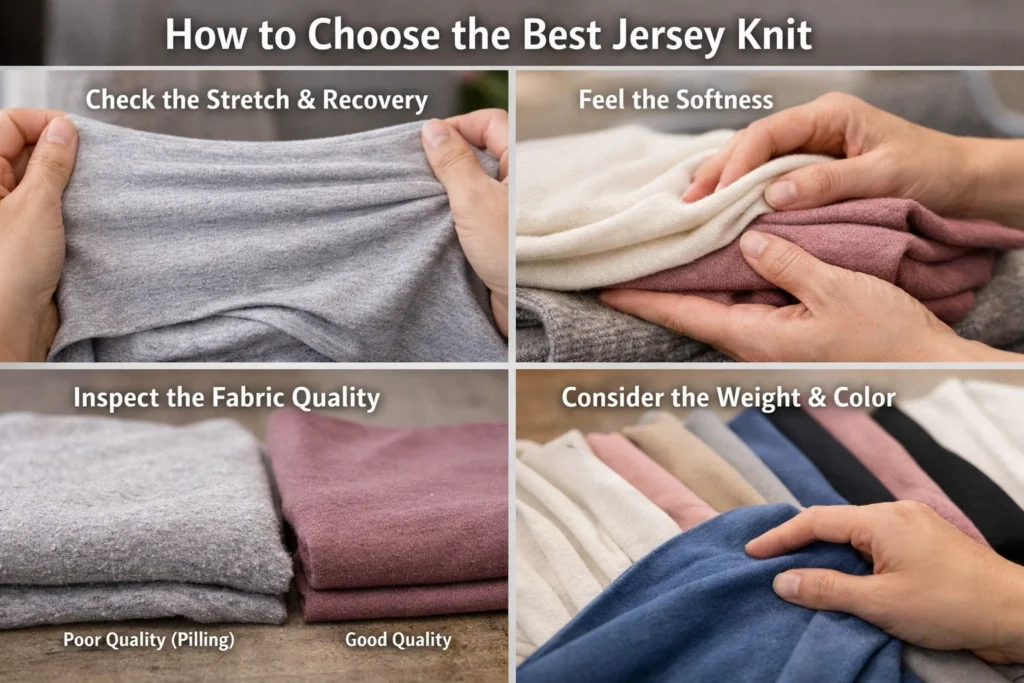
The way you knit your sweater changes how it looks and feels. Different stitches and patterns can make your knitwear more comfortable or help it last longer. If you use a tight, dense knit, your sweater will be more durable and pill less. A heavier jersey fabric gives better coverage and bounces back after stretching.
Here are some things that affect the quality of your knitwear:
-
The type of fiber you choose
-
The weight of the fabric
-
The knitting technique you use
Jersey knitwear feels smooth and stretchy. It gives a sleek look, but it might not have as much structure as other types of sweaters.
Tip: If you want sweaters that last, ask your manufacturer for tight, even knits and heavier fabric weights.
Customization Options
You can make your knitwear stand out with custom details. Many brands ask for special touches to match their style. Here are some popular options:
|
Customization Option |
Description |
|---|---|
|
Logo |
Add your logo with embroidery, printing, or appliqué to show off your brand. |
|
Colors |
Pick colors that fit your brand and attract your customers. |
|
Design |
Choose necklines, cuffs, and other details to match your brand’s look. |
|
Zipper |
Use custom zipper pulls with your logo or name for a luxury feel. |
|
Label |
Add custom labels inside the sweater for extra branding. |
When you work with a manufacturer who offers custom knitwear, you can create sweaters that fit your vision. You get more control over every part of the production process, from fabric choice to final touches.
Here’s a quick look at the main stages in making a jersey knit sweater:
|
Stage Number |
Stage Name |
Description |
|---|---|---|
|
1 |
Design and Pattern Making |
You plan the look, pick fabric, and set the details. |
|
2 |
Yarn Selection |
You choose the yarn type, color, and think about sustainability. |
|
3 |
Yarn Preparation |
The yarn gets wound, twisted, dyed, and checked for quality. |
|
4 |
Knitting |
The yarn turns into sweater pieces, following your design. |
|
5 |
Assembling and Linking |
The panels get joined, and seams and necklines are finished. |
|
6 |
Finishing Touches |
The sweater is washed, trimmed, and decorated if needed. |
|
7 |
Quality Control and Inspection |
Each sweater gets checked for size and looks. |
|
8 |
Packaging and Distribution |
The sweaters are labeled, folded, and sent out to stores or customers. |
Knowing these steps helps you work better with your manufacturer and get the best knitwear for your brand.
How to Find the Best Knitwear Manufacturers
Finding good knitwear manufacturers can seem hard. But there are many ways to start looking. You want a manufacturer who matches your brand and helps you grow. Here are three smart ways to find the right knit sweater manufacturers.
Online Search and Directories
You can start by searching online. Many business owners use search engines to find knitwear suppliers. Try searching with the company name or phrases like “custom cable knit sweater supplier.” This helps you find companies that sell to other businesses, not just to shoppers. If you want to reach boutique owners or grow your brand, local SEO can help you find nearby choices.
Online directories make searching easier. They list lots of knitwear manufacturers so you can compare them. Here are two popular directories you can use:
-
ThomasNet.com
These sites give you many choices. You can search by manufacturer name and get direct contacts. This makes finding apparel faster and more organized.
Tip: When you use online directories, check reviews and ratings. This helps you avoid risky suppliers and find trusted partners.
Trade Shows and Networking
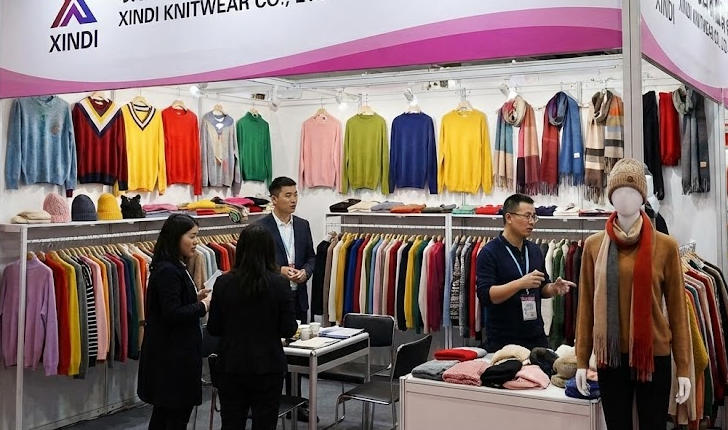
Trade shows are great places to meet knitwear manufacturers face-to-face. You can see samples, ask questions, and learn about new styles. Many top manufacturers work with big brands, so these events help you make strong connections.
Here are some well-known trade shows for knitwear:
|
Trade Show Name |
Location |
Key Features |
|---|---|---|
|
Tirupur, India |
Over 500 exhibitors, direct interaction, latest machinery and fabrics, knowledge exchange. |
|
|
Spin Expo |
Shanghai, Paris, New York |
Influential in knitwear, focuses on yarns and fibers. |
|
Pitti Immagine Filati |
Florence |
Renowned for high-quality yarns and knitwear. |
|
Premiere Vision |
Paris |
Major fashion trade fair, showcasing innovative textiles. |
|
Yarn Expo |
Shanghai |
Focuses on yarns and fibers, connecting manufacturers and buyers. |
At these events, you can see new products and talk with experts. You learn about the newest knitwear and get ideas for your brand.
Referrals and Industry Contacts
Referrals from your network can make finding manufacturers much easier. If you know other brand owners or designers, ask them for advice. Word-of-mouth helps you find reliable manufacturers who have worked with trusted brands.
Evaluating Knit Sweater Manufacturers
Technical Capability and Experience
If you want your brand to be special, you need a jersey knit sweater manufacturer with strong skills and lots of experience. The best knitwear manufacturers use new knitting machines and let you design your own sweaters. You can get sweaters with no seams, yarns that keep you dry, and other cool features. These things make your knitwear look and feel different from others.
You should pick a manufacturer who works with many fabric types and makes great products. They use cotton performance methods and special ways to build sweaters for tough use. You get more choices for design and can change styles fast. Their own design teams help you make custom sweaters that fit your brand.
Here are things that make top knit sweater manufacturers better:
-
They check materials before making sweaters.
-
They watch quality at every step.
-
They let you order small or big amounts.
-
They use new knitting machines for fancy sweaters.
-
They can change designs and patterns quickly.
You want a partner who has worked in the industry for many years. More years mean better skills and you can trust them more. Look at how long some top manufacturers have worked:
|
Manufacturer |
Years of Experience |
|---|---|
|
Blankstyle |
|
|
Unionwear |
30+ |
If you pick a manufacturer with lots of experience, you get great sweaters every time. Your knitwear will always meet high standards.
Communication and Responsiveness
Good communication helps you avoid mistakes and keeps your project moving. You need a manufacturer who listens to you and answers fast. Clear talks about what you want make everything easier. You want quick replies so you can fix problems right away.
Here is what you should get from the best manufacturer:
-
Open talks when you make deals
-
Clear rules for quality, price, and delivery
-
Honest updates about every step
-
Respect for different cultures
Talking well builds trust and helps you get better sweaters. If you and your manufacturer talk often, you can fix problems before they get big. You also get better results when you share ideas and ask for changes.
Tip: Always ask your manufacturer for updates on how things are going. This helps you plan for on-time delivery and keeps your customers happy.
Compliance and Certifications
You want your brand to show you care about fair work and the planet. The best knitwear manufacturers follow strict rules and get special certificates. These certificates show your sweaters use safe materials and meet high standards for animals and the earth.
Here are some important certificates to look for:
|
Certification |
Description |
Importance |
|---|---|---|
|
SFA (Sustainable Fibre Alliance) |
Rules for safe cashmere, caring for animals and the earth. |
Lets you make true claims about cashmere and track it with a special system. |
|
GOTS (Global Organic Textile Standard) |
Rules for organic fiber, making, and earth care. |
Makes sure everything is organic and all groups are certified. |
|
RWS (Responsible Wool Standard) |
Rules for animal care and land from farm to store. |
Proves animal care and tracks wool through certified places. |
If you pick a manufacturer with these certificates, you show your customers you care about the planet and fair work. You also make it easier to find good fabric because you know it meets world rules. This helps your brand earn trust and stand out.
Note: Always ask for proof of certificates before you start working with a manufacturer. This keeps your brand safe and shows you care about fair work.
Pricing and Minimum Orders
When you start working with a jersey knit sweater manufacturer, you need to know how much everything costs. You also need to ask about the smallest number of sweaters you can order. These two things can change how you plan your knitwear collection and how much money you need to spend.
Prices for knitwear can be very different. Some manufacturers charge more because they use better yarns or have special machines. Others offer lower prices if you order a lot at once. You should always ask what is included in the price. Sometimes, the price covers design help, labels, or packaging. Other times, you pay extra for those things.
Minimum order quantity, or MOQ, means the smallest number of sweaters you must buy in one order. This number can be small or big, depending on the manufacturer. If you are just starting your knitwear brand, you might want a low MOQ. This way, you do not have to spend too much money or keep too many sweaters in stock.
Here is a quick look at the minimum order quantities from some well-known manufacturers:
|
Manufacturer |
Minimum Order Quantity |
|---|---|
|
Little Good Knits |
50 units |
|
Chanjoye |
100 pieces |
|
Knitwise (Print-on-Demand) |
No minimum |
You can see that some companies let you order just a few sweaters. Others want you to order at least 50 or 100. Print-on-demand services like Knitwise do not have a minimum. This is great if you want to test new knitwear designs or sell custom sweaters one at a time.
Tip: If you want to try out new styles or colors, ask your manufacturer if they offer sample orders. This helps you check the quality before you buy a lot.
When you talk to a manufacturer, always ask these questions:
-
What is the price for each sweater?
-
Does the price change if I order more?
-
What is the minimum order quantity?
-
Are there extra costs for samples, labels, or shipping?
You should also think about your budget and how many sweaters you can sell. If you order too many, you might have extra knitwear that you cannot sell. If you order too few, you might run out when customers want more.
Some brands start small and grow their orders over time. This helps you learn what your customers like. You can also change your knitwear collection each season without wasting money.
Remember, the best manufacturer for you will offer fair prices and a minimum order that fits your needs. Take your time to compare options. Ask for clear answers. This way, you can build a strong knitwear brand without surprises.
Comparing and Shortlisting Manufacturers
Choosing the right partner for your brand takes more than just a quick search. You need to compare and shortlist the best knitwear manufacturers. This step helps you find a team that matches your style, quality, and business goals.
Requesting Samples
Samples show you what a manufacturer can really do. You get to touch the fabric, check the stitching, and see the colors in person. Ask for samples of the knitwear you want to sell. Look for neat seams, even stitches, and strong labels. If you see loose threads or uneven patterns, you might want to keep looking. Samples also help you test how the sweaters feel after washing. You want knitwear that stays soft and keeps its shape.
Here’s a simple checklist for reviewing samples:
-
Feel the fabric for softness and weight.
-
Check the stitching for neatness.
-
Look at the color and design details.
-
Wash the sample to see if it holds up.
-
Compare samples from different manufacturers.
Tip: Always ask for samples before you place a big order. This helps you avoid surprises and makes sure you get the quality you expect.
Factory Visits or Virtual Tours
Visiting a factory gives you a close look at how your knitwear gets made. If you can’t travel, many manufacturers offer virtual tours. These tours let you see the production floor, meet the team, and watch the machines in action. You learn about the steps in making sweaters and see how clean and organized the factory is.
Here’s a table that shows what you can learn from a virtual tour:
|
Benefit of Virtual Tours |
Description |
|---|---|
|
Explore Production Facilities |
You can walk through the factory and see each area of production. |
|
Learn About Processes |
You get to watch how knitwear is made, from yarn to finished sweater. |
|
Understand Machinery |
You see the types of machines used and how they help make quality products. |
Seeing the factory helps you decide if the manufacturer can handle your orders and keep up with your standards.
Assessing Customer Service
Good customer service makes your job easier. You want a manufacturer who answers questions quickly and solves problems fast. Look for clear communication and honest updates. The best knitwear manufacturers follow strong customer service benchmarks. They check quality at every step and fix issues before shipping.
Here are some important customer service benchmarks:
-
Quality checkpoints for every batch of knitwear.
-
Checks for common issues like mixed sizes or wrong designs.
-
Audits using 2.5 AQL standards and digital records of defects.
-
Final inspections by you or a third party before shipping.
If your manufacturer follows these steps, you can trust them to deliver great knitwear every time. You build a strong partnership and avoid costly mistakes.
Note: Keep track of how fast your manufacturer responds and how well they solve problems. This shows how much they care about your brand.
Comparing and shortlisting manufacturers takes time, but it helps you find the right fit for your business. You get better knitwear, smoother orders, and happier customers.
Making the Final Choice
Aligning with Brand Values
You want your knitwear to reflect what your brand stands for. Before you choose a manufacturer, make sure their values match yours. Start by thinking about what matters most to your company. Here’s a simple way to check if you’re on the right track:
-
Define your brand’s core values. Write down the principles that guide your decisions.
-
Gather input from your team, customers, and experts. Ask what values they think are important.
-
Reflect on your company’s history and mission. Make sure your values fit your story.
-
Brainstorm and refine your list. Pick values that feel real and matter to your brand.
If your manufacturer cares about the same things, you’ll work better together. You’ll create knitwear that feels true to your brand and connects with your customers.
Tip: Ask your manufacturer about their own values and how they support them in their daily work.
Weighing Pros and Cons
Choosing a jersey knit sweater manufacturer means looking at the good and the bad. You want to know what you’ll gain and what you might miss out on. Here are some common things brands think about:
-
Low minimum order quantities help you start small and keep quality high.
-
Fast prototyping lets you test new knitwear designs quickly.
-
Cutting-edge fabric technology gives you fresh styles, but you might not find classic looks.
-
Strong focus on sustainability helps your brand stand out, but sometimes costs are higher.
Take a look at this table to compare some pros and cons:
|
Pros |
Cons |
|---|---|
|
Cutting-edge fabric tech |
Limited availability of traditional styles |
|
Fast prototyping (as low as 7 days) |
Higher cost per unit ($14–$22) |
|
Strong focus on sustainability |
Not ideal for large-scale, repetitive production |
Manufacturers with special skills in Jacquard and cable knitting can make your knitwear unique. Their attention to detail means your sweaters look great and last longer. This skill makes your custom knitwear more attractive to shoppers.
Planning for Partnership
Once you’ve weighed your options, it’s time to plan how you’ll work with your chosen manufacturer. Good partnerships start with clear goals and open talks. You want to set expectations for quality, delivery, and communication.
Here’s how you can build a strong partnership:
-
Share your brand story and vision for your knitwear.
-
Set clear rules for quality checks and timelines.
-
Decide how you’ll handle changes or problems.
-
Keep in touch often to solve issues quickly.
If you focus on teamwork, you’ll get better results. Your manufacturer will know what you want, and you’ll feel confident about every step. Sourcing the right partner means you can grow your brand and keep your customers happy.
Note: A strong partnership helps you create knitwear collections that stand out season after season.
Next Steps with Your Manufacturer
You’ve picked your jersey knit sweater manufacturer. Now it’s time to get things rolling. This part is all about making sure you and your manufacturer work together smoothly. You want every piece of knitwear to match your vision and meet your standards.
Onboarding Process
Starting with a new manufacturer feels exciting. You get to see your knitwear ideas come to life. The onboarding process helps you set up everything for production. Here’s how it usually goes:
-
Confirm your order and share your knitwear designs.
-
The manufacturer orders bulk yarns for your sweaters.
-
Yarns get inspected and stored safely.
-
Patterns get fixed and graded for each size.
-
Knitting begins, turning yarn into sweater panels.
-
Over-locking secures the edges.
-
Linking joins the panels together.
-
Hand stitching adds special details.
-
Garments get washed and dried.
-
Ironing smooths out the sweaters.
-
Labels get attached for branding.
-
Quality inspection checks every piece.
-
Mending fixes any small issues.
-
Packaging prepares your knitwear for shipping.
Tip: Ask your manufacturer for updates at each step. This keeps you in the loop and helps you spot problems early.
Setting Expectations
You want your partnership to run smoothly. Setting clear expectations makes everything easier. Before you start, talk about your goals and what you want from your knitwear collection. Here are some ways to set strong expectations:
-
Set clear and reachable goals for your knitwear launch.
-
Make sure your brand values match the manufacturer’s values.
-
Keep communication open and pick key contacts for quick answers.
-
Stay transparent about how the sweaters get made.
-
Align your goals and values to build trust.
If you talk openly and share your plans, you avoid surprises. You also build a stronger relationship with your manufacturer.
Note: Write down your expectations and share them with your manufacturer. This helps everyone stay on track.
Building Collaboration
Working together makes your knitwear better. You want your manufacturer to feel like part of your team. When you build a good partnership, you get more creative ideas and solve problems faster. Here are some ways to boost collaboration:
-
Share your brand story and vision for your knitwear.
-
Ask for feedback on designs and production.
-
Visit the factory or join virtual tours to see how things work.
-
Celebrate wins together, like launching a new knitwear style.
-
Solve problems as a team and keep learning from each other.
Collaboration helps you create knitwear that stands out. You get sweaters that match your brand and make your customers happy.
Callout: Great teamwork leads to better knitwear collections and long-lasting partnerships.
You want your brand to be noticed with great knitwear. Picking a jersey knit sweater manufacturer means checking for quality and eco-friendly ways. The best manufacturers make good sweaters and use fair methods. They let you change designs and offer strong service. You should look for green practices, quick help, and skilled work. Use this table to help you choose:
|
Criteria |
Description |
|---|---|
|
Services Offered |
Eco-friendly making, samples, big orders, private labeling |
|
Product Quality |
Good quality, custom sweaters, cool knitwear |
|
Sustainability |
Focus on green ways to make sweaters |
|
Manufacturing Capabilities |
Many ways to make sweaters, you can customize |
-
Pick makers who care about the planet and fairness.
-
Find knitwear that looks nice and lasts long.
-
Make sure you can change designs and get fast help.
Begin your search now. Tell us what you think or ask for tips in the comments. Your path to better knitwear starts here! 🌱
FAQ
What is a jersey knit sweater?
A jersey knit sweater uses a stretchy, smooth fabric made by knitting. You get a soft, comfortable sweater that fits well and feels light.
How do I know if a manufacturer is reliable?
You can check reviews, ask for samples, and look for certifications. Reliable manufacturers answer your questions quickly and show proof of their work.
What is MOQ and why does it matter?
MOQ means Minimum Order Quantity. It tells you the smallest number of sweaters you must buy. If you start small, you save money and test your designs.
Can I customize my sweater design?
Yes! Most manufacturers let you pick colors, add logos, and change styles. You can ask for special labels or details to match your brand.
How long does production usually take?
Production time depends on your order size and design. Most manufacturers finish samples in 7–14 days. Bulk orders may take 4–8 weeks.
What certifications should I look for?
Tip: Look for GOTS, GRS, and RWS certifications. These show the manufacturer uses safe materials and cares about the planet.
What if I find a problem with my order?
You should contact your manufacturer right away. Good partners fix mistakes fast and offer solutions like replacements or refunds.