Custom Knitwear Manufacturer Guide - The Complete OEM/ODM Buyer Handbook

Picture of Xindi Knitwear Expert

Xindi Knitwear Expert

Xindi Knitwear industry specialist sharing OEM/ODM manufacturing knowledge, yarn insights, and sweater production solutions for global fashion brands.

As global fashion brands accelerate product cycles and diversify knitwear categories, partnering with a reliable OEM/ODM knitwear manufacturer has become one of the most strategic choices for DTC labels, fashion houses, retailers, and e-commerce brands.

This guide provides an end-to-end explanation of how custom knitwear is developed, produced, controlled, and delivered—based on real industry processes used by top factories in Dalang, Dongguan, the world’s largest sweater manufacturing hub.

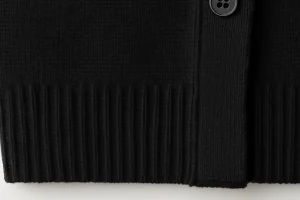
rib detail of black knit cardigan
cuff of classic cable knit hoodies
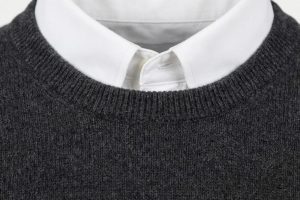
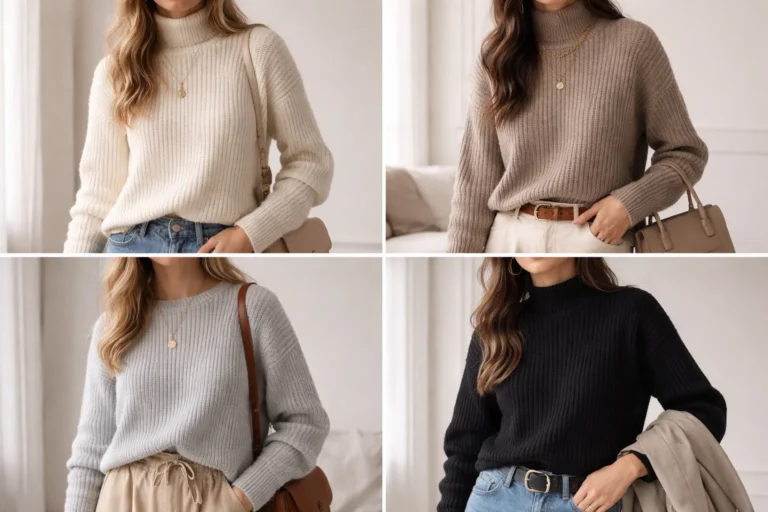
tee t shirt Layering for Crew Neck Sweaters
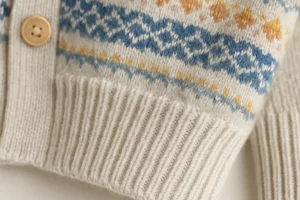
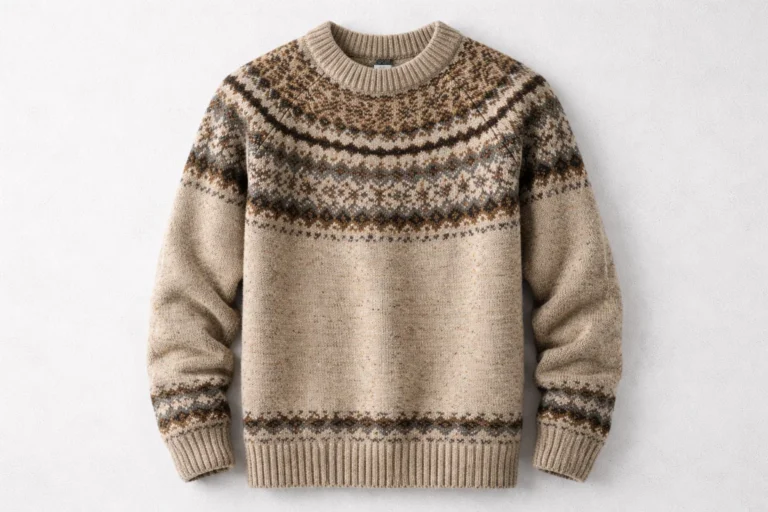
cuff hem button detail of light color Fair Isle Cardigan

What Is Custom Knitwear Manufacturing?

Custom knitwear manufacturing refers to the process in which a specialized factory transforms a brand’s design concept, sketch, or tech pack into fully finished knitted garments—such as sweaters, cardigans, dresses, tops, and accessories—through OEM or ODM production models.
OEM vs ODM – Key Differences

OEM (Original Equipment Manufacturer)

  • Brand provides full tech pack / measurements / artwork / pictures

  • Factory follows exact specifications

  • Suitable for brands with strong design capabilities

  • Ensures consistency with brand identity

ODM (Original Design Manufacturer)

  • Factory provides original designs or seasonal collections

  • Brand can modify details, colors, yarns

  • Suitable for smaller brands, startups, and buyers who need quick-to-market styles

  • Lower development burden

Summary:
OEM = brand-controlled design
ODM = factory-supported design

Which Brands Are Best Suited for OEM/ODM?

  • DTC brands → Require fast sampling, flexible MOQ, and consistent fit

  • Boutiques & independent designers → Benefit from ODM ideas and low MOQ

  • Department stores & retailers → Need scalable capacity, strong QC

  • Fast fashion brands → Require large daily output, wide yarn sourcing, rapid lead times

Why Global Brands Outsource Knitwear Production

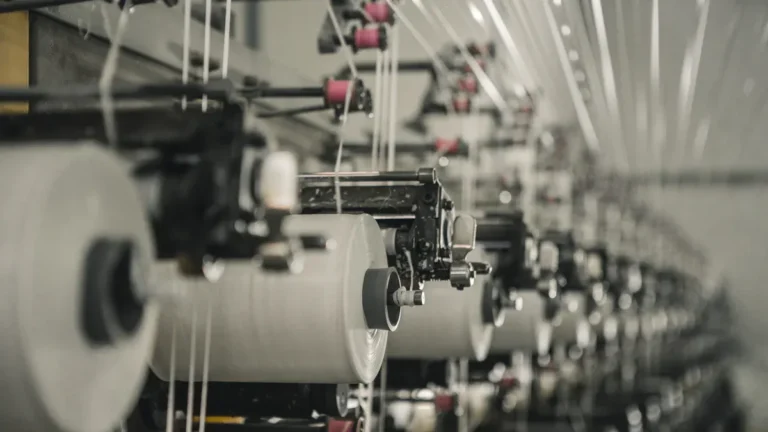
  • Access to advanced computerized knitting machines (1.5GG–16GG)

  • Significantly lower production cost compared to in-house manufacturing

  • Factories handle sourcing, knitting, linking, washing, QC, packing under one system

  • Our factory offer yarn inventory, reducing lead times

  • Professional QC teams minimize risk and ensure consistency

Full Knitwear OEM Workflow (From Development to Bulk Production)

Knitwear development follows a structured, technical sequence. Each step affects tension, gauge, sizing stability, and final garment performance.

Step 1 — Tech Pack / Sketch / Inspiration

Brands may submit:

  • Full tech pack

  • Photo reference

  • Physical sample to replicate

  • Seasonal moodboard or color stories

The factory confirms:

  • Measurements ( back neck to bottom length, chest width, sleeve length)

  • Stitch type

  • Yarn composition 

  • Finishing requirements

  • Labeling, packing & trims

Step 2 — Yarn Selection (Merino / Cashmere / Cotton / Blends)

Yarn determines:

  • Handfeel

  • Weight

  • Gauge compatibility

  • Price

  • Pilling performance

Common choices:

  • Merino Wool, Mohair , Alpaca (soft, warm, premium)

  • Cashmere (luxury handfeel, lightweight warmth)

  • Cotton & Organic Cotton (breathable, all-season)

  • Acrylic / Blends (cost-effective, stable)

  • Recycled Yarns (GRS) (eco-friendly, traceable)

Step 3 — Stitch & Gauge Selection (3GG–18GG)

Gauge affects density, weight, and aesthetic.

  • 1.5-3GG: chunky, winter sweaters (boyfriend, oversized styles)

  • 5GG–7GG: mid-weight knitwear

  • 9GG–12GG: classic pullovers

  • 14GG–16GG: fine-gauge premium sweaters

Stitch options:
Cable, jacquard, intarsia, rib, waffle, pointelle, links-links, Milano, etc.

Step 4 — Sampling & Fit Approval

Sampling timeline: 3–5 days for our factory
Fit review includes:

  • Balance of front/back panels

  • Armhole shaping

  • Neck opening

  • Sleeve pitch

  • Shrinkage after washing

  • Ironing

A corrected second sample may be produced before bulk.

Step 5 — Bulk Production (Knitting / Linking / QA)

Bulk stages include:

  1. Knitting – computerized machines execute programmed patterns

  2. Paneling – body, sleeves, collar panels produced separately

  3. Linking – hand-linking or auto-linking for clean seams

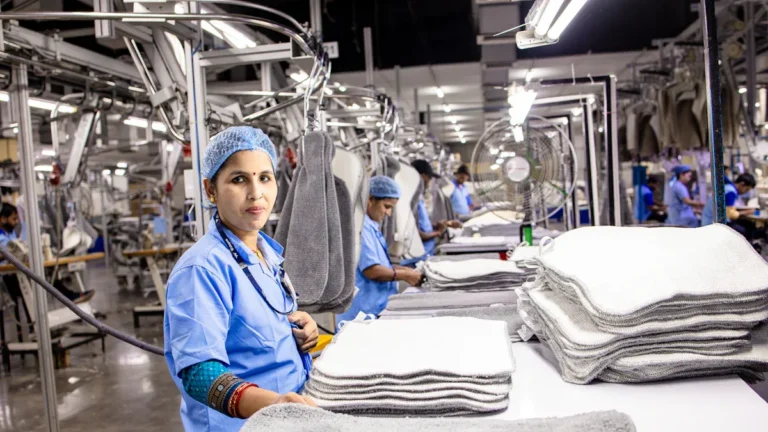
  4. Washing – softening, steam blocking, pre-shrink

  5. Finishing – trims, labels, button attachment

  6. In-line QC – tension, density, measurement checks

Step 6 — Final QC + Packing

Final QC ensures:

  • Correct measurements

  • Consistent tension

  • No loose threads

  • Pilling test results

  • Color fastness

  • Clean finishing

Packing includes polybags, brand labels, carton marks.

Step 7 — Export & Shipping (DDP/FOB/EXW)

Common methods:

  • FOB China port

  • DDP to USA/EU warehouses

  • CIF ocean shipment

  • Air freight for urgent orders

Key Factors Brands Consider When Choosing a Factory

Production Capacity (Machines + Technicians)

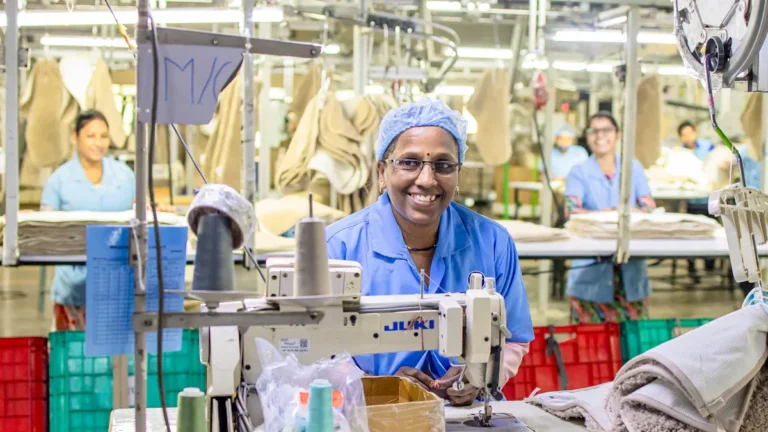
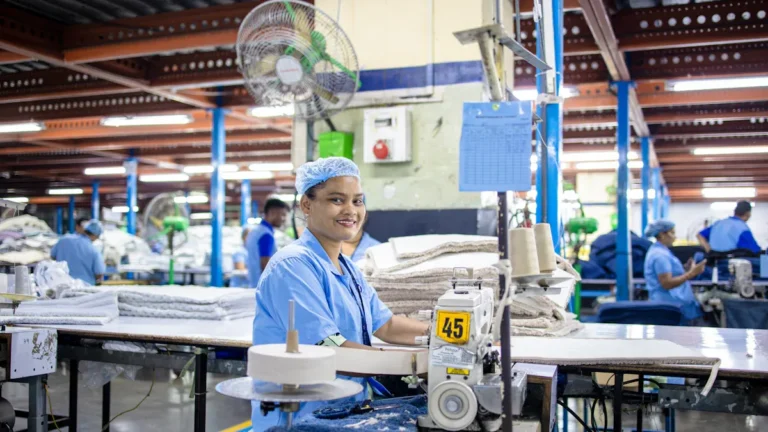
  • Large factories: 100–200+ machines  (we have 100+)

  • Skilled linking workers ensure clean seams

  • Digital pattern programmers for complex jacquards

Speed of Sampling (3–5 Days)

Faster sampling = faster pre-sales = faster season launch.

MOQ Flexibility

  • Low-MOQ factories support startup brands (Our moq starts from 50 units)

  • High-capacity factories handle 10,000+ pcs per style

Yarn Inventory & In-Stock Colors

Available yarn = reduced lead time.
Important for DTC and fast-fashion brands.

Stitch Capability (Jacquard, Intarsia, Cable, Pointelle)

More stitch capability = wider design freedom.

Yarn Options for Custom Knitwear

Wool / Merino Wool

Warm, breathable, high elasticity, luxury performance.

Cashmere

Softest handfeel, premium pricing, excellent insulation.

Cotton / Organic Cotton

Hypoallergenic, breathable, ideal for spring/summer.

Acrylic / Blends

Budget-friendly, stable, easy-care.

Recycled Fibers (GRS Certified)

High demand for sustainability compliance.

Bamboo, Modal, Tencel

Eco-friendly alternatives with smooth, silky handfeel.

Common Custom Knitwear Types

Sweaters

Crewneck, V-neck, mock neck, turtleneck.

Cardigans

Long-line cardigans, cropped styles, heavy-gauge winter options.

Hoodies

Cable knit, waffle knit, double-knit, textured knit, oversized essentials-style, zip-up knitted

Knitwear Dresses & Tops

Rib dresses, polo knits, tank tops, fitted tees.

Accessories

Beanies, scarves, gloves, neck warmers.

Customization Options

Gauge (1.5GG–16GG)

Directly affects weight and texture.

Stitch Types

Cable, waffle, rib, pointelle, jacquard, intarsia.

Silhouette & Fit

Oversized, relaxed, boxy, slim-fit, bodycon.

Trims

Buttons, metal zippers, embroidery, leather patches, woven labels.

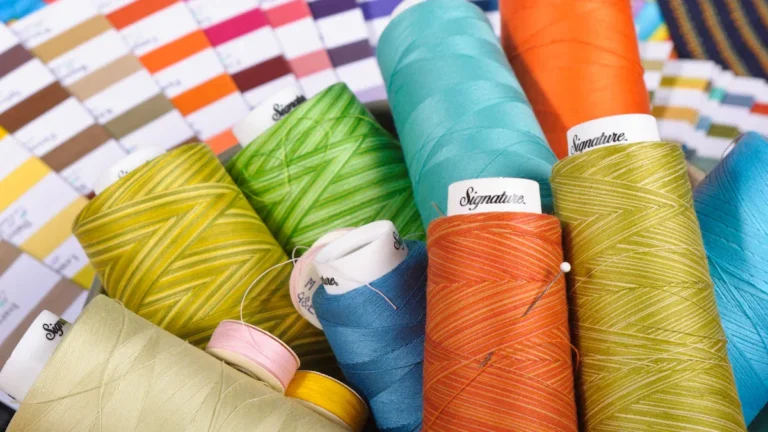
Color Options (color cards of yarns)

Pick up color from our yarn color card for your best design.

Knitwear Quality Control Checklist

Shrinkage Control

Pre-washing and steam blocking reduce post-wash variance.

Pilling Grade

Tested using Martindale abrasion standards.

Tension Consistency

Ensures uniform texture across panels.

Measurement Tolerance

Typically ±1–2 cm depending on fit.

Color Fastness

Sweat, rubbing, and washing tests ensure durability.

Cost Structure of Custom Knitwear

Yarn Cost

Main cost driver—cashmere > merino > cotton > acrylic.

Craftsmanship Cost (Gauge & Complexity)

  • Finer gauge = more stitches = higher price

  • Cable or jacquard = higher workmanship cost

Pattern & Sample Fee

Covers programming, linking, and fit adjustments.

Packaging, Tags, Branding

Custom labels, wash-care tags, woven patches, polybags.

How to Work With a Knitwear Factory

How to Submit a Tech Pack

Include:

  • Full measurements

  • Stitch details

  • Yarn composition

  • Color references

  • Label position

  • Branding elements

  • Packaging instructions

Sampling Timeline

3–5 working days for first proto.

Common Mistakes

  • Incomplete tech packs

  • Missing measurements

  • Unclear gauge or stitch requirements

  • Unrealistic timelines

How to Reduce Revisions

  • Approve yarn before sampling

  • Confirm gauge early

  • Provide reference sample if possible

  • Approve fit on mannequin or model

Case Studies (2025)

Zara Sample Recreation

Recreating a jacquard cardigan with precise tension, colorwork, and measurements.

Low-MOQ Startup Brand (Norway Influencer Brands)

ODM-driven development to launch a full 20-piece (S – M –  L size) knitwear collection under low MOQ.

Jacquard Holiday Sweater Project (EU Xmas Ugly Sweaters)

5000+ pcs delivered in 3 weeks using computerized jacquard knitting.

FAQs

What Is Your MOQ?

MOQ varies by yarn, but typically 50–100 pcs per color for most styles.

Do You Charge Sampling Fees?

Yes, sample fees cover yarn, programming, shipping and labor. For common design, total cost will be 80~100(include air shipping cost).

What Are the Shipping Options?

FOB, DDP, CIF, and air freight available.

Scroll to Top

TOP
China
Knitwear
Supplier

Custom Hoodie ,Cardigan , Sweater ,Dresses ,Tops ,Beanies

Custom Your Own Design With Us

  • Low MOQ ( startup 50 Units)
  • OEKO-TEX / GOTS Certification
  • Customization : labels, hangtags,packing
  • Lead Time :3~5 Days Sampling, 15 Days Bulk Prodution