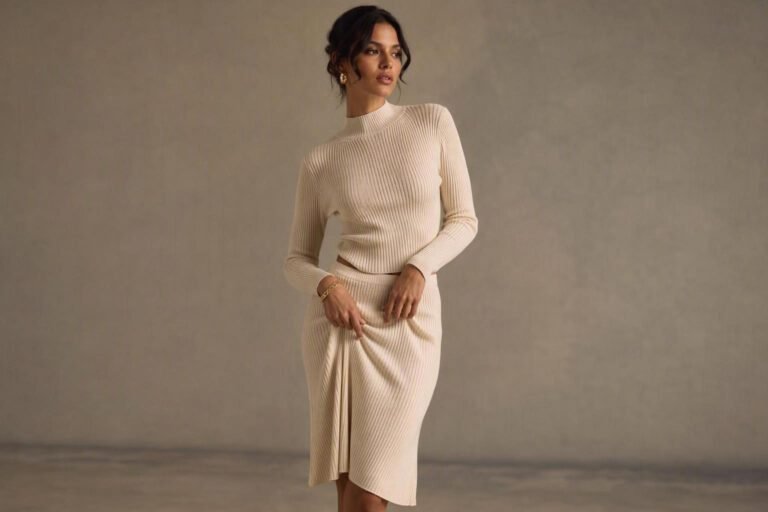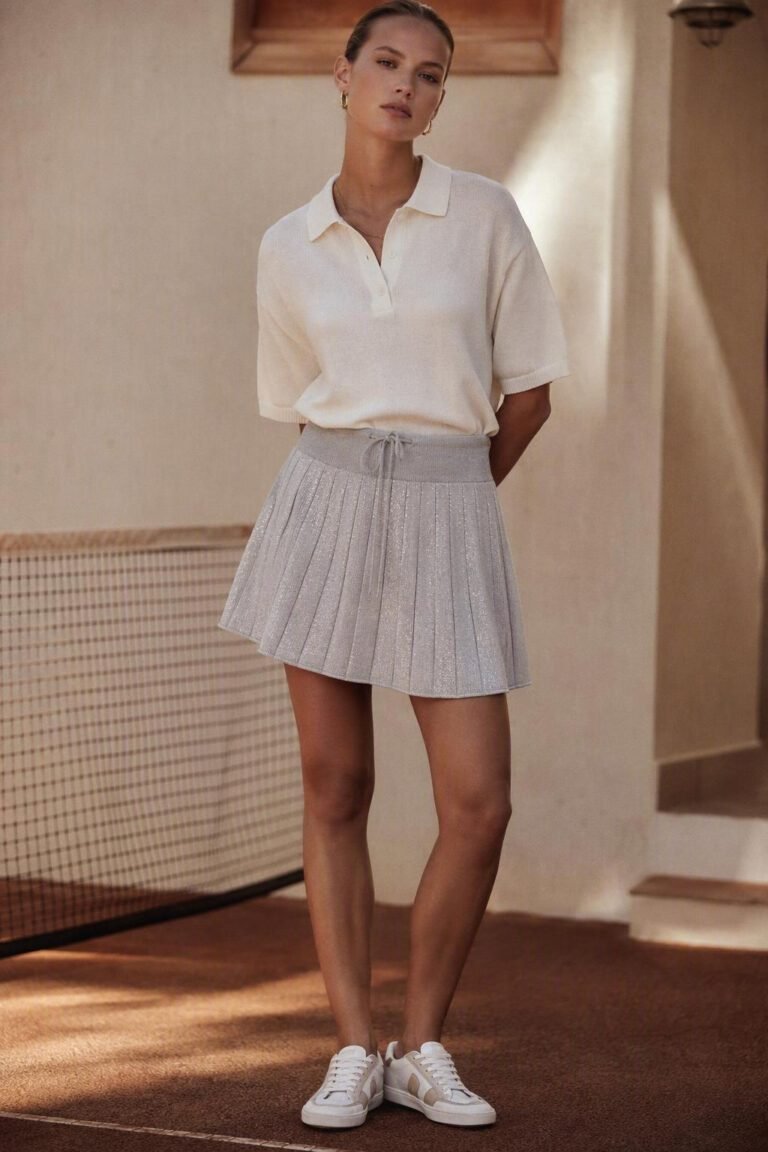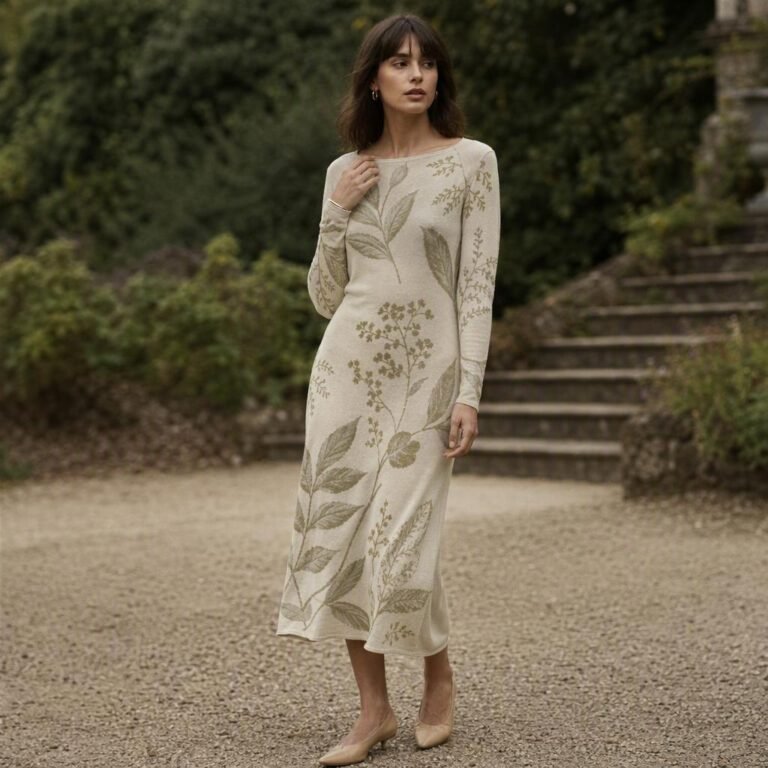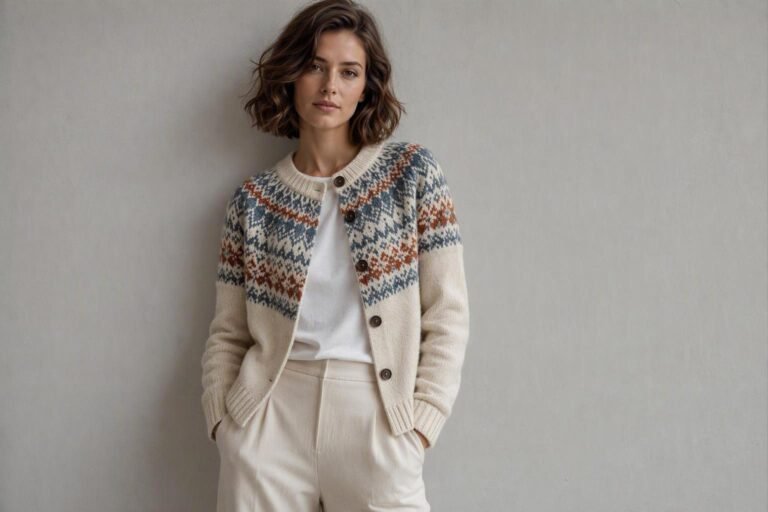

Imagine you want your brand to be special with unique knitwear. You look for a knitwear manufacturing factory that takes small batch orders. Clear communication is important. You need to know the minimum order quantities. Building trust with manufacturers helps you do well. You also face problems like higher material costs. Trends change quickly. There are not enough workers sometimes. Small batch production gives you more flexibility and better quality. But you must be ready for sudden changes in the market.
Key Takeaways
Small batch production lets brands make fewer pieces. This helps them test new designs. It is also easier to follow trends.
Good communication with manufacturers is very important. Always share your ideas and what you expect.
Small batch production helps with quality control. It lets you pay more attention to details. There are fewer mistakes.
Knowing about costs like fabric and labor is helpful. It helps you plan your budget for small batch orders.
A tech pack helps show your designs to the factory. This lowers the chance of mistakes.
Strong relationships with manufacturers are important. They help you get better products. They also help solve problems faster.
Plan your production timeline with care. This helps you avoid delays. It also makes sure your knitwear arrives on time.
Think about using sustainable materials and practices. This can attract eco-conscious customers. It also makes your brand story better.
What Is Small Batch Production?
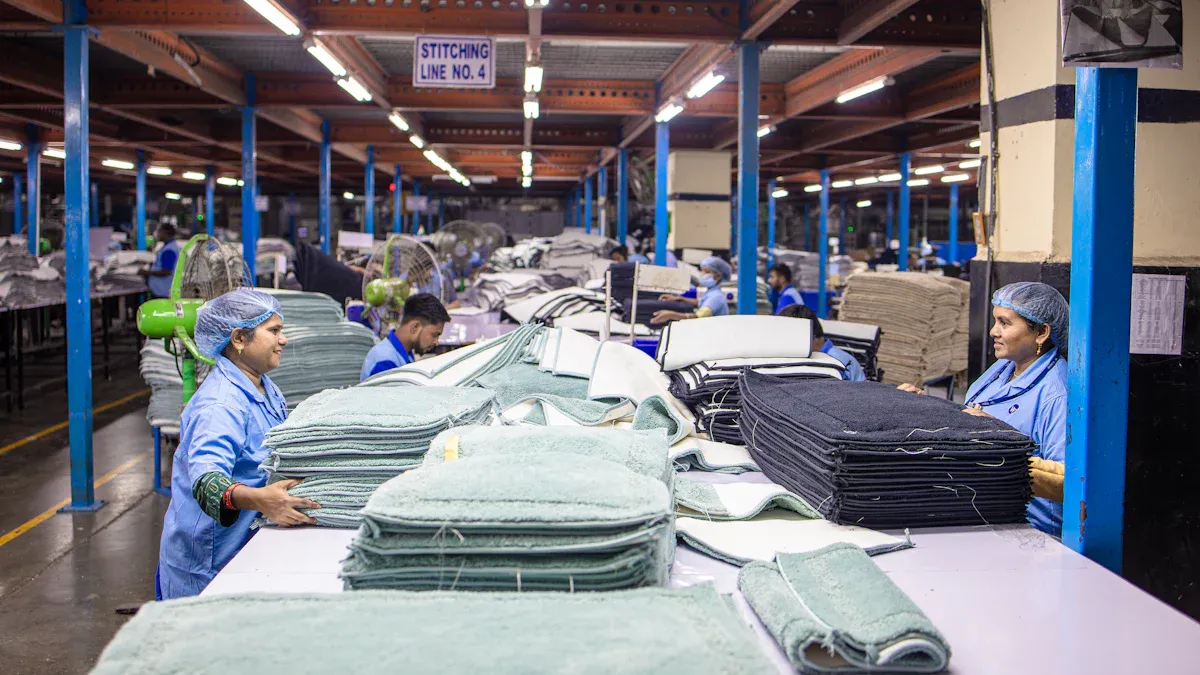
You might wonder what small batch production means in the knitwear world. It’s a way for brands to make fewer pieces at a time. You don’t have to order thousands of sweaters. Instead, you can start with just 10 or maybe a few hundred per style. This approach works well if you’re an emerging designer or you run a niche brand. You get to test new ideas and respond quickly when trends change.
Small Batch vs. Mass Production
Let’s look at how small batch production compares to mass production. You’ll notice some big differences in cost, speed, and flexibility.
Aspect | Small Batch Production | Mass Production |
|---|---|---|
Cost | Lower initial investment, higher unit costs | Lower per-unit costs due to economies of scale |
Lead Time | Faster turnaround times | Longer lead times for large orders |
Flexibility | Greater flexibility and customization options | Limited flexibility, focused on uniformity |
If you choose small batch production, you spend less upfront. You can change your designs more easily. You get your products faster. Mass production works best if you want lots of items at once and lower costs per piece. You lose some flexibility, but you gain consistency.
Here’s a quick list to help you see the main differences:
Small batch production gives you lower upfront costs, more flexibility, and faster turnaround times.
Mass production offers lower per-unit costs, quick order fulfillment, and steady quality.
Benefits for Fashion Brands
Flexibility
You get to adapt quickly when you use small batch production. If a style isn’t working, you can switch things up. You don’t have to wait months to see results. This flexibility helps you stay ahead of trends and keep your customers interested.
Quality Control
You can pay close attention to every piece. You spot mistakes early and fix them before they reach your customers. Gen Z shoppers care about quality almost as much as price. They want detailed product information, too. When you produce in small batches, you can meet these expectations.
Brand Storytelling
Small batch production lets you tell a unique story. You can share how your products are made and why they’re special. Customers love hearing about your process. They feel connected to your brand. You build loyalty by showing the care and effort behind each item.
Tip: If you want your brand to stand out, focus on quality and storytelling. Small batch production makes this possible.
Getting Ready to Work with a Knitwear Manufacturing Factory
Planning Your Budget
What Affects Cost
When you work with a knitwear manufacturing factory, you need to know what makes your costs go up or down. Here’s a table that shows the main things that affect small batch production costs:
Cost Factor | Description |
|---|---|
Fabric Consumption | Most of your money goes to fabric. The yarn’s type and weight matter a lot. |
Weaving or Knitting Cost | The machines used for knitting can change the price. Bigger machines often mean lower costs. |
Dyeing Cost | Lighter colors usually cost less to dye than dark or fancy shades. |
Cost of Trims and Accessories | Zippers, buttons, and labels add extra costs. The size and material make a difference. |
Value Added Services | Special touches like embroidery or printing can raise your costs, especially with unique finishes. |
You should remember these things when you make your budget. Every step, from picking yarn to adding labels, changes your final price.
Keeping Track of Spending
Watching your spending helps you avoid problems. Here are some ways to keep your budget safe:
Know your main costs, like fabric, trims, and labor. Don’t forget about extra costs, like rent or electricity.
Write down every cost. Use costing methods that fit your way of making clothes, like Make to Order or Cut and Sew.
Try to save money on labor. Time and motion studies can help you work better.
Plan for each step, from design to shipping. This helps you find places to save money.
Tip: If you work with small batch clothing manufacturers, you can watch your spending more closely. You see where your money goes at every step.
Here’s a simple list to help you plan your budget for small batch manufacturers:
Learn about your design and idea. Know your market and what your customers want.
Pick the right materials. Make sure they are good quality and fit your brand.
Ask for samples before you start making everything.
Choose how many pieces, sizes, and what quality you want.
Set up checks for quality during production.
Add labels and packaging that match your brand.
Pick shipping partners and keep track of your stock.
Launch your product and ask customers what they think.
Finishing Your Design
Tech Packs
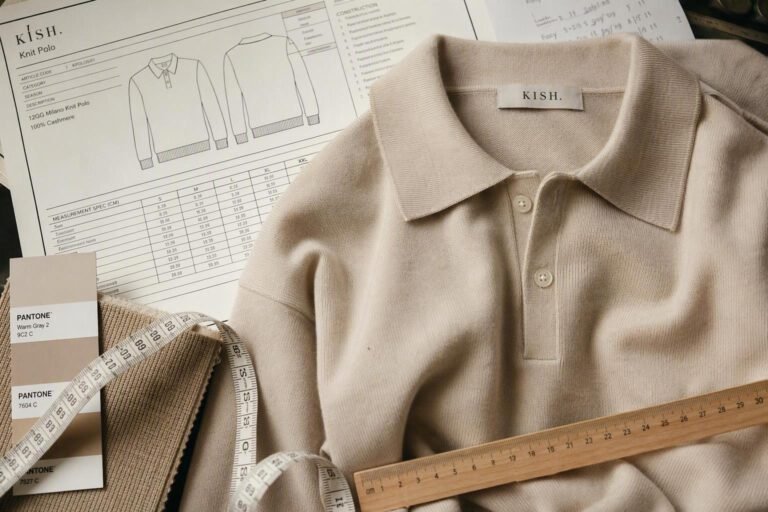
A tech pack is like a plan for making your clothes. It tells the knitwear manufacturing factory what you want. Here’s what you should put in your tech pack:
Style code, season, and type of clothing
Who you want to sell to and sample size
Contact info for you or your team
Drawings that show the front, back, and details
Bill of Materials (BOM) with all fabrics, trims, and labels
Size measurements for every size
Graded size chart for different fits
How to make it, like seam types and stitch density
Color choices and where artwork goes
Label and packaging instructions
You can also add pictures with notes, product details, and design ideas. The more you share, the easier it is for the factory to make what you want.
Making Samples
Before you make everything, you need samples. This step helps you check the fit, quality, and style. Making samples usually takes 2 to 6 weeks. The time depends on your design, the yarn you pick, and how many changes you make.
Here’s how the sample process goes:
Step | Description |
|---|---|
Quality Control | Check the quality before and during sample making. Find problems early. |
Preparing for Manufacturing | Make sure your pattern and materials are ready before production starts. |
Fitting and Adjustments | Make test pieces, check the fit, and change things if needed. |
Final Sample Approval | Say yes to the best sample before making everything. |
Note: Good clothes start with good samples. Take your time to get them right.
Finding Materials
Choosing Sustainable Materials
If you want to be more eco-friendly, pick natural fibers. Alpaca and merino wool are good for small batch production. These materials are soft, strong, and better for the planet.
Natural fibers like alpaca and merino wool
Recycled yarns
Eco-friendly dyes
You can ask your factory about their material choices. Many small batch manufacturers have eco-friendly options.
How Long Materials Take
How long it takes to get materials is important when you plan your launch. Some materials take longer to arrive, especially if you want rare or special yarns. Always ask your knitwear manufacturing factory how long each material will take.
Tip: Plan early. Order your materials soon to avoid waiting. This helps you finish on time and give your customers great clothes.
Production Timeline
You want your knitwear to arrive on time. A clear production timeline helps you stay on track and avoid surprises. When you work with a small batch knitwear factory, you can often move faster than with big factories. Still, you need to plan each step.
Most custom knitwear orders take about 2 to 4 weeks from start to finish. This is much quicker than the 4 to 8 weeks you might see with larger runs. Here’s how the process usually breaks down:
Production (Knitting, Linking, Finishing): 7–14 days
The factory knits your pieces, links the parts together, and finishes each item. If your design is simple, you might get your order closer to 7 days. More complex styles or special yarns can take longer.Shipping (Economy): 7–14 days
If you choose standard shipping, your knitwear will take about one to two weeks to arrive. This option costs less but takes more time.Shipping (Express): 3–5 days
Express shipping gets your products to you much faster. It costs more, but it’s a good choice if you need your items quickly.
Tip: Always ask your factory for their current lead times. Busy seasons or holidays can slow things down.
You should plan ahead for your knitwear drops. If you want to launch a new collection, start talking to your factory early. Give yourself extra time for sample approval, changes, and any delays. Here’s a simple way to map out your timeline:
Finalize your designs and tech packs.
Order and approve samples.
Confirm your production slot with the factory.
Track the progress during knitting and finishing.
Arrange shipping and prepare for delivery.
If you keep each step in mind, you can avoid last-minute stress. Good planning helps you launch on time and keep your customers happy.
Note: A realistic timeline gives you room to fix problems. Rushing can lead to mistakes or missed deadlines.
Key Terms and Requirements in Knitwear Manufacturing
When you work with a knitwear manufacturing factory, you will hear new words. Learning these words helps you talk to the factory. It also helps you avoid mistakes.
Essential Terminology
Gauge, Yarn, Stitch Types
You will hear “gauge” often. Gauge is how many stitches and rows fit in one inch. If you want a thin sweater, pick a higher gauge. For chunky knits, pick a lower gauge. Yarn can be cotton, wool, or recycled blends. Stitch types are rib, cable, and jersey. Each stitch makes your knitwear look and feel different.
Here is a table with some knitwear terms you will use:
Term | Definition |
|---|---|
Knit fabrics are laid out and cut like woven fabric, not full-fashioned. | |
CAD | Computer Aided Design: used to design and develop products. |
FLAT SKETCHES | Technical sketch of a product laying flat—shows stitching and seaming details. |
FULL-FASHIONED | Knit garments shaped on a flat knitting machine. |
GRADING | Changing the size of a product for different fits. |
KNIT | Fabric made by interlocking loops of yarn. |
MARKER | Diagram showing the best way to place pattern pieces to save fabric. |
Row of loops connected sideways in knitting. | |
FINISHING | Steps like washing or milling to make the garment feel better. |
GAUGE | Number of stitches and rows per inch; higher gauge means thinner fabric. |
Tip: If you do not know a term, ask your factory. Clear words help you get what you want.
Minimum Order Quantities (MOQs)
Factories have a minimum order quantity, called MOQ. This is the smallest number of pieces you can buy. Small batch factories usually have lower MOQs. This helps you try new ideas. Always check the MOQ before you order. If you need fewer pieces, ask if the factory can help.
Compliance Standards
Ethical Manufacturing
You want your knitwear to follow high standards. Factories must follow rules for safety, labels, and chemicals. In the U.S., they follow laws like CPSIA for kids’ clothes and TSCA for chemical safety. Labels must show where your product is made. Many factories have certifications like GOTS, OEKO-TEX, or WRAP. These show they care about workers and the environment. Picking a factory with these certifications helps you sell ethical fashion.
Compliance Area | Requirements |
|---|---|
Federal Laws | Factories must follow CPSIA for safety, especially for kids’ clothes. |
FTC & Customs | Labels must be correct and show the country of origin. |
EPA & Chemical Safety | Factories must limit hazardous substances in textiles. |
State Laws | Factories must follow recycling and supply chain transparency rules. |
Certifications | GOTS, OEKO-TEX, and WRAP show ethical and sustainable practices. |
Quality Assurance
Factories check quality in many ways. They look at yarn color and strength. Before making everything, they make samples to check fit and design. They also test samples in every size to make sure each one fits.
Yarn check for color and strength
Pre-production sample check
Size set check for all sizes
Note: Good quality checks mean fewer problems and happy customers.
Selecting the Right Knitwear Manufacturing Factory
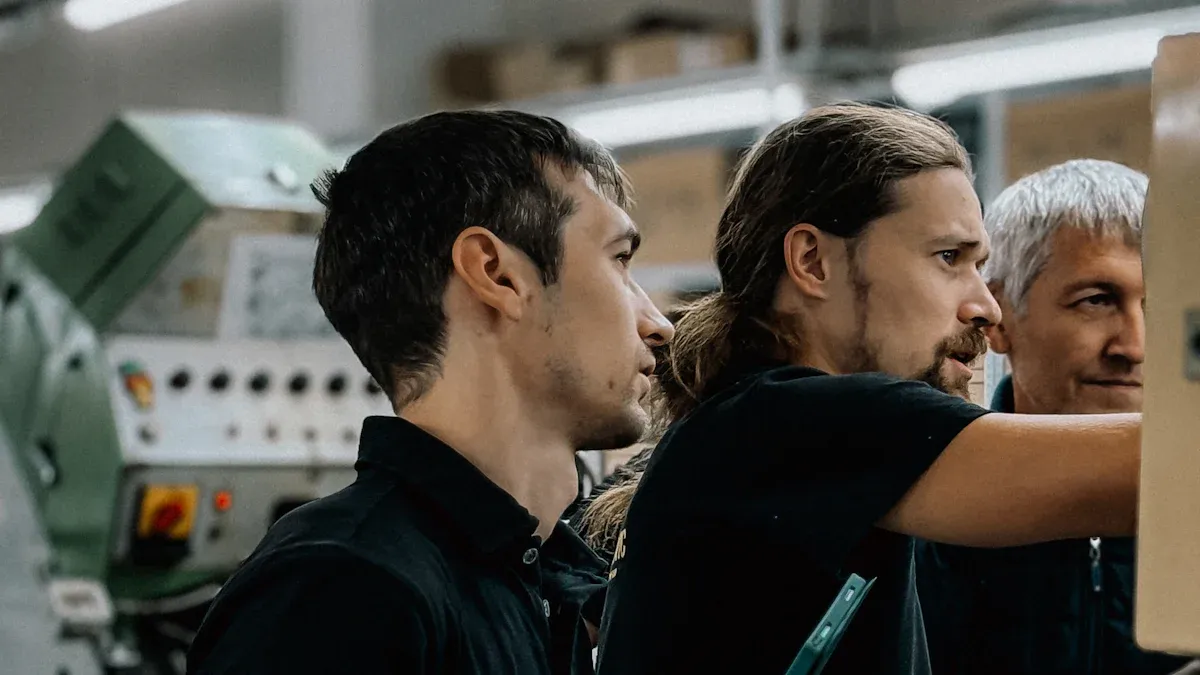
Research and Reviews
You want a factory that matches your brand. Start by searching online for options. Ask other designers for their suggestions. Look for suppliers with a good history. Read reviews on trusted websites. Check social media for feedback from brands. You can learn a lot from their stories.
When you compare factories, think about these things:
Technical capabilities: Can the factory make your product? Do they have modern machines?
Quality control systems: Look for things like shrinkage and color ratings.
Compliance and sustainability credentials: Check for certificates that show ethical work.
Multi-stage verification: Check the factory with tests and audits.
Good suppliers share their certificates and quality rules. If a factory has many good reviews and clear certificates, it is a good sign.
Tip: Take your time to research and compare factories. The right choice now saves you problems later.
Requesting Samples
You need to see samples before you choose a factory. Samples show the factory’s skill and care. Ask for samples of your design or something close. This helps you see if the factory can make what you want.
Quality Evaluation
When you get samples, check every part. Look at size, how it is made, materials, and trims. Make sure the sample matches your tech pack. If you find problems, write down your notes during the fitting.
Write down all notes during the fitting, including changes and requests for each part of the garment.
After the fitting, update your tech pack with all changes. This keeps your design process clear and organized.
Here is an easy way to check samples:
Design phase: Go from first idea to pattern making.
Evaluation phase: Check fit, guess costs, and pick order amounts.
Quality control phase: Check samples after approval to make sure they are good.
Consistency
You want every piece to look and feel the same. Good suppliers can repeat your design without mistakes. Ask for more than one sample if you can. Compare them for color, stitching, and fit. If you see big differences, talk to the factory about how they work.
Use this checklist when you look at samples:
Construction details
Materials
Trims
Note: Consistent quality means fewer returns and happier customers.
Pricing and Payment Terms
You need to know how factories set prices. Most factories have a Minimum Order Quantity (MOQ). This is the smallest number you can order per style. Higher MOQs can lower your cost per item, but may not work for small batch orders. Lower MOQs usually mean you pay more for each piece.
Here is what to expect for payment:
Initial deposit: Pay about 30% of the FOB value before production.
Final payment: Pay the last 70% after your order passes checks.
Hidden Costs
Watch out for hidden costs that can surprise you. These can be reworks, yarn problems, slow delivery, packing, and shipping issues. Ask your factory for a full list of costs before you agree.
Reworks
Yarn mismanagement
Delivery inefficiencies
Packing materials
Logistics issues
Tip: Always ask for a detailed quote. This helps you avoid surprise costs.
Negotiation
You can talk to factories to get better deals. Ask if they can lower the MOQ or give discounts for repeat orders. Good suppliers may be flexible if you build trust. Be clear about your needs and budget. If you are honest and polite, you are more likely to get a good deal.
Note: Good negotiation starts with clear talk. Know what you want and ask questions.
Factory Visits
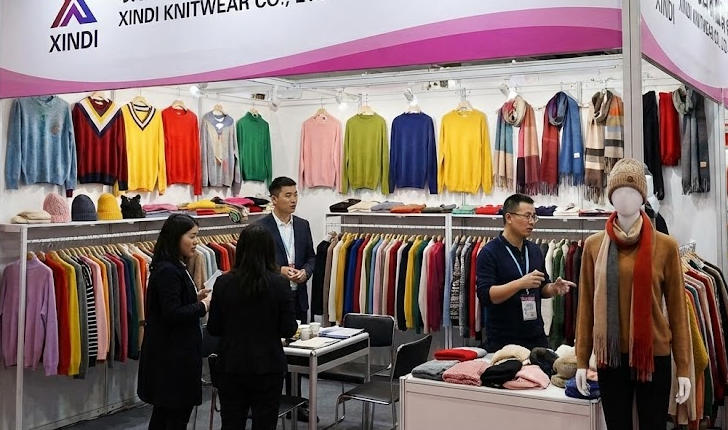
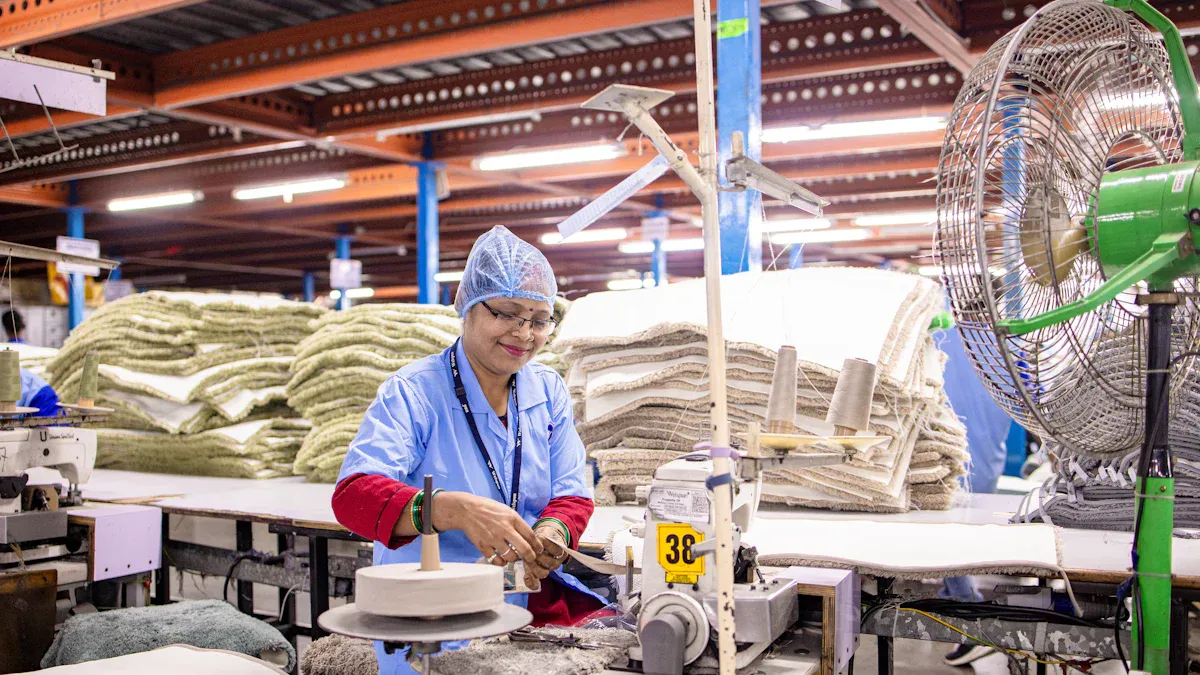
Visiting a knitwear factory gives you a real look at how your products get made. You see the machines, meet the team, and check the working conditions. You learn more than you ever could from photos or emails. If you want to build trust and make smart decisions, a factory visit is a must.
Why Should You Visit the Factory?
You see the production process up close.
You check the quality of materials and equipment.
You meet the people who will make your knitwear.
You spot any problems before production starts.
You build a stronger relationship with the factory team.
Tip: If you can, visit the factory before you place your first order. You get a better sense of what to expect.
What Should You Look For During Your Visit?
Here’s a checklist to help you focus on the important things:
Cleanliness and Organization
Look for tidy workspaces. Clean factories often make better products.Machinery and Technology
Check if the machines look modern and well-maintained. Ask about the types of knitting machines they use.Sample Room
Visit the sample room. You see how they handle new designs and changes.Quality Control Area
Find out how they check for mistakes. Ask to see their quality control process.Worker Conditions
Notice how the staff work. Are they safe and comfortable? Happy workers usually make better clothes.Material Storage
Look at where they keep yarns and trims. Good storage keeps materials fresh and clean.Packing and Shipping
Ask how they pack finished products. Check if they use strong boxes and eco-friendly materials.
Questions to Ask During Your Visit
Topic | Sample Questions |
|---|---|
Production Process | How do you handle small batch orders? |
Lead Times | What is your usual turnaround time for samples? |
Quality Control | How do you check for defects or mistakes? |
Sustainability | Do you use eco-friendly yarns or dyes? |
Worker Safety | What steps do you take to keep workers safe? |
Communication | Who will be my main contact during production? |
Note: Write down answers and take photos if the factory allows it. You can use this info when you compare factories later.
How to Prepare for Your Visit
Schedule your visit ahead of time. Let the factory know what you want to see.
Bring your tech packs and sample ideas. Show them your designs.
Make a list of questions. You don’t want to forget anything important.
Wear comfortable clothes. You might walk a lot or visit warm areas.
What Happens After the Visit?
You should review your notes and photos. Think about what you liked and what worried you. Share feedback with your team. If you feel good about the factory, you can move forward with your order. If you have doubts, keep looking.
Tip: A factory visit helps you avoid surprises. You get peace of mind and build a better partnership.
You don’t have to visit every factory, but seeing one in person makes a big difference. You learn more, ask better questions, and make smarter choices for your brand.
Building Strong Manufacturer Relationships
Working with a knitwear manufacturing factory is not just about orders. You build a partnership with the factory. Good relationships help you get better products. They also help you solve problems faster. Let’s see how you can make these connections work for you.
Communication Strategies
Good communication is very important. You need to share your ideas and needs clearly. Factories want to understand you too. Here are some ways to keep your conversations strong:
Talk often with your factory team. This helps build trust.
Use email or messaging apps to stay in touch.
Share pictures of your work and reply quickly to feedback.
Good communication is the base of every strong relationship. This is true in business too. In the garment and textile industry, trading partnerships can be tricky. Clear and steady communication is needed. Using digital tools helps everyone see what is happening. It also helps your team work together better.
Language Barriers
Sometimes you and your factory speak different languages. This can make things confusing. Use simple words and short sentences. Pictures and sketches help a lot. You can use translation apps or hire a translator if needed. Always ask questions if you do not understand something.
Feedback Loops
Feedback helps you make your products better. Ask for updates at every step. Give clear feedback on samples and production. Listen to what the factory says about your designs. Keeping the feedback loop open helps you catch mistakes early. You can make changes fast.
Setting Expectations
You want your factory to know what you expect. Setting clear rules helps everyone stay on track. Here are some best practices:
Share your vision so the factory knows your goals.
Talk often and be honest with your main contact.
Ask for ideas and tips to make things better.
Write everything down to keep things clear.
If you set expectations early, you avoid surprises later. You also help the factory give you what you want.
Problem-Solving Collaboration
Problems can happen during production. You need to work together to fix them. Here are some ways to solve issues as a team:
Let employees help find problems and suggest fixes. This builds teamwork.
Make groups with people from different departments. You get more ideas and better solutions.
Talk about problems often. Hold meetings to check progress and solve issues.
Production Delays
If your order is late, stay calm. Ask the factory for updates and reasons. Work together to find solutions, like changing shipping or your timeline. Tell your customers so they know what is happening.
Quality Issues
Quality problems can hurt your brand. If you see a problem, talk to the factory right away. Share photos and notes. Ask for fixes and see if they can improve their process. Working together helps you get better results and keeps your customers happy.
Tip: Strong relationships with your factory make solving problems easier. You get better products and build trust for future projects.
Managing Small Batch Production Challenges
Handling MOQs
Minimum order quantities, or MOQs, can feel like a big hurdle in small batch production. You might worry about ordering too much and tying up your money in products you cannot sell. Here are some common challenges you might face with MOQs:
You risk having extra inventory that does not sell.
It gets harder to test new designs or change your collection quickly.
Extra stock can lead to more storage costs.
Cash flow can get tight if you invest too much in inventory.
Strategies for Small Brands
You do not have to let MOQs stop you. Try these strategies to make things easier:
Negotiate with manufacturers to lower the MOQ. Many small batch manufacturers want to work with growing brands.
Team up with other brands for group orders. This helps you meet the minimum without taking on all the risk.
Look for smaller manufacturers who already offer low MOQs. They often understand the needs of small batch production.
Negotiating Flexibility
When you talk to manufacturers, be honest about your needs. Ask if they can offer flexible MOQs for your first order. Sometimes, you can agree to a lower MOQ if you promise to reorder soon. Building a good relationship helps you get better terms over time.
Tip: Always ask for a clear breakdown of costs. This helps you see if a lower MOQ is possible.
Inventory Management
Keeping the right amount of stock is key. You want to avoid running out of bestsellers, but you also do not want piles of unsold sweaters. Data analytics can help you make smart choices. By looking at past sales, seasonal trends, and what your customers like, you can plan your inventory better.
Strategy | Description |
|---|---|
Demand Forecasting | Use past sales to predict busy times and plan your stock. |
Just-in-Time Ordering | Order items only when you need them to keep inventory lean. |
Improve Supplier Relationships | Work with reliable suppliers for faster restocks. |
Regular Audits | Check your inventory often to catch mistakes early. |
Safety Stock Levels | Keep a small buffer of popular items for surprise demand. |
Avoiding Stockouts
You do not want to miss sales because you ran out of stock. Watch your sales data and reorder before you run low. Good relationships with your suppliers mean you can restock quickly.
Preventing Overstock
Too much inventory ties up your money and space. Focus on your best-selling styles. Buy less of slow movers. This way, you avoid big markdowns and keep your cash flow healthy.
Note: Align your inventory with real demand. This keeps your business flexible and ready for new trends.
Supply Chain Logistics
Shipping and logistics can get tricky in small batch production. You might face higher costs from customs, tariffs, or shipping delays. Labor costs and complex knitting processes can also raise your expenses.
Shipping
During busy seasons, shipping can slow down. Ports and warehouses get crowded, and your orders might arrive late. Plan ahead and talk to your shipping partners about possible delays. Choose the best shipping option for your timeline and budget.
Inventory Tips
Keep your supply chain simple. Work closely with your vendors and manufacturers. Regular updates help you spot problems early. If you can, keep some safety stock to handle sudden demand or shipping delays.
Negotiate with your manufacturers for better shipping rates.
Explore group shipping with other brands to save money.
Track your shipments so you always know where your products are.
Tip: Strong vendor relationships help you solve problems fast and keep your small batch production running smoothly.
Maximizing Success with Small Batch Production
Long-Term Partnerships
Working with the same knitwear factory for a long time helps your brand grow. You get to know the team well. This makes it easier to talk and work together. Orders get done faster and with fewer mistakes. You and the factory start to trust each other more.
Loyalty
If you keep using one factory, you get many good things. Your costs can go down. Your clothes stay high quality. You help local workers and keep old skills alive. Here are some benefits you get over time:
Better efficiency
Lower costs
More sustainable choices
High-quality clothes
Stronger ties with your factory
Help for local people
Saving artisan skills
A stronger spot in the fashion world
Co-Development
When you and your factory work as a team, you can make new styles together. You both share ideas and try new materials. This teamwork helps your brand stand out. You get advice from experts and help with making your products.
Leveraging Factory Expertise
Your factory knows a lot about making knitwear. They use new machines and smart ways to make clothes. They help you use less waste and be more eco-friendly. This is important for brands today.
Factories let you pick special yarns, colors, and patterns. You can make your brand’s story clear. Your products stay new and interesting. If trends change, your factory can help you change fast.
You can work with your factory on new projects. You get to try new materials and styles before others do. This helps your brand stay ahead.
Innovation
Factories use new tools and smart planning to make better clothes. Your customers get something special that lasts longer and wastes less.
Trend Adaptation
If styles change, your factory can help you update your designs fast. You keep your brand fresh and your customers happy.
Protecting Your Brand
Your ideas and designs are important. You need to keep them safe when working with factories. Watch for copies of your work online. Check websites and social media often. If you see someone using your designs, act quickly.
Intellectual Property
You can keep your brand safe in a few ways:
Trademarks: Protect your brand name and logo.
Copyright: Keep your patterns and artwork safe.
Design Rights: Stop others from copying your styles.
Confidentiality
Set clear rules with your factory to keep your ideas private. Here’s a simple plan:
Non-Disclosure Agreements: Make sure everyone signs to keep your designs secret.
Limited Information Sharing: Only tell the factory what they need to know.
Production Agreements: Write down who owns the designs and what each side must do.
Tip: Keeping your brand safe helps you stay special and makes your customers trust you.
You now have the tools to work with small batch knitwear factories. Focus on clear communication and build trust with your partners. Try these steps:
Refine your designs and tech packs.
Reach out to manufacturers for samples.
Set clear expectations from the start.
Remember, strong relationships and honest feedback help you get the best results. Take action today and watch your brand grow!
FAQ
What is a tech pack, and why do you need one?
A tech pack is a document that shows your design details. You use it to tell the factory exactly what you want. It helps avoid mistakes and keeps everyone on the same page.
How low can the minimum order quantity (MOQ) go?
Some small batch factories let you order as few as 10 pieces per style. You should always ask about their MOQ. If you need fewer, try to negotiate or team up with other brands.
Can you use your own yarn or materials?
Yes, you can supply your own yarn or trims. You need to check with the factory first. They will tell you about any extra costs or rules for using outside materials.
How long does small batch production usually take?
Most small batch orders take 2 to 4 weeks. Sample development can add more time. You should plan ahead and ask your factory for their current lead times.
What happens if you find a quality issue?
You should contact the factory right away. Share photos and notes. Most factories will fix the problem or offer a solution. Good communication helps you solve issues quickly.
Do small batch factories offer sustainable options?
Many do! You can ask about recycled yarns, natural fibers, or eco-friendly dyes. Factories often have certifications like GOTS or OEKO-TEX to show their commitment to sustainability.
Can you visit the factory before placing an order?
Yes, you can schedule a visit. You get to see the machines, meet the team, and check working conditions. A visit helps you build trust and make better decisions.
How do you protect your designs from being copied?
You should use non-disclosure agreements and register your trademarks. Share only what the factory needs to know. Keep an eye on your designs online and act fast if you spot copies.