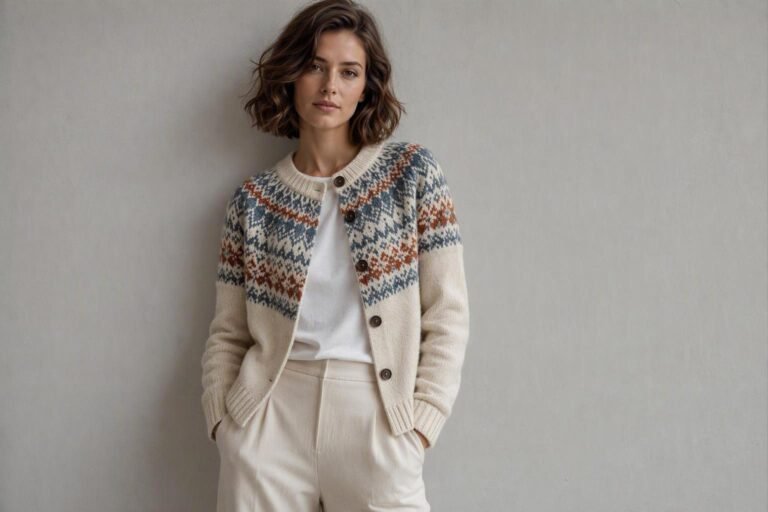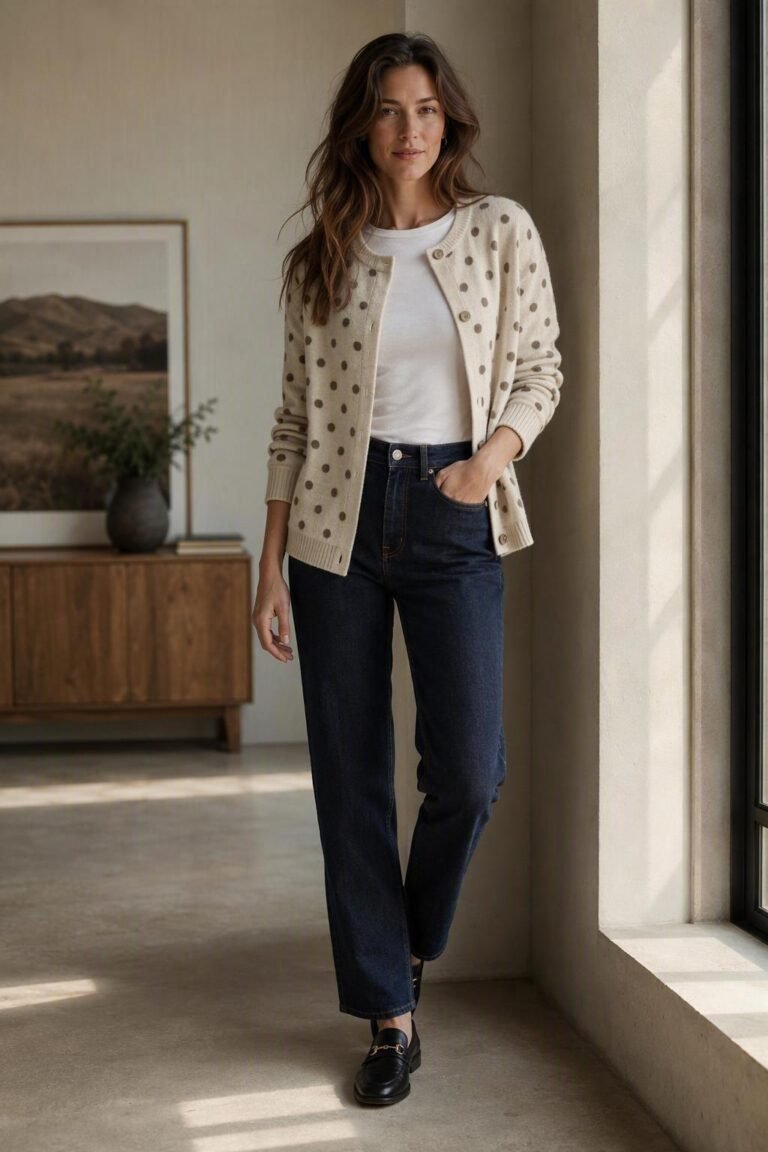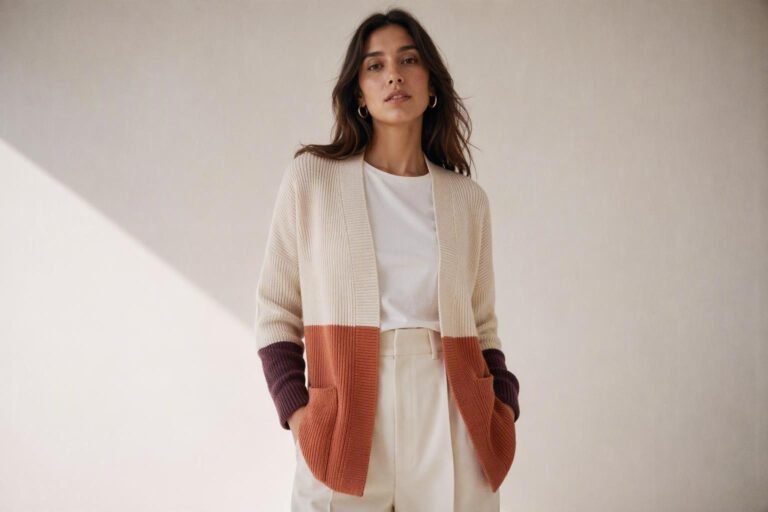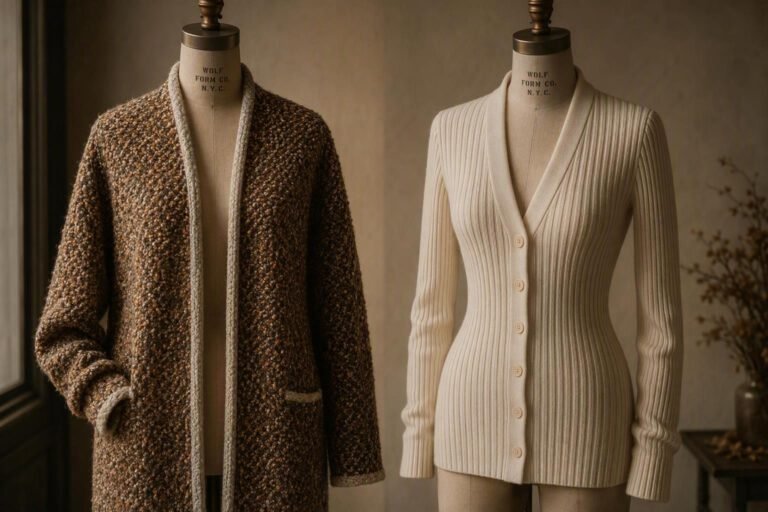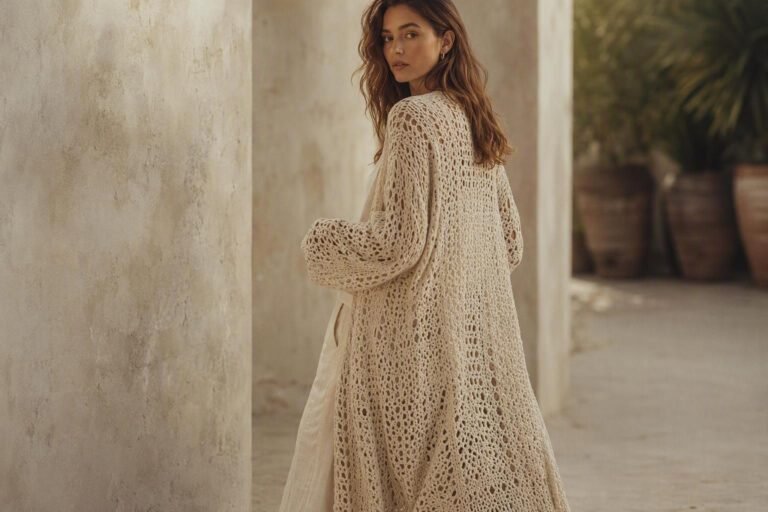


A cardigan does more than keep you warm. Buttoned to the top it reads neat and uniform; left open it adds a clean vertical line; draped over a slip dress it turns into a soft, romantic evening layer. Used deliberately, it becomes the piece that sets the mood for an entire outfit — which is exactly why it is such a powerful foundation for a young knitwear label trying to build a recognizable point of view.
But for an emerging brand, “atmosphere” can’t stay a feeling. It has to become a language of design choices, sustainable materials, and production decisions you can actually control at low order volumes. This guide walks you through both halves: the styling psychology that makes a cardigan feel like a signature, and the spec-and-sourcing path that lets you build and produce that piece without overcommitting your cash flow.
Key Takeaway: A cardigan atmosphere is a repeatable design and styling system, not a one-off trend. When you lock a few silhouette, texture, and color decisions and follow them through styling, the cardigan starts to read as your brand to shoppers.
The moods a cardigan can carry
The fastest way to understand a cardigan’s power is to see how one garment can move between completely different atmospheres — which is why so many cardigan outfit ideas start with the mood you want, not the garment itself. Stylists lean on a few reliable levers to shift the mood, and the same moves apply whether you are dressing a model for a lookbook or advising a customer on your product page.
Cozy comes from a soft, slightly oversized knit worn over a fitted tee or tank. The contrast between a roomy knit and a slim base keeps it layered rather than sloppy.
Polished appears when you button a finer cardigan halfway and tuck the front into tailored trousers or a midi skirt, creating a cleaner silhouette.
Romantic layers a cardigan over a slip dress or satin skirt with pointed flats — knit next to silk reads as evening-ready.
Preppy emerges when the cardigan goes under a blazer or over a button-down, the modern collegiate effect.
Editorial happens when the cardigan is draped over the shoulders or doubled in complementary shades, making the layering itself the statement.
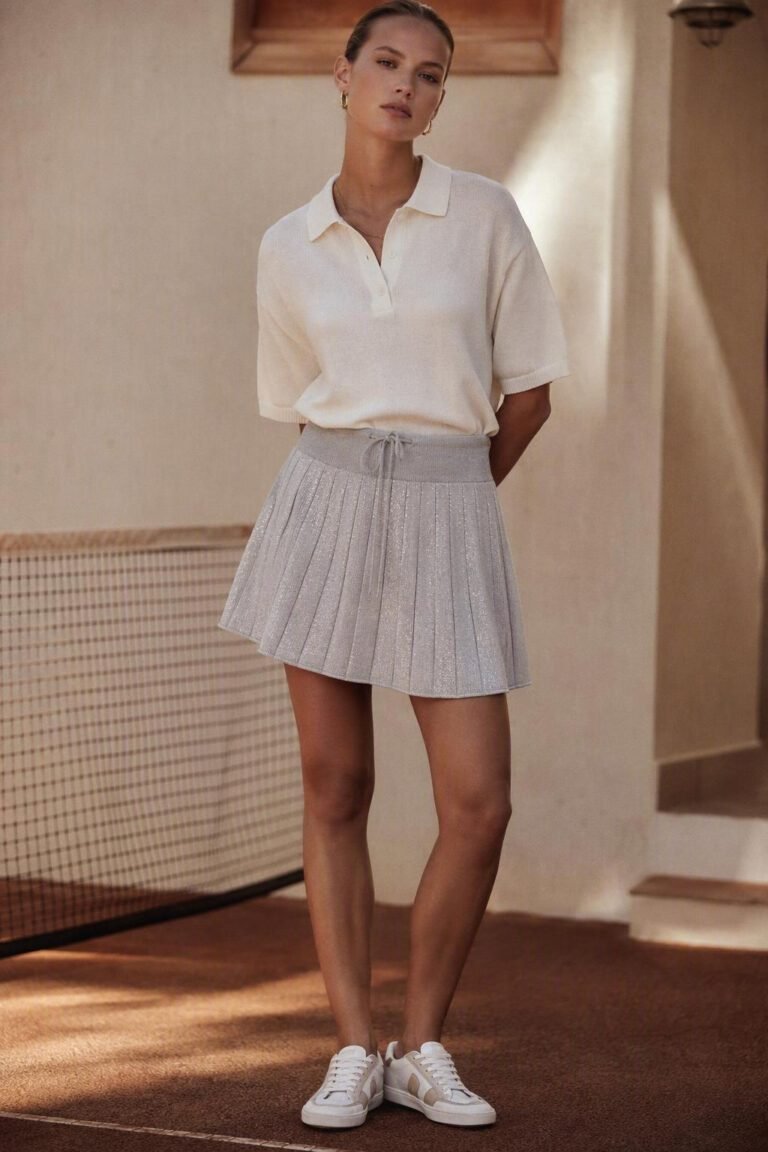
Most of the recent cardigan outfit styling guidance in fashion media frames these looks the same way: texture contrast does the heavy lifting, tonal color keeps it calm, and silhouette balance keeps it intentional. Pair an oversized cardigan with slimmer bottoms; pair a cropped one with wide-leg pants or a flowing skirt. Change the buttoning to change the energy — fully buttoned is neat, half-buttoned is relaxed, open adds movement.
For a label, the practical lesson is that mood is controllable and repeatable across a whole season, not a lucky accident of one good photo.
Turning one mood into a repeatable design language
What separates a brand with a cardigan brand aesthetic from a label selling interchangeable cardigans is a short list of non-negotiables that appear in every piece. This is the “design language” — a small, consistent set of choices that makes each cardigan feel like it belongs to the same family even when the styling differs.
Start with the silhouette. Commit to one or two recurring cardigan shapes — cropped, boxy, slim, oversized, or longline — and let that proportion itself become a signature. Brands that feel instantly recognizable almost always repeat a silhouette.
Then lock a color system. A restricted palette, whether muted earth tones or a deliberately warm cream-and-oat story, makes a collection read coherently and is far easier to apply consistently across lookbooks and social content. Most capsule guidance suggests staying mostly tonal and solid so pieces mix-and-match without visual noise.
Finally, standardize the details that carry the mood: buttons, rib depth on cuffs and hem, collar style, trims, and finishing. There are many cardigan collar types — a shawl collar, a clean V, a buttoned band — and each contributes its own character to the silhouette.
Don’t treat each cardigan as a one-off. Edit down to a focused knitwear capsule — often five to eight styles that mix together within one aesthetic — so your label builds recognition instead of a scattered lineup.
Two creative tools help you nearly every step. A moodboard that combines silhouette references, yarn and stitch swatches, color chips, and atmosphere images lets you lock direction early and decide what to exclude. A short collection story — the place, memory, or customer routine the pieces live in — gives the mood words that both your design team and your shoppers can understand.
Cardigan atmosphere at every layer of the season
An atmosphere is only useful if it survives real weather. Cardigan layering is what lets it span the transitions: a lighter fine-gauge layer carries late summer into fall; a medium-weight knit sits under a coat through winter; the same fine knit works into spring as a top layer. The styling truth is that the weight and drape of the cardigan decide which season it serves.
From a styling standpoint, proportion rules stay constant across seasons — keep one layer streamlined when the other is voluminous, and let the cardigan carry one hero texture per outfit. That logic is what keeps a longline cardigan looking deliberate rather than lazy in a lookbook.
Design and fit decisions that make the piece feel premium
Atmosphere is fragile the moment a cardigan fits poorly or pills after a few wears. The good news is that “premium” is a set of measurable decisions, and measurement is exactly what an emerging label needs to work confidently with a factory.
Start with fit spec anchors — body length, chest ease, sleeve width, and placket depth. These four dimensions drive drape, layering, and how reliably the cardigan grades across your size range. If you define these before you sample, you remove most of the guesswork from fit development.
Next, choose the gauge and construction that match your mood. Gauge refers to the number of needles per inch on the knitting machine, and it largely sets how the fabric feels and hangs. A high gauge such as 12–16 GG gives you fine, lightweight knits ideal for layering in merino or fine cashmere; a low gauge such as 3–7 GG produces the chunky, heavyweight pieces behind fisherman and cable cardigans — and because those use noticeably more yarn, they justify a higher retail price. A solid commercial middle range, around DK to worsted weight, moves toward a structured-but-not-heavy hand.
Construction matters just as much as gauge. Cardigans need plackets, facings, and button-through fronts that pullovers do not, so build quality shows up fast at the buttonhole. A reinforced placket keeps buttonholes from gaping or stretching, and premium buttons — mother-of-pearl, horn, or corozo — quietly signal quality. On the body seams, fully fashioned “linked” knitwear that is joined stitch by stitch produces flat, durable seams that read premium and reduce waste compared with cheaper cut-and-sew overlocking.
Finally, plan for pilling and durability. All natural fibers can pill — it happens when short fibers twist together under friction — but higher-quality yarn with a longer staple length pills less. Asking for pilling and shrinkage testing on your chosen yarn gives you verifiable evidence instead of guesswork. The cardigan manufacturing quality guide from a knitwear manufacturer breaks down these gauges, materials, and quality checks in practical terms a buyer can act on.
Sustainable choices that carry your brand story
For the US and European market this ICP targets, sustainable knitwear is rarely optional decoration — it is part of the product story your customers check. The certifications that matter cover different parts of the chain, and knowing what each one proves helps you source with confidence rather than marketing puff.
OEKO-TEX Standard 100 tests the finished textile for harmful substances, so it is your skin-safety marker for finished knitwear. It does not verify fiber origin.
Responsible Wool Standard (RWS), run by Textile Exchange, covers wool from responsible farms and tracks it through the supply chain — that is your wool traceability and animal-welfare signal.
GRS certifies recycled-content products and their supply chains, useful when you build pieces from recycled yarns.
GOTS certifies organic textiles and the processing plus social and environmental criteria around them — your organic-fiber claim through to the finished garment.
In practice, that maps neatly onto a label’s story: OEKO-TEX for skin-safe knits, RWS when wool provenance matters, GRS for recycled materials, and GOTS for organic cotton or wool. No single label does everything, so it is worth deciding which claim your atmosphere rests on and asking your supplier for the matching certificate and chain-of-custody evidence.
What this means for cost: certified yarns can carry a premium, but you do not need to lead every style with them. Anchor your hero cardigan in a certified, traceable fiber that matches your story, and keep supporting styles on more accessible blends — then the “sustainable” claim holds where it matters most without inflating your whole line.
Producing your atmospheric cardigan at low MOQ
Emerging labels rarely need thousands of units to feel like a brand — they need a tight, well-executed drop that proves the concept and protects cash flow. That is where a low-minimum partner earns its keep.
The main drivers of order minimums and unit cost are controllable: yarn type and consumption, gauge, construction method, trims, number of colors, artwork or motif complexity, and testing requirements. If you keep your first capsule disciplined — a single cardigan silhouette, one or two gauges, a limited color palette — you remove a lot of the cost pressure before you ever place an order.
Here is a practical, plain-language framing for the emerging-label founder:
Lock the spec early. Gauge, fiber composition, construction, placket width, button specs, and size range should be defined before you ask for quotes, because these drive meterage and sampling more than the sketch does.
Sample fast, sample right. Ask for a 3–5 day sampling turnaround from your tech pack or photos, and treat that sample as the moment to verify fit, hand, drape, and your placket/button finish. This is exactly where a low-MOQ partnership pays for itself.
Keep the first run deliberately small. A drop that starts around 50 units lets you test a style against real shopper response before scaling into a fuller range.
Use seamless construction where it fits. For fine-gauge V-neck or crew cardigans, seamless garment (“WHOLEGARMENT”) knitting can deliver a cleaner interior and fewer seams — a differentiated detail a small label can genuinely lean on.
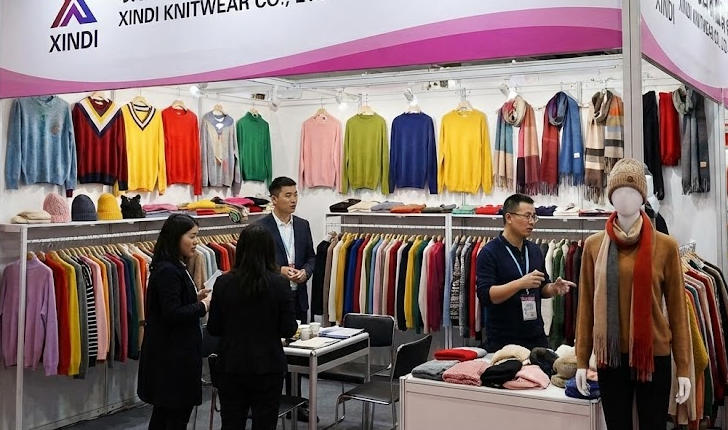
One example of this approach in practice is working with an OEM/ODM partner like Xindi Knitwear, who supports flexible minimums from around 50 units across gauges from 3G to 16G, 3–5 day sampling, and certified yarn options, so an emerging label can pilot a small, signature first run before committing to volume.
Key Takeaway: A disciplined first capsule — one silhouette, one or two gauges, a tight palette — is the fastest way for an emerging label to build an “atmospheric” cardigan lineup that protects cash flow and reads as a real brand, not a scattered sample rack.
Styling it for the sell: lookbook and product-page direction
The atmosphere you design has to survive the photograph. Knitwear is texture-first: it photographs well when you can see the stitch and the drape, and poorly when it reads flat or generic. A reliable lookbook and PDP shoot follows the same proportion rules your design language settled on, executed consistently across every image.
Lock one clear silhouette job per shot — a clean vertical column in tones, a defined waist via a belt or partial button, or a tailored trouser contrast — and keep the base outfit streamlined so the cardigan stays the hero. Push sleeves to mid-forearm for intention, and include a dedicated texture close-up plus a detail shot of the cuff, hem, placket, and buttons, because those are the finishings shoppers judge quality on. A picture that proves texture and finish will always read more premium than a flat, washed-out frame. You can see a full lookbook-ready cardigan styling and shot list from a knitwear manufacturer to turn this into a concrete shoot plan.
Consistency is the secret ingredient. When the palettes, posing, lighting, and backgrounds match across your lookbook, e-commerce, and social feed, the customer experiences one coherent world — and that coherence is the “atmosphere” your label has been building all along.
Next steps for your brand
Building a cardigan atmosphere is not about one perfect garment; it is about a small, coherent system — a recurring silhouette, a repeatable color and texture story, honest sustainable choices, and consistent styling that lets shoppers recognize you at a glance. Once that system is defined, the only thing standing between you and a sellable first drop is a disciplined, low-risk production plan.
If you are designing your first “signature” cardigan capsule, consider requesting a few swatches to confirm hand and drape, then commissioning one or two samples to verify fit and finish before you commit to any volume. A focused pilot run — a single silhouette in a tight palette — is usually the smartest way to test your atmosphere in the market and build from there.
Pro Tip: Before you style a single shot or cut a single unit, write your collection story in three sentences: who wears it, where, and what mood it should leave them in. Keep every design and styling decision aligned to that story, and you will have the definition of a signature cardigan atmosphere.