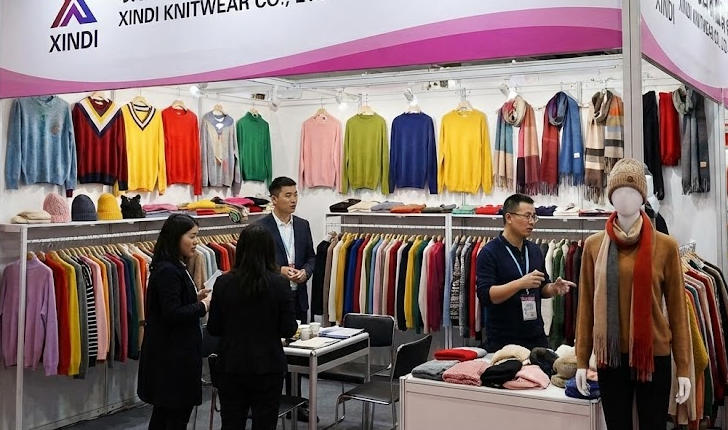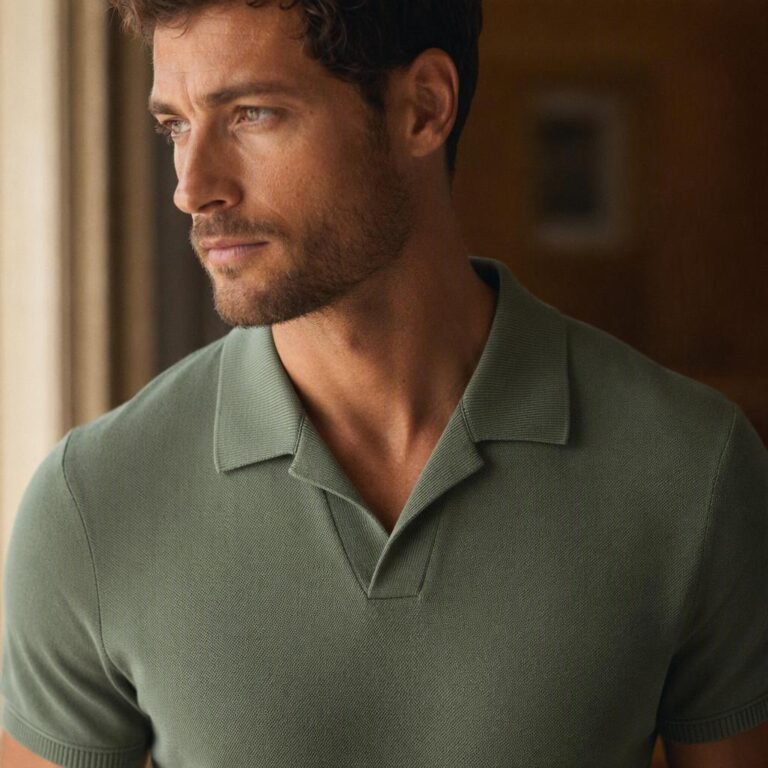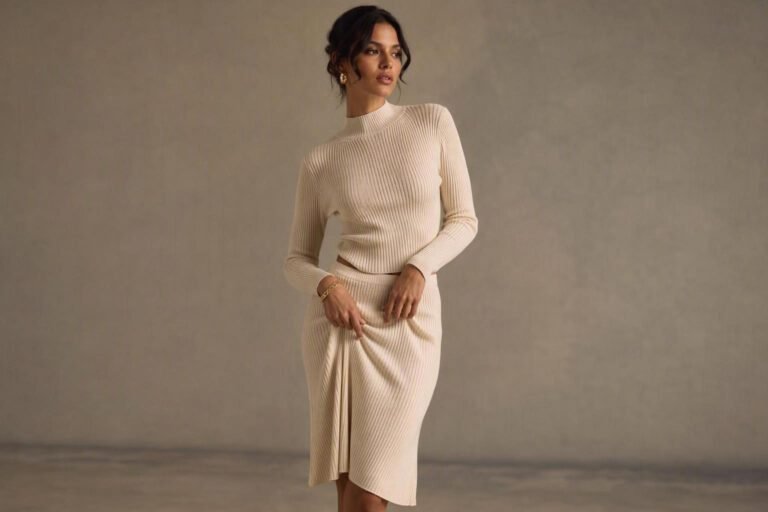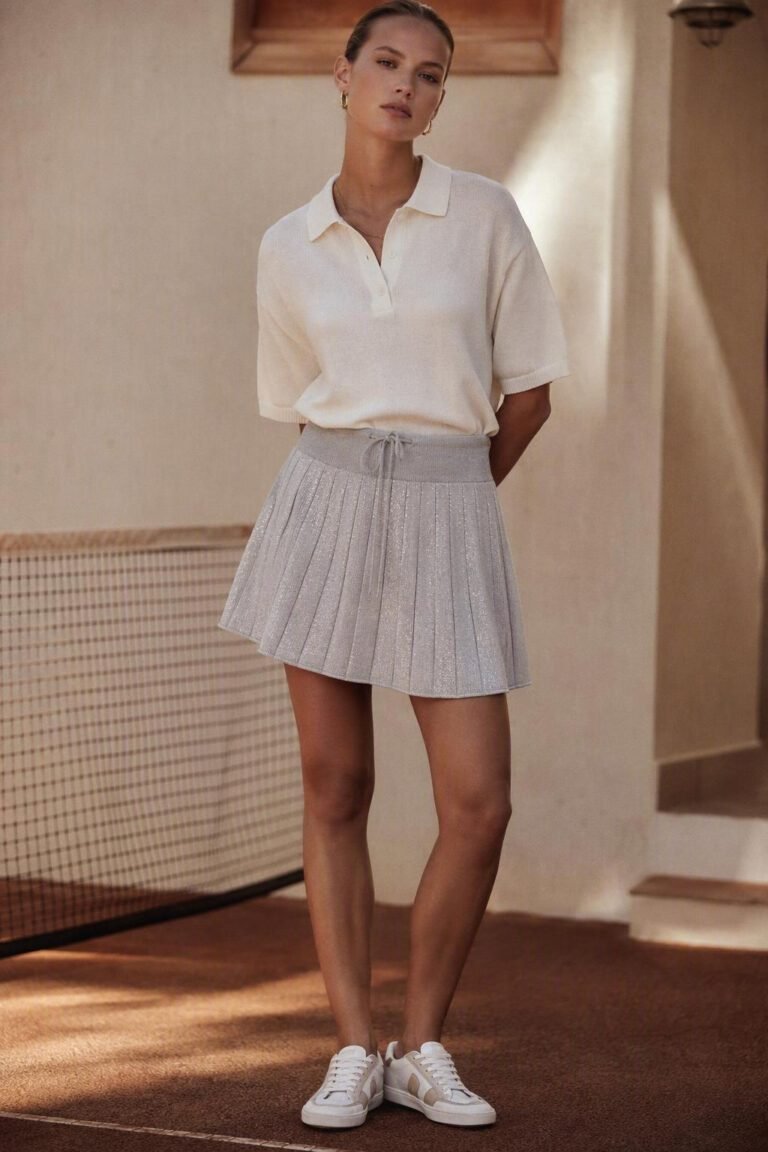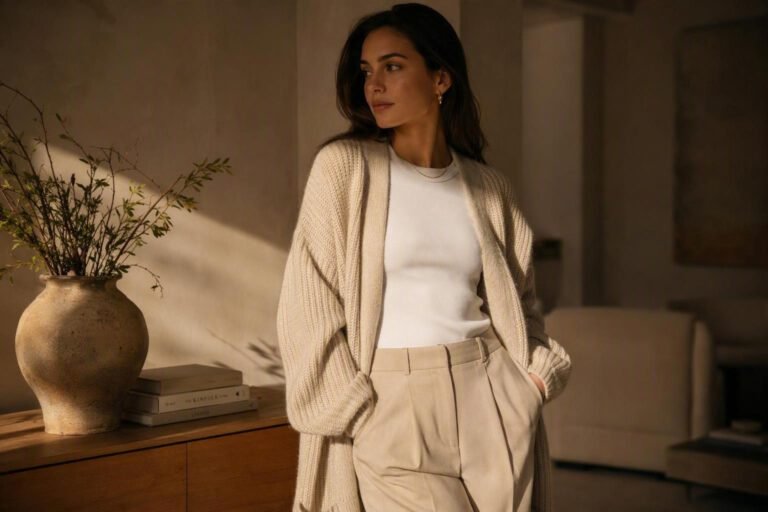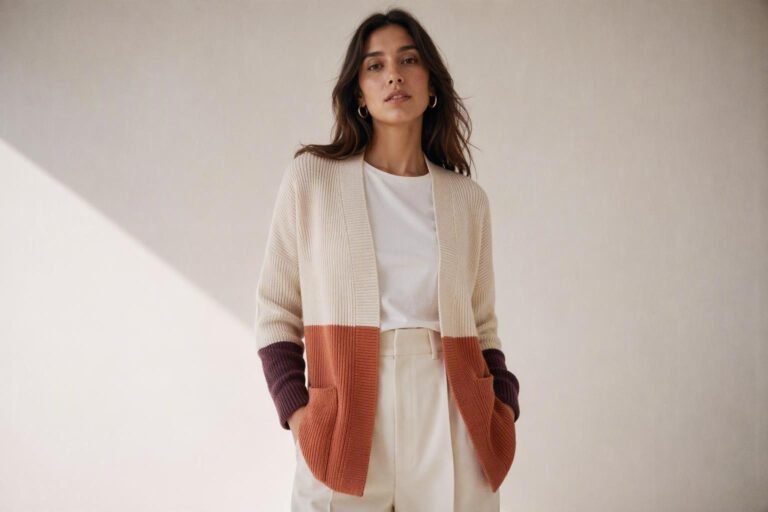

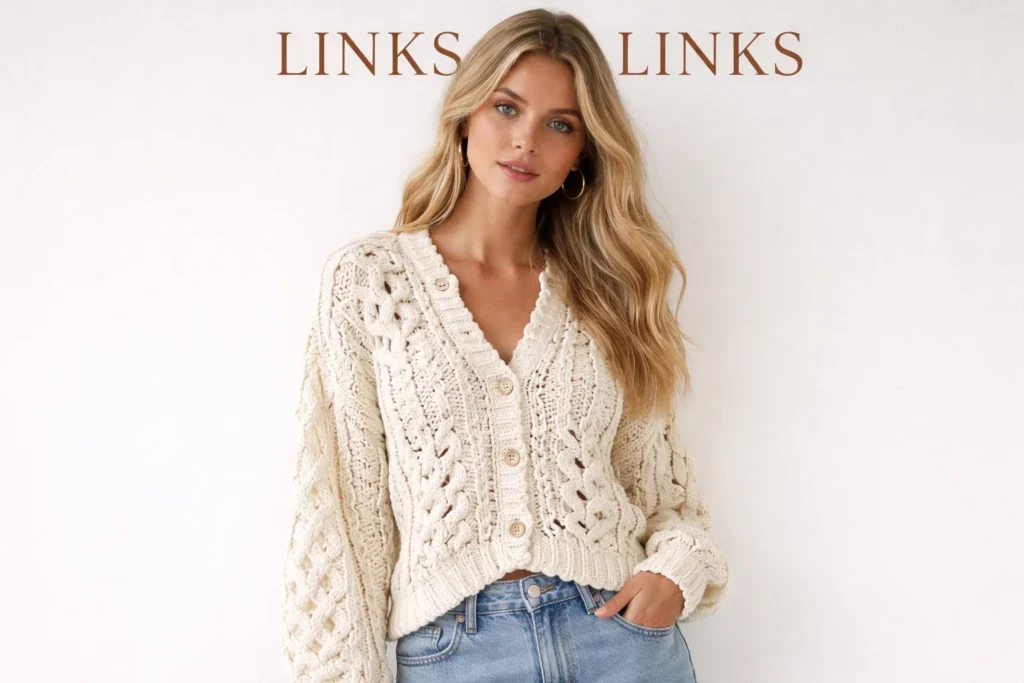
You discover links-links knitwear technology when you look closely at high-quality sweaters and cardigans. This method uses a special knit and purl combination that creates a double-faced fabric. You notice that links-links pieces feel thick and sturdy, which makes them last longer and resist pilling. The links links knitwear factory produces garments that stand out for their durability and comfort. Today, knitwear has become a global favorite:
-
The knitwear market is valued at USD 907.60 billion in 2024.
-
Experts predict growth to USD 2,263.28 billion by 2032.
-
The market grows at a rate of 12.10% each year.
You can explore how factories make these pieces, how designers work together, and how to spot links-links knitwear in stores.
Key Takeaways
-
Links-links knitwear uses a special way to knit and purl. This makes a fabric that feels smooth and strong on both sides.
-
The knitwear market is growing fast. It may reach USD 2,263.28 billion by 2032. Now is a good time to look for stylish choices.
-
Double-faced fabrics keep you warm and comfortable. You can wear them in any season. They work for summer and winter clothes.
-
Links-links knitwear does not pill easily and lasts a long time. This is because of careful testing and new ways to make it. You get good quality and strong clothes.
-
Self-folding fabrics make design and making easier. You get neat collars and hems without extra steps.
-
Many brands use eco-friendly ways in knitwear today. They pick organic and recycled materials to help the planet.
-
Taking care of your links-links knitwear is important. Wash gently and dry flat to keep it nice and lasting longer.
-
You can wear links-links knitwear for many events. Mix it with other textures for casual or work looks.
Links Links Knitwear Factory Technology
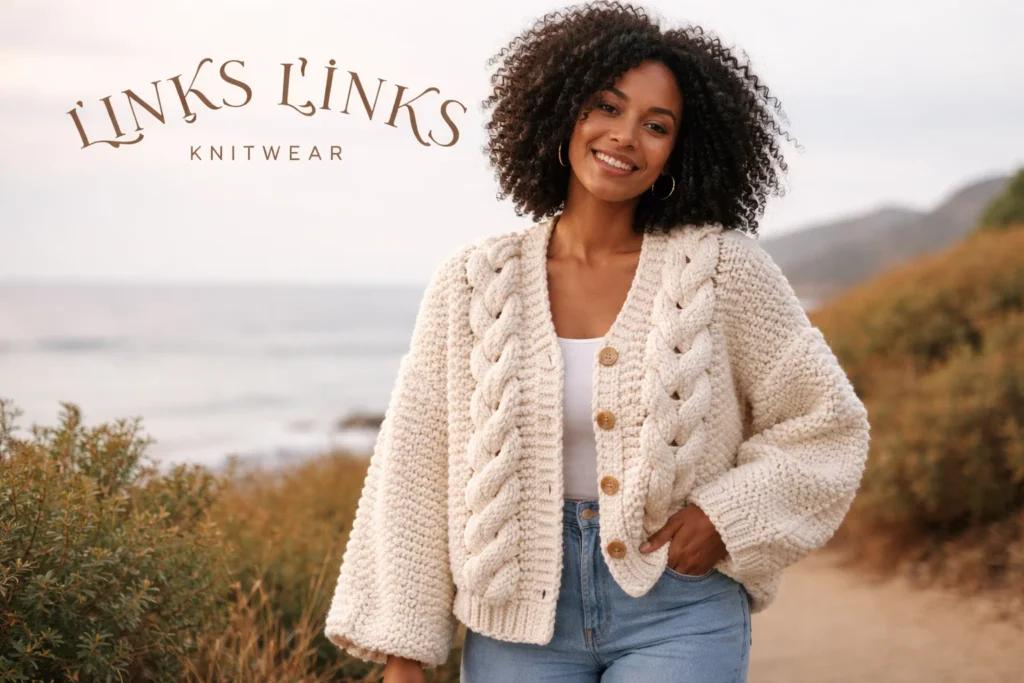
Links-links structure basics
Knit and purl combination
When you look at links links knitwear factory products, you notice the stitches look different from regular knitwear. The links-links technique uses both knit and purl stitches together. This makes a fabric that feels smooth on both sides. Linking in knitting helps seams almost disappear. The garment stretches easily and moves with you. Patterns match up well, so the design looks neat.
-
Linking helps seams blend into the fabric.
-
You feel more comfort because the fabric stretches.
-
Patterns match up, so the look is sharp.
You can try handknitting at home, but the links links knitwear factory uses special machines to make these effects stronger. Circular knitting and flat knitting are both used, but links-links has its own special structure.
Double-faced fabric
Double-faced fabric from the links links knitwear factory gives you two layers in one piece. You get a thicker textile that still feels soft. This makes the garment strong and helps it keep its shape. You see double-faced fabrics in sweaters, scarves, and jackets. Circular knitting machines make these layers fast and with less waste.
Double-faced fabrics work well for every season. You can wear lightweight jersey in summer or brushed fleece in winter. The links links knitwear factory uses circular knitting and hand knitting to make textiles for many styles, like streetwear and office looks.
Durability and pilling resistance
Why links-links lasts longer
You want your knitwear to last a long time. The links links knitwear factory checks its fabrics for durability and pilling resistance. Pilling means small balls of fiber show up after you wear or wash the garment. The factory uses machines like the Martindale and follows rules such as ISO 12945-2 and ASTM D4970. These tests show links-links fabrics resist pilling better than most other textiles.
|
Test Method |
Description |
|---|---|
|
Abrasion Resistance – ASTM D4966 and Resistance to Pilling – ASTM D4970 |
|
|
Atlas Random Tumble Pilling Tester |
Standard test method for pilling resistance and surface changes |
|
Brush Pill Tester |
ASTM D3511 – Standard test method for pilling resistance |
Links links knitwear factory products last longer because of their special structure. Double-bed knitting and circular knitting make the fabric stronger. You get less damage, so your knitwear stays looking new.
-
ISO 12945-2
-
ASTM D4970
-
ASTM D4966
-
GB/T 4802.2
-
JIS L1076
You can trust the links links knitwear factory to make textiles that pass tough tests. You enjoy your handknitting projects more when you use strong yarns and good knitting techniques.
Self-folding and design benefits
At the links links knitwear factory, you find out about self-folding fabrics. This means the textile folds itself along certain lines because of how the stitches are made. You do not need extra steps to get these folds. The design comes straight from the knitting.
|
Key Findings |
Description |
|---|---|
|
Structure-Driven Behavior |
Stitch arrangement drives self-folding, improving design capabilities |
|
Elimination of Post-Processing |
Self-folding happens naturally, making production easier |
|
Potential for Innovation |
Opens new ways to create dynamic, adaptable textiles |
Circular knitting and hand knitting can both make self-folding effects. The links links knitwear factory uses this to make collars, cuffs, and hems that keep their shape. You get garments that look neat and feel good.
|
Key Findings |
Description |
|---|---|
|
Self-Folding Mechanisms |
Predictable methods for controlling self-folding in weft knit textiles |
|
Stitch Architecture |
Changing stitch patterns lets you design fabrics that transform |
|
Mechanical Testing |
Tests show how stitch patterns affect self-folding for smart textiles |
The angle of the stitches controls how the fabric folds. The links links knitwear factory uses this to make textiles for smart fashion and auxetic fabrics that stretch in new ways.
|
Key Findings |
Description |
|---|---|
|
Angle of Stitch Geometries |
Stitch angles control self-folding, improving textile functionality |
|
Variance in Material Properties |
Yarn properties may change, but mechanical effects stay consistent |
|
Application Range |
Wide range of textiles for smart and innovative uses |
You see new ideas in action at the links links knitwear factory. You can visit a textile innovation studio to learn more about these techniques. You might try handknitting with new yarns to make your own self-folding designs.
Tip: Try circular knitting and hand knitting at home to see how stitch patterns change the way your fabrics fold and stretch.
The links links knitwear factory leads in textile innovation. You get knitwear that lasts longer, resists pilling, and offers new design choices. Knitting, circular knitting, and hand knitting all work together to make textiles that fit your style and needs.
|
Performance Characteristic |
Knitting Structure Influence |
Observations |
|---|---|---|
|
Bursting Strength |
Varies by structure |
Plain, rib, and interlock fabrics have higher strength; lace has the lowest. |
|
Air Permeability |
Linked to thickness, weight, loop density |
Lace fabric shows highest permeability; rib and interlock lower. |
|
Abrasion Resistance |
Generally higher in double-bed fabrics |
Lace exhibits lower resistance. |
|
Drapeability |
Higher in rib and interlock |
Tuck stitches reduce elasticity and drapeability. |
|
Wrinkle Recovery |
Tied to elasticity |
Double-bed fabrics recover better; lacoste has lower recovery. |
|
Statistical Analysis |
Significant relationships found |
Correlation between structure and performance properties. |
The links links knitwear factory uses these findings to make every garment better. You get knitwear that feels good, looks sharp, and lasts for years. You can visit a textile innovation studio to see these tests. You might try handknitting with different stitch patterns to see how your fabrics act.
Factory secrets and craftsmanship
Specialized machinery
Flat knitting machines
Links-links knitwear factories use special machines to make their fabrics. Flat knitting machines help shape clothes with great care. These machines let workers control each stitch. This makes seams smooth and patterns clear. Factories also use rib circular knitting machines and interlock circular knitting machines. These machines are not like regular ones. They use two sets of needles or needles with two ends. This helps make ribbed and interlocked textures. The fabric feels soft and strong.
|
Machine Type |
Key Features |
|---|---|
|
Rib Circular Knitting Machine |
Forms a rib structure using two sets of needles arranged perpendicularly, creating a unique fabric texture. |
|
Interlock Circular Knitting Machine |
Utilizes a 1×1 rib variant structure with dual-ended latch needles, allowing for the creation of intermeshed loops in two directions. |
Tip: If you visit a factory, ask to see these machines. You will see they work faster and more accurately than hand knitting.
Skilled artisans
Training and expertise
Skilled artisans are needed to run these advanced machines. Workers spend years learning the process. Many start with vocational training, like a Level 2 Knitting/Sewing Machinist Apprenticeship. Some go on to harder programs, such as the Level 3 Knitting Technician program. Short courses from groups like City & Guilds and Pearson teach new skills. These courses help workers keep up with changes in the industry.
|
Skill/Training Requirement |
Description |
|---|---|
|
Relevant vocational training |
Required, such as a Level 2 Knitting/Sewing Machinist Apprenticeship |
|
Advanced apprenticeship |
Level 3 Knitting Technician Apprenticeship available from March 2020 |
|
Short courses |
Offered by various awarding organisations like City & Guilds and Pearson |
Training helps artisans get better at their jobs. They learn to find mistakes, fix machines, and make perfect fabrics. Their skills make sure every piece is high quality.
Quality control
Inspection and innovation
Factories use strong quality control to keep products good and new. Every batch starts with checking raw materials. Workers look for problems and make sure materials are right. Before making many pieces, factories make samples and check them closely. During production, workers check often to find problems early. Clear rules guide every step, so results are always good.
|
Quality Control Process |
Description |
|---|---|
|
Standardized raw material inspection |
Comprehensive checks on raw materials to identify defects and ensure they meet predefined specifications, preventing inconsistencies in the final product. |
|
Pre-production sample approval |
Creation and inspection of samples before mass production to ensure compliance with design and quality standards, allowing for early identification of potential issues. |
|
Regular quality inspections during production |
Continuous checks at various production stages to identify and rectify issues promptly, enhancing product consistency and reducing defects. |
|
Establishment of clear standards |
Formulating explicit quality indicators and tolerance ranges to minimize differences in materials and enhance overall product quality. |
|
Utilization of technology |
Application of automated inspection tools and data analysis to improve quality assessments and identify trends in production data, leading to better quality control. |
|
Collaboration among teams |
Ensuring seamless communication between design and production teams to align on quality expectations and standards, which is crucial for maintaining product consistency and fostering innovation. |
Technology helps with automatic checks and looking at data. Teams work together to fix problems and make better designs. This teamwork makes products better and brings new ideas to knitting.
Note: Quality control helps your knitwear stay nice and comfortable for a long time.
Links-links in fashion
Modern style applications
Versatility in design
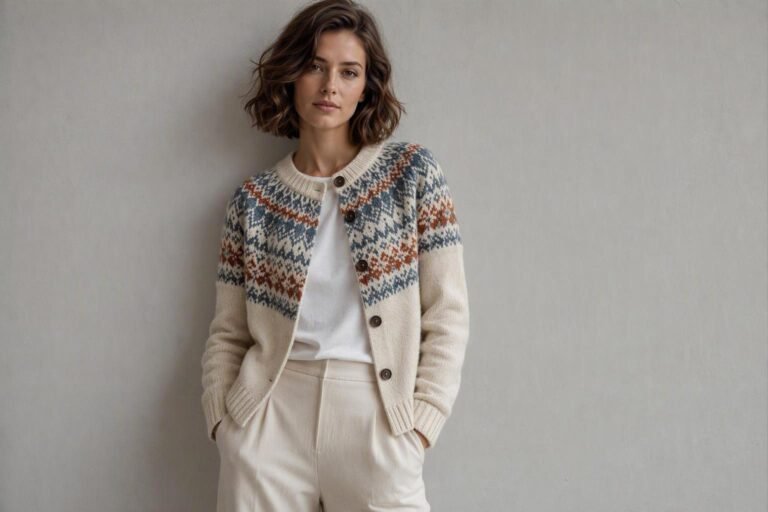
Links-links knitwear is popular in fashion today. Designers use it to make clothes for many styles. You can find big sweaters and chunky knits made this way. Some jackets use links-links methods too. These clothes often have bold textures and cable knit patterns. Some brands use jacquard to add cool graphics. This makes each piece special.
-
Big and chunky knits are in many collections.
-
Textured and cable knits give your closet more style.
-
Some options use eco-friendly materials.
-
Structured designs work for casual and fancy events.
-
Jacquard sweaters show off detailed graphics.
Fashion trends now show playful and big knitwear. Designers like Stella McCartney and Alexander McQueen use it for dresses and tops. These pieces focus on comfort and hand-made details. This season, cable-knit sweaters and dresses are back, especially for winter. Some evening dresses, like at Del Core, show how links-links knitwear can be used in many ways.
Sustainable fashion impact
Eco-friendly practices
You help the future of fashion by picking sustainable knitwear. Many links-links brands use organic cotton and wool that is better for the planet. These materials are safer than regular ones. Some companies use recycled fibers to save resources and cut waste. The way they make these clothes often follows circular economy ideas. This means they focus on making things last and can be recycled.
-
Organic cotton and better wool help the environment.
-
Recycled fibers mean we use fewer new resources.
-
Circular economy models make things last and can be reused.
-
Small batch or knit-to-order means less waste.
Factories make links-links knitwear to use less and avoid extra clothes. You might see custom-made products with green materials and eco packaging. Many brands pick natural fibers like wool, linen, and cotton. They also try to save energy and water when making clothes. Some even use bamboo, recycled polyester, compostable plastic, and recycled plastic to be greener.
Tip: When you shop, check for labels that say organic or recycled materials.
Comfort and wearability
You want clothes that feel nice and keep you comfy. The way links-links knitwear is made helps with this. The fabric’s design affects how soft, airy, and dry it feels. Fineness, density, and porosity all change how it feels on your skin.
-
The fabric helps balance sun protection and keeps you warm or cool.
-
Good moisture control keeps you dry and comfy.
-
The knit lets heat move between you and the air.
Links-links knitwear works for all kinds of weather. It keeps you warm in winter and cool in summer. The careful knitting makes sure each piece fits well and moves with you. This focus on comfort and function makes links-links knitwear a top pick in fashion.
Knit collaboration in the industry
Designer partnerships
Creative collaborations
More designers and factories work together now. Knit collaboration helps brands make new styles. It also helps them try new things with knitwear. When you look at new collections, you see teamwork. Designers and factories mix their skills. KOCO Knitting and Vladimir Teriokhin work together. They make hand-knitted pieces. KOCO uses good materials and follows fair rules. This partnership shows brands care about the planet and skill.
Many brands want to be different. They work with factories that use links-links technology. These teams help brands turn ideas into real clothes. Mayer & Cie. and ByBorre work together too. They make new knit fabrics. They use special machines and hand-made methods. Their work is in big brand collections like Adidas and BMW. These partnerships bring new looks and textures to stores.
|
Designer/Factory |
Description |
Innovations |
|---|---|---|
|
Mayer & Cie. & ByBorre |
Machine maker and textile studio team up |
Engineered knits for brands like Adidas, BMW |
|
KOCO Knitting & Vladimir Teriokhin |
Focus on hand-knitted, sustainable pieces |
Traditional skills with modern design |
Note: If you buy knitwear from these brands, you support new ideas and old skills.
Professional communication
Importance of shared terminology
Using the right words helps teams work better. In fashion, clear talk is important. Designers, factories, and brands need to understand each other. Shared words stop mistakes and save time. If you say “links-links structure,” everyone knows what you mean.
Good talk lets brands share ideas with factories. Factories can explain what their machines can do. This helps brands get the clothes they want. You see better products and faster work when everyone uses the same words.
-
Shared words help teams work well together.
-
Clear talk means fewer mistakes in new clothes.
-
Teams fix problems fast and make better things.
Tip: If you want to work with knitwear, learn the main words. This helps you join teams and share your ideas with others.
Knit collaboration helps fashion brands grow. When you know knitwear words, you help make cool new collections.
Identifying links-links knitwear
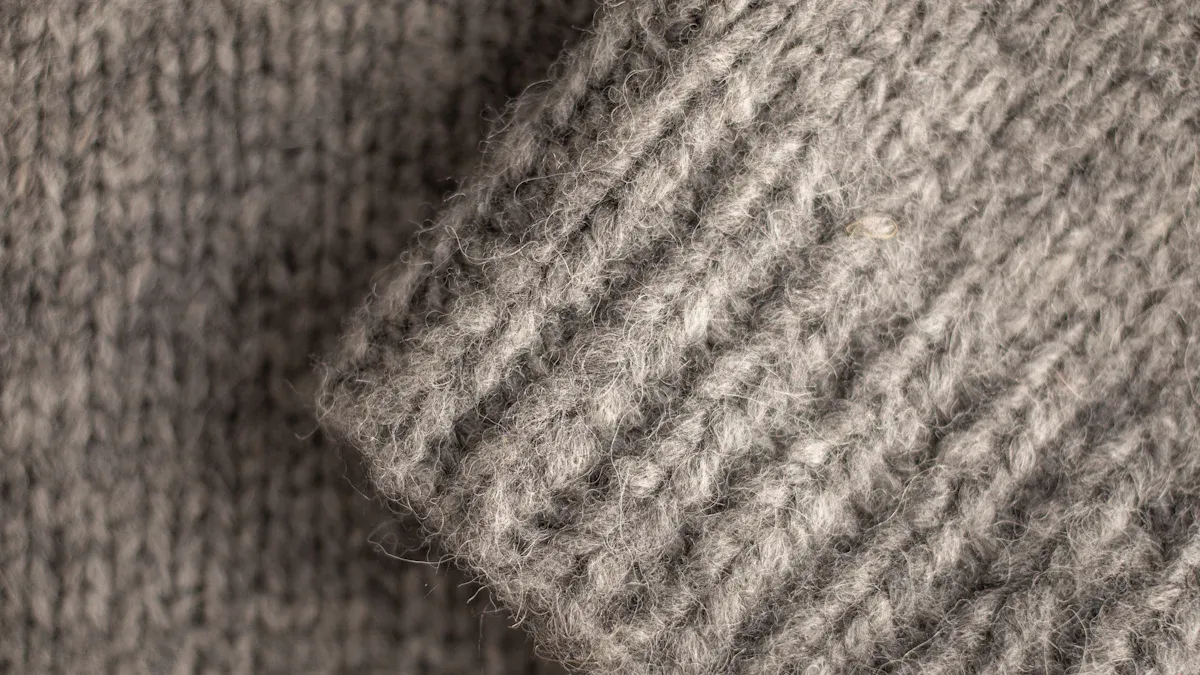
Visual and tactile cues
Double-faced texture
You want to spot links-links knitwear in a store or your closet. Start by looking at the fabric. Links-links knitwear shows a double-faced texture. You see two layers joined together. Both sides look smooth and finished. You do not find rough seams or loose threads. The fabric feels thick and sturdy when you touch it. You notice the weight in your hands. The garment holds its shape well.
Try this simple test. Gently stretch the fabric. Links-links knitwear stretches evenly. The edges do not curl up. You see the same neat pattern on both sides. You feel softness and strength at the same time. Many links-links pieces show clear, sharp lines in the design. You might see ribbing or cable patterns that look bold and deep.
|
Feature |
What You Notice |
|---|---|
|
Double-faced texture |
Both sides look smooth |
|
Thickness |
Feels heavier than single knits |
|
Stretch |
Stretches evenly, edges stay flat |
|
Pattern clarity |
Designs look sharp and deep |
Tip: Hold the garment up to the light. You see less light passing through links-links knitwear than regular knits. This shows the fabric is dense and double-layered.
Labels and product info
You can learn a lot from the label inside your knitwear. Brands use labels to help you find authentic links-links pieces. Labels show important details. You see the brand name, which helps you trust the quality. The label lists the composition, so you know what materials are in the garment. This helps if you have allergies or want certain fibers.
Care instructions tell you how to wash and store your knitwear. Following these steps keeps your garment looking new. Size information helps you pick the right fit. Some brands add security features like holograms or QR codes. You scan these codes to check if the item is real. This helps stop fake products.
You also find environmental information on some labels. Brands share if they use organic cotton, recycled fibers, or eco-friendly dyes. This helps you choose sustainable fashion.
-
Brand identification builds trust in quality and style.
-
Composition tells you about the materials used.
-
Care instructions guide you to maintain your knitwear.
-
Size information helps you find the best fit.
-
Security elements like holograms or QR codes let you verify authenticity.
-
Environmental information shows sustainable practices.
Note: Always check the label before you buy. Labels give you clues about the fabric, the maker, and how to care for your knitwear.
You can spot links-links knitwear by using your eyes and hands. Labels and product info help you make smart choices. You enjoy your knitwear more when you know what to look for.
Styling and care tips
Outfit ideas
Casual, office, and evening looks
You can style links-links knitwear for any occasion. This fabric works well for both relaxed days and special events. You get comfort and style in every piece. Here are some outfit ideas to help you make the most of your knitwear:
-
-
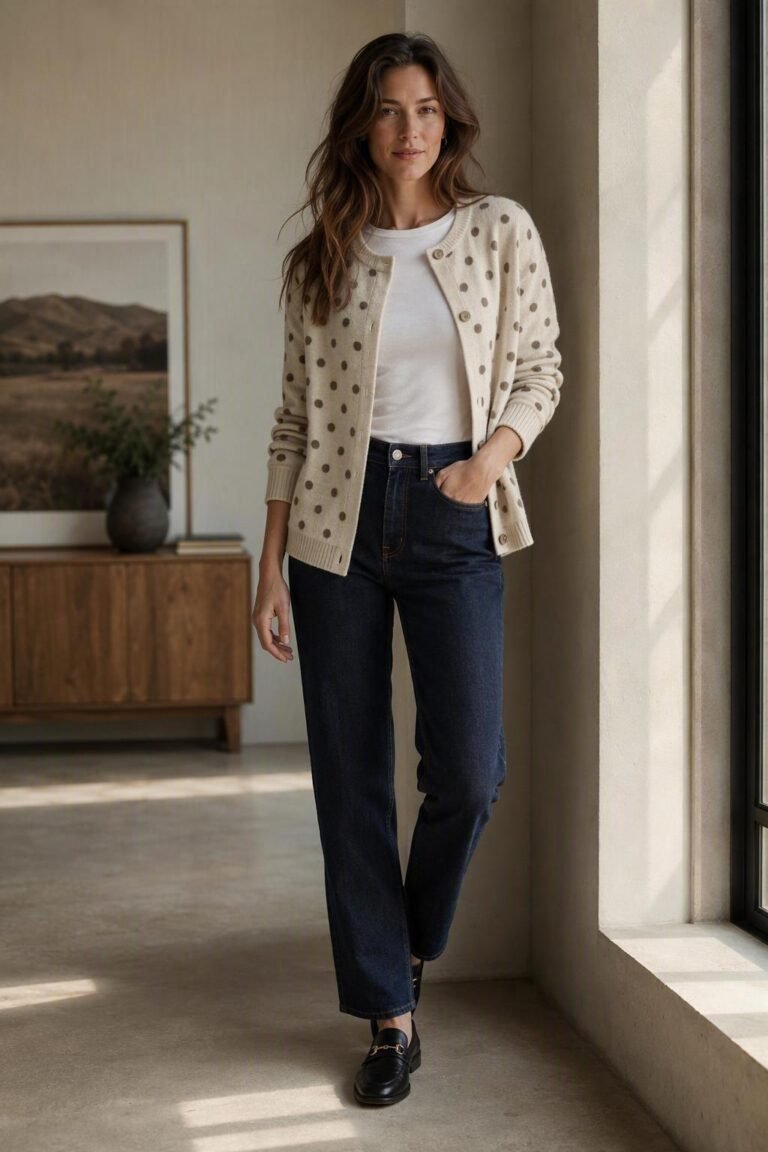
Pair chunky knit sweaters with your favorite denim jeans for a cozy weekend look.
-
Try a knitted vest over a simple skirt for a playful, layered outfit.
-
Wear a knitted jumper with joggers when you want to feel relaxed but put together.
-
Layer a sweater over a t-shirt for extra warmth and a laid-back vibe.
-
-
-
Choose a classic knit blouse with tailored trousers for a polished office outfit.
-
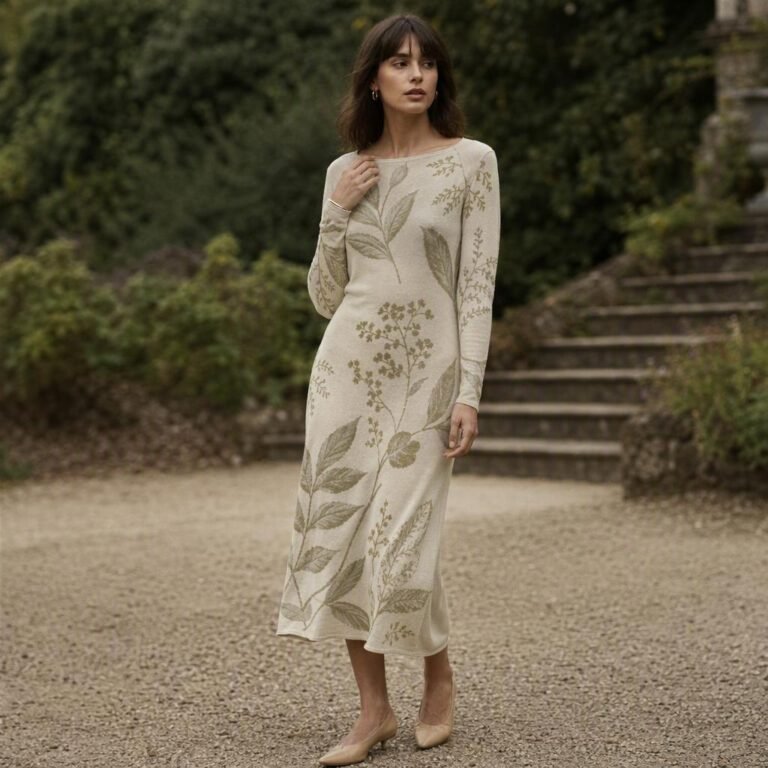
Wear a midi knit dress with a structured coat to look sharp and stay comfortable.
-
Layer a high-neck sweater under a blazer for a smart, modern touch.
-
Match a knit pullover with a skirt for a simple yet elegant work look.
-
-
Evening Styles
-
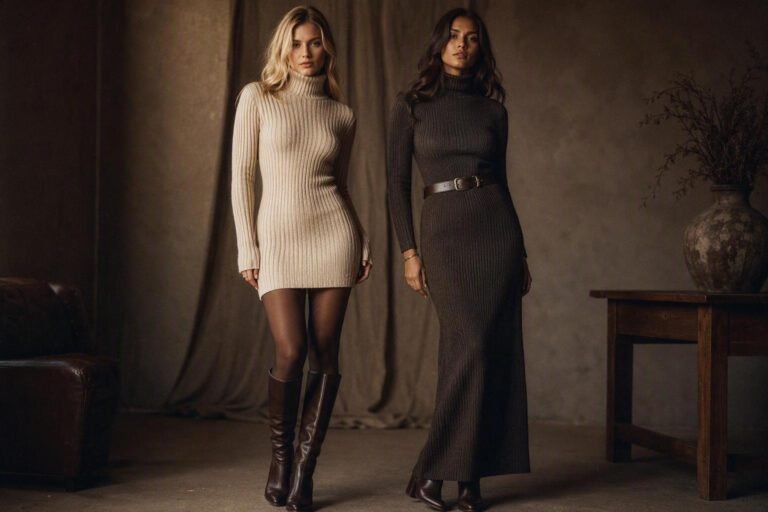
Select a knit sweater dress for a dinner or night out. Add boots or heels to dress it up.
-
Try knitted co-ords for a trendy, matching set that feels special.
-
Pair a knitted top with sleek trousers for a chic evening style.
-
Mix silk and knit pieces for a look that feels both soft and luxurious.
-
Tip: You can mix and match links-links knitwear with different textures, like denim or silk, to create fresh outfits for every season.
Care and maintenance
Washing and storage
You want your links-links knitwear to last for years. Proper care keeps your garments looking new and feeling soft. Experts recommend a few simple steps to protect your favorite pieces:
-
Do’s
-
Separate your knitwear from other clothes before washing.
-
Use the delicate mode if you wash knitwear in the machine.
-
Turn your knitwear inside out to protect the surface.
-
Gently hand wash with mild detergent. Squeeze the fabric softly instead of wringing it.
-
-
Don’ts
-
Avoid washing your knitwear too often. Frequent washing can wear out the fibers.
-
Skip fabric softeners, as they can damage the knit structure.
-
Never ignore the care label. Always follow the instructions for best results.
-
To keep your knitwear in top shape, always dry it flat on a towel. Hanging heavy knits can stretch them out of shape. Store your folded knitwear in a cool, dry place away from sunlight. This helps prevent fading and keeps the fabric strong.
Note: Good care habits help your links-links knitwear stay beautiful and comfortable for many seasons.
Future trends in links-links knitwear
Innovation and sustainability
New materials and eco-initiatives
You notice lots of new changes in links-links knitwear. Factories and designers use new materials and smart tools to make better clothes. Brands care more about saving resources and cutting waste. Here are some cool ideas for the future:
-
Zero-waste knitting uses special machines to make clothes with almost no leftover fabric. This saves materials and lowers costs.
-
Smart textiles add new features to your clothes. Some knits can keep you cool, pull sweat away, or fight germs. You might see health sensors in future knitwear.
-
AI-driven design helps brands make special patterns and clothes that fit you perfectly. This means less waste and fewer extra items.
-
3D knitting makes seamless and custom clothes. This process cuts waste and lowers pollution.
-
Automation and digital tools help factories work faster and smarter. Conductive yarns and digital systems support green materials and recycling.
You also see more brands using organic cotton, bamboo yarn, and recycled polyester. These choices help the planet and give you better fashion. Many companies pick eco-friendly dyes and packaging. You help this change when you buy knitwear made from recycled or earth-friendly fibers.
Tip: Check labels for organic, recycled, or biodegradable materials. Picking these helps you support a cleaner future.
|
Innovation |
Benefit |
|---|---|
|
Zero-waste knitting |
Less fabric waste, lower costs |
|
Smart textiles |
Comfort, health, hygiene |
|
AI-driven design |
Custom fit, less inventory |
|
3D knitting |
Seamless, eco-friendly |
|
Sustainable materials |
Protects environment |
Expanding role in fashion
Links-links knitwear is getting more popular every year. The global knitwear market is growing fast. Experts say it will grow by 12% each year from 2025 to 2033. New technology and green materials help this growth. Online shopping and custom options make knitwear easier to buy and more fun.
You want clothes that feel soft and stretch easily. Knitwear gives you comfort and works for many events. You can wear links-links pieces at home, at work, or for special times. Brands now offer more choices with organic cotton and recycled yarns. You find light and strong knitwear that fits your busy life.
-
People want comfort and clothes they can wear anywhere.
-
More shoppers ask for green and high-quality fabrics.
-
New ideas like 3D knitting and seamless styles cut waste and speed up making clothes.
You see that caring for the planet is now very important in fashion. Worries about climate change and fast fashion make brands use better methods. You see more knitwear made with organic, recycled, or earth-friendly materials. Brands listen to your needs by using new ways and materials.
Note: The future of links-links knitwear looks great. You help make this future better by picking green and smart pieces.
You notice links-links knitwear is special because of how it is made. Factories use advanced machines and smart software to knit these clothes. Workers pay close attention to every detail, so each piece fits well. The factory checks the fabric many times to make sure it is soft and strong. They mix new technology with old knitting skills. This helps keep local knitting traditions alive.
|
Key Takeaway |
Description |
|---|---|
|
Craftsmanship |
Workers focus on details and make pieces fit well. |
|
Advanced Technology |
Factories use modern machines and software. |
|
Quality Control |
Many checks make sure the fabric is soft and strong. |
|
Traditional Values |
New ways are mixed with classic knitting skills. |
|
Local Support |
Local knitting traditions are kept alive. |
You pick links-links knitwear because it lasts a long time and is good for the planet. Wool and organic cotton are strong and better for the environment. You can wear your knitwear in layers, try different colors, or add fun accessories. You also look for new ideas like AI-made knits, recycled yarns, and custom styles.
Try links-links knitwear if you want comfort, style, and to help the planet.
FAQ
What makes links-links knitwear different from regular knitwear?
Links-links knitwear has two smooth sides. The fabric is thick and strong. It does not pill easily. It keeps its shape longer than single-knit clothes.
How can you identify links-links knitwear in stores?
Look for thick fabric with two finished sides. Both sides feel soft and smooth. Labels may say special knitting or digital methods were used.
Why does links-links knitwear last longer?
The fabric has strong stitches and is dense. Special machines and digital programs make it tough. This helps the garment last and stops pilling.
Can you wash links-links knitwear in a machine?
Use a gentle cycle and mild soap. Turn the knitwear inside out before washing. Lay it flat to dry so it keeps its shape. Always check the care label for instructions.
What role does digital technology play in knitwear production?
Digital tools help make patterns and run machines. Factories use these systems to check quality and create new styles fast.
How do designers and factories work together on knitwear?
Designers visit the lab to share ideas. They work with technicians to test patterns. Teams use digital tools to improve designs.
Is links-links knitwear eco-friendly?
Many brands use organic cotton and recycled fibers. Digital methods help cut waste. These choices are better for the planet.
Can you style links-links knitwear for different occasions?
You can wear links-links knitwear for any event. It looks good with jeans, skirts, or dress pants. Mixing textures gives you a new style.