
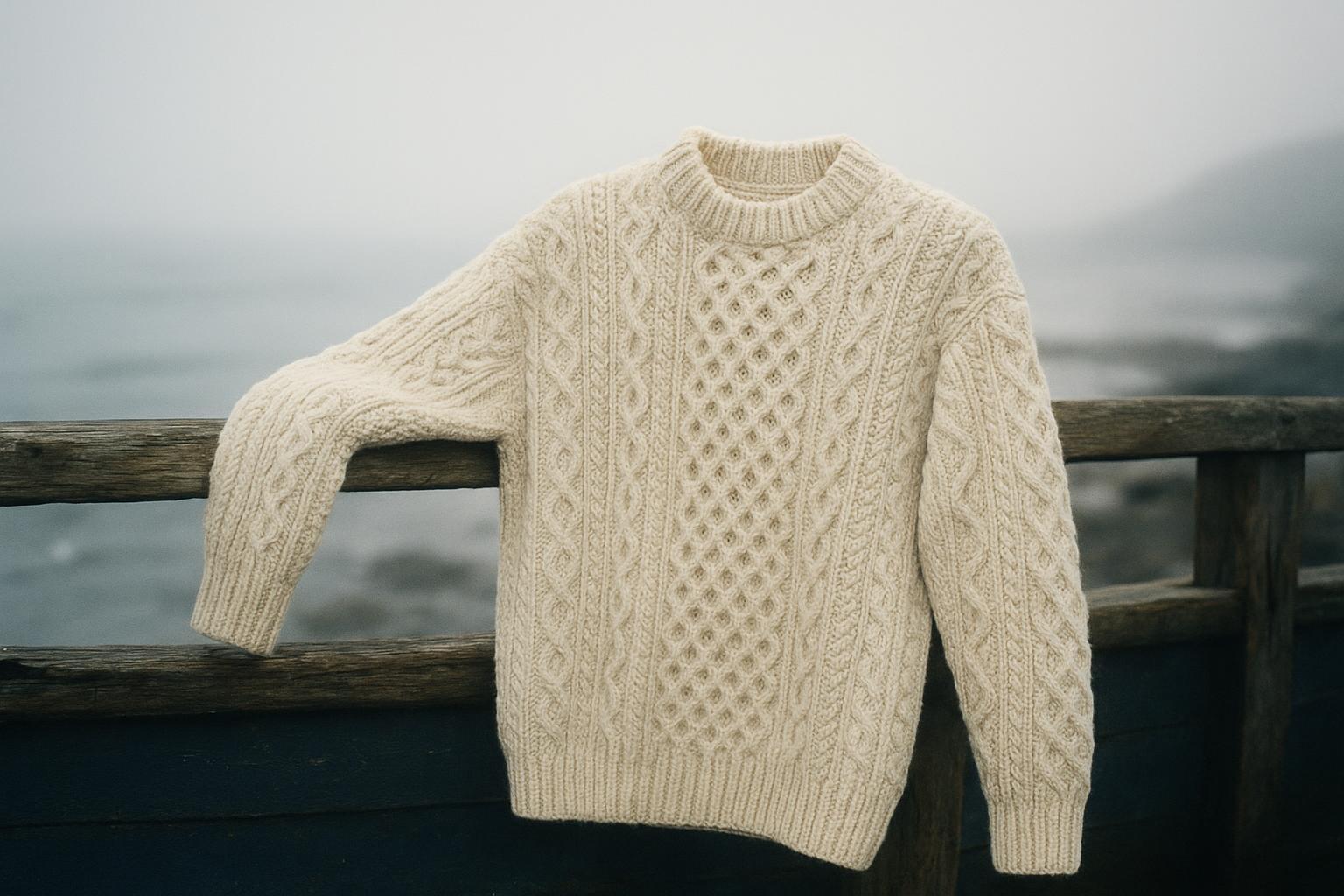
If you like Saint James, it’s probably not because the sweaters are “trendy.” It’s because they feel inevitable: maritime heritage, simple silhouettes, and a level of construction specificity that makes the story believable.
This guide is for emerging brands building fisherman / Aran-style knits who want that same quiet authority—without copying, and without drifting into costume.
The Saint James DNA to benchmark (not copy)
Before you look for “similar brands,” name the cues you’re actually chasing. Saint James consistently does three things well:
Heritage framing that stays concrete. Product storytelling anchors to place and use (seafaring, cold wind, daily wear), then moves quickly into build details.
Specific, verifiable construction language. Fit notes and specs aren’t an afterthought—details like a button shoulder closure or rib structure show up as proof points (see the Saint James Matelot fisherman sweater details and the Saint James Cancale fisherman sweater description).
A controlled palette and silhouette. The texture can be bold, but the overall design stays disciplined.
If your brand can match that (clarity, restraint, build honesty), your sweater can feel “heritage” even if it isn’t made in Normandy.
8 brands like Saint James for fisherman/Aran knit inspiration
Selection criteria: heritage credibility (or honest reinterpretation), strong fisherman/Aran texture cues, and a clear point of view you can translate into product direction.
1) Armor-Lux
Why it’s Saint James-adjacent: French maritime/workwear energy with a cleaner, everyday baseline.
What to borrow (ethically):
Nautical restraint: let stripes, navy/cream, and simple trims do the talking.
A “uniform” approach to knits—repeatable silhouettes that become signatures.
Factory-brief prompts:
Decide your “maritime neutral set” (ecru, navy, ink, heather).
Choose one hero detail only (button shoulder or stripe placement or a collar story).
2) Orcival
Why it’s Saint James-adjacent: Another French nautical reference point—minimal, classic, and anchored to the idea of the sailor uniform.
What to borrow (ethically):
A crisp, graphic attitude to basics: clean necklines, measured proportions.
Factory-brief prompts:
Specify neckline shape precisely (crew, boat, mock) and set rib depth as an “architectural” element.
Build a repeatable block you can run in multiple yarns.
3) Inis Meáin
Why it’s Saint James-adjacent: If Saint James is Normandy sea utility, Inis Meáin is Aran-islands texture—place-based, craft-forward, and quietly modern.
What to borrow (ethically):
Texture as language: cables and panels that feel designed, not decorative.
Color that still reads “heritage,” but isn’t stuck in oatmeal.
Factory-brief prompts:
Choose 2–3 stitch panels (cable + honeycomb + rib) and define panel widths.
Plan for post-wash measurements: textured stitches can shift and distort.
Pro Tip: If you need a reality check on the Aran “myth layer,” Ireland.com notes the jumper’s early-1900s commercialization and calls out the famous identification-story as likely exaggerated in Ireland.com’s Aran jumper history (2021). You can still use the romance—just don’t build your brand story on a claim you can’t defend.
4) Aran Woollen Mills
Why it’s Saint James-adjacent: A direct Irish heritage lane: traditional Aran cues, natural fibers, and a clear connection to place.
What to borrow (ethically):
Chunky texture that still feels orderly (not chaotic).
A commitment to classics: this is a “buy it for years” mindset.
Factory-brief prompts:
Define your texture density target: bold cables can read luxurious or clumsy depending on stitch scale.
Build a testing plan before bulk: wash stability + pilling risk on your exact yarn.
Reference: Aran Woollen Mills (Co. Mayo) heritage knitwear.
5) Aran Sweater Market / Aran.com
Why it’s Saint James-adjacent: Another heritage anchor brand—useful for benchmarking classic fisherman silhouettes (crew, shawl collar, zip neck).
What to borrow (ethically):
The “tool-like” attitude: sweaters built for weather, not just photos.
Factory-brief prompts:
Decide collar strategy early (crew vs shawl vs zip). It changes yarn consumption, knit time, and how the sweater sits under outerwear.
Plan seam strategy and weight distribution so the garment hangs cleanly.
6) Andersen-Andersen
Why it’s Saint James-adjacent: A modern maritime workwear interpretation—quiet, sturdy, and deliberately functional.
What to borrow (ethically):
Workwear minimalism: shape + weight + texture do the work.
A disciplined product system rather than one-off statement pieces.
Reference: Andersen-Andersen’s maritime knitwear ethos.
Factory-brief prompts:
Pick one silhouette and perfect it across yarns first (crew, raglan, or saddle shoulder).
Treat ribbing as structure, not decoration (recovery matters on heavy knits).
7) Bosie Knitwear
Why it’s Saint James-adjacent: Scottish coastal/mariner cues with sturdy chunky knits—good for studying “hard-wearing” texture language.
What to borrow (ethically):
A rugged handfeel and clear nautical context.
Reference: Bosie’s chunky fishermans knits.
Factory-brief prompts:
Write down the handfeel goal (rustic vs soft). Don’t let “softer” automatically win—softness can increase pilling risk.
Confirm stitch clarity on your chosen yarn; some blends blur cable definition.
8) L.L.Bean
Why it’s Saint James-adjacent: Not European heritage, but a reliable American “classic” lane—useful for understanding how heritage gets translated into mass, wearable product.
What to borrow (ethically):
The idea of a fisherman sweater as an everyday staple, not a fashion moment.
Factory-brief prompts:
Decide care expectations honestly (hand-wash-only vs machine-friendly). That single choice will shape fiber, yarn, and finishing.
Build your size set around your real customer and channel (DTC returns can kill margins on knits).
How to turn “heritage vibe” into a factory-ready fisherman sweater brief
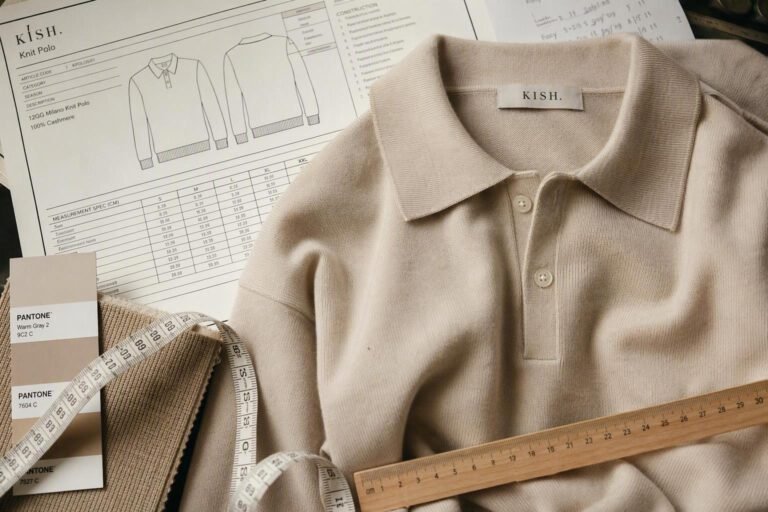
Design direction gets expensive when it stays abstract. Here’s a simple translation stack that keeps you honest:
Silhouette first: cropped vs classic vs oversized; neckline; sleeve type.
Texture map: 2–3 stitch panels max; panel widths; where cables live (front only vs sleeves too).
Gauge & yarn pairing: chunky texture looks different at different gauges, and heavy stitches change drape.
Construction choice: cables add bulk and can shift after washing—construction matters.
Test plan: wash stability + pilling risk + measurement tolerance.
If you need a readable baseline for construction trade-offs, start with sweater construction types (fully fashioned vs seamless).
And if you’re deciding how “Aran” you want to go (very chunky vs commercially versatile), use knitting gauge selection for chunky Aran textures to align design ambition with manufacturability.
The biggest failure mode: bulk that reads like costume
Fisherman knits are supposed to have presence. The problem is when the outfit becomes one giant texture blob.
A practical way to design against that is to pick one volume zone and keep everything else calm—then translate that styling intent into measurements and trims. This is exactly the thinking in fisherman sweater styling rules for chunky knits.
⚠️ Warning: Don’t promise “heritage quality” as a vibe. Promise what you can test: post-wash measurements, stitch definition consistency, and a pilling-risk check on the exact yarn + finish.
Key takeaways
“Brands like Saint James” isn’t just a list—it’s a set of cues: provenance, restraint, and specific build language.
For fisherman/Aran knits, texture is the hero. Your job is to control silhouette and finishing so it doesn’t become bulky costume.
The fastest path from inspiration to production is a translation stack: silhouette → texture map → gauge/yarn → construction → test plan.
Next steps (light, practical)
If you’re building a low-MOQ fisherman/Aran capsule and want a second set of eyes on feasibility (gauge, yarn, construction, and what to test before bulk), use the brief outline above and sanity-check it with your manufacturing partner.
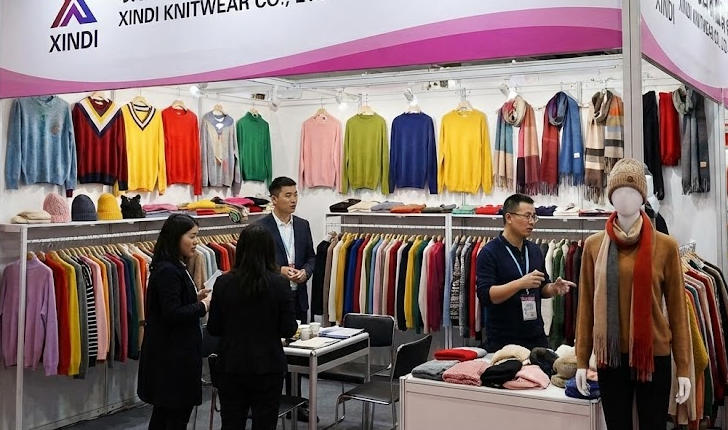
If you’re looking for a low-MOQ OEM/ODM option that can support rapid sampling and complex textures, Xindi Knitwear can be considered as one manufacturer option—keep the ask simple: request yarn options, gauge recommendation, and a wash-test plan before you lock the line.