
When comparing viscose vs rayon vs polyester for clothing and home goods in 2026, you have a wide range of options. Recent surveys reveal that many consumers prefer rayon and viscose due to their softness and eco-friendly qualities, while polyester stands out for its durability and affordability. The choice between viscose vs rayon vs polyester affects your comfort, appearance, and environmental impact.
Viscose is projected to lead the market, holding 71.81% of the share.
Rayon is experiencing rapid growth, with its market value expected to rise from USD 22.28 billion to USD 36.56 billion by 2034.
Demand for polyester continues to increase annually by 4–6%, especially for recycled varieties.
Understanding the differences between viscose vs rayon vs polyester will help you make more informed decisions.
Key Takeaways
Viscose and rayon are soft and let air through. They are great for hot days. Polyester is tough and simple to clean.
Pick viscose or rayon if you want comfy and stylish clothes. They work well for dresses and summer outfits.
Polyester is good for things that need to last. It is best for sports clothes and gear used outside.
Think about how your fabric choice affects the planet. Viscose and rayon can be better for nature if made the right way.
Always look at the care tags on your clothes. This helps your fabrics stay nice and last longer.
Viscose vs Rayon vs Polyester: Key Differences
Comparison Table
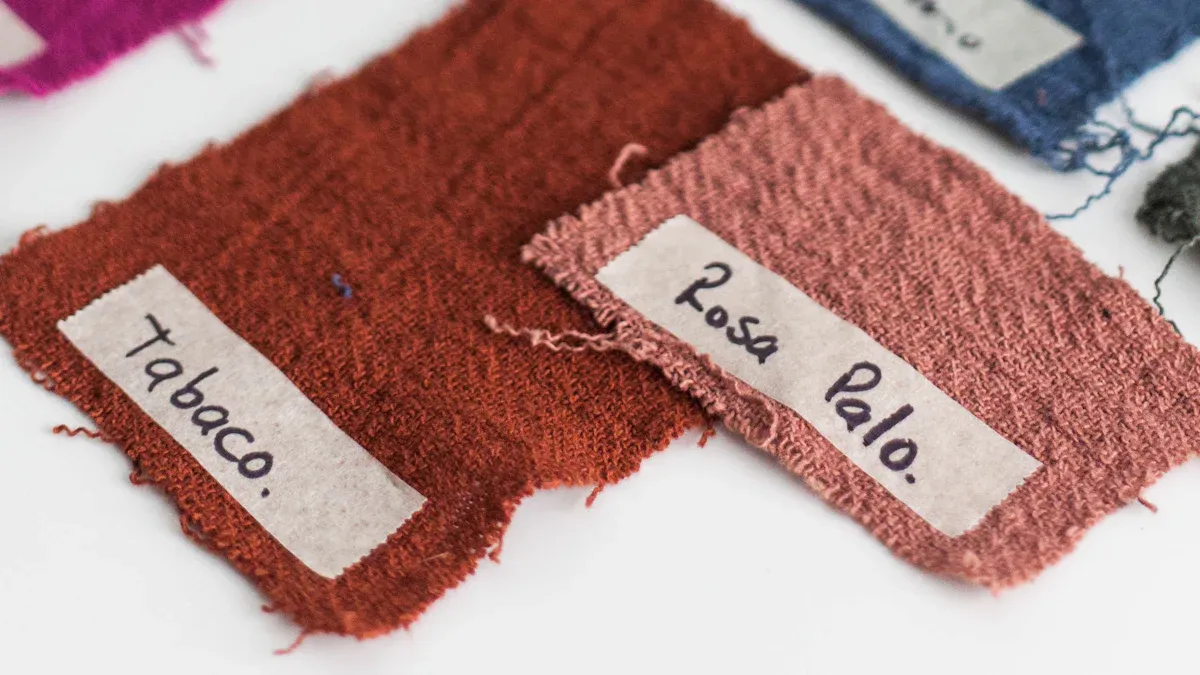
You might want to compare viscose, rayon, and polyester quickly. The table below shows how they are different in feel, comfort, strength, style, how green they are, and how you care for them. This makes it easier to see which one is best for you.
Attribute | Viscose Fabric | Rayon | Polyester |
|---|---|---|---|
Feel | Soft, smooth, drapes well | Soft, varies by type | Smooth, less natural feel |
Comfort | Breathable, cool | Breathable, cool | Can trap warmth, less airy |
Durability | Moderate, weak when wet | Moderate, weak when wet | Very strong, resists wear |
Style | Rich colors, elegant drape | Rich colors, varies by type | Holds color, less drape |
Sustainability | Biodegradable, but chemical-heavy process | Renewable, but depends on forestry | Recyclable, but petroleum-based |
Care | Gentle wash, low heat iron | Gentle wash, high shrinkage risk | Machine wash, tumble dry, easy care |
Tip: Polyester is easy to wash and lasts a long time. If you want something softer, viscose or rayon might be better for you.
Main Distinctions
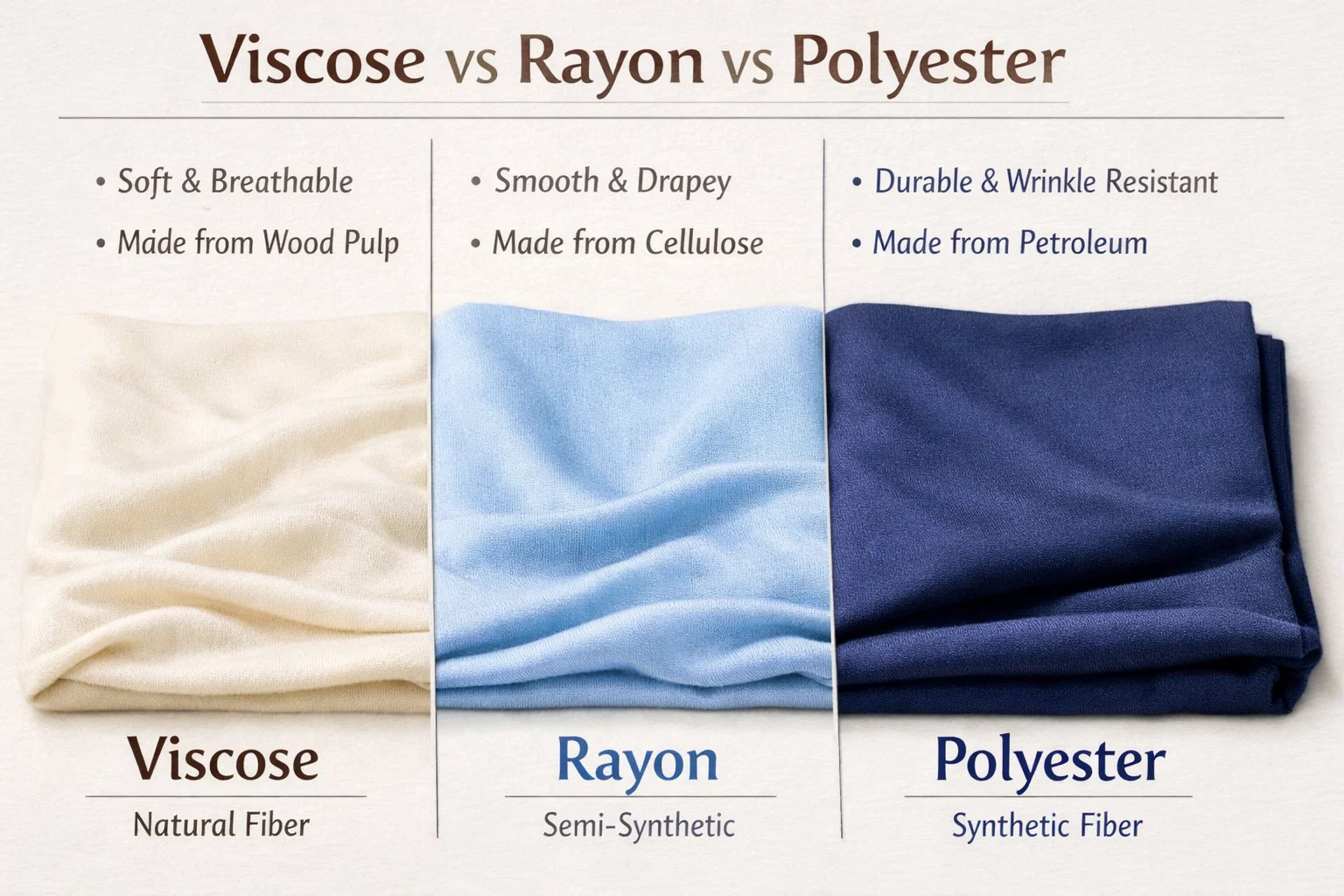
People sometimes get viscose, rayon, and polyester mixed up. It is important to know how they are different. Viscose and rayon come from plants, like wood pulp. Polyester is made from chemicals that come from oil. Viscose and rayon feel softer and let air through better than polyester. Polyester is strong and easy to take care of.
Viscose is a kind of rayon, but not all rayon is viscose. Rayon includes viscose, modal, and lyocell. Viscose uses stronger chemicals when it is made, which can hurt the environment. Polyester is made in a lab and does not break down fast in nature. You can recycle polyester, but it takes a long time to go away in landfills.
These fabrics are not all the same. Each one has special features:
Viscose fabric is made from wood pulp or cotton linter.
Rayon is a group of fibers, and viscose is one type.
Polyester is made from oil and has a very even fiber.
Viscose and rayon feel cooler and softer on your skin. Polyester can make you feel warmer because it holds in heat. Polyester is the strongest and does not wrinkle or shrink much. Viscose and rayon need gentle washing and can shrink if you are not careful. You should hang viscose and rayon to dry and use low heat to iron them. Polyester can go in the dryer and can be ironed with more heat.
In 2026, people care more about the planet. Viscose and rayon break down faster, but making them uses lots of water and chemicals. Polyester can be recycled, and you see more recycled polyester in stores, but it stays in landfills for many years.
Pick a fabric that fits what you care about and need. If you want something better for the earth, viscose and rayon break down faster, but check how they are made. Polyester is tough and easy to care for, so it is good for sports clothes and things you wear every day.
Note: Some people think all three fabrics are natural or break down fast. Only viscose and rayon do. Polyester stays in the environment much longer.
Now you know the main ways viscose, rayon, and polyester are different. Use this guide to help you pick the right fabric for comfort, style, and caring for the planet.
What Is Viscose, Rayon, and Polyester?
Viscose Explained
Viscose fabric is used in dresses and blouses. You also see it in home items. Viscose comes from plants like wood pulp or cotton linters. First, workers take cellulose from the plant. They mix it with chemicals to make a thick liquid. This liquid is spun into thin fibers. The fibers get washed and bleached. Then, they are made into yarn for weaving or knitting. Viscose feels soft and lets air pass through. It does not cost much. Many people like viscose because it feels like silk. Viscose rayon feels cool and smooth on your skin. Some brands use greener ways to make viscose. They use closed-loop systems and wood from safe sources.
Property/Use | Description |
|---|---|
Softness | Viscose feels soft, so it is good for clothes that touch your skin. |
Breathability | Air moves through viscose, so it is nice for warm days. |
Drape and Flow | Viscose hangs smoothly, so it looks nice in fancy clothes. |
Fashion Applications | People use viscose in dresses, blouses, and activewear because it is comfy. |
Home Textile Uses | Viscose is in curtains, cushions, and bed sheets because it feels fancy. |
Rayon Explained
Rayon is a fiber that can look like cotton or silk. You find viscose rayon in many clothes and home things. Rayon starts with cellulose from wood pulp or cotton. Workers treat the cellulose with chemicals. This makes a viscose liquid. The liquid is spun into fibers. There are different kinds of rayon, like modal and lyocell. Each kind has its own special traits. Viscose rayon is soft and lets air through. People pick rayon because it feels good and looks like natural fibers.
Rayon can look and feel like other fibers.
Viscose rayon is soft and lets air pass through.
Modal and lyocell are other kinds with their own features.
Polyester Explained
Polyester is a man-made fiber from oil-based chemicals. You see polyester in clothes and home items. It is even in car parts. To make polyester, factories use heat and pressure. This makes strong and tough fibers. Polyester fabric does not wrinkle much. It keeps its color and is easy to wash. You find polyester in socks, shirts, and sports clothes. It is also in towels, blankets, and furniture. Some polyester is made from recycled stuff, which helps the planet. People choose polyester because it is strong and simple to care for.
Application Area | Characteristics |
|---|---|
Clothing | Polyester is used in socks, underwear, suits, and shirts because it lasts a long time. |
Housewares | It is in towels, blankets, curtains, and furniture. It keeps out water and keeps you warm. |
Automotive | Polyester is in seatbelts, tires, and airbags to keep people safe. |
Geosynthetics | It is used in building to help with water and stop soil from washing away. |
Industrial | Polyester is in bottles, ropes, screens, and food boxes. It is used in many ways. |
Tip: Polyester is a good pick if you want something strong and easy to wash. If you want soft and airy fabric, viscose and rayon are good choices.
Comfort and Feel
Breathability and Softness
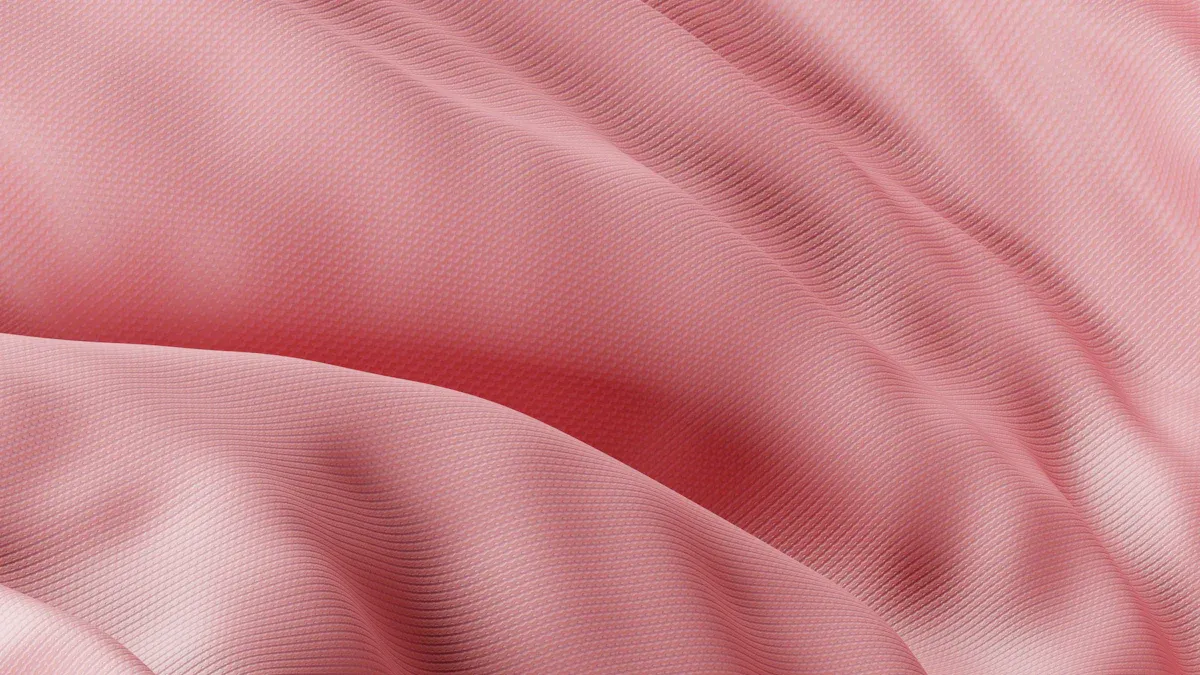
Comfort is very important when picking fabric. Viscose fabric and rayon feel soft on your skin. These fabrics let air pass through them easily. Polyester feels smooth but does not let air move well. You might feel hotter in polyester, especially in summer.
Lab tests show big differences in softness and breathability. Look at this table:
Fiber Type | Moisture Absorption | Breathability | Comfort Level |
|---|---|---|---|
Rayon | High | High | Very Comfortable |
Polyester | Low | Moderate | Can be Uncomfortable |
Rayon and viscose fabric soak up more moisture. This helps you stay cool and dry. Polyester does not soak up sweat, so it stays on your skin. People say rayon and viscose are better in hot, sticky weather. Polyester can feel sticky or too warm.
Fabric | Moisture Absorption | Breathability | Comfort in Humid Conditions |
|---|---|---|---|
Rayon | High (11-13%) | High | Superior |
Polyester | Very Low (<1%) | Low | Poor |
Cotton | Moderate (7-8%) | Moderate | Moderate |
If you want fabric that feels soft and cool, pick viscose fabric or rayon. Polyester is good if you want something strong and easy to wash, but it may not feel as nice.
Tip: For summer, choose viscose or rayon. You will feel cooler and more comfy.
Skin Sensitivity
Some people have skin that reacts to fabric. Viscose fabric and rayon almost never cause skin problems. Polyester can cause small reactions, but this does not happen often.
Studies from different places show how often people react to polyester or to dyes and finishes:
Study / Year | Region | Sample Size | Polyester-Induced Reactions | Dye or Finish-Related Reactions |
|---|---|---|---|---|
European Contact Dermatitis Network (2022) | EU | 1,500 | 0.4% | 4.8% |
U.S. Patch Test Database (2021) | USA | 2,300 | 0.6% | 5.1% |
Asia-Pacific Dermatitis Registry (2023) | Japan, Korea | 800 | 0.2% | 3.7% |
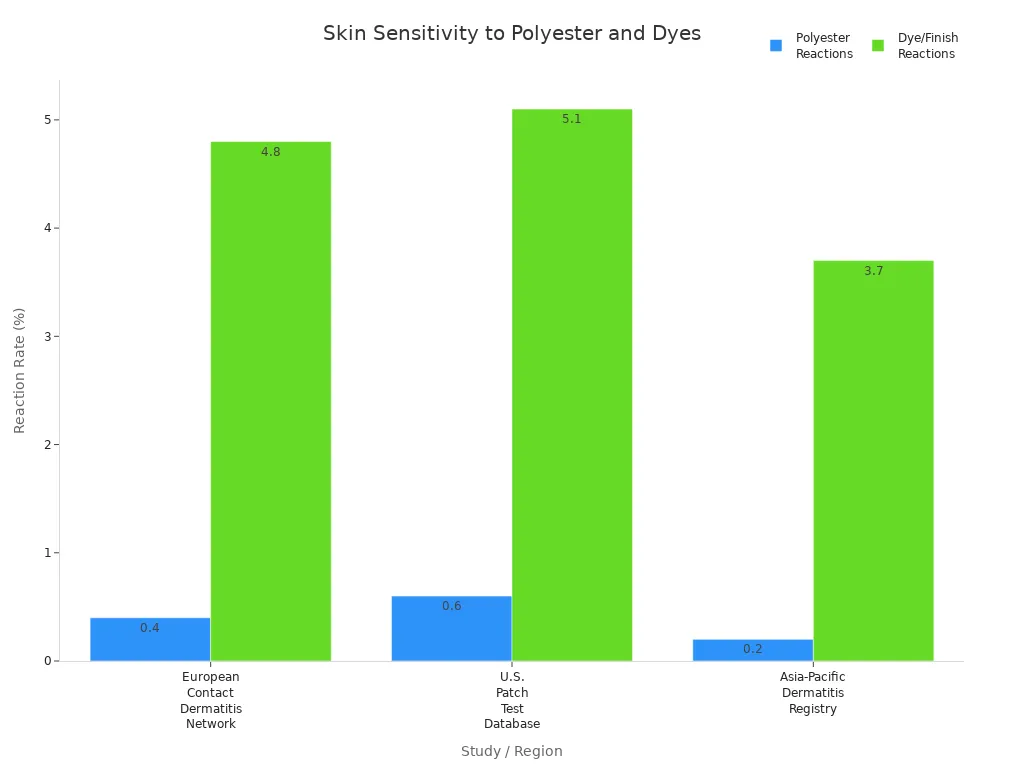
You can see that polyester rarely causes skin problems. Most skin issues come from dyes or finishes, not the fabric. If your skin is sensitive, pick viscose fabric or rayon with fewer chemicals. Always check tags for gentle finishes.
Note: If you have allergies, try new clothes for a short time first.
Durability and Care
Strength and Longevity
You want your clothes to last a long time. Viscose, rayon, and polyester are not all the same in strength. Look at the table to see how strong each one is:
Property | Viscose Fabric (Rayon) | Polyester |
|---|---|---|
Strength (Dry) | Medium | Very high |
Strength (Wet) | Low (viscose) | Extremely high |
Colorfastness | Moderate–High | Very high |
Viscose fabric and rayon feel soft. They get much weaker when wet. Polyester stays strong, even in water. You can wash polyester many times. It does not wear out fast. Polyester keeps its color in sunlight. You do not need to iron it much. Polyester lasts longer than the others. It does not shrink or wrinkle easily. That is why people use it for sportswear and daily clothes.
Rayon and viscose fabric look nice and feel good. You must be gentle with them. If you want clothes that stay strong for years, polyester is the best pick.
Maintenance Tips
You can keep viscose, rayon, and polyester looking new. You need to follow the right care steps.
You must take care of your clothes. This helps them look nice and last longer. Rayon can get damaged by water and heat. You should wash and dry it carefully. Be gentle when you clean rayon. This stops shrinking, fading, or losing shape.
Wash rayon with cold water. Do not use strong soap. Air dry rayon instead of using a dryer. This keeps heat away and stops the fabric from changing shape. Store rayon in a cool, dry place. Keep it out of sunlight. This helps the color stay bright and stops damage.
Always check the label before washing rayon. Most rayon is best washed by hand. Use cool or warm water and mild soap. Put the fabric in water and move it gently. Do not twist or scrub it. This can hurt the fabric.
Iron rayon with care. Rayon is soft and drapes well. It can wrinkle easily. Use a low heat setting on your iron. High heat can burn rayon or make it shiny.
Here are mistakes you should not make:
Using high heat and rough washing makes it shrink more.
Not following care labels can ruin your clothes.
Polyester is simple to clean. You can wash and dry it in machines. It does not shrink or wrinkle much. Viscose fabric and rayon need gentle washing and low heat. Always read the label before cleaning any fabric. If you care for your clothes, they will last longer.
Style and Appearance
Texture and Drape
When you touch different fabrics, you notice how they feel and move. Viscose stands out because it feels soft and smooth. You can use it for dresses and blouses that need to flow and move with you. This fabric drapes well, almost like silk, but costs much less. Rayon also gives you a soft touch and a gentle, flowing look. Both viscose and rayon help your clothes hang nicely and feel light on your body.
Polyester feels different. It is more structured and does not move as freely. You might notice that polyester keeps its shape and does not wrinkle much. However, it does not have the same soft flow as viscose or rayon. If you want a fabric that looks elegant and moves with you, viscose or rayon is a better choice. Polyester works well when you need something strong and neat.
Tip: For a dress that sways or a blouse that feels gentle, choose viscose or rayon. For uniforms or sportswear, polyester gives you more structure.
Color and Versatility
You have many choices when it comes to color and style. Rayon fabrics come in bright, bold colors. They soak up dye well, so you see many shades and patterns. Viscose can look shiny or matte, which means you can pick the finish that fits your style. You find viscose in both fancy dresses and sharp blazers, showing how flexible it is.
Rayon gives you vibrant colors that last.
Viscose works for both soft, flowing clothes and more tailored pieces.
Both fabrics let you try new looks, from casual to formal.
Polyester also comes in many colors, but it does not absorb dye as deeply as rayon. Still, it stays bright after many washes. When you want a fabric that fits many styles and colors, rayon and viscose give you more options.
Note: If you love to change your look or try new trends, rayon and viscose help you stand out with color and style.
Sustainability and Impact
Eco-Friendliness in 2026
You might wonder how your fabric choices affect the earth. In 2026, being eco-friendly is more important than ever. Sustainable viscose and rayon have some good points, but you should look closer at their effects on nature. Making viscose can cause forests to disappear quickly. This puts rare animals and plants in danger. Sometimes, companies take land from Indigenous people to get wood pulp. The process uses strong chemicals that can pollute air and water. Factories let out harmful stuff, which hurts local plants and animals. Carbon disulphide, used in making viscose, can make workers and neighbors very sick.
Polyester also harms the environment a lot. It needs lots of water and energy to make. Check this table to see how much water and energy each fabric uses:
Material | Water Consumption (L/kg) | Energy Consumption (MJ/kg) |
|---|---|---|
Viscose | 3,000 | |
Polyester | 50,700 – 71,400 | 217 |
You can see polyester uses way more water than viscose. Both fabrics need a lot of energy to produce. Some viscose is made in better ways that use less water and energy. You should look for brands that use closed-loop systems and wood from safe sources. This helps lower harm to the planet and supports being eco-friendly.
Tip: Pick sustainable viscose or rayon from brands that care about the earth. This helps save forests and protect people.
Future Trends
You will see big changes in fashion soon. More brands are using sustainable viscose because it is soft and not too pricey. Rayon is growing fast, especially modal and lyocell types. These fibers are better for the earth and feel nice to wear. The rayon market could reach USD 22.5 billion by 2030. Modal and lyocell will grow even faster as people want greener choices.
You will find more eco-friendly fabrics in stores. Shoppers like you care about the planet and want to help. Brands that care about people and nature are getting more popular. New technology helps make rayon and viscose with less pollution. Athleisure and comfy clothes make people buy more rayon because it breathes well and soaks up sweat. Companies work together to make better fabrics and help the earth.
More people want sustainable viscose and rayon.
Eco-friendly ways to make fabric are spreading.
Many brands use new fabrics to help the planet.
You will have more choices in green fashion.
Note: When you pick sustainable viscose, rayon, or other green fabrics, you help shape what comes next. Your choices help the earth and support a better future.
Viscose vs Polyester: Best Uses
Everyday Wear Knitwear
You want clothes that feel good and last a long time. When you look at viscose vs polyester, you see big differences in how each fabric works for everyday wear. Viscose gives you a soft touch and a cool feeling. You find viscose in dresses, tops, and summer outfits. This fabric lets air move through, so you stay comfortable on warm days. The drape looks smooth and elegant, which makes your clothes hang nicely.
Polyester works best for sportswear, uniforms, and outdoor gear. You get strong fabric that resists wrinkles and keeps its color after many washes. Polyester does not need much care. You can wash and dry it easily. If you want clothes for active days or school, polyester is a smart choice.
Here is a quick table to help you compare:
Fabric | Best Use Cases | Key Features |
|---|---|---|
Viscose | Dresses, tops, summer wear | Soft, breathable, eco-friendlier, luxurious drape, moisture absorbent |
Polyester | Sportswear, outdoor gear, uniforms | Durable, wrinkle-resistant, low maintenance, cost-effective, color retention |
Tip: Choose viscose for comfort and style in warm weather. Pick polyester for tough clothes that handle busy days.
Special Applications
You might need fabric for special uses at home or work. Viscose vs polyester gives you options for different needs. Viscose works well in curtains, cushions, and bed sheets. You get a fancy look and a soft feel. This fabric absorbs moisture, so it feels fresh in your home.
Polyester fits best in places where you need strength. You see it in furniture covers, outdoor pillows, and travel bags. Polyester stands up to sunlight and rough use. You do not have to worry about stains or fading. If you want easy care and long-lasting items, polyester is the way to go.
When you choose between viscose vs polyester, think about what matters most. If you want soft, breathable fabric for clothes or home, viscose is a good pick. If you need strong, easy-care items, polyester works better.
Note: Always check the label before you buy. Pick the fabric that matches your lifestyle and needs.
When you look at viscose, rayon, and polyester, you notice they are not the same. Viscose is soft and lets air move through, but making it can hurt nature. Polyester is strong and simple to wash, but it does not break down fast in landfills. Experts say mixing viscose and polyester helps clothes stay dry and not wrinkle. If you care about the earth, pick brands that use safer ways to make fabric. In 2026, your choice between viscose, rayon, and polyester will help decide what fashion looks like and what matters most to you.
FAQ
What is the main difference between viscose and rayon?
You may see viscose and rayon used as if they are the same. Viscose is a type of rayon. Rayon includes viscose, modal, and lyocell. Viscose uses more chemicals in its process.
Is polyester safe for sensitive skin?
Most people can wear polyester without problems. If you have very sensitive skin, you may feel itchy. Try to choose clothes with fewer dyes or finishes. Always check the label for skin-friendly options.
Can I machine wash viscose or rayon?
You should wash viscose and rayon by hand or on a gentle cycle. Use cold water and mild soap. Air dry these fabrics. Machine washing can cause shrinking or damage.
Which fabric is best for hot weather?
Viscose and rayon keep you cool. These fabrics let air move through and absorb sweat. Polyester holds in heat and may feel sticky. For summer, choose viscose or rayon.